
Free book summaries. Any book, one page, fifteen minutes.
The plot, the key ideas, the characters and a short analysis for 9,827 books. No paywall.
Not in the library? Signed-in readers can request any book.
Popular: Harry Potter and the Sorcerer's Stone · The Hunger Games · Nineteen Eighty-Four · Pride & Prejudice · To Kill a Mockingbird · The Great Gatsby
Start here
Classics you were assigned in school
The novels and plays English syllabuses still set, from Lord of the Flies to Things Fall Apart. Each summary has the plot, a character guide and the themes your essay will ask about.







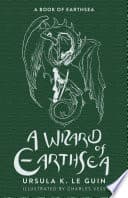
Where to start with fantasy
Ten first books into the genre, from Tolkien and Le Guin to Sanderson and Rothfuss. Read the summaries to find which kind of fantasy is yours before you commit to a series.




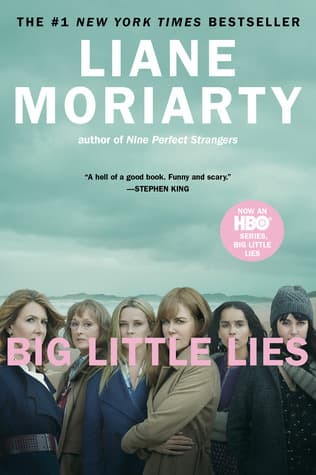
Book-club picks
Twelve novels that give a book club something to argue about, from Big Little Lies to East of Eden.



Psychology Classics
Ten books on how people think and decide, from Thinking, Fast and Slow to Stumbling on Happiness.


Most popular summaries
- 1Harry Potter and the Sorcerer's Stone
J.K. Rowling
- 2The Hunger Games
Suzanne Collins
- 3Nineteen Eighty-Four
George Orwell
- 4Pride & Prejudice
Jane Austen
- 5To Kill a Mockingbird
Harper Lee
- 6The Great Gatsby
F. Scott Fitzgerald
- 7The Fault in Our Stars
John Green
- 8Divergent
Veronica Roth
- 9The Hobbit, or There and Back Again
J.R.R. Tolkien
- 10The Diary of a Young Girl
Anne Frank






Ranked by number of Goodreads ratings.
After the summary
Test yourself
Almost every summary ends with a quiz of about ten questions on the plot, the characters and the ideas, each answer explained. Useful the night before an exam. Anyone can take it; sign in to keep your scores.
Ask the book
Signed in, you can ask questions about a book: who a character is, why something happens, what a theme means. Answers are drawn from our summary, not the full text, so they share its limits. Free, up to 20 questions a day.
Browse by genre
Not in the library?
Search for any book. If we haven't summarised it yet, sign in and we'll write a summary while you wait, usually in about a minute. You can request three a day.
How a summary is made
- 1 One-line summary
- 2 Plot, or key takeaways for non-fiction
- 3 Characters
- 4 Themes and analysis
- 5 Questions and similar books
Every summary is one page with the same parts, so you always know where to look. It opens with a one-line summary. For fiction, the plot follows, then a guide to the characters; for non-fiction, the plot becomes a list of the book's key takeaways. After that come its themes, an analysis, common questions and a few similar books.
We write the summaries with AI, and we say so. AI makes mistakes, so we are adding human review, starting with the most-read titles, and a reviewed page says so. How we write summaries explains the whole process.
Questions
Is BookBrief free?
Yes. Every summary is free to read, with no account, trial or paywall. An account is optional and adds a reading list, favourites, saved quiz scores, book requests and questions to a book. When you buy a book through one of our links we may earn a small commission, which pays for the site.
Is a summary a substitute for the book?
No. A summary tells you what happens and what the book argues. It cannot give you the prose, the pacing or the experience of reading it. Use one to decide what to read, to revise a book you have read, or to keep up with one you have not.
How do requests work?
Search for the book. If it is not in the library, sign in and request it, and a summary is written while you wait, usually in about a minute. You can request three books a day.
How are summaries checked?
Summaries are written with AI, and AI makes mistakes. We are adding human review, starting with the most-read titles, and a reviewed summary says so under its title. If you spot an error, email hello@bookbrief.io and we will fix it.