

Synopsis
Covers the whole plot, including the ending.
- Difficulty
- Easy
- Pacing
- Slow
- Mood
- Melancholy, Romantic, Contemplative, Ethereal
- Read it if
- You enjoy quiet, character-driven fantasy with a focus on romance and philosophical themes about life, death, and connection.
- Skip it if
- You prefer fast-paced plots, high-stakes action, or stories with a clear-cut, definitive resolution to supernatural elements.
A Fine and Private Place Plot Summary
Covers the whole plot, including the ending.
The Caretaker's Strange Profession
Jonathan Rebeck, a lonely and cynical man, lives a solitary life as the caretaker of a large, old cemetery in Bronxton. His life follows a routine: tending graves, keeping out trespassers, and feeding birds. One evening, Jonathan sees a spectral figure. This is Michael Morgan, a ghost trapped in the cemetery for nineteen years. Jonathan, surprised but calm, begins to talk to Michael, starting an unusual friendship that will change both their isolated lives in the silent city of the dead. Their talks reveal Michael's deep sadness and his inability to move on from his past life.
Michael's Haunting Existence
Michael Morgan, a young man who died suddenly in a car accident, explains his situation to Jonathan. He remembers his last moments and the confusion of becoming a ghost, unable to leave the cemetery gates. He exists in a state of suspended animation, watching the living but unable to interact with their world beyond the cemetery walls. His days are filled with the sad routine of watching new burials, listening to mourners, and reliving parts of his past. He tells Jonathan about his deep loneliness and his desire for connection, a feeling made stronger by his spectral isolation. Michael's many years in the cemetery have given him a unique view on death and memory, which he shares with his unlikely living friend.
The Arrival of Laura Durant
One day, a new coffin arrives, carrying the body of Laura Durant, a beautiful young woman who died tragically young. Michael is immediately drawn to her. From the moment her funeral procession enters the cemetery, he is captivated by her spirit, which, like his own, remains tied to her grave. Laura is at first confused and upset by her new state, struggling to understand her death and her inability to leave. Michael, feeling a connection he has not felt in decades, wants to comfort her. Her arrival gives new purpose to Michael's stagnant afterlife, awakening emotions he thought were long gone, and stirring hope for companionship in his solitary existence.
A Love Beyond the Grave
Michael, overcoming his shyness and the limits of his ghostly life, begins to speak to Laura. He guides her through the initial confusion of being a ghost, explaining the rules of their new reality in the cemetery. As they spend more time together, sharing stories and sorrow, a deep and tender romance grows between them. They find understanding and comfort in each other's company, a love that goes beyond their physical deaths. Their shared condition as ghosts in the same cemetery creates an intimacy neither had known in life, showing that love can grow even in the most unconventional and ethereal circumstances, bringing light to their otherwise somber afterlife.
Jonathan's Growing Friendships
Jonathan's life, once marked by extreme solitude, begins to change through his unique interactions. His daily talks with Michael, though one-sided to any observer, give him a companionship he has long lacked. Also, Jonathan has an unusual friendship with Mrs. Klapper, a flamboyant and eccentric psychic who lives nearby. Mrs. Klapper, with her dramatic statements and genuine, if sometimes misguided, attempts to talk to the dead, offers a different kind of connection for Jonathan. She knows about the 'spirits' in the cemetery, though not specifically Michael, and her belief in the supernatural confirms Jonathan's own secret. These relationships, however unusual, slowly break down Jonathan's cynicism and open him to the world around him.
The Psychic's Intervention
Mrs. Klapper, a self-proclaimed psychic, increasingly senses powerful spiritual energy within Jonathan's cemetery. While she is not directly aware of Michael and Laura's specific romance, her sensitivity leads her to believe that restless spirits seek connection or resolution. She begins to conduct séances and rituals, much to Jonathan's amusement and Michael's quiet enjoyment. Her dramatic attempts to communicate with the dead, though often comical, show the thin barrier between the living and the dead in this story. Her actions, driven by a genuine desire to help, create a backdrop of increased spiritual activity that subtly affects Michael and Laura's growing relationship, adding a layer of comedic tension.
A Challenge to Their Love
Despite the deep love Michael and Laura share, the limits of their ghostly existence begin to take their toll. They cannot touch, cannot truly interact with the physical world, and are confined to the cemetery. The endless, unchanging nature of their afterlife, along with the inability to fully express their love physically, creates a growing sense of frustration and longing. Laura, especially, begins to feel the weight of their situation more acutely, questioning the true nature of their love if it can never be fully expressed. This creates a poignant conflict, showing that even in the afterlife, love faces its own unique challenges and heartbreaks.
Jonathan's Confession
Jonathan, increasingly invested in Michael and Laura's happiness and feeling their unspoken suffering, makes a significant decision. He tells Mrs. Klapper about Michael and Laura and their ethereal romance. This is a monumental step for the reclusive caretaker, breaking his long silence and cynicism. Mrs. Klapper, though at first skeptical of such a specific revelation, is quickly convinced by Jonathan's earnestness and the spiritual energy she has already sensed. This confession marks a turning point, bringing the living world's perception closer to the hidden reality of the cemetery's spectral inhabitants, and setting the stage for a dramatic intervention.
The Living and the Dead Intertwine
Armed with Jonathan's confession, Mrs. Klapper, with her characteristic dramatic flair, decides to help Michael and Laura. She believes that their inability to touch and the frustration of their unexpressed love hinder their spiritual progress. She begins to devise rituals and séances specifically aimed at bridging the gap between their spectral forms, hoping to grant them a moment of physical connection. Jonathan, despite his initial skepticism of her methods, becomes an active, if somewhat reluctant, participant, driven by his affection for the two ghosts. This leads to a series of poignant and often comical attempts, as the living try to manipulate the unseen forces of the afterlife to bring comfort to the dead.
A Moment of Touch
After many attempts and guided by Mrs. Klapper's persistent, if unorthodox, spiritual interventions, Michael and Laura experience a miraculous moment. During a particularly intense séance conducted by Mrs. Klapper, with Jonathan assisting, the two ghosts are briefly able to touch. It is a fleeting, ethereal connection, but for them, it is real and overwhelming. This moment of physical intimacy, however brief, brings them immense joy and a sense of validation for their love. It shows the power of belief, the strength of their bond, and the unexpected ways the living and the dead can find common ground and offer solace to one another, even across the veil.
The Price of Connection
The joy of their brief touch is quickly followed by a realization of its cost. The energy needed for Michael and Laura to achieve even that fleeting physical connection takes a heavy toll. They discover that such a powerful interaction with the physical realm, even through psychic intervention, drains their essence. The experience, while beautiful, emphasizes the ultimate impossibility of sustained physical intimacy for them. This bittersweet revelation brings them face-to-face with the true nature of their ethereal existence, highlighting the unbridgeable divide between their spectral forms and the living world they wish to fully inhabit. Their love, though strong, remains bound by the rules of their unique afterlife.
Acceptance and Lingering Love
After the emotional intensity of their brief physical contact and its cost, Michael and Laura reach a place of poignant acceptance. They understand that a fully physical relationship is beyond their grasp in their current state. However, their love for each other remains strong. They find solace in their shared companionship, their conversations, and the deep emotional connection they formed. They continue to exist within the cemetery, their love a quiet, lasting presence. Jonathan, having witnessed their journey, continues to care for the cemetery and, in his own way, for the two ghosts, finding his own peace in this unusual community of the living and the dead. Their story shows love's persistence beyond physical boundaries.
Jonathan's New Perspective
Jonathan Rebeck, once a bitter and isolated man, is changed by his encounters with Michael, Laura, and Mrs. Klapper. His cynicism, a shield he had worn for decades, gradually softens. He continues his duties as caretaker, but now with a deeper understanding and appreciation for the lives, and afterlives, around him. He finds quiet satisfaction in being the guardian of the cemetery, a place that is not just a repository of the dead, but an unseen community. His interactions have given him purpose and connection, showing that even the most solitary individuals can find unexpected companionship and meaning in unusual circumstances, bridging the gap between the mundane and the magical.
A Fine and Private Place Characters
Michael Morgan
Protagonist
A gentle ghost trapped in a cemetery, yearning for connection.
Michael Morgan is a young man who died in a car accident nineteen years prior to the story's opening. He is a gentle, melancholic spirit, defined by his inability to leave the cemetery where he is buried. His existence is one of quiet observation and deep loneliness, longing for interaction and a purpose beyond simply existing. He is intellectual and reflective, often lost in memories and the contemplation of his spectral state. His prolonged isolation has made him somewhat resigned, but also deeply sensitive to the emotions of others, particularly Laura. He is driven by a profound need for companionship and love.
Relationships: Laura Durant (Deep romantic love, shared ghostly existence.); Jonathan Rebeck (Unusual friendship, confidant and only living link.); Mrs. Klapper (Recipient of her psychic efforts, an object of her 'help'.)
Laura Durant
Protagonist
A beautiful young ghost who falls in love with Michael.
Laura Durant is a beautiful young woman who dies tragically and is interred in the same cemetery as Michael. Initially disoriented and distressed by her death and her new ghostly state, she quickly finds solace and love with Michael. She is passionate and expressive, bringing a vibrant energy to Michael's somber afterlife. While she embraces their love, she also struggles more acutely with the limitations of their spectral existence, particularly the inability to experience physical intimacy. She is driven by a desire for a complete, fulfilling love, even in the afterlife, and her yearning highlights the poignant aspects of their unique romance.
Relationships: Michael Morgan (Deep romantic love, shared ghostly existence.); Jonathan Rebeck (Benevolent observer, indirectly helps her through Michael.); Mrs. Klapper (Recipient of her psychic efforts, an object of her 'help'.)
Jonathan Rebeck
Supporting
The cynical, reclusive cemetery caretaker who befriends the ghosts.
Jonathan Rebeck is the caretaker of the cemetery, a man whose life is marked by extreme solitude and a deep-seated cynicism. He lives a meticulously ordered, almost ritualistic existence, finding comfort in the predictable routines of his job. Despite his gruff exterior, he possesses a hidden capacity for empathy and connection, which is slowly revealed through his interactions with Michael. He is the only living person aware of Michael and Laura's ghostly presence, making him a crucial bridge between the living and the dead. His journey is one from isolation to a reluctant, then genuine, engagement with the extraordinary.
Relationships: Michael Morgan (Unusual friendship, confidant, and sole living companion.); Laura Durant (Benevolent observer, indirectly helps her through Michael.); Mrs. Klapper (Reluctant ally, provides a different kind of companionship and a link to the supernatural world.)
Mrs. Klapper
Supporting
An eccentric and flamboyant psychic who attempts to aid the ghosts.
Mrs. Klapper is a flamboyant, eccentric, and genuinely gifted psychic who lives near the cemetery. She is dramatic, often comical, and utterly convinced of her abilities to communicate with the spirit world. While initially unaware of Michael and Laura specifically, she senses powerful spiritual energies within the cemetery. She is driven by a sincere desire to help restless spirits and often provides a humorous counterpoint to the more melancholic tone of the ghosts' existence. Her interventions, though sometimes misguided, are instrumental in bringing about the climax of the story, as she endeavors to bridge the gap between the living and the dead.
Relationships: Jonathan Rebeck (Unlikely friend and assistant in her psychic endeavors.); Michael Morgan (The object of her psychic efforts.); Laura Durant (The object of her psychic efforts.)
The Dog (Pouncer/Growler)
Mentioned
Jonathan's canine companion.
Jonathan Rebeck owns a dog, referred to at different times as Pouncer or Growler, who accompanies him on his rounds in the cemetery. The dog serves as a loyal, if sometimes indifferent, companion to Jonathan, reinforcing his isolated lifestyle while also providing a touch of warmth and routine. The dog's presence highlights Jonathan's connection to the physical, living world, contrasting with the spectral inhabitants of the cemetery. While not a central character, the dog represents the mundane, grounding aspects of Jonathan's life amidst the extraordinary.
Relationships: Jonathan Rebeck (Pet and companion.)
Mr. Sempels
Mentioned
The previous cemetery caretaker.
Mr. Sempels was the cemetery caretaker before Jonathan Rebeck. He is mentioned by Jonathan as part of the cemetery's history and its long lineage of caretakers. His presence is largely historical, providing context for Jonathan's role and the continuity of the cemetery's management. He represents the past, a silent predecessor in the long line of guardians of this unique space. His mention reinforces the idea of the cemetery as a place with a rich, ongoing history, where the living and the dead, and those who tend to them, have their own continuous stories.
A Fine and Private Place Themes
Love Transcending Death
The central theme explores love's lasting power, even beyond life and death. Michael and Laura's romance, growing in the afterlife, shows that emotional connection can persist despite the ultimate physical barrier. Their desire for touch and the joy of their brief connection highlight love's need for intimacy, even when it seems impossible. This theme is shown in the tender interactions between Michael and Laura, who find comfort and meaning in each other's spectral presence, making their ghostly existence less lonely and more purposeful.
“What had begun as a shared loneliness had become a shared love, and with love, the loneliness became a joy.”
Loneliness and Connection
The narrative deeply explores loneliness and the need for connection. Michael's nineteen years of isolated haunting, Jonathan's cynical solitude, and Laura's initial confusion all stem from a lack of meaningful companionship. The story illustrates how even the most unlikely bonds—between a living man and two ghosts, or between two ghosts themselves—can ease this profound isolation. Jonathan's softening demeanor and the passionate love between Michael and Laura result from finding connection, proving that companionship can transform even the most desolate existences.
“He had not known how lonely he was until he had someone to talk to, even if that someone was a ghost.”
The Nature of Existence After Death
The book delves into questions about what happens after death, especially for those who remain tied to the earthly realm. Michael and Laura's existence as ghosts explores themes of limbo, memory, and the inability to move on. Their spectral reality involves observation, longing, and limited interaction with the living world. The story presents an afterlife that is not a heaven or hell, but a continuation of earthly concerns and emotions, in a non-physical form. This theme questions what truly defines life and death, suggesting that identity, emotions, and love can persist beyond the grave.
“Death was not an ending, not for everyone. For some, it was merely a change of address, and a change of form.”
Acceptance and Resignation
Throughout the story, characters grapple with accepting their circumstances, especially their limitations. Michael at first struggles with his ghostly confinement, but over time, he accepts it, finding a routine. Laura, upon her arrival, experiences similar distress but eventually accepts her new reality, especially once she finds love. Jonathan, too, must accept the extraordinary truth of the ghosts in his cemetery, moving from cynicism to a quiet acceptance of his unique role. This theme highlights the human capacity to adapt and find meaning, even in the face of immutable, often tragic, circumstances, and to make peace with what cannot be changed.
“There was no escaping the cemetery for him, and in time, he had stopped trying. He had learned to live, or rather, to be, within its quiet confines.”
Plot Devices & Literary Techniques
The Liminal Space of the Cemetery
The cemetery acts as a boundary between the living and the dead, and a world unto itself.
The cemetery is more than just a setting; it is a central plot device, functioning as a liminal space that physically and metaphorically separates the living from the dead. It is the only place where Michael and Laura can exist, and the only place where Jonathan can interact with them. This confinement drives much of the narrative's tension and pathos, emphasizing the ghosts' trapped state and the challenges to their love. The cemetery's gates represent an insurmountable barrier for the ghosts, defining their existence and highlighting the unique rules of their afterlife. It also serves as a microcosm where the themes of life, death, memory, and love converge.
The Psychic Medium (Mrs. Klapper)
A character who bridges the communication gap between the living and the dead.
Mrs. Klapper, the eccentric psychic, serves as a crucial plot device by providing a direct, though often dramatic, means of interaction between the living and the dead. While Jonathan can hear Michael, Mrs. Klapper's spiritual sensitivity and active interventions aim to go beyond simple communication, attempting to manipulate the spiritual realm. Her séances and rituals are the catalyst for the climactic moment of physical touch between Michael and Laura, making the impossible momentarily possible. She embodies the supernatural element of the story, allowing for direct, albeit unconventional, intervention in the ghosts' lives, thereby advancing the plot and exploring the limits of their spectral existence.
The Unseen Observer (Jonathan's Role)
A living character who can perceive and interact with the ghosts, but is mostly isolated.
Jonathan Rebeck's unique ability to hear and understand Michael, while being unable to directly touch him, serves as a vital plot device. He acts as the primary living observer and confidant for the ghosts, providing the audience with a window into their world. His isolation, combined with his peculiar gift, allows for the story to unfold from a grounded, human perspective while still engaging with the fantastical. His role as the 'unseen observer' who eventually becomes an active participant is crucial for moving the plot forward, especially when he confides in Mrs. Klapper, thus bringing the full force of the living world's help to the spectral lovers.
The Inability to Touch
A physical limitation for the ghosts that drives their emotional and plot conflict.
The ghosts' inability to physically touch each other is a powerful and poignant plot device that drives much of the emotional and narrative conflict. It is the ultimate expression of their separation from the living world and the primary source of their frustration and yearning. This limitation makes their love story both beautiful and tragic, as they can experience deep emotional intimacy but are denied its physical expression. The quest to overcome this barrier, culminating in Mrs. Klapper's attempts to facilitate a touch, forms a major part of the plot's climax, highlighting the profound impact of this simple, yet unattainable, human interaction.
A Fine and Private Place Quotes
“There are no happy endings, of course, no happy beginnings either, or happy middles. There are only the ebb and flow of things, a coming and a going, and the world is a sea, after all, and we are on it, and it is a voyage, not a harbor.”
“It's a fine and private place, but none, I think, do there embrace.”
“The dead, after all, can only listen. It is the living who must speak.”
“Love is a thing that can never be told, for the telling of it is a kind of death.”
“Sometimes it seemed to him that the whole world was a graveyard, and everyone in it was a ghost, waiting for someone to notice them.”
“There is nothing in the world so beautiful as a thing that is about to die.”
“He understood then that true loneliness was not being alone, but being unable to be alone, to always be surrounded by others, yet never truly seen.”
“Ghosts, like people, are mostly just trying to get by.”
“The past is a place, and we are all its residents, whether we know it or not.”
“It was strange how silence could be so much louder than sound sometimes.”
“To forget is to die twice.”
“And sometimes, when you least expect it, a door opens where there was only a wall.”
“The world is full of things that cannot be explained, and love is one of the most inexplicable.”
“He had never known that peace could be so heavy.”
Quiz
10 questions on the plot and the characters. Each answer comes with a short explanation.
Question 1
Where does Michael Morgan initially find himself trapped after his funeral?
- A bustling city park
- The quiet confines of a cemetery
- His old childhood home
- A busy hospital ward
Show answer
B. The quiet confines of a cemetery Michael Morgan, as a ghost, is trapped within the boundaries of the cemetery where he was buried, specifically in the mausoleum.
Question 2
What is the primary way Michael Morgan interacts with the living world, specifically for sustenance?
- He can possess living people to eat their food.
- He consumes the offerings left on graves.
- He can manifest physical objects like food for himself.
- He doesn't need sustenance as a ghost.
Show answer
B. He consumes the offerings left on graves. Michael sustains himself by 'eating' the essence of food left by visitors on graves, a common practice for the cemetery's ghosts.
Question 3
Who is the 'Watcher' of the cemetery, a living man who regularly visits?
- Mr. Sclavi
- Jonathan Rebeck
- Mr. Bergstrom
- Frederick Downs
Show answer
B. Jonathan Rebeck Jonathan Rebeck is the living man who regularly visits his deceased wife's grave and is known to the ghosts as 'the Watcher'.
Question 4
What is the name of the raven who acts as a companion and confidant to Michael?
- Corvus
- Edgar
- Skull
- Moriarty
Show answer
C. Skull Skull is the intelligent and often cynical raven who communicates with Michael and other ghosts, providing companionship and commentary.
Question 5
What is the primary challenge Michael and Laura face in their relationship?
- Laura is still alive, and Michael is a ghost.
- They are both ghosts, but from different time periods.
- Michael is a ghost, and Laura is a newly deceased spirit.
- They are both living, but a physical barrier separates them.
Show answer
C. Michael is a ghost, and Laura is a newly deceased spirit. Michael is an established ghost in the cemetery, and Laura is a recently deceased spirit, creating a unique dynamic for their spectral romance.
Question 6
What is the nature of the 'love stronger than the boundaries of the grave and the spirit world' as depicted in the novel?
- It allows ghosts to physically return to life.
- It enables Michael and Laura to communicate with living people.
- It signifies that their emotional connection transcends their ghostly existence and the limitations of the cemetery.
- It grants them special powers over other spirits.
Show answer
C. It signifies that their emotional connection transcends their ghostly existence and the limitations of the cemetery. The love between Michael and Laura is depicted as a profound emotional bond that allows them to find meaning and connection even in their spectral state, defying the isolating nature of death.
Question 7
What is the significance of the mausoleum for Michael?
- It is where he was originally buried.
- It serves as his personal 'home' or refuge within the cemetery.
- It is the only place he can interact with living beings.
- It is a portal to another dimension.
Show answer
B. It serves as his personal 'home' or refuge within the cemetery. The mausoleum is where Michael resides and has established his existence as a ghost, making it his primary dwelling and a significant setting for his early experiences.
Question 8
How does the author use the character of the raven, Skull, to explore themes beyond simple companionship?
- Skull represents the ultimate wisdom of the afterlife.
- Skull embodies cynicism and offers a pragmatic, often melancholic, perspective on the ghosts' existence.
- Skull is a symbol of hope and rebirth for the ghosts.
- Skull's primary role is to provide comic relief.
Show answer
B. Skull embodies cynicism and offers a pragmatic, often melancholic, perspective on the ghosts' existence. Skull often voices the harsh realities and limitations of being a ghost, providing a counterpoint to Michael's initial idealism and exploring themes of stagnation and acceptance.
Question 9
What is the ultimate fate or resolution for Michael and Laura at the end of the novel?
- They find a way to become fully alive again.
- They transcend their individual ghostly forms to become a single, merged entity.
- They depart from the cemetery together, moving on to an unknown, but implied, further existence beyond the grave.
- They decide to remain in the cemetery forever, content with their spectral lives.
Show answer
C. They depart from the cemetery together, moving on to an unknown, but implied, further existence beyond the grave. At the novel's conclusion, Michael and Laura choose to leave the familiar confines of the cemetery, implying a continuation of their love beyond the specific 'fine and private place,' moving towards an uncertain but shared future.
Question 10
How does the novel explore the concept of memory for the ghosts, particularly regarding their past lives?
- Ghosts completely lose all memories of their living existence upon death.
- Ghosts retain perfect, vivid memories of their past, which causes them constant torment.
- Ghosts' memories of their living lives fade over time, becoming indistinct and less relevant, often leaving them with only fragmented recollections.
- Ghosts can choose which memories to keep or discard at will.
Show answer
C. Ghosts' memories of their living lives fade over time, becoming indistinct and less relevant, often leaving them with only fragmented recollections. The novel depicts ghosts as gradually losing their sharp memories of their living lives, which adds to their sense of detachment and timelessness within the cemetery.
A Fine and Private Place FAQ
What is the central premise of 'A Fine and Private Place'?
'A Fine and Private Place' follows Michael Morgan, a recently deceased ghost who finds himself unable to leave the cemetery where he was buried. He spends his days observing the living, particularly a young woman named Laura, and grapples with his new existence in the limbo between life and death.
Who are the main inhabitants of the cemetery Michael encounters?
Michael encounters several unique inhabitants: the cynical, sentient raven named John; the kind, elderly Mrs. Klapper, who brings him food and company despite not knowing he's a ghost; and Mr. Hiram Nevil, a 'professional' ghost who has been haunting the cemetery for centuries and acts as Michael's reluctant mentor.
How does Michael first meet Laura, and what is her significance?
Michael first meets Laura when she visits the grave of her deceased husband, Robert. She is a living woman who can see and hear Michael, a rare ability that transcends the barrier between the living and the dead. Their shared grief and unique connection quickly blossom into a profound and unusual romance.
What role does the raven, John, play in the story?
John is a cynical, wise, and often humorous talking raven who serves as Michael's primary companion and confidant in the cemetery. He provides commentary on both the living and the dead, often offering a grounded, if jaded, perspective on Michael's predicament and his burgeoning relationship with Laura.
What is Mr. Nevil's backstory and his 'profession'?
Mr. Hiram Nevil is a ghost who has been haunting the cemetery for over 200 years. His 'profession' is to help other ghosts move on to the afterlife by assisting them in resolving their lingering attachments or finding peace. He is initially annoyed by Michael's refusal to leave and his unconventional love for Laura.
What is the significance of the 'fine and private place' mentioned in the title?
The 'fine and private place' refers to the cemetery itself, which becomes Michael's entire world and sanctuary in his ghostly existence. It's a place of quiet solitude where he finds both his new reality and, unexpectedly, love with Laura, making it a space of both confinement and profound connection.
Are there any subtle clues about Michael's past life before he became a ghost?
The book offers glimpses of Michael's past through his own reflections and fragmented memories. He was a somewhat unremarkable man, perhaps a bit of a loner, and his sudden death left him with a sense of unfulfillment, contributing to his inability to move on and his attachment to the cemetery.
How does the author subtly contrast the 'living' world outside the cemetery with Michael's 'dead' world within?
Beagle contrasts the two worlds through Michael's observations. The living world is bustling but often indifferent, while the cemetery, though inhabited by the dead, is rich with unique personalities, quiet routines, and profound emotional experiences, suggesting that true life isn't solely defined by physical existence.
What is the underlying psychological impact of Michael's limbo state on his identity?
Michael's limbo state forces him to confront his identity without the trappings of a physical body or a conventional life. He struggles with feelings of unreality and isolation, but also discovers a deeper sense of self and purpose through his love for Laura, transcending his former human limitations.
How does Laura's ability to perceive Michael affect her own psychological state?
Laura's ability to perceive Michael initially makes her question her sanity, as she is grieving and no one else can see him. However, her connection with Michael ultimately brings her solace, understanding, and a unique form of healing from her own loss, transforming her grief into a profound and unconventional love.
What psychological needs does Mrs. Klapper fulfill for Michael, despite not knowing he's a ghost?
Mrs. Klapper, with her regular visits and offerings of food, fulfills Michael's deep psychological need for connection, routine, and a sense of being cared for and remembered. Her consistent, unassuming kindness provides a vital anchor to the world of the living and a comfort in his lonely existence.
How does the novel explore themes of grief and loss, both for the living and the dead?
The novel explores grief through Laura's mourning for her husband and Michael's own lingering sense of unfulfillment after his death. It shows that grief is a universal experience, transcending the boundary between life and death, and that finding connection and love can be a powerful path to healing for both the living and the spectral.
Is Michael's love for Laura a form of moving on, or a new attachment that keeps him tethered?
This is a central interpretive question. While his love for Laura is a profound new attachment, it could also be argued that it represents a form of 'moving on' by finding purpose and connection in his new state, rather than simply resolving a past life. It redefines what 'moving on' means for a ghost.
How does the ending challenge traditional notions of life, death, and the afterlife?
The ending challenges traditional notions by suggesting that the afterlife isn't necessarily a singular destination, but a state of being that can be profoundly influenced by love and connection. It implies that true existence can transcend physical death and that love can bridge the most impossible divides, redefining what it means to be 'alive'.
What is the significance of the cemetery as a setting beyond just a place for ghosts?
The cemetery is significant as a liminal space, a crossroads between worlds. It's a place where memories linger, where life and death are constantly intertwined, and where the mundane and the magical coexist. It becomes a microcosm of existence, reflecting the human condition in a unique, spectral light.
Could Mr. Nevil's eventual acceptance of Michael and Laura's relationship be interpreted as his own form of growth?
Yes, Mr. Nevil's eventual acceptance can be interpreted as growth. His centuries of experience had made him rigid and cynical about the purpose of ghosts. Witnessing Michael and Laura's unique, enduring love challenges his long-held beliefs about what ghosts 'should' do, forcing him to reconsider the boundaries of the afterlife and love.
What do the differing perspectives on death (John's cynicism, Nevil's pragmatism, Michael's wonder) tell us about the human experience?
These differing perspectives reflect the varied ways humanity confronts mortality. John's cynicism is a coping mechanism, Nevil's pragmatism seeks order, and Michael's wonder represents a search for meaning. Together, they illustrate that there is no single 'right' way to face death, and that our understanding is shaped by our individual experiences and beliefs.
About the author

Peter S. Beagle is an American author known for his contributions to fantasy literature. His notable works include "The Last Unicorn," a tale of a unicorn's quest to find her lost kin, "A Fine and Private Place," which explores themes of life and death, and "The Folk of the Air," a story that delves into the world of faeries. Beagle's writing often blends whimsy with profound themes.
Similar books
- The Last Unicorn
Peter S. Beagle
4.3 (8k) average on GoodreadsFantasyShares Beagle's lyrical prose and gentle, melancholic fantasy style.
- The Ocean at the End of the Lane
Neil Gaiman
4.0 (481k) average on GoodreadsFantasyOffers a blend of quiet fantasy, introspection, and a touch of the supernatural in everyday settings.
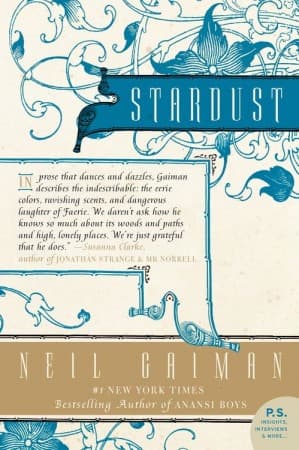
- Stardust
Neil Gaiman
4.1 (359k) average on GoodreadsFantasyWhile both A Fine and Private Place and Stardust feature fantastical romance, Beagle's novel is far more introspective and melancholic, focusing on the intimate emotional landscape of its characters. Gaiman's work, by contrast, is a more whimsical, adventure-driven fairy tale with a broader scope and a more overtly magical world.
- The Starless Sea
Erin Morgenstern
3.9 (89k) average on GoodreadsFantasyBoth novels explore hidden worlds and profound connections, but A Fine and Private Place grounds its fantastical elements in a more grounded, albeit unique, setting (a mausoleum). Morgenstern's The Starless Sea constructs an elaborate, labyrinthine world of stories and fables, making it more overtly high-concept and symbolic, whereas Beagle's focus remains intensely personal and emotionally direct.
- Harry Potter and the Sorcerer's Stone
J.K. Rowling
4.5 (7M) average on GoodreadsFantasyRescued from a miserable life under the stairs, an orphaned boy discovers he's a wizard destined for a magical school, where he uncovers a dangerous secret tied to the dark wizard who murdered his parents.
- The Hunger Games
Suzanne Collins
4.3 (6.4M) average on GoodreadsFantasyIn a future where children fight to the death on live television, Katniss Everdeen volunteers for the arena, turning a death sentence into a fight for survival and a spark of rebellion.





Enjoyed the summary?
A summary gives you the shape of the book. The book itself has the detail, the examples and the voice.
Find A Fine and Private Place on AmazonAs an Amazon Associate, BookBrief earns from qualifying purchases. How we're funded