

Synopsis
Covers the whole plot, including the ending.
- Difficulty
- Medium
- Pacing
- Moderate
- Mood
- Humorous, Melancholy, Reflective, Sardonic
- Read it if
- You enjoy dark humor, family sagas, and stories that blend personal drama with historical context.
- Skip it if
- You prefer lighthearted reads without themes of family dysfunction or historical trauma.
A Short History of Tractors in Ukrainian Plot Summary
Covers the whole plot, including the ending.
The Arrival of Valentina
Two years after their mother Luba's death, sisters Nadezhda and Vera are shocked when their 84-year-old father, Nikolai Mayevskyj, announces his intention to marry Valentina, a 36-year-old Ukrainian divorcée. Valentina, with her ten-year-old son Stanislav, quickly moves into Nikolai's home in England. Nadezhda, a sociology lecturer, immediately suspects Valentina's motives, seeing her as a 'gold-digger' due to her obvious materialism and quick integration into Nikolai's life. Vera, a more traditional and often combative sister, initially dismisses Nadezhda's concerns but soon grows alarmed as Valentina's control over Nikolai tightens and her demands increase, disrupting the quiet lives of the elderly man and his daughters.
Sisters Unite (Reluctantly)
The sisters, Nadezhda and Vera, who have a history of bitter rivalry, form an unprecedented alliance against Valentina. Their initial attempts to reason with Nikolai fail, as he is infatuated and seems unaware of Valentina's true nature. Valentina's extravagant spending, constant complaints about their father's house and car, and public displays of affection for Nikolai, all confirm the sisters' belief that she is using him for money and a visa. They begin to gather evidence and plan ways to expose Valentina and save their father from what they see as a disastrous marriage, even as their own relationship remains strained with tension and old grievances.
The Wedding and Escalating Conflict
Despite the sisters' warnings and pleas, Nikolai and Valentina marry. The wedding is a small, low-key event, further alienating Nadezhda and Vera, who feel increasingly shut out of their father's life. After the marriage, Valentina's demands become more pronounced, and she begins to control Nikolai's finances and daily routine. She pressures him to sell his house and move to a larger, more modern one, and often complains about their life in England. The sisters, now more determined, escalate their campaign against Valentina, seeking legal advice and exploring options for annulment or divorce, all while dealing with Valentina's own manipulative tactics.
The Tractor Manuscript
Amidst the domestic chaos, Nikolai dedicates himself to writing 'A Short History of Tractors in Ukrainian.' This eccentric project becomes a central part of the novel, offering a contrast to the family drama. Nikolai, an engineer, meticulously details the evolution of tractor design and their role in Soviet agricultural history. The manuscript also lets him recall and document his own life, including his childhood in Ukraine, his family's struggles during the Holodomor (the Ukrainian famine), his experiences during World War II, and his eventual emigration to England. The tractor history becomes a metaphor for his resilience and connection to his past.
Unearthing Family History
As Nikolai continues to write his history, parts of his past and their mother Luba's past emerge. The sisters, especially Nadezhda, explore these revelations, uncovering the brutal realities their parents faced in Ukraine, including collectivization, famine, and Soviet oppression. They learn about the traumas that shaped their parents' lives and understand the quiet strength and resilience that allowed them to survive. This historical context helps them understand Nikolai's stoicism and Luba's silent suffering, shedding light on the unspoken burdens their parents carried and how these experiences influenced their lives in England.
Valentina's Pregnancy
A turning point occurs when Valentina announces she is pregnant with Nikolai's child. This revelation disrupts the sisters' plans, as it complicates any legal action they might pursue regarding the marriage. The pregnancy fuels their anger and suspicion, as they believe it is another calculated move by Valentina to secure her position and claim more of Nikolai's assets. The announcement creates further division, with Nikolai seemingly delighted by the prospect of a new child, while Nadezhda and Vera see it as a catastrophic development, intensifying their efforts to protect their father and his legacy.
The Sisters' Reconciliation and Further Conflict
The ongoing battle against Valentina, along with the emotional weight of uncovering their family's past, forces Nadezhda and Vera to confront their own strained relationship. Decades of sibling rivalry, misunderstandings, and unspoken resentments surface. While they remain united in their immediate goal, their differing personalities and approaches often lead to renewed arguments. However, the shared adversity also helps them reconcile, as they slowly begin to understand and support each other, recognizing the common bond of their shared heritage and love for their father, even amidst their bickering and individual struggles.
Valentina's Departure
Eventually, the sisters' pressure, combined with Valentina's growing dissatisfaction with her life in England and Nikolai's declining health, leads to a resolution. Valentina, after securing a significant amount of money and assets from Nikolai, and with her visa secured, decides to leave him. She takes her son, Stanislav, and returns to Ukraine, ending her tumultuous presence in the Mayevskyj family's lives. While the sisters feel relief, her departure also leaves lingering bitterness and the financial strain of the assets Valentina took, highlighting the lasting impact of her intrusion.
Nikolai's Decline and Reflection
After Valentina's departure, Nikolai's health declines significantly. The emotional and financial toll of the past few years, combined with his age, leaves him frail and increasingly dependent on his daughters. During this period, he continues to work on his tractor history, which becomes a more introspective account, weaving together his technical expertise with reflections on his life, his lost homeland, and human relationships. The manuscript serves as his final statement, a way to process his past and leave a legacy for his daughters, who, despite their earlier frustrations, now care for him with a renewed sense of devotion and understanding.
The Legacy of the Tractors
The novel ends with Nikolai's death. His daughters, Nadezhda and Vera, sort through his belongings and, most importantly, his unfinished manuscript, 'A Short History of Tractors in Ukrainian.' The book, which initially seemed like an eccentric obsession, now represents much more. It shows their father's resilience, his connection to his Ukrainian heritage, and his quiet struggle to make sense of a tumultuous century. The sisters, having navigated their own difficult journey, find a deeper understanding of their father and their shared past, recognizing how history and personal narrative intertwine to shape identity and legacy.
Principal Figures
Nadezhda Mayevskyj
Protagonist
The intellectual and skeptical daughter, a sociology lecturer.
Nadezhda is the younger of the two sisters, a pragmatic and analytical sociology lecturer. She is the primary narrator, offering a critical and often cynical perspective on events. Driven by a fierce protectiveness of her father and a deep-seated suspicion of Valentina, she takes the lead in investigating Valentina's past and strategizing her removal. While intelligent, she struggles with emotional expression and has a strained relationship with her sister, Vera. Her journey involves not only fighting Valentina but also confronting her own family history and her complex feelings towards her parents.
Relationships: Nikolai Mayevskyj (Devoted daughter, but often frustrated by his naivety); Vera Mayevskyj (Strained sisterly rivalry, evolving into reluctant alliance and understanding); Valentina (Antagonistic, deeply suspicious and contemptuous)
Vera Mayevskyj
Supporting
The older, more traditional, and often dramatic sister.
Vera is Nadezhda's older sister, characterized by her more traditional Ukrainian sensibilities, a flair for the dramatic, and a tendency towards emotional outbursts. She is initially dismissive of Nadezhda's concerns about Valentina but quickly becomes an equally fervent, if more melodramatic, opponent. Vera often relies on old-world superstitions and has a strong sense of family honor. Despite her frequent bickering with Nadezhda, she shares a deep love for their father and a commitment to protecting him. Her character provides both comic relief and moments of genuine warmth.
Relationships: Nikolai Mayevskyj (Loving daughter, prone to overreacting to his decisions); Nadezhda Mayevskyj (Contentious sisterly rivalry, gradually softening into a working alliance); Valentina (Antagonistic, highly critical, and prone to dramatic confrontations)
Nikolai Mayevskyj
Protagonist
The 84-year-old Ukrainian émigré father, infatuated with Valentina.
Nikolai is the patriarch of the Mayevskyj family, an 84-year-old retired engineer and Ukrainian émigré. He is a man of quiet resilience, deeply marked by his traumatic experiences in Ukraine during the Holodomor and World War II, which he documents in his 'Short History of Tractors in Ukrainian.' Despite his advanced age, he retains a surprising vitality and a romantic streak that makes him vulnerable to Valentina's charms. He is initially oblivious to his daughters' warnings, driven by a desire for companionship and perhaps a rekindling of youth. His tractor manuscript is his way of processing his past and leaving a legacy.
Relationships: Nadezhda Mayevskyj (Loving father, but often exasperated by her interference); Vera Mayevskyj (Loving father, but often confused by her dramatic outbursts); Valentina (Initially infatuated husband, later resigned and disillusioned); Luba Mayevskyj (deceased) (Deep and enduring love, haunted by her memory and shared past)
Valentina
Antagonist
The glamorous, gold-digging Ukrainian divorcée who marries Nikolai.
Valentina is a 36-year-old Ukrainian divorcée with a ten-year-old son, Stanislav. She is portrayed as beautiful, materialistic, and manipulative, quickly identifying Nikolai as a means to a better life in the West. Her motivations are primarily financial and opportunistic, seeking a British visa and a comfortable lifestyle. She is cunning and adept at playing the victim, often using her perceived vulnerability to gain sympathy and control over Nikolai. Valentina's character embodies the clash between traditional values and modern opportunism, and her actions drive much of the plot's conflict.
Relationships: Nikolai Mayevskyj (Opportunistic wife, using him for financial security and a visa); Nadezhda Mayevskyj (Antagonistic, sees her as a threat to her plans); Vera Mayevskyj (Antagonistic, frequent verbal sparring partner); Stanislav (Mother-son relationship, though she often uses him as a pawn)
Stanislav
Supporting
Valentina's ten-year-old son.
Stanislav is Valentina's young son. He is largely a quiet and observant character, often caught in the crossfire of the adult conflicts. He provides a degree of innocence amidst the family's turmoil, sometimes acting as a small bridge between Valentina and Nikolai, or even momentarily softening the sisters' stance. His presence highlights Valentina's maternal role, however flawed, and adds another layer of complexity to her motivations, suggesting a desire for a stable future not just for herself but also for her child.
Relationships: Valentina (Son, often used by his mother in her schemes); Nikolai Mayevskyj (Step-grandfather, a source of temporary stability and kindness)
Luba Mayevskyj
Mentioned
Nikolai's deceased wife and mother to Nadezhda and Vera.
Luba is Nikolai's first wife and the deceased mother of Nadezhda and Vera. Though she never appears directly, her memory and influence are pervasive. She represents the quiet strength and suffering of a generation of Ukrainian women who endured immense hardship. Her past experiences, particularly during the Holodomor, are slowly revealed through Nikolai's writings and the sisters' reflections, providing crucial context for the family's history and their parents' enduring resilience. Her absence creates the void that Valentina attempts to fill.
Relationships: Nikolai Mayevskyj (Beloved wife, shared a long and difficult life); Nadezhda Mayevskyj (Mother, her memory shapes Nadezhda's understanding of her heritage); Vera Mayevskyj (Mother, her memory evokes strong emotional responses and traditional values)
Themes & Insights
The Weight of History and Memory
The novel shows how historical trauma, particularly the Holodomor and World War II in Ukraine, shapes individual lives and family dynamics. Nikolai's 'Short History of Tractors' is not just an engineering treatise but a personal memoir, a fragmented remembrance of suffering and survival. The sisters, initially focused on their father's present problem, must confront the brutal realities of their parents' past, revealing the silent burdens they carried. This theme shows how past events continue to affect generations, influencing identity, resilience, and even present-day conflicts, as seen in the Mayevskyj family's struggles and their connection to their Ukrainian heritage.
“History, you see, is like a tractor. It can go forwards or backwards, over the same ground, but it leaves different tracks.”
The Nature of Family and Sibling Rivalry
At its core, the novel is a story about family, especially the complex and often contentious relationship between sisters. Nadezhda and Vera, despite their shared parentage and heritage, have a long history of bickering, misunderstanding, and resentment. The crisis of Valentina's arrival forces them into an uneasy alliance, making them confront not only Valentina but also their own long-standing grievances. This shared adversity, however, slowly leads to a reluctant reconciliation and a deeper understanding of each other's vulnerabilities and strengths. The theme highlights how family bonds, even when strained, can be a source of both conflict and deep connection.
“Sisters, like old shoes, can be comfortable and familiar, but sometimes they chafe.”
Identity and Belonging
The novel explores the complexities of identity for émigrés and their children. Nikolai, despite living in England for decades, remains deeply connected to his Ukrainian past, which he records in his manuscript. His daughters, born and raised in England, struggle with their dual heritage—feeling neither fully Ukrainian nor fully English. Valentina, as a more recent immigrant, highlights the stark differences in motivations and aspirations between generations of immigrants. The search for belonging, the tension between assimilation and cultural preservation, and the constant negotiation of who one is in a new land are central to the characters' journeys, revealing identity's multifaceted nature.
“We were neither one thing nor the other. Not quite English, not quite Ukrainian. Just floating in the space between.”
Exploitation and Vulnerability
A main theme is the exploitation of the vulnerable, particularly the elderly, and the opportunistic nature of some relationships. Valentina is portrayed as a 'gold-digger,' preying on Nikolai's loneliness and infatuation for financial gain and a visa. The novel examines the power dynamics when an older person, perhaps yearning for companionship or a renewed sense of youth, becomes susceptible to manipulation. It also touches on the vulnerability of immigrants navigating new legal and social systems, though Valentina herself uses this to her advantage. This theme exposes the darker side of human interaction and the ethical dilemmas that arise from it.
“He was an old man, foolish perhaps, but with a lifetime of hard-won dignity. And she was stripping it from him, piece by piece.”
Plot Devices & Literary Techniques
The 'Short History of Tractors in Ukrainian' Manuscript
Nikolai's unfinished book on tractors, which doubles as his personal memoir.
This manuscript is more than just an eccentric hobby; it serves as a framing device, a historical document, and a psychological window into Nikolai's mind. It provides factual information about Ukrainian history and agricultural development, but more importantly, it's where Nikolai embeds his fragmented memories of his traumatic past – the Holodomor, WWII, and his life with Luba. This allows the author to weave historical context seamlessly into the contemporary family drama, providing depth and explaining Nikolai's stoicism and his daughters' heritage. It's a testament to resilience and a means for Nikolai to process his life.
First-Person Narration (Nadezhda)
The story is primarily told through the perspective of Nadezhda, the younger sister.
Nadezhda's first-person narration provides an immediate and often cynical lens through which the reader experiences the unfolding events. Her background as a sociology lecturer allows for insightful, sometimes detached, observations about human behavior and social dynamics. Her voice is infused with wit, sarcasm, and underlying frustration, making her a relatable yet flawed protagonist. This perspective allows for a deep dive into her internal struggles, her strained relationship with Vera, and her gradual understanding of her family's complex history, while also highlighting the subjective nature of truth within the family conflict.
Sibling Rivalry as a Catalyst
The long-standing animosity between Nadezhda and Vera, which evolves under duress.
The deep-seated sibling rivalry between Nadezhda and Vera is initially a source of tension and humor, but it also becomes a crucial plot device. Their inability to agree or cooperate effectively initially hinders their efforts against Valentina, highlighting their individual flaws and past hurts. However, the escalating crisis forces them to put aside their differences, creating a dynamic where their contrasting personalities and approaches sometimes clash but ultimately complement each other. This rivalry acts as a catalyst for their reluctant reconciliation, demonstrating how shared adversity can forge unexpected bonds and personal growth.
A Short History of Tractors in Ukrainian Quotes
“When you have been married as long as I have, you understand that marriage is a long conversation, and like any conversation, it has its dull stretches. But if you are patient, you will always be rewarded.”
“My father used to say that history is written by the victors. But I think it is also written by the survivors.”
“The past is a foreign country; they do things differently there.”
“Love, after all, is just a chemical reaction. A very strong one, but still, just chemicals.”
“It is a peculiar thing, this business of being a daughter. You are always trying to understand your mother, and she is always trying to understand you, and neither of you ever quite succeeds.”
“Tractors are like men. They need constant attention and a firm hand, otherwise they break down.”
“Sometimes I think the whole world is just a collection of misunderstandings, piled one on top of the other.”
“Immigration is not a single act. It is a state of being. You are always in transit, always between two worlds.”
“To be old is to be a museum. Full of forgotten exhibits, dusty and unvisited.”
“The truth is a complicated thing. It changes depending on who is telling it, and who is listening.”
“My father always said, 'Never trust a man who doesn't like tractors.'”
“Grief is a strange beast. It makes you do things you wouldn't normally do, say things you wouldn't normally say.”
“Family is a knot. Tight and tangled, sometimes painful, but impossible to truly untie.”
“Sometimes, the most important things are the ones you don't say.”
Quiz
10 questions on the plot and the characters. Each answer comes with a short explanation.
Question 1
What is the age difference between Nikolai, the father, and his new wife, Valentina?
- 38 years
- 48 years
- 58 years
- 28 years
Show answer
B. 48 years Nikolai is 84 and Valentina is 36, making a difference of 48 years.
Question 2
What specific item of clothing is Valentina noted for having a 'proclivity' for?
- Red lace bras
- Black silk stockings
- Green satin underwear
- Pink fluffy slippers
Show answer
C. Green satin underwear The book description explicitly mentions Valentina's 'proclivity for green satin underwear'.
Question 3
What is the primary motivation for the sisters, Vera and Nadezhda, to set aside their feuding?
- To inherit their father's wealth
- To celebrate their father's new marriage
- To save their father from Valentina, whom they believe is a gold-digger
- To understand their father's new life choices
Show answer
C. To save their father from Valentina, whom they believe is a gold-digger The sisters 'join forces against their father's new, gold-digging girlfriend' to 'save their émigré engineer father from voluptuous gold-digger Valentina.'
Question 4
Besides their father's new relationship, what else does the sisters' campaign against Valentina unexpectedly unearth?
- A long-lost family fortune
- Family secrets and fifty years of Europe's darkest history
- Evidence of Valentina's criminal past
- Their mother's hidden diaries
Show answer
B. Family secrets and fifty years of Europe's darkest history The description states, 'But the sisters' campaign to oust Valentina unearths family secrets, uncovers fifty years of Europe's darkest history.'
Question 5
What profession is Nikolai, the father, described as having?
- A historian
- An artist
- An émigré engineer
- A tractor salesman
Show answer
C. An émigré engineer The description refers to him as their 'émigré engineer father'.
Question 6
How long after the mother's death does the father fall in love with Valentina?
- One year
- Two years
- Three years
- Six months
Show answer
B. Two years The text explicitly states: 'Two years after my mother died, my father fell in love with a glamorous blonde Ukrainian divorcée.'
Question 7
What type of cuisine is Valentina associated with, suggesting a lack of culinary skill or preference for convenience?
- Gourmet French cooking
- Traditional Ukrainian dishes
- Boil-in-the-bag cuisine
- Organic vegan meals
Show answer
C. Boil-in-the-bag cuisine The description mentions Valentina's 'proclivity for green satin underwear and boil-in-the-bag cuisine'.
Question 8
The title of the novel, 'A Short History of Tractors in Ukrainian', implies what about the father's character or interests?
- He is a farmer by trade.
- He has a specific, perhaps niche, academic or historical interest, likely related to his engineering background and Ukrainian heritage.
- He dreams of owning a tractor factory.
- He writes children's books about machinery.
Show answer
B. He has a specific, perhaps niche, academic or historical interest, likely related to his engineering background and Ukrainian heritage. The title suggests Nikolai's personal project or intellectual pursuit, tying into his identity as an engineer and Ukrainian émigré, and hinting at the broader historical themes of the book.
Question 9
How is Valentina's arrival described in the family's life?
- As a gentle breeze
- As a quiet whisper
- As a fluffy pink grenade
- As a ray of sunshine
Show answer
C. As a fluffy pink grenade The narrator states: 'She exploded into our lives like a fluffy pink grenade'.
Question 10
The 'sludge of sloughed-off memories' and 'family ghosts' mentioned in the description refer to what overarching theme that the sisters' actions bring to the surface?
- The family's financial struggles
- Unresolved historical trauma and personal pasts, particularly related to their Ukrainian heritage and European history.
- Their mother's hidden romantic affairs
- The father's secret life as a spy
Show answer
B. Unresolved historical trauma and personal pasts, particularly related to their Ukrainian heritage and European history. The phrase 'churning up the murky water, bringing to the surface a sludge of sloughed-off memories, giving the family ghosts a kick up the backside' and the mention of 'fifty years of Europe's darkest history' strongly imply the theme of confronting the past and historical trauma.
A Short History of Tractors in Ukrainian FAQ
What is the central conflict that drives the plot of 'A Short History of Tractors in Ukrainian'?
The central conflict revolves around sisters Vera and Nadezhda attempting to save their 84-year-old father, Nikolai, from his new 36-year-old Ukrainian girlfriend, Valentina. They believe Valentina is a gold-digger solely interested in Nikolai's money and a visa to the West, leading them to unite despite their long-standing personal feud.
Who are the main characters, and what are their relationships?
The main characters are the elderly father, Nikolai Mayevsky, and his two estranged daughters, Vera and Nadezhda. Vera is the more traditional and emotionally demonstrative sister, while Nadezhda, the narrator, is more reserved and analytical. Valentina is Nikolai's new wife, a much younger Ukrainian woman who stirs up the family dynamics.
What role does Nikolai's 'Short History of Tractors' manuscript play in the story?
Nikolai's manuscript on the history of tractors in Ukraine serves as a framing device and a metaphor for his life and the family's past. It provides him with a purpose amidst the chaos Valentina brings and subtly connects to the industrial and agricultural history of Ukraine, which is interwoven with the family's own émigré experience.
How do Vera and Nadezhda's personalities clash, and how do they overcome this to achieve their goal?
Vera and Nadezhda have a long history of sibling rivalry, marked by differing life choices and temperaments; Vera is more impulsive and dramatic, while Nadezhda is pragmatic. They initially struggle to cooperate, but their shared concern for their father and their mutual dislike of Valentina force them to reluctantly set aside their differences and coordinate their efforts.
What is Valentina's primary motivation for marrying Nikolai?
Valentina's primary motivation is widely perceived by the sisters, and largely confirmed by her actions, to be securing a British visa and access to Western wealth. Her constant demands for money, her focus on material possessions, and her disinterest in Nikolai's well-being beyond her own convenience strongly suggest her opportunistic intentions.
What 'family ghosts' or past secrets are unearthed during the sisters' campaign against Valentina?
The sisters' actions inadvertently unearth traumatic family memories from their parents' past in Ukraine, including their experiences during World War II, the Holodomor, and their forced displacement. These revelations include details about their mother's suffering and Nikolai's own complicated history, which they had largely suppressed or been unaware of.
How do the sisters discover details about their mother's mental health and past trauma?
Through their investigation into Valentina and their father's past, Nadezhda and Vera piece together the extent of their mother's mental health struggles, which were deeply rooted in the trauma she endured during the war and as a refugee. They find old letters and confront their father, forcing him to reveal long-held truths about her breakdowns and their shared history.
Is there any symbolism behind Valentina's 'green satin underwear' or 'boil-in-the-bag cuisine'?
Valentina's 'green satin underwear' symbolizes her overt sexuality and perceived gaudiness, contrasting sharply with the daughters' more reserved British sensibilities. Her 'boil-in-the-bag cuisine' represents her lack of traditional domesticity or care, highlighting her superficiality and her disinterest in genuine homemaking for Nikolai, further fueling the sisters' disdain.
What significance does the 'Short History of Tractors' have beyond Nikolai's personal project?
Beyond Nikolai's personal project, the 'Short History of Tractors' becomes a conduit for exploring the broader history of Ukraine, particularly its industrialization, collectivization, and the human cost of these events. It subtly links the personal family narrative to the larger historical context of Eastern Europe, reflecting the struggles and resilience of its people.
How does Nikolai's advanced age influence his decision-making regarding Valentina?
Nikolai's advanced age makes him particularly vulnerable to Valentina's manipulations. He is lonely, perhaps seeking companionship and a renewed sense of vitality, which Valentina, despite her true intentions, initially provides. His age also contributes to a certain stubbornness and a desire to live out his remaining years on his own terms, resisting his daughters' interference.
What psychological impact does unearthing the family's past have on Nadezhda?
Unearthing the family's past has a profound psychological impact on Nadezhda, forcing her to confront suppressed traumas and re-evaluate her understanding of her parents and her own identity. It brings a sense of closure but also pain, as she grapples with the sacrifices and suffering her parents endured, leading to a deeper, albeit complicated, connection to her heritage.
How does the novel explore themes of immigration and cultural identity through the Mayevsky family?
The novel explores immigration through the Mayevsky family's experience as Ukrainian émigrés in Britain, highlighting their struggles with assimilation, maintaining cultural ties, and the generational divide in identity. Nikolai clings to his Ukrainian past, while his daughters, though British-born, are forced to confront their heritage, revealing the complex interplay of belonging and displacement.
In what ways do Vera and Nadezhda exhibit 'survivor's guilt' or the lingering effects of their parents' trauma?
Vera and Nadezhda, though not direct survivors of the war, exhibit lingering effects of their parents' trauma through their strained relationship and their difficulty processing the past. Their parents' suppressed pain and the family secrets have shaped their personalities and their often-unresolved conflicts, demonstrating intergenerational trauma.
Is Valentina purely a villain, or are there any nuances to her character?
While Valentina is largely portrayed as a gold-digger and a manipulative figure, there are subtle nuances. Her desperation for a better life and escape from post-Soviet Ukraine, though selfishly pursued, reflects a larger societal struggle. She is a product of her circumstances, which, while not excusing her actions, provides a flicker of understanding for her motivations.
How does the novel balance its comedic elements with its underlying serious themes of war and trauma?
The novel expertly balances its comedic elements, often derived from the absurdity of Valentina's behavior and the sisters' bickering, with its serious themes. The humor acts as a coping mechanism and a way to make the heavy historical context more accessible, allowing readers to engage with the trauma of war and displacement without being overwhelmed.
What is the ultimate fate of Valentina and Nikolai's marriage, and what does it signify?
Valentina eventually leaves Nikolai after securing her visa and finding another partner, leaving him heartbroken but ultimately free from her exploitation. Her departure signifies the sisters' partial victory, but also highlights the transient and transactional nature of their relationship, underscoring the dangers of loneliness and desperation in old age.
To what extent does the book critique or comment on Western perceptions of Eastern Europe?
The book subtly critiques Western perceptions of Eastern Europe by showcasing the complexities of Ukrainian identity and the motivations of individuals like Valentina, who are often stereotyped. It challenges simplistic views by revealing the profound historical trauma and economic disparities that drive individuals to seek opportunities elsewhere, even through questionable means.
What message does the ending convey about family reconciliation and understanding the past?
The ending conveys that while full reconciliation between the sisters is ongoing and complex, their shared ordeal brings them closer, fostering a deeper understanding of their parents and their own heritage. It suggests that confronting the past, no matter how painful, is essential for healing and forging stronger family bonds.
About the author

Marina Lewycka is a British author known for her fiction that often explores themes of immigration and identity. Her notable work, "A Short History of Tractors in Ukrainian," combines humor and poignant storytelling to address cultural differences and family dynamics. Lewycka's writing has garnered attention for its unique perspective and engaging narrative style.
Similar books
- Everything is Illuminated
Jonathan Safran Foer
3.9 (164k) average on GoodreadsLiterary FictionExplores Ukrainian history and identity with a blend of humor and poignancy.
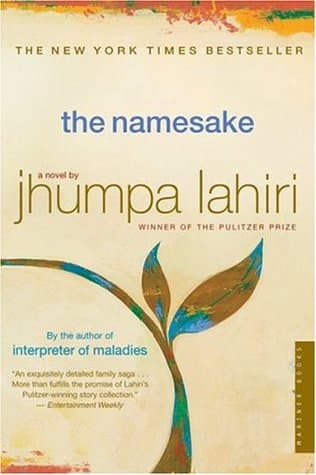
- The Namesake
Jhumpa Lahiri
4.0 (234k) average on GoodreadsLiterary FictionLahiri's novel also explores immigrant identity and generational divides but adopts a more melancholic, introspective tone, focusing on the slow burn of cultural assimilation rather. It lacks the overt comedic elements and explosive family conflict present in Lewycka's work, prioritizing internal character struggles over farcical external drama.
- Nineteen Eighty-Four
George Orwell
4.2 (5.5M) average on GoodreadsFictionWinston Smith dreams of truth and rebellion in a world where Big Brother watches all, but he confronts the terrifying power of a regime that controls not just actions, but thoughts.
- The Frozen River
Ariel Lawhon
4.4 (600k) average on GoodreadsFictionIn 1789 Maine, a heroic midwife's diary helps her expose a murder and get justice in a town that wants to silence her.
- A Man Called Ove
Fredrik Backman
4.4 (569k) average on GoodreadsFictionA stubborn widower, who lives by strict rules, finds his quiet world changed by a lively new family next door, making him face his past and find happiness in human connection.
- The Art of Racing in the Rain
Garth Stein
4.2 (452k) average on GoodreadsFictionThrough the eyes of Enzo, a wise and observant dog, a race car driver's family navigates a journey of love, loss, and resilience, learning that life's most important lessons often come in the curves, not just on the straightaways.





Enjoyed the summary?
A summary gives you the shape of the book. The book itself has the detail, the examples and the voice.
Find A Short History of Tractors in Ukrainian on AmazonAs an Amazon Associate, BookBrief earns from qualifying purchases. How we're funded