

Synopsis
Covers the whole plot, including the ending.
- Difficulty
- Easy
- Pacing
- Moderate
- Mood
- Heartwarming, Inspiring, Hopeful, Sentimental
- Read it if
- You enjoy heartwarming, uplifting stories about the power of anonymous kindness and the true spirit of Christmas, with a touch of mystery.
- Skip it if
- You prefer cynical, dark, or complex plots, or are not a fan of sentimental holiday stories.
Christmas Jars Plot Summary
Covers the whole plot, including the ending.
A Mysterious Christmas Jar Appears
Hope Jensen, a struggling newspaper reporter living in a small apartment, receives an unexpected gift one Christmas Eve. While working late, she returns home to find a Mason jar filled with cash and coins on her doorstep, accompanied by a simple tag that reads 'Merry Christmas.' Initially confused and a little suspicious, Hope is deeply touched by the anonymous gift, which helps her cover overdue bills. The experience sparks her journalistic curiosity, compelling her to uncover the mystery behind the 'Christmas Jar' phenomenon. She begins to investigate, hoping to find the generous individual or group responsible for this act of kindness, believing there's a compelling story waiting to be told.
The Search for the Giver Begins
Driven by gratitude and journalistic instinct, Hope begins her quest to find the origin of the Christmas Jars. She discreetly asks friends, colleagues at the newspaper, and acquaintances if they've ever heard of or received such a gift. Her editor, Mr. Peterson, is initially skeptical of the story's potential, urging her to focus on more important news, but Hope is persistent. She learns that the jars are a local legend for some, a whispered tale of anonymous generosity. Her inquiries lead her to realize that the jars are not an isolated incident, but part of a wider, though secretive, tradition within the community, making her more determined to uncover the truth.
A Clue Leads to a Nursing Home
Hope's investigation takes a significant turn when she gets a tip about an elderly woman named Sarah, a resident at a local nursing home, who is rumored to have some knowledge of the Christmas Jars. Hope visits Sarah, who is initially reluctant to share information, hinting at the personal and private nature of the jars. Slowly, Sarah begins to open up, sharing fragments of stories about the jars being a tradition passed down through families. She explains that the jars are not about recognition, but about pure giving, further intriguing Hope and deepening her understanding of the jars' true spirit.
Unraveling the Family History
As Hope continues to visit Sarah, a bond of trust forms between them. Sarah eventually reveals the personal history of the Christmas Jars, explaining that the tradition began in her own family during a time of great hardship. Her grandmother, facing poverty and despair, received an anonymous gift of money in a jar, which saved her family during a difficult Christmas. This act of kindness inspired her grandmother to start the tradition of filling jars throughout the year to give to others in need, ensuring the cycle of generosity continued. Sarah explains that the tradition was passed down through generations, each family member taking up the mantle of anonymous giving.
The Jar's True Meaning
Sarah elaborates on the philosophy behind the Christmas Jars. She explains that the jars are meant to be given in secret, with no expectation of recognition or repayment. The joy comes from the act of giving itself and the knowledge that one has eased another's burden, even if only for a moment. This revelation impacts Hope, shifting her perspective from a purely journalistic pursuit to a deeper appreciation for the human spirit and the power of anonymous kindness. She begins to understand that the story isn't just about who gives the jars, but about the impact they have on both giver and receiver.
A Personal Connection Emerges
As Sarah shares more details about her family and the history of the jars, Hope begins to notice coincidences. Sarah mentions names and places that resonate with vague memories from Hope's own childhood, particularly concerning her birth mother whom she never knew. A growing sense of familiarity settles over Hope as Sarah describes an orphanage and a specific woman who worked there. Hope realizes that the story of the Christmas Jars might be far more intertwined with her own personal history than she had imagined, leading her to question her own origins and connection to this tradition.
The Revelation of Hope's Mother
In a poignant and emotional revelation, Sarah finally tells Hope the truth: Hope's own birth mother was a devoted Christmas Jar giver, and a close friend of Sarah's family. Hope's mother, a kind and generous woman, had been instrumental in continuing the tradition, even during her own struggles. Sarah explains that Hope's mother had placed Hope in an orphanage due to unforeseen circumstances but had always hoped for her well-being. This news is a shock to Hope, who had always felt a void regarding her birth family. The anonymous jar she received was not just a random act; it was a legacy passed down, a silent message from her past.
A Mother's Legacy of Love
Sarah shares stories of Hope's birth mother, painting a picture of a compassionate woman who, despite her own difficulties, found joy and purpose in preparing and delivering Christmas Jars. She recounts how Hope's mother meticulously saved coins throughout the year, decorating each jar with care and choosing recipients she believed truly needed a lift. Hope learns that her mother's life, though cut short, was marked by generosity and a quiet strength. This revelation allows Hope to connect with her birth mother in a deep way, understanding her selflessness and the love that inspired her actions, even when she couldn't be physically present in Hope's life.
The Christmas Jar Comes Full Circle
Overwhelmed with emotion and a sense of belonging, Hope realizes that the Christmas Jar she received was not just money; it was a tangible link to her past, a message of love from a mother she never knew. The experience transforms her understanding of family, generosity, and her own identity. She decides not to write a sensational newspaper article about the jars, understanding that their magic lies in their anonymity and the pure spirit of giving. Instead, she chooses to honor the tradition in her own way, becoming a quiet participant in the cycle of kindness, continuing her mother's legacy.
Continuing the Tradition
Inspired by her birth mother's legacy and Sarah's wisdom, Hope embraces the Christmas Jar tradition wholeheartedly. She begins her own jar, saving coins and bills throughout the year, feeling a deep connection to her past and a renewed sense of purpose. She understands that the true story is not in the exposé, but in the quiet, consistent act of giving. On the next Christmas Eve, Hope finds herself preparing her own jar, ready to anonymously bestow a gift of hope and kindness upon someone in need, just as her mother and Sarah's family had done for generations, ensuring the spirit of the Christmas Jars lives on.
Christmas Jars Characters
Hope Jensen
Protagonist
A newspaper reporter who uncovers the mystery of the Christmas Jars.
Hope is a young, ambitious, yet struggling newspaper reporter. She is initially driven by journalistic curiosity to uncover the story behind the mysterious Christmas Jars, which she receives on her doorstep. Her character evolves from a somewhat cynical and independent individual to one deeply empathetic and connected to a larger tradition of kindness. Her personal quest to find her birth mother intertwines with her investigation, leading to profound self-discovery and a re-evaluation of her priorities. She is persistent, intelligent, and ultimately compassionate.
Relationships: Sarah (mentor and confidante, who reveals the history of the jars and Hope's connection to them); Mr. Peterson (her skeptical but ultimately supportive newspaper editor); Hope's Birth Mother (her biological mother, whose legacy of giving she discovers and embraces)
Sarah
Supporting
An elderly nursing home resident who holds the key to the Christmas Jar history.
Sarah is a wise, elderly woman residing in a nursing home. She is the keeper of the Christmas Jar tradition's history, having inherited it from her own family. Initially guarded, she slowly opens up to Hope, sharing the deeply personal and moving story of how the jars began and how they were passed down through generations. She acts as a mentor figure to Hope, guiding her understanding of selfless giving and eventually revealing Hope's personal connection to the tradition. Her gentle demeanor and profound wisdom are central to Hope's transformation.
Relationships: Hope Jensen (confidante and mentor, revealing the jar's history and Hope's family connection); Her Grandmother (the originator of the Christmas Jar tradition in her family)
Mr. Peterson
Supporting
Hope's skeptical but ultimately understanding newspaper editor.
Mr. Peterson is Hope's editor at the newspaper. He represents the pragmatic, often cynical, side of journalism, initially dismissing Hope's interest in the Christmas Jars as a frivolous story. He constantly pushes her to find more 'hard-hitting' news. Despite his initial skepticism, he allows Hope the freedom to pursue her lead, eventually showing understanding and quiet support as he witnesses Hope's personal growth and the profound nature of the story she uncovers. He serves as a foil to Hope's idealistic pursuit.
Relationships: Hope Jensen (her editor, who initially doubts her story but eventually respects her pursuit)
Hope's Birth Mother
Mentioned
The anonymous Christmas Jar giver who is revealed to be Hope's biological mother.
Hope's birth mother is a character who is only revealed through Sarah's stories and memories. She was a kind, generous woman who, despite her own struggles, diligently participated in the Christmas Jar tradition. She represents the selfless spirit of giving and the enduring power of a mother's love, even in absence. Her story is central to Hope's personal journey of self-discovery and understanding her own origins. Her legacy is the continuation of the Christmas Jar tradition and the profound impact it has on her daughter.
Relationships: Hope Jensen (her biological mother, whose life and legacy of giving Hope discovers); Sarah (a close family friend who knew her well)
Sarah's Grandmother
Mentioned
The original recipient and initiator of the Christmas Jar tradition in her family.
Sarah's grandmother is a pivotal, though unseen, character in the history of the Christmas Jars. She was the first in Sarah's family to receive an anonymous jar of money during a time of extreme hardship, an act that saved her family from despair. This experience inspired her to begin the tradition of filling jars throughout the year to give to others in need, starting the cycle of kindness that would span generations. She embodies resilience, gratitude, and the profound impact of a single act of generosity.
Relationships: Sarah (her granddaughter, who carries on her tradition and shares her story)
Christmas Jars Themes
The Power of Anonymous Giving
The central theme of the book revolves around the impact of giving without expectation of recognition or reward. The Christmas Jars embody this concept, showing how a simple, anonymous act of kindness can provide hope, relief, and inspiration. Hope's journey shows that true generosity lies in the act itself, not in the spotlight. The jars represent a quiet revolution of compassion, proving that the most meaningful gifts are often those given in secret.
“The true joy comes not from being thanked, but from knowing you've helped ease someone's burden.”
Identity and Self-Discovery
Hope's initial quest to uncover the origin of the Christmas Jars evolves into a personal journey of self-discovery. Through her investigation, she learns about a community tradition and uncovers her own family history and a connection to her birth mother. This revelation helps Hope understand who she is and where she comes from, providing a sense of belonging and purpose that was previously missing in her life. The jars become a symbol of her heritage and a guide to her future path.
“I realized the jar wasn't just about money; it was a message, a legacy, a piece of who I was.”
The Meaning of Family and Legacy
The book explores family not just through bloodlines but through shared values and traditions. The Christmas Jars are a legacy passed down through generations, connecting families through acts of kindness. Hope discovers that her birth mother, though absent, left her a powerful legacy of love and generosity through this tradition. This expands Hope's understanding of family to include those who inspire and shape her, even from a distance, emphasizing that a family's true wealth lies in its enduring values and the love it passes on.
“Some legacies aren't written in wills, but in the quiet, consistent acts of love we leave behind.”
Hope and Resilience in Hardship
The origin story of the Christmas Jars, born from Sarah's grandmother's desperate circumstances, shows the theme of finding hope amidst hardship. The initial jar provided not just financial relief but also a powerful symbol of someone caring, which ignited a desire to pay that kindness forward. Throughout the narrative, the jars are beacons of hope for recipients facing their own difficulties, showing how even a small act of generosity can provide the strength and resilience needed to overcome adversity.
“That jar wasn't just money. It was a lifeline. It was hope in a glass jar.”
Plot Devices & Literary Techniques
The Christmas Jar
A physical symbol of anonymous generosity and a catalyst for the plot.
The Christmas Jar itself is the central plot device. It is a simple Mason jar filled with money, left anonymously for someone in need. It serves as the initial mystery that propels Hope Jensen's journalistic investigation. Beyond its literal function as a financial gift, the jar acts as a powerful symbol of hope, kindness, and a hidden tradition. It connects characters across generations and ultimately becomes the key to Hope's personal discovery of her family history and identity, driving both the external plot and her internal transformation.
Investigative Journalism
The narrative framework for Hope's journey of discovery.
The framework of investigative journalism is used to drive the plot forward. Hope Jensen, as a newspaper reporter, applies her skills of inquiry, interviewing, and research to uncover the mystery of the Christmas Jars. This device allows for a structured exploration of the tradition's history and impact. Initially, it's a professional quest, but as Hope delves deeper, her journalistic pursuit becomes deeply personal, blurring the lines between objective reporting and subjective experience, ultimately leading her to choose the story's preservation over its publication.
Oral Tradition and Storytelling
The primary method through which the history and meaning of the jars are revealed.
The story relies heavily on oral tradition and storytelling, primarily through the character of Sarah. The history of the Christmas Jars is not found in written records but is passed down through generations via personal narratives and anecdotes. Sarah's recounting of her grandmother's experience and the subsequent family tradition becomes the vehicle for revealing the jar's origins, its philosophy, and eventually, Hope's personal connection to it. This device emphasizes the human element of the tradition and the power of shared stories to transmit values and legacy.
The Anonymous Gift
A narrative element emphasizing selflessness and creating mystery.
The anonymity of the Christmas Jars is a crucial plot device. It creates the initial mystery that prompts Hope's investigation and reinforces the theme of selfless giving. The lack of a known giver means the focus is entirely on the act of kindness and its impact, rather than on the giver's recognition. This anonymity allows the tradition to flourish without ego and ensures the purity of the gesture. For Hope, receiving an anonymous jar sets her on a path to uncover not just who gave it, but why, ultimately leading to a profound personal revelation about her own past.
Christmas Jars Quotes
“Hope is the thing that gets you out of bed in the morning and tucks you in at night.”
“Sometimes the best gifts are the ones you can't wrap.”
“A jar is just a jar until it's filled with love.”
“Christmas isn't a date on the calendar; it's a state of the heart.”
“We don't give to be seen; we give because we've been seen.”
“The miracle isn't in the money; it's in the giving.”
“Every jar tells a story, and every story changes a life.”
“You can't outgive a grateful heart.”
“Sometimes God answers prayers through the hands of others.”
“The greatest inheritance is a legacy of kindness.”
“A single act of kindness can echo through generations.”
“We are all jars, waiting to be filled with purpose.”
“The truest gifts are those that cost us something.”
“In giving, we receive the gift of becoming more ourselves.”
Quiz
10 questions on the plot and the characters. Each answer comes with a short explanation.
Question 1
What is the main profession of the protagonist, Hope Jensen?
- Teacher
- Doctor
- Newspaper reporter
- Social worker
Show answer
C. Newspaper reporter Hope Jensen is a newspaper reporter whose investigative skills lead her to uncover the story behind the Christmas jars, as described in the book summary.
Question 2
What are Christmas jars filled with?
- Candy and treats
- Coins and bills
- Handwritten notes
- Small gifts
Show answer
B. Coins and bills The Christmas jars are glass jars filled with coins and bills, anonymously left for people in need, as highlighted in the book's description.
Question 3
What does Hope Jensen initially wonder when she receives a Christmas jar?
- How much money is in it
- Why she was chosen over others more needy
- Who left it at her door
- What to buy with the money
Show answer
B. Why she was chosen over others more needy In the book summary, Hope questions, 'Above all else, why was I chosen? Certainly there were others, countless others, more needy than me...' reflecting her initial confusion and humility.
Question 4
What triggers Hope Jensen's investigation into the Christmas jars?
- A personal financial crisis
- Her reporter's intuition sensing a front-page story
- A request from her editor
- Seeing a jar left for a neighbor
Show answer
B. Her reporter's intuition sensing a front-page story The summary states that 'Her reporter's intuition insisted that a remarkable story was on the verge of the front page,' which motivates her to uncover the secret behind the jars.
Question 5
What is the primary theme explored through the Christmas jars in the book?
- Wealth accumulation
- Chain reaction of kindness
- Political corruption
- Technological innovation
Show answer
B. Chain reaction of kindness The book emphasizes kindness, as seen in the summary: 'When some unexpected news sets off a chain reaction of kindness,' highlighting how anonymous giving inspires further acts of generosity.
Question 6
How are the Christmas jars typically delivered to recipients?
- Mailed through the post office
- Given in person with a speech
- Anonymously left for people
- Awarded at community events
Show answer
C. Anonymously left for people The summary specifies that the jars are 'anonymously left for people in need,' emphasizing the secretive and selfless nature of the giving.
Question 7
What does Hope Jensen discover 'much more than' during her investigation?
- The origin of the jars
- A hidden treasure
- A family secret
- A criminal conspiracy
Show answer
A. The origin of the jars The summary states: 'Hope discovers much more than the origin of the jars,' implying that her journey reveals deeper personal or emotional insights beyond just the jars' history.
Question 8
What event leads to Hope's greatest Christmas Eve wish coming true?
- Winning a lottery
- Some unexpected news
- A job promotion
- Reuniting with an old friend
Show answer
B. Some unexpected news According to the summary, 'When some unexpected news sets off a chain reaction of kindness, Hope's greatest Christmas Eve wish comes true,' indicating that this news is pivotal to the plot's resolution.
Question 9
In the context of the book, what might the Christmas jars symbolize beyond just monetary help?
- Random acts of luck
- Community surveillance
- Hope and anonymous generosity
- Government welfare programs
Show answer
C. Hope and anonymous generosity The jars represent hope and selfless giving, as they are left anonymously to aid those in need, fostering a spirit of kindness and connection, which aligns with the book's themes.
Question 10
Based on the summary, what is a key question that drives Hope's personal reflection upon receiving a jar?
- How to invest the money wisely
- Whether to spend it or save it
- The ethical dilemma of keeping it vs. passing it on
- Finding the jar's previous owner
Show answer
C. The ethical dilemma of keeping it vs. passing it on The summary lists questions Hope asks: 'Was I to spend it? Save it? Pass it on to someone more needy?' This shows her internal conflict about the right use of the jar, highlighting themes of morality and generosity.
Christmas Jars FAQ
What is 'Christmas Jars' about?
The novel follows newspaper reporter Hope Jensen as she investigates the origin of 'Christmas Jars'—anonymous glass jars filled with money left for people in need. Her investigation leads her to discover the secret behind this tradition and how it connects to her own life, ultimately revealing a chain reaction of kindness that transforms her understanding of community and generosity.
Why should I read 'Christmas Jars'?
This heartwarming story explores themes of kindness, community, and the ripple effects of generosity during the holiday season. Through Hope's journey, readers witness how small acts of anonymous giving can profoundly impact lives, making it an uplifting read that emphasizes the true spirit of Christmas beyond material gifts.
What is the background/setting of 'Christmas Jars'?
The story is set in a contemporary small-town community during the Christmas season, where Hope Jensen works as a newspaper reporter. The setting emphasizes close-knit relationships and the local impact of the Christmas Jar tradition, creating a backdrop that highlights themes of neighborly support and holiday spirit.
What are the most memorable quotes?
Key quotes include Hope's reflection, 'Why was I chosen? Certainly there were others, countless others, more needy than me...' and the central idea that 'a remarkable story was on the verge of the front page.' These lines capture the mystery and emotional depth of the Christmas Jar tradition and its personal significance to Hope.
What writing style does the author use?
Jason F. Wright employs a straightforward, heartfelt narrative style with a focus on emotional resonance and moral themes. The prose is accessible and evocative, blending mystery elements with inspirational storytelling to engage readers in Hope's investigative and personal journey.
What minor details add significant meaning?
The use of glass jars as containers for the money symbolizes transparency and the fragility of human connections, while the anonymous nature of the gifts underscores selfless giving. Small acts, like the specific timing of deliveries during Christmas, reinforce the tradition's deep-rooted community values.
What are some subtle foreshadowing moments?
Early in the story, Hope's reporter's intuition hints that 'a remarkable story was on the verge of the front page,' foreshadowing her eventual uncovering of the Christmas Jar secret. Her initial questions about why she was chosen subtly hint at deeper personal connections to the tradition that are revealed later.
What unexpected character connections exist?
As Hope investigates, she discovers that the Christmas Jar tradition is linked to individuals in her own community, including people she knows personally. These connections reveal how the jars have been passed down through generations, tying her own life story into the broader narrative of kindness and legacy.
What are unspoken character motivations?
Hope is driven by a desire to find meaning and connection beyond her professional life, seeking answers to why she received a jar. The anonymous givers are motivated by a deep-seated belief in paying forward kindness, often rooted in personal experiences of loss or gratitude that are not immediately apparent.
What psychological complexities do characters exhibit?
Hope grapples with feelings of unworthiness and curiosity, questioning why she was chosen for a jar when others seem needier. The givers demonstrate complex emotions, balancing anonymity with a need to heal from past traumas through acts of generosity, revealing layers of vulnerability and resilience.
What are the major emotional turning points?
Key moments include Hope's initial discovery of the jar, which sparks her investigation, and the revelation of the jar's origin, which ties into her personal history. The climax occurs on Christmas Eve when unexpected news triggers a chain reaction of kindness, leading to Hope's greatest wish coming true.
How do relationship dynamics evolve?
Hope's relationships deepen as she uncovers the Christmas Jar secret, fostering stronger bonds with community members involved in the tradition. Her interactions shift from professional curiosity to personal investment, culminating in a sense of belonging and shared purpose that transforms her outlook on life and generosity.
Which parts remain ambiguous or open-ended?
The exact identities of all past givers and recipients of the jars are left somewhat ambiguous, emphasizing the tradition's focus on anonymity over recognition. The story also leaves room for interpretation regarding how the chain of kindness will continue beyond the events of the book, inviting readers to reflect on their own actions.
What are controversial scenes or decisions?
Some readers might debate the ethics of Hope's investigative methods as a reporter probing into a private tradition, or question the fairness of who receives the jars. The decision to keep the givers anonymous could be seen as either selfless or avoiding accountability, sparking discussions on the nature of charity.
'Christmas Jars' ending explained: how it ends & what it means
The story concludes with Hope's Christmas Eve wish coming true as the chain reaction of kindness reaches a heartfelt resolution, often involving a personal revelation or reunion. This ending symbolizes the transformative power of generosity, suggesting that the true gift of the jars is not the money but the connections and hope they foster.
About the author

Jason F. Wright is an author known for his fiction, particularly his novels "The Wednesday Letters" and "Christmas Jars." His works often explore themes of family, love, and the spirit of giving, resonating with readers during the holiday season. Wright's storytelling has garnered a dedicated following, contributing to his recognition in contemporary literature.
Similar books
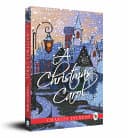
- A Christmas Carol
Charles Dickens
4.1 (600k) average on GoodreadsFantasyTimeless tale of redemption and the spirit of generosity during the holidays.
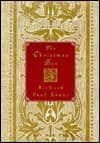
- The Christmas Box
Richard Paul Evans
4.0 (25k) average on GoodreadsSpiritualityAnother popular Christmas novella exploring themes of love, loss, and the holiday spirit.
- The Five People You Meet in Heaven
Mitch Albom
3.9 (578k) average on GoodreadsFantasyAlbom's book also explores interconnectedness and impact, but with a more intricate narrative structure, deeper philosophical inquiry into life/death/purpose, and greater psychological depth in character development. 'Christmas Jars' is more focused on external acts of kindness rather than internal transformations and existential questions.
- A Man Called Ove
Fredrik Backman
4.4 (569k) average on GoodreadsFictionBackman's novel offers a more nuanced and realistic portrayal of community and kindness, often emerging from flawed, complex characters and initially abrasive interactions. 'Ove' provides humor and deeper character development, making acts of kindness feel more earned. 'Christmas Jars' presents a more idealized community vision.
- Nineteen Eighty-Four
George Orwell
4.2 (5.5M) average on GoodreadsFictionWinston Smith dreams of truth and rebellion in a world where Big Brother watches all, but he confronts the terrifying power of a regime that controls not just actions, but thoughts.
- The Frozen River
Ariel Lawhon
4.4 (600k) average on GoodreadsFictionIn 1789 Maine, a heroic midwife's diary helps her expose a murder and get justice in a town that wants to silence her.




Enjoyed the summary?
A summary gives you the shape of the book. The book itself has the detail, the examples and the voice.
Find Christmas Jars on AmazonAs an Amazon Associate, BookBrief earns from qualifying purchases. How we're funded