

Synopsis
Covers the whole plot, including the ending.
- Difficulty
- Easy
- Pacing
- Fast
- Mood
- Humorous, Lighthearted, Romantic, Witty
- Read it if
- You enjoy lighthearted, funny Young Adult romance with a focus on female friendship and quirky characters.
- Skip it if
- You prefer serious, realistic plots or dislike common YA tropes like mistaken identities and dramatic misunderstandings.
Confessions of a Triple Shot Betty Plot Summary
Covers the whole plot, including the ending.
Summer Plans and Unexpected Tensions
Geena looks forward to a perfect summer working at the Triple Shot Betty coffee shop with her best friend, Amber, and her cousin, Hero. She envisions a summer of bonding, shared experiences, and fun. However, the moment Amber and Hero meet, Geena's hopes are dashed as they immediately dislike each other. Their personalities clash dramatically: Amber is outgoing and flirtatious, while Hero is reserved and artistic. The animosity creates an uncomfortable atmosphere at the coffee shop, making Geena's job and her summer much more stressful than anticipated. She tries to mediate, but their bickering is relentless, constantly putting Geena in the middle and forcing her to choose sides, which she desperately wants to avoid.
The Arrival of the Guys and Shifting Dynamics
The dynamics at the Triple Shot Betty shift dramatically with the arrival of several attractive guys. Two particular boys catch the attention of the Bettys: Adam, a charming and seemingly sweet surfer, and Jesse, a more mysterious and artistic type who works at the surf shop next door. Amber, ever the flirt, immediately sets her sights on Adam, while Hero, despite her initial aloofness, finds herself drawn to Jesse. This influx of romantic interest increases the existing tension between Amber and Hero. Instead of uniting, their rivalry becomes even more pronounced, with each girl trying to outdo the other to gain male attention, further complicating Geena's attempts to maintain peace and enjoy her summer.
Mistaken Identities and Elaborate Schemes
Driven by their mutual dislike and a desire to win their respective crushes, Amber and Hero concoct an elaborate scheme involving mistaken identities. Amber, wanting to impress Jesse, decides to pretend to be Hero, believing Jesse is interested in Hero's artistic, intellectual persona. Simultaneously, Hero, interested in Adam, decides to pretend to be Amber, thinking Adam would prefer Amber's outgoing, flirtatious nature. They convince Geena to go along with their plan, despite her strong reservations and ethical concerns. This charade leads to a series of awkward and comedic encounters, as they struggle to maintain their false personas while interacting with Adam and Jesse, creating a tangled web of deception that Geena fears will inevitably unravel.
Geena's Reluctant Participation and Growing Unease
Geena, despite her better judgment, finds herself increasingly entangled in Amber and Hero's elaborate identity-swapping scheme. She acts as an unwilling accomplice, often having to cover for their lies or provide confusing explanations to Adam and Jesse. As the deception continues, Geena feels a growing sense of unease and guilt. She witnesses the emotional toll the charade takes on everyone, including herself, and worries about the inevitable fallout when the truth is revealed. Her summer, which she had hoped would be filled with lighthearted fun, has become a stressful exercise in maintaining a web of lies, and she struggles with her loyalty to her friends versus her own moral compass.
Twisted Dates and Confusing Conversations
The mistaken identity scheme leads to a series of comically twisted dates and confusing conversations. 'Amber' (Hero) goes on dates with Adam, trying to embody Amber's bubbly personality, while 'Hero' (Amber) attempts to engage Jesse in intellectual discussions about art and literature. Both girls find it challenging to maintain their false personas, leading to awkward silences, forced laughter, and close calls where their true identities are almost revealed. Adam and Jesse, while initially charmed, begin to sense something is off, noticing inconsistencies in the girls' behavior and interests. Geena often has to intervene or provide plausible excuses, making her role as a go-between increasingly difficult and stressful.
The Truth Begins to Surface
As the summer progresses, the cracks in Amber and Hero's elaborate deception begin to show. Adam and Jesse, though initially smitten, start to notice inconsistencies in the girls' personalities and stories. Jesse, in particular, finds 'Hero' (Amber) surprisingly shallow and uncultured for someone who claims to be an artist, while Adam finds 'Amber' (Hero) unexpectedly reserved. The girls themselves grow weary of the charade, finding it exhausting to pretend to be someone they are not. Geena observes their increasing frustration and the boys' growing suspicion, realizing that the truth cannot be kept hidden much longer. The tension builds, foreshadowing an inevitable confrontation and revelation.
The Confrontation and Fallout
The truth finally explodes in a dramatic confrontation. Adam and Jesse, having pieced together the clues and confronted Geena, learn about the identity swap. They are understandably hurt and angry at being deceived. The revelation leads to a major fallout, not just between the girls and the boys, but also between Amber and Hero, and even Geena. Accusations fly, feelings are hurt, and the friendships seem irrevocably damaged. Adam and Jesse feel betrayed, and the romantic prospects crumble. The summer, which started with such high hopes, has devolved into a mess of broken trust and emotional turmoil, leaving all involved feeling miserable and regretful.
Picking Up the Pieces and Re-evaluation
In the aftermath of the revelation, Amber, Hero, and Geena are forced to confront the consequences of their actions. The coffee shop atmosphere is tense and awkward, and the boys are nowhere to be seen. The girls are left to pick up the pieces of their broken friendships and shattered romantic hopes. They each begin a process of re-evaluation, reflecting on why they resorted to such a deception and the impact it had on everyone. This period of introspection is difficult but necessary, as they start to understand the value of honesty and the harm caused by their rivalry and insecurity. Geena, though less directly responsible for the scheme, also grapples with her role in enabling it.
Apologies and Forgiveness
After a period of reflection, Amber and Hero, guided by Geena's quiet insistence on honesty, decide to apologize to Adam and Jesse. The apologies are sincere, acknowledging the hurt they caused and taking responsibility for their deceptive actions. While forgiveness is not immediate, the boys appreciate the honesty and the effort. More importantly, Amber and Hero begin to mend their own fractured relationship. They finally acknowledge their mutual dislike stemmed from insecurities and misunderstandings, and they start to see each other not as rivals, but as complex individuals. Geena, relieved, helps facilitate these difficult but necessary conversations, hoping to restore some semblance of peace and friendship.
New Beginnings and True Connections
With the truth out and apologies made, new, more authentic relationships begin to form. Jesse, having been interested in Hero's true artistic nature all along, finds himself genuinely drawn to her. Adam, appreciating Amber's eventual honesty, also starts to see her in a new light, beyond her initial flirtatious facade. Most significantly, Amber and Hero, having navigated the emotional turmoil, begin to forge a genuine, if still sometimes prickly, friendship. Geena is finally able to enjoy the summer she had envisioned, as the three Bettys unite, understanding that true connections are built on honesty and self-acceptance, not deception or rivalry. The summer ends with lessons learned and stronger, more real bonds.
Principal Figures
Geena
Protagonist
The mediating protagonist caught between her best friend and cousin.
Geena is the central character, an earnest and well-meaning young woman who initially dreams of a harmonious summer. She works at the Triple Shot Betty coffee shop and genuinely wants her best friend, Amber, and her cousin, Hero, to get along. Geena is often the voice of reason and morality, though she is easily swayed by her friends' strong personalities. She is uncomfortable with deception and constantly worries about the consequences of the identity-swapping scheme. Her primary motivation is to maintain peace and friendship, which often puts her in a difficult, mediating position.
Relationships: Amber (Best friend); Hero (Cousin and friend); Adam (Acquaintance, part of the romantic drama); Jesse (Acquaintance, part of the romantic drama)
Amber
Supporting
Geena's outgoing, flirtatious best friend with a hidden artistic side.
Amber is Geena's best friend, characterized by her outgoing, bubbly, and flirtatious personality. She is confident and isn't afraid to pursue what she wants, especially when it comes to boys. Amber is initially attracted to Adam but then, due to the scheme, pretends to be Hero to win Jesse's attention. Beneath her superficial exterior, Amber harbors a secret passion for art, which she keeps hidden, fearing judgment. Her rivalry with Hero stems from insecurity and a desire to be seen as more than just a pretty face.
Relationships: Geena (Best friend); Hero (Cousin (rival at first, then friend)); Jesse (Love interest (initially through deception, then genuinely)); Adam (Initial crush)
Hero
Supporting
Geena's artistic and reserved cousin, secretly drawn to Adam.
Hero is Geena's cousin, presented as more reserved, artistic, and intellectual than Amber. She often comes across as aloof and prefers reading and creating art to socializing. Hero initially despises Amber's outgoing nature and is attracted to Adam, but she pretends to be Amber to win Adam's affection, believing he prefers a more vivacious personality. Her quiet demeanor hides a deep insecurity about her ability to attract boys and fit in. Her rivalry with Amber is fueled by misunderstandings and a defensive facade.
Relationships: Geena (Cousin and friend); Amber (Best friend (rival at first, then friend)); Adam (Love interest (initially through deception, then genuinely)); Jesse (Acquaintance (part of the scheme))
Adam
Supporting
The charming surfer who initially attracts both Amber and Hero.
Adam is one of the attractive boys who frequents the Triple Shot Betty. He is portrayed as a charming, friendly surfer, initially seeming like the perfect guy. Both Amber and Hero are drawn to him for his good looks and easygoing nature. He is initially interested in 'Amber' (who is actually Hero pretending), leading to confusion and eventually hurt when the truth is revealed. He is a generally nice guy who feels betrayed by the deception but is open to understanding once the apologies are made.
Relationships: Hero (Love interest (initially 'Amber')); Amber (Initial crush, then genuine interest); Jesse (Friend)
Jesse
Supporting
The artistic and mysterious boy who works at the surf shop.
Jesse works at the surf shop next door to the Triple Shot Betty. He is more artistic and reserved than Adam, with a thoughtful and slightly mysterious demeanor. He is initially interested in 'Hero' (who is actually Amber pretending), drawn to what he believes is her intellectual and artistic side. He is perceptive and quickly picks up on the inconsistencies in 'Hero's' behavior. Jesse is ultimately more interested in genuine connection and intellectual compatibility, making him a good match for the true Hero.
Relationships: Amber (Love interest (initially 'Hero')); Hero (Genuine love interest); Adam (Friend)
Mr. Henderson
Mentioned
Owner of the Triple Shot Betty coffee shop.
Mr. Henderson is the owner of the Triple Shot Betty coffee shop where Geena, Amber, and Hero work. He serves as a background figure, primarily focused on the business operations. While not a major character, his presence grounds the girls' summer job and provides the setting for much of the initial conflict and interaction. He is generally oblivious to the romantic drama and mistaken identities unfolding among his employees, focusing instead on their work performance and the smooth running of the cafe.
Relationships: Geena (Employer); Amber (Employer); Hero (Employer)
Themes & Insights
Identity and Self-Acceptance
The novel explores identity through Amber and Hero's struggles to be themselves. They both pretend to be someone they are not to attract boys, showing their insecurities about their true personalities. Amber hides her artistic side, while Hero feels she is not 'fun' enough. Geena, too, grapples with her identity as a mediator. The resolution shows that true connections are formed when characters embrace and accept their authentic selves, rather than trying to fit into perceived ideals, as seen when Jesse is genuinely drawn to Hero's artistic nature.
“Maybe the best way to get a guy to like you is to just be yourself. Crazy, right?”
Honesty vs. Deception
A central theme is the conflict between honesty and deception, and the consequences of choosing the latter. The entire plot revolves around Amber and Hero's elaborate identity-swapping scheme, which is initially presented as a fun, romantic strategy but quickly becomes a stressful web of lies. Geena's internal conflict about participating in the deception further emphasizes this theme. The eventual fallout, heartbreak, and strain on friendships clearly show the destructive power of dishonesty, ultimately leading to a renewed appreciation for truth and transparency in relationships.
“Lies are like a house of cards. Eventually, it all comes tumbling down.”
The Nature of Friendship and Rivalry
The strained relationship between Amber and Hero, fueled by immediate dislike and romantic rivalry, is the core of this theme. Geena's struggle to maintain her friendships with both girls, despite their constant bickering, shows the challenges of mediating conflict. The novel shows how initial rivalry can stem from misunderstanding and insecurity, but through shared experiences (even negative ones like the deception) and eventual honesty, a deeper, more resilient friendship can emerge. The 'Bettys unite' message at the end signifies the strength found in female solidarity.
“It turns out, when Bettys unite, they can take on the most powerful force in their world: a hot guy.”
Perception vs. Reality
This theme is woven throughout the narrative, particularly through the boys' initial perceptions of 'Amber' and 'Hero' versus the girls' true personalities. Adam and Jesse are attracted to personas that do not match the real girls, leading to confusion. Amber perceives Jesse wants an intellectual, while Hero believes Adam wants a flirt. The story systematically dismantles these misperceptions, revealing that what characters think others want, or what they present themselves as, is often far from the reality. The resolution emphasizes the importance of seeing and appreciating people for who they truly are.
“I guess you never really know someone until you see them without their mask on.”
Plot Devices & Literary Techniques
Mistaken Identity
The central comedic and dramatic device driving the plot.
The primary plot device is the classic trope of mistaken identity. Amber and Hero swap identities to pursue their crushes, believing they need to be someone else to be loved. This device creates all the comedic misunderstandings, awkward dates, and dramatic tension in the story. It directly leads to the climax where the deception is revealed and the subsequent fallout. Ultimately, it serves to highlight the theme of authenticity and the dangers of dishonesty, as the characters learn that true connection cannot be built on a foundation of lies.
Love Triangle (or Quadrangle)
The romantic entanglements between the four main young characters.
The romantic relationships form a complex love quadrangle involving Amber, Hero, Adam, and Jesse. Initially, Amber likes Adam and Hero likes Adam, creating a rivalry. Then, through the mistaken identity, 'Amber' (Hero) dates Adam, and 'Hero' (Amber) dates Jesse. This device fuels the competition between the girls and provides the motivation for the deception. It adds layers of romantic tension, jealousy, and eventually, the satisfying resolution where the 'right' couples (Hero and Jesse, Amber and Adam) find genuine connection after the charade ends.
The Coffee Shop Setting (Triple Shot Betty)
The central hub for character interactions and plot development.
The Triple Shot Betty coffee shop serves as more than just a workplace; it's the central setting where all the main characters interact, conflicts arise, and the plot unfolds. It's where Amber and Hero first meet and clash, where the boys frequently visit, and where much of the identity-swapping charade takes place. The casual, public nature of the coffee shop allows for eavesdropping, chance encounters, and the constant threat of exposure for the girls' scheme, effectively acting as a stage for the romantic comedy and drama.
Internal Monologue/First-Person Narration
Geena's perspective provides insight into her moral struggles and observations.
The story is told from Geena's first-person perspective, primarily through her internal monologue. This device allows the reader direct access to Geena's thoughts, anxieties, and moral dilemmas as she navigates the chaos created by Amber and Hero. Her internal commentary provides a grounding, often humorous, and ethically conscious viewpoint on the escalating deception. It highlights her role as the 'straight man' amidst the antics and emphasizes her discomfort with the lies, making her a relatable and sympathetic protagonist who struggles with her loyalty to friends versus her own sense of right and wrong.
Confessions of a Triple Shot Betty Quotes
“I was a triple shot Betty: coffee, sarcasm, and a heart that didn't know when to quit.”
“Love isn't about finding someone perfect; it's about finding someone who makes you want to be better.”
“Sometimes the bravest thing you can do is admit you're scared.”
“In a small town, gossip travels faster than the speed of light, and it's usually wrong.”
“Coffee was my liquid courage, my morning ritual, my way of facing the world.”
“Friendship isn't about always agreeing; it's about showing up when it matters.”
“I thought I had my life figured out, but then Ben walked in and turned everything upside down.”
“Sarcasm is just honesty with a sharp edge.”
“You can't control who you fall for, but you can control what you do about it.”
“Working at the coffee shop taught me more about people than any psychology class ever could.”
“Sometimes the hardest person to forgive is yourself.”
“Life doesn't come with a roadmap, but it does come with coffee and good friends.”
“Love should make you feel alive, not trapped.”
“In the end, it's not about being a triple shot anything; it's about being true to yourself.”
Quiz
10 questions on the plot and the characters. Each answer comes with a short explanation.
Question 1
What is the name of the coffee shop where Geena, Amber, and Hero work during the summer?
- Betty's Brew
- Triple Shot Betty
- Summer Sips
- Café Claws
Show answer
B. Triple Shot Betty The coffee shop is called Triple Shot Betty, which is central to the story as it's where the three main characters work and the title references it.
Question 2
How are Geena and Hero related?
- They are sisters
- They are cousins
- They are best friends
- They are stepsisters
Show answer
B. They are cousins Geena and Hero are cousins, which is established early in the book as part of Geena's plan for a summer with her friend Amber and cousin Hero.
Question 3
What initially causes tension between Amber and Hero when they meet?
- They both like the same guy
- They have a past argument
- They hate each other on sight
- They compete for a promotion at work
Show answer
C. They hate each other on sight Amber and Hero immediately dislike each other upon meeting, which disrupts Geena's hopes for a harmonious summer, as described in the book's summary.
Question 4
What literary work is referenced in the book's description to highlight the romantic elements?
- Romeo and Juliet
- Pride and Prejudice
- Shakespeare's plays
- Jane Eyre
Show answer
C. Shakespeare's plays The book's description mentions 'enough romance to make Shakespeare proud,' alluding to Shakespeare's famous romantic works like 'Romeo and Juliet' or 'Much Ado About Nothing.'
Question 5
What major plot element complicates the summer for Geena and her friends?
- A family crisis
- Financial troubles at the coffee shop
- Mistaken identities
- A natural disaster
Show answer
C. Mistaken identities Mistaken identities are a key plot point, leading to confusion and high jinks as the characters navigate romantic interests and friendships.
Question 6
What is Geena's initial hope for the summer before tensions arise?
- To earn enough money for college
- To find a boyfriend
- A girl-bonding summer with Amber and Hero
- To travel to a new city
Show answer
C. A girl-bonding summer with Amber and Hero Geena looks forward to a summer of bonding with her best friend Amber and cousin Hero, but this dream is disrupted when Amber and Hero clash.
Question 7
According to the book's description, what do the Bettys learn they can overcome when united?
- Family conflicts
- Work challenges
- A hot guy
- Academic pressure
Show answer
C. A hot guy The description states that the Bettys learn 'they can take on the most powerful force in their world: a hot guy,' emphasizing themes of friendship and empowerment over romantic distractions.
Question 8
Which character's perspective is primarily used to narrate the story?
- Amber
- Hero
- Geena
- One of the guys
Show answer
C. Geena The book is titled 'Confessions of a Triple Shot Betty,' suggesting Geena's first-person narrative, as she is the central character reflecting on the summer's events.
Question 9
What genre best describes 'Confessions of a Triple Shot Betty' based on its summary?
- Mystery
- Science Fiction
- Young Adult Romance
- Historical Fiction
Show answer
C. Young Adult Romance The book is categorized as Young Adult and Romance, focusing on teenage relationships, summer adventures, and romantic elements, as indicated in the provided description.
Question 10
In the context of the book, what does 'Bettys' refer to?
- A type of coffee drink
- The three main female characters
- A rival group of girls
- The coffee shop owners
Show answer
B. The three main female characters 'Bettys' is a nickname or term for Geena, Amber, and Hero, derived from the coffee shop name 'Triple Shot Betty,' symbolizing their unity and identity as a group.
Confessions of a Triple Shot Betty FAQ
What is 'Confessions of a Triple Shot Betty' about?
The novel follows Geena, who plans a perfect summer working at the Triple Shot Betty coffee shop with her best friend Amber and cousin Hero. Her plans unravel when Amber and Hero instantly clash, and their conflicts intensify when attractive guys enter the picture, leading to mistaken identities and romantic chaos that tests their friendships.
Why should I read 'Confessions of a Triple Shot Betty'?
It's a fun, lighthearted YA romance with Shakespearean-inspired twists (like the character names Geena, Hero, and Amber echoing 'Much Ado About Nothing'). The book explores friendship dynamics, summer adventures, and humorous misunderstandings, making it an engaging read for fans of contemporary teen stories.
What is the background/setting of 'Confessions of a Triple Shot Betty'?
The story is set in a small town during summer vacation, centered around the Triple Shot Betty coffee shop where the main characters work. This casual, social environment fuels the romantic and interpersonal conflicts as characters navigate their jobs and personal lives.
What are the most memorable quotes from the book?
While specific quotes aren't widely cited, key themes include lines about friendship like Geena's reflections on 'when Bettys unite' overcoming romantic distractions, and humorous exchanges during the coffee shop chaos that highlight the characters' witty banter.
What writing style does Jody Gehrman use in this book?
Gehrman employs a conversational, first-person narrative from Geena's perspective, blending humor with emotional depth. The style is fast-paced and dialogue-driven, capturing the teenage voice and the playful, dramatic tone of summer rom-coms.
What minor details add significant meaning to the story?
The coffee shop's name 'Triple Shot Betty' symbolizes the trio's unity and energy. Small acts, like characters covering shifts or sharing secrets at work, subtly reinforce their bond amidst conflicts, showing how their jobs become a backdrop for personal growth.
What are some subtle foreshadowing moments in the book?
Early tensions between Amber and Hero hint at deeper insecurities that later drive their rivalry over guys. Geena's initial optimism about a 'girl-bonding summer' foreshadows the challenges she'll face in mediating their disputes and prioritizing friendship.
What unexpected character connections exist in the story?
The romantic interests create unexpected ties, such as guys wooing multiple Bettys leading to crossed wires. These connections force the characters to confront jealousy and misunderstandings, ultimately revealing hidden loyalties and strengthening their friendships.
What are the unspoken character motivations in the book?
Amber and Hero's rivalry stems from unspoken fears of being left out or replaced in Geena's life. Geena herself is motivated by a desire to keep her friend group intact, often suppressing her own feelings to play peacemaker between them.
What psychological complexities do the characters exhibit?
Geena shows complexity in balancing loyalty to both Amber and Hero while navigating her own romantic interests. Amber and Hero display defensiveness and vulnerability, using their clashes as a way to mask insecurities about self-worth and acceptance.
What are the major emotional turning points in the story?
Key moments include the initial clash between Amber and Hero shattering Geena's summer dreams, romantic misunderstandings that escalate tensions, and a climax where the Bettys unite to confront a shared challenge, leading to emotional reconciliation and growth.
How do the relationship dynamics evolve among the characters?
The dynamics shift from Geena's idealistic view of a harmonious trio to fractured alliances due to romantic rivalries, then to a stronger, more honest friendship as they learn to communicate and support each other beyond guy-related drama.
Which parts of the book remain ambiguous or open-ended?
Some romantic outcomes are left slightly open, allowing readers to imagine futures for the characters beyond the summer. The resolution focuses more on friendship than definitive pairings, leaving certain relationship details to interpretation.
What are controversial scenes or decisions in the story?
Scenes where characters prioritize romantic interests over friendships, such as Amber and Hero's rivalry endangering their bond, spark debate about loyalty. Geena's role as a mediator sometimes leads to accusations of her being passive or enabling conflicts.
'Confessions of a Triple Shot Betty' ending explained: how it ends & what it means
The ending sees the Bettys reconciling and realizing the power of their friendship over romantic distractions. It concludes with them united and stronger, emphasizing themes of solidarity and self-discovery, suggesting that true bonds can withstand external pressures like 'hot guys'.
Similar books
- Anna and the French Kiss
Stephanie Perkins
4.0 (364k) average on GoodreadsYoung AdultFeatures a charming, character-driven YA romance with a focus on friendship and self-discovery.
- To All the Boys I've Loved Before
Jenny Han
4.2 (490k) average on GoodreadsYoung AdultExplores themes of secret crushes, mistaken identities, and the complexities of young love and sisterhood.
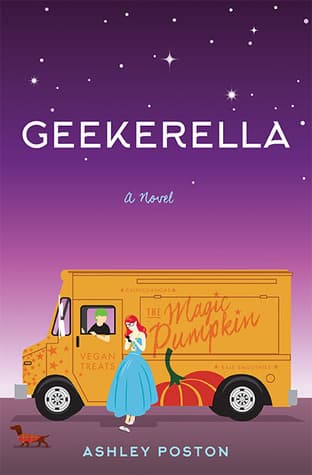
- Geekerella
Ashley Poston
4.0 (44k) average on GoodreadsYoung AdultOffers a fun, modern take on a classic story with a strong emphasis on humor and romantic high jinks.
- The Truth About Forever
Sarah Dessen
4.1 (209k) average on GoodreadsYoung AdultDessen's novel offers greater emotional complexity, exploring deeper themes of grief, family, and self-reinvention, which gives her romances a more substantial emotional core. Gehrman's book, while charming, does not delve into the same level of profound internal struggle.
- Harry Potter and the Sorcerer's Stone
J.K. Rowling
4.5 (7M) average on GoodreadsFantasyRescued from a miserable life under the stairs, an orphaned boy discovers he's a wizard destined for a magical school, where he uncovers a dangerous secret tied to the dark wizard who murdered his parents.
- The Hunger Games
Suzanne Collins
4.3 (6.4M) average on GoodreadsFantasyIn a future where children fight to the death on live television, Katniss Everdeen volunteers for the arena, turning a death sentence into a fight for survival and a spark of rebellion.





Enjoyed the summary?
A summary gives you the shape of the book. The book itself has the detail, the examples and the voice.
Find Confessions of a Triple Shot Betty on AmazonAs an Amazon Associate, BookBrief earns from qualifying purchases. How we're funded