
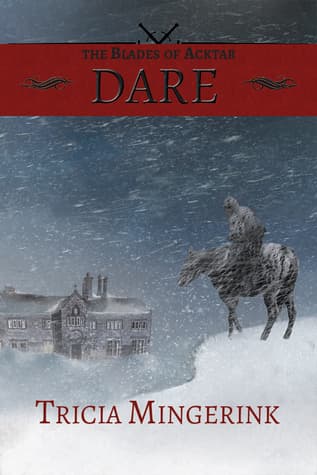
Synopsis
Covers the whole plot, including the ending.
- Difficulty
- Medium
- Pacing
- Moderate
- Mood
- Introspective, Suspenseful, Romantic, Hopeful
- Read it if
- You enjoy young adult fantasy with a strong romantic element, moral dilemmas, and themes of redemption and resistance against tyranny.
- Skip it if
- You prefer high-fantasy epics with complex world-building over character-driven stories, or are looking for a lighthearted read without difficult choices.
Dare Plot Summary
Covers the whole plot, including the ending.
The Hunt and the Storm
Third Blade Leith Torren is part of a King's Blade unit hunting Resistance members in the northern plains. During a fight, he is shot in the shoulder with an arrow. A harsh prairie blizzard begins, separating him from his unit. Leith, badly wounded and lost, stumbles through the snow, desperate for shelter. He collapses near a small, remote homestead, hoping for help but fearing discovery by those he is sworn to hunt. His injury and the extreme weather make him vulnerable, depending completely on strangers.
Unlikely Refuge
Elara finds Leith unconscious. She lives with her family in the remote homestead. Despite her initial fear and suspicion, and recognizing his Blade uniform, Elara brings him inside and starts treating his severe arrow wound. Leith does not know that this is the family whose father he helped imprison years ago for his forbidden faith, a fact Elara remembers well. She puts aside her anger and cares for him, driven by compassion and her family's faith, which teaches kindness even to enemies. Leith, feverish, slowly begins to heal under her care.
Awkward Coexistence
As Leith slowly recovers, he is a guest in the home of Elara, her younger sister Cerian, and their mother. He quickly realizes their forbidden faith and their quiet defiance of the King's rule. He feels torn between his duty as a Blade to report them and the kindness they show him, despite his uniform. Elara carefully asks him about his loyalties and the King, subtly probing his beliefs. Leith, weak and without his weapon, must face the humanity of the people he was trained to persecute, challenging his ingrained prejudice and the Blades' rigid worldview.
The Past Revealed
One evening, Elara tells Leith the truth: he was one of the Blades who arrested her father years ago, leading to his imprisonment and death. This news shocks Leith, who remembers the event but never connected it to this specific family. He is horrified to realize he has been sheltered and cared for by the very people he wronged. Elara, though hurt, expresses her family's forgiveness, which further disarms Leith. This confrontation forces Leith to directly face the results of his actions and the moral complexities of his service to the King.
Seeds of Doubt
The time spent with Elara's family, along with the revelation of his past actions, deeply troubles Leith. He sees their strong faith, their resilience, and their quiet acts of rebellion, like sheltering Resistance members. He starts to see the King's laws and the Blades' enforcement in a new way, questioning the justice and morality of their government. His talks with Elara challenge his ingrained beliefs, and he begins to understand the suffering caused by the King's harsh rule. The clear difference between the King's propaganda and the reality of their lives chips away at his loyalty.
A Dangerous Alliance
Driven by his new doubts and a growing sense of injustice, Leith decides to betray the King and help the Resistance. He offers his knowledge of Blade tactics and movements to Elara and her family, knowing this act could cost him his life. This decision is not easy, as it means leaving everything he has known and risking severe punishment, including execution. Elara, careful but hopeful, accepts his help, understanding the great danger it poses to them all, especially with other Blades still searching for Leith.
The King's Search
Leith's former Blade unit, led by his superior, Captain Rostig, is searching for him, believing him to be either dead or a deserter. Rostig is a harsh and loyal Blade, determined to find Leith and bring him back, or eliminate him if he is a traitor. The search grows, bringing the Blades dangerously close to Elara's homestead. Leith, now a target, realizes the immediate threat to Elara and her family. They must decide whether to flee or prepare for a fight, knowing that discovery means certain death or imprisonment for them all.
Confrontation and Escape
The Blades eventually find Elara's homestead. A tense confrontation follows, forcing Leith and the family into a desperate fight for survival. Leith uses his Blade training against his former comrades, protecting Elara and Cerian. In the chaos, they manage a narrow escape, but with losses and close calls. The escape is full of danger, as they are now pursued by the King's Blades, solidifying Leith's change from loyal soldier to wanted fugitive and Resistance ally. The stakes are higher than ever, and their lives are on the line.
Joining the Resistance
After their difficult escape, Leith and Elara fully commit to joining the organized Resistance network. Leith's knowledge of Blade operations, strategies, and weaknesses is very valuable to the Resistance. He helps them plan and carry out missions, providing important information that allows them to avoid capture and strike effectively against the King's forces. Elara, with her strong faith and conviction, becomes a key part of their efforts, offering moral support and practical aid. Their bond grows as they work together, united by a common goal for freedom.
Sacrifice and Resolution
The story ends with a major fight between the Resistance and the King's Blades. Leith and Elara are at the front, fighting for their ideals. This battle is intense and costly, with significant sacrifices made on both sides. Leith must face his past self and possibly his former superior, Captain Rostig, in a final showdown. The outcome determines the fate of the Resistance and the possibility of a fairer future. The choices made by Leith and Elara in this final act show their courage and commitment to freedom, even if it comes at a great personal cost.
Dare Characters
Leith Torren
Protagonist
A King's Third Blade who questions his loyalty after an injury and a fateful encounter.
Leith is a highly trained and disciplined King's Blade, initially unwavering in his loyalty to King Respen and his mission to suppress the forbidden faith. He is skilled in combat and interrogation, having been indoctrinated into the King's ideology from a young age. Beneath his hardened exterior, he possesses a strong sense of justice, albeit one initially shaped by his training. He is pragmatic and observant, which allows him to slowly perceive the flaws in the King's narrative. His internal struggle between duty and conscience forms the core of his character.
Relationships: Elara (Initially captor/captive, evolves into a romantic interest and fellow Resistance fighter, central to his moral awakening.); Captain Rostig (His superior officer and a symbol of his past loyalty; later an antagonist.); Cerian (Elara's younger sister, whose innocence and faith further challenge his beliefs.)
Elara
Protagonist/Love Interest
A compassionate young woman whose family suffered under the King's rule and harbors the forbidden faith.
Elara is a resilient and deeply compassionate young woman living in a remote homestead. She is fiercely protective of her younger sister, Cerian, and her mother. Despite the persecution her family has faced, she embodies the tenets of her forbidden faith, choosing kindness and forgiveness even towards those who have wronged her, such as Leith. She is intelligent, observant, and possesses a quiet strength that allows her to challenge Leith's worldview without aggression. Her belief in freedom and justice is unwavering, making her a formidable, albeit gentle, force for change.
Relationships: Leith Torren (Initially the Blade who harmed her family, she nurses him and later becomes his romantic interest and partner in the Resistance.); Cerian (Her younger sister, whom she deeply loves and protects.); Mother (Her supportive mother, a pillar of their faith and resilience.)
Cerian
Supporting
Elara's younger sister, whose innocent faith and curiosity impact Leith.
Cerian is Elara's younger sister, characterized by her innocent curiosity and unwavering faith. She is less burdened by the past than Elara, often asking direct, unvarnished questions that force Leith to confront uncomfortable truths. Her simple kindness and lack of prejudice towards Leith, despite his uniform, serve as a powerful counterpoint to his ingrained cynicism. She represents the purity of the forbidden faith and the vulnerability of those targeted by the King's regime, inspiring Leith to protect her and fight for a better future.
Relationships: Elara (Her older sister and primary protector.); Leith Torren (Initially a stranger, she accepts his presence and indirectly influences his moral shift.)
Captain Rostig
Antagonist
Leith's ruthless superior officer, embodying the King's unwavering authority.
Captain Rostig is a high-ranking King's Blade and Leith's direct superior. He is a formidable and unyielding enforcer of the King's laws, completely loyal to the regime and merciless in his pursuit of dissidents. Rostig represents the rigid, oppressive nature of the King's rule and the indoctrination that Leith himself experienced. He is cunning, determined, and possesses a strong sense of duty, seeing any deviation from the King's will as treason. His pursuit of Leith underscores the danger of defying the crown and serves as a constant threat to Leith and Elara.
Relationships: Leith Torren (His subordinate whom he initially respects, then relentlessly hunts as a traitor.); King Respen (Utterly loyal to the King and his decrees.)
King Respen
Antagonist
The oppressive ruler who persecutes those with forbidden beliefs.
King Respen is the unseen but ever-present oppressive ruler of the land. His decrees outlaw the forbidden faith and establish the King's Blades to enforce his will, creating a climate of fear and persecution. He represents tyranny and the abuse of power, driving the central conflict of the story. While he doesn't appear directly, his influence is felt through his laws, his Blades, and the suffering of his subjects. His character is defined by his desire for absolute control and the suppression of any dissenting beliefs.
Relationships: Leith Torren (Leith serves him initially, then rebels against his authority.); Elara's Family (The source of their persecution and suffering.)
Dare Themes
Redemption and Forgiveness
Redemption is central to Leith's journey as he struggles with his past actions as a King's Blade, especially his role in Elara's father's arrest. Elara's family, despite their suffering, shows forgiveness by sheltering and caring for Leith, a former oppressor. This act of grace deeply affects Leith, prompting him to seek redemption by actively fighting against the system he once supported. Forgiveness is presented not as excusing past wrongs, but as a strong force for healing and change, allowing Leith to move past his guilt and act justly. This is clear when Elara reveals his past actions, yet still chooses to trust him, leading to his internal change.
“There is no forgiveness without pain, and no freedom without daring to face it.”
The Nature of Duty vs. Conscience
Leith's main conflict is between his ingrained duty to King Respen and his developing conscience. He has been trained since childhood to obey orders without question, believing his service was right. However, his experiences with Elara's family show him the human cost of the King's laws, forcing him to question the morality of his duty. The story explores how personal conviction can override loyalty to an institution, showing that true honor means following one's moral compass, even when it means breaking an oath. This is clear when Leith decides to help the Resistance, risking everything he once stood for.
“Some loyalties are bought with coin and fear, but true loyalty is earned with truth and heart.”
Faith and Resilience in Oppression
The forbidden faith practiced by Elara's family is a strong symbol of resilience against an oppressive government. Despite persecution, imprisonment, and death, their faith gives them a strong moral foundation, inspiring acts of compassion and courage. It teaches them to forgive their enemies and to hope for freedom, even in the darkest times. This theme shows how spiritual belief can be a source of strength and resistance, allowing individuals to remain human and fight for justice when faced with tyranny. The family's unwavering kindness to Leith, a representative of their oppressors, shows this resilience.
“They can take our freedom, but they cannot take our hope, not if we choose to hold it.”
The Power of Empathy and Connection
The story shows how empathy and real human connection can break down prejudice and rigid ideas. Leith's recovery in Elara's home forces him into a long, close interaction with the very people his training taught him to despise. Through these connections, he sees their humanity, their suffering, and their strong spirit. This personal bond with Elara and her family breaks down the dehumanizing stories he was told about those with the forbidden faith, allowing him to empathize with their difficulties and ultimately choose to fight alongside them. His change is a direct result of forming personal connections that go beyond political divides.
“It's hard to hate someone once you've seen their face in the light.”
Plot Devices & Literary Techniques
The Blizzard
A severe weather event that isolates Leith and forces him into a vulnerable situation.
The prairie blizzard serves as a crucial plot device, acting as a catalyst for Leith's forced encounter with Elara's family. It physically isolates him from his Blade unit, rendering him helpless and dependent. This extreme weather condition strips Leith of his power and authority, making him just another vulnerable human being. It creates the initial premise for Elara to take him in, setting the stage for his moral transformation. Without the blizzard, Leith would likely never have crossed paths with the family in such a way, or been forced to accept their aid.
The Blade Uniform
A visual symbol of authority and oppression, later a badge of shame and a tool for deception.
Leith's King's Blade uniform functions as a powerful symbol throughout the story. Initially, it represents his authority, his loyalty, and the oppressive power of the King. To Elara's family, it's a symbol of fear and past trauma. As Leith's loyalties shift, the uniform becomes a source of internal conflict and external danger. He must shed this identity to truly embrace his new path. Later, his knowledge of Blade tactics, derived from his time in uniform, becomes a valuable asset for the Resistance, turning a symbol of oppression into a tool for liberation.
The Forbidden Faith
A belief system persecuted by the King, acting as a core motivation for the Resistance and the characters' moral strength.
The forbidden faith is not just a background element but a central plot device that drives the conflict and character motivations. It is the reason for the King's oppression, the existence of the Blades, and the suffering of Elara's family. Conversely, it is also the source of Elara's moral strength, her compassion, and the deep-seated resilience of the Resistance. It provides a clear moral compass for the characters and defines the ideological battle at the heart of the story, giving the characters a profound reason to fight for freedom and justice against tyranny.
The Arrow Wound
Leith's injury that incapacitates him and necessitates care from Elara.
The arrow wound Leith sustains during the Resistance hunt is the immediate inciting incident that removes him from active duty and makes him vulnerable. It forces him to seek shelter and become dependent on strangers, specifically Elara. The severity of the wound necessitates a prolonged recovery period, which in turn allows for the development of his relationship with Elara and the slow erosion of his ingrained beliefs. Without this injury, Leith would not have been in a position to receive care from the family he wronged, thus preventing his moral awakening.
Dare Quotes
“The wind was a living thing, sharp and cold, and it bit through her thin tunic as if she wore nothing at all.”
“Sometimes the bravest thing you can do is to keep going, even when you want nothing more than to stop.”
“Hope was a dangerous thing, a fragile spark that could be snuffed out by a single breath of reality.”
“He moved with the grace of a predator, silent and deadly, yet there was a kindness in his eyes that belied his power.”
“A promise made under duress is no promise at all, but a choice made in freedom is a bond that cannot be broken.”
“Fear can be a useful tool, if you learn to wield it, rather than letting it wield you.”
“The world was not always fair, but it was always changing. And in change, there was always opportunity.”
“He saw past the dirt and the rags, past the fear and the defiance, to the fire that burned within her.”
“To truly live, one must be willing to risk everything, even the comfort of safety.”
“Love was not a gentle whisper, but a roaring fire that consumed everything in its path, leaving only ashes or new life.”
“Sometimes the greatest strength isn't in fighting, but in choosing what to fight for.”
“The past could haunt you, but it didn't have to define you. The future was unwritten, waiting for your hand to shape it.”
“A true leader doesn't demand loyalty, they inspire it.”
“She was a storm, wild and untamed, and he was the quiet harbor she never knew she needed.”
Quiz
10 questions on the plot and the characters. Each answer comes with a short explanation.
Question 1
What is Leith Torren's rank within the King's Blades at the beginning of the story?
- First Blade
- Second Blade
- Third Blade
- Fourth Blade
Show answer
C. Third Blade The book description explicitly states Leith Torren is the 'Third Blade' at the start of the story.
Question 2
What two events lead Leith to the doorstep of the girls whose family he once destroyed?
- A sword fight and a sandstorm
- An arrow wound and a prairie blizzard
- A fall from a horse and a sudden flood
- A poisoning and a forest fire
Show answer
B. An arrow wound and a prairie blizzard The synopsis clearly states that 'an arrow wound and a prairie blizzard drive him to the doorstep' of the girls.
Question 3
What is the primary reason the girls' family is considered 'forbidden' by King Respen?
- Their noble lineage
- Their wealth
- Their forbidden faith and ties to the Resistance
- Their magical abilities
Show answer
C. Their forbidden faith and ties to the Resistance The book description highlights 'Their forbidden faith and ties to the Resistance' as the reason their family is in danger.
Question 4
What internal conflict does Leith face regarding his loyalty?
- He questions his loyalty to the Blades but not to the King.
- He questions his orders and his loyalty to King Respen after encountering the girls.
- He questions his loyalty to the girls but not to the King.
- He questions his own combat skills, not his loyalty.
Show answer
B. He questions his orders and his loyalty to King Respen after encountering the girls. The synopsis states Leith 'never questions his orders or his loyalty to King Respen until an arrow wound and a prairie blizzard drive him to the doorstep of the girls'.
Question 5
What is the core dilemma Leith must resolve regarding his future actions?
- Whether to continue his training as a Blade or become a farmer.
- Whether to marry one of the girls or remain single.
- How far he dares go to resist the king and his Blades, or remain obedient.
- Whether to expose the girls' family or protect them without consequence.
Show answer
C. How far he dares go to resist the king and his Blades, or remain obedient. The central conflict for Leith is articulated as 'Survival depends on obedience, but freedom beckons. How far does he dare go to resist the king and his Blades?'
Question 6
What is the overarching thematic promise made by the book's final sentence?
- Leith will find true love and happiness.
- The Resistance will triumph without any losses.
- Someone will die, regardless of Leith's choice.
- King Respen will be overthrown peacefully.
Show answer
C. Someone will die, regardless of Leith's choice. The final sentence of the synopsis explicitly states, 'No matter what Leith chooses, one thing is certain. Someone will die.'
Question 7
The synopsis mentions Leith 'once destroyed' the girls' family. What does this imply about Leith's past actions under King Respen's orders?
- He accidentally caused a natural disaster that affected them.
- He was directly involved in an act of violence or persecution against their family due to their forbidden faith/Resistance ties.
- He merely witnessed their family's destruction by others.
- He was tasked with rebuilding their family's home.
Show answer
B. He was directly involved in an act of violence or persecution against their family due to their forbidden faith/Resistance ties. The phrase 'whose family he once destroyed' strongly suggests direct, active participation in their downfall, likely due to their forbidden faith or ties to the Resistance, given the context of King Respen's rule.
Question 8
How does the 'forbidden faith' of the girls' family contribute to the stakes of Leith's choices?
- It makes them desirable allies for King Respen.
- It means their survival is dependent on absolute obedience to the king, or they risk further devastation.
- It grants them special protections from the king's laws.
- It allows them to freely practice their beliefs without consequence.
Show answer
B. It means their survival is dependent on absolute obedience to the king, or they risk further devastation. The text states, 'Their forbidden faith and ties to the Resistance could devastate their family a second time. Survival depends on obedience'. This implies their faith puts them at direct odds with the king and makes them vulnerable.
Question 9
The title 'Dare' most directly relates to which aspect of Leith's journey?
- His dare to challenge other Blades in combat.
- His dare to survive the blizzard alone.
- His dare to defy King Respen and support the Resistance, risking everything.
- His dare to confess his past actions to the girls.
Show answer
C. His dare to defy King Respen and support the Resistance, risking everything. The synopsis explicitly uses the word 'dare' in the context of Leith's choice: 'How far does he dare go to resist the king and his Blades?' This directly links the title to his potential rebellion.
Question 10
Considering the genre elements (Fantasy, Young Adult, Romance), what kind of 'freedom' is likely beckoning Leith beyond mere physical liberation?
- Freedom from household chores and responsibilities.
- Freedom to travel the world as a mercenary.
- Freedom to choose his own path, align with his conscience, and potentially pursue a romantic relationship despite societal norms.
- Freedom from having to wear his Blade uniform.
Show answer
C. Freedom to choose his own path, align with his conscience, and potentially pursue a romantic relationship despite societal norms. Given the YA Romance genre, 'freedom' often extends beyond political or physical liberation to include personal autonomy, the ability to follow one's moral compass, and the freedom to pursue love, especially when it challenges established order, as hinted by the 'forbidden faith' and 'Resistance' elements.
Dare FAQ
What is the central conflict Leith Torren faces at the beginning of 'Dare'?
Leith Torren, a Third Blade loyal to King Respen, initially faces an internal conflict when an arrow wound and a blizzard force him to seek refuge with the family he previously harmed. He grapples with his ingrained loyalty to the king versus the unexpected compassion and forbidden faith he encounters from Elara and her sisters, which challenges his long-held beliefs.
Who are the key female characters Leith encounters, and what is their relationship to him?
Leith encounters Elara and her sisters, particularly Elara, whose family he had a hand in destroying in the past due to their forbidden faith. Despite this dark history, Elara and her sisters offer him aid, creating a complex dynamic of guilt, forgiveness, and burgeoning trust, further complicated by their ties to the Resistance.
What is the 'forbidden faith' mentioned in the synopsis, and why is it forbidden?
The 'forbidden faith' refers to the worship of the Living God, which is outlawed by King Respen and enforced by his Blades. Adherents of this faith, like Elara's family, are persecuted because their loyalty to a higher power is seen as a direct threat to the king's absolute authority and control over his subjects.
What role does the Resistance play in the story, and how does Leith become involved?
The Resistance is a group opposing King Respen's tyrannical rule and supporting the forbidden faith. Leith becomes entangled with them through Elara and her family, whose connections to the Resistance expose him to their cause and force him to re-evaluate his allegiance, ultimately pushing him towards a path of rebellion against the king.
What is the significance of the title 'Dare' in relation to Leith's journey?
The title 'Dare' reflects Leith's internal struggle and the high stakes of his choices. He must dare to question his king, dare to trust those he once persecuted, and ultimately dare to resist the powerful Blades and the king's authority, knowing that such defiance could cost him his life and everything he knows.
How does Leith's arrow wound and the blizzard serve as a catalyst for the plot?
The arrow wound and blizzard are crucial plot devices, forcing Leith into a vulnerable state and directly to Elara's doorstep. This accidental encounter is the inciting incident, breaking his routine, isolating him from his Blade comrades, and initiating his exposure to the forbidden faith and the Resistance, which he would otherwise have suppressed or ignored.
Are there any subtle foreshadowing elements regarding Leith's internal conflict before he meets Elara?
While deeply loyal, there might be subtle hints of Leith's underlying unease with some of the Blades' more brutal tactics or the king's absolute decree against the Living God. These could manifest as momentary hesitations, unvoiced questions, or a quiet observation of the suffering caused, suggesting his conscience isn't entirely hardened even before his pivotal encounter.
What is the nature of the 'destruction' Leith caused to Elara's family, and how does it impact their interactions?
Leith, as a Third Blade, participated in the persecution of Elara's family due to their faith, likely resulting in the loss of their home, possessions, or even family members. This past act creates a deep-seated tension and initial distrust between them, making Elara's act of mercy even more profound and Leith's guilt a constant undercurrent in their burgeoning relationship.
How does Leith's identity as a 'Third Blade' influence his initial worldview and his interactions with civilians?
As a Third Blade, Leith is indoctrinated into a rigid system of loyalty, obedience, and perceived superiority over commoners, especially those of the forbidden faith. This identity shapes his initial contempt or detachment towards civilians and makes his subsequent shift in perspective, where he begins to empathize and connect with them, a significant psychological hurdle.
Discuss the psychological impact of Leith being cared for by the very people he once persecuted.
Being cared for by Elara and her family, whom he previously harmed, creates profound cognitive dissonance for Leith. It forces him to confront his actions, the humanity of his 'enemies,' and the moral ambiguities of his service, leading to intense guilt, self-reflection, and a re-evaluation of his entire belief system and purpose.
How does Elara's faith influence her decision to help Leith, despite his past actions?
Elara's forbidden faith, specifically her belief in the Living God, likely emphasizes compassion, forgiveness, and unconditional love, even towards enemies. This spiritual conviction empowers her to look beyond Leith's role as a persecutor and offer him aid, demonstrating the transformative power of her beliefs and challenging his preconceived notions about her people.
What internal struggles does Leith face when considering betraying King Respen, beyond just fear of punishment?
Beyond fear of death, Leith grapples with the psychological weight of betraying an oath and a lifetime of loyalty, questioning his identity and purpose without the Blades. He confronts the potential loss of his entire worldview, the guilt of desertion, and the daunting prospect of forging a new path in a world he previously helped oppress.
How does the book explore the theme of 'courage' through Leith's choices?
The book explores courage not just as physical bravery in battle, but as the moral courage to question authority, defy indoctrination, and choose compassion over duty. Leith's journey highlights that true courage often lies in challenging one's own beliefs and standing up for what is right, even when it means facing severe personal consequences.
In what ways does 'Dare' challenge typical 'good vs. evil' tropes often found in fantasy?
'Dare' challenges these tropes by presenting Leith, initially an antagonist from Elara's perspective, as a complex protagonist capable of redemption. It blurs the lines by showing the humanity within the 'enemy' and the nuanced reasons behind their actions, suggesting that evil often stems from indoctrination and power, rather than inherent malice.
What is the significance of the ending statement, 'Someone will die,' for the overall narrative and reader expectation?
The statement 'Someone will die' heightens the stakes and foreshadows the inevitable sacrifices required in the fight against tyranny. It signals that the path Leith chooses will have severe, tangible consequences, reinforcing the gravity of his decisions and ensuring readers understand that the struggle for freedom will not be without significant personal cost and loss.
How does the element of 'romance' develop between Leith and Elara given their complicated past?
The romance between Leith and Elara develops gradually, built on initial mistrust and guilt, slowly transforming into understanding and mutual respect. Their shared vulnerability, the life-threatening situations they face together, and their growing appreciation for each other's courage and convictions forge a deep, forbidden bond that transcends their past conflict.
Could King Respen be seen as a more complex villain than simply 'evil,' or is he purely tyrannical?
While King Respen is depicted as tyrannical, the book might subtly suggest underlying motivations for his rigid rule and persecution of the forbidden faith, such as fear of losing control, a misguided belief in his own divine right, or historical precedents. This could make him a more complex figure, driven by a warped sense of order rather than pure malevolence, though his actions remain undeniably oppressive.
What does the ending imply about the nature of freedom and resistance in this world?
The ending implies that freedom and resistance are hard-won battles, often requiring immense sacrifice and continuous struggle. It suggests that while individual acts of courage can spark change, the fight against oppression is ongoing and fraught with danger, emphasizing that true freedom comes at a significant, often deadly, price for those who dare to seek it.
Similar books
- Daughter of Smoke & Bone
Laini Taylor
4.0 (311k) average on GoodreadsFantasyFeatures forbidden romance and characters caught between warring factions.
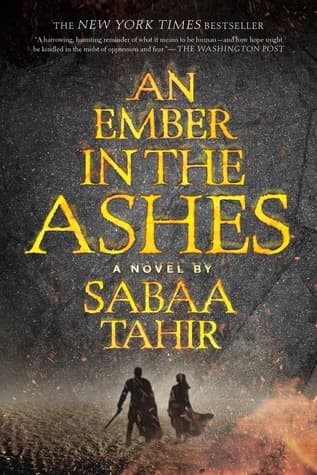
- An Ember in the Ashes
Sabaa Tahir
4.3 (182k) average on GoodreadsFantasyExplores themes of resistance against an oppressive regime and difficult moral choices.
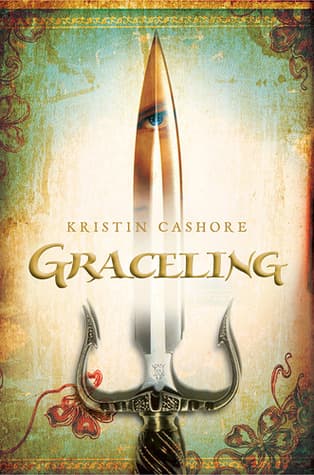
- Graceling
Kristin Cashore
4.1 (385k) average on GoodreadsFantasyFocuses on a powerful individual navigating their place in a world with political intrigue and personal duty.
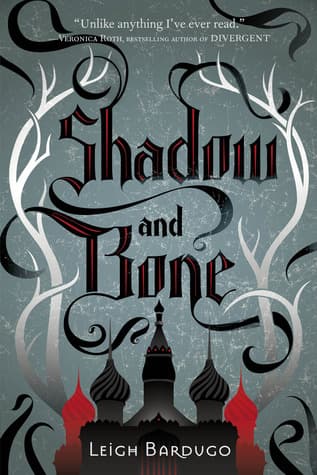
- Shadow and Bone
Leigh Bardugo
4.0 (307k) average on GoodreadsFantasy'Dare' could struggle to match Bardugo's intricate world-building, unique magic system, and complex political landscape. Bardugo's Grishaverse is renowned for its depth and originality, setting a high bar for YA fantasy narratives.
- A Court of Thorns and Roses
Sarah J. Maas
4.2 (476k) average on GoodreadsFantasyWhile both feature romance and resistance, Maas's series often delves into more mature themes and darker character development. 'Dare' might appear less 'daring' if it adheres too strictly to conventional YA tropes and doesn't explore the psychological complexities with similar depth.
- Harry Potter and the Sorcerer's Stone
J.K. Rowling
4.5 (7M) average on GoodreadsFantasyRescued from a miserable life under the stairs, an orphaned boy discovers he's a wizard destined for a magical school, where he uncovers a dangerous secret tied to the dark wizard who murdered his parents.



Enjoyed the summary?
A summary gives you the shape of the book. The book itself has the detail, the examples and the voice.
Find Dare on AmazonAs an Amazon Associate, BookBrief earns from qualifying purchases. How we're funded