
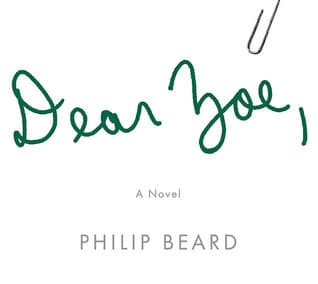
Synopsis
Covers the whole plot, including the ending.
- Difficulty
- Medium
- Pacing
- Moderate
- Mood
- Heartbreaking, Poignant, Reflective, Hopeful
- Read it if
- You enjoy poignant coming-of-age stories about grief, family, and first love, with a strong, authentic narrative voice.
- Skip it if
- You prefer lighthearted reads or find stories centered on child loss too difficult to engage with.
Dear Zoe Plot Summary
Covers the whole plot, including the ending.
The Day Everything Changed
On September 11, 2001, as the world focuses on terrorist attacks, thirteen-year-old Tess DeNunzio's family faces a personal disaster. Her three-year-old sister, Zoe, is killed in a hit-and-run in their suburban neighborhood. Tess, who was supposed to be watching Zoe, feels overwhelmed by guilt and grief. The novel begins with Tess writing letters to Zoe, years after the event, to process her trauma and the deep silence in her family. She describes the immediate aftermath, where the national tragedy overshadows their private one, leaving them feeling alone in their sorrow. Her mother, Maria, becomes withdrawn and depressed, while her father, David, struggles to cope, creating tension in their home.
A Family Fractured
After Zoe's death, the DeNunzio household is full of unspoken grief. Tess watches her parents, Maria and David, grow apart, unable to comfort each other or their surviving children. Maria withdraws into depression, often staying in bed, while David tries to act normal, but his efforts are strained. Tess's older sister, Emily, away at college, tries to help but also struggles with her own grief and guilt, wishing she had been home. The lack of open talk and inability to express their pain creates a suffocating atmosphere, leaving Tess feeling isolated and misunderstood within her family, which increases her sense of responsibility for Zoe's accident.
Escape to Grandpa's
Overwhelmed by the grief at home and the constant tension between her parents, Tess decides to move in with her biological father, Nick, whom she has not seen in years. Nick lives in a working-class neighborhood, a sharp contrast to her suburban life. This move is a desperate attempt to escape her mother's emotional paralysis and her stepfather David. Nick, though imperfect and a bit rough, offers Tess a sense of freedom and a less emotionally charged environment. His practical approach, while not always sensitive, allows Tess to breathe and process her grief in a different way, away from the constant reminder of Zoe's absence in her mother's house.
New Connections and First Love
Living with Nick, Tess starts a new school and meets a diverse group of kids. She becomes close friends with Carla, an outgoing girl who introduces her to a different social scene. During this time, Tess also meets Jimmy Mancini, an older boy with a troubled past but a kind heart. Their relationship quickly becomes Tess's first love. Jimmy, understanding loss in his own way, offers Tess a connection and comfort she has not found elsewhere. These new relationships distract Tess from her grief and give her a sense of belonging, allowing her to explore her identity beyond Zoe's death.
The Weight of Guilt
In her letters to Zoe, Tess constantly revisits the moments before the accident, replaying them in her mind. She carries a huge burden of guilt, convinced that if she had been more careful, Zoe would still be alive. This guilt shows up in self-blame and a reluctance to feel joy. Even with her new friends and relationship with Jimmy, the shadow of her perceived responsibility is present. She struggles to tell anyone about the depth of her self-blame, fearing judgment and more isolation. This internal struggle drives her narrative, as she tries to understand and, eventually, forgive herself.
Confronting the Past
As Tess spends more time with Nick and builds relationships with Carla and Jimmy, she slowly starts to face the silence around Zoe's death. While she does not explicitly tell everyone about her guilt, writing to Zoe allows her to express her feelings. Nick, in his gruff way, provides a stable presence, and Jimmy's acceptance creates a safe space for her. She begins to realize that her family's silence has been as damaging as the event itself. This period is a key step in her healing, as she moves from keeping her pain inside to carefully exploring ways to express it, even if it is mainly through her letters.
Reaching Out
Tess's letters to Zoe become a confession, letting her process raw emotions she cannot share with her immediate family. Her relationship with Jimmy grows, and he becomes a confidant, offering a different view on loss and resilience. She finds comfort in his quiet strength and understanding. Carla's personality and friendship also provide Tess with much-needed lightness and a sense of normalcy. Even Nick, with his unconventional parenting, offers unconditional love and practical support, allowing Tess to feel accepted despite her grief. These connections, formed outside the stifling atmosphere of her mother's home, are vital to Tess's emerging sense of self and healing.
The Truth About the Accident
Later in the story, Tess uncovers more details about the hit-and-run that killed Zoe. She learns that the driver was a distracted teenager who panicked, and that the circumstances were more complex than her initial, self-blaming story. This revelation does not erase her pain or initial guilt, but it begins to change her perspective. It helps her understand that the tragedy was not solely her fault, and that many factors contributed to it. This new information, while painful, is a key step in her journey toward self-forgiveness and accepting the random, cruel nature of the accident. It allows her to slowly let go of the overwhelming burden of individual responsibility.
A Glimmer of Hope
As Tess continues to write to Zoe, her tone gradually shifts from despair to cautious hope. She starts to see that healing is possible, even if the pain of loss will always remain. Her relationships with Jimmy and Carla, and the stability from Nick, help her realize that life continues, and that she deserves happiness. She begins to make plans for her future, thinking about college and what she wants from life. While Zoe's memory is always present, Tess starts to integrate her grief into her identity rather than letting it completely define her. This marks a significant turning point in her emotional journey, showing her readiness to embrace life again.
Reconciliation and Forgiveness
Towards the end of her narrative, Tess starts to mend her relationship with her mother, Maria, and stepfather, David. While full reconciliation is a long process, there are moments of shared understanding and tentative communication. Tess also begins to forgive herself for Zoe's death, recognizing that she was a child herself and not solely responsible for the tragedy. The letters to Zoe, which started as an outlet for guilt, become a sign of lasting love and a way to find peace. Tess's journey ends with accepting her loss, finding healing through connection, and moving forward with her life, carrying Zoe's memory not as a burden, but as a cherished part of her.
Principal Figures
Tess DeNunzio
Protagonist
A guilt-ridden teenager navigating immense grief and family breakdown.
Thirteen-year-old Tess is the heart of the story, deeply affected by the accidental death of her younger sister, Zoe. She is intelligent, introspective, and carries an immense burden of guilt, believing she was responsible for Zoe's death. Tess is observant, often processing her emotions internally and through her letters to Zoe. She struggles with communication within her fractured family but finds solace and connection with her biological father and new friends. Her journey is one of profound loss, self-blame, and ultimately, a path towards healing and self-acceptance.
Relationships: Zoe DeNunzio (Younger sister, her death is the central trauma.); Maria DeNunzio (Mother, distant and depressed after Zoe's death.); David (Stepfather, struggles to cope and communicate.); Emily DeNunzio (Older sister, also grieving and feels distant.); Nick (Biological father, offers unconventional support and stability.); Jimmy Mancini (First boyfriend, a source of comfort and understanding.); Carla (Best friend, provides lightness and a new social connection.)
Zoe DeNunzio
Mentioned
Tess's three-year-old sister, whose tragic death is the catalyst for the entire story.
Zoe is Tess's beloved younger sister, only three years old when she is killed in a hit-and-run accident. Though she is gone, her presence permeates every page of Tess's narrative. She is remembered as a vibrant, curious, and innocent child, and her death leaves an irreparable void in the DeNunzio family. Tess's letters are addressed directly to Zoe, making her a constant, silent recipient of Tess's grief, guilt, and love. Zoe represents the profound innocence lost and the enduring power of familial love.
Relationships: Tess DeNunzio (Older sister, deeply loved and mourned.); Maria DeNunzio (Mother, devastated by her death.); David (Stepfather, also grieves her loss.)
Maria DeNunzio
Supporting
Tess's mother, who retreats into profound depression after Zoe's death.
Maria is Tess's biological mother and Zoe's mother. After Zoe's death, she is consumed by grief, retreating into a deep depression that makes her emotionally unavailable to Tess and David. Her inability to cope or communicate openly creates a suffocating atmosphere in the home, pushing Tess away. She represents the devastating impact of unresolved grief and the challenge of maintaining family bonds in the face of tragedy. Her struggles highlight the different ways people process loss and the potential for emotional paralysis.
Relationships: Tess DeNunzio (Daughter, strained relationship due to grief.); Zoe DeNunzio (Daughter, her death shatters Maria.); David (Husband, their relationship is deeply strained.); Emily DeNunzio (Daughter, also feels the distance.)
David
Supporting
Tess's stepfather, who tries to hold the family together but struggles with his own grief.
David is Tess's stepfather and Zoe's stepfather. He tries to be the strong, stable presence in the family after Zoe's death, but his efforts are often strained and ineffective. He struggles to connect with Maria in her depression and to understand Tess's withdrawal, leading to a breakdown in family communication. David's grief is more internalized, and his inability to express it openly contributes to the family's fractured state. He represents the well-meaning but often helpless efforts of those trying to cope with an unimaginable loss.
Relationships: Tess DeNunzio (Stepdaughter, relationship becomes distant.); Maria DeNunzio (Wife, their marriage is severely tested.); Zoe DeNunzio (Stepdaughter, mourns her deeply.)
Nick
Supporting
Tess's biological father, who offers her a different kind of stability and acceptance.
Nick is Tess's biological father, whom she reconnects with after Zoe's death. He lives a simpler, more working-class life and provides a stark contrast to her suburban home. While not overtly emotional or articulate about feelings, Nick offers Tess a stable, non-judgmental environment. His practical approach to life, his quiet presence, and his unconditional acceptance give Tess the space she needs to breathe and begin processing her grief away from the stifling atmosphere of her mother's house. He represents an alternative form of parental support and a path to independence.
Relationships: Tess DeNunzio (Daughter, estranged but reconnects and finds solace.); Maria DeNunzio (Ex-wife, their past is mentioned but not central.)
Jimmy Mancini
Supporting
Tess's first boyfriend, who offers her comfort and understanding.
Jimmy is an older boy Tess meets when she moves in with Nick. He has a complicated past but possesses a kind and understanding nature. He becomes Tess's first love and a crucial source of emotional support. Jimmy's own experiences with hardship allow him to empathize with Tess's pain without judgment, providing her with a safe space to be vulnerable. He represents the healing power of connection and romantic love in the face of profound grief, helping Tess to feel seen and loved during a difficult time.
Relationships: Tess DeNunzio (Girlfriend, a deep and supportive romantic relationship.)
Carla
Supporting
Tess's new best friend, who brings lightness and friendship into her life.
Carla is a vibrant, outgoing girl whom Tess befriends at her new school. She introduces Tess to a different social scene and provides much-needed levity and distraction from her overwhelming grief. Carla's energy and unwavering friendship offer Tess a sense of normalcy and belonging, allowing her to experience joy and connection outside of her family's tragedy. She represents the importance of peer support and the ability of friendship to provide comfort and a path back to life after loss.
Relationships: Tess DeNunzio (Best friend, provides companionship and support.)
Emily DeNunzio
Supporting
Tess's older sister, away at college, who also grapples with Zoe's death.
Emily is Tess's older sister, who is away at college when Zoe dies. She is also deeply affected by the tragedy and the subsequent breakdown of her family. While she tries to offer support from a distance, she struggles with her own guilt and the feeling of being removed from the immediate aftermath. Emily represents another facet of the family's fractured grief, highlighting how loss can impact individuals differently and create emotional distance even among close relatives. Her occasional appearances underscore the family's ongoing struggle.
Relationships: Tess DeNunzio (Sister, a complex relationship strained by shared grief and distance.); Maria DeNunzio (Mother, sees her mother's decline.); David (Stepfather, also experiences the family's breakdown.); Zoe DeNunzio (Younger sister, mourns her deeply.)
Themes & Insights
Grief and Loss
The main theme of the novel is the complex nature of grief and loss. Tess's deep sorrow over Zoe's death, along with her family's inability to cope, forms the emotional core. The story explores how grief can appear differently in people—Maria's depression, David's strained attempts at normalcy, Tess's intense guilt. It highlights how isolating grief can be, especially when communication breaks down, as seen in the silence in the DeNunzio household. The narrative also shows the long, non-linear process of healing, where loss is built into one's identity rather than just overcome, as Tess learns to live with Zoe's memory.
“Sometimes I think the only reason I'm writing these letters is so I won't forget what her voice sounded like.”
Guilt and Responsibility
Tess's intense guilt over Zoe's death is a major theme. As the older sister who was supposed to be watching Zoe, Tess blames herself, believing she is solely responsible for the accident. This guilt emotionally paralyzes her and stops her from moving forward. The novel explores the heavy weight of perceived responsibility, especially in children, and the difficulty of self-forgiveness. Tess's journey involves facing this guilt, understanding the complex reasons for the accident, and finally learning to free herself from its suffocating hold, a key process for her healing.
“I was supposed to be watching her. That's what everyone said. That's what I said to myself a million times.”
The Power of Communication and Silence
The novel strongly contrasts the destructive nature of silence with the healing power of communication. After Zoe's death, the DeNunzio family falls into an 'impenetrable silence,' unable to express their grief or support each other. This silence breaks their relationships and worsens their individual pain. Tess's letters to Zoe are her desperate attempt to break this silence and express her unspoken thoughts and feelings. Her relationships with Nick, Jimmy, and Carla, where open communication and acceptance are possible, show the vital role of sharing one's pain in the healing process. The story argues that true healing begins when one finds a voice for their sorrow.
“The hardest part wasn't the crying or the screaming. It was the silence. The silence that swallowed everything.”
Coming of Age Amidst Tragedy
Tess's story is a coming-of-age narrative set against a backdrop of deep tragedy. At thirteen, she must deal with adult themes of death, loss, and her family's breakdown. Her move to Nick's house, her new school, and her first romantic relationship with Jimmy are important steps in her personal development. She learns about resilience, the complexities of human relationships, and the difficult process of forming her own identity separate from her grief. Her journey shows how traumatic events can speed up maturity, forcing a young person to grow up quickly and find their own path to self-discovery and independence.
“I was learning that you can't just stop living because someone you love is gone. You just have to learn how to live differently.”
The Search for Connection and Belonging
Feeling isolated and misunderstood within her grieving family, Tess subconsciously searches for connection and belonging. She finds this not in her immediate family, but in her estranged biological father, Nick, and in her new friends, Carla and Jimmy. These relationships offer her acceptance, understanding, and emotional support that is missing in her mother's home. The novel emphasizes the human need for real connection, especially during times of great pain, and how finding one's 'tribe' can be crucial for healing and moving forward. It highlights that belonging can be found in unexpected places and with unexpected people.
“Sometimes, the people who understand you best are the ones who don't even try to fix you.”
Plot Devices & Literary Techniques
Epistolary Format (Letters to Zoe)
The entire novel is written as a series of letters from Tess to her deceased sister, Zoe.
This device allows for an intimate, first-person narrative, giving readers direct access to Tess's raw thoughts, emotions, and memories. It serves as Tess's primary coping mechanism and a private confessional, enabling her to process her grief and guilt without the pressure of external judgment. The letters create a powerful sense of immediacy and emotional authenticity, making Zoe a constant, albeit silent, presence. It also highlights Tess's isolation and her desperate need to communicate with the one person she feels truly understands her, even in death.
Flashbacks and Memory Recurrence
Tess frequently revisits and re-examines the day of Zoe's accident and earlier memories.
This device underscores Tess's trauma and her obsessive rumination on the events leading to Zoe's death. The non-linear structure of her memories, as she jumps between past and present in her letters, reflects the disjointed nature of grief and the way traumatic events can haunt one's mind. It allows the reader to gradually piece together the full story of the accident and understand the depth of Tess's guilt, while also showcasing her attempts to make sense of an unbearable past.
The Motif of Silence
The recurring theme of silence within Tess's family after Zoe's death.
Silence is used as a powerful symbol of unaddressed grief, emotional paralysis, and fractured communication within the DeNunzio family. It represents the inability or unwillingness of family members to talk about their pain, creating a suffocating atmosphere that pushes Tess away. The 'impenetrable silence' is explicitly contrasted with Tess's epistolary efforts to break it, highlighting the destructive nature of unspoken sorrow and the vital role of finding a voice for one's pain in the healing process.
The September 11th Parallel
Zoe's death occurs on the same day as the 9/11 terrorist attacks, creating a powerful backdrop.
This plot device serves to amplify Tess's sense of isolation and the feeling that her personal tragedy is overshadowed by a national catastrophe. The world's focus on a larger, more public grief makes her family's private sorrow feel unheard and insignificant, intensifying their silence. It underscores the novel's exploration of how personal tragedies can be lost in the context of grander events, and how different scales of grief coexist. It also provides a specific, memorable date that anchors Tess's trauma in a universally recognized moment of collective loss.
Dear Zoe Quotes
“Every time I hear the word God, I picture the old guy from the movie 'Oh, God!' with George Burns. I guess that’s as good a picture as any.”
“It’s funny how you can live your whole life with someone and never really know them. And then they’re gone.”
“Sometimes the world just doesn’t make sense. And you have to be okay with that.”
“I think maybe the best thing you can do for someone who’s hurting is just be there. Not try to fix them, just be there.”
“It’s weird how some memories are so sharp, like a photograph, and others are blurry, like a dream.”
“Grief is a funny thing. It comes in waves. Sometimes it’s a tsunami, sometimes it’s just a ripple.”
“You can’t rewind life. You can only move forward, even when you don’t want to.”
“I guess sometimes you have to find your own way to remember. Your own way to say goodbye.”
“It’s like the world keeps spinning, even when yours has stopped.”
“I think maybe the hardest part about losing someone isn’t just that they’re gone, but that everything keeps going without them.”
“Sometimes the quiet is the loudest sound.”
“Maybe love isn’t about never letting go, but about knowing when to.”
“I wish I could write to Zoe. I wish I could tell her everything. But I can’t. So I write to you instead.”
“It’s strange how something so small can change everything.”
Quiz
10 questions on the plot and the characters. Each answer comes with a short explanation.
Question 1
What significant national event occurs on the same day that Tess's sister, Zoe, dies?
- The Oklahoma City bombing
- Hurricane Katrina
- The September 11th terrorist attacks
- The Challenger disaster
Show answer
C. The September 11th terrorist attacks Zoe's death occurs on September 11, 2001, the same day as the 9/11 terrorist attacks, which overshadows Tess's personal tragedy.
Question 2
How does Zoe die?
- She drowns in a pool.
- She is hit by a car in a hit-and-run accident.
- She succumbs to a sudden illness.
- She falls from a tree.
Show answer
B. She is hit by a car in a hit-and-run accident. Zoe is tragically killed by a hit-and-run driver, an event that deeply impacts Tess.
Question 3
Who is the primary recipient of Tess's letters in the book?
- Her mother
- Her father
- Her deceased sister, Zoe
- Her new boyfriend
Show answer
C. Her deceased sister, Zoe The book is framed as a series of letters from Tess to her deceased younger sister, Zoe, allowing Tess to process her grief and guilt.
Question 4
What is Tess's older brother's name, and what is his role in her life after Zoe's death?
- Luke; he becomes distant and unsupportive.
- James; he tries to keep the family together but struggles with his own grief.
- Adam; he is a source of stability and understanding for Tess, often offering comfort.
- David; he leaves home shortly after the tragedy.
Show answer
C. Adam; he is a source of stability and understanding for Tess, often offering comfort. Adam is Tess's older brother and plays a crucial role as a supportive figure, helping her navigate her grief and feelings of isolation.
Question 5
What is the primary emotion Tess struggles with regarding Zoe's death?
- Anger towards the driver
- Resentment towards her parents
- Guilt over her perceived responsibility
- Fear of future loss
Show answer
C. Guilt over her perceived responsibility Tess is consumed by guilt, believing she was responsible for Zoe being outside and subsequently hit by the car.
Question 6
Why does Tess feel her personal tragedy is 'lost in the context of a national one'?
- Her family moved away immediately after Zoe's death.
- The focus of the media and public was entirely on the 9/11 attacks.
- Her parents specifically asked everyone not to talk about Zoe's death.
- She intentionally kept Zoe's death a secret from her friends.
Show answer
B. The focus of the media and public was entirely on the 9/11 attacks. The overwhelming national grief and media attention surrounding the 9/11 attacks meant that Tess's personal tragedy, occurring on the same day, felt overlooked and silenced.
Question 7
How does Tess attempt to 'break that silence' she perceives around Zoe's death?
- By writing an anonymous blog about her experiences.
- By confiding in her new boyfriend and writing letters to Zoe.
- By seeking out the driver responsible for the hit-and-run.
- By becoming an activist for pedestrian safety.
Show answer
B. By confiding in her new boyfriend and writing letters to Zoe. Tess's primary method of processing and breaking the silence is through her intimate letters to Zoe and the conversations she has with her boyfriend, who helps her articulate her feelings.
Question 8
What significant change does Tess make in her life after Zoe's death that reflects her struggle to cope?
- She moves to a different state to live with her grandparents.
- She drops out of school and isolates herself from friends.
- She dedicates herself to academic excellence as a distraction.
- She joins a support group for grieving siblings.
Show answer
B. She drops out of school and isolates herself from friends. Tess's grief leads her to withdraw significantly, including dropping out of school, as she struggles to find a way to live with her loss.
Question 9
How does Tess's relationship with her boyfriend, who she meets after Zoe's death, contribute to her healing process?
- He encourages her to forget about Zoe and move on completely.
- He helps her to articulate her feelings and confront her guilt through open communication.
- He provides a distraction from her grief, preventing her from dwelling on the past.
- He pressures her to seek professional therapy, which she initially resists.
Show answer
B. He helps her to articulate her feelings and confront her guilt through open communication. Her boyfriend provides a safe space for Tess to openly discuss her feelings, guilt, and memories of Zoe, which is crucial for her to articulate and process her loss.
Question 10
What is the ultimate 'healing power' that the book suggests for Tess?
- The discovery and punishment of the hit-and-run driver.
- The ability to forget the past and start fresh in a new environment.
- The acceptance of her grief and the love shared with her family and new relationships.
- Finding a new purpose in life through charity work.
Show answer
C. The acceptance of her grief and the love shared with her family and new relationships. The book concludes by highlighting that healing comes not from forgetting, but from accepting her loss, confronting her guilt, and embracing the love from her family and new connections, confirming the 'healing power of love'.
Dear Zoe FAQ
What is the central tragedy that propels Tess DeNunzio's narrative?
Tess DeNunzio's world is shattered when her three-year-old sister, Zoe, is killed in a hit-and-run accident on September 11, 2001. This personal tragedy is overshadowed by the national trauma of the 9/11 attacks, making Tess feel her grief is unheard and unseen.
How does the timing of Zoe's death on September 11th impact Tess?
The timing of Zoe's death on 9/11 creates a profound sense of isolation for Tess, as her family's private grief is eclipsed by the national tragedy. She feels her loss is minimized and unacknowledged, leading to a 'silent' suffering that she struggles to break free from.
Who is the primary audience Tess is addressing in her 'letters'?
Tess primarily addresses her deceased sister, Zoe, in a series of intimate letters, which form the narrative of the book. This epistolary format allows her to process her grief, confess her guilt, and articulate her journey of healing.
What role does her biological father, David, play in Tess's life after Zoe's death?
After Zoe's death, Tess moves to her biological father David's house, a decision driven by her need for a change of environment and her feeling of being a burden to her grieving mother. David offers a different kind of stability and understanding, allowing Tess space to confront her emotions away from her immediate family's intense grief.
How does Tess's relationship with her mother change after Zoe's death?
Tess's relationship with her mother becomes strained and distant after Zoe's death. Her mother's profound depression and Tess's own guilt create a chasm between them, leading Tess to seek refuge elsewhere and feel she must carry her grief alone.
What is the significance of the 'Dear Zoe' format beyond just addressing her sister?
The 'Dear Zoe' format serves as Tess's confessional and therapeutic outlet, allowing her to articulate unspoken thoughts and feelings. It's not just a letter to Zoe, but a way for Tess to process her trauma, confront her guilt, and ultimately find her voice in the face of overwhelming silence.
Are there any subtle clues about the hit-and-run driver or the circumstances of the accident?
The book focuses more on Tess's internal processing of the event rather than a detailed investigation of the hit-and-run itself. The identity of the driver and specific details of the accident remain somewhat secondary to Tess's emotional journey and her struggle with her own perceived culpability.
How does the author use the backdrop of 9/11 to subtly comment on personal versus public grief?
The author uses the 9/11 backdrop to highlight the profound contrast between public, collective mourning and private, isolated grief. Tess's personal tragedy, though devastating, feels insignificant in the shadow of a national catastrophe, underscoring how individual pain can be overlooked in larger narratives.
What role does Jimmy Freeze play in Tess's healing process?
Jimmy Freeze, a boy Tess meets at her father's house, becomes a crucial figure in her healing process. He offers her companionship, a sense of normalcy, and a non-judgmental space to express her complex emotions, helping her to reconnect with life and love after her loss.
How does Tess's guilt manifest psychologically, and how does she begin to overcome it?
Tess's guilt manifests as a deep-seated belief that she is somehow responsible for Zoe's death, leading to self-blame and emotional withdrawal. She begins to overcome it through honest self-reflection in her letters, the acceptance and love from her father and Jimmy, and ultimately, by articulating her feelings and recognizing her innocence.
What psychological coping mechanisms does Tess employ in the immediate aftermath of Zoe's death?
In the immediate aftermath, Tess employs emotional detachment and a flight from her home environment as coping mechanisms. She physically removes herself from her mother's grief and mentally tries to compartmentalize her own pain, leading to a period of numbness and a sense of unreality.
How does Tess's perspective on love evolve throughout her narrative?
Tess's perspective on love evolves from being a source of profound pain and loss to a powerful force for healing and connection. Through her relationships with Jimmy and her father, she learns that love, even in the face of tragedy, can mend broken hearts and provide strength to move forward.
In what ways does Tess's journey reflect the broader adolescent experience of grief?
Tess's journey reflects the adolescent experience of grief through her intense feelings of isolation, her struggle to communicate with adults, her search for identity amidst trauma, and her reliance on peer connections for understanding and support. Her raw emotional honesty is characteristic of teenage processing of loss.
What is the primary message the author conveys about the nature of grief and healing?
The primary message is that grief is a deeply personal and often isolating journey, but healing is possible through articulation, connection, and self-forgiveness. The book emphasizes that acknowledging and expressing pain, even years later, is crucial for moving past trauma.
How does the ending of the book offer a sense of closure and hope for Tess?
The ending provides closure by showing Tess having come to terms with her grief, forgiving herself, and embracing new relationships. While the pain of Zoe's loss will always be a part of her, she finds a way to integrate it into her life and look towards the future with hope and the capacity for love.
Is 'Dear Zoe' ultimately an optimistic or pessimistic view of human resilience?
'Dear Zoe' ultimately presents an optimistic view of human resilience. Despite the immense tragedy and the profound, isolating grief Tess experiences, her ability to find her voice, connect with others, and embrace life again demonstrates the enduring strength of the human spirit.
What societal commentary, if any, does the book make about how we handle personal tragedies in the shadow of national ones?
The book subtly comments on how personal tragedies can be overlooked or minimized when national crises dominate the public consciousness. It highlights the importance of recognizing and validating individual suffering, even when larger events demand collective attention, suggesting a need for empathy on all scales.
Similar books
- The Lovely Bones
Alice Sebold
3.8 (2M) average on GoodreadsFantasyExplores the aftermath of a child's death from the perspective of a grieving family member, with a unique narrative voice.
- Speak
Laurie Halse Anderson
4.0 (485k) average on GoodreadsPsychologyFeatures a young female protagonist dealing with trauma and finding her voice through internal monologue and self-expression.
- The Fault in Our Stars
John Green
4.2 (3.6M) average on GoodreadsYoung AdultDear Zoe differs significantly from John Green's The Fault in Our Stars in its approach to grief. While Green's novel focuses on terminal illness and the grief of impending loss and loss within a romantic relationship, Beard's explores the sudden, accidental death of a sibling and the subsequent fracturing of a family, with a strong emphasis on survivor's guilt. Green often employs a more philosophical and witty dialogue-driven style, whereas Beard's narrative is more introspective and somber, relying heavily on Tess's internal monologue and letters to her deceased sister. Both address profound loss, but Dear Zoe's portrayal of grief is arguably more raw and less romanticized, focusing on the messy, internal process rather than the external, shared experience of illness.
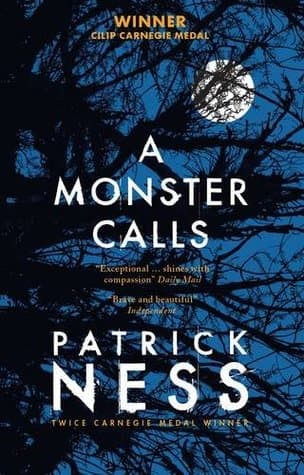
- A Monster Calls
Patrick Ness
4.3 (208k) average on GoodreadsFantasyWhile both Dear Zoe and Patrick Ness's A Monster Calls tackle the heavy theme of a child coping with a parent's terminal illness, their narrative strategies diverge. A Monster Calls uses magical realism, personifying grief and fear through a tree monster, allowing the protagonist, Conor, to confront his emotions metaphorically. Dear Zoe, in contrast, is firmly rooted in realism, exploring Tess's grief and guilt through direct emotional engagement and an epistolary format. While both effectively portray the overwhelming nature of loss, Dear Zoe's strength lies in its grounded, psychological realism, demonstrating the internal struggle without external, fantastical representations, offering a different kind of catharsis. Ness's work explores the 'truth' of feeling through fantasy, while Beard's explores it through a deeply personal, realistic lens.
- Harry Potter and the Sorcerer's Stone
J.K. Rowling
4.5 (7M) average on GoodreadsFantasyRescued from a miserable life under the stairs, an orphaned boy discovers he's a wizard destined for a magical school, where he uncovers a dangerous secret tied to the dark wizard who murdered his parents.
- The Hunger Games
Suzanne Collins
4.3 (6.4M) average on GoodreadsFantasyIn a future where children fight to the death on live television, Katniss Everdeen volunteers for the arena, turning a death sentence into a fight for survival and a spark of rebellion.





Enjoyed the summary?
A summary gives you the shape of the book. The book itself has the detail, the examples and the voice.
Find Dear Zoe on AmazonAs an Amazon Associate, BookBrief earns from qualifying purchases. How we're funded