
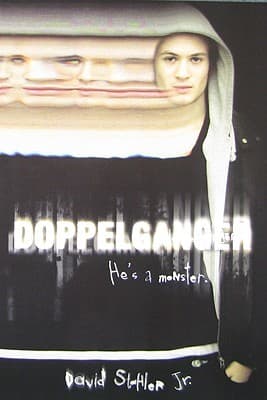
Synopsis
Covers the whole plot, including the ending.
- Difficulty
- Medium
- Pacing
- Moderate
- Mood
- Dark, Introspective, Suspenseful, Romantic
- Read it if
- You enjoy dark, character-driven YA stories with a unique twist on the monster trope and a focus on identity and redemption.
- Skip it if
- You prefer lighthearted fantasy or are sensitive to themes of violence and existential dread.
Doppelganger Plot Summary
Covers the whole plot, including the ending.
The First Switch
The story begins with the unnamed doppelganger, a creature that kills humans and takes their form, finishing a kill. He thinks about his nature, his tiredness with the endless killing and impersonating, and a growing wish for something more, something like being human. He is drawn to the small town of Meridian and watches Alex, a normal high school student. Driven by his basic urge, the doppelganger ambushes and kills Alex, then carefully takes on his form, getting ready to join Alex's life. He feels an old emptiness after the act but also a new curiosity about this new life.
Entering Alex's Life
Now in Alex's body, the doppelganger, now called Alex, goes back to Alex's home. He quickly learns about Alex's difficult relationship with his single mother, Brenda, and his younger sister, Cassie, who is quiet and distant. At school, he meets Alex's best friend, Mike, who is loud and often gets into trouble, and Alex's ex-girlfriend, Sarah, who is smart, pretty, and immediately interesting. Alex struggles to keep up the act, fumbling with small details from Alex's past, but his skill at copying allows him to mostly pass as the real Alex, though with a slightly changed manner that some people notice.
The Allure of Sarah
Alex feels more and more drawn to Sarah. Their time together is filled with a mix of past history (Alex's memories) and new, real feelings from the doppelganger. Sarah, at first careful about Alex's changed personality, is curious about his new intensity and thoughtful nature. They spend more time together, talking deeply about life, dreams, and fears. Alex feels emotions he has never known — longing, a desire to protect, and a deep wish to be good enough for Sarah's affection. This relationship becomes the main focus of his human experiment, challenging his monster instincts.
Confronting Alex's Past
As Alex continues to live Alex's life, he finds out about the real Alex's problems: his mother's emotional weakness, his sister Cassie's quiet pain, and the tension in his friendships. He also learns about Alex's difficult relationship with his absent father, who sometimes calls. These discoveries force the doppelganger to face the messy truth of human relationships, a sharp contrast to his lonely, hunting life. He finds himself unexpectedly caring about these people, especially Cassie, and feeling a strange sense of responsibility for their well-being, moving him further from his original nature.
The First Slip-Up
During a difficult moment, perhaps an argument with Mike or stress at home, Alex's monster instincts almost show. He feels a rush of predatory urges, a coldness that threatens to break through his human cover. He manages to stop it, but the experience leaves him shaken, reminding him of the constant fight within. Sarah notices his unusual reaction, a disturbing look in his eyes, but thinks it's just stress. This near-exposure makes Alex more afraid of his true identity being found out and the harm it could bring to those he is starting to care for.
Growing Doubts and Suspicions
While Sarah is mostly charmed by the 'new' Alex, Cassie, Alex's younger sister, starts to notice small but important differences. She sees his changed ways, his different interests, and a certain distance he sometimes shows. She feels a growing unease, a feeling that something is wrong with her brother. Other minor characters, like Alex's teachers or even Mike, might say Alex seems 'different' or 'grown up,' adding to the subtle tension and hinting at the eventual discovery of his true nature.
A Glimmer of Hope for Change
Driven by his feelings for Sarah and his growing empathy for Alex's family, the doppelganger tries to be the best version of Alex. He helps Brenda with chores, tries to connect with Cassie, and even tries to help Mike and another student solve a fight. These actions are not just copying; they come from a real desire to do good, to make up for Alex's death in some way, and to prove to himself that he can go beyond his monster origins. He starts to believe that he might be able to live a different kind of life.
The Threat of Exposure
Cassie's unease grows, fed by more strange observations and perhaps a dream or finding a forgotten item. She confronts Alex, directly or indirectly, about his changed nature. This confrontation forces Alex to face the truth of his lie. He feels a mix of fear and a desperate wish to protect his new life and the people in it, especially Sarah. This scene brings the doppelganger's inner struggle to a head, as he fights between his natural hunting instincts and his acquired humanity.
The Confession
Unable to carry the weight of his lie, or perhaps forced by events, Alex makes the hard choice to tell Sarah his true identity. This is a key moment where he reveals his monster origins, the murder of the real Alex, and how he took over his life. He expects horror and rejection, but his honesty shows his change. Sarah's reaction is complicated, a mix of fear, disbelief, and a sad understanding of the impossible situation.
The Choice and Its Consequences
After his confession, Alex faces an impossible choice: go back to being a monster, run away and continue his cycle of murder, or find a way to truly live as a human, despite where he came from. Sarah's love and acceptance, or perhaps her fear and rejection, strongly influence his decision. He chooses to embrace his humanity, even if it means facing the results of his past actions. This might involve leaving Meridian, finding a way to make up for things, or committing to a life of fighting his true nature, forever changed by his experience.
Doppelganger Characters
The Doppelganger (Alex)
Protagonist
A monstrous shapeshifter yearning for humanity
Initially an unnamed creature driven by an instinct to kill and impersonate, the doppelganger is weary of his predatory existence. He possesses an innate ability to perfectly mimic humans but lacks genuine emotion. Upon assuming Alex's identity, he begins to experience complex feelings like love, empathy, and guilt, which challenge his monstrous nature. He is a keen observer, learning human behavior through imitation but eventually developing authentic connections. His internal struggle between his primal urges and his acquired humanity defines his journey.
Relationships: Sarah (Romantic interest, catalyst for his human transformation); Cassie (Surrogate sister, source of uneasy suspicion); Brenda (Surrogate mother, a figure of responsibility)
Sarah
Love Interest / Supporting
Alex's intelligent and compassionate ex-girlfriend
Sarah is intelligent, perceptive, and compassionate. She was Alex's ex-girlfriend before the doppelganger took over, and she is initially wary of his changed demeanor. However, she is drawn to the 'new' Alex's depth, intensity, and thoughtfulness. She represents the ideal of human connection and love, becoming the primary catalyst for the doppelganger's desire for humanity. Her capacity for understanding and acceptance, even in the face of the monstrous truth, is crucial to the narrative.
Relationships: The Doppelganger (Alex) (Romantic interest, object of his yearning for humanity)
Cassie
Supporting
Alex's observant and intuitive younger sister
Cassie is Alex's younger sister, initially quiet and withdrawn, possibly due to family issues. She possesses a keen intuition and is the first to truly sense that something is amiss with her 'brother.' Her observations are subtle but persistent, gradually building a case against the doppelganger's facade. She represents the innocent eye, unclouded by romantic feelings or social expectations, making her a formidable, albeit unwitting, threat to the doppelganger's secret.
Relationships: The Doppelganger (Alex) (Surrogate brother, object of her growing suspicion); Brenda (Daughter, shared family struggles)
Brenda
Supporting
Alex's emotionally fragile single mother
Brenda is Alex's single mother, portrayed as somewhat fragile and possibly overwhelmed by her responsibilities. She experiences Alex's changed personality as a positive development, perhaps seeing him mature or become more attentive, which blinds her to the subtle inconsistencies. She represents the everyday human struggles and the emotional vulnerability that the doppelganger, in his new role as Alex, must navigate and protect. Her love for her son, real or surrogate, adds another layer of human complexity for the doppelganger.
Relationships: The Doppelganger (Alex) (Surrogate son, source of her hopes and burdens); Cassie (Daughter, shared family struggles)
Mike
Supporting
Alex's boisterous and trouble-prone best friend
Mike is Alex's best friend, characterized by his boisterous personality and tendency to get into trouble. He represents the more typical, sometimes superficial, aspects of teenage male friendship. He notices Alex's changes but interprets them through the lens of their existing friendship, perhaps thinking Alex is growing up or acting differently. Mike's presence grounds the doppelganger in the social realities of high school life and provides a foil to Alex's internal struggles.
Relationships: The Doppelganger (Alex) (Best friend, source of social pressure and camaraderie)
The Real Alex
Mentioned
The original victim whose life is taken over
The real Alex is the teenager whose life is brutally ended and whose identity is assumed by the doppelganger. Though deceased, his past life, relationships, and unresolved issues continue to influence the narrative. His memories, accessed by the doppelganger, provide the framework for the doppelganger's impersonation and reveal the complexities of the human life he has stolen. He represents the tragic cost of the doppelganger's existence and the innocence that was lost.
Relationships: Sarah (Ex-girlfriend); Cassie (Sister); Brenda (Mother); Mike (Best friend)
Doppelganger Themes
Identity and Self-Discovery
The novel explores identity, especially through the doppelganger's journey. Is identity based on one's nature, or can it be shaped by experience and choice? The doppelganger, at first a creature of instinct, deals with this as he tries to live Alex's life. He learns that 'being human' is not just about copying but about feeling emotions, making connections, and making moral choices. His inner fight between his monster origins and his wish for humanity shows how fluid and complex the self is. His struggle to be 'more human' is an active process of self-creation, seen when he chooses to care for Cassie or confess to Sarah.
“I was a monster, hardwired for murder. But in Alex's skin, I was learning there were other ways to kill a part of yourself, and other ways to live.”
The Nature of Humanity and Monstrosity
This theme asks what truly defines a human and what makes a monster. The doppelganger is physically a monster, but his growing ability to love, feel empathy, and feel guilt suggests a growing humanity. On the other hand, the novel hints that humans themselves can act like monsters or have destructive tendencies (e.g., Alex's past problems, peer pressure). The story challenges the reader to look past outward appearances and consider the actions and intentions that truly label someone as human or monster. The doppelganger's struggle to fight his natural instincts and choose compassion is central to this theme, suggesting that being a monster is not just a biological state but a moral choice.
“Maybe being human wasn't about what you were born, but what you chose to become, what you fought to be.”
Love and Redemption
The doppelganger's love for Sarah helps him change and offers a possible path to redemption. Through this deep connection, he feels emotions he never thought possible and finds the reason to go against his predatory nature. Love, here, is not just a romantic feeling but a force that inspires moral growth and a wish to make up for his past actions. His willingness to tell Sarah his true identity, despite the risk of rejection, shows the power of his love and his longing to be worthy of it, even as a monster.
“Her eyes, filled with a terrifying understanding, were the only mirror I needed to see myself, monster and all, and still, I wanted to be worthy.”
Deception and Truth
The entire story is based on a big lie: the doppelganger living Alex's life. This theme explores the mental cost of keeping a lie, the constant fear of being found out, and the moral problems of living a borrowed life. As the doppelganger becomes more 'human,' the burden of his lie grows heavier. The eventual revealing of the truth, especially to Sarah and Cassie, is a key moment, forcing characters to face difficult realities and deal with the results of hidden identities and revealed secrets. It shows that true connection can only be built on truth, no matter how painful.
“Every lie I told, every memory I borrowed, built a wall between who I was and who I desperately wanted to be for her.”
Plot Devices & Literary Techniques
First-Person Perspective
Allows direct access to the doppelganger's internal struggle
The story is told entirely from the doppelganger's perspective. This intimate viewpoint is crucial for understanding his internal conflict, his observations of humanity, and his gradual emotional development. It allows the reader to empathize with a character who is inherently monstrous, providing direct access to his thoughts, fears, and burgeoning desires, thereby blurring the lines between human and monster and making his journey of self-discovery more compelling.
Dramatic Irony
The reader knows the protagonist's true nature, while most characters do not
Dramatic irony is a central device, as the reader is aware from the outset that Alex is not who he appears to be. This creates constant tension and suspense, as every interaction he has with Sarah, Cassie, or Brenda is underscored by the knowledge of his true identity and the murder he committed. It heightens the emotional impact of his developing relationships and makes moments of near-discovery particularly impactful, always reminding the reader of the precariousness of his borrowed life.
The Shapeshifting Ability
The core supernatural element enabling the plot
The doppelganger's ability to perfectly assume the form and memories of his victims is the fundamental plot device. It not only sets up the central conflict but also serves as a metaphor for identity and adaptation. This ability allows him to seamlessly integrate into human society, but it also traps him in a cycle of deception. The physical act of changing form is less important than the psychological implications of living a borrowed life, highlighting themes of superficiality versus genuine self.
The Unreliable Narrator
The doppelganger's evolving perspective colors the narrative
While the first-person perspective offers intimacy, the doppelganger is, by nature, an unreliable narrator. Initially, his understanding of human emotions and motivations is purely imitative and detached. As he develops, his perspective shifts, but his inherent monstrousness and the guilt of his actions can still skew his interpretation of events or his own feelings. This unreliability adds depth, making the reader question his self-perception and the authenticity of his transformation, especially in moments of extreme emotional duress.
Doppelganger Quotes
“The world was a puzzle, and I was just one piece, trying to find where I fit.”
“Sometimes the greatest magic isn't in what you can do, but in what you can believe.”
“Every choice carves a new path, and sometimes, the hardest path is the one you know you must take.”
“Love isn't about finding someone perfect, it's about finding someone who makes your imperfections feel like home.”
“Fear can be a prison, but courage is the key, even if you have to forge it yourself.”
“What defines us isn't our origin, but the journey we choose to embark on.”
“The echoes of the past can haunt you, or they can guide you. It all depends on how you listen.”
“Even in the darkest shadows, a flicker of light can persist, if you only look for it.”
“True power isn't about control over others, but control over yourself.”
“Sometimes, the most ordinary moments hold the most extraordinary magic.”
“A reflection can show you what you are, but only your actions can show you who you truly are.”
“Don't just exist; live. And if you're lucky, live for something bigger than yourself.”
“The greatest battles are often fought not with swords, but with words, and with the truth.”
“To truly see someone, you have to look beyond the surface, beyond the masks they wear.”
Quiz
10 questions on the plot and the characters. Each answer comes with a short explanation.
Question 1
What is the primary, inherent nature of a doppelganger as described in the book's premise?
- They are benevolent shapeshifters who help humans.
- They are monsters hardwired for murder.
- They are magical beings who grant wishes.
- They are lost souls seeking redemption through good deeds.
Show answer
B. They are monsters hardwired for murder. The book explicitly states that doppelgangers are 'monsters, hardwired for murder.'
Question 2
What unique characteristic does the protagonist doppelganger possess that sets him apart from others of his kind?
- He can fly.
- He has doubts and wishes he could be different, more human.
- He can perfectly mimic voices.
- He is immune to sunlight.
Show answer
B. He has doubts and wishes he could be different, more human. The premise highlights that this particular doppelganger 'is not supposed to have doubts, but this one does. He wishes he could be different. More human, maybe.'
Question 3
What does the doppelganger do immediately after murdering a small-town teenager?
- He flees to another town.
- He assumes the teenager's shape and takes over his life.
- He buries the body and leaves a note.
- He seeks out the teenager's family for answers.
Show answer
B. He assumes the teenager's shape and takes over his life. The synopsis states, 'when the doppelganger murders a small-town teenager, assumes his shape, and takes over his life.'
Question 4
What aspects of human life does the doppelganger find himself 'engulfed in' after taking over the teenager's identity?
- Solitude and quiet contemplation.
- Peer pressure, messy family dynamics, and a provocative relationship.
- Wealth and endless leisure.
- A life of scientific discovery and academic pursuits.
Show answer
B. Peer pressure, messy family dynamics, and a provocative relationship. The text describes him being 'Engulfed in a whirlwind of peer pressure, messy family dynamics, and a provocative relationship with a beautiful girl.'
Question 5
What realization does the doppelganger quickly come to regarding humanity and monstrosity?
- That all humans are inherently good and monsters are inherently evil.
- That there's more than one way to be human, and many ways to be a monster.
- That being human means never having any doubts or complexities.
- That his monstrous nature is completely unchangeable and absolute.
Show answer
B. That there's more than one way to be human, and many ways to be a monster. He 'quickly learns that there's more than one way to be human, and many ways to be a monster,' challenging his preconceived notions.
Question 6
The story is told from whose perspective?
- The small-town teenager he replaces.
- The beautiful girl he forms a relationship with.
- The tortured voice of the doppelganger teen.
- An omniscient narrator.
Show answer
C. The tortured voice of the doppelganger teen. The text states, 'Told in the tortured voice of a most extraordinary teen,' referring to the doppelganger.
Question 7
What genre combination best describes 'Doppelganger'?
- Science Fiction, Comedy, Mystery
- Contemporary Gothic Romance, Fantasy, Young Adult
- Historical Fiction, Thriller, Adventure
- Horror, Western, Drama
Show answer
B. Contemporary Gothic Romance, Fantasy, Young Adult The description explicitly labels it as 'contemporary gothic romance' and the initial book details specify 'Fantasy, Young Adult, Romance'.
Question 8
The central conflict for the doppelganger protagonist stems from his inherent nature versus what?
- His desire to conquer the world.
- His yearning for a human life and his emerging doubts about his programmed purpose.
- His ambition to become a famous musician.
- His need to avoid all human contact.
Show answer
B. His yearning for a human life and his emerging doubts about his programmed purpose. The book's core tension is the doppelganger's 'yearning for a human life' despite being 'hardwired for murder' and his 'doubts' about his nature.
Question 9
What three key elements are brewed together to create a 'captivating combination' in this story?
- Comedy, irony, and satire.
- Violence, desire, and atonement.
- Mystery, espionage, and political intrigue.
- Friendship, loyalty, and adventure.
Show answer
B. Violence, desire, and atonement. The text explicitly states: 'this contemporary gothic romance brews a captivating combination of violence, desire, and atonement.'
Question 10
How does the doppelganger's experience of taking over a human life complicate his understanding of what it means to be a 'monster'?
- He realizes that only supernatural beings can truly be monsters.
- He discovers that humans can also exhibit monstrous behaviors and that monstrosity isn't exclusive to his kind.
- He learns that being a monster is a choice, not an inherent trait.
- He concludes that his own monstrous nature is completely justified by human cruelty.
Show answer
B. He discovers that humans can also exhibit monstrous behaviors and that monstrosity isn't exclusive to his kind. The realization that 'there's more than one way to be human, and many ways to be a monster' suggests that he sees monstrous qualities in human behavior, thus complicating his initial, simplistic understanding of 'monster' as solely referring to his own kind.
Doppelganger FAQ
What is the central premise of 'Doppelganger'?
The book follows a doppelganger, a creature hardwired for murder and replacement, who begins to experience doubts about his nature. After killing a small-town teenager and assuming his identity, he is thrust into a complex human life, challenging his preconceived notions of humanity and monstrosity.
Who is the main protagonist of the story?
The main protagonist is an unnamed doppelganger who assumes the identity of a human teenager. He struggles with his inherent monstrous urges while attempting to navigate the intricacies of human relationships and emotions.
What kind of world does the doppelganger step into after his latest kill?
After killing a small-town teenager, the doppelganger steps into a world filled with typical adolescent challenges: intense peer pressure, complicated family dynamics, and a burgeoning romantic relationship. This new life forces him to confront the nuances of human experience.
What makes this doppelganger different from others of his kind?
Unlike other doppelgangers, who are solely driven by their murderous instincts and desire to replace, this protagonist experiences profound doubts and a yearning to be 'human.' He questions his inherent nature and struggles with the violence he is compelled to commit.
Is 'Doppelganger' primarily a horror story?
While it contains elements of violence and the inherent monstrous nature of the doppelganger, the book is described as a contemporary gothic romance. It blends themes of violence, desire, and atonement within a Young Adult framework, focusing on the protagonist's internal struggle more than external scares.
How does the doppelganger's new identity affect his perception of himself?
Assuming the life of a human teenager, the doppelganger is exposed to empathy, love, and complex social interactions. These experiences force him to question his identity as a pure monster, leading to a profound internal conflict between his intrinsic nature and his growing desire for humanity.
What role does the romantic relationship play in the doppelganger's development?
The provocative relationship with a beautiful girl is a crucial catalyst for the doppelganger's emotional growth. It introduces him to genuine affection and vulnerability, deepening his yearning for a human life and intensifying his internal struggle against his monstrous instincts.
How does the story explore the concept of 'being human'?
The novel delves into the idea that humanity is not just about physical form but about actions, emotions, and choices. The doppelganger learns that humans can be monstrous in their own ways, and that his own desire for change, despite his nature, might be a path to a different kind of 'humanity.'
What does the doppelganger's 'yearning for a human life' truly entail?
His yearning isn't just about living among humans; it's about experiencing genuine emotions, forming meaningful connections, and perhaps even transcending his hardwired murderous urges. He seeks a life free from the compulsion to kill and replace, a life with purpose beyond mere survival.
How does the book challenge traditional monster tropes?
The book subverts the typical monster trope by giving the doppelganger an internal moral compass and a desire for change. Instead of being a purely evil or mindless creature, he grapples with existential questions and actively tries to defy his nature, making him a more complex and relatable figure.
Is there a specific moment where the doppelganger's doubts become undeniable?
The synopsis suggests that the full immersion into the human teenager's life, with its 'whirlwind of peer pressure, messy family dynamics, and a provocative relationship,' is the primary catalyst. It's the cumulative experience of these human complexities that solidifies his doubts and desire for change.
What kind of 'messy family dynamics' does the doppelganger encounter?
While specific details are not provided, typical Young Adult 'messy family dynamics' often involve sibling rivalries, parental conflicts, or a sense of alienation. These interactions would contrast sharply with the doppelganger's solitary existence and force him to navigate unfamiliar emotional territory.
Does the doppelganger's original victim have any lingering impact on the story?
The synopsis focuses on the doppelganger's internal journey rather than the victim's lingering presence. However, the act of taking over the victim's life and identity is the foundational event, and the doppelganger's experiences are inherently tied to the life he stole.
How does the book address the theme of atonement?
The theme of atonement is central, as the doppelganger is a creature hardwired for murder but yearns for a different path. His internal struggle and efforts to live a 'human' life can be seen as his attempt to atone for his past actions and inherent nature, even if he cannot undo them.
What is the significance of the 'tortured voice' mentioned in the description?
The 'tortured voice' indicates a first-person narrative filled with internal conflict, angst, and philosophical musings. It allows readers direct access to the doppelganger's doubts, desires, and struggles, enhancing the psychological depth of the story.
Are there other doppelgangers in the story, or is the protagonist unique?
The synopsis describes doppelgangers as a species 'hardwired for murder' and implies that the protagonist is an anomaly ('this one does' have doubts). This suggests he might be unique in his internal conflict, though the existence of other doppelgangers is not explicitly ruled out.
How does the book explore the concept of 'many ways to be a monster'?
Through the doppelganger's eyes, the book likely reveals that humans, despite their outward appearance, can exhibit monstrous behaviors like cruelty, manipulation, or emotional abuse. This broadens the definition of 'monster' beyond supernatural beings to include human failings and moral ambiguities.
Is the doppelganger's transformation into a more 'human' entity purely psychological, or does it have physical implications?
The synopsis heavily emphasizes the psychological and emotional transformation of the doppelganger. While he assumes a human form, the core struggle is internal. Any physical implications beyond shapeshifting would likely be symbolic of his internal state rather than a literal biological change.
Similar books
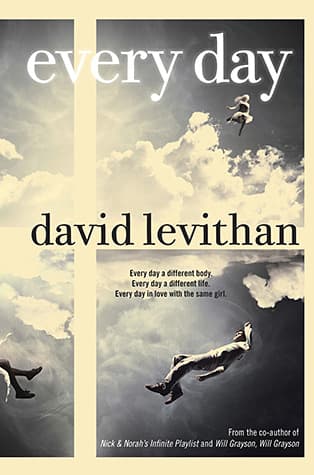
- Every Day
David Levithan
3.9 (196k) average on GoodreadsFantasyFeatures a protagonist who inhabits different bodies and explores themes of identity and love.
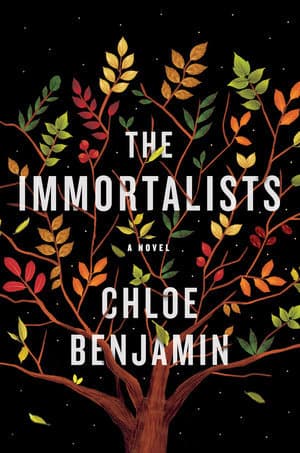
- The Immortalists
Chloe Benjamin
3.7 (152k) average on GoodreadsLiterary FictionDeals with characters grappling with their fate and the choices that define their lives.
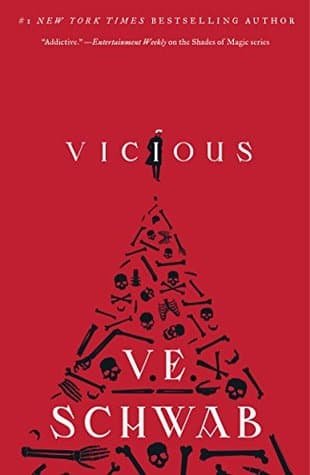
- Vicious
V.E. Schwab
4.0 (7k) average on GoodreadsThrillerExplores morally ambiguous characters with supernatural abilities and the blurred lines between hero and villain.
- Twilight
Stephenie Meyer
3.9 (842) average on GoodreadsLiterary FictionSimilar in its focus on intense, almost fated romantic attraction and a protagonist grappling with extraordinary circumstances. However, 'Doppelganger' delves deeper into the psychological and ethical ramifications of deception, whereas 'Twilight' primarily explores themes of forbidden love and supernatural existence.
- Harry Potter and the Sorcerer's Stone
J.K. Rowling
4.5 (7M) average on GoodreadsFantasyRescued from a miserable life under the stairs, an orphaned boy discovers he's a wizard destined for a magical school, where he uncovers a dangerous secret tied to the dark wizard who murdered his parents.
- The Hunger Games
Suzanne Collins
4.3 (6.4M) average on GoodreadsFantasyIn a future where children fight to the death on live television, Katniss Everdeen volunteers for the arena, turning a death sentence into a fight for survival and a spark of rebellion.



Enjoyed the summary?
A summary gives you the shape of the book. The book itself has the detail, the examples and the voice.
Find Doppelganger on AmazonAs an Amazon Associate, BookBrief earns from qualifying purchases. How we're funded