

Synopsis
Covers the whole plot, including the ending.
- Difficulty
- Medium
- Pacing
- Fast
- Mood
- Suspenseful, Gritty, Intense, Dark
- Read it if
- You enjoy military thrillers, buddy-cop dynamics, and complex conspiracies rooted in historical events.
- Skip it if
- You prefer lighthearted mysteries or are sensitive to graphic violence and wartime trauma.
Four Blind Mice Plot Summary
Covers the whole plot, including the ending.
A Friend in Need
As Detective Alex Cross gets ready to resign from the Washington, D.C. police, his long-time partner, John Sampson, asks for his help. Sampson's friend from the Vietnam War, Sergeant Ellis Franklin, has been arrested for a brutal murder in Fort Bragg, North Carolina. Franklin is accused of killing a young woman, and the evidence against him, including his fingerprints and DNA, seems overwhelming. Sampson believes Franklin was framed and asks Alex to help him investigate, knowing that military justice is quick and harsh. This personal connection makes Alex postpone his resignation and take on a case that leads them into military law.
Fort Bragg and the Iron Hand of Justice
Alex and Sampson go to Fort Bragg, North Carolina, where Sergeant Franklin is held. They find that the military justice system is efficient and seems focused on a quick conviction. Major Robert 'Bobby' Durrell, the lead prosecutor, is a strong opponent, confident in the solid case against Franklin. Despite the evidence, Franklin says he is innocent and was set up. Cross and Sampson face resistance from military authorities who see their civilian involvement as unwelcome. They start looking into Franklin's past and his relationships on the base, trying to find any inconsistencies or other suspects.
The First Victim and a Pattern Emerges
As Alex and Sampson investigate further, they find a disturbing pattern. The victim Franklin is accused of killing, Martha Joanie Houser, was not the only one. They soon learn of other unsolved murders of young women with military connections, all with similar details. These victims were often found in remote places, ritually mutilated, and left with cryptic messages or symbols. This changes their investigation from a single murder to a possible serial killer operating near military bases. The brutality and precision of the killings suggest a highly organized and dangerous killer, more complex than a simple crime of passion.
The 'Four Blind Mice'
Through their investigation, Alex and Sampson discover a key link: all the victims, and possibly Franklin himself, are connected to a specific group of soldiers who served in a covert unit during the Vietnam War. This group, called 'The Four Blind Mice,' consisted of four men who went through a traumatic mission. The members are Master Sergeant Ellis Franklin, Sergeant William 'Billy' Tatum, Corporal Jack 'The Ripper' Reacher, and Private First Class David 'Big Dave' Washington. The team realizes that the killer is targeting or framing these men, seeking revenge for past events, suggesting a deep grievance from their shared wartime experiences.
The Killer's Motive: Vietnam's Shadow
The investigation uncovers the truth behind the killings: they are acts of revenge by a former Vietnamese citizen named Son Ngoc, known as 'The Master.' Son Ngoc's family was killed during a mission by 'The Four Blind Mice' in the Vietnam War, a mission that involved devastating collateral damage. Son Ngoc, driven by grief and a desire for justice, has spent decades planning his retribution. He has infiltrated American society, gained skills, and now systematically targets the former soldiers, using their past against them and framing them for horrific crimes.
More Victims and a Narrowing Net
As Alex and Sampson get closer, the killer, Son Ngoc, increases his attacks. Sergeant William Tatum is the next target, found murdered in a way meant to further implicate Franklin and scare the remaining 'Mice.' Pressure grows as military authorities, still focused on Franklin, become frustrated with Cross and Sampson's methods. The detectives realize they are not just solving murders but fighting a psychological war with a highly intelligent and resourceful enemy. They must predict Son Ngoc's next move and protect the remaining 'Four Blind Mice' before he finishes his plan.
The Pursuit of 'The Ripper'
With Franklin facing conviction and Tatum dead, the remaining 'Mice' become more paranoid. Corporal Jack 'The Ripper' Reacher, known for being unstable and for his survival skills, disappears, fearing he is next. Alex and Sampson realize Reacher is not just a potential victim but also important to understanding the past events that led to Son Ngoc's revenge. Their search for Reacher takes them across state lines, through desolate areas and into the criminal underworld, as they try to find him before Son Ngoc does. Reacher's erratic behavior and deep trauma make him a difficult and dangerous person to track.
The Master's Lair
Alex and Sampson eventually find Son Ngoc's network and hidden base, revealing the extent of his planning. They find evidence of his decades-long surveillance of 'The Four Blind Mice,' his psychological manipulation, and the advanced techniques he uses to commit the murders and frame his targets. Son Ngoc is not just killing; he is systematically destroying their lives and reputations, making sure their suffering is prolonged and public. The detectives realize Son Ngoc's intelligence and dedication to his revenge are unmatched, making him one of the most dangerous enemies they have ever faced. They also discover his methods of creating false evidence and diverting suspicion.
A Race Against Time and a Personal Toll
As the case gets more intense, Alex Cross also deals with a personal crisis: his grandmother, Nana Mama, shows signs of serious illness, possibly dementia. Her memory lapses and confusion are heartbreaking for Alex and his family, adding emotional stress to an already demanding investigation. Alex struggles to balance solving the murders and saving Franklin with his family responsibilities. This dual pressure makes the pursuit of Son Ngoc even more urgent and draining, highlighting the personal sacrifices Alex makes for justice.
The Final Confrontation
The pursuit ends in a tense and violent confrontation between Alex Cross, John Sampson, and Son Ngoc. The killer, cornered but unyielding, is a strong opponent, using his combat skills and cunning to avoid capture. The fight is brutal, testing Alex's physical and mental limits. During the struggle, Son Ngoc tries a final, desperate move, but Cross and Sampson, working together, manage to subdue him. The battle leaves both detectives shaken but victorious, ending Son Ngoc's terror and avenging his victims.
Aftermath and Lingering Scars
With Son Ngoc captured, the full scope of his crimes and the truth behind the Vietnam mission are revealed. Sergeant Ellis Franklin is cleared, but the trauma of his false imprisonment and the loss of his comrades will always affect him. The remaining 'Four Blind Mice' must deal with their past and the reality of Son Ngoc's revenge. Alex Cross, though successful in solving the case, returns home to face Nana Mama's ongoing health challenges, a reminder that some battles, especially personal ones, are never truly over. The experience affects both Alex and Sampson.
Principal Figures
Detective Alex Cross
Protagonist
A brilliant forensic psychologist and homicide detective for the MPD.
Alex Cross is a highly intelligent and empathetic detective with a strong moral compass. He is driven by a deep sense of justice and a fierce loyalty to his friends and family. Despite his often dark and dangerous work, he strives to maintain a normal home life with his grandmother, Nana Mama, and his children. His psychological insight allows him to understand the minds of criminals, making him an exceptional profiler. He is a man who carries the weight of past cases but remains committed to protecting the innocent.
Relationships: John Sampson (Best friend and police partner); Nana Mama (Beloved grandmother and matriarch); Jannie Cross (Daughter); Damon Cross (Son)
John Sampson
Supporting
Alex Cross's loyal and formidable police partner and best friend.
John Sampson is a physically imposing and fiercely loyal detective, a former military man who served in Vietnam. He is Alex's rock, offering unwavering support and a contrasting, often more direct, approach to police work. His personal connection to Sergeant Ellis Franklin drives much of the initial plot, pushing Alex into the case. Sampson is brave, dependable, and possesses a strong sense of honor, particularly when it comes to his comrades-in-arms. He often provides the muscle and street smarts to complement Alex's psychological acumen.
Relationships: Alex Cross (Best friend and police partner); Ellis Franklin (Close friend from Vietnam War)
Son Ngoc ('The Master')
Antagonist
A brilliant and vengeful former Vietnamese citizen seeking retribution for a wartime tragedy.
Son Ngoc is the mastermind behind the 'Four Blind Mice' murders. Driven by an unquenchable thirst for revenge stemming from the loss of his family during a covert mission in Vietnam, he is highly intelligent, meticulous, and patient. He spent decades planning his retribution, acquiring skills in surveillance, psychology, and combat. He is a master of manipulation and psychological warfare, deriving satisfaction from the suffering of his targets. His motive is deeply personal and rooted in a profound sense of injustice, making him a complex and terrifying villain.
Relationships: The Four Blind Mice (Targets of his revenge (Ellis Franklin, William Tatum, Jack Reacher, David Washington))
Sergeant Ellis Franklin
Supporting
A decorated Vietnam veteran and friend of Sampson, framed for murder.
Ellis Franklin is a former Master Sergeant who served alongside John Sampson in Vietnam, a member of 'The Four Blind Mice.' He is initially portrayed as a victim, accused of a brutal murder with overwhelming evidence against him. Despite his military background, he appears vulnerable and bewildered by his predicament. He maintains his innocence, relying on Sampson and Alex to clear his name. His character represents the first domino in Son Ngoc's revenge plot, highlighting the devastating impact of the past on the present.
Relationships: John Sampson (Close friend from Vietnam War); The Four Blind Mice (Fellow members of his covert unit)
Nana Mama (Regina Cross)
Supporting
Alex Cross's beloved and wise grandmother, facing a health crisis.
Nana Mama is the matriarch of the Cross family, a strong, wise, and loving figure who provides stability and warmth in Alex's often chaotic life. She is deeply devoted to her grandchildren and great-grandchildren, offering advice, comfort, and a moral anchor. Throughout the book, she begins to show signs of a serious health decline, possibly dementia, which adds a poignant and personal layer of struggle for Alex. Her illness highlights the theme of vulnerability and the preciousness of family.
Relationships: Alex Cross (Grandson); Jannie Cross (Great-granddaughter); Damon Cross (Great-grandson)
Major Robert 'Bobby' Durrell
Supporting
The relentless military prosecutor in Franklin's case.
Major Durrell is a sharp, ambitious, and unyielding military prosecutor. He is convinced of Sergeant Franklin's guilt and is determined to secure a swift conviction, viewing civilian interference from Cross and Sampson as an obstruction. He represents the rigid and often unforgiving nature of military justice. His unwavering belief in the evidence against Franklin makes him a formidable adversary for Alex and Sampson, even if he is ultimately misguided by Son Ngoc's manipulations.
Relationships: Ellis Franklin (Prosecutor in his murder trial)
William 'Billy' Tatum
Mentioned
A member of 'The Four Blind Mice' and one of Son Ngoc's victims.
William Tatum is one of the four soldiers who comprised 'The Four Blind Mice' unit in Vietnam. He becomes the second victim in Son Ngoc's elaborate revenge plot, his murder serving to further implicate Franklin and terrorize the remaining members of the group. His death underscores the grave danger the 'Mice' are in and the brutal efficiency of the killer.
Relationships: The Four Blind Mice (Fellow members of his covert unit)
Corporal Jack 'The Ripper' Reacher
Supporting
A volatile and paranoid member of 'The Four Blind Mice' who goes rogue.
Jack Reacher is a former corporal from 'The Four Blind Mice' unit, known for his unpredictable and dangerous nature. Traumatized by his wartime experiences and now a target of Son Ngoc, he goes into hiding, becoming a difficult and elusive figure for Alex and Sampson to track. His paranoia and survival skills make him both a victim and a potential key to understanding the past.
Relationships: The Four Blind Mice (Fellow members of his covert unit)
Private First Class David 'Big Dave' Washington
Mentioned
The fourth member of 'The Four Blind Mice.'
David Washington is the final member of 'The Four Blind Mice.' While not as prominent as Franklin or Reacher, his inclusion completes the target list for Son Ngoc, underscoring the comprehensive nature of the killer's revenge.
Relationships: The Four Blind Mice (Fellow members of his covert unit)
Themes & Insights
The Lingering Scars of War
The novel explores how the trauma and moral compromises of the Vietnam War affect veterans decades later. The 'Four Blind Mice' are all deeply changed by their past actions, making them vulnerable to Son Ngoc's revenge. The killer's motive is directly tied to a wartime atrocity, showing how unresolved conflicts can fester and erupt. Sampson's own wartime experiences are also brought up, showing the lasting psychological impact of combat. The entire plot results from events during the war, highlighting its lasting and destructive legacy.
“The past is never dead. It's not even past.”
Justice vs. Revenge
A central theme is the line between justice and revenge. Son Ngoc believes he is getting justice for his family's murder, but his methods are brutal, making him a vengeful killer. Alex Cross and John Sampson, however, seek legitimate justice, trying to find the truth and punish the guilty through legal means. The novel makes readers consider if Son Ngoc's pain justifies his actions and the moral complexity of seeking retribution outside the law. The military justice system also shows its own rigid view of justice.
“Revenge is a meal best served cold, but it still leaves a bitter taste.”
Loyalty and Brotherhood
The bond between Alex Cross and John Sampson is a core part of the novel, showing deep loyalty and trust. Sampson's belief in Ellis Franklin's innocence, despite much evidence, drives the initial investigation, coming from their shared military brotherhood. This theme extends to the 'Four Blind Mice' themselves, whose shared past, however traumatic, connects them, even as they are hunted. The novel emphasizes the strength and sacrifices in these deep relationships, especially in the face of extreme danger.
“You're my brother, Alex. Always have been, always will be.”
The Nature of Evil
The novel explores different aspects of evil, from the calculated revenge of Son Ngoc to the institutional indifference of some military elements. Son Ngoc's evil comes from deep suffering and a desire for retribution, making it complex. The story also touches on the 'evil' of wartime actions and their unforeseen results. Alex Cross, as a profiler, tries to understand what makes people commit horrific acts, showing that evil can appear in many forms, sometimes with human origins.
“Some men are born evil, others have it thrust upon them by circumstance. Son Ngoc was a bit of both.”
The Fragility of Life and Memory
Beyond the violent plot, the subplot about Nana Mama's declining health introduces the theme of life's fragility and the value of memory. Her potential dementia highlights the vulnerability of even strong individuals and the emotional toll it takes on loved ones. This personal struggle for Alex mirrors the broader theme of the victims' lives being cut short and the 'Mice' losing their peace of mind and past identities. It is a reminder that life is fleeting and that memories, both good and bad, shape who we are.
“What happens when the memories start to fade? Are we still ourselves?”
Plot Devices & Literary Techniques
Red Herring
Misleading clues or suspects designed to divert the reader's attention.
The most prominent red herring is the initial overwhelming evidence against Sergeant Ellis Franklin. Fingerprints, DNA, and motive all point to him as the killer, making his conviction seem inevitable. This misdirection serves to deepen the mystery and highlight the meticulous planning of the true killer, Son Ngoc, who expertly manipulates the evidence to frame his targets. It also creates a sense of urgency for Alex and Sampson, as they must work against a seemingly open-and-shut case.
Flashback/Backstory Revelation
Unveiling past events crucial to understanding the present conflict.
The entire premise of the killer's motive is built on a traumatic event from the Vietnam War involving 'The Four Blind Mice' and Son Ngoc's family. As Alex and Sampson investigate, they gradually uncover details of this covert mission, piecing together the backstory through interviews, military records, and the killer's taunts. These revelations are critical to understanding why the victims are being targeted and the depth of Son Ngoc's vengeance, slowly unveiling the profound connection between past and present.
Ticking Clock
A time-sensitive element that creates urgency and suspense.
The ticking clock in 'Four Blind Mice' manifests in several ways. Firstly, Sergeant Ellis Franklin is facing a swift military trial and potential execution, forcing Alex and Sampson to work quickly to prove his innocence. Secondly, Son Ngoc is systematically targeting the remaining 'Four Blind Mice,' creating a race against time to identify and protect the next victim before the killer strikes again. This constant pressure elevates the stakes and drives the narrative forward with a palpable sense of urgency.
Psychological Profiling
Alex Cross's signature method of analyzing criminal behavior to understand motives and predict actions.
Alex Cross's expertise as a forensic psychologist is a key plot device. He uses his understanding of human behavior, trauma, and motivation to build a profile of the killer, Son Ngoc. This involves analyzing the crime scenes, the nature of the mutilations, and the psychological torment inflicted on the victims. His profiling helps him to delve into the killer's mind, anticipate his next moves, and ultimately understand the deep-seated grievances driving the revenge plot, providing crucial insights beyond conventional police work.
Four Blind Mice Quotes
“There are no secrets in this city, only things that haven't been found out yet.”
“The past is never dead. It's not even past.”
“Sometimes the most dangerous thing you can do is nothing at all.”
“Every killer leaves a signature, a piece of himself behind. You just have to know how to read it.”
“Fear is a powerful weapon, and it can make even the bravest men do terrible things.”
“Justice isn't always fair, but it's the best we've got.”
“The truth is often much simpler, and much more horrifying, than we want to believe.”
“There's a fine line between courage and madness, and sometimes it's hard to tell the difference.”
“Sometimes you have to break a few rules to save lives.”
“The greatest trick the devil ever pulled was convincing the world he didn't exist.”
“Even in the darkest places, there's always a flicker of hope.”
“Family is the only thing that truly matters when everything else falls apart.”
“Revenge is a dish best served cold, but it can also burn you alive.”
Quiz
10 questions on the plot and the characters. Each answer comes with a short explanation.
Question 1
What is Alex Cross on his way to do when his partner, John Sampson, appears with a new case?
- Go on vacation with his family
- Resign from the Washington, D.C., Police Force
- Start a new assignment with the FBI
- Attend a police academy graduation
Show answer
B. Resign from the Washington, D.C., Police Force At the beginning of the book, Alex Cross is preparing to resign from the police force, but John Sampson's urgent request pulls him back into action.
Question 2
Who is the person arrested for murder, prompting John Sampson to seek Alex Cross's help?
- A former colleague from the D.C. police department
- One of John Sampson's oldest friends from their time in Vietnam
- A relative of Nana Mama
- A high-ranking military official
Show answer
B. One of John Sampson's oldest friends from their time in Vietnam John Sampson's friend from his Vietnam War days has been arrested, and Sampson believes he has been framed, leading him to ask Cross for help.
Question 3
Under whose jurisdiction does the friend's murder case fall, making it unique and challenging for Cross and Sampson?
- The local D.C. court system
- The United States Army
- The Federal Bureau of Investigation (FBI)
- An international tribunal
Show answer
B. The United States Army The case is under the 'iron hand of the United States Army,' which presents a significant hurdle for Cross and Sampson, who are accustomed to civilian law enforcement.
Question 4
What specific method of execution is mentioned as a potential outcome if Sampson's friend is found guilty?
- Lethal injection
- Firing squad
- The gas chamber
- Electric chair
Show answer
C. The gas chamber The text states that the evidence against the friend is strong enough to send him to 'the gas chamber,' highlighting the severity of the charges.
Question 5
What is the primary reason John Sampson believes his friend is innocent?
- He has an alibi that hasn't been investigated
- He believes his friend has been framed
- His friend confessed to a different crime
- The victim was known to have many enemies
Show answer
B. He believes his friend has been framed Sampson is 'certain his friend has been framed,' which is the core motivation for him seeking Cross's assistance.
Question 6
What phrase describes the relationship and working dynamic between Alex Cross and John Sampson?
- A competitive rivalry
- An almost telepathic mutual trust
- A strictly professional acquaintance
- A mentor-mentee dynamic
Show answer
B. An almost telepathic mutual trust The synopsis explicitly mentions their 'almost telepathic mutual trust,' which is key to their effectiveness as partners.
Question 7
Besides the military murder case, what other 'harrowing mystery' does Alex Cross face on his visits home?
- His children's struggles in school
- Financial difficulties within his family
- What's the matter with Nana Mama
- A new romantic relationship
Show answer
C. What's the matter with Nana Mama The synopsis states, 'Alex must confront another, more harrowing mystery: what's the matter with Nana Mama?' highlighting a personal subplot.
Question 8
What specific background training do Cross and Sampson draw upon to investigate the military case?
- Their advanced FBI tactical training
- Their years of street training
- Their specialized military intelligence skills
- Their academic backgrounds in criminal psychology
Show answer
B. Their years of street training The text states they draw on 'their years of street training' to go 'deep behind military lines,' implying their practical experience is crucial.
Question 9
The synopsis describes the killers Cross and Sampson encounter as 'the most terrifying-and deadly-killers they have ever encountered.' What does this imply about the nature of the antagonists?
- They are likely common street criminals with a high kill count.
- Their methods or motivations are exceptionally brutal or psychologically disturbing, even for seasoned detectives.
- They are physically stronger than any previous adversaries.
- They operate exclusively within the military, making them hard to track.
Show answer
B. Their methods or motivations are exceptionally brutal or psychologically disturbing, even for seasoned detectives. The phrasing 'most terrifying-and deadly-killers they have ever encountered' suggests a level of depravity, skill, or psychological horror that surpasses their previous experiences, elevating the stakes and the antagonists' threat level.
Question 10
What thematic contrast is established by Alex Cross's dual responsibilities in the book?
- The contrast between urban and rural life.
- The tension between professional duty in a dangerous, complex military case and personal concern for his ailing grandmother.
- The conflict between modern policing techniques and outdated military justice.
- The difference between solving individual crimes and addressing systemic corruption.
Show answer
B. The tension between professional duty in a dangerous, complex military case and personal concern for his ailing grandmother. Cross is pulled between the intense, dangerous professional investigation 'behind military lines' and the 'harrowing mystery' of Nana Mama's health at home, creating a strong theme of balancing professional obligations with personal and family responsibilities.
Four Blind Mice FAQ
What is the central murder case that pulls Alex Cross back into action?
The central case involves Alex's partner, John Sampson's, old friend from Vietnam, Sergeant Ellis "EZ" Ziegler, who is accused of brutally murdering two young women in North Carolina. The evidence is overwhelming, including Ziegler's fingerprints and motive, but Sampson is convinced of his innocence, prompting Alex to investigate within the military justice system.
Who are the primary antagonists Alex Cross and John Sampson face in this novel?
The primary antagonists are a group of former Special Forces soldiers known as the 'Four Blind Mice,' specifically targeting and executing individuals involved in a past military atrocity. Their leader, known as the 'Maestro,' orchestrates the killings with precision and a twisted sense of justice, making them highly dangerous and elusive.
What is the significance of the 'Four Blind Mice' moniker?
The 'Four Blind Mice' refers to a group of four former Special Forces operatives who were unjustly court-martialed and imprisoned for an incident in Vietnam, despite being ordered to carry out a mission that went tragically wrong. They now seek revenge against those they believe wronged them, particularly Colonel Rex Carver and General Carl Bloom, using their past trauma as motivation for their vigilante actions.
What personal struggle does Alex Cross face at home during the investigation?
Alex is deeply concerned about his grandmother, Nana Mama, who exhibits increasingly severe memory loss and disorientation throughout the book. Her declining health adds a significant emotional burden to Alex, forcing him to confront the potential reality of her dementia while simultaneously handling a high-stakes murder investigation.
How does the military justice system complicate Cross and Sampson's investigation?
The military justice system operates under its own strict rules and jurisdiction, often clashing with civilian law enforcement procedures. Cross and Sampson encounter resistance from military authorities, a lack of transparency, and the inherent difficulty of navigating a system designed to protect its own, which hinders their ability to freely gather evidence and interview witnesses.
What specific event in Vietnam serves as the catalyst for the 'Four Blind Mice's' revenge?
The catalyst is the My Lai-like massacre of innocent Vietnamese villagers, which the 'Four Blind Mice' were ordered to participate in and subsequently scapegoated for. They believe they were betrayed by their commanding officers, specifically Colonel Rex Carver and General Carl Bloom, who covered up their own involvement and let the soldiers take the fall.
How does the character of Colonel Rex Carver connect to the 'Four Blind Mice'?
Colonel Rex Carver is one of the primary targets of the 'Four Blind Mice' because he was their commanding officer during the traumatic Vietnam incident and is believed to have played a key role in their framing and subsequent court-martial. His death is a central event that propels Cross and Sampson deeper into the conspiracy, revealing the depth of the antagonists' plan.
What role does the character of 'Maestro' play within the 'Four Blind Mice'?
The 'Maestro' is the brilliant and manipulative leader of the 'Four Blind Mice,' orchestrating their elaborate revenge scheme from behind the scenes. He is revealed to be Captain Carl Bloom, the son of General Carl Bloom, and his motivation stems from a desire to expose his father's corruption and secure justice for the wronged soldiers, using his intellect to plan complex assassinations.
Are there any subtle clues about Nana Mama's condition early in the book?
Yes, subtle clues about Nana Mama's deteriorating cognitive state are interspersed throughout the early chapters. Alex notices her misplacing items, repeating herself, forgetting recent conversations, and exhibiting moments of confusion, which initially seem like typical aging but gradually escalate into more concerning symptoms that hint at her developing dementia.
How does John Sampson's personal connection to Sergeant Ziegler affect his judgment?
Sampson's deep loyalty and belief in Ziegler's innocence, stemming from their shared Vietnam experience and close friendship, initially cloud his objectivity. He is fiercely protective and refuses to entertain the possibility of Ziegler's guilt, which, while admirable, can sometimes lead him to overlook contradictory evidence or push Alex to pursue avenues based more on emotion than fact.
How does Alex Cross cope with the emotional toll of both the case and Nana Mama's illness?
Alex copes by compartmentalizing his emotions, focusing intensely on the investigation as a distraction from his personal worries, and relying on his children for comfort. However, the cumulative stress is evident in his growing frustration and exhaustion, highlighting the immense psychological burden he carries while trying to be both a dedicated detective and a caring family member.
What psychological motivations drive the 'Four Blind Mice' beyond simple revenge?
Beyond simple revenge, the 'Four Blind Mice' are driven by a profound sense of betrayal, a desire for vindication, and a need to expose the truth about the military's corruption. Their actions are fueled by deep-seated trauma and a distorted sense of justice, believing their vigilantism is the only way to right the wrongs committed against them and prevent future cover-ups.
How does the novel explore the psychological impact of war trauma on soldiers?
The novel deeply explores the long-lasting psychological impact of war trauma, particularly through Sergeant Ziegler and the 'Four Blind Mice.' It portrays how their experiences in Vietnam, including witnessing atrocities and being betrayed by their command, led to PTSD, moral injury, and a profound disillusionment that manifests in their present actions, whether as victims or perpetrators.
Is Sergeant Ziegler truly innocent, or is there ambiguity around his involvement?
Sergeant Ziegler is ultimately revealed to be innocent of the murders he was initially accused of, having been framed by the 'Maestro' to draw Cross and Sampson into the wider conspiracy. However, there is a lingering ambiguity about his past actions in Vietnam and his capacity for violence, making his character complex and challenging the reader's initial judgment.
What is the broader message about justice the book conveys through the 'Four Blind Mice'?
The book presents a complex message about justice, questioning whether vigilante justice, even when driven by profound injustice, is ever truly justifiable. It highlights the failures of official systems to deliver justice and the devastating consequences when individuals take the law into their own hands, leaving the reader to ponder the morality of their actions.
Does the novel suggest that the military justice system is inherently flawed or corrupt?
The novel strongly suggests that the military justice system can be deeply flawed and susceptible to corruption, particularly when powerful individuals seek to protect their reputations or cover up misdeeds. It portrays a system that prioritizes order and image over truth and justice, leading to the scapegoating of lower-ranking soldiers and the perpetuation of injustice.
How does the ending of the novel resolve the various plotlines, particularly regarding Nana Mama?
The main murder case is resolved with the 'Maestro's' identity revealed and the 'Four Blind Mice' brought to a form of justice, though not without further tragedy. Regarding Nana Mama, her condition is confirmed as Alzheimer's, leaving Alex to face the heartbreaking reality of her progressive decline, a personal struggle that continues beyond the book's resolution of the crime.
What is the significance of Alex's initial intention to resign from the police force?
Alex's initial intention to resign underscores his weariness with the constant exposure to violence and the toll his job takes on his personal life. It highlights his desire for a more peaceful existence, but the urgency of Sampson's plea and the injustice of the case pull him back, demonstrating his unwavering commitment to justice despite his personal cost.
About the author

James Patterson is an American author known for his contributions to the thriller and fiction genres. His notable works include "Along Came a Spider," "Kiss the Girls," "1st to Die," "The Angel Experiment," "Suzanne's Diary for Nicholas," and "School's Out—Forever." Patterson has received multiple awards for his writing, including the Edgar Award.
Similar books
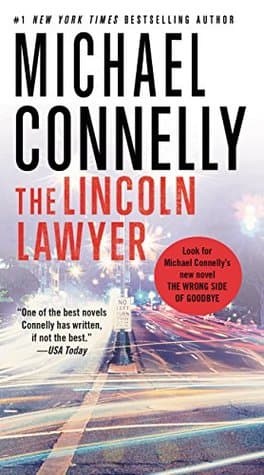
- The Lincoln Lawyer
Michael Connelly
4.2 (193k) average on GoodreadsThrillerA legal thriller with a tenacious protagonist uncovering a wider conspiracy.
- The Silence of the Lambs
Thomas Harris
4.2 (464k) average on GoodreadsThrillerHarris's novel, particularly through Clarice Starling, offers far greater psychological depth and character development. While both feature serial killers and investigators, 'The Silence of the Lambs' delves into the intricacies of trauma, power dynamics, and the blurred lines of morality with a sophistication that 'Four Blind Mice' does not attempt. Patterson prioritizes plot momentum; Harris prioritizes internal exploration and chilling intellectual cat-and-mouse games.
- Gone Girl
Gillian Flynn
4.1 (2.3M) average on GoodreadsThrillerFlynn's 'Gone Girl' similarly involves a mystery and a hunt, but it masterfully subverts reader expectations and plays with unreliable narration, offering a complex, morally ambiguous, and often shocking narrative. While 'Four Blind Mice' delivers a straightforward good-vs-evil dynamic, 'Gone Girl' explores the darker aspects of human relationships and identity with a cynical wit and intricate plotting that makes Patterson's more conventional approach feel simplistic by comparison. Flynn prioritizes psychological manipulation and societal critique; Patterson prioritizes clear-cut heroics.
- Angels & Demons
Dan Brown
3.9 (2.7M) average on GoodreadsThrillerA Harvard symbologist races through Rome's ancient sites, deciphering cryptic clues to unmask the Illuminati and stop a vengeful plot to destroy the Vatican with a stolen antimatter weapon.
- The Girl on the Train
Paula Hawkins
3.9 (2.1M) average on GoodreadsThrillerA woman’s fascination with a seemingly perfect couple she watches from her daily train commute leads her into a dark investigation when she witnesses something that shatters their idyllic image.
- The Da Vinci Code
Dan Brown
3.9 (1.9M) average on GoodreadsThrillerA symbologist and a cryptologist race through European landmarks, deciphering ancient codes and uncovering a conspiracy that could rewrite the foundations of Christianity.





Enjoyed the summary?
A summary gives you the shape of the book. The book itself has the detail, the examples and the voice.
Find Four Blind Mice on AmazonAs an Amazon Associate, BookBrief earns from qualifying purchases. How we're funded