
Synopsis
Covers the whole plot, including the ending.
- Difficulty
- Medium
- Pacing
- Variable
- Mood
- Dark, Disturbing, Satirical, Grotesque, Unsettling
- Read it if
- You enjoy transgressive fiction, dark satire, and grotesque body horror, and are not easily offended by extreme content. Perfect for fans of Chuck Palahniuk's signature style.
- Skip it if
- You are sensitive to graphic violence, sexual content, self-mutilation, or themes of depravity and psychological torment. This book is intentionally disturbing and not for the faint of heart.
Haunted Plot Summary
Covers the whole plot, including the ending.
The Retreat Begins: A Motley Crew Gathers
Twenty-three aspiring writers, all with unusual personalities and dark pasts, respond to a newspaper ad for an 'Artists Retreat' promising three months of isolation to create their work. They go to an old, large theater, isolated and with limited food and no outside contact. The group includes 'Sister Vigilante,' 'Saint Gut-Free,' 'Miss America,' 'Director Denial,' and 'Mother Nature.' A mysterious 'Mr. Whittier' meets them, setting rules and encouraging them to share their disturbing stories, supposedly for their art. The start is hopeful but uneasy.
Stories Emerge: The Contest for Suffering
The 'artists' start sharing stories, each one more shocking than the last. These stories, presented as chapters, include graphic accounts of abuse, self-mutilation, cannibalism, and extreme sexual acts. The participants, at first encouraged for art, soon compete, trying to outdo each other with tales of greater suffering and depravity. 'Lady Baglady' tells of homelessness and abuse, while 'Commander Commando' shares his violent past. Storytelling becomes a twisted therapy and a desperate grab for attention and validation, as they believe their experiences will become a blockbuster.
Escalating Deprivation: Food Shortages and Delusion
As the retreat continues, supplies quickly run out, leading to severe food shortages, no heat, and poor living conditions. The participants' physical and mental health worsens. Malnutrition and isolation cause paranoia, hallucinations, and a shared belief that their suffering is part of a plan to create a bestselling book or film. They imagine fame and fortune from their ordeal, seeing 'Mr. Whittier' as a producer for their 'masterpiece.' Stories become more extreme, showing their growing desperation and the breakdown of social rules. 'Chef Assassin' hoards the last food, increasing tension.
Self-Mutilation and Sabotage: The Quest for Authenticity
Driven by their distorted idea of artistic truth and the wish to be the 'most damaged' character for the imagined project, some participants start self-mutilating. 'Mr. Meathooks' removes his teeth, 'Queen Orgy' tries to remove a rib, and others hurt themselves. They also sabotage each other, stealing supplies and spreading rumors, all to improve their personal stories of victimhood. This stage marks a deep descent into madness, blurring reality and their fabricated 'art,' fueled by Mr. Whittier's manipulation.
The Director's True Intentions: A Trap Revealed
The participants slowly realize the 'Artists Retreat' is not what it seemed. 'Mr. Whittier' is not a producer but a sadistic organizer. They are not creating art but are trapped in a social experiment. Their stories are not for a book or film they will benefit from; they are being recorded and used for a sinister purpose. This realization comes as their physical and mental health collapses, and no rescue arrives. They are prisoners, their suffering intentionally prolonged by unseen captors, and their 'art' is just a result of their torment.
The Escape Attempt: A Desperate Break for Freedom
As conditions become unbearable and they understand their captivity, some resourceful participants organize an escape. They find a way out of the theater, only to find the building is part of a larger, abandoned complex, surrounded by barbed wire. Their escape is short and violent, with booby traps and more signs of their captors' careful planning. Some are hurt or killed, showing resistance is useless and revealing the depth of their trap. This failed escape destroys any remaining hope, pushing survivors into deeper despair.
Cannibalism and Betrayal: The Ultimate Degradation
With no food and their bodies failing, cannibalism begins. The participants, mad from hunger and despair, start eating the bodies of those who died, or those they killed. This act shows the complete collapse of morality and humanity. Trust is gone, and betrayal is common. Their stories are now not just about past trauma but about the atrocities they commit against each other. This stage shows the extreme mental and physical degradation planned by their captors, pushing human limits.
The 'Happy Ending': A Twisted Rescue
After much suffering, a 'rescue' team arrives. The few thin, traumatized survivors are taken away, not to freedom, but to another facility. Their 'rescue' is a move to the next phase of the experiment. They are questioned, their stories documented, and their experiences prepared for an unseen audience. The 'happy ending' they imagined of fame is a perversion; their suffering is turned into a product, and their identities are removed, leaving them as data points or entertainment.
The Aftermath: Life as a Commodity
The 'rescued' survivors are institutionalized, their stories published not under their names, but as anonymous 'found manuscripts' or sensational accounts. Their tragedies become bestselling books, films, and documentaries, making money for their captors. The survivors get nothing but continued confinement and medical care to keep them alive. They are proof of the experiment's success, their broken minds and bodies showing the depths of human depravity and resilience when pushed. They have lasting psychological and physical scars, forever changed by their experiences and the knowledge their suffering was a spectacle.
The Cycle Continues: A New Advertisement
The novel ends with the revelation that the entire ordeal was a planned scheme to create marketable 'found' literature and entertainment. The final pages show a new advertisement, like the one that lured the first group, seeking new 'artists' for another 'retreat.' This ending shows the dark truth that exploiting human suffering is a continuous, profitable business. The survivors stay institutionalized, their voices silenced, while the system of commodified trauma prepares to trap a new group of victims, continuing the cycle.
Haunted Characters
Mr. Whittier
Antagonist
The enigmatic orchestrator of the 'Artists Retreat'
Mr. Whittier is the mysterious figure who serves as the initial contact and apparent host of the Artists Retreat. He is never fully seen or understood, acting as a detached, manipulative force. He sets the rules, encourages the participants to share their stories, and subtly guides their descent into madness and deprivation. His true identity and motives are never fully revealed, but he represents the exploitative, voyeuristic force behind the experiment, profiting from the suffering of others. He is the puppet master, pulling the strings from the shadows.
Relationships: The Participants (captor and subjects of exploitation)
Sister Vigilante (pseudonym)
Supporting
A participant obsessed with justice and revenge
Sister Vigilante is one of the twenty-three participants, known for her strong sense of justice and a dark past involving revenge. Her story often involves themes of retribution against those who have wronged her or others. She is initially one of the more assertive members of the group, but like the others, succumbs to the pressures of the retreat. Her narrative contributes to the overall tapestry of trauma and the breakdown of morality, highlighting how even those with a strong moral compass can be twisted by extreme circumstances.
Relationships: The Participants (fellow captive, sometimes antagonistic)
Saint Gut-Free (pseudonym)
Supporting
A participant with extreme digestive issues and a history of abuse
Saint Gut-Free is characterized by severe digestive problems, which are often the focus of his grotesque stories. His narratives delve into themes of bodily revulsion, illness, and the psychological impact of physical suffering. He represents a particularly vulnerable and physically tormented character, whose stories push the boundaries of disgust. His presence emphasizes the physical degradation endured by the participants and how their bodies become sites of both pain and artistic expression in their warped reality.
Relationships: The Participants (fellow captive)
Miss America (pseudonym)
Supporting
A participant whose stories explore themes of beauty, body image, and self-mutilation
Miss America is a participant whose stories often revolve around her past as a beauty queen, her struggles with body image, and ultimately, self-mutilation. She embodies the theme of superficiality and the dark side of societal pressures related to appearance. Her descent into self-harm during the retreat is particularly disturbing, as she believes it will make her story more 'authentic' and compelling for the imagined audience. She represents the extreme lengths to which individuals will go for validation and perceived artistic merit.
Relationships: The Participants (fellow captive, occasionally competitive)
Director Denial (pseudonym)
Supporting
A participant who directs the group's escalating delusion
Director Denial is a character who often takes on a leadership role in the group's collective delusion, particularly concerning the 'future film' or 'book' of their experiences. He helps to rationalize their suffering and frame it as part of a grand artistic endeavor, despite the deteriorating reality. His stories might reflect a past in filmmaking or a similar creative field, and he serves to reinforce the meta-narrative of their exploitation, unknowingly aiding their captors by maintaining the pretense of artistic creation.
Relationships: The Participants (fellow captive, sometimes a deluded leader)
Mother Nature (pseudonym)
Supporting
A participant with stories rooted in environmentalism and extreme acts
Mother Nature is a character whose stories often involve radical environmental activism, extreme acts of protest, and a deep connection to the natural world. Her narratives provide a different kind of horror, one rooted in ecological destruction and desperate measures to combat it. During the retreat, her connection to nature becomes twisted by the unnatural confines, and her stories reflect a growing desperation and a perversion of her original ideals, contributing to the diverse array of psychological traumas explored in the book.
Relationships: The Participants (fellow captive)
Lady Baglady (pseudonym)
Supporting
A participant whose stories focus on homelessness and abuse
Lady Baglady's narratives typically center on her experiences with homelessness, poverty, and the various forms of abuse and degradation she suffered while living on the streets. Her stories bring a raw, gritty realism to the collection, highlighting the unseen horrors of societal neglect. Within the retreat, her past suffering makes her somewhat resilient to the initial deprivations, but she ultimately succumbs to the overall breakdown, her stories serving as a stark reminder of the vulnerability of those on the margins.
Relationships: The Participants (fellow captive)
Mr. Meathooks (pseudonym)
Supporting
A participant known for self-mutilation and extreme body horror
Mr. Meathooks is one of the most extreme characters, whose stories and actions within the retreat are defined by self-mutilation and body horror. He is noted for removing his own teeth and other acts of self-inflicted violence, believing it will enhance his 'art' and make him a more compelling subject. He embodies the ultimate degradation of the self for the sake of a perceived artistic or commercial gain, pushing the boundaries of what the human body can endure and what the human mind will rationalize.
Relationships: The Participants (fellow captive, often an instigator of extreme acts)
Chef Assassin (pseudonym)
Supporting
A participant whose stories involve culinary extremism and control
Chef Assassin's tales often revolve around food, cooking, and the dark side of consumption, sometimes venturing into cannibalism or extreme culinary practices. During the retreat, as food becomes scarce, he takes on a more sinister role, hoarding and controlling the meager provisions, which intensifies the conflict and desperation among the group. His character highlights the primal struggle for survival and how even basic human needs can become a source of profound horror and betrayal.
Relationships: The Participants (fellow captive, often in conflict over resources)
Haunted Themes
The Commodification of Suffering
This theme is a core idea in 'Haunted,' showing how extreme human suffering is packaged and sold. The 'Artists Retreat' is an experiment meant to get horrifying stories from participants, which are then published as 'found' manuscripts. The characters' pain, abuse, and cannibalism are not for their art, but for the financial gain of unseen organizers. This is clear at the end, when the survivors' experiences become bestsellers, while they stay institutionalized.
“You are not creating art. You are creating product.”
Identity and Pseudonymity
The retreat participants all use pseudonyms, leaving their real names for a new, 'artistic' self. This renaming shows their separation from past lives and their adoption of a persona defined by trauma and stories. It also shows their dehumanization; they become types rather than people. Their true identities are erased when their stories are published without names, reinforcing that their histories are just material for a commercial narrative.
“We were no longer our names. We were our stories.”
The Nature of Storytelling and Truth
'Haunted' questions the line between real experience and made-up stories. Participants are encouraged to tell shocking stories, leading to competition where truth might be exaggerated or invented to get attention. The book itself is a collection of these stories, blending the main story with the individual tales. This theme explores how trauma shapes stories, how stories can reshape identity, and how wanting an audience can corrupt truth.
“The more horrific the story, the more 'authentic' it felt to the audience, even if it was a lie.”
Human Degradation and Survival
As conditions in the retreat worsen, participants experience extreme physical and mental decline. Food shortages, isolation, and manipulation drive them to self-mutilation, violence, and cannibalism. This theme explores the breaking point of human morality when facing absolute desperation. The novel details the descent into primal survival, removing social rules and showing the darkest parts of human nature under pressure. Their survival costs them their humanity.
“We ate ourselves, piece by piece, until there was nothing left but our stories.”
The Allure and Danger of Fame/Validation
A main reason many participants join is the promise of fame and validation through their 'masterpiece.' They believe their suffering will lead to a bestselling book or film, making them heroes of their own tragic stories. This desire for outside recognition blinds them to their real situation and fuels their competitive storytelling and self-destructive acts. The novel critiques the modern obsession with celebrity and how it can be used, turning people into willing participants in their own exploitation.
“We were all hoping to be discovered, to be the star of our own suffering.”
Plot Devices & Literary Techniques
Nested Narratives (Story-within-a-Story)
A collection of individual tales embedded within a larger framing story.
The primary plot device of 'Haunted' is its structure as a collection of short stories told by the characters, nested within the overarching narrative of the Artists Retreat. Each character's 'story' serves as a chapter, detailing their past traumas or grotesque fantasies. This device allows Palahniuk to explore a multitude of dark themes and character archetypes, while the framing story of the retreat provides context for the escalating desperation and competitive nature of the storytelling. It blurs the line between fiction and reality, as the characters' lives become their art.
Pseudonyms and Archetypes
Characters adopt descriptive aliases that define their roles and pasts.
Each participant in the retreat sheds their real name and adopts a pseudonym (e.g., 'Sister Vigilante,' 'Saint Gut-Free,' 'Miss America'). These names are not just labels; they are archetypal descriptions that immediately convey the character's primary trauma, obsession, or role within the group dynamic. This device dehumanizes the characters, turning them into representations of specific forms of suffering or deviance, reinforcing the idea that they are raw material for a story rather than complex individuals. It contributes to the book's stark, often allegorical tone.
Unreliable Narration (Collective Delusion)
The group's shared distorted perception shapes the reality of the story.
The narrative's reliability is constantly undermined by the collective delusion of the participants. As they suffer from starvation, isolation, and psychological manipulation, their perception of reality becomes warped. They genuinely believe their ordeal is part of a grand artistic project that will bring them fame, despite overwhelming evidence to the contrary. This unreliable narration, particularly through the lens of the 'Director Denial' character, makes the reader question what is truly happening versus what the characters rationalize or imagine, enhancing the horror and psychological breakdown.
Extreme Body Horror and Transgression
Graphic descriptions of self-mutilation, violence, and cannibalism.
Palahniuk employs extreme body horror and transgression as a pervasive plot device to shock, disturb, and explore the limits of human endurance and morality. Descriptions of characters removing their own teeth, attempting to remove ribs, graphic sexual acts, and ultimately, cannibalism, are used not just for sensationalism but to illustrate the complete breakdown of the human body and mind under duress. These acts are often framed as desperate attempts at 'authenticity' or survival, pushing the boundaries of what is acceptable in storytelling and human behavior.
Metafiction (Self-Referential Narrative)
The story comments on its own construction and the nature of storytelling.
'Haunted' is highly metafictional, constantly drawing attention to its own status as a constructed narrative. The characters are aware they are telling stories, and they discuss the elements of good storytelling, character development, and plot twists, even as they are living (and dying) within their own 'story.' This device highlights the theme of the commodification of suffering, as the characters are essentially creating the 'product' (their stories) that will later be exploited. The book itself becomes a commentary on the act of writing and consuming horror.
Haunted Quotes
“The only way to find true happiness is to risk being completely cut open.”
“We all die. The goal isn't to live forever, the goal is to create something that will.”
“Your past is just a story. And once you realize this, it has no power over you.”
“The first step to eternal life is you have to die.”
“We're all haunted by something. The trick is to make it work for you.”
“Nothing of me is original. I am the combined effort of everyone I've ever known.”
“The truth is, we're all just stories in the end. Make yours a good one.”
“Fear is the most honest emotion. It never lies.”
“You don't have to be crazy to live here, but it helps.”
“The only real prison is fear, and the only real freedom is freedom from fear.”
“Every saint has a past, and every sinner has a future.”
“What doesn't kill you makes you stranger.”
“The world is full of obvious things which nobody by any chance ever observes.”
“We are what we pretend to be, so we must be careful about what we pretend to be.”
Quiz
10 questions on the plot and the characters. Each answer comes with a short explanation.
Question 1
What is the premise that brings the characters together in 'Haunted'?
- They are survivors of a plane crash stranded in a remote location.
- They answer an ad for an 'Artists Retreat' to abandon their lives for three months.
- They are participants in a government experiment on creativity.
- They are invited to a writer's workshop at a luxury resort.
Show answer
B. They answer an ad for an 'Artists Retreat' to abandon their lives for three months. The novel begins with characters responding to an ad for an 'Artists Retreat' promising isolation from distractions to create their masterpieces, which leads them to the old theater setting.
Question 2
Where are the characters isolated during the retreat in 'Haunted'?
- A remote island with limited supplies.
- A cavernous and ornate old theater.
- An abandoned hospital in the countryside.
- A secluded mountain cabin without electricity.
Show answer
B. A cavernous and ornate old theater. The characters are confined to a large, decaying old theater, which becomes increasingly hostile as resources like heat, power, and food dwindle.
Question 3
What do the characters hope will result from their desperate situation in the theater?
- They aim to be rescued and return to their normal lives.
- They want to create a masterpiece of art or literature from their experience.
- They aspire to be the hero of a blockbuster play, movie, or non-fiction story about their plight.
- They plan to start a new society based on their shared trauma.
Show answer
C. They aspire to be the hero of a blockbuster play, movie, or non-fiction story about their plight. As conditions worsen, the characters become more manipulative, telling horrific stories and scheming to position themselves as the central figure in the inevitable media adaptation of their ordeal.
Question 4
How does the structure of 'Haunted' contribute to its storytelling?
- It is a linear narrative following one protagonist's journey.
- It alternates between past and present through flashbacks.
- It is a novel composed of 23 interconnected short stories told by the characters.
- It uses epistolary format with letters and diary entries.
Show answer
C. It is a novel composed of 23 interconnected short stories told by the characters. 'Haunted' is structured as a frame narrative where the main plot in the theater is interspersed with 23 distinct stories, each revealing the characters' dark pasts and escalating the horror.
Question 5
What role does scarcity play in the characters' behavior in 'Haunted'?
- It causes them to cooperate and share resources equally.
- It leads to increased creativity and peaceful storytelling sessions.
- It intensifies their desperation, making their stories more horrific and their actions more devious.
- It prompts them to focus solely on escaping the theater.
Show answer
C. It intensifies their desperation, making their stories more horrific and their actions more devious. As heat, power, and food become scarce, the characters grow more desperate, which is reflected in the increasingly gruesome stories they tell and their manipulative schemes for fame.
Question 6
Which theme is central to 'Haunted' as characters vie for attention in their confined setting?
- The pursuit of artistic integrity at all costs.
- The human desire for fame and validation, even through suffering.
- The importance of community and teamwork in survival situations.
- The supernatural haunting of the theater by past events.
Show answer
B. The human desire for fame and validation, even through suffering. A key theme is the characters' obsession with becoming the central figure in a future blockbuster about their ordeal, highlighting how vanity and the need for recognition drive them to extreme actions.
Question 7
In 'Haunted', how do the stories told by the characters relate to the main plot?
- They are unrelated anecdotes meant to pass the time.
- They serve as background information on each character's life before the retreat.
- They mirror and escalate the horror of the main situation, revealing the characters' true natures.
- They are fictional tales created to entertain each other.
Show answer
C. They mirror and escalate the horror of the main situation, revealing the characters' true natures. The 23 stories are integral to the novel, as they expose the characters' past traumas and dark desires, paralleling the increasing desperation and violence in the theater.
Question 8
What is a notable stylistic element of 'Haunted' that enhances its unsettling atmosphere?
- It uses poetic language and romantic descriptions.
- It incorporates graphic, visceral details and dark humor.
- It relies on subtle hints and implied horror.
- It features a fast-paced, action-oriented narrative.
Show answer
B. It incorporates graphic, visceral details and dark humor. Palahniuk's writing in 'Haunted' is known for its explicit, often grotesque imagery and a blend of horror with satire, creating a uniquely disturbing and humorous tone.
Question 9
How does the setting of the old theater symbolize the characters' situation in 'Haunted'?
- It represents a safe haven from the outside world.
- It mirrors their artistic ambitions with its ornate design.
- It acts as a stage for their performances of suffering and desire for fame.
- It symbolizes technological advancement and modern isolation.
Show answer
C. It acts as a stage for their performances of suffering and desire for fame. The theater setting underscores the theme of performance, as the characters treat their ordeal like a show, competing to be the star in the anticipated media adaptation of their story.
Question 10
What critique does 'Haunted' offer about the nature of storytelling and art?
- It suggests that true art requires complete isolation from society.
- It argues that horror stories are the most effective form of narrative.
- It explores how desperation and trauma can be commodified for entertainment and fame.
- It promotes the idea that collaborative storytelling leads to better outcomes.
Show answer
C. It explores how desperation and trauma can be commodified for entertainment and fame. The novel satirizes the art world and media culture by showing how the characters exploit their suffering and tell increasingly shocking stories to gain notoriety, questioning the ethics of turning pain into spectacle.
Haunted FAQ
What is 'Haunted' by Chuck Palahniuk about?
'Haunted' follows 17 writers who answer an ad for a three-month artists' retreat, only to find themselves trapped in an abandoned theater with dwindling food and power. As conditions deteriorate, they compete to tell the most shocking personal stories, hoping to become the protagonist of the inevitable media adaptation about their ordeal.
Why should I read 'Haunted'?
You should read 'Haunted' for its brutal satire of artistic ambition and reality TV culture, delivered through 23 visceral, interconnected short stories. Palahniuk's signature transgressive style explores how desperation warps creativity, making it a disturbing yet thought-provoking examination of human nature under pressure.
What is the background/setting of 'Haunted'?
The primary setting is a decaying, ornate old theater sealed off from the outside world, where the characters are isolated without adequate heat, power, or food. This claustrophobic environment heightens their desperation and fuels the increasingly grotesque stories they tell.
What are the most memorable quotes from 'Haunted'?
Notable quotes include 'The only way to find true happiness is to risk being completely cut open' and 'Your past is just a story. And once you realize this, it has no power over you.' These lines reflect the book's themes of vulnerability and the manipulation of personal narrative.
What writing style does Chuck Palahniuk use in 'Haunted'?
Palahniuk employs a fragmented, visceral style blending dark humor with graphic horror, using a frame narrative (the theater plot) to connect 23 standalone short stories. His prose is minimalist yet intense, often focusing on bodily grotesquery to underscore psychological decay.
What minor details add significant meaning in 'Haunted'?
The gradual spoilage of food (like the rotting turkey) mirrors the characters' moral decay, while the 'Saint Gut-Free' nickname given to a character who volunteers for cannibalism satirizes martyrdom. These details reinforce themes of sacrifice and degradation.
What are some subtle foreshadowing moments in 'Haunted'?
Early mentions of characters hoarding supplies or manipulating others foreshadow the violent competition that erupts later. The initial ad's promise of 'abandoning your life' ironically foreshadows the literal life-and-death struggles they will face in isolation.
What unexpected character connections exist in 'Haunted'?
Many characters are linked by shared themes of trauma or exploitation in their backstories, such as 'Miss Sneezy' (who suffocated a baby) and 'The Duke of Vandals' (a vandalism enthusiast), whose stories collectively critique societal violence and neglect.
What are unspoken character motivations in 'Haunted'?
Beneath their artistic pretensions, characters like 'Director Denial' and 'Comrade Snarky' are motivated by a craving for fame and validation, willing to sabotage others to become the central figure in the expected media portrayal of their ordeal.
What psychological complexities do characters exhibit in 'Haunted'?
Characters display paradoxes like 'Mother Nature' nurturing others while secretly manipulating them, or 'Agent Tattletale' feigning loyalty to gain advantage. These complexities highlight how survival instincts corrupt empathy and creativity.
What are the major emotional turning points in 'Haunted'?
Key turning points include the group's decision to resort to cannibalism, which shatters any pretense of civility, and individual breakdowns during story sessions where confessional tales reveal deep-seated trauma, shifting dynamics from collaboration to cutthroat rivalry.
How do relationship dynamics evolve in 'Haunted'?
Relationships devolve from initial camaraderie among fellow artists to toxic alliances and betrayals as resources dwindle. Trust erodes completely when characters like 'Saint Gut-Free' are exploited for cannibalism, revealing how desperation strips away social bonds.
Which parts of 'Haunted' remain ambiguous or open-ended?
The fate of some characters after the theater ordeal is left unclear, and the authenticity of certain stories (like 'Guts') is ambiguous, blurring the line between truth and fabrication. This ambiguity challenges readers to question the reliability of narrative and memory.
What are controversial scenes or decisions in 'Haunted'?
The graphic story 'Guts' (involving accidental disembowelment) and the group's descent into cannibalism are highly controversial, pushing boundaries of taste to critique how shock value is commodified in art and media.
'Haunted' ending explained: how it ends & what it means
The ending reveals the artists' retreat was a setup by a filmmaker to harvest their stories, with survivors potentially complicit in the exploitation. This twist underscores the book's theme that art and suffering are often manipulated for profit, leaving the characters' redemption in doubt.
What is the significance of the story 'Guts' in 'Haunted'?
'Guts' is a standalone story within the novel about a teen who accidentally disembowels himself, serving as a metaphor for vulnerability and the visceral impact of storytelling. Its graphic nature sets the tone for the characters' competition to shock and outdo each other.
How does 'Haunted' critique artistic culture?
The novel satirizes artistic culture by showing characters who prioritize fame over integrity, fabricating or exaggerating trauma for attention. Their isolation in the theater mirrors how the art world can foster cutthroat competition and ethical decay.
What role does cannibalism play in 'Haunted'?
Cannibalism symbolizes the ultimate degradation of artistic collaboration, as characters consume each other literally and metaphorically to survive and gain narrative advantage. It critiques how desperation can reduce human relationships to transactional violence.
How does the frame narrative enhance the short stories in 'Haunted'?
The frame narrative of the trapped artists provides context that heightens the stakes of each short story, as characters use their tales to manipulate and compete. This structure reinforces themes of performance and the blurring of reality and fiction.
What is the impact of the theater setting on the plot?
The theater setting acts as a pressure cooker, intensifying conflicts and forcing characters to perform their stories for an 'audience' of peers. Its decay mirrors their psychological unraveling, making it a central symbol of entrapment and spectacle.
About the author
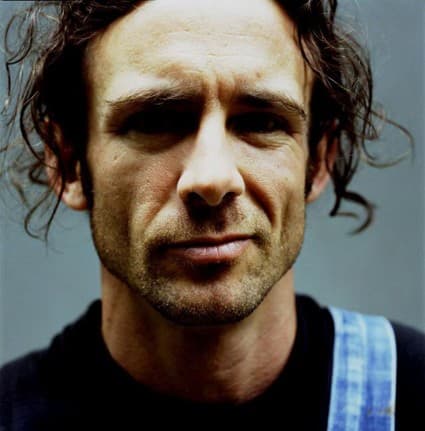
Chuck Palahniuk is a highly influential contemporary author, best known for his debut novel "Fight Club." His works, including "Haunted" and "Guts," are characterized by their transgressive themes, dark humor, and often shocking narratives. Palahniuk's distinctive style has earned him a significant cult following and cemented his reputation as a master of postmodern fiction.
Similar books
- Battle Royale
Koushun Takami
4.2 (59k) average on GoodreadsThrillerFeatures a group of people forced to fight for survival in a confined setting, highlighting human depravity under duress.
- The Most Dangerous Game
Richard Connell
3.9 (42k) average on GoodreadsThrillerExplores the theme of humans hunting humans, albeit in a more literal sense, and the psychological games involved.
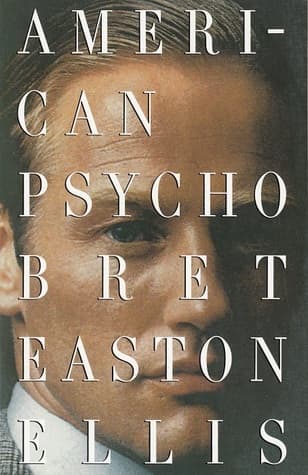
- American Psycho
Bret Easton Ellis
3.8 (242k) average on GoodreadsThrillerHaunted shares with Ellis's American Psycho a commitment to exploring extreme depravity and the dark underbelly of society. Both novels utilize graphic descriptions to critique consumerism and the performative aspects of identity. However, American Psycho focuses more on the singular, meticulously detailed psychosis of Patrick Bateman and a biting satire of 1980s materialism, whereas Haunted casts a wider net, examining a collective descent into madness driven by the desire for fame and the exploitation of suffering, with multiple character perspectives rather than one.
- Angels & Demons
Dan Brown
3.9 (2.7M) average on GoodreadsThrillerA Harvard symbologist races through Rome's ancient sites, deciphering cryptic clues to unmask the Illuminati and stop a vengeful plot to destroy the Vatican with a stolen antimatter weapon.
- Gone Girl
Gillian Flynn
4.1 (2.3M) average on GoodreadsThrillerA wife's sudden disappearance on her fifth anniversary reveals a web of lies and psychological warfare, exposing the secrets within a seemingly perfect marriage.
- The Girl on the Train
Paula Hawkins
3.9 (2.1M) average on GoodreadsThrillerA woman’s fascination with a seemingly perfect couple she watches from her daily train commute leads her into a dark investigation when she witnesses something that shatters their idyllic image.



Enjoyed the summary?
A summary gives you the shape of the book. The book itself has the detail, the examples and the voice.
Find Haunted on AmazonAs an Amazon Associate, BookBrief earns from qualifying purchases. How we're funded