
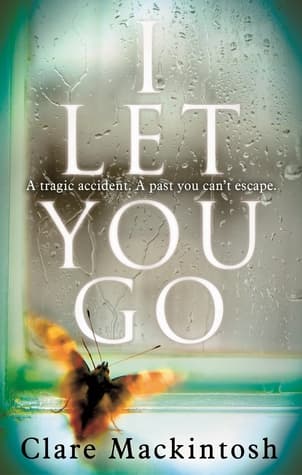
Synopsis
Covers the whole plot, including the ending.
- Difficulty
- Medium
- Pacing
- Variable
- Mood
- Suspenseful, Dark, Emotional, Gripping
- Read it if
- You enjoy psychological thrillers with shocking twists, unreliable narrators, and a focus on the emotional aftermath of tragedy.
- Skip it if
- You dislike stories with child endangerment or a slow burn that builds to a sudden, dramatic reveal.
I Let You Go Plot Summary
Covers the whole plot, including the ending.
The Hit and Run
The novel begins with a tragic hit-and-run in Bristol. Five-year-old Jacob Jordan dies when a car hits him while he crosses the road with his mother, Melanie. The driver, Jenna Gray, flees the scene in shock. Police, led by Detective Inspector Ray Stevens and Detective Constable Kate Evans, start their investigation, facing public and media pressure to find the driver. Jenna, consumed by guilt and fear, struggles with the horrific event.
Escape to the Coast
Haunted by the accident and fear of capture, Jenna makes a drastic choice. She sells her house, cuts ties with friends and family, and moves to a remote, run-down cottage in a small Welsh coastal village called Penfach. She changes her appearance, dyes her hair, and lives a reclusive life, hoping to disappear. The isolation is both a refuge and a torment, as she deals with grief, paranoia, and constant replays of the accident. Her new life is simple and lonely.
The Investigation Continues
In Bristol, DI Ray Stevens and DC Kate Evans relentlessly pursue Jacob's killer. They interview witnesses, examine CCTV, and follow leads, despite lacking a clear suspect or vehicle description. Melanie Jordan, Jacob's mother, is devastated and desperate for justice, putting immense pressure on the police. Detectives face dead ends, but Stevens, an experienced officer, will not let the case go cold, recognizing its impact on the victim's family.
A Glimmer of Hope
After months of isolation and despair, Jenna slowly starts to recover. She sketches and eventually meets Patrick, a kind local artist who runs a gallery. Patrick, sensing her vulnerability, offers friendship without prying into her past. Their relationship develops, offering Jenna hope for a future free from the accident's shadow. She finds comfort in the Welsh coast and Patrick's companionship, daring to imagine a life beyond her guilt.
Melanie's Grief and Activism
Melanie Jordan struggles with her son's death. Consumed by grief and a desperate need for answers, she grows frustrated with the police's inability to find Jacob's killer. To cope, she campaigns for road safety in her neighborhood, organizing petitions and speaking to the media. This activism gives her purpose and a way to honor Jacob's memory, even as it keeps his death present in her life and public view.
The Past Catches Up
Just as Jenna finds peace with Patrick, her new life begins to unravel. A local resident, who saw news reports about the hit-and-run, recognizes Jenna. This encounter sends Jenna back into paranoia and fear, reminding her she cannot truly escape her past. The threat of exposure looms, jeopardizing her relationship with Patrick and her fragile security in Penfach.
The Truth Revealed: Part One
In a twist, the narrative perspective shifts, revealing the story has been misleading. The character known as 'Jenna Gray' is Melanie Jordan, Jacob's mother. The 'hit-and-run' was not an accident but an act of revenge. Melanie had been stalking the real Jenna Gray, believing her responsible for an earlier tragedy — the death of her daughter, Poppy, killed by a drunk driver. This revelation changes all previous events, turning the reader's understanding of the plot upside down.
The Truth Revealed: Part Two
The story continues from Melanie's perspective, explaining her plan to frame Jenna Gray. She confesses to Patrick, who is horrified. Melanie explains that the real Jenna Gray was the drunk driver who killed her other daughter, Poppy, years ago. Jenna served a short sentence and moved on, seemingly unburdened, while Melanie's family was shattered. Consumed by a desire for retribution, Melanie staged the 'hit-and-run' involving Jacob, making it appear the real Jenna Gray was the culprit, condemning her to the same guilt and public scorn Melanie endured.
The Real Jenna Gray
The narrative introduces the real Jenna Gray, a woman living a quiet life, burdened by the guilt of her past mistake — the drunk driving accident that killed Poppy. She served her time and tries to rebuild her life, but the memory haunts her. She is unaware Melanie Jordan orchestrated a plot to frame her for Jacob's death, or that she is the subject of Melanie's revenge. Her life is about to change due to events she had no part in.
The Confrontation
Melanie, still posing as 'Jenna Gray' in Penfach, eventually tracks down the real Jenna Gray. The confrontation is tense. Melanie reveals her true identity as Poppy's mother and explains her web of lies. She details how she staged Jacob's death to frame Jenna, making her suffer the same public condemnation and internal torment. The real Jenna Gray is shocked, realizing the extent of Melanie's vengeance and the injustice she faces.
Ray Stevens' Breakthrough
Meanwhile, DI Ray Stevens, despite closing the initial 'hit-and-run' case with the arrest of the real Jenna Gray, feels uneasy. He revisits the evidence, finding inconsistencies. His instincts tell him something is wrong. He investigates Melanie Jordan more closely, looking into her past and connection to the real Jenna Gray. His work slowly unravels Melanie's story, bringing him closer to the truth.
The Unraveling
Ray Stevens' investigation intensifies, and he uncovers the connection between Poppy's death and Jenna Gray. He realizes Melanie Jordan's grief and desire for revenge led her to orchestrate Jacob's death and frame Jenna. He pieces together the timeline, the fake 'Jenna Gray' identity, and the planned setup. The evidence becomes undeniable, exposing Melanie's manipulation and the depths of her despair. The truth is out, but the human cost is immense.
Justice and Aftermath
With the full truth exposed, Melanie Jordan is apprehended by DI Ray Stevens and DC Kate Evans. The real Jenna Gray is cleared of Jacob's death, but the trauma of being falsely accused and the resurfacing of her past guilt are profound. The community, initially sympathetic to Melanie, is shocked by her deception. The novel concludes with characters dealing with the aftermath: Melanie facing justice, the real Jenna trying to rebuild her life, and Ray Stevens reflecting on justice and grief.
I Let You Go Characters
Jenna Gray (Melanie Jordan)
Protagonist/Antagonist
A grieving mother who orchestrates a complex revenge plot, initially presented as the hit-and-run driver.
Initially presented as Jenna Gray, the traumatized driver who flees after hitting Jacob, she is later revealed to be Melanie Jordan, Jacob's real mother. She is a woman consumed by overwhelming grief and a burning desire for revenge after her first daughter, Poppy, was killed by a drunk driver (the real Jenna Gray). Melanie is highly intelligent, meticulous, and capable of extreme deception, crafting an elaborate scheme to frame the real Jenna for Jacob's death. Her actions are driven by a deep-seated belief that the legal system failed her and that only she can deliver true justice.
Relationships: Jacob Jordan (Her son, whose death she orchestrates to frame Jenna Gray.); Poppy Jordan (Her deceased daughter, whose death is the catalyst for her revenge.); Patrick (A kind artist in Penfach, with whom she develops a relationship under her false identity.); Real Jenna Gray (The object of her revenge, the woman who killed her daughter Poppy.)
DI Ray Stevens
Supporting
A seasoned and intuitive detective investigating Jacob Jordan's hit-and-run.
DI Ray Stevens is a dedicated and experienced police detective, leading the investigation into Jacob Jordan's death. He is diligent, methodical, and possesses a strong moral compass. Despite initial frustrations and dead ends, he remains committed to finding the truth. He has a keen intuition that something is amiss, even after an arrest is made, and his perseverance ultimately uncovers Melanie's elaborate deception. He is driven by a desire for true justice and a deep understanding of human nature.
Relationships: DC Kate Evans (His junior partner, whom he mentors and trusts.); Melanie Jordan (The grieving mother he initially sympathizes with, later the suspect he unravels.)
DC Kate Evans
Supporting
A junior detective assisting DI Ray Stevens in the hit-and-run investigation.
DC Kate Evans is a younger, less experienced but dedicated police detective working under DI Ray Stevens. She is intelligent, eager to learn, and follows procedures diligently. She sometimes struggles with the emotional toll of the cases but remains committed to her work. She respects Stevens's experience and judgment, and together they form an effective investigative team. Her perspective often provides a contrast to Stevens's more cynical, world-weary outlook, but she develops her own sharp instincts throughout the case.
Relationships: DI Ray Stevens (Her senior partner and mentor.)
Patrick
Supporting
A kind and empathetic artist in Wales who forms a relationship with 'Jenna Gray'.
Patrick is a gentle, understanding, and artistic man who runs a gallery in the remote Welsh village of Penfach. He becomes a confidant and eventual romantic interest for 'Jenna Gray' (Melanie Jordan). He is patient and compassionate, offering her solace and friendship without prying into her past, respecting her need for privacy. When Melanie's true identity and motives are revealed, Patrick is deeply shocked and hurt, representing the innocent collateral damage of Melanie's revenge scheme. He embodies the potential for a peaceful life that Melanie ultimately destroys.
Relationships: Jenna Gray (Melanie Jordan) (Her romantic interest and confidant, unknowingly part of her deception.)
Jacob Jordan
Mentioned
Melanie's five-year-old son, whose death is staged as a hit-and-run.
Jacob Jordan is Melanie Jordan's young son, whose tragic death at the beginning of the novel sets the entire plot in motion. He is remembered as an innocent and loving child. His death, initially presented as an accidental hit-and-run, is later revealed to be a meticulously planned act by his own mother, Melanie, to frame the real Jenna Gray. Jacob's memory serves as both the catalyst for Melanie's revenge and a symbol of the profound loss and grief that drives her actions.
Relationships: Melanie Jordan (His mother, who orchestrates his death.)
Poppy Jordan
Mentioned
Melanie's deceased daughter, whose death is the true catalyst for the revenge plot.
Poppy Jordan is Melanie Jordan's first daughter, who was tragically killed years prior in a drunk driving accident caused by the real Jenna Gray. Her death is the profound, unhealed wound that fuels Melanie's all-consuming desire for retribution. Although only mentioned, Poppy's memory is central to understanding Melanie's motivations and the depth of her grief. Her story highlights the devastating ripple effects of one person's actions and the perceived inadequacy of the justice system for victims.
Relationships: Melanie Jordan (Her mother, whose life was shattered by her death.); Real Jenna Gray (The driver responsible for her death.)
Real Jenna Gray
Supporting
The true target of Melanie Jordan's revenge, a woman haunted by her past mistake.
The real Jenna Gray is the woman responsible for the drunk driving accident that killed Poppy Jordan years ago. She served her time and has been trying to live a quiet life, burdened by immense guilt and the constant shadow of her past. She is unaware of Melanie Jordan's existence or her elaborate plot until she is falsely accused of Jacob's death. She represents the devastating consequences of past mistakes and the struggle for redemption, even as she becomes an unwitting pawn in another's revenge.
Relationships: Melanie Jordan (The mother of the child she killed, who seeks revenge against her.)
I Let You Go Themes
Grief and Loss
The novel explores the impact of grief and loss, especially on Melanie Jordan. The deaths of her daughters, Poppy and Jacob, drive her to extreme measures. Her inability to process her initial loss (Poppy) leads to a desire for justice, manifesting in her revenge plot. Even the 'Jenna Gray' persona experiences immense, though fabricated, grief over Jacob's death, showing the universal nature of this emotion. The narrative details how sorrow can warp an individual's perception of right and wrong, as Melanie sacrifices her second child for a warped sense of retribution.
“Grief is a monster, and it will devour you.”
Revenge and Justice
A central theme is the line between revenge and justice. Melanie Jordan believes the legal system failed her after Poppy's death, leading her to take matters into her own hands. Her plan to frame the real Jenna Gray tries to inflict the same pain and public condemnation she felt. The novel questions whether such a personal, destructive pursuit of 'justice' brings peace or only continues suffering. DI Ray Stevens, representing official justice, contrasts with Melanie's approach, highlighting the moral complexities of seeking retribution.
“Some things can never be forgiven. Some things can never be forgotten.”
Identity and Deception
The novel uses identity and deception through Melanie Jordan, who adopts the persona of 'Jenna Gray'. This sustained deception is not just a plot device but an exploration of how a person can shed an old self, create a new one, and maintain a lie. Melanie's ability to portray a different person, including emotional responses, shows the human capacity for manipulation and how trauma can shatter and rebuild identity. The reader's initial acceptance of 'Jenna's' identity is crucial to the twist, making the theme of deception impactful.
“We all have a past. Some of us just bury it deeper than others.”
Guilt and Atonement
Both the real Jenna Gray and Melanie Jordan (as 'Jenna') deal with guilt. The real Jenna lives with the lifelong burden of causing Poppy's death and seeks a quiet life of atonement. Melanie, acting as 'Jenna', convincingly portrays the guilt of a hit-and-run driver, showing the psychological weight of such an act. The novel explores how guilt can manifest — as a quiet, internal struggle for the real Jenna, or as a tool for manipulation and a catalyst for destructive behavior in Melanie's case. It questions whether true atonement is possible, especially when external forces seek to punish indefinitely.
“You can't outrun the past. It always catches up.”
The Fallibility of Perception
A main theme, especially in the novel's twist, is the fallibility of perception and how easily an audience (and characters) can be misled. The first half of the book makes the reader believe 'Jenna Gray' is the hit-and-run driver, creating an emotional connection. This misdirection highlights how our understanding of events is shaped by information and perspective. The revelation forces a re-evaluation of every scene, showing how easily empathy can be misdirected and how unreliable narration can be.
“Things aren't always what they seem. Sometimes, they're much worse.”
Plot Devices & Literary Techniques
Unreliable Narrator
The initial narrator, 'Jenna Gray', is later revealed to be Melanie Jordan, manipulating the reader's perspective.
The novel employs an unreliable narrator by presenting the first half of the story from the perspective of 'Jenna Gray', the supposed hit-and-run driver. This character is later revealed to be Melanie Jordan, Jacob's mother, who has fabricated her identity and story to enact a revenge plot. This device completely recontextualizes all prior events, forcing the reader to re-evaluate their understanding of the characters and plot, creating a shocking and memorable twist. It highlights how easily perception can be manipulated when information is withheld or distorted.
Red Herring
Clues and character motivations are deliberately presented to mislead the reader about the true culprit.
The narrative is replete with red herrings, particularly in the first half. The focus on 'Jenna Gray's' guilt, her flight, and her attempts to hide are all designed to convince the reader that she is the hit-and-run driver. Details about her past, her emotional turmoil, and even her developing relationship with Patrick are all carefully constructed to support this false premise. These elements serve to misdirect the reader away from Melanie Jordan's true identity and her elaborate revenge scheme, making the eventual twist more impactful.
The Twist (Peripeteia)
A sudden, dramatic reversal of circumstances and revelation of truth that fundamentally changes the plot.
The novel's most prominent plot device is its monumental twist, occurring roughly halfway through the book. The revelation that the character the reader has known as 'Jenna Gray' is, in fact, Melanie Jordan, Jacob's mother, and that Jacob's death was a deliberate act of revenge, completely upends the entire narrative. This peripeteia redefines the protagonist, antagonist, and the central conflict, shifting the genre from a story of guilt and escape to one of calculated revenge and psychological manipulation. It's a shocking moment that forces the reader to re-evaluate everything they thought they knew.
Parallel Narratives
The story is told through alternating perspectives: 'Jenna Gray's' journey and the police investigation.
The novel employs parallel narratives, primarily following 'Jenna Gray's' (Melanie Jordan's) journey of escape and attempted new life, interspersed with chapters detailing DI Ray Stevens and DC Kate Evans's police investigation into the hit-and-run. This structure builds suspense, showing the two sides of the story converging. Initially, it creates tension as the police close in on 'Jenna'. After the twist, it allows the reader to see how Stevens's persistent investigation gradually uncovers the inconsistencies in Melanie's elaborate scheme, leading to her exposure.
I Let You Go Quotes
“There are some things in life you can never get over. Some things you can never undo. And for those things, there is only now.”
“Sometimes the hardest thing about letting go is realising you never really had it in the first place.”
“The past is a foreign country; they do things differently there.”
“We all have secrets. Some we keep from others, some we keep from ourselves.”
“Love isn't always enough to save someone. Sometimes, it's what destroys them.”
“The truth is rarely pure and never simple.”
“You can run from your past, but you can't outrun yourself.”
“Justice isn't always about what's legal. Sometimes it's about what's right.”
“Grief is a peculiar beast. It takes what it wants, and leaves you with the rest.”
“The hardest part of any lie is remembering which version you told.”
“Sometimes, the only way to move forward is to look back, one last time.”
“We are all products of our environment, but we are also capable of choosing our path.”
“The silence was a comfort and a torment, all at once.”
“Fear is a powerful motivator. It can make you do things you never thought you were capable of.”
Quiz
10 questions on the plot and the characters. Each answer comes with a short explanation.
Question 1
What tragic event fundamentally changes Jenna Gray's life at the beginning of the novel?
- Her house burns down, destroying all her possessions.
- Her son, Jake, is killed in a hit-and-run accident.
- She is brutally attacked in her own home.
- She loses her job and her husband leaves her.
Show answer
B. Her son, Jake, is killed in a hit-and-run accident. The inciting incident of the novel is the hit-and-run death of Jenna's son, Jake, which propels her to move away and start a new life.
Question 2
Where does Jenna Gray move to escape her past and start afresh?
- A bustling city in Scotland
- A remote cottage on the Welsh coast
- A quiet village in the English countryside
- An isolated farm in rural France
Show answer
B. A remote cottage on the Welsh coast Jenna seeks refuge and a fresh start in a remote cottage on the Welsh coast, hoping the isolation will help her heal.
Question 3
Who is the detective investigating the hit-and-run case?
- Detective Inspector Mark Davies
- Detective Inspector Ray Stevens
- Detective Sergeant Sarah Miller
- Detective Chief Inspector Ben Carter
Show answer
B. Detective Inspector Ray Stevens Detective Inspector Ray Stevens is the primary police officer assigned to investigate the hit-and-run that killed Jake.
Question 4
What is the name of the man Jenna becomes romantically involved with in Wales?
- Tom
- Patrick
- Ryan
- Michael
Show answer
C. Ryan In Wales, Jenna slowly begins a new relationship with Ryan, a local man who helps her with her cottage and offers companionship.
Question 5
What is the significant plot twist revealed about Jenna's identity and the accident?
- Jenna was actually the driver who hit Jake.
- Jenna is actually the mother of the driver who hit Jake.
- Jenna is the driver who hit Jake, and Jake was her abusive partner's son.
- Jenna was a witness to the accident but fabricated her involvement.
Show answer
C. Jenna is the driver who hit Jake, and Jake was her abusive partner's son. The major twist reveals that 'Jenna Gray' is actually Cathy, the woman who was driving the car that killed Jake, and Jake was the son of her abusive partner, Ian.
Question 6
What was the real reason Cathy (Jenna) initially fled after the accident?
- She was drunk and feared legal repercussions.
- She was terrified of her abusive partner, Ian, and what he would do.
- She had another child in the car and wanted to protect them.
- She was disoriented and suffering from amnesia.
Show answer
B. She was terrified of her abusive partner, Ian, and what he would do. Cathy (Jenna) fled the scene not primarily due to guilt over the accident, but out of extreme fear of her abusive partner, Ian, who was in the car with her and had forced her to drive.
Question 7
What is the ultimate fate of Ian, Cathy's abusive partner?
- He is arrested and imprisoned for his crimes.
- He commits suicide after being confronted by Cathy.
- He is accidentally killed by Cathy during a struggle.
- He escapes justice and is never found.
Show answer
C. He is accidentally killed by Cathy during a struggle. During a final confrontation, Ian attacks Cathy, and in self-defense, she accidentally kills him by pushing him off a cliff near her cottage.
Question 8
What theme is most central to Jenna/Cathy's journey throughout the book?
- The pursuit of wealth and status.
- The power of forgiveness and redemption.
- The futility of escaping one's past.
- The importance of familial loyalty.
Show answer
B. The power of forgiveness and redemption. The novel heavily explores Cathy's journey from guilt and fear to seeking forgiveness, both from herself and others, and her path towards redemption for her actions and past choices.
Question 9
How does Detective Inspector Ray Stevens eventually piece together the truth about the hit-and-run and Jenna's identity?
- He receives an anonymous tip from a concerned citizen.
- He discovers a hidden diary belonging to Ian that details everything.
- He meticulously follows clues, connects the dots between cases of domestic abuse, and notices discrepancies in initial reports.
- Jenna confesses everything to him in a moment of weakness.
Show answer
C. He meticulously follows clues, connects the dots between cases of domestic abuse, and notices discrepancies in initial reports. Stevens' investigation is thorough and persistent; he uncovers the truth by linking the hit-and-run to a pattern of domestic abuse involving Ian and by carefully examining the evidence and witness statements, noticing inconsistencies that lead him to Cathy.
Question 10
What physical object becomes a recurring symbol of Jenna's (Cathy's) past and her attempts to rebuild her life?
- A specific piece of jewelry she always wears.
- The old car she drives in Wales.
- The dilapidated cottage she renovates in Wales.
- A photograph of her son, Jake.
Show answer
C. The dilapidated cottage she renovates in Wales. The cottage in Wales serves as a strong symbol; its initial dilapidated state reflects Cathy's broken life, and her efforts to repair and beautify it parallel her own journey of healing and rebuilding.
I Let You Go FAQ
What is the central premise of 'I Let You Go'?
The book initially follows Jenna Gray as she tries to escape her past after a tragic hit-and-run accident that killed a child. She moves to a remote cottage in Wales, haunted by grief and guilt, attempting to build a new life while struggling with the trauma of that fateful November night.
Who is Jacob and what role does he play in the story?
Jacob is the young boy who was killed in the hit-and-run accident. His death is the catalyst for Jenna's flight and subsequent emotional journey, and the investigation into his death by Detectives Ray Stevens and Kate Evans forms the parallel narrative.
Where does Jenna go to escape her past and what is her initial experience there?
Jenna moves to a remote, dilapidated cottage on the Welsh coast, far from her previous life in Bristol. Initially, she struggles with isolation, fear, and the pervasive memories of the accident, but slowly begins to find solace in the nature and a nascent friendship.
Who are Detectives Ray Stevens and Kate Evans, and what is their primary objective?
Ray Stevens is the lead detective, a seasoned officer with a personal connection to the case, and Kate Evans is his younger, ambitious partner. Their primary objective is to find the driver responsible for Jacob's hit-and-run death and bring them to justice, tirelessly pursuing leads.
What is the major plot twist that redefines the entire narrative?
The major plot twist reveals that Jenna Gray is actually Cathy Mason, Jacob's mother, and the 'accident' was not an accident but a deliberate act by her abusive boyfriend, Ian. The initial story of Jenna as the driver was a carefully constructed deception.
How does the revelation about Ian change our understanding of Jenna's (Cathy's) actions and motivations?
The revelation shows that Cathy's 'escape' to Wales was not driven by guilt over hitting Jacob, but by fear of Ian and a desperate plan to bring him to justice for Jacob's murder. Her 'grief' was genuine, but her 'guilt' was about the plan she enacted.
What role does Patrick play in Cathy's new life in Wales?
Patrick is a local veterinarian who develops a romantic relationship with Cathy (Jenna). He represents a chance at genuine happiness and a safe future, contrasting sharply with her traumatic past with Ian. He is unaware of her true identity and past.
How does Ray Stevens's personal history influence his dedication to Jacob's case?
Ray's own daughter was killed in a hit-and-run years prior, a case that was never solved. This personal tragedy fuels his relentless pursuit of justice for Jacob, making him more empathetic but also more determined to not let another child's death go unpunished.
Analyze Cathy's psychological state throughout the book, particularly her resilience.
Cathy displays immense psychological resilience, enduring years of domestic abuse from Ian and then meticulously planning and executing her elaborate scheme. Her initial 'fragility' as Jenna is a carefully maintained facade, masking her deep-seated trauma and fierce determination for justice.
How does the book explore the psychological impact of domestic abuse through Cathy's character?
The book vividly portrays the insidious nature of domestic abuse through Cathy's long-term experience with Ian, detailing the control, fear, and psychological manipulation she endured. It highlights her struggle to escape and the profound emotional scars left by such a relationship, even after she is 'free'.
Discuss the ethical implications of Cathy's plan to frame Ian for Jacob's murder.
Cathy's plan involves significant ethical compromises, including deceiving the police and manipulating evidence to ensure Ian's conviction, even though he is indeed the murderer. While her motive is justice for Jacob and self-preservation, her methods raise questions about vigilante justice and the integrity of the legal system.
Was Jenna/Cathy justified in her actions, given the circumstances of Ian's abuse and the failure of the system to protect her?
This is debatable. While Ian was a brutal abuser and Jacob's killer, Cathy's elaborate deception and manipulation of the police could be seen as undermining the justice system. However, given her history of abuse and the system's perceived failure to protect her previously, many might argue she had no other recourse to secure justice and safety.
How does the author use narrative perspective to mislead the reader and enhance the twist?
The author masterfully uses a limited third-person perspective, primarily focusing on 'Jenna's' internal thoughts and experiences, and the detectives' investigation, without revealing 'Jenna's' true identity or past. This carefully controlled information creates a strong sense of empathy for the wrong character, making the twist profoundly shocking and effective.
What is the significance of the title 'I Let You Go'?
The title has multiple layers of meaning. It refers to Cathy's difficult decision to 'let go' of her old life and identity, her 'letting go' of Jacob in a tragic sense, and ultimately, her 'letting go' of the need for revenge in favor of a new life with Patrick, having finally seen Ian brought to justice.
How does the ending provide a sense of closure, or does it leave lingering questions?
The ending provides a strong sense of closure as Ian is convicted, and Cathy is free to start a new life with Patrick, having found peace and a measure of justice. However, the lingering question for some might be the moral ambiguity of her actions and whether she ever truly comes clean to Patrick about her past.
What kind of relationship did Cathy have with Ian before Jacob's death?
Cathy's relationship with Ian was deeply abusive and controlling. He subjected her to physical and emotional violence, isolating her from friends and family, and making her life a constant cycle of fear and manipulation, which ultimately escalated to the murder of their son, Jacob.
What specific clues or hints are subtly placed in the early chapters that foreshadow the twist?
Subtle hints include 'Jenna's' disproportionate reaction to news reports about Jacob, her intense focus on the police investigation, and her detailed knowledge of the case's specifics. Her descriptions of her past 'relationship' are vague, and her 'grief' feels more complex than simple guilt, hinting at a deeper, unrevealed connection.
How does the natural setting of the Welsh coast contribute to Jenna/Cathy's healing process and the overall atmosphere?
The rugged, isolated beauty of the Welsh coast serves as a stark contrast to Cathy's traumatic past, offering a sense of peace and solitude. The natural environment, with its powerful sea and wild landscapes, becomes a metaphorical space for her to confront her grief, heal, and ultimately rebuild her identity away from the urban environment of her abuse.
About the author
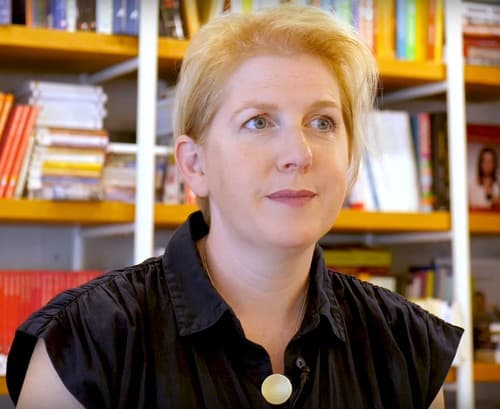
Clare Mackintosh is a former police detective turned bestselling author. Her debut novel, 'I Let You Go,' was a Richard & Judy Book Club pick and a number one bestseller. Known for her gripping psychological thrillers, including 'I See You,' Mackintosh crafts compelling narratives with unexpected twists.
Similar books
- Gone Girl
Gillian Flynn
4.1 (2.3M) average on GoodreadsThrillerFeatures a shocking twist and an unreliable narrator, playing with reader expectations.
- The Girl on the Train
Paula Hawkins
3.9 (2.1M) average on GoodreadsThrillerExplores themes of trauma, memory, and an individual trying to piece together a past event.
- Before I Go to Sleep
S.J. Watson
3.9 (290k) average on GoodreadsThrillerCenters on a protagonist with a fractured memory trying to uncover a hidden truth about their past.
- Angels & Demons
Dan Brown
3.9 (2.7M) average on GoodreadsThrillerA Harvard symbologist races through Rome's ancient sites, deciphering cryptic clues to unmask the Illuminati and stop a vengeful plot to destroy the Vatican with a stolen antimatter weapon.
- The Da Vinci Code
Dan Brown
3.9 (1.9M) average on GoodreadsThrillerA symbologist and a cryptologist race through European landmarks, deciphering ancient codes and uncovering a conspiracy that could rewrite the foundations of Christianity.
- The Guest List
Lucy Foley
3.8 (1.3M) average on GoodreadsThrillerOn a remote Irish island, a glamorous wedding descends into a deadly whodunnit when a guest is found murdered, trapping everyone with their secrets as a storm rages.






Enjoyed the summary?
A summary gives you the shape of the book. The book itself has the detail, the examples and the voice.
Find I Let You Go on AmazonAs an Amazon Associate, BookBrief earns from qualifying purchases. How we're funded