

Synopsis
Covers the whole plot, including the ending.
- Difficulty
- Medium
- Pacing
- Variable
- Mood
- Emotional, Artistic, Melancholy, Hopeful, Romantic
- Read it if
- You love poignant, character-driven stories about family, first love, art, and the complexities of grief and forgiveness, with a unique dual narrative structure.
- Skip it if
- You prefer fast-paced plots with clear resolutions and dislike stories that delve deeply into emotional turmoil and psychological introspection.
I'll Give You the Sun Plot Summary
Covers the whole plot, including the ending.
The Twins' Childhood and Shared World
The story begins from Noah's perspective at age thirteen, detailing his strong, almost psychic bond with his twin sister, Jude. They live in Redwood, a small coastal town, with their free-spirited artist mother, Dianna, and their more traditional father, Benjamin. Noah is an introverted artist, always drawing his inner world and the people around him, especially Jude and their neighbor, Brian. Jude is outgoing and adventurous, often acting as Noah's protector. Their mother encourages their art, particularly Noah's, and tells them stories of 'spirits' in their surroundings. Noah is secretly in love with Brian and finds comfort and inspiration in his presence, even as he grapples with his developing sexuality and his mother's increasing focus on his art over Jude's.
First Love and Growing Tensions
As Noah and Jude turn fourteen, Noah's crush on Brian grows. They share intimate moments, including their first kiss on a cliff, which Noah cherishes and draws. Meanwhile, Jude, feeling overshadowed by Noah's artistic talent and her mother's admiration, becomes more rebellious, doing daredevil stunts and seeking attention. She also starts to like Brian, unaware of Noah's feelings. This unspoken rivalry, combined with Dianna's favoritism towards Noah's art and her pushing him towards a prestigious art school, creates a rift between the twins, straining their once strong bond and setting the stage for future conflict.
The Storm and the Wish
During a violent storm, the family huddles together, and Dianna tells the twins a story about making a wish to the storm. Later, Jude, feeling jealous and resentful of Noah's relationship with Brian and her mother's attention, wishes for Noah to lose his artistic talent and for Brian to love her. Unknown to Jude, Noah, feeling isolated, also makes a wish, though its nature remains secret. This scene shows the growing animosity and desperate desires within the twins, laying the groundwork for the accident that will follow and the years of silence and blame that define their later lives.
The Accident and Its Aftermath
The family is in a severe car accident, and their mother, Dianna, dies. Both Noah and Jude survive, but the incident leaves them traumatized. The direct cause of the accident is unclear, adding to the mystery and guilt that affects the twins. This event marks a turning point, shattering their close bond and sending them down separate, isolated paths. Noah blames himself, believing his wish for Jude to disappear contributed to their mother's death. Jude harbors her own secret guilt and resentment, further solidifying the wall of silence between them. Their father, Benjamin, struggles with his grief and the fractured family dynamics.
Three Years Later: Jude's Perspective
Three years after the accident, the story shifts to Jude's perspective at sixteen. She attends the California School of the Arts, but her once vibrant spirit has been replaced by superstition and social awkwardness. She believes she is cursed and follows rituals to ward off bad luck, especially in her art. Her relationship with Noah is almost nonexistent, marked by bitter silence and unspoken blame. She is haunted by the past and her mother's death, and struggles with an artistic block, unable to sculpt anything meaningful despite her talent. Her isolation is clear, and she longs for connection, even as she pushes people away.
Meeting Guillermo Garcia and Oscar Ralph
Driven by a need for a mentor and to overcome her artistic block, Jude seeks out the reclusive sculptor, Guillermo Garcia. He is hesitant but eventually takes her on, offering cryptic advice and tough love. Guillermo challenges Jude to confront her fears and express herself through her art. At the same time, Jude meets Oscar Ralph, a charming British art student who is also Guillermo's apprentice. Jude feels a powerful connection to Oscar. Their growing romance offers hope and a distraction from her internal turmoil, but it also threatens to uncover more secrets from her past.
Noah's Isolation and Loss of Art
The story periodically returns to Noah's present perspective, showing his change. He has lost his artistic talent — his once vivid drawings are now dull and lifeless, a direct result of his wish. He lives in self-imposed isolation, withdrawn from the world and consumed by guilt over his mother's death and his role in the accident. He often sees visions of his mother, who appears judgmental, reinforcing his feelings of inadequacy and blame. His once vibrant inner world is now dark, and he longs for the connection he once shared with Jude, even as he pushes her away.
Unraveling the Truth: Guillermo's Connection
As Jude works with Guillermo, she notices similarities between his sculptures and her mother's artistic style. Through subtle clues and Guillermo's admissions, Jude learns the truth: Guillermo was her mother, Dianna's, first love and mentor. They had a passionate, tumultuous relationship that ended painfully, but Guillermo remained affected by Dianna throughout his life. This revelation sheds new light on her mother's artistic journey and her own family history, giving Jude a deeper understanding of her mother's complexities and her own artistic lineage, while also creating a stronger, more personal bond between Jude and Guillermo.
The Triangle and the Betrayal
Through painful discoveries, including finding Noah's old drawings and confronting him, Jude uncovers the full extent of Noah's secret relationship with Brian. This revelation, combined with the knowledge that Brian is now dating Jude's former best friend, further shatters her trust in Noah and deepens her sense of betrayal. Simultaneously, Jude learns the truth about her mother's affair with Guillermo, which began before her parents were married. This complex web of secrets and past betrayals — both within her family and between the twins — crashes down on Jude, forcing her to confront her family's history and her own role in the twins' fractured relationship.
Noah's Confession and Brian's Return
Driven by guilt and a need for forgiveness, Noah finally confesses his role in the accident to Jude. He reveals that their mother was having an affair with Guillermo and was leaving their father for him, and that the car crash occurred during an argument about this. Noah also admits that he sabotaged Jude's college application and that his wish was for Brian to fall in love with him. In a parallel development, Brian, now single, returns to Redwood, seeking out Noah. Their reunion is emotional, but they reconnect, rekindling their past love. This confession and reunion are steps towards healing for Noah, opening the door for reconciliation with Jude.
Jude's Forgiveness and Artistic Breakthrough
After Noah's confession, Jude is devastated but eventually forgives him, recognizing the immense pain and guilt he has carried. This act of forgiveness, coupled with the understanding of her mother's past, finally breaks Jude's artistic block. Inspired by their shared history and lives, Jude creates a powerful sculpture that combines elements of both her and Noah's artistic styles. The sculpture, a symbol of their intertwined destinies, becomes a symbol of healing, reconciliation, and the enduring power of their sibling bond, even after all the pain and separation.
Reconciliation and Hope
With the truth revealed and forgiveness extended, Noah and Jude begin to rebuild their relationship. They acknowledge the pain they caused each other, but also the enduring love that binds them. Noah's art begins to return, and Jude's sculpture is a success. They both come to terms with their mother's complexities and her impact on their lives. The story ends with hope and renewed connection, as the twins, now more mature and understanding, face the future together, having finally pieced together their story and found their way back to one another. Their journey is not over, but they are now equipped to navigate it as a united front.
Principal Figures
Jude Sweetwine
Protagonist
The adventurous, outspoken twin who becomes superstitious and withdrawn after tragedy.
Jude is initially the more extroverted and daring of the twins, always speaking for Noah and engaging in adventurous stunts like cliff-diving. She is fiercely protective of her brother and deeply connected to her mother. After the car accident and her mother's death, Jude becomes superstitious, believing she is cursed and that her actions cause misfortune. She struggles with an intense artistic block, finding solace in her sculptures but unable to create meaningful work for years. She is driven by a deep longing for connection and a desire to understand her family's secrets, especially her mother's past and the rift with Noah.
Relationships: Noah Sweetwine (Twin brother, initially inseparable, later estranged by guilt and secrets, eventually reconciled.); Dianna Sweetwine (Mother, admired and loved, later her secrets are revealed.); Benjamin Sweetwine (Father, strained relationship after Dianna's death.); Guillermo Garcia (Art mentor, later revealed as her mother's former lover and father figure.); Oscar Ralph (Romantic interest, fellow art student and Guillermo's apprentice.)
Noah Sweetwine
Protagonist
The introverted, artistic twin who loses his talent and isolates himself after a family tragedy.
Noah is the artistic and sensitive twin, deeply connected to Jude and his mother, Dianna. He sees the world in vivid colors and images, constantly drawing his observations and inner life. He harbors a secret love for Brian, the boy next door, and grapples with his burgeoning sexuality. After the car accident and his mother's death, Noah loses his artistic ability, his world turning dull and grey. He becomes withdrawn, plagued by immense guilt and self-blame, believing his wishes caused the tragedy. He sees visions of his mother, who often embodies his internal criticisms. His isolation is profound, and he struggles to communicate his pain or seek forgiveness.
Relationships: Jude Sweetwine (Twin brother, initially inseparable, later estranged by guilt and secrets, eventually reconciled.); Dianna Sweetwine (Mother, deeply loved and admired, later her secrets are revealed, and he is haunted by her ghost.); Benjamin Sweetwine (Father, strained relationship after Dianna's death.); Brian Connolly (First love, neighbor, a source of both joy and pain, eventually reunited.)
Dianna Sweetwine
Supporting/Mentioned
The free-spirited, artistic mother whose secrets and death profoundly impact her twins.
Dianna is the vibrant, unconventional mother of Jude and Noah, an artist herself who deeply encourages Noah's talent. She has a strong, almost mystical connection to her children, telling them stories about 'spirits' and the power of wishes. She often favors Noah's artistic gifts, which creates a subtle tension with Jude. Dianna carries significant secrets from her past, including a passionate affair with Guillermo Garcia and her intention to leave her husband. Her sudden death in a car accident serves as the catalyst for the twins' estrangement and their subsequent journeys of self-discovery and reconciliation. Her spirit continues to influence Noah, appearing in his visions.
Relationships: Jude Sweetwine (Daughter, encouraged and loved, but sometimes overlooked in favor of Noah.); Noah Sweetwine (Son, deeply admired for his artistic talent, and his mother's confidante.); Benjamin Sweetwine (Husband, ultimately planned to leave him.); Guillermo Garcia (First love and artistic mentor, later her lover and the reason for her intended departure.)
Benjamin Sweetwine
Supporting
The conventional father who struggles to cope with grief and his fractured family.
Benjamin is the twins' father, a more grounded and conventional figure compared to his artistic wife, Dianna. He works as a carpenter and often feels somewhat out of place in the creative chaos of his family. After Dianna's death, he struggles immensely with grief and the subsequent breakdown of communication between Noah and Jude. He tries to keep the family together but is often overwhelmed and unable to bridge the gap between his children. He is unaware of many of Dianna's secrets and the true nature of the twins' conflict, leading him to feel helpless and isolated in his own grief.
Relationships: Jude Sweetwine (Daughter, loves her but struggles to connect after Dianna's death.); Noah Sweetwine (Son, loves him but struggles to connect after Dianna's death.); Dianna Sweetwine (Wife, deeply loved, his life is shattered by her death.)
Guillermo Garcia
Supporting
The reclusive, legendary sculptor and mentor to Jude, who holds a secret connection to her mother.
Guillermo Garcia is a renowned but reclusive sculptor, known for his powerful and evocative work. He becomes Jude's reluctant mentor, challenging her artistic block and pushing her to confront her inner demons. Guillermo is gruff but wise, offering cryptic advice and tough love. He carries a deep, lifelong love for Dianna Sweetwine, Jude and Noah's mother, having been her first love and artistic mentor, and later, her lover. His presence in Jude's life is instrumental in her artistic breakthrough and in uncovering the truth about her mother's past, which ultimately helps heal the Sweetwine family.
Relationships: Jude Sweetwine (Artistic mentor, later revealed to be her mother's former lover and a father figure.); Dianna Sweetwine (First love and artistic muse, later her lover.); Oscar Ralph (Apprentice and friend.)
Brian Connolly
Supporting
The charismatic boy next door, Noah's first love, who becomes entangled in the twins' rivalry.
Brian Connolly is the charming and athletic boy next door, who becomes Noah's first love and a significant figure in both twins' lives. He shares a deep, unspoken connection with Noah, marked by tender moments and secret kisses. Unaware of Noah's deep feelings, Jude also develops a crush on Brian, contributing to the growing tension between the twins. After the accident, Brian is initially confused and hurt by Noah's withdrawal. He eventually moves on, but his connection to Noah remains, leading to their eventual reunion and the rekindling of their romance, which is crucial for Noah's healing.
Relationships: Noah Sweetwine (First love and romantic partner.); Jude Sweetwine (Childhood friend, object of her crush, later her rival.)
Oscar Ralph
Supporting
Jude's enigmatic British love interest and fellow art student.
Oscar Ralph is a charming, enigmatic British art student and Guillermo Garcia's apprentice. Jude meets him at the art school and is immediately drawn to his mysterious aura and artistic talent. He becomes Jude's romantic interest, offering her affection and companionship during a period of intense isolation. Oscar is kind and understanding, patiently navigating Jude's superstitions and emotional walls. He plays a crucial role in helping Jude open up and explore her feelings, and his presence helps her to begin healing from her past traumas, even as he has his own secrets and vulnerabilities.
Relationships: Jude Sweetwine (Romantic interest.); Guillermo Garcia (Mentor and friend.)
Themes & Insights
The Power and Peril of Secrets
Secrets, both personal and familial, drive the novel's plot and shape the characters' lives. Dianna's affair with Guillermo, Noah's hidden love for Brian, Jude's wish against Noah, and the true circumstances of their mother's death all create a deep chasm between the twins. The weight of these unspoken truths creates guilt, resentment, and isolation. Only when these secrets are revealed can the characters begin to heal and rebuild their relationships, showing how honesty, however painful, is essential for true connection. For example, Noah's confession about his wish and the accident details is the turning point for his and Jude's reconciliation.
“What if you could hear the past? What if you could hear the future? What if you could hear the secrets of the dead?”
Art as a Reflection of Self and Healing
Art is a vital form of expression and therapy for Noah, Jude, and Dianna. Noah's early drawings are a window into his soul, his love for Brian, and his perceptions. When he loses his ability to draw, it symbolizes his emotional trauma and loss of self. Jude's struggles with her sculptures mirror her internal blockages and her inability to process grief and guilt. Guillermo's sculptures, imbued with his own history and love for Dianna, help Jude understand her mother. Ultimately, both twins find their way back to themselves and each other through art, using it to confront their past, express pain, and create a shared narrative for their future, as seen in Jude's final sculpture.
“I used to think that to make something happen, you had to want it to happen. But it turns out, just because you want something doesn't mean it'll happen. And just because you don't want something doesn't mean it won't.”
Sibling Rivalry and Unconditional Love
The dynamic between Jude and Noah shows the dual nature of sibling relationships: intense rivalry intertwined with an unbreakable bond of love. Initially inseparable, their connection is strained by Dianna's favoritism towards Noah's art, Jude's jealousy, and their mutual crushes on Brian. Their wishes against each other, born from youthful insecurity, have devastating consequences. Despite years of silence and blame, a deep love and need for each other persist. The novel explores how even profound betrayal and pain cannot fully sever the unique connection between twins, showing that forgiveness and understanding can lead to a powerful reconciliation. Their journey is about finding their way back to that fundamental, unconditional love.
“Sometimes you can't see what you're looking for, even if it's right in front of you.”
Grief, Guilt, and Forgiveness
The aftermath of Dianna's death affects the entire novel, showing as deep grief and consuming guilt for both twins. Noah blames himself for his mother's death, believing his wish for Jude's disappearance contributed to the accident, and his artistic block results from this guilt. Jude also carries the weight of her own destructive wishes and the unspoken truths surrounding the accident. Their inability to process grief and guilt openly leads to their estrangement. The journey towards healing involves confronting these painful emotions, understanding their mother's complexities, and extending forgiveness — both to each other and to themselves — allowing them to move forward. This is evident in Noah's confession and Jude's subsequent forgiveness.
“Maybe some people are just meant to be in the same story.”
The Nature of Identity and Self-Discovery
Both Jude and Noah struggle with their identities, especially after their mother's death and their artistic challenges. Noah, initially defined by his art and his love for Brian, loses his sense of self when his talent vanishes. He must rediscover who he is beyond his artistic abilities. Jude, who once defined herself through her adventurous spirit and her role as Noah's protector, becomes superstitious and withdrawn, struggling to find her own artistic voice. Their individual journeys of self-discovery are intertwined with understanding their family history, confronting their past selves, and accepting the complex individuals they have become. Their reconciliation helps them to integrate these different parts of their identities.
“We were all heading for each other on a collision course, no matter what.”
Plot Devices & Literary Techniques
Dual Perspectives and Non-Linear Narrative
Alternating viewpoints and timelines slowly reveal the full story.
The novel is told through alternating first-person perspectives: Noah's chapters detail the past (ages 13-14), and Jude's chapters cover the present (age 16). This non-linear structure, coupled with the dual viewpoints, serves to slowly unravel the mysteries surrounding the twins' estrangement and their mother's death. Each twin holds only half the story, and their individual biases and limited knowledge create suspense and force the reader to piece together the truth alongside them. This device effectively highlights their fractured relationship and the importance of understanding multiple perspectives to grasp the whole picture.
Superstition and Magical Realism
Jude's superstitions and Noah's visions infuse the narrative with a mystical quality.
Jude's elaborate superstitions – avoiding cracks, believing in hexes, and performing rituals – are a coping mechanism for her grief and guilt, reflecting her belief that she can control fate. Noah's visions of his mother's ghost, particularly after her death, blend reality with the supernatural, representing his internal guilt and his struggle to process his loss. These elements of magical realism, often rooted in their mother Dianna's storytelling about 'spirits' and wishes, add a unique layer to the narrative, emphasizing the characters' internal worlds and the powerful, almost fated, nature of their experiences. They also serve as symbolic representations of their psychological states.
Art as a Metaphor and Plot Driver
Artistic expression is central to character development and reveals hidden truths.
Art, particularly drawing and sculpting, is a pervasive metaphor and a crucial plot device. For Noah, his art is his voice, his identity, and his connection to the world; its loss signifies his profound trauma. For Jude, her struggle with sculpture mirrors her emotional block. The art created by Dianna and Guillermo provides clues to their past relationship and the secrets of the Sweetwine family. The act of creating art becomes a means for the characters to process grief, express unspoken emotions, and ultimately, to heal and communicate when words fail. Jude's final sculpture, for instance, is a physical manifestation of her and Noah's reconciled story.
The 'Wish' Motif
Wishes made by the twins inadvertently lead to tragic consequences.
The concept of making wishes, particularly during a storm, is introduced early by Dianna and becomes a powerful, almost literal, plot device. Both Noah and Jude make selfish, angry wishes – Jude wishes for Noah to lose his talent and for Brian to love her, while Noah wishes for Jude to disappear. The perceived fulfillment of these wishes, followed by their mother's death and the subsequent personal tragedies, imbues them with a sense of cosmic responsibility and guilt. This motif highlights the dangerous power of unchecked desires and the ripple effects of seemingly innocent thoughts, driving much of the twins' internal conflict and their belief in a 'curse'.
I'll Give You the Sun Quotes
“I can't tell you how many times I've been in love. And I can't tell you how many times I've been heartbroken. But I can tell you that I've never regretted a single one of them.”
“Meeting your soul mate is like walking into a house you've been in before - you will recognize the furniture, the pictures on the wall, the books on the shelf, the even the view from the window. You may have been in a hundred other houses, but this is the one that feels like home.”
“Maybe I'm a little bit in love with you, and maybe you're a little bit in love with me, and maybe we're just both a little bit in love with the idea of being in love.”
“The world is full of people, and there are so many different ways to love them.”
“I wonder if that's how it is with love. If, when you discover it, you have to cross a void to get to it. And then, once you're there, you have to stay there. Because you've already crossed the void.”
“Someone once told me that the most important thing in life is to love and be loved. I think they were right.”
“We were all born with a certain amount of magic. It's up to us to decide how we use it.”
“Sometimes you have to be a little bit crazy to be in love.”
“Art is not a mirror held up to reality but a hammer with which to shape it.”
“You can't just turn off feelings. You can't just turn off the past.”
“I wish I could bottle this feeling, this moment. I wish I could keep it forever.”
“Maybe we're all just searching for someone to see us, really see us, for who we are.”
“It's funny how the people you think you know best are sometimes the ones you know the least.”
“Sometimes you have to break something to make something new.”
Quiz
10 questions on the plot and the characters. Each answer comes with a short explanation.
Question 1
What artistic medium does Noah primarily work with at the beginning of the story?
- Sculpture
- Painting/Drawing
- Photography
- Performance Art
Show answer
B. Painting/Drawing Noah is consistently depicted as an artist who draws and paints, often using his art to express his inner world and his feelings for Brian.
Question 2
What significant event causes the initial rift between Jude and Noah?
- A fight over a shared art project
- Their mother's death and the secrets surrounding it
- Noah moving away for art school
- Jude stealing Noah's boyfriend
Show answer
B. Their mother's death and the secrets surrounding it The death of their mother, and the guilt and blame each twin carries (and places on the other) regarding the circumstances of her death, is the central catalyst for their estrangement.
Question 3
Who is the 'charismatic boy next door' Noah falls in love with?
- Guillermo Garcia
- Oscar Ralph
- Brian Connely
- Zephyr
Show answer
C. Brian Connely Brian Connely is Noah's first love and a significant character in the 'Noah's years' timeline, representing a crucial part of Noah's identity and happiness.
Question 4
What unusual skill or belief does Jude develop or possess that influences her actions in the later years?
- She can predict the future through dreams.
- She believes in luck and superstitions, carrying various good luck charms.
- She can communicate with ghosts.
- She has an uncanny ability to read people's minds.
Show answer
B. She believes in luck and superstitions, carrying various good luck charms. Jude becomes highly superstitious, relying on 'good luck' rituals and charms, and attributing misfortune to breaking these rituals, especially after her mother's death.
Question 5
Who is Guillermo Garcia to Jude in the later part of the story?
- Her art history professor
- Her new boyfriend
- A mysterious mentor and sculptor
- Her therapist
Show answer
C. A mysterious mentor and sculptor Guillermo Garcia is a reclusive, famous sculptor who becomes Jude's mentor, teaching her about art and life, and unknowingly connecting her back to her past.
Question 6
What significant role does the concept of 'ghosts' play in the twins' lives, particularly Noah's?
- They literally see and interact with the spirits of the deceased.
- They are haunted by metaphorical 'ghosts' of past events, unsaid words, and lost selves.
- Their house is believed to be truly haunted by a poltergeist.
- They are fascinated by paranormal investigations.
Show answer
B. They are haunted by metaphorical 'ghosts' of past events, unsaid words, and lost selves. The 'ghosts' in the novel are symbolic of the unresolved issues, guilt, and memories that plague both Noah and Jude, preventing them from moving forward until they confront their shared past.
Question 7
What specific act does Jude commit that Noah views as a betrayal directly contributing to their mother's decline?
- She sabotages Noah's application to a prestigious art school.
- She tells their mother about Noah's relationship with Brian, which their mother initially struggled to accept.
- She destroys Noah's prized painting of their mother with a hammer.
- She reveals their mother's affair to their father, inadvertently leading to a deeper family crisis.
Show answer
D. She reveals their mother's affair to their father, inadvertently leading to a deeper family crisis. Jude, fueled by jealousy and misunderstanding, reveals her mother's affair with Guillermo to her father, which directly precedes the mother's fatal car accident, leading Noah to deeply resent Jude.
Question 8
What is the significance of the 'sun' in the title 'I'll Give You the Sun'?
- It refers to a specific piece of art created by one of the twins.
- It symbolizes the light, warmth, and happiness that each twin tries to 'give' or bring back into the other's life, or has stolen from the other.
- It represents a celestial body that controls their astrological compatibility.
- It's a metaphor for their mother's radiant personality.
Show answer
B. It symbolizes the light, warmth, and happiness that each twin tries to 'give' or bring back into the other's life, or has stolen from the other. The 'sun' symbolizes the joy, light, and life that the twins once shared and later either try to reclaim for themselves or give back to each other, highlighting their interconnectedness and rivalry.
Question 9
How does the narrative structure, alternating between Noah's and Jude's perspectives from different time periods, contribute to the story's overall impact?
- It creates confusion for the reader, mirroring the twins' own disorientation.
- It slowly reveals the full, complex truth of their past and present by showing each twin's half of the story, highlighting their individual biases and shared trauma.
- It allows the author to introduce unrelated subplots more easily.
- It primarily serves to showcase the distinct writing styles for each character.
Show answer
B. It slowly reveals the full, complex truth of their past and present by showing each twin's half of the story, highlighting their individual biases and shared trauma. The dual narrative structure is crucial. Noah tells the past, Jude the present, and as their stories converge, the reader, like the twins, pieces together the complete, often painful, picture of what happened, emphasizing how memory and perspective shape truth.
Question 10
What is the primary theme explored through the twins' relationship and their individual journeys?
- The pursuit of fame in the art world.
- The destructive nature of unrequited love.
- The complex interplay of love, jealousy, guilt, and forgiveness within family bonds, and the search for identity.
- The struggle against societal norms and expectations.
Show answer
C. The complex interplay of love, jealousy, guilt, and forgiveness within family bonds, and the search for identity. The novel deeply explores the intense, often fraught, bond between siblings, the weight of guilt, the power of secrets, and the journey of self-discovery and forgiveness necessary to heal broken relationships and find one's true self.
I'll Give You the Sun FAQ
What is the central premise of 'I'll Give You the Sun'?
The novel explores the fractured relationship between inseparable twin siblings, Jude and Noah, after a series of tragic events and misunderstandings tear them apart. Told from their alternating perspectives across different timelines, it delves into their individual struggles with art, love, grief, and the longing to reconnect and understand the full truth of their shared past.
How are Noah and Jude's narratives structured?
Noah's chapters cover their early teenage years, focusing on his artistic awakening and first love, while Jude's chapters depict their later teenage years, grappling with her artistic block, social anxiety, and the aftermath of the family tragedies. This dual narrative structure highlights their differing perceptions and the pieces of the story each holds.
What significant event causes the rift between Noah and Jude?
The primary catalyst for their estrangement is their mother's death and the subsequent revelation of her affair, which Noah witnesses. Jude's jealousy and a misunderstanding surrounding a wish she made also contribute significantly, as does the secret of Noah's relationship with Brian.
Who are the key romantic interests for Noah and Jude?
Noah falls deeply in love with Brian, the artistic and sensitive boy next door, who becomes his first muse and confidant. Jude, in her later years, meets the mysterious and alluring sculptor, Guillermo Garcia, and later reconnects with Oscar, Brian's older brother, who offers a different kind of connection and understanding.
What role does art play in the twins' lives?
Art is central to their identities and coping mechanisms; Noah is a prodigious painter who sees the world in colors and images, while Jude is a sculptor, initially talented but later suffering from a severe artistic block. Their art often reflects their emotional states and serves as a medium through which they express what they cannot articulate.
What is the significance of the 'invisible museum' Noah creates?
The 'invisible museum' is Noah's mental sanctuary and a collection of his most cherished memories and observations, particularly those involving Brian. It symbolizes his internal world, his deep capacity for love and observation, and his struggle to keep precious moments alive even when they are hidden from others.
How does the superstition of 'bad luck' affect Jude?
Jude becomes deeply superstitious after her mother's death, believing she is cursed and that her actions bring misfortune. This manifests in rituals, avoidances, and a reluctance to sculpt, significantly hindering her personal growth and artistic expression until she confronts her guilt and grief.
What is the true nature of the 'betrayal' Jude feels from Noah regarding their mother?
Jude's perception of betrayal stems from Noah's silence about their mother's affair and his seemingly cold reaction to her death. She doesn't know that Noah witnessed the affair and was deeply hurt, believing his own love life was sacrificed, which led him to push their mother away, unknowingly contributing to her fatal accident.
How does the symbolism of 'ghosts' manifest in the novel?
Ghosts represent the lingering presence of the past and unresolved grief. Noah sees the 'ghost' of his mother in his paintings, and both twins are haunted by their uncommunicated secrets and the version of their relationship that no longer exists, needing to confront these specters to move forward.
How does Noah's synesthesia influence his perception of the world and his art?
Noah experiences synesthesia, seeing colors associated with people and emotions, which deeply enriches his artistic vision and his understanding of others. This unique perception allows him to interpret the world with intense detail and feeling, making his art vibrant and deeply personal, but also sometimes overwhelming.
Discuss the psychological impact of their mother's death on both twins.
Their mother's death shatters their world and triggers distinct coping mechanisms. Noah retreats into his art and internalizes his grief, feeling immense guilt. Jude becomes outwardly rebellious but internally paralyzed by superstition and a deep sense of responsibility, leading to social anxiety and artistic block.
How does the novel explore the complexities of twin identity and individuation?
The book delves into how twins, initially inseparable, must forge individual identities, often through painful separation. Noah and Jude struggle with being seen as a unit versus as individuals, and their divergence in art and personality highlights their journey to self-discovery outside of their twin bond, ultimately finding a new, mature connection.
What psychological barriers prevent Noah and Jude from communicating effectively for so long?
Their inability to communicate stems from deep-seated guilt, misunderstanding, and fear of further pain. Noah is burdened by the secret of his mother's affair and his role in her death, while Jude is consumed by her superstition and a perceived betrayal, making them both withdraw and create their own half-truths.
Is the ending truly a 'remaking of their world' or simply acceptance?
The ending suggests a profound 'remaking' because it involves mutual understanding, forgiveness, and the integration of their fragmented stories into a complete narrative. They don't just accept their past; they actively reconstruct their relationship, allowing for healing and a future where they can be whole individuals while still connected.
How does the title 'I'll Give You the Sun' relate to the themes of the novel?
The title symbolizes the immense, unconditional love and sacrifice between the twins, particularly Noah's willingness to give Jude everything, even his own light or talent. It also represents the idea of sharing one's entire world, including vulnerabilities and secrets, to achieve wholeness and healing.
What is the significance of the 'invisible string' connecting the twins?
The 'invisible string' represents their unbreakable, innate connection, even when they are estranged and seemingly disconnected. It signifies their telepathic bond, shared history, and the underlying love that persists despite all obstacles, ultimately drawing them back together.
Could the novel be interpreted as a modern fairy tale?
Yes, with its magical realism elements like Noah's synesthesia and Jude's superstitions, the quest for a lost love, and the journey of two separated souls finding their way back to each other, the novel certainly possesses many characteristics of a modern fairy tale, albeit one grounded in complex human emotions.
What message does the book convey about forgiveness?
The book powerfully illustrates that forgiveness is a multi-layered process, involving self-forgiveness as much as forgiving others. Both Noah and Jude must forgive themselves for their perceived roles in their family's tragedy and their own mistakes before they can fully forgive each other and move forward.
About the author
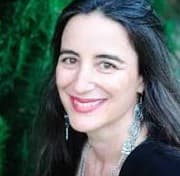
Jandy Nelson is an American author known for her young adult fiction. Her notable works include "I'll Give You the Sun," which won the Michael L. Printz Award, and "The Sky Is Everywhere," both of which explore themes of love, loss, and self-discovery. Nelson's writing often features lyrical prose and complex characters.
Similar books
- The Sky Is Everywhere
Jandy Nelson
4.0 (91k) average on GoodreadsYoung AdultShares Nelson's signature lyrical prose, focus on grief, and quirky, artistic characters.
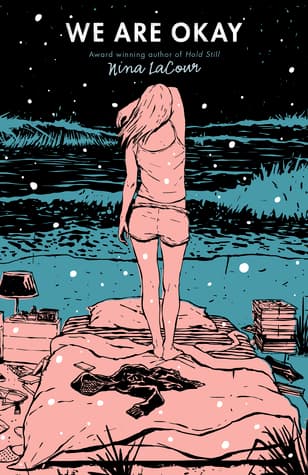
- We Are Okay
Nina LaCour
4.0 (47k) average on GoodreadsPsychologyFeatures a protagonist grappling with profound loss and isolation, slowly revealing past events.
- The Fault in Our Stars
John Green
4.2 (3.6M) average on GoodreadsYoung AdultWhile both address grief and romance, Green's novel focuses more on external circumstances (illness) and direct philosophical dialogue. Nelson's delves deeper into internal, psychological landscapes shaped by hidden truths and subjective perception, using art as a primary lens.
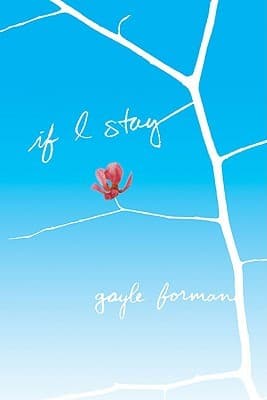
- If I Stay
Gayle Forman
3.9 (712k) average on GoodreadsYoung AdultForman's novel explores trauma and family dynamics through a single character's near-death experience and retrospective. Nelson's work is characterized by its intricate, interwoven narrative of two distinct yet connected sibling voices, providing a broader and more complex emotional tapestry.
- Harry Potter and the Sorcerer's Stone
J.K. Rowling
4.5 (7M) average on GoodreadsFantasyRescued from a miserable life under the stairs, an orphaned boy discovers he's a wizard destined for a magical school, where he uncovers a dangerous secret tied to the dark wizard who murdered his parents.
- The Hunger Games
Suzanne Collins
4.3 (6.4M) average on GoodreadsFantasyIn a future where children fight to the death on live television, Katniss Everdeen volunteers for the arena, turning a death sentence into a fight for survival and a spark of rebellion.




Enjoyed the summary?
A summary gives you the shape of the book. The book itself has the detail, the examples and the voice.
Find I'll Give You the Sun on AmazonAs an Amazon Associate, BookBrief earns from qualifying purchases. How we're funded