BookBrief
Man's Fate cover

Man's Fate Summary

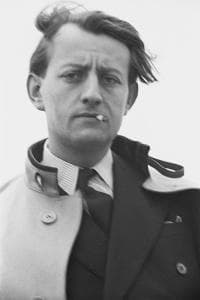
André Malraux (1961)

Get the book

Genre

General

Summary Read

13 min

Book Length

10-12 hours

By BookBrief EditorialLast updated July 11, 2026

Track Your Reading

Sign in to track this book

In the chaos of 1927 Shanghai, revolutionaries like Kyo and Gisors struggle with their beliefs, their humanity, and the harsh reality of a communist uprising about to be betrayed.

Core Idea

Malraux's "Man's Fate" explores the 1927 Shanghai insurrection, showing the psychological and existential struggles of revolutionaries facing betrayal, torture, and death. The novel suggests that in a world without inherent meaning, human dignity comes from conscious, shared acts of sacrifice and rebellion against an absurd, oppressive fate. It examines how people confront death and seek a brief sense of legacy or meaning through their commitment to a cause, even when it destroys them.
Reading time
10-12 hours
Difficulty
Hard
✓ Read this if...
You are fascinated by the psychological toll of revolution, the search for meaning in nihilistic circumstances, or the complex interplay of ideology, power, and individual humanity amidst extreme violence.
✗ Skip this if...
You prefer straightforward historical accounts, shy away from intense existential themes and graphic depictions of political violence, or seek optimistic narratives about social change.

Chat with this book

Ask anything about Man's Fate and get instant answers grounded in the summary.

Key Takeaways from Man's Fate

1

The Absurdity of Revolutionary Violence

Malraux dissects the paradox of seeking meaning through violent, often self-destructive, political struggle.

Quote

Man's fate is to die, and the world's fate is to disappear. The only thing that remains is the gesture.

Malraux clearly shows the pointlessness and moral ambiguity of revolutionary violence. Characters like Kyo and Chen try to find meaning and dignity through their commitment to the Communist cause in Shanghai, but their actions are often overshadowed by the vast suffering, betrayal, and the random nature of death. The novel suggests that even noble intentions are corrupted or made meaningless by the brutal facts of armed conflict. The revolution, instead of leading to liberation, often traps its participants in despair and self-sacrifi...

Supporting evidence

The agonizing struggle of Kyo Gisors to maintain his ideals amidst the escalating violence and the eventual, dehumanizing deaths of many revolutionaries, including himself, in the face of Chiang Kai-shek's purges.

Apply this

Reflect on the long-term consequences and moral compromises inherent in revolutionary or extreme political actions, rather than focusing solely on immediate ideological goals. Consider the human cost beyond the rhetoric.

political-violencemoral-ambiguityrevolutionary-ethics
2

The Quest for Dignity in a Meaningless World

Characters grapple with existential dread, seeking self-worth and purpose in the face of inevitable death and political chaos.

Quote

A man is what he does. And what he does is what he is.

At its heart, 'Man's Fate' is an existential look at how people face a seemingly meaningless life. Without traditional comforts and certainties, Malraux's characters, especially Kyo and Katow, try to create their own dignity and meaning through action and unity. They know death is unavoidable, yet they resist despair by committing to a cause larger than themselves – the revolution. This commitment, even if ultimately useless, gives them a temporary sense of self-respect and purpose. It is not about winning, but about the 'gesture' of ...

Supporting evidence

Katow's heroic act of giving his cyanide capsule to a younger comrade, choosing a prolonged, agonizing death by being thrown into a furnace rather than a swift, easy end, as a final act of solidarity and defiance.

Apply this

Identify and commit to personal values or causes that provide a sense of purpose and dignity, even when faced with seemingly insurmountable challenges or existential uncertainties. Focus on the integrity of your actions.

existentialismhuman-dignitymeaning-of-life
3

The Intimacy of Shared Sacrifice

Solidarity forged in extreme danger becomes a powerful, almost spiritual, bond among revolutionaries.

Quote

Brotherhood is not a word. It is a gesture.

Malraux depicts a strong sense of camaraderie and brotherhood among the revolutionaries. This comes not just from shared ideology, but from shared suffering and impending death. In the pressure of the Shanghai insurrection, personal differences fade, and an intense bond forms between those facing common destruction. This solidarity goes beyond individual fears and offers a temporary cure for the isolation of the human condition. It shows humanity's ability to connect even in the most brutal situations, suggesting that true meaning can...

Supporting evidence

The deep, unspoken bond between Kyo, Katow, and other comrades, exemplified by their willingness to die for each other and the collective cause, particularly in the prison scenes.

Apply this

Cultivate strong, supportive relationships built on shared values and mutual trust, especially during challenging times. Recognize that true solidarity often emerges from shared experience and vulnerability.

solidaritycomradeshipshared-suffering
4

The Tyranny of Ideology vs. Individual Humanity

The novel explores how rigid ideological demands often clash with and suppress individual human needs and complexities.

Quote

The revolution devours its children.

While 'Man's Fate' shows the appeal of revolutionary ideals, it also questions how absolute commitment to an ideology can dehumanize and betray the very people it claims to free. Characters must make impossible choices, sacrificing relationships, moral principles, and even their lives for a cause that often seems abstract or separate from their immediate human experience. The strictness of the Communist Party line, especially as the purges begin, highlights the tension between collective demands and individual suffering. Malraux sugge...

Supporting evidence

The increasing tension between Kyo's personal moral compass and the unforgiving directives of the Party, particularly when faced with strategic betrayals or the suppression of dissent within the revolutionary ranks.

Apply this

Approach ideological commitments with a critical lens, always questioning whether they serve human well-being and individual dignity, or if they demand blind obedience at the expense of ethical considerations.

ideological-rigiditytotalitarianismindividual-vs-collective
5

The Psychological Weight of Terror

Malraux vividly captures the pervasive fear and psychological toll exacted by constant threat and impending doom.

Quote

Terror is not a state of mind, it is a state of being.

The atmosphere of 'Man's Fate' is filled with a clear sense of terror. Malraux is good at showing the psychological impact of living under constant threat of capture, torture, and execution. This is not just about physical danger; it is about the weakening of mental strength, the constant watchfulness, the paranoia, and the deep loneliness that comes with knowing one's life can end at any moment. The novel goes into the minds of its characters, showing their internal struggles with fear, their attempts to make sense of their coming de...

Supporting evidence

The detailed descriptions of the revolutionaries' experiences in prison, their anticipation of torture, and the mental anguish of waiting for execution, as seen through the eyes of characters like Katow and Kyo.

Apply this

Develop mental resilience and coping mechanisms to navigate high-stress or threatening environments, understanding that psychological well-being is as crucial as physical safety.

psychological-traumafearresilience
6

The Western Gaze on Eastern Revolutions

Malraux, a European observer, offers a complex, sometimes detached, perspective on an Asian political upheaval.

Quote

The East is a world of dreams, and the West is a world of action. But in the revolution, these two worlds meet.

As a French author, Malraux brings a distinctly Western, intellectual view to the Chinese Revolution. While he delves into the psychological lives of his characters, there is an underlying sense of philosophical observation, almost an anthropological study, of a culture and conflict that remain subtly 'other.' He explores universal human themes within the specific setting of 1927 Shanghai, but the story often feels like a European struggling with the exoticism and intensity of the East. This perspective allows for a certain philosophi...

Supporting evidence

The character of Baron Clappique, a French gambler and opium addict, who provides a cynical, detached, and often self-serving perspective on the events, representing a kind of decadent Western engagement with the East.

Apply this

When analyzing historical or political events in different cultures, be mindful of the author's background and potential biases, and consider how their 'gaze' might shape the narrative and interpretation.

postcolonialismcultural-perspectiveorientalism
7

The Allure and Corruption of Power

The novel subtly illustrates how the pursuit and acquisition of power can corrupt both individuals and revolutionary movements.

Quote

Power is solitude. Only power is solitude.

While 'Man's Fate' focuses on the revolutionaries, it also critically looks at how power works. The change from a hopeful, unified revolutionary front to the brutal purges by Chiang Kai-shek's Kuomintang shows how power corrupts, regardless of initial intentions. The novel suggests that the very methods needed to gain and keep power – deception, violence, and ruthlessness – can turn a liberating movement into an oppressive regime. Even within the Communist ranks, there are hints of internal power struggles and rigid ideology that sugg...

Supporting evidence

The sudden and brutal turn of events where the Kuomintang, initially allied with the Communists, turns on them with extreme violence, showcasing the ruthless pragmatism of power politics.

Apply this

Maintain vigilance against the corrupting influence of power in any organization or movement, advocating for transparency, accountability, and ethical leadership to safeguard against authoritarian tendencies.

power-corruptionpolitical-machinationsauthoritarianism
8

Love and Betrayal in the Shadow of Revolution

Personal relationships are tested and often shattered by the overwhelming demands and dangers of political commitment.

Quote

Love is the last refuge of the individual, but even that is consumed by the revolution.

Malraux explores how fragile personal relationships – romantic love, family bonds, and friendships – are when they face the all-consuming force of revolution. Kyo's relationship with his wife, May, is marked by deep affection but also by the constant stress of his revolutionary activities and the existential threats they face. Similarly, trust between comrades is always tested by suspicion, betrayal, and the harsh need to make impossible choices. The novel suggests that in such extreme situations, personal intimacy often becomes a lux...

Supporting evidence

Kyo and May's attempts to maintain intimacy and understanding amidst Kyo's constant danger and the emotional toll it takes on their relationship, highlighting the sacrifices personal lives make for the cause.

Apply this

Recognize the immense pressure external circumstances can place on personal relationships and actively work to nurture and protect these bonds, even when faced with significant external demands.

relationship-strainlove-in-adversitypersonal-sacrifice
9

The Inevitability of Death and the Pursuit of Legacy

Characters confront their mortality, seeking to imbue their deaths with meaning and leave a lasting impact.

Quote

The meaning of life is not to be found in life itself, but in the death that gives it meaning.

'Man's Fate' is filled with the constant presence of death. For many characters, especially the revolutionaries, death is not an abstract idea but an immediate reality. Malraux explores how people prepare for their own end, often trying to turn a meaningless end into a meaningful act of defiance or sacrifice. The drive to leave a legacy, whether through a heroic act, a final gesture of solidarity, or simply by dying with dignity, becomes a central theme. It is a harsh reminder that while physical life is limited, the human spirit's de...

Supporting evidence

Katow's final choice of death, sacrificing his cyanide, and Kyo's defiant refusal to betray his comrades, both representing deliberate acts to imbue their deaths with meaning and purpose.

Apply this

Consider what kind of legacy you wish to leave behind and align your actions and values with that vision, understanding that the pursuit of meaning can be a powerful motivator.

mortalitylegacymeaningful-death

Man's Fate Quotes

A man is what he does.

A fundamental statement about human nature and action.

The greatest mystery is not that we have been flung between the two infinities of the cosmos, but that we ourselves are the third infinity.

Reflecting on the human condition and the internal world.

There is no such thing as a grown-up, only people who have learned to hide their childhood better.

A cynical observation on maturity and the persistence of inner struggles.

One does not die of having loved too much. One dies of not being able to love any longer.

A profound statement on love, loss, and the will to live.

Man is mortal. That may be, but let us die resisting; and if our lot is to be nothingness, let us not act in such a way that it is a just lot.

Chen Ta Erh's defiant stance against fate and meaninglessness.

The greatest defeat is to surrender the will to fight.

A recurring theme about the importance of perseverance and struggle.

What is important is not to live, but to live for something.

Kyo Gisors's reflections on purpose and meaning in life.

To die alone, in the night, in a city of millions, is a strange and terrible thing.

A poignant reflection on isolation and the anonymity of modern life.

Suffering is the only thing that cannot be taken from us.

A bleak but powerful observation on the permanence of human pain.

The true measure of a man is not how he behaves in moments of comfort and convenience but how he stands at times of controversy and challenges.

A timeless statement on character revealed through adversity.

The world is not changed by ideas, but by men who carry ideas.

A pragmatic view on the agency of individuals in historical change.

Every man dies, but not every man truly lives.

A call to live a full and meaningful life, facing challenges head-on.

The only way to escape the abyss is to look into it, understand it, and then act.

A philosophy of confronting despair and actively shaping one's destiny.

Quiz

Test Your Knowledge

Ready to see how well you understood this book? Take our interactive quiz with 10 questions.

10
Questions
~5
Minutes
?
Best Score

Man's Fate FAQ

'Man's Fate' (also known as 'La Condition Humaine') is a novel by André Malraux set during the 1927 Shanghai insurrection. It follows a group of revolutionaries, both Chinese and European, as they grapple with their ideals, loyalties, and the harsh realities of political struggle and betrayal.

About the author

André Malraux

Georges André Malraux was a French novelist, art theorist, and minister of cultural affairs. Malraux's novel La Condition Humaine (1933) won the Prix Goncourt. He was appointed by President Charles de Gaulle as information minister (1945–46) and subsequently as France's first cultural affairs minister during de Gaulle's presidency (1959–1969).

Enjoyed the summary?

Support the author — grab the full book.

As an Amazon Associate, BookBrief earns from qualifying purchases, at no extra cost to you. How we're funded.

Get the book