
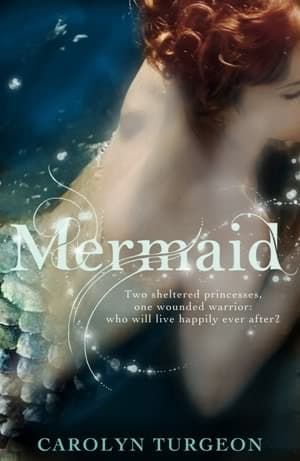
Synopsis
Covers the whole plot, including the ending.
- Difficulty
- Easy
- Pacing
- Moderate
- Mood
- Romantic, Melancholy, Intriguing, Bittersweet
- Read it if
- You enjoy retellings of classic fairy tales with a focus on female perspectives and political intrigue, or if you like historical fantasy romance with a bittersweet edge.
- Skip it if
- You prefer straightforward happy endings, or if you dislike stories with elements of sacrifice and unrequited love.
Mermaid Plot Summary
Covers the whole plot, including the ending.
A Prince from the Waves and a Mermaid's Sacrifice
Princess Margrethe of Denmark, cloistered in a convent during her kingdom's war with Norway, sees a beautiful, red-haired mermaid carrying a nearly drowned man to shore before disappearing back into the icy sea. Margrethe, driven by curiosity and a strange sense of purpose, rushes down to find the unconscious man. She brings him back to the convent, where she and the nuns nurse him back to health. To her shock, he is Prince Christopher of Norway, the son of Denmark's enemy king. Meanwhile, in the depths of the ocean, Princess Lenia, the mermaid who saved Christopher, is consumed by her love for him. She seeks out the Sea Witch, desperate to gain legs and pursue the prince on land. The Sea Witch demands her voice as payment, along with the condition that every step on land will feel like walking on sharp knives, and if Christopher marries another, Lenia will turn into sea foam.
Margrethe's Political Matchmaking
As Prince Christopher recovers, Margrethe finds herself drawn to his gentle nature and the shared experience of their isolation. She also sees a political opportunity: a marriage alliance between herself and Christopher could end the long-standing war between Denmark and Norway. Despite the risks and her father King Christian's disapproval, Margrethe begins to subtly, then more openly, propose this idea to Christopher. She believes the mermaid's intervention was a sign, a divine push towards peace. Christopher, tired of war and intrigued by Margrethe's intelligence and kindness, considers her proposal, though he is still haunted by the fleeting memory of the beautiful creature who saved him from the sea.
Lenia's Painful New Life on Land
Having paid the price, Lenia endures the transformation, her tail splitting into legs with every step feeling like daggers. She washes ashore, mute and disoriented, near the Danish coast. Her beauty is undeniable. She is soon found by servants of King Christian and brought to the royal court in Copenhagen. Her inability to speak makes her an object of fascination and pity. She learns that Prince Christopher is also at the court, recovering and being courted by Princess Margrethe. Lenia, despite her constant pain and the strangeness of human life, is filled with a desperate hope that Christopher will recognize her and choose her, just as he did in her dreams.
Intrigue at the Danish Court
At the Danish court, Lenia, now known as 'the mute girl' or 'the foundling,' struggles to adapt. Her silence is both a curse and a mysterious allure. She dances with grace, captivating the court, especially Christopher, who is drawn to her enigmatic beauty and sorrowful eyes, reminding him vaguely of the creature from the sea. Margrethe, seeing Christopher's growing interest in Lenia, feels a pang of jealousy and insecurity. She redoubles her efforts to charm Christopher, emphasizing their shared royal duties and the future of their kingdoms. King Christian, while initially wary of Christopher, begins to see the strategic advantage of the match, pushing Margrethe to secure the engagement.
A Royal Engagement and a Growing Despair
After weeks of courtly dances, conversations, and political maneuvering, Christopher, swayed by Margrethe's intelligence, her genuine care for her people, and the logic of their union, proposes marriage to Princess Margrethe. The court rejoices, and wedding preparations begin immediately. For Lenia, this news is a death knell. She watches Christopher and Margrethe together, her heart breaking with each loving glance he gives her rival. The pain in her legs intensifies with her despair, and she knows her time is running out. She tries to communicate her true identity to Christopher, but her muteness makes it impossible, and he remains unaware of her true nature and the sacrifice she made for him.
The Sisters of the Sea
As the wedding day approaches, Lenia's despair reaches its peak. She retreats to the shore, longing for the sea. There, she is met by her mermaid sisters, who have traveled from the depths to find her. They are horrified by her suffering and the dire consequence of her bargain. They say the Sea Witch's magic can be undone, but only through a terrible sacrifice: Lenia must kill Christopher with a magical knife before dawn on his wedding day. If she does so, his blood will turn her back into a mermaid, and she will be free. If she fails, she will turn into sea foam at sunrise. The sisters present her with the gleaming, sharp knife, leaving her with an impossible choice.
Margrethe's Doubts and Lenia's Decision
On the eve of her wedding, Margrethe is filled with a mix of excitement and unease. She loves Christopher, but she also recognizes the political motivations behind their union. She wonders if he truly loves her, or if he is simply accepting his duty. Meanwhile, Lenia, clutching the knife, makes her way to Christopher's chambers. She finds him asleep, looking peaceful and handsome. The memory of saving him, her love for him, and the vision of their future together, however impossible, flashes before her. She raises the knife, but her love is too pure to commit such an act of violence. She cannot bring herself to harm the man she loves, even to save herself.
A Sacrifice for Love
As the first rays of dawn touch the horizon, Lenia, unable to kill Christopher, makes her way back to the sea. She drops the knife into the waves, choosing to sacrifice herself rather than betray her love. Her sisters are waiting, heartbroken, but understanding. As the sun rises fully, Lenia's human form begins to dissolve. She feels a peace as her body turns into shimmering sea foam, dispersing into the ocean. Her love for Christopher, though unrequited in the human world, remains eternal, a part of the vast, boundless sea.
A New Beginning for Margrethe and Christopher
Unaware of Lenia's ultimate sacrifice, Margrethe and Christopher proceed with their wedding. The ceremony is grand, uniting the two kingdoms in a fragile but hopeful peace. They are crowned King and Queen, and their marriage signifies the end of a long, bloody war. Christopher, though occasionally haunted by the memory of the beautiful mute girl and the fleeting image of a creature from the sea, settles into his life with Margrethe. Their union is one of respect, shared purpose, and a growing affection, built on the foundation of their political alliance and their commitment to their people. The story concludes with a sense of bittersweet resolution, as one love ends in tragedy, and another begins with hope.
Principal Figures
Princess Margrethe
Protagonist
Danish princess who uses a chance encounter to forge peace for her kingdom.
Margrethe is intelligent, pragmatic, and deeply committed to her kingdom's welfare. Confined to a convent during wartime, she longs for agency and purpose. Her witnessing of the mermaid saving Christopher sparks an idea for peace, which she pursues with determination, even if it means marrying an enemy prince. She is observant and sensitive, though sometimes insecure about her own appeal compared to Lenia's ethereal beauty. Her actions are driven by a desire for peace and a sense of duty, evolving into genuine affection for Christopher.
Relationships: Prince Christopher (Fiancée, later wife; political alliance evolving into affection); King Christian (Father; seeks his approval and support for her plans); Lenia (Rival for Christopher's attention; initially unaware of her true nature, then jealous)
Princess Lenia
Protagonist
Mermaid princess who sacrifices her voice and life for love.
Lenia is passionate, naive, and deeply romantic. She falls instantly and completely in love with Prince Christopher after saving him from drowning, believing they are destined to be together. Her love drives her to make an irreversible bargain with the Sea Witch, enduring immense physical pain and the loss of her voice. On land, she is graceful and beautiful but struggles with the human world's complexities and her inability to communicate. Her ultimate sacrifice for Christopher demonstrates the depth and purity of her love, even when unrequited.
Relationships: Prince Christopher (Object of her intense, unrequited love); Sea Witch (The powerful entity who grants her wish for legs at a terrible cost); Mermaid Sisters (Supportive family who try to save her from her fate)
Prince Christopher
Supporting
Norwegian prince caught between duty and an elusive memory of salvation.
Christopher is kind, weary of war, and somewhat passive in the unfolding events. He is initially rescued by Lenia, though he only retains a vague, dreamlike memory of a beautiful creature. He is receptive to Margrethe's proposal for peace and grows to admire and care for her. He is also drawn to Lenia's mysterious beauty and sorrowful eyes, feeling an inexplicable connection, but he never fully understands her true identity or the depth of her sacrifice. His decisions are largely guided by duty and the desire for peace.
Relationships: Princess Margrethe (Fiancée, later wife; political alliance becoming affectionate); Lenia (Object of his curiosity and vague attraction, but ultimately oblivious to her true identity and love)
Sea Witch
Supporting
Powerful magical entity who grants Lenia's wish at a steep price.
The Sea Witch is a formidable and ancient magical being who resides in the ocean's depths. She is not inherently malicious but operates on a strict system of magical contracts and payment. Her power is immense, capable of transforming Lenia's tail into legs and demanding her voice as a fair exchange. She sets the painful conditions and the ultimate consequence of Lenia's bargain, acting as an impartial enforcer of magical law rather than a villain, though her actions lead to Lenia's suffering.
Relationships: Lenia (The client who makes a dangerous bargain with her)
King Christian
Supporting
Margrethe's father, the King of Denmark, focused on war and political strategy.
King Christian is a stern, pragmatic ruler, deeply entrenched in the war with Norway. He initially views Christopher with suspicion but is eventually swayed by Margrethe's political acumen and the potential for a peace treaty through marriage. He values strategic alliances and the stability of his kingdom above all else, though he does care for his daughter in his own way. He represents the patriarchal authority and the political realities that shape Margrethe's choices.
Relationships: Princess Margrethe (Daughter; he relies on her for political advantage and eventually accepts her choice of husband); Prince Christopher (Enemy prince, then son-in-law; a strategic ally)
Mermaid Sisters
Supporting
Lenia's family who offer a desperate, violent solution to her plight.
Lenia's sisters are compassionate and loyal, deeply concerned for her well-being. They represent Lenia's connection to her mermaid world and her family. When they discover her suffering and impending doom on land, they seek her out, desperate to save her. Their solution, providing the magical knife to kill Christopher, is born of love and desperation, highlighting the stark differences between human and mermaid morality and the tragic consequences of Lenia's bargain.
Relationships: Lenia (Loving sisters; they try to save her from her transformation's consequences)
The Nuns
Mentioned
Caregivers at the convent where Margrethe resides and Christopher recovers.
The nuns provide a safe and nurturing environment for Margrethe during the war and are instrumental in nursing Prince Christopher back to health. They represent a life of quiet devotion and service, contrasting with the political machinations of the court. Their presence highlights Margrethe's initial isolation and her transition from a secluded life to one of political engagement.
Relationships: Princess Margrethe (Guardians and companions during her time at the convent); Prince Christopher (His initial caregivers)
Themes & Insights
Sacrifice and Unrequited Love
This theme is central to Lenia's story. She sacrifices her voice, her home, her health, and ultimately her life for a love that is never recognized or returned by Christopher. Her choice not to kill Christopher, even when offered as a way to save herself, makes her love a pure, selfless form, showing the tragic beauty of giving everything without expectation of return. Margrethe's 'sacrifice' is more practical, giving up personal choice for political duty, yet it still involves a form of self-denial for a greater good.
“Every step felt as if she were treading on sharp knives, and the pain was almost unbearable, yet she would have borne it a thousand times over for a glimpse of his face.”
Duty vs. Desire
Both Margrethe and Lenia deal with this conflict. Lenia's desire for Christopher overrides her duty to her mermaid world and her own well-being, leading to her tragic fate. Margrethe, conversely, initially prioritizes her duty to her kingdom by proposing a political marriage, even if her personal desire for Christopher is still developing. Her story explores how duty can lead to a fulfilling, if not initially passionate, love, while Lenia's shows the destructive power of unchecked desire when it clashes with harsh realities. Christopher also faces this, choosing duty to his kingdom over the vague, romantic pull he feels towards Lenia.
“Peace was a fragile thing, and sometimes it required a princess to put aside her own heart for the good of her people.”
Communication and Misunderstanding
Lenia's muteness is the primary example of this theme. Her inability to speak prevents her from revealing her true identity and the depth of her love and sacrifice to Christopher, leading to misunderstanding and ultimately, her demise. Her beautiful dancing is her only form of expression, but it is not enough to bridge the gap. Margrethe, on the other hand, is articulate and uses her words skillfully to negotiate peace and win Christopher's affection, showing the power of effective communication in contrast to Lenia's tragic silence. The entire plot relies on Christopher's inability to comprehend Lenia's true nature without her voice.
“She longed to tell him, to make him understand, but the words were trapped behind her silent lips, a constant, agonizing ache.”
The Nature of Love
The novel presents contrasting forms of love. Lenia's love is an all-consuming, romantic, almost obsessive passion, born of a single encounter and leading to self-destruction. Margrethe's love for Christopher is more practical, growing from respect, shared purpose, and a mutual commitment to peace, ultimately leading to a stable and fulfilling partnership. The book questions the traditional fairy tale idea of 'love at first sight' as the only valid form of love, suggesting that deeper, more enduring connections can be made through shared experiences and mutual understanding, even if they lack initial grand passion.
“He might not have seen a mermaid, but he saw a future, and in her eyes, he saw a queen worthy of his kingdom.”
Plot Devices & Literary Techniques
The Sea Witch's Bargain
A classic fairy tale trope driving the mermaid's tragic transformation.
This device, directly borrowed from Hans Christian Andersen's 'The Little Mermaid,' is the central catalyst for Lenia's plotline. It establishes the high stakes and irreversible nature of her decision, dictating her physical pain, muteness, and the ultimate consequence of turning into sea foam. It creates dramatic tension and highlights the themes of sacrifice and the cost of desires. The specific conditions — pain with every step and the sea foam fate — are crucial for building sympathy for Lenia and emphasizing her suffering.
The Magical Knife
A symbol of Lenia's ultimate choice between love and self-preservation.
Another direct reference to the original fairy tale, the magical knife presented by Lenia's sisters forces her into an impossible moral dilemma. It externalizes her internal conflict between her desire to live and her profound love for Christopher. Her decision to drop the knife into the sea rather than use it is the ultimate act of selfless love, solidifying her tragic fate and defining her character arc as one of pure, unrequited devotion. It is the literal turning point for Lenia's story.
Muteness
A narrative constraint that emphasizes themes of communication and misunderstanding.
Lenia's loss of her voice is not just a physical consequence of the bargain but a powerful narrative device. It directly prevents her from revealing her identity and intentions to Christopher, creating dramatic irony and fueling the central misunderstanding that drives the plot. Her muteness forces her to communicate through actions, dancing, and pained expressions, making her plight more poignant and highlighting the limitations of non-verbal communication in a human world.
Parallel Perspectives
Alternating viewpoints to explore two intertwined narratives.
The novel employs parallel narratives, alternating between Margrethe's and Lenia's perspectives. This allows the reader to understand the motivations and inner worlds of both protagonists, creating a nuanced and often ironic contrast. We see Christopher through the eyes of two different women who love him, and we witness the unfolding events from their distinct, often conflicting, vantage points. This structure deepens the emotional impact and allows for a richer exploration of themes like love, sacrifice, and duty, as the reader is privy to information that the characters themselves lack.
Mermaid Quotes
“I would give up everything for just one day on land.”
“Love is not a choice; it is a force of nature.”
“The sea holds secrets deeper than any human heart.”
“To be human is to feel pain, but also to feel joy.”
“A crown is heavy, but a heart is heavier.”
“In the silence of the deep, I found my own voice.”
“Magic is not in the transformation, but in the choice to change.”
“The world above is a dream, but the sea is my reality.”
“Every wave carries a story, if you know how to listen.”
“Love can drown you faster than any storm.”
“I traded my tail for a chance at a soul.”
“The moon pulls the tides, but it is the heart that pulls us.”
“In the end, we are all just stories waiting to be told.”
Quiz
10 questions on the plot and the characters. Each answer comes with a short explanation.
Question 1
What does Princess Lenia trade to the sea witch in exchange for legs and the chance to win the human prince's heart?
- Her royal title and inheritance
- Her home, voice, and health
- Her magical pearl necklace
- Her ability to swim and breathe underwater
Show answer
B. Her home, voice, and health In 'Mermaid,' Princess Lenia makes a bargain with the sea witch, trading her home in the sea, her beautiful voice, and even her physical health (experiencing pain with every step) to gain human legs and pursue the prince she rescued.
Question 2
Where is Princess Margrethe hiding when she first witnesses the mermaid rescuing the prince from the sea?
- In a royal palace tower
- In a convent garden overlooking the icy sea
- In a seaside cottage
- In a forest cave
Show answer
B. In a convent garden overlooking the icy sea The book opens with Princess Margrethe hidden away in a convent while her kingdom is at war. From the convent garden overlooking the sea, she sees the mermaid (Lenia) emerge with the nearly drowned prince.
Question 3
Why does Princess Margrethe believe the mermaid brought the prince to her specifically?
- Because the mermaid told her they were destined to be together
- Because she thinks it's a sign to bring peace between their warring kingdoms
- Because the prince is her long-lost brother
- Because the mermaid asked her to care for him
Show answer
B. Because she thinks it's a sign to bring peace between their warring kingdoms Margrethe learns the rescued man is Prince Christopher, son of her father's rival king. She interprets the mermaid's act as a divine sign and devises a plan to marry him, hoping to unite their kingdoms and end the war.
Question 4
What is the primary conflict that drives both Margrethe and Lenia's actions throughout the novel?
- A competition for the prince's love and the political stakes of their choices
- A magical curse that must be broken before the full moon
- A treasure hunt for a lost underwater artifact
- A rebellion against their respective fathers' rules
Show answer
A. A competition for the prince's love and the political stakes of their choices The central conflict involves both women vying for Prince Christopher's affection—Margrethe for political peace and genuine feelings, Lenia for love and transformation—with high personal and societal consequences.
Question 5
How does Princess Lenia initially communicate with Prince Christopher after gaining legs but losing her voice?
- Through written notes and gestures
- Through telepathy granted by the sea witch
- By singing wordless melodies
- She doesn't communicate with him at all
Show answer
A. Through written notes and gestures After her bargain, Lenia is mute and must rely on non-verbal communication like gestures and writing to interact with Christopher, adding to her challenges in winning his heart.
Question 6
What significant sacrifice does Margrethe consider making for the sake of peace between the kingdoms?
- Giving up her claim to the throne
- Marrying Prince Christopher despite the risks and her own doubts
- Exiling herself to the convent permanently
- Revealing Lenia's mermaid identity to Christopher
Show answer
B. Marrying Prince Christopher despite the risks and her own doubts Margrethe's plan centers on marrying Christopher to unite their warring kingdoms, a sacrifice that involves personal risk and emotional conflict, especially as she develops genuine feelings for him.
Question 7
Which theme is most prominently explored through Lenia's transformation and experiences on land?
- The corruption of power in royal families
- The cost of love and the nature of sacrifice
- The importance of maritime trade in medieval economies
- The superiority of human culture over mythical beings
Show answer
B. The cost of love and the nature of sacrifice Lenia's story arc deeply examines the sacrifices made for love—losing her voice, home, and health—highlighting the painful costs and transformative power of such decisions.
Question 8
In what way does the novel subvert the traditional 'Little Mermaid' fairy tale ending?
- By having the mermaid win the prince's love without any sacrifices
- By focusing on two female perspectives and a more ambiguous, suspenseful resolution
- By making the prince the villain of the story
- By setting the story in a futuristic underwater city
Show answer
B. By focusing on two female perspectives and a more ambiguous, suspenseful resolution Turgeon's retelling gives equal weight to both Margrethe and Lenia, creating a complex love triangle and keeping readers in suspense until the end, unlike the more straightforward original tale.
Question 9
What critical realization does Prince Christopher have about the identities of the women in his life as the plot unfolds?
- He discovers that Margrethe is actually a mermaid in disguise
- He learns that Lenia was his rescuer and begins to piece together the truth about both women
- He realizes Margrethe is plotting to assassinate him
- He finds out both women are sisters separated at birth
Show answer
B. He learns that Lenia was his rescuer and begins to piece together the truth about both women Christopher gradually uncovers clues about his rescue and Lenia's true nature, leading to a climactic understanding of the roles both women played, which influences his ultimate choice.
Question 10
How does the setting of the convent garden serve as a symbolic space in Margrethe's character development?
- It represents her imprisonment and isolation, but also the vantage point from which she envisions a new future
- It is where she learns ancient magic to defeat her enemies
- It symbolizes her rejection of royalty and desire to become a nun
- It serves as a neutral meeting ground for the warring kingdoms
Show answer
A. It represents her imprisonment and isolation, but also the vantage point from which she envisions a new future The convent garden is where Margrethe is hidden away, reflecting her constrained life, yet it's also where she witnesses the mermaid's miracle, sparking her proactive plan for peace and personal growth.
Mermaid FAQ
What is 'Mermaid' by Carolyn Turgeon about?
The novel is a dual-perspective retelling of 'The Little Mermaid' that follows Princess Margrethe, a human princess who witnesses a mermaid saving a drowning prince, and Princess Lenia, the mermaid who rescues him. Margrethe nurses the prince back to health and sees an opportunity to end a war between their kingdoms, while Lenia makes a dangerous bargain to become human and pursue the prince, leading to a conflict between love, duty, and sacrifice.
Why should I read 'Mermaid'?
This book offers a fresh, nuanced take on the classic fairy tale by exploring the perspectives of both the human princess and the mermaid, delving into themes of love, war, and sacrifice. It blends fantasy, romance, and political intrigue with rich character development, keeping readers engaged with its suspenseful plot and emotional depth until the final page.
What is the background/setting of 'Mermaid'?
The story is set in a medieval-inspired world divided between a human kingdom at war and an underwater mermaid realm. Key locations include a windswept convent garden overlooking the icy sea where Margrethe is hidden, the royal courts of rival human kingdoms, and the magical, ethereal underwater palace of the mermaids.
What are the most memorable quotes from 'Mermaid'?
Notable quotes include Lenia's reflection, 'I would trade my voice, my home, my very soul for a chance to walk on land and feel his heart beat next to mine,' and Margrethe's realization, 'Sometimes peace requires more courage than war, and love demands sacrifices we never imagined.' These lines capture the central themes of sacrifice and longing.
What writing style does Carolyn Turgeon use in 'Mermaid'?
Turgeon employs a lyrical, descriptive prose that vividly evokes the contrasting worlds of the sea and land, with alternating third-person perspectives between Margrethe and Lenia. The style blends fairy-tale elegance with emotional introspection, creating a atmospheric and suspenseful narrative that deepens the characters' inner conflicts.
What minor details add significant meaning in 'Mermaid'?
Small details like the icy sea Margrethe overlooks symbolize the cold war between kingdoms, while Lenia's collection of human artifacts foreshadows her fascination with the surface world. The convent garden where Margrethe witnesses the rescue represents her sheltered life and the unexpected miracles that disrupt it.
What are some subtle foreshadowing moments in 'Mermaid'?
Early scenes where Lenia watches ships from afar hint at her eventual bargain to become human, and Margrethe's initial isolation in the convent foreshadows her role as a peacemaker caught between two worlds. The mermaid's disappearance after saving the prince subtly suggests the fleeting nature of her sacrifice.
What unexpected character connections exist in 'Mermaid'?
A key connection is that Prince Christopher is the son of Margrethe's father's rival, linking the human political conflict directly to the romantic plot. Additionally, both Margrethe and Lenia are princesses from opposing realms whose lives become intertwined through their love for the same man, creating a complex web of loyalty and desire.
What are unspoken character motivations in 'Mermaid'?
Margrethe is driven not only by a desire for peace but also by a hidden longing to escape her confined life and find purpose. Lenia's motivation goes beyond love for the prince; it stems from a deep-seated curiosity about humanity and a yearning to transcend her oceanic existence, even at great personal cost.
What psychological complexities do characters exhibit in 'Mermaid'?
Margrethe grapples with guilt over using the prince for political gain while developing genuine feelings for him, revealing her conflict between duty and heart. Lenia experiences intense internal struggle as she sacrifices her voice and health, showcasing the psychological toll of obsession and the pain of unrequited love.
What are the major emotional turning points in 'Mermaid'?
Key emotional moments include Lenia's decision to trade her voice for legs, which marks her irreversible commitment, and Margrethe's realization that the prince might love Lenia, forcing her to confront her own motives. The climax where both women face the consequences of their choices heightens the emotional stakes.
How do relationship dynamics evolve in 'Mermaid'?
Margrethe and Prince Christopher's relationship shifts from strategic alliance to genuine affection, complicated by his growing attachment to Lenia. Lenia's bond with the prince evolves from a silent, mystical connection to a painful one-sided love, while the rivalry between Margrethe and Lenia deepens from indirect competition to direct emotional conflict.
Which parts of 'Mermaid' remain ambiguous or open-ended?
The ultimate fate of Lenia after her sacrifices is left somewhat open to interpretation, as is the long-term success of the peace between kingdoms. The novel also leaves room for debate about whether the prince's feelings are truly love or mere gratitude and fascination, adding layers to the romantic resolution.
What are controversial scenes or decisions in 'Mermaid'?
Lenia's choice to give up her voice and endure physical pain for a chance at love sparks debate about self-sacrifice versus self-destruction. Margrethe's manipulation of the prince for political peace raises ethical questions about whether her ends justify her means, complicating her role as a heroine.
'Mermaid' ending explained: how it ends & what it means
The novel concludes with Margrethe achieving peace between the kingdoms through her marriage to Prince Christopher, but at the cost of Lenia's happiness, as Lenia returns to the sea transformed and heartbroken. This ending underscores themes of sacrifice and the bittersweet nature of fairy tales, suggesting that peace and love often come with profound losses.
About the author

Carolyn Turgeon is a fiction author known for her evocative prose and explorations of myth and the human psyche. Her most acclaimed novel, "Mermaid," delves into themes of identity and transformation with a lyrical, dreamlike quality. Turgeon's work often blends magical realism with literary fiction, captivating readers with its unique voice and imaginative storytelling.
Similar books
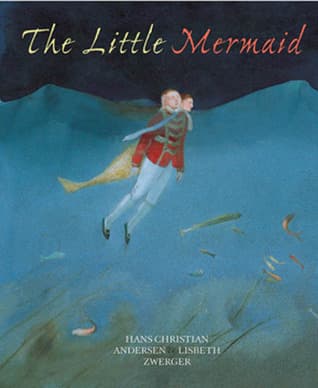
- The Little Mermaid
Hans Christian Andersen
4.0 (22k) average on GoodreadsFantasyThis is a direct retelling of the classic fairy tale, exploring its darker themes.
- Uprooted
Naomi Novik
4.1 (167k) average on GoodreadsFantasyFeatures a strong female protagonist in a fantastical setting with political undertones and a touch of romance.
- A Curse So Dark and Lonely
Brigid Kemmerer
4.1 (53k) average on GoodreadsFantasyA fantasy retelling of 'Beauty and the Beast' with a focus on character development and kingdom politics.
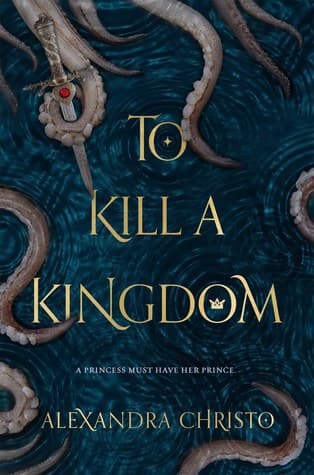
- To Kill a Kingdom
Alexandra Christo
3.9 (52k) average on GoodreadsFantasyChristo's 'To Kill a Kingdom' also features a mermaid princess and a human prince, but it subverts many traditional mermaid tropes by presenting a siren princess who actively hunts and kills princes. This offers a darker, more action-oriented, and morally ambiguous take on the 'little mermaid' archetype. While Turgeon's 'Mermaid' maintains a more melancholic and romantic tone consistent with classic fairytales, Christo's novel provides a fierce, anti-heroine perspective, appealing to readers who enjoy darker fantasy and a more aggressive female protagonist. Turgeon prioritizes emotional depth and lyrical beauty, while Christo leans into high-stakes conflict and character subversion.
- Harry Potter and the Sorcerer's Stone
J.K. Rowling
4.5 (7M) average on GoodreadsFantasyRescued from a miserable life under the stairs, an orphaned boy discovers he's a wizard destined for a magical school, where he uncovers a dangerous secret tied to the dark wizard who murdered his parents.
- The Hunger Games
Suzanne Collins
4.3 (6.4M) average on GoodreadsFantasyIn a future where children fight to the death on live television, Katniss Everdeen volunteers for the arena, turning a death sentence into a fight for survival and a spark of rebellion.




Enjoyed the summary?
A summary gives you the shape of the book. The book itself has the detail, the examples and the voice.
Find Mermaid on AmazonAs an Amazon Associate, BookBrief earns from qualifying purchases. How we're funded