
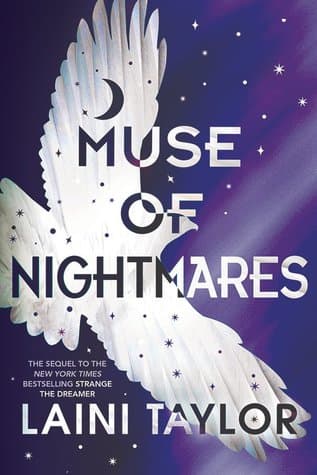
Synopsis
Covers the whole plot, including the ending.
- Difficulty
- Medium
- Pacing
- Moderate
- Mood
- Atmospheric, Romantic, Melancholy, Hopeful, Dark
- Read it if
- You loved 'Strange the Dreamer' and want to see the characters face even greater challenges and deeper mysteries, with a focus on moral dilemmas and the power of empathy.
- Skip it if
- You prefer standalone novels or stories with clear-cut heroes and villains, as this book blurs those lines and requires investment in a complex, ongoing narrative.
Muse of Nightmares Plot Summary
Covers the whole plot, including the ending.
The Aftermath and Minya's Vengeance
After *Strange the Dreamer*, Lazlo Strange has absorbed god-killer power and become a god. Sarai is a ghost, her body dead, but her mind tied to Lazlo and the living. Minya, the ghost of a godspawn child who controls other ghosts, holds Lazlo, Sarai, and other godspawn (Sparrow, Ruby, Feral) captive in the citadel's nursery. Minya wants revenge on Weep for the godspawn genocide. She forces Lazlo to use his power to make Weep's citizens experience the godspawn's terror, hoping to break them before a final attack.
The Arrival of the Newcomers
As Minya's ghostly torment of Weep continues, a large, silent airship lands outside the city. Blue-skinned beings emerge: Kora, the fierce leader; Eril-Fane, a somber warrior; and younger companions, Thyon and Nova. They are Mesarthim, the original race from which the godspawn were created, and they have come to retrieve something from the citadel. Their arrival adds new danger and complexity, as they are powerful, mysterious, and have their own agenda, which conflicts with Minya's plans and Lazlo's efforts to protect Weep and Sarai.
Sarai's Awakening and Exploration
Sarai, though a ghost, finds she can interact with the physical world in limited ways, especially through Lazlo. She explores the citadel's forgotten passages and finds a hidden nursery with mummified godspawn infants. This discovery deepens the mystery of the Mesarthim and the citadel's true purpose. Her ghostly nature also lets her bypass Minya's defenses to observe the newcomers, learning their language and intentions. She becomes a key, unseen source of information for Lazlo, even as she deals with her own death and limited existence.
The Mesarthim's Purpose and the 'Starfall'
Kora and Eril-Fane reveal they are not gods but an advanced alien race, the Mesarthim, who crash-landed on Weep ages ago in a 'starfall.' The citadel was their ship, and the 'gods' were their children, engineered to survive Weep's air. They explain that godspawn were created as a new line of Mesarthim, but a genetic flaw caused their golden skin and god-like abilities, which the Mesarthim saw as a flaw. The mummified infants Sarai found were those deemed 'failures' or 'too human.' Their main goal is to retrieve the 'seed' – the last Mesarthim embryo – and return to the stars.
Lazlo's Impossible Choice
Lazlo is in an impossible situation. Minya demands he keep tormenting Weep, threatening to destroy Sarai if he refuses. The Mesarthim, especially Kora, are wary of him and his power, seeing him as a threat to their mission. Lazlo's main goal is to restore Sarai's body, which seems impossible. He tries to negotiate with Minya, appealing to her humanity, while also trying to understand the Mesarthim's technology and intentions, hoping to find a solution that saves both Weep and Sarai. His desperation grows as time runs out.
The Nursery's Dark Secret
Sarai, with Lazlo's help, further investigates the hidden nursery. They discover that the mummified infants are not just 'failures,' but Mesarthim children, preserved and experimented upon. The Mesarthim's goal was not just to create godspawn, but to make their children fully human to survive on Weep, a process that involved horrific genetic manipulation and the sacrifice of many lives. This revelation shows the Mesarthim in a darker light, revealing their cold, scientific cruelty and the immense suffering they caused, further complicating the story's moral landscape.
Thyon's Betrayal and Nova's Secret
Thyon, initially appearing loyal to Kora, reveals he is a spy for a different Mesarthim group. He wants to use Lazlo's power for his own ends, hoping to take control of the citadel and its technology. Meanwhile, Nova, the quietest Mesarthim, is revealed to be the 'seed' – the last viable Mesarthim embryo, grown to adulthood. She carries the hope of her dying race, but also the burden of their legacy and past atrocities. Her existence becomes a key point of conflict and a potential path to reconciliation or further trouble.
Sarai's Sacrifice and Rebirth
Facing Weep's imminent destruction and unable to restore her own body, Sarai makes a selfless choice. She realizes her ghostly existence allows her to inhabit other bodies. She chooses to merge with Nova, whose body is compatible with her Mesarthim essence. This allows Sarai to be reborn in a physical form, keeping her memories and connection to Lazlo, while also giving Nova a chance at a new life free from her people's past. This act is a turning point, symbolizing sacrifice, rebirth, and the merging of two identities.
Minya's Redemption and Departure
Seeing Sarai's sacrifice and rebirth, and the possibility of a different future, Minya finally turns from her path of absolute vengeance. The surviving godspawn children — Sparrow, Ruby, and Feral — choose to leave with her, seeking a new home where they can live freely, away from Weep's prejudices and the Mesarthim's destructive legacy. Minya, though still scarred, finds some peace and purpose in protecting these children, choosing creation over destruction. She leaves the citadel for good, bringing fragile hope for their future.
The Mesarthim's Exodus and a New Beginning
With the 'seed' (Nova/Sarai) safe and their mission complete, the remaining Mesarthim, led by Eril-Fane, prepare to leave Weep. They offer Lazlo and Sarai a choice: leave with them to explore the stars, or stay and rebuild Weep. Lazlo and Sarai, now together in a shared body, choose to stay. They commit to using their combined abilities and knowledge to heal Weep, bridge the divide between humans and the godspawn's legacy, and prevent future conflicts. The airship departs, leaving Lazlo and Sarai to face an uncertain but hopeful future on Weep, starting a new era of coexistence.
Principal Figures
Sarai
Protagonist
The ghost of the Muse of Nightmares, reborn as a Mesarthim.
Sarai begins as a ghost, her physical body deceased, her consciousness inextricably linked to Lazlo. She is intelligent, empathetic, and initially overwhelmed by her powerlessness. However, her spectral form grants her unique abilities to observe and explore, allowing her to uncover critical secrets of the citadel. Despite her grief and fear, she possesses immense inner strength and a profound capacity for self-sacrifice, always prioritizing the greater good and the safety of those she loves. She carries the weight of her past as the 'Muse of Nightmares' but actively seeks to use her influence for healing rather than fear.
Relationships: Lazlo Strange (Soulmates, lovers, deeply interconnected, sharing a mind and eventually a body.); Minya (Captor, but Sarai tries to understand and eventually influence her.); Nova (The person Sarai merges with, sharing a body and consciousness.); Sparrow, Ruby, Feral (Fellow godspawn, friends, and those she seeks to protect.)
Lazlo Strange
Protagonist
The Godslayer turned god, burdened by immense power and impossible choices.
Lazlo, formerly the librarian who dreamed of Weep, now wields the power of the god-killer, transforming him into a god-like being. He is driven by his love for Sarai and his deep-seated desire to protect Weep. He struggles with the moral implications of his power, often feeling overwhelmed by the impossible choices he faces: saving Sarai or saving Weep. He retains his compassionate nature and intellectual curiosity, using his new abilities not for conquest, but for understanding and healing. His journey is one of immense burden and the search for a path that honors both love and duty.
Relationships: Sarai (Soulmates, lovers, deeply interconnected, sharing a mind and eventually a body.); Minya (Captor and antagonist, but Lazlo attempts to reason with her.); Eril-Fane (Initially an antagonist, later a reluctant ally and fellow leader.); Kora (Antagonist, suspicious of Lazlo and his power.)
Minya
Antagonist (initially), Supporting (later)
The vengeful ghost child of the godspawn, seeking justice for her people.
Minya is a ghost, one of the godspawn children, who possesses the terrifying ability to control other ghosts. She is consumed by righteous fury and a relentless desire for vengeance against the people of Weep for the genocide of her kind. Her actions are driven by deep trauma and a longing for justice, making her a complex and sympathetic antagonist. She is fiercely protective of the other godspawn ghosts, Sparrow, Ruby, and Feral, viewing them as her only family. Her journey is one from uncompromising hatred to a grudging acceptance of a different path.
Relationships: Lazlo Strange (Captor and tormentor, but also a potential tool for her revenge.); Sarai (Captive, but Sarai's empathy and sacrifice eventually influence her.); Sparrow, Ruby, Feral (Her 'children' whom she fiercely protects and leads.)
Kora
Antagonist
The formidable leader of the Mesarthim, determined to fulfill her mission.
Kora is a blue-skinned Mesarthim warrior and the leader of the expedition from the airship. She is pragmatic, ruthless, and entirely focused on her mission to retrieve the 'seed' and ensure the survival of her race. She views the people of Weep and even the godspawn as secondary to her objective, and she is deeply suspicious of Lazlo's newfound power. Kora embodies the cold, scientific logic of her people, prioritizing the species over individual lives. Her stern demeanor hides a profound sense of responsibility and the weight of her dying race's hope.
Relationships: Eril-Fane (Fellow Mesarthim and co-leader, often clashing in approach.); Lazlo Strange (Antagonist, potential threat to her mission.); Nova (The 'seed' she is tasked with protecting and returning.)
Eril-Fane
Supporting
The somber, guilt-ridden general of the Mesarthim.
Eril-Fane is a powerful, blue-skinned Mesarthim general, known as the 'Godslayer' for his role in the original genocide of the godspawn. He is burdened by immense guilt and weariness from his past actions, making him a more nuanced and sympathetic figure than Kora. He is pragmatic but also capable of empathy, particularly towards the suffering of the godspawn, having lived through the consequences of his people's choices. He seeks to complete his mission with as little further bloodshed as possible, often acting as a counterpoint to Kora's harsher approach.
Relationships: Kora (Fellow Mesarthim and co-leader, often clashing in approach.); Lazlo Strange (Initially a wary opponent, later a reluctant ally due to shared goals.); Nova (Protector of the 'seed'.)
Nova
Supporting
The last Mesarthim 'seed', carrying the future of her race.
Nova is a young, quiet, and seemingly fragile Mesarthim. She is revealed to be the 'seed' – the last viable embryo of the Mesarthim, grown to adulthood. She carries the immense burden of her dying race's hope, making her a precious and vulnerable target. Nova is a blank slate in many ways, having been raised with little personal agency, her existence solely for the perpetuation of her species. Her journey is one of awakening and self-discovery as she encounters the complexities of Weep and the choices made by her people, ultimately leading to her merging with Sarai.
Relationships: Sarai (The person she merges with, sharing a body and consciousness.); Kora & Eril-Fane (Her protectors and guardians, tasked with her safe return.)
Sparrow
Supporting
A godspawn ghost with the power to manipulate plants.
Sparrow is one of the godspawn children, a ghost with the ability to control and grow plants. She is gentle and nurturing, often trying to bring beauty and life even in their grim captivity. She is fiercely loyal to Minya and the other godspawn, but her nature leans towards hope and peace rather than vengeance. Her powers offer a stark contrast to Minya's destructive abilities, representing the potential for life and growth that the godspawn possess.
Relationships: Minya (Her protector and leader.); Ruby & Feral (Fellow godspawn and friends.); Sarai (Friend and ally.)
Ruby
Supporting
A godspawn ghost with the power to manipulate fire.
Ruby is another godspawn child, a ghost with the power to generate and control fire. She is impulsive and prone to anger, her powers reflecting her fiery temperament. Like Minya, she harbors resentment towards Weep, but her anger is less focused and more reactive. She relies on Minya for guidance and protection, often acting as a volatile force among the godspawn children. Her destructive capabilities represent the raw, untamed power that the godspawn possess.
Relationships: Minya (Her protector and leader.); Sparrow & Feral (Fellow godspawn and friends.)
Feral
Supporting
A godspawn ghost with the power to manipulate animals.
Feral is a godspawn child, a ghost with the ability to communicate with and control animals. He is often quiet and observant, more connected to the natural world than to the human or godspawn conflicts. His powers are subtle but significant, allowing him to gather information and influence the environment in unique ways. He is loyal to Minya and his fellow godspawn, and his quiet strength provides a grounding presence amidst the chaos.
Relationships: Minya (His protector and leader.); Sparrow & Ruby (Fellow godspawn and friends.)
Thyon
Supporting
A Mesarthim spy with his own agenda.
Thyon is a seemingly loyal Mesarthim accompanying Kora and Eril-Fane. However, he is revealed to be a spy for a rival Mesarthim faction, seeking to seize control of the citadel's technology and potentially Lazlo's power for his own gain. He is ambitious and manipulative, willing to betray his companions to achieve his objectives. Thyon represents the internal divisions and power struggles within the Mesarthim society, adding another layer of intrigue and danger to the narrative.
Relationships: Kora & Eril-Fane (His companions, whom he secretly plots against.); Lazlo Strange (A target for manipulation and power acquisition.)
Themes & Insights
Revenge vs. Redemption
This theme is central, mainly through Minya. Her desire for revenge against Weep for the genocide of her people drives much of the initial conflict. She forces Lazlo to torment Weep's citizens, believing that only suffering can repay suffering. However, Sarai's empathy and sacrifice, along with the realization that hatred only continues the cycle of pain, slowly changes Minya's view. By the end, Minya chooses to lead the surviving godspawn toward a new future, leaving her destructive path for one of protection and rebuilding, showing a fragile form of redemption. Eril-Fane's guilt over his past actions as the 'Godslayer' also reflects this.
“Vengeance is a ghost. It's a hunger that can't be fed. It will eat you alive, Minya, and leave nothing but an empty shell.”
The Nature of Monstrosity and Humanity
The book constantly asks who the 'monsters' truly are. The godspawn, initially feared by Weep, are revealed as victims of the Mesarthim's cold experiments. The Mesarthim themselves, though advanced, committed horrific acts for survival, raising questions about whether their actions, despite their 'humanity,' were monstrous. Lazlo, a human, wields god-like power, while Sarai, a godspawn, embodies empathy. The lines blur, suggesting that true monstrosity lies not in appearance or power, but in choices that cause suffering or show compassion. The discovery of the 'failed' godspawn infants in the nursery further highlights the dehumanizing aspect of the Mesarthim's scientific pursuit.
“Monsters don’t look like monsters until you’re one of their victims.”
Love and Sacrifice
The love between Lazlo and Sarai drives the novel. Lazlo is torn between his duty to Weep and his desire to save Sarai. Sarai, in turn, shows ultimate sacrifice by merging with Nova, not just to save herself, but to create a new path for both her and the Mesarthim. Their love goes beyond physical limits, evolving from a mental bond to a shared physical existence. This theme shows that true love often demands difficult choices and a willingness to put another's well-being first, even at great personal cost, leading to a deeper, stronger connection.
“Love wasn't a choice, it was a truth. It wasn't a feeling, it was a fact. It wasn't a wish, it was a destiny.”
Identity and Rebirth
Many characters deal with their identities. Sarai, as a ghost, struggles with her non-physical existence and loss of her former self, only to be reborn by merging with Nova. Lazlo deals with his new god-like identity and its immense power. Nova, as the 'seed,' has her identity defined by her purpose, but through Sarai, she gains control. The godspawn children, scarred by their past, seek a new identity free from the shadow of genocide. This theme shows that identity changes and can be redefined through experience, choice, and even physical transformation, offering hope for new beginnings despite painful pasts.
“We are not who we were, and we will never be again. But who we will be… that is still ours to choose.”
The Weight of History and Legacy
The novel is steeped in the effects of past events, especially the godspawn genocide and the Mesarthim's original crash-landing. Minya's vengeance comes directly from this brutal history. The Mesarthim, particularly Eril-Fane, carry the guilt of their ancestors' actions. Lazlo and Sarai must confront and fix these historical wrongs to build a peaceful future for Weep. The citadel itself holds this history, containing both technological wonders and the Mesarthim's horrific secrets. The story argues that one cannot escape history, but one can choose how to respond to its legacy, either continuing its pain or working for healing.
“The past is a stubborn ghost, always clinging to the present.”
Plot Devices & Literary Techniques
The Ghostly Existence
Sarai and the godspawn children exist as non-corporeal entities with unique abilities.
Sarai's ghostly form, while initially a source of grief and powerlessness, evolves into a crucial plot device. It allows her to move unseen, gather information, and interact with the physical world in limited, yet impactful, ways (like communicating through Lazlo or eventually merging with Nova). Minya's ability to control other ghosts provides a powerful threat and a means of tormenting Weep. This device not only creates unique challenges and opportunities for the characters but also explores themes of existence beyond the physical and the persistence of consciousness after death.
The Mesarthim Airship
A silent, advanced vessel bringing an alien race and new mysteries.
The arrival of the Mesarthim airship serves as a major turning point, introducing a completely new faction and escalating the conflict. It acts as a symbol of advanced, alien technology and a source of both danger and potential solutions. The ship's silent, mysterious nature heightens the tension, and its eventual role as the Mesarthim's means of departure signifies the closing of one chapter and the opening of another for Weep. It's a tangible representation of the other-worldly origins of the 'gods' and the wider universe beyond Weep.
Lazlo's God-Killer Power
The absorbed power of the god-killer, transforming Lazlo into a god.
Lazlo's newfound power, absorbed from the god-killer, is a central plot device. It grants him immense abilities, but also immense responsibility and vulnerability. Minya manipulates him to use it for her revenge, while the Mesarthim view it with suspicion and awe. This power forces Lazlo into impossible ethical dilemmas and drives his search for a way to save Sarai. It's a manifestation of the themes of power and its corrupting or redemptive potential, and it ultimately becomes the means by which he and Sarai can bridge the gap between human and godspawn.
The Hidden Nursery
A secret chamber within the citadel revealing the Mesarthim's dark experiments.
The discovery of the hidden nursery, filled with mummified godspawn infants, is a critical plot device that unravels the true, horrifying history of the Mesarthim. It shifts the perception of the 'gods' from benevolent creators to ruthless experimenters, exposing the depth of their cruelty. This revelation fuels Sarai's determination to understand and influences Minya's eventual choice to protect the living godspawn. It's a tangible piece of evidence that forces characters and readers to re-evaluate who the real monsters are and the ethical costs of survival.
Muse of Nightmares Quotes
“You are a story, and I am a story, and together we could make a new story, a beautiful story that neither of us could have made alone.”
“He was a librarian, a scholar, a dreamer. And he was in love with a ghost.”
“Hope was a dangerous, beautiful thing.”
“Every person was a book, and every book had a story.”
“The greatest stories were the ones that made you feel something, even if it was pain.”
“There are two kinds of people in the world: those who want to know, and those who are content to believe.”
“He had always been drawn to the impossible, the unknown, the things that made others turn away.”
“Sometimes, the only way to save something is to let it go.”
“The world was full of monsters, but it was also full of wonders.”
“To be seen, truly seen, was a rare and precious gift.”
“Fear was a powerful weapon, but love was stronger.”
“What if the dreams were real? What if they were more real than anything else?”
“He was not a warrior, but he had a warrior's heart.”
“The greatest magic was not in what you could do, but in what you could inspire.”
Quiz
10 questions on the plot and the characters. Each answer comes with a short explanation.
Question 1
What is Minya's primary motivation for holding Lazlo and Sarai hostage?
- To force Lazlo to revive her fallen sister.
- To gain control of the citadel and rule Weep.
- To exact vengeance against Weep for the deaths of the godspawn.
- To learn the secrets of Sarai's nightmare abilities.
Show answer
C. To exact vengeance against Weep for the deaths of the godspawn. Minya is driven by a profound desire for vengeance against the city of Weep, holding Lazlo and Sarai hostage to achieve this aim after the genocide of the godspawn.
Question 2
After the events of 'Strange the Dreamer,' how has Sarai's existence changed?
- She has become a powerful dream-weaver, able to manipulate reality.
- She has become a ghost, able to exist outside her body but still tied to it.
- She has lost all her nightmare abilities and is now fully human.
- She has been reborn as a full Mesarthim, with all their powers.
Show answer
B. She has become a ghost, able to exist outside her body but still tied to it. Sarai's body died at the end of 'Strange the Dreamer,' but her spirit remains, allowing her to exist as a ghost, though she struggles with the implications of this new state.
Question 3
What 'unthinkable choice' does Lazlo face early in 'Muse of Nightmares'?
- To sacrifice himself to save Sarai from Minya's clutches.
- To use his newly acquired god-like powers for destruction or creation.
- To save the woman he loves (Sarai) or save everyone else in Weep.
- To abandon his past life as a librarian and fully embrace his new identity.
Show answer
C. To save the woman he loves (Sarai) or save everyone else in Weep. Lazlo is confronted with the agonizing dilemma of choosing between Sarai's fate and the safety of the entire city of Weep, particularly as Minya's plans unfold.
Question 4
What is the significance of the 'forgotten doors' that are opened in 'Muse of Nightmares'?
- They lead to the ancient library of Weep, revealing forgotten texts.
- They are portals to other worlds, revealing the true origins of the Mesarthim.
- They unlock hidden chambers within the citadel containing powerful weapons.
- They are the entrances to the lost city of the Tizerkane, long believed destroyed.
Show answer
B. They are portals to other worlds, revealing the true origins of the Mesarthim. The opening of forgotten doors reveals other worlds and dimensions, crucial to understanding the origins and true nature of the Mesarthim and their connection to the wider universe.
Question 5
What new foe shatters the fragile hopes of humans and godspawn in the aftermath of the citadel's near fall?
- A renewed attack from the Tizerkane warriors.
- A mysterious plague afflicting both humans and godspawn.
- The awakening of an ancient, destructive Mesarthim weapon.
- The arrival of outsiders from another world, the true Mesarthim.
Show answer
D. The arrival of outsiders from another world, the true Mesarthim. The arrival of the true Mesarthim from their original world introduces a new, formidable threat, complicating the already tense situation between humans and the remaining godspawn.
Question 6
What specific mystery is resurrected concerning the 'thousands of children born in the citadel nursery'?
- How they were able to survive without their Mesarthim parents.
- What became of them after they were taken from the nursery.
- The genetic anomaly that gave them their unique powers.
- Their role in the original Mesarthim invasion of Weep.
Show answer
B. What became of them after they were taken from the nursery. A significant mystery revolves around the fate of the thousands of children born in the citadel nursery, particularly what happened to them after they were taken away, hinting at a larger, darker secret.
Question 7
Which of the following best describes the central thematic question explored in 'Muse of Nightmares' regarding heroes and monsters?
- Can heroes truly defeat all monsters, or are some invincible?
- Is it possible for heroes to save monsters instead of always slaying them?
- Do heroes create monsters through their actions, or are monsters born evil?
- Are monsters simply misunderstood heroes from another perspective?
Show answer
B. Is it possible for heroes to save monsters instead of always slaying them? A key theme of the book is the exploration of whether traditional heroic actions of 'slaying monsters' are always necessary, or if there's a path for redemption and 'saving' those perceived as monsters.
Question 8
What new depth does Sarai, as the Muse of Nightmares, begin to discover about herself?
- Her ability to control other godspawn through their dreams.
- Her capacity for creating beautiful, comforting dreams for others.
- Her previously unknown abilities and inner strength in dire need.
- Her connection to the ancient Mesarthim language and forgotten spells.
Show answer
C. Her previously unknown abilities and inner strength in dire need. The synopsis explicitly states that 'only the direst need can teach us our own depths, and Sarai, the Muse of Nightmares, has not yet discovered what she's capable of,' indicating a growth in her understanding of her own powers and potential.
Question 9
How does the novel explore the theme of 'revenge and redemption'?
- Through Minya's unwavering pursuit of vengeance against Weep versus the possibility of forgiveness.
- By depicting the citizens of Weep seeking revenge against the godspawn for past atrocities.
- Through Lazlo's internal struggle to avenge Sarai's death while trying to maintain peace.
- By showing the Mesarthim's desire for revenge against humanity for their imprisonment.
Show answer
A. Through Minya's unwavering pursuit of vengeance against Weep versus the possibility of forgiveness. The conflict between Minya's deep-seated desire for vengeance against Weep and the potential for redemption or a different path is a central driver of the plot and a key thematic exploration in the novel.
Question 10
What fundamental question about the Mesarthim is resurrected in this sequel?
- What was the purpose of their original invasion of Weep?
- How did they develop their unique ability to control dreams?
- Where did they come from, and why did they arrive in Weep?
- What is the source of their vulnerability to human weapons?
Show answer
C. Where did they come from, and why did they arrive in Weep? The synopsis explicitly states that 'the mysteries of the Mesarthim are resurrected: Where did the gods come from, and why?', indicating this fundamental question about their origins is a key focus.
Muse of Nightmares FAQ
What is the central conflict driving the plot of 'Muse of Nightmares'?
The central conflict revolves around Minya holding Sarai, Lazlo, and the other godspawn hostage in the citadel, using Sarai's nightmares to torture the people of Weep. Minya's unwavering desire for revenge against the humans of Weep for the massacre of the godspawn children creates an intense moral dilemma for Lazlo and Sarai, who must find a way to stop her without sacrificing countless lives.
How has Sarai's existence changed since the end of 'Strange the Dreamer'?
Sarai is no longer a living being; she exists as a ghost, bound to the citadel and able to interact with the physical world only through specific means, primarily possessing others. This new spectral form grants her unique abilities, like passing through walls and observing unseen, but also brings immense helplessness and isolation, particularly when Minya controls her actions.
What new powers or abilities does Lazlo discover he possesses in this book?
Lazlo discovers he is a god, specifically a Mesarthim, capable of manifesting and controlling physical objects from his imagination, including a functioning heart for Sarai. He also learns to manipulate the aurum, the golden liquid that powers the citadel and the gods, becoming a formidable force in the struggle against Minya and the emerging threats.
Who is Minya, and what motivates her actions throughout the novel?
Minya is one of the surviving godspawn children, deeply traumatized by the massacre of her fellow Mesarthim children by the people of Weep. Her sole motivation is an all-consuming desire for vengeance against the human city, which she attempts to achieve by using Sarai's nightmares to inflict terror and ultimately destruction upon Weep.
What is the significance of the 'nursery' within the citadel's past?
The nursery was where the Mesarthim children, including Minya, were raised after being born from the aurum. It represents a tragic symbol of the genocide committed by the humans of Weep, as thousands of these children were slaughtered there, fueling Minya's profound rage and quest for retribution.
What is the true nature of the 'aurum' and its connection to the Mesarthim?
The aurum is the golden, sentient liquid that flows beneath the citadel, serving as the lifeblood and power source of the Mesarthim. It is revealed to be the very essence from which the gods were born, and it also holds their collective memories and consciousness, making it a living, evolving entity.
How does the revelation of Lazlo's true parentage impact his identity and relationship with Sarai?
Lazlo's discovery that he is the son of Thyon Nero and a Mesarthim god fundamentally shifts his understanding of himself, bridging his human empathy with his divine power. This revelation strengthens his bond with Sarai, as it allows him to create a physical heart for her and gives them both a shared identity as beings connected to the Mesarthim legacy.
What role do the 'Unmade' play, and how are they connected to the Mesarthim?
The Unmade are the corrupted, monstrous forms of Mesarthim who were unable to fully manifest or were twisted by their unstable powers. They represent the dangerous, destructive potential of the gods' abilities when unchecked or incomplete, and they emerge as a new threat from the depths of the citadel, challenging Lazlo and Sarai.
What is the significance of the 'golden thread' that connects Sarai and Lazlo, beyond their romantic love?
The 'golden thread' symbolizes their profound, almost fated connection, which transcends physical boundaries and even death. It represents not just their romantic love but also a shared destiny and an inherent understanding of each other's deepest selves, allowing them to communicate and influence each other even when separated.
How does Sarai's experience as a ghost affect her sense of agency and self-worth?
Sarai's ghostly existence initially strips her of agency, as she is manipulated by Minya and feels helpless to protect Lazlo or Weep. However, this experience ultimately forces her to discover new depths of her own power, realizing she can possess others and exert influence, gradually reclaiming her sense of self-worth and becoming an active participant in her fate.
Analyze Minya's psychological state and how her trauma manifests in her actions.
Minya's psychological state is profoundly shaped by the severe trauma of witnessing the massacre of thousands of godspawn children, including her own 'siblings.' This trauma manifests as an all-consuming, rigid desire for revenge, a complete inability to empathize with her enemies, and a deep-seated fear of abandonment, making her actions extreme and uncompromising.
How does Lazlo grapple with the moral dilemma of saving Sarai versus saving the people of Weep?
Lazlo grapples with this agonizing moral dilemma by initially prioritizing Sarai's survival, even if it means risking Weep. However, his inherent compassion and growing understanding of his divine power lead him to seek a third option, striving to save both Sarai and the city, embodying the heroic ideal of protecting all innocents.
Discuss the psychological impact of living with one's nightmares, as Sarai does, and how it shapes her character.
Living with nightmares has made Sarai acutely empathetic to suffering and highly perceptive of the hidden fears of others. It has also instilled in her a deep sense of isolation and a complex understanding of evil, forcing her to confront the darkness within herself and others, ultimately making her a compassionate yet resilient character.
Can Minya be seen as a villain, a victim, or both? Justify your answer.
Minya can be seen as both a victim and a villain. She is undeniably a victim of horrific trauma and genocide, which fuels her actions. However, her unwavering intent to inflict mass suffering and death upon innocent people in Weep, even those unrelated to the original massacre, firmly positions her as an antagonist and a villain in the story's present conflict.
The book asks: 'Must heroes always slay monsters, or is it possible to save them instead?' How does the narrative explore this question through its characters?
The narrative explores this question primarily through Lazlo and Sarai's attempts to understand and even 'save' Minya, rather than simply destroy her. Lazlo's compassion and Sarai's empathy challenge the traditional hero archetype, suggesting that understanding and redemption, even for those driven by vengeance, can be a more profound form of heroism than mere destruction.
What is the broader thematic message about love and sacrifice conveyed in the sequel?
The sequel deepens the theme of love as a powerful, transformative force that inspires immense sacrifice. Lazlo's willingness to sacrifice his own safety and even his humanity for Sarai, and Sarai's own selflessness in trying to protect Weep, convey that true love often demands profound personal cost but also empowers individuals to overcome insurmountable odds.
How does the concept of 'otherness' or being an 'outsider' resonate with the various characters, particularly the godspawn?
The concept of 'otherness' is central, as the godspawn are fundamentally different from humans, leading to fear, prejudice, and ultimately, their massacre. Sarai, as a ghost, and Lazlo, as a newly revealed god, also experience this otherness, forcing them to navigate a world that struggles to understand or accept their unique existences, highlighting themes of belonging and acceptance.
Discuss the role of empathy in resolving conflict within 'Muse of Nightmares'.
Empathy plays a crucial role in the attempts to resolve conflict, particularly through Sarai's ability to understand the pain behind Minya's rage and Lazlo's unwavering compassion for both Minya and the people of Weep. It suggests that understanding an antagonist's motivations, rather than immediate judgment, is key to finding a path toward peace, even if difficult.
About the author
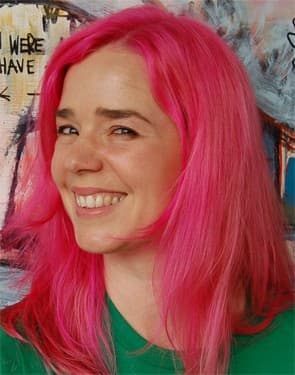
Laini Taylor is an American author known for her fantasy novels. Her notable works include "Daughter of Smoke & Bone," "Days of Blood & Starlight," and "Muse of Nightmares," which explore themes of love, identity, and conflict in richly imagined worlds. Taylor's writing often features lyrical prose and complex characters.
Similar books
- Daughter of Smoke & Bone
Laini Taylor
4.0 (311k) average on GoodreadsFantasyShares Laini Taylor's distinctive lyrical prose, intricate world-building, and star-crossed romance.
- A Court of Mist and Fury
Sarah J. Maas
4.6 (333k) average on GoodreadsFantasyFeatures a powerful, evolving heroine and a deep, transformative romance amidst high-stakes fantasy conflict.
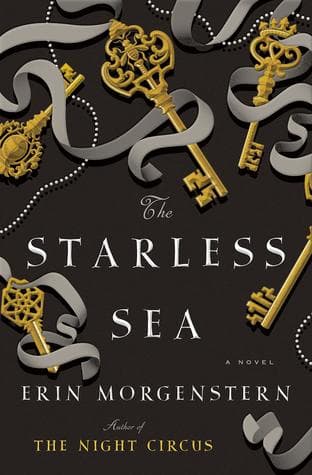
- The Starless Sea
Erin Morgenstern
3.9 (89k) average on GoodreadsFantasyKnown for its dreamlike atmosphere, layered mysteries, and profound exploration of stories and destiny.
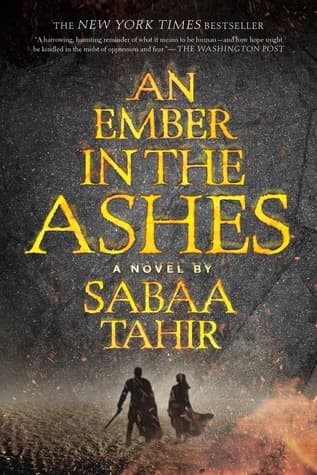
- An Ember in the Ashes
Sabaa Tahir
4.3 (182k) average on GoodreadsFantasyBoth Muse of Nightmares and An Ember in the Ashes are Young Adult fantasy novels that explore themes of oppression, rebellion, and sacrifice within richly imagined worlds. However, Tahir's series tends to be more action-driven and features a grittier, more overtly dystopian setting with clear antagonists. Muse is more introspective and character-focused, with internal conflicts and moral quandaries taking precedence over physical battles. While both have strong romantic elements, Muse's romance between Sarai and Lazlo is more ethereal and intertwined with their shared destiny, whereas Laia and Elias's connection in Ember is often forged in the crucible of war and survival.
- Harry Potter and the Sorcerer's Stone
J.K. Rowling
4.5 (7M) average on GoodreadsFantasyRescued from a miserable life under the stairs, an orphaned boy discovers he's a wizard destined for a magical school, where he uncovers a dangerous secret tied to the dark wizard who murdered his parents.
- The Hunger Games
Suzanne Collins
4.3 (6.4M) average on GoodreadsFantasyIn a future where children fight to the death on live television, Katniss Everdeen volunteers for the arena, turning a death sentence into a fight for survival and a spark of rebellion.




Enjoyed the summary?
A summary gives you the shape of the book. The book itself has the detail, the examples and the voice.
Find Muse of Nightmares on AmazonAs an Amazon Associate, BookBrief earns from qualifying purchases. How we're funded