

Synopsis
Covers the whole plot, including the ending.
- Difficulty
- Medium
- Pacing
- Fast
- Mood
- Suspenseful, Gritty, Romantic, Hopeful
- Read it if
- You enjoy high-stakes thrillers with a touch of romance, set in a small-town atmosphere where characters are pushed to their limits.
- Skip it if
- You dislike intense YA dramas involving dangerous activities and moral ambiguity, or prefer less character-driven plots.
Panic Plot Summary
Covers the whole plot, including the ending.
The Summer of Panic
In Carp, graduating seniors look forward to Panic, an illegal game. Heather Nill, hesitant at first, joins when her best friend Natalie decides to play. Natalie's sister, Olivia, was in a car accident the year before that left her paralyzed. Heather also plays for her younger sister, Lily, hoping to escape Carp and give them a better life. Dodge, new to Carp, also plays, driven by a secret tied to his family and a past Panic incident. Anonymous judges organize the game, which offers a large cash prize. The town is split between those who play, those who watch, and those who fear the game.
First Challenges and Unlikely Alliances
The first challenge requires players to jump from the town's highest cliff into a quarry. Heather, scared of heights, struggles but jumps, motivated by her desire to win. Dodge, calm and focused, jumps easily. During this challenge, players assess each other. Heather feels drawn to Dodge, despite his quiet nature. Heather, Natalie, and their friend Bishop form an early alliance. Bishop does not play but supports them. The challenges quickly get harder, involving trespassing, public humiliation, and close calls with the law, forcing players to face their fears.
The Haunted House and Growing Suspicions
One challenge involves spending a night in the abandoned, supposedly haunted Hawthorne House. Players must retrieve specific items from inside, alone. Heather faces her fear of the unknown. Dodge seems unaffected. During this challenge, players begin to suspect the judges are more involved than they thought, perhaps planting items or creating scares. Tension among players rises, and the line between competing and helping blurs, especially as some players are eliminated through failure or injury.
Bishop's Involvement and Hidden Secrets
Bishop, though not a player, helps Heather and Natalie plan and offers emotional support. His concern for Heather suggests deeper feelings. Meanwhile, Dodge's secret starts to come out. It is revealed that his sister, Dayna, was paralyzed in a previous Panic game. He came to Carp to find the judge responsible and get revenge. He believes the judge deliberately sabotaged Dayna's challenge. This makes him a driven vigilante, and his intense focus on justice becomes as important as winning the prize money.
The Train Tracks and Betrayal
A dangerous challenge requires players to walk across an active train trestle, avoiding trains. This tests their courage and trust. During this challenge, a player, perhaps out of desperation, interferes with another, causing a near-fatal accident. This shows how cutthroat Panic is and how far some players will go to win. The betrayal deeply affects Heather, making her question the game's fairness and other players' intentions. The incident also highlights the judges' carelessness and the dangers they create.
The Confession and the Real Judge
As the game goes on, pressure builds, and the judges' identities become a mystery. Through clues, Dodge and Heather get closer to the truth. They learn that Natalie's older sister, Olivia, despite her paralysis, is one of the judges. This shocks Natalie and Heather, as Olivia's injury was caused by a previous Panic game. Olivia confesses her role, explaining her reasons, which stem from a desire for control and a twisted sense of justice after her own trauma. This discovery shifts the focus from winning to understanding the game's deeper, personal stakes.
The Final Challenge: The Joust
The final challenge is 'The Joust,' a dangerous competition where players drive cars at high speed toward each other on a deserted road. The goal is to be the last one to swerve, or to force the other out of the way. Heather, Dodge, and a few other remaining players face this test. The stakes are high, for the prize money and their lives. Emotional tension is immense as they prepare, knowing one wrong move could be fatal. The challenge represents their individual struggles and their wish to escape Carp and their pasts.
The Truth About Dayna's Accident
Before the final challenge, Dodge learns the full truth about Dayna's accident. He finds out that Olivia, as a judge, did manipulate Dayna's challenge, leading to her paralysis. This confirms his suspicions and fuels his anger, solidifying his resolve for revenge. He confronts Olivia, demanding answers. The confrontation is emotional, as Olivia deals with her guilt. This revelation makes Dodge rethink his idea of justice and the cycle of pain Panic creates, affecting how he approaches the final joust.
The Joust and Its Aftermath
In the Joust, Heather and Dodge are the last two competitors. As they speed toward each other, they both swerve at the last second, refusing to sacrifice each other for the prize. This act of defiance and shared humanity ends the game in a draw, or rather, a refusal to play by its destructive rules. The outcome is not about winning money, but about choosing life and connection over brutal competition. The judges, including Olivia, must face the results of their game and the moral impact of their actions.
New Beginnings and Lingering Shadows
After Panic, the prize money is given out, but the real win is in the bonds formed and lessons learned. Heather and Dodge develop a deeper relationship, built on shared experience and respect. Heather, braver now, finds a path for her future, no longer defined by Carp or the game. Dodge, having faced his past and found some closure for Dayna, can begin to heal. While Panic's immediate danger ends, the game's harmful nature and the desperation that fuels it remain part of Carp, suggesting such cycles are hard to break. The town, however, is changed by this summer's events.
Principal Figures
Heather Nill
Protagonist
A reluctant participant in Panic, driven by a desire to escape her small town and protect her sister.
Heather is a graduating senior in Carp, initially hesitant to participate in Panic. She is portrayed as somewhat timid and risk-averse, but possesses an inner strength she discovers throughout the game. Her primary motivations are to win the prize money to escape Carp, provide a better life for her younger sister, Lily, and prove her worth. She grapples with deep-seated fears, particularly of heights and the unknown, but consistently pushes past them for those she loves. Her vulnerability makes her relatable, and her journey is one of self-discovery and empowerment.
Relationships: Dodge (Romantic interest, fellow competitor, ally); Natalie (Best friend, fellow competitor, initial instigator); Bishop (Close friend, protector, unrequited love interest); Lily Nill (Younger sister, her primary motivation)
Dodge
Protagonist
A mysterious newcomer to Carp, driven by a secret quest for revenge against a Panic judge.
Dodge is a new resident of Carp, quiet, intense, and initially aloof. He enters Panic not for the prize money, but to uncover the truth about his sister Dayna's paralysis in a previous game and to seek revenge on the judge responsible. He is resourceful, physically capable, and possesses a strong sense of justice. His guarded demeanor slowly breaks down as he forms connections, particularly with Heather, revealing a compassionate side beneath his tough exterior. His intelligence and strategic thinking make him a formidable competitor.
Relationships: Heather Nill (Romantic interest, fellow competitor, ally); Dayna (Paralyzed sister, his primary motivation); Olivia (Target of his revenge, judge)
Natalie
Supporting
Heather's best friend and a fierce competitor in Panic, driven by loyalty and a desire to help her family.
Natalie is Heather's best friend and a fiercely loyal, outgoing, and sometimes reckless character. She encourages Heather to join Panic, believing it's their only way out of Carp. Her motivation is deeply tied to her family, particularly her sister Olivia, who was paralyzed in a previous Panic game. Natalie is competitive and determined, but her loyalty to Heather often comes first. She struggles with the moral ambiguities of the game and the secrets her family holds, forcing her to confront difficult truths about those she loves. Her vibrant personality contrasts with Heather's initial timidity.
Relationships: Heather Nill (Best friend, fellow competitor); Olivia (Older sister, a judge in Panic); Bishop (Friend)
Bishop
Supporting
Heather's protective friend, not a player, but deeply involved in the game's emotional stakes.
Bishop is a close friend of Heather and Natalie, and a constant presence in their lives. He is the son of the town sheriff, providing him with a unique perspective on the legality and dangers of Panic. Bishop chooses not to play the game but acts as a loyal supporter, confidant, and protector for Heather, harboring unrequited romantic feelings for her. He is intelligent, observant, and often the voice of reason, though he struggles with his inability to directly protect Heather from the game's dangers. His quiet strength and unwavering support are crucial for Heather's journey.
Relationships: Heather Nill (Close friend, unrequited love interest); Natalie (Friend); Sheriff (Father)
Olivia
Antagonist/Supporting
Natalie's paralyzed sister and a secret judge of the Panic game, driven by trauma and a twisted sense of control.
Olivia is Natalie's older sister, who was paralyzed in a previous Panic game. Her accident is a catalyst for many events in the story, particularly Natalie's and Dodge's motivations. It is later revealed that Olivia is one of the anonymous judges for the current Panic game. Her involvement stems from a desire for control, a need to process her own trauma, and perhaps a twisted sense of perpetuating the game that defined her fate. She is intelligent and manipulative, using her position to exert influence over the players. Her actions force others to confront the dark legacy of Panic.
Relationships: Natalie (Younger sister); Dodge (Target of his revenge, indirectly responsible for Dayna's paralysis); Dayna (Co-victim of a rigged game)
Lily Nill
Supporting
Heather's younger sister, a symbol of hope and a driving force for Heather's participation in Panic.
Lily is Heather's younger sister, who lives with their struggling single mother. She represents Heather's primary motivation for wanting to win Panic: to secure a better future, free from the poverty and limitations of Carp. Lily is sweet, innocent, and largely unaware of the dangers Heather is facing, serving as a constant reminder of what Heather is fighting for. Her presence grounds Heather and provides a moral compass, ensuring that Heather's actions are driven by love and protection rather than pure ambition or recklessness.
Relationships: Heather Nill (Older sister, protector)
Dayna
Mentioned
Dodge's sister, paralyzed in a previous Panic game, the catalyst for Dodge's revenge.
Dayna is Dodge's older sister, who was paralyzed during a past Panic game. Her tragic accident is the central mystery and the driving force behind Dodge's participation. Although she never appears directly in the story, her presence is deeply felt through Dodge's unwavering determination to uncover the truth and seek justice for her. She represents the devastating consequences of Panic and the lasting impact it has on families and individuals, highlighting the game's dark underbelly and the judges' culpability.
Relationships: Dodge (Younger brother, avenger)
Sheriff
Supporting
Bishop's father and the local law enforcement, attempting to curb Panic's influence.
The Sheriff is Bishop's father and the chief law enforcement officer in Carp. He is aware of Panic and its dangers, actively trying to shut it down and protect the town's youth. He represents the external authority figure in opposition to the game, but his efforts are often hampered by the town's secrecy and the participants' determination. His role highlights the illegal and dangerous nature of Panic and the challenges of policing a community where such traditions are deeply ingrained. He is a moral voice, but ultimately limited in his ability to control the town's self-destructive tendencies.
Relationships: Bishop (Son)
Ray Hanratty
Supporting
A ruthless and aggressive competitor in Panic.
Ray is one of the more aggressive and less scrupulous competitors in Panic. He is driven by a desperate need to win the prize money, often resorting to intimidation and dangerous tactics. He represents the darker, more cutthroat side of the game, willing to put others at risk for his own gain. His presence heightens the tension and danger for Heather and Dodge, forcing them to navigate not only the challenges but also the hostility of their fellow players. His character highlights the competitive and self-serving nature that Panic can bring out in people.
Relationships: Heather Nill (Competitor, rival); Dodge (Competitor, rival)
Themes & Insights
Escape and Social Mobility
Escape is a main theme in 'Panic.' For many players, especially Heather, the prize money is their only way out of Carp, a 'dead-end' town. Characters are stuck by poverty, lack of jobs, and the suffocating small-town life. Panic offers a quick way to a better life, a chance to break free from stagnation. This desperation makes them take extreme risks, showing the limited choices for young people in forgotten towns. The dream of escape drives their courage, as when Heather jumps from the cliff, thinking of Lily and a life beyond Carp.
“Panic began as so many things do in Carp, a dead-end town of 12,000 people in the middle of nowhere: because it was summer, and there was nothing else to do.”
Fear and Courage
The novel explores fear and courage. Each Panic challenge aims to use players' deepest fears – heights, isolation, public humiliation, and death. Heather, at first timid, consistently faces her fears, not because she is fearless, but because her love for Lily and her desire for a better future are stronger than her terror. Dodge, while seeming fearless, is driven by a deep fear of injustice and his sister's paralysis. The story suggests courage is not the absence of fear, but acting despite it, often for something or someone important, as shown when Heather and Dodge swerve in the final joust.
“She would discover that she is braver than she ever thought.”
Justice and Revenge
Dodge plays Panic for justice and revenge for his sister, Dayna, who was paralyzed in a previous game. He believes a judge sabotaged her challenge. This theme examines the line between seeking retribution and true justice. Olivia's role as a judge, driven by her own trauma from a past Panic game, complicates this, showing how pain can continue a cycle of harm. The story questions if revenge brings peace or just continues violence. Dodge's eventual understanding that justice might not come from the game's rules, but from truth and empathy, is a key part of his growth.
“He’s sure of it. But what he doesn't know is that he’s not the only one with a secret. Everyone has something to play for.”
The Corrupting Power of Secrets and Lies
Secrets and lies are central to 'Panic.' The anonymous judges act in secret, manipulating players and the game. Dodge keeps secret his sister's past and his true reason for playing. Natalie and Olivia's family keeps secret Olivia's paralysis and her role as a judge. These hidden truths create tension, distrust, and lead to betrayal and shocking reveals. The story shows how secrets, even those meant to protect or gain an advantage, eventually unravel and cause pain, challenging relationships and forcing characters to face uncomfortable truths about themselves and others.
“But what he doesn't know is that he’s not the only one with a secret. Everyone has something to play for.”
Plot Devices & Literary Techniques
The Game of Panic
An illegal, high-stakes competition that drives the entire narrative.
Panic is the central plot device, serving as both the external conflict and the catalyst for character development. It is a series of dangerous, illegal challenges organized by anonymous judges, with a substantial cash prize. The game's structure allows for episodic challenges that escalate in danger, creating constant tension and forcing characters to confront their fears and moral boundaries. It acts as a microcosm of the characters' lives in Carp, reflecting their desperation and the limited opportunities available. The game's rules, its anonymous nature, and the mystery surrounding its judges are crucial for propelling the plot and revealing character motivations.
Anonymous Judges
The unseen, mysterious organizers of Panic, whose identities and motives are slowly revealed.
The anonymous judges are a significant plot device, creating an aura of mystery and control throughout the story. Their concealed identities fuel speculation and paranoia among the players and the town. This anonymity allows them to manipulate events and players without immediate accountability, increasing the perceived danger and the stakes. The slow reveal of their identities, particularly Olivia's, is a major plot twist that connects the past and present of Panic, personalizing the conflict and exposing the deeper, more tragic motivations behind the game.
The Dead-End Town of Carp
The isolated, impoverished setting that fuels the characters' desperation and motivation.
Carp functions as more than just a setting; it's a plot device that drives the characters' core motivations. Described as a 'dead-end town,' its lack of opportunities and pervasive sense of hopelessness directly fuels the desperation that makes Panic so appealing. The town's isolation also allows the game to thrive without significant external interference, creating a self-contained world where its own rules and traditions govern. Carp's oppressive atmosphere is the antagonist that the prize money promises to defeat, making the stakes of the game incredibly high for its residents.
Flashbacks/Backstory
Brief glimpses into past events that explain current motivations and mysteries.
While not explicitly present as full flashbacks, the narrative frequently relies on exposition about past events, particularly the previous Panic game that led to Olivia's and Dayna's accidents. This backstory is crucial for understanding Dodge's revenge plot and Olivia's motivations as a judge. These revealed past events serve as a driving force for the present narrative, providing context, deepening character motivations, and gradually unraveling the central mysteries of the game and its lasting impact on the community of Carp.
Panic Quotes
“It was the year after the seniors had graduated, and the year before the new ones arrived. It was the year of Panic.”
“Every game has a winner and a loser. Panic was no different.”
“The rules were simple: you played. You won. Or you died.”
“Fear was a currency, and in Panic, everyone was rich.”
“We weren't just playing a game. We were playing for our lives. For our futures.”
“There was a fine line between bravery and stupidity, and sometimes, in Panic, it was impossible to tell the difference.”
“The prize money wasn't just money. It was escape.”
“You could never truly know someone until you saw them play Panic.”
“The town had its secrets, and Panic was the biggest of them all.”
“Every choice had a consequence, and in Panic, those consequences were often deadly.”
“Hope was a dangerous thing, but in Carp, it was all we had.”
“Some people were born to win. Some were born to lose. And some were born to play.”
“The hardest part wasn't playing the game. It was living with what you had to do to win.”
“Panic wasn't just about the money. It was about proving you were worth something.”
Quiz
10 questions on the plot and the characters. Each answer comes with a short explanation.
Question 1
What is the primary motivation for most graduating seniors in Carp to participate in Panic?
- To escape the town and its limited opportunities.
- To impress their friends and gain popularity.
- To prove their physical strength and endurance.
- To win a scholarship for college.
Show answer
A. To escape the town and its limited opportunities. Panic offers a substantial cash prize, which for many in the dead-end town of Carp, is their only realistic chance to leave and start a new life.
Question 2
What significant event at the beginning of the summer directly impacts Heather's decision to participate in Panic?
- Her best friend, Nat, convinces her to join.
- Her boyfriend breaks up with her, leaving her feeling lost.
- She witnesses a previous Panic challenge go wrong.
- Her family faces financial ruin, making the prize money essential.
Show answer
B. Her boyfriend breaks up with her, leaving her feeling lost. Heather's decision to play Panic is largely spurred by her breakup with Matt and her feeling of aimlessness, which makes her seek a new path and purpose.
Question 3
What is Dodge's secret motivation for playing Panic?
- He wants to avenge his sister's paralysis, which he believes was caused by a Panic challenge.
- He wants to prove his bravery to his overprotective parents.
- He is in love with Nat and wants to win her affection.
- He aims to expose the corrupt organizers of the game.
Show answer
A. He wants to avenge his sister's paralysis, which he believes was caused by a Panic challenge. Dodge's primary drive throughout the game is to seek revenge for his sister, Lily, who was injured in a previous Panic challenge and left paralyzed. He believes the game's organizers are responsible.
Question 4
Which character is responsible for organizing and overseeing the Panic game?
- A group of anonymous seniors from the previous year.
- The town sheriff, secretly funding it.
- A wealthy, reclusive benefactor from outside Carp.
- The school principal, as a strange rite of passage.
Show answer
A. A group of anonymous seniors from the previous year. Panic is organized and judged by a group of previous year's seniors, known as the 'Judges,' who remain anonymous throughout the game.
Question 5
What is one of the early challenges in Panic that involves a significant height?
- Jumping from the town's water tower into a swimming pool.
- Climbing the church steeple and retrieving a flag.
- Swinging from a rope bridge over a canyon.
- Skydiving from a rented plane.
Show answer
A. Jumping from the town's water tower into a swimming pool. One of the most memorable early challenges involves players jumping from the top of the Carp water tower into a pool below, a significant test of courage.
Question 6
What happens to Dodge's sister, Lily, that directly relates to the Panic game?
- She won Panic years ago and left Carp for good.
- She was paralyzed during a previous Panic challenge.
- She was one of the original founders of the game.
- She was romantically involved with one of the current judges.
Show answer
B. She was paralyzed during a previous Panic challenge. Lily, Dodge's older sister, was paralyzed after falling from a cliff during a Panic challenge in a previous year, fueling Dodge's desire for revenge.
Question 7
What is the primary theme explored through the characters' participation in Panic?
- The corrupting influence of power and wealth.
- The struggle for identity and escape from a predetermined future.
- The importance of teamwork and collaboration.
- The dangers of unchecked rebellion against authority.
Show answer
B. The struggle for identity and escape from a predetermined future. The core theme revolves around the graduating seniors' desperation to escape the suffocating confines of Carp and forge their own identities, often seeing Panic as their only way out.
Question 8
Who is the main antagonist or 'villain' of the Panic game, if there is one?
- The town sheriff, who secretly encourages the game.
- The game itself and the desperate circumstances it arises from.
- A rival group of players trying to sabotage others.
- One specific 'Judge' who takes pleasure in others' suffering.
Show answer
B. The game itself and the desperate circumstances it arises from. While there are individual challenges and rivalries, the true 'antagonist' is arguably the game of Panic itself, and the socio-economic conditions of Carp that make such a dangerous game appealing to its youth.
Question 9
What role does Heather's best friend, Nat, play in the story, particularly in relation to Panic?
- She is initially reluctant to play but eventually joins Heather.
- She is a judge for the game and manipulates Heather.
- She is a key competitor and develops a rivalry with Heather.
- She tries to convince Heather to quit Panic for her safety.
Show answer
C. She is a key competitor and develops a rivalry with Heather. Nat is a central character and Heather's best friend, but their relationship becomes complicated when they both decide to play Panic, leading to a complex rivalry and friendship dynamic.
Question 10
In the latter stages of the game, what kind of challenge often involves players facing their personal fears or moral dilemmas?
- Challenges that force players to betray their friends.
- Challenges that require advanced academic knowledge.
- Challenges focused purely on extreme physical endurance.
- Challenges that involve navigating complex mazes.
Show answer
A. Challenges that force players to betray their friends. As Panic progresses, the challenges become less about purely physical feats and more about psychological endurance, forcing players to make difficult moral choices, including betraying allies, to advance.
Panic FAQ
What is the central premise of the game Panic and what are its main objectives for the players?
Panic is a legendary, high-stakes game played by graduating seniors in the town of Carp, where participants face a series of dangerous challenges. The ultimate objective is to win a substantial cash prize, which is meant to be a ticket out of the dead-end town for the victor.
Who are the two primary protagonists, Heather and Dodge, and what initially motivates them to participate in Panic?
Heather is a reluctant participant, initially joining because her best friend Natalie is playing and she feels she has nothing left to lose after a significant personal event. Dodge, on the other hand, is driven by a deep-seated secret and a desire for revenge, specifically against the game's previous winner, Luke.
What kind of challenges do the players face in Panic, and how do they escalate throughout the game?
The challenges range from daring physical feats, like jumping off a cliff or walking a narrow beam over a quarry, to more psychologically taxing and dangerous tasks, such as breaking into a dangerous animal enclosure or confronting personal fears. The stakes and danger progressively increase with each round, pushing players to their limits.
How does the town of Carp influence the existence and nature of the Panic game?
Carp, a small, economically depressed town with limited opportunities, serves as the breeding ground for Panic. The game offers the only real prospect of escape and a better future for its graduating seniors, making it a desperate, high-stakes ritual born out of the town's pervasive sense of hopelessness and stagnation.
What is the significance of the 'judges' in Panic, and how do they maintain anonymity and control?
The judges are anonymous, unseen figures who design the challenges, set the rules, and enforce them, wielding immense power over the players. Their anonymity adds to the game's mystique and fear, as players never know who is watching or how their actions will be judged, ensuring their absolute control.
What is Dodge's secret motivation for playing Panic, and how does it connect to the previous year's game?
Dodge's secret is his sister, Dayna, was severely injured and paralyzed in a car accident after playing Panic the previous year. He believes Luke, the winner of that year's game, was responsible for her injuries and seeks to expose him and exact revenge through the current game.
How does Natalie's role evolve throughout the game, particularly in relation to Heather and Bishop?
Natalie initially pushes Heather to join Panic, but as the game progresses, her own desperation and competitive drive lead her to make increasingly questionable choices. She develops a complex, often antagonistic relationship with Heather and a secret romantic involvement with Bishop, which further complicates her loyalties.
What is the true nature of the relationship between Bishop and the game of Panic, and how does it link to his family?
Bishop is revealed to be one of the judges of Panic, a role passed down through his wealthy and influential family, who have historically overseen the game. He struggles with the moral implications of his involvement and his feelings for Heather, creating a significant internal conflict.
What is the symbolic significance of the quarry and its various challenges within the narrative?
The quarry, with its dangerous cliffs and deep waters, serves as a recurring and highly symbolic setting for some of Panic's most terrifying challenges, including the initial jump. It represents the abyss of the unknown, the literal and metaphorical 'leap of faith' required by the game, and the very real dangers of Carp itself.
How does Heather's initial reluctance to play Panic transform into a fierce determination, and what internal shifts enable this?
Heather's initial reluctance stems from a sense of defeat and lack of purpose, but her desire to protect her sister Lily, her growing feelings for Bishop, and the sheer challenge of survival ignite a powerful inner strength. She discovers a bravery she never knew she possessed, fueled by love and a will to fight for her future.
Discuss the psychological impact of the anonymous judges on the players' behavior and decision-making.
The anonymity of the judges creates a pervasive atmosphere of paranoia and distrust among players, as they constantly suspect each other and fear unseen consequences. This psychological pressure often forces players into morally compromising situations, revealing their true characters under extreme duress.
How do the characters' socio-economic backgrounds in Carp influence their participation and strategies in Panic?
The pervasive poverty and lack of opportunities in Carp are central motivators for most players, making the prize money a desperate necessity. This drives many to take extreme risks and betray others, as the game represents their only perceived escape from the town's grim reality.
In what ways does the concept of 'fear' manifest differently in Heather and Dodge throughout the game?
Heather's fear initially paralyzes her, stemming from past trauma and a lack of self-belief, but it ultimately becomes a catalyst for growth and bravery. Dodge's fear is more hidden, masked by anger and a singular focus on revenge, but it drives his ruthless determination and often blinds him to other perspectives.
What is the ultimate message or commentary the book offers regarding desperation, choice, and the pursuit of freedom?
The book suggests that desperation can drive individuals to extreme lengths, but true freedom isn't just about escaping a place; it's about making choices that align with one's values and finding inner strength. It highlights that while external circumstances limit choices, personal agency and integrity ultimately define a person's path.
How does the ending of Panic challenge or reinforce the idea of 'winning' in such a dangerous game?
The ending complicates the idea of winning, as the prize money doesn't guarantee happiness or solve all problems, and the emotional and physical scars remain. While a victor emerges, the true 'win' is often found in the personal growth, self-discovery, and genuine connections forged, rather than just the monetary reward.
What is the symbolic meaning of the 'dead-end town' of Carp beyond its literal description?
Carp symbolizes not just a physical location lacking opportunities, but also a metaphorical state of being – a trap from which its inhabitants feel unable to escape. It represents the crushing weight of limited choices, inherited circumstances, and the psychological stagnation that can fester in such environments.
How does the novel explore the theme of secrets and their destructive power, particularly through Dodge and Bishop?
The novel meticulously shows how secrets, like Dodge's quest for revenge and Bishop's role as a judge, create immense personal burdens and drive characters to make perilous decisions. These hidden truths fuel the game's tension and threaten to unravel relationships, demonstrating their destructive potential.
Could Panic be interpreted as a coming-of-age story disguised as a thriller? Why or why not?
Yes, Panic can strongly be interpreted as a coming-of-age story. While packaged as a thriller, the core narrative revolves around Heather and Dodge's profound personal growth, self-discovery, and the difficult choices they make during a pivotal summer that fundamentally shapes their identities and futures.
About the author

Lauren Oliver is an American author known for her young adult fiction. Her notable works include "Delirium," "Before I Fall," "Pandemonium," "Annabel," "Panic," and "Requiem," which explore themes of love, identity, and societal constraints. Oliver's writing often blends elements of dystopia and psychological drama.
Similar books
- The Hunger Games
Suzanne Collins
4.3 (6.4M) average on GoodreadsFantasyFeatures a deadly competition, a resilient female protagonist, and a fight for survival against a corrupt system.
- One of Us Is Lying
Karen M. McManus
4.0 (216k) average on GoodreadsThrillerInvolves a group of teens with secrets, a central mystery, and high-stakes consequences.
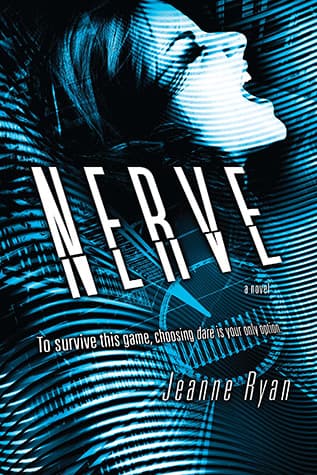
- Nerve
Jeanne Ryan
3.4 (21k) average on GoodreadsThrillerExplores a dangerous online game where participants complete dares for money and fame, with escalating risks.
- I Know What You Did Last Summer
Lois Duncan
3.5 (12k) average on GoodreadsThrillerWhile both are YA thrillers, Panic is more grounded in realistic social dynamics and internal struggles driving dangerous choices, whereas Duncan's novel leans into classic stalker tropes and external revenge, with a less ambiguous moral landscape. Oliver's focus is on the self-destructive nature of the game, while Duncan's is on the consequences of a past crime.
- Angels & Demons
Dan Brown
3.9 (2.7M) average on GoodreadsThrillerA Harvard symbologist races through Rome's ancient sites, deciphering cryptic clues to unmask the Illuminati and stop a vengeful plot to destroy the Vatican with a stolen antimatter weapon.
- Gone Girl
Gillian Flynn
4.1 (2.3M) average on GoodreadsThrillerA wife's sudden disappearance on her fifth anniversary reveals a web of lies and psychological warfare, exposing the secrets within a seemingly perfect marriage.





Enjoyed the summary?
A summary gives you the shape of the book. The book itself has the detail, the examples and the voice.
Find Panic on AmazonAs an Amazon Associate, BookBrief earns from qualifying purchases. How we're funded