

Synopsis
Covers the whole plot, including the ending.
- Difficulty
- Easy
- Pacing
- Moderate
- Mood
- Adventurous, Dramatic, Romantic, Tense
- Read it if
- You love classic Westerns with clear-cut heroes and villains, dramatic gunfights, and a strong sense of justice in a rugged landscape.
- Skip it if
- You prefer nuanced characters and morally ambiguous plots, or find dated prose and gender roles off-putting.
Riders of the Purple Sage Plot Summary
Covers the whole plot, including the ending.
Jane Withersteen's Ordeal Begins
The story begins with Jane Withersteen, a wealthy rancher in Cottonwoods, Utah, facing persecution from Bishop Tull and the Mormon church elders. Tull wants to marry Jane and take her property. He has ruined her non-Mormon riders and pressured her Mormon workers to leave her. Jane, a devout but independent woman, resists their demands, holding onto her father's legacy and her faith. Her last loyal rider, Venters, is about to be driven away, leaving her with few protectors against the church's power. This pressure shows her isolation and vulnerability in a community determined to control her.
Lassiter's Arrival and Vengeance
As Jane's situation worsens, a mysterious, black-clad gunman named Lassiter rides into Cottonwoods. Lassiter is a well-known gunfighter, famous for his accuracy and his pursuit of justice against Mormon polygamists who have wronged women. He says he is looking for his lost sister, Milly Erne, and her daughter, who he believes were taken by an Elder Sleath. Lassiter quickly becomes Jane's protector, and his presence intimidates Bishop Tull and his men. He starts to learn the truth about Jane's missing non-Mormon riders, many of whom he thinks were killed or driven off by the church. He takes quick, violent action against those who threaten Jane, becoming a strong force against the oppressive community.
Venters's Exile and Discovery
Lassiter, seeing Venters as a possible rival for Jane's affection and an obstacle to his plans, tells him to leave Cottonwoods. Venters, though at first angry, obeys. While exiled, Venters meets a group of rustlers led by the Masked Rider. He tracks them to a hidden, green valley called Surprise Valley. During a fight, Venters wounds the Masked Rider, only to find that the 'man' is a young woman named Bess, also known as 'Arizona' or 'The Withersteen's' Bess. Bess, a victim of Mormon oppression, has been forced into rustling by her 'guardian,' Oldring, and his gang. Venters, feeling responsible, nurses her back to health, and a relationship starts to grow between them in their secluded home.
The Love of Venters and Bess
Venters and Bess spend weeks together in Surprise Valley, safe from the dangers of Cottonwoods and the rustlers. Venters learns Bess's story: she was abandoned as a child, raised by Oldring, and forced to participate in his rustling, though she hates it. She admits her fear of being found and her wish for a different life. Venters, deeply in love, promises to protect and provide for her. Their time together is peaceful, marked by their growing affection, shared dreams of a future, and a sense of freedom neither had known before. They live off the land, and their bond strengthens, confirming their commitment despite the harsh realities outside their sanctuary.
Lassiter's Unyielding Quest
Meanwhile, Lassiter stays in Cottonwoods, his presence a constant threat to Bishop Tull and his allies. He continues to protect Jane, often clashing with the Mormon riders and stopping their attempts to take her property or force her into marriage. Lassiter's constant questions and investigations bring him closer to the truth about his sister, Milly Erne. He suspects that Tull and other elders were involved in her disappearance and the taking of her daughter. His grim determination to uncover the past grows stronger, adding to his reputation as a man of few words but deadly action. He sees Jane's worsening situation, understanding the church's strong hold on the community.
Jane's Steadfastness and Lassiter's Revelation
Jane Withersteen, despite continued pressure, refuses to marry Tull or give up her non-Mormon faith. Her resilience impresses Lassiter, who starts to see her as a strong, principled woman, not just a victim. During a tense confrontation with Tull and his men, Lassiter reveals a truth: Bess, the Masked Rider, is his niece, the daughter of his lost sister, Milly Erne. He recognizes her unique birthmark from Venters' description. This news deeply affects both Jane and Lassiter, as it connects their fates even more and adds a personal element to Lassiter's search for justice, shifting his focus to rescuing Bess from her forced life with Oldring's rustlers.
The Confrontation with Oldring and Tull
The story builds to a confrontation. Lassiter, knowing Bess's identity, and Venters, determined to protect Bess, work together. They track Oldring and his rustler gang, now with Tull, to Surprise Valley. A gunfight happens, and Oldring is killed. Tull, trying to escape, is trapped by Lassiter. In an act of justice, Lassiter avenges his sister and the wrongs done to Jane by eliminating Tull and his most corrupt followers. The valley becomes a battleground where Lassiter and Venters defeat the oppressive, lawless elements that have troubled Cottonwoods and the surrounding area.
Escape to the Secluded Paradise
After the violent confrontation, Lassiter, Jane, Venters, and Bess realize they cannot return to Cottonwoods. Lassiter, having taken his revenge, knows his actions will make him an outlaw to the Mormon community. Jane, having openly defied the church and sided with Lassiter, is also permanently an outcast. Together, they decide to retreat into the secluded safety of Surprise Valley, where Venters and Bess had lived. To ensure their permanent isolation and protection, Lassiter uses his skills to dislodge a large rock, sealing the narrow pass that is the only entrance and exit to the valley. This act symbolically and literally closes them off from the corrupt outside world, creating their private paradise.
A New Beginning in Surprise Valley
Inside the sealed Surprise Valley, Lassiter, Jane, Venters, and Bess start a new life. Venters and Bess, now free from the threat of Oldring and the church, can fully embrace their love and plan their future. Lassiter, having found his niece and avenged his sister, finds some peace; his years of violent searching are over. Jane, though she lost her property and social standing, finds true freedom and a different kind of happiness with Lassiter, whose quiet strength she has come to admire. The valley becomes a sanctuary where they can live by their own rules, free from outside judgment or oppression, representing a fresh start and the triumph of individual will over societal control.
Riders of the Purple Sage Characters
Jane Withersteen
Protagonist
Wealthy Gentile rancher, steadfast against oppression
Jane Withersteen is a strong, independent woman who owns a vast ranch in Cottonwoods, Utah. As a Gentile in a predominantly Mormon community, she faces relentless pressure from Bishop Tull and the church elders to conform, marry, and surrender her property. Despite the loss of her loyal Gentile riders and the defection of her Mormon hands, she remains steadfast in her faith and principles, refusing to succumb to intimidation. Her resilience and quiet strength make her a target but also a symbol of defiance against the oppressive forces. She is deeply moral, torn between her desire for peace and her refusal to compromise her integrity.
Relationships: Bishop Tull (antagonistic; Tull seeks to marry her and control her property); Lassiter (protector and eventual lover; he defends her from the church); Venters (loyal employee, whom she initially protects)
Lassiter
Protagonist
Mysterious, legendary gunman seeking vengeance for his sister
Lassiter is a formidable and enigmatic Gentile gunfighter, clad in black, known for his deadly accuracy and his unwavering pursuit of justice against Mormon polygamists who have wronged women. He arrives in Cottonwoods searching for his long-lost sister, Milly Erne, and her daughter. Lassiter becomes Jane Withersteen's protector, his silent, intimidating presence a powerful deterrent against Bishop Tull's schemes. He embodies the harsh justice of the frontier, driven by a deep personal quest for vengeance, yet he possesses a quiet nobility and a strong moral code that aligns him with Jane's cause. His past is shrouded in mystery, but his actions are clear and decisive.
Relationships: Jane Withersteen (protector and eventual lover); Milly Erne (long-lost sister, whose fate drives his quest); Bess (niece, whom he eventually discovers and protects); Bishop Tull (arch-nemesis, target of his vengeance)
Venters
Supporting
Jane's loyal but outcast Gentile rider, who finds love in the wilderness
Venters is one of Jane Withersteen's last loyal Gentile riders, initially depicted as somewhat reckless and hot-headed. He is banished from Cottonwoods by Lassiter, leading him to stumble upon Surprise Valley and the Masked Rider. His journey transforms him from a resentful outcast into a protector and lover of Bess. Venters demonstrates courage, resourcefulness, and a growing capacity for deep affection and loyalty. He is instrumental in uncovering the truth about the rustlers and Bess's identity, and his personal journey mirrors the broader themes of seeking freedom and finding one's place outside societal constraints.
Relationships: Jane Withersteen (loyal employee, protected by her); Lassiter (initially antagonistic, later an ally); Bess (lover and partner, whom he discovers and protects)
Bess (The Masked Rider)
Supporting
Mysterious masked rustler, Lassiter's niece and Venters's lover
Bess, initially known as 'The Masked Rider' or 'Arizona,' is a mysterious figure leading a band of rustlers. She is revealed to be a young woman, Lassiter's niece, and the daughter of his lost sister, Milly Erne. Abducted and raised by the rustler Oldring, Bess has been forced into a life of crime, though she despises it. She is fierce, independent, and skilled with a gun, but also vulnerable and longing for a different life. Her encounter with Venters in Surprise Valley leads to her true identity being revealed and her eventual redemption and finding love. Bess represents the innocent corrupted by circumstance, who ultimately finds freedom and belonging.
Relationships: Venters (lover and protector); Lassiter (uncle, who rescues her); Oldring (abusive guardian and captor)
Bishop Tull
Antagonist
Corrupt Mormon elder, obsessed with Jane Withersteen and her property
Bishop Tull is the primary antagonist, a powerful and corrupt Mormon elder in Cottonwoods. He is obsessed with marrying Jane Withersteen and seizing control of her vast property, which he believes belongs to the church. Tull uses his ecclesiastical authority to intimidate, manipulate, and persecute Jane, driving away her loyal Gentile riders and pressuring her Mormon hands to abandon her. He embodies the oppressive and hypocritical side of religious authority, using his position for personal gain and power. His relentless pursuit of Jane and his involvement in the disappearance of Lassiter's sister make him a formidable and detestable foe.
Relationships: Jane Withersteen (antagonistic; he seeks to control her); Lassiter (arch-nemesis, targeted for vengeance); Elder Sleath (accomplice in his schemes)
Oldring
Supporting
Leader of the rustler gang and Bess's abusive guardian
Oldring is the leader of the infamous rustler gang operating in the region and the abusive 'guardian' of Bess. He forced Bess into a life of crime, exploiting her skills and controlling her through fear and manipulation. Oldring represents the lawless element of the frontier, driven by greed and a disregard for human life. He is a dangerous and cunning criminal, whose operations are a constant threat to honest ranchers. His eventual confrontation with Venters and Lassiter marks a turning point in the story, leading to his downfall and Bess's liberation.
Relationships: Bess (captor and abuser); Venters (enemy, who seeks to rescue Bess)
Jerry Card
Mentioned
One of Jane's loyal Gentile riders, murdered by the church
Jerry Card is one of Jane Withersteen's former Gentile riders, whose mysterious disappearance and presumed murder are mentioned early in the story. His fate highlights the dangerous persecution faced by those who oppose the Mormon church's authority and serves as an example of the kind of violence Lassiter is avenging. Though not a present character, his memory fuels Jane's resolve and Lassiter's quest for justice, representing the countless victims of the oppressive regime.
Relationships: Jane Withersteen (loyal employee); Lassiter (one of the victims whose death he implicitly avenges)
Elder Sleath
Supporting
Corrupt Mormon elder, accomplice to Bishop Tull
Elder Sleath is another corrupt Mormon elder who acts as an accomplice to Bishop Tull. He is implicated in the disappearance of Lassiter's sister, Milly Erne, and her daughter. Sleath represents the broader network of complicity within the church hierarchy that enables Tull's persecution of Jane and other Gentiles. He is a less prominent villain than Tull but contributes to the oppressive atmosphere and the injustices that Lassiter seeks to rectify. His fate is tied to Tull's, as Lassiter's vengeance extends to all those involved in the wrongdoing.
Relationships: Bishop Tull (accomplice); Lassiter (target of his vengeance)
Milly Erne
Mentioned
Lassiter's lost sister, whose fate drives his quest for vengeance
Milly Erne is Lassiter's long-lost sister, whose disappearance and presumed death at the hands of Mormon elders fuel Lassiter's entire quest for vengeance. Though never appearing in the narrative, her tragic story is central to Lassiter's character and motivations. She was a Gentile woman who married a Mormon, only to be abandoned or killed, and her daughter (Bess) taken. Her memory represents the victims of Mormon polygamy and oppression that Lassiter dedicates his life to avenging, making her a powerful symbolic figure within the story.
Relationships: Lassiter (brother, seeking to avenge her); Bess (mother)
Riders of the Purple Sage Themes
Justice and Vengeance
Justice, often with vengeance, is a main theme in 'Riders of the Purple Sage.' Lassiter shows this theme, driven by a desire to avenge the wrongs done to his sister and other women by corrupt Mormon elders. His actions, though violent, are shown as a form of frontier justice in a place where traditional law is weak or corrupt. Jane Withersteen also seeks justice, through resistance, against the church's attempts to take her property. The novel's ending brings these individual searches for justice together, ending in a violent resolution of conflicts and the triumph of a personal code of honor over systemic oppression.
“My business is to see that justice is done to women, and I have a long account to settle with the Mormons.”
Religious Oppression and Hypocrisy
Zane Grey clearly shows the oppressive and hypocritical parts of the Mormon community, especially through Bishop Tull. The church is shown using its authority to control people, take property, and force marriages, especially targeting outsiders like Jane Withersteen. The elders' actions go against their stated religious values, showing the dangers of unchecked power and fanaticism. This theme highlights Jane's fight for spiritual and personal freedom and provides the main conflict that Lassiter and Venters must face, leading to their escape from its influence.
“They want my property, and they want me. They will break me if I don't yield.”
Freedom and Individualism
The desire for personal and spiritual freedom is a strong theme. Jane Withersteen fights to keep her independence and her father's legacy against the Mormon church. Venters and Bess, by escaping to Surprise Valley, seek freedom from the rustler's life and the social rules of Cottonwoods. Lassiter, though driven by vengeance, also shows strong individualism, acting outside the law to achieve his own justice. The sealing of Surprise Valley at the end of the novel represents the ultimate triumph of individual freedom and self-determination, as the characters create their own isolated haven away from the corrupting influences of the outside world.
“Here, in this valley, we are free. Free from men, free from hate, free from fear.”
The Wild Frontier and Wilderness as Sanctuary
The untamed American West itself is an important theme, shown as both a dangerous, lawless place and a possible refuge. The large, rugged landscapes provide cover for rustlers and outlaws but also offer safety and a chance for new beginnings. Surprise Valley is a symbolic Eden—a hidden, fertile place where Venters and Bess, and later Lassiter and Jane, can escape the corruption and violence of civilization. The wilderness allows for the removal of social pretense and the formation of true character and relationships, representing the promise of renewal and a return to a more natural, authentic existence.
“A wild, free, beautiful world, where the sun shone always, and the air was sweet.”
Love and Redemption
Among the violence and oppression, themes of love and redemption appear. The love between Venters and Bess grows in their isolated valley, offering both characters a chance at a new life free from their pasts—Bess from her life as a rustler, and Venters from his aimless existence. Lassiter, at first a figure of pure vengeance, finds a form of redemption through finding Bess and his growing affection for Jane, changing his solitary search into a shared future. Jane's love for Lassiter allows her to give up her possessions for companionship, showing how love can offer salvation and a path to a more meaningful life.
“You have shown me that a man can be kind, and that a woman can be loved.”
Plot Devices & Literary Techniques
The Masked Rider
Symbol of hidden identity and forced criminality
The Masked Rider is a central plot device, initially creating mystery and suspense. The revelation that the rider is actually a young woman named Bess (Lassiter's niece) is a major turning point. This device allows for the exploration of themes of hidden identity, societal expectations, and the forced circumstances that can lead individuals to a life of crime. It also serves to connect Venters's subplot directly to Lassiter's overarching quest for his sister and niece, intertwining the narrative threads and driving the plot towards its climactic revelations and resolutions.
Surprise Valley
A hidden, Edenic sanctuary and escape route
Surprise Valley functions as a critical plot device, representing both a refuge and a symbol of freedom. It is a hidden, fertile valley discovered by Venters, where he and Bess find love and temporary peace. Later, it becomes the ultimate sanctuary for all four protagonists (Lassiter, Jane, Venters, and Bess) as they escape the oppressive world of Cottonwoods. The valley's isolation, culminating in Lassiter sealing its entrance, provides a literal and symbolic escape from the corrupting influences of society and the law, allowing the characters to forge a new, self-determined existence. It's a classic example of a 'safe haven' trope in Westerns.
Lassiter's Black Attire and Guns
Visual symbolism of vengeance, justice, and the deadly frontier
Lassiter's iconic black attire and his mastery of his guns are powerful visual and symbolic plot devices. The black clothing immediately marks him as a figure of vengeance and death, setting him apart from the other characters and emphasizing his grim purpose. His two 'forty-fives' are extensions of his will, representing the swift, uncompromising justice he dispenses in a lawless land. These elements establish his legendary status and contribute to the atmosphere of danger and high stakes whenever he is present, making him an almost mythic figure of frontier justice.
The Mormon Church's Authority
Antagonistic force and source of conflict
The institutional authority of the Mormon Church, particularly through Bishop Tull and his elders, serves as the primary antagonistic force and a crucial plot device. Its pervasive control over the community, its attempts to seize Jane's property, and its role in the disappearance of Lassiter's sister drive the entire conflict of the novel. This device creates the oppressive atmosphere that the protagonists must fight against and ultimately escape. It highlights themes of religious persecution, hypocrisy, and the struggle for individual freedom against powerful, entrenched institutions, fueling the motivations of nearly every major character.
Riders of the Purple Sage Quotes
“Men were not all bad, nor all good. That was the big truth.”
“Marriage had been a word to Jane Withersteen, a beautiful yet terrible word.”
“He was a rider of the purple sage, a man of mystery, a man of blood.”
“There was no good in fighting against the inevitable.”
“The wind was a spirit, a voice, a presence.”
“He lived for revenge, and it was a consuming fire.”
“A woman's heart, though often wounded, was still a treasure.”
“The vast, silent spaces held secrets and tragedies.”
“He was a law unto himself, and his justice was swift and terrible.”
“Faith was a strange thing; it could move mountains or build walls.”
“The desert was a cruel mistress, but she held a terrible beauty.”
“To hide was to live, to face them was to die.”
“Love was not a thing to be bought or sold, but a gift to be cherished.”
“The color of the sage, a purple-gray, was the color of loneliness and peace.”
Quiz
10 questions on the plot and the characters. Each answer comes with a short explanation.
Question 1
Who is the mysterious masked rider who first appears to Jane Withersteen and later becomes a central figure in her struggle?
- Venters
- Lassiter
- Elder Tull
- Bern
Show answer
B. Lassiter Lassiter is the mysterious gunslinger who arrives at Jane Withersteen's ranch seeking vengeance for his sister's disappearance and quickly becomes her protector.
Question 2
What is the primary motivation behind the Mormon elders' persecution of Jane Withersteen?
- They want to marry her for her beauty.
- They seek to control her vast lands and wealth for the church.
- They believe she is secretly an outlaw.
- They are trying to convert her to a different faith.
Show answer
B. They seek to control her vast lands and wealth for the church. The Mormon elders, particularly Elder Tull, covet Jane Withersteen's large ranch and cattle, aiming to force her into a polygamous marriage to bring her property under church control.
Question 3
What significant event leads to Venters being outlawed and forced to flee into the wilderness?
- He steals horses from the church.
- He kills the rustler leader Oldring in a shootout.
- He tries to kidnap Jane Withersteen.
- He refuses to join the Mormon church.
Show answer
B. He kills the rustler leader Oldring in a shootout. Venters, acting on Jane's behalf, confronts and kills Oldring and his gang members, including the masked rider 'Black Star', which further solidifies his status as an outlaw in the eyes of the community.
Question 4
Who is 'Black Star', the masked rider associated with the rustlers, and what is their true identity?
- A rival rancher trying to frame Jane.
- Bess, Oldring's daughter, disguised as a boy.
- One of Elder Tull's spies.
- Lassiter's long-lost brother.
Show answer
B. Bess, Oldring's daughter, disguised as a boy. Black Star is revealed to be Bess, Oldring's daughter, who rides with the rustlers disguised as a young man. She is later shot by Venters, who then cares for her, leading to their romance.
Question 5
What significant landmark do Venters and Bess discover and hide in, providing them refuge from their pursuers?
- A deserted mine shaft.
- A hidden valley known as Surprise Valley.
- An abandoned fort.
- A secret cave behind a waterfall.
Show answer
B. A hidden valley known as Surprise Valley. Venters and Bess find refuge in the isolated and beautiful Surprise Valley, a hidden canyon that becomes their sanctuary and a symbol of their growing love.
Question 6
What is the ultimate fate of Lassiter and Jane Withersteen?
- They are killed by the pursuing riders.
- They escape through a secret passage and seal themselves off in a hidden valley.
- They marry and live openly on Jane's ranch.
- Lassiter leaves Jane to pursue his vengeance elsewhere.
Show answer
B. They escape through a secret passage and seal themselves off in a hidden valley. To escape their pursuers and find peace, Lassiter and Jane Withersteen ride into the hidden valley and seal the entrance with a rock, effectively entombing themselves there together.
Question 7
What is the primary 'purple sage' mentioned in the title, and what does it symbolize in the novel?
- A specific type of flower that grows in the region, symbolizing beauty.
- The vast, untamed, and often harsh Western landscape, representing freedom and danger.
- A rare gemstone sought by outlaws, symbolizing greed.
- A specific breed of horse with a purple tint, symbolizing power.
Show answer
B. The vast, untamed, and often harsh Western landscape, representing freedom and danger. The 'purple sage' refers to the expansive, wild, and rugged Western landscape, particularly the plains and plateaus of Utah, symbolizing the untamed frontier, the characters' struggle for freedom, and the inherent beauty and danger of the setting.
Question 8
How does the novel portray the conflict between individual freedom and societal/religious control, particularly through Jane Withersteen's character?
- Jane readily accepts the dictates of her church, finding peace in conformity.
- Jane is torn between her personal convictions and the oppressive demands of the Mormon elders, ultimately choosing freedom.
- Jane is indifferent to both freedom and control, focusing only on her ranch.
- Jane actively seeks to impose her own control over others.
Show answer
B. Jane is torn between her personal convictions and the oppressive demands of the Mormon elders, ultimately choosing freedom. Jane Withersteen represents the struggle for individual autonomy against the rigid and controlling religious authority of the Mormon elders. Her defiance, particularly in her refusal to marry Elder Tull and her association with Lassiter, highlights her fight for personal freedom and her own moral compass.
Question 9
What is the significance of Lassiter's white horse, 'Withersteen', and its relationship to Jane?
- It is a wild horse he captures, symbolizing his mastery over nature.
- It was Jane's favorite horse, given to Lassiter as a sign of trust and respect.
- It is a horse he stole from the rustlers, symbolizing his triumph over them.
- It is a common ranch horse, with no particular significance.
Show answer
B. It was Jane's favorite horse, given to Lassiter as a sign of trust and respect. The magnificent white horse, Withersteen, is Jane's prized possession and a symbol of her wealth and spirit. When she gives it to Lassiter, it signifies her growing trust in him and their developing bond, as well as her willingness to defy the church's demands.
Question 10
How does the novel conclude regarding the fates of the two main romantic pairs, Venters and Bess, and Lassiter and Jane?
- Both pairs are tragically separated, leaving their futures uncertain.
- Venters and Bess escape to a new life, while Lassiter and Jane find refuge together in a sealed valley.
- All four characters return to Jane's ranch and live peacefully.
- Venters and Bess are killed, and Lassiter and Jane go their separate ways.
Show answer
B. Venters and Bess escape to a new life, while Lassiter and Jane find refuge together in a sealed valley. The novel concludes with Venters and Bess riding off to start a new life together, free from their pasts. Meanwhile, Lassiter and Jane choose to seal themselves off in the hidden Surprise Valley, finding a unique and secluded peace together.
Riders of the Purple Sage FAQ
What is Riders of the Purple Sage about?
Riders of the Purple Sage is a foundational Western novel centered on Jane Withersteen, a wealthy Mormon rancher in 1870s southern Utah, who faces persecution from her church elders attempting to force her into marriage and seize her property. Her struggle is intertwined with the arrival of the mysterious gunman Lassiter, who is seeking his long-lost sister and niece, and the complex relationship between Bern Venters and Bess, the Masked Rider.
Why should I read Riders of the Purple Sage?
You should read Riders of the Purple Sage because it's considered the seminal work that defined the Western genre, establishing many of its enduring tropes like the stoic gunman, the strong female protagonist, and the dramatic desert landscape. It offers a gripping narrative of justice, revenge, and forbidden love against a backdrop of religious intolerance and lawlessness, making it a crucial read for understanding American literary history.
What is the background/setting of Riders of the Purple Sage?
The story is set in the desolate yet majestic landscapes of southern Utah during the 1870s, a period marked by the expansion of Mormon settlements and the conflicts arising from their isolationist practices and polygamy. The stark canyons, purple sage plains, and hidden valleys like Deception Pass serve as crucial backdrops for the intense chases, gunfights, and emotional developments of the characters.
What are the most memorable quotes from Riders of the Purple Sage?
Some memorable quotes include Lassiter's declaration, "I've rid a good many trails, and I've come to believe that right is right and wrong is wrong, and there ain't no in-between." Another is Jane Withersteen's plea, "Oh, I love my church, but I hate the men who are making it a curse!" These lines capture the novel's themes of moral certainty and internal conflict.
What writing style does Zane Grey use in Riders of the Purple Sage?
Zane Grey employs a vivid and descriptive writing style, particularly in his portrayal of the Western landscape, which often reflects the characters' internal states. His prose is direct and action-oriented, punctuated by dramatic dialogue and moments of poetic reflection on nature. He uses a blend of realism in gunfights and romanticism in character relationships to drive the narrative.
What minor details add significant meaning in Riders of the Purple Sage?
The detail of Lassiter's black-gloved hands, concealing the scars from his past, subtly emphasizes his hidden pain and dedication to his quest for justice. Similarly, the unique way Bess, the Masked Rider, handles her horse and rifle provides clues to her identity before her reveal, highlighting her unusual upbringing and skill in a male-dominated world.
What are some subtle foreshadowing moments in Riders of the Purple Sage?
The constant references to the 'purple sage' and the 'red-rock country' as places of both beauty and danger subtly foreshadow the ultimate fate of characters finding refuge or meeting their end within these landscapes. Also, the initial descriptions of Bern Venters's outcast status and his lone wolf tendencies hint at his eventual bond with another solitary figure, Bess.
What unexpected character connections exist in Riders of the Purple Sage?
The most unexpected connection is between Lassiter and Bess, the Masked Rider. Bess is revealed to be Milly Erne, Lassiter's long-lost niece, who was kidnapped and raised by Oldring, the rustler. This revelation ties the separate narratives of revenge and outlaw life together, providing Lassiter with a family he thought lost.
What are unspoken character motivations in Riders of the Purple Sage?
Lassiter's unspoken motivation is a deep, agonizing guilt over his sister's fate, which fuels his relentless pursuit of justice and makes him reluctant to form new emotional attachments. Jane Withersteen, despite her outward strength, harbors a profound loneliness and a desire for genuine love and protection, which she finds difficult to express due to her societal position and past betrayals.
What psychological complexities do characters exhibit in Riders of the Purple Sage?
Jane Withersteen exhibits the complexity of faith versus personal conscience, torn between loyalty to her church and her moral opposition to its oppressive practices. Lassiter grapples with the psychological burden of his violent past and his desire for vengeance, struggling to reconcile his identity as a killer with his burgeoning feelings for Jane and his protective instincts.
What are the major emotional turning points in Riders of the Purple Sage?
A major emotional turning point is when Jane Withersteen finally defies the church elders and refuses to marry Elder Tull, asserting her independence and choosing to stand with Lassiter. Another is when Bern Venters discovers Bess's true identity as Milly Erne, transforming his initial capture and suspicion into deep love and commitment.
How do relationship dynamics evolve in Riders of the Purple Sage?
The relationship between Jane Withersteen and Lassiter evolves from initial suspicion and a professional understanding to profound love and mutual respect, as they find solace and strength in each other against common enemies. Similarly, Bern Venters and Bess's relationship transforms from captor and captive into a deep, unwavering bond forged through shared adversity and isolation in Deception Pass.
Which parts of Riders of the Purple Sage remain ambiguous or open-ended?
The ultimate fate of Lassiter and Jane Withersteen, sealed inside the hidden valley of Deception Pass by a falling rock, remains open-ended. While they find peace together, their long-term survival and ability to ever emerge are left to the reader's imagination, emphasizing their choice to create their own isolated haven away from societal judgment.
What are controversial scenes or decisions in Riders of the Purple Sage?
One controversial decision is Lassiter's act of sealing himself and Jane Withersteen within the natural prison of Deception Pass, effectively choosing isolation over confrontation with the outside world. This can be seen as either a romantic escape or a tragic capitulation to the forces against them. Another is Bern Venters's decision to leave behind the loot from Oldring's gang, opting for a life of honest work with Bess.
Riders of the Purple Sage ending explained: how it ends & what it means
The novel concludes with two parallel endings: Bern Venters and Bess (Milly Erne) escape the canyon and head east to start a new life, leaving behind their outlaw past for a future of peace and honest labor. Meanwhile, Lassiter and Jane Withersteen are trapped in the hidden valley of Deception Pass when a rockslide seals its entrance. This ending signifies their ultimate retreat from a corrupt world into a private sanctuary, symbolizing a new beginning for both couples, free from the constraints and injustices of society.
About the author
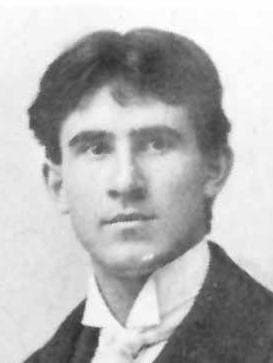
Pearl Zane Grey was an American author and dentist. He is known for his popular adventure novels and stories associated with the Western genre in literature and the arts; he idealized the American frontier. Riders of the Purple Sage (1912) was his best-selling book.
Similar books
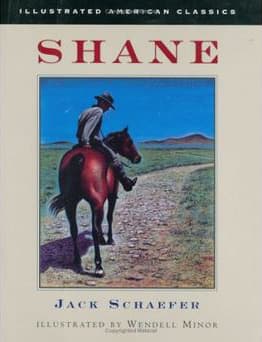
- Shane
Jack Schaefer
3.9 (10k) average on GoodreadsHistorical FictionFeatures a mysterious gunfighter protecting a family against powerful land barons, with similar themes of good vs. evil.
- Nineteen Eighty-Four
George Orwell
4.2 (5.5M) average on GoodreadsFictionWinston Smith dreams of truth and rebellion in a world where Big Brother watches all, but he confronts the terrifying power of a regime that controls not just actions, but thoughts.
- The Frozen River
Ariel Lawhon
4.4 (600k) average on GoodreadsFictionIn 1789 Maine, a heroic midwife's diary helps her expose a murder and get justice in a town that wants to silence her.
- A Man Called Ove
Fredrik Backman
4.4 (569k) average on GoodreadsFictionA stubborn widower, who lives by strict rules, finds his quiet world changed by a lively new family next door, making him face his past and find happiness in human connection.
- The Art of Racing in the Rain
Garth Stein
4.2 (452k) average on GoodreadsFictionThrough the eyes of Enzo, a wise and observant dog, a race car driver's family navigates a journey of love, loss, and resilience, learning that life's most important lessons often come in the curves, not just on the straightaways.
- The Colour of Magic
Terry Pratchett
4.0 (425k) average on GoodreadsFictionOn a discworld hurtling through space on the back of a giant turtle, an inept wizard and his naive, walking-luggage-toting tourist embark on a chaotic, belief-fueled journey to the very edge of their flat planet, encountering dragons that only exist if you believe in them.





Enjoyed the summary?
A summary gives you the shape of the book. The book itself has the detail, the examples and the voice.
Find Riders of the Purple Sage on AmazonAs an Amazon Associate, BookBrief earns from qualifying purchases. How we're funded