

Core Idea
- Difficulty
- Easy
- Read it if
- You are looking for foundational principles of self-improvement, motivation, and ethical business practices, presented with an optimistic, faith-based perspective.
- Skip it if
- You prefer modern, research-backed approaches to psychology and success, or are averse to overtly spiritual and evangelical undertones in self-help literature.
Key Takeaways from See You at the Top
The Power of a Positive Self-Image
Your internal narrative dictates your external reality.
Ziglar says that how we see ourselves is the basis for all success and failure. If you believe you are able, worthy, and deserve success, your actions will naturally match that belief. On the other hand, a negative self-image creates limits, leading to self-sabotage and underperformance. This is not just about feeling good; it is about building a strong inner system that allows for consistent, high performance. Developing a healthy self-image requires conscious effort, including positive self-talk, focusing on strengths, and celebrating small wins to build belief in your own abilities. It is a continuous process of checking and strengthening your inner view.
“You cannot consistently perform in a manner that is inconsistent with the way you see yourself.”
In the book: Ziglar frequently references the concept of a 'self-fulfilling prophecy,' where an individual's expectations about themselves or others come true because they act in ways that are consistent with those expectations. He uses anecdotes of individuals who transformed their lives by changing their perception of themselves.
Try this: Start each day by affirming your worth and capabilities. Create a 'brag book' or 'achievement journal' to document your successes, no matter how small. Consciously replace negative self-talk with positive affirmations. Surround yourself with people who believe in you and uplift your self-perception.
Related ideas: self-image, self-talk, positive-thinking
The Importance of Goals and Planning
Goals are dreams with a deadline and a plan.
Ziglar stresses that just wishing for success is not enough; specific, clear goals are vital. He suggests a structured way to set goals, telling readers to make their goals specific, measurable, attainable, relevant, and time-bound (SMART). Beyond setting them, he highlights the need for a detailed plan, breaking down big goals into smaller, manageable steps. This turns abstract hopes into actions, giving a clear path and direction. Without clear goals and a plan, people drift, often confusing being busy with achieving something. Good planning reduces putting things off and improves focus.
“A goal properly set is halfway reached.”
In the book: Ziglar often compares life without goals to a ship without a rudder, destined to wander aimlessly. He provides examples of successful individuals who meticulously planned their careers and personal lives, attributing their achievements to this disciplined approach.
Try this: Set SMART goals for various areas of your life (personal, professional, financial, health). Write them down and review them daily. Develop a detailed action plan for each goal, breaking it into weekly and daily tasks. Track your progress regularly and adjust your plan as needed.
Related ideas: goal-setting, SMART-goals, strategic-planning
The Power of Honest Persuasion
Influence others by genuinely serving their needs.
Ziglar's view on influence and sales is based on real service and understanding, not trickery. He says that true persuasion comes from knowing and meeting the needs and wants of others. Instead of only focusing on your own gain, the focus shifts to adding value to the other person's life. This builds trust, connection, and lasting relationships, which are much more valuable than short-term deals. This idea applies to all relationships, not just business, showing that generosity and a helpful attitude are the most effective ways to reach your own aims.
“You can have everything in life you want, if you will just help enough other people get what they want.”
In the book: Ziglar shares numerous stories of successful salespeople and leaders who built their careers on integrity and a deep commitment to their clients' well-being. He contrasts this with 'fast-buck artists' who achieve fleeting success before their lack of integrity catches up to them.
Try this: Before any interaction, consider what the other person truly needs or wants. Frame your proposals or requests in terms of how they benefit the other party. Practice active listening to understand their perspective. Seek to build genuine relationships rather than just closing deals.
Related ideas: persuasion, influence, empathy, service
The Importance of a Winning Attitude
Your attitude determines your altitude.
Ziglar strongly states that attitude is more important than talent or intelligence for success. A positive, hopeful attitude fuels resilience, creativity, and problem-solving, helping people overcome problems and learn from mistakes. But a negative attitude can stop even the most talented person, leading to doubt, inaction, and self-defeat. While ability gives a starting point, attitude decides how far someone goes and how well they use their natural skills. Developing a winning attitude means choosing optimism, seeing chances in challenges, and staying excited despite difficulties. It is an inner choice that greatly affects outer results.
“Your attitude, not your aptitude, will determine your altitude.”
In the book: Ziglar frequently uses metaphors like the 'thermostat' of the mind to illustrate how attitude sets the emotional climate for one's life. He recounts stories of individuals with limited natural ability who achieved greatness through sheer force of positive will and persistence.
Try this: Start your day with gratitude and positive affirmations. Consciously reframe challenges as opportunities for growth. Avoid negative people and environments that drain your energy. Practice daily acts of kindness to boost your mood and perspective.
Related ideas: attitude, optimism, resilience, mindset
The Value of Continuous Learning
Never stop growing; stay curious and adaptable.
Ziglar supports lifelong learning as a necessary part of ongoing success. He says that the world is always changing, and those who stop learning quickly become outdated. This means more than formal education; it includes reading, going to seminars, listening to educational audio, and always improving yourself. By regularly giving your mind new knowledge, skills, and views, you stay flexible, creative, and current. Standing still stops progress, and a commitment to learning ensures personal and work growth, helping you handle change and take new chances effectively.
“You are where you are and what you are because of what has gone into your mind. You can change where you are and what you are by changing what goes into your mind.”
In the book: Ziglar often cites the example of successful professionals across various fields who dedicate significant time to reading and learning, contrasting them with those who stop learning after formal education and eventually fall behind.
Try this: Allocate dedicated time each day for reading non-fiction books, articles, or listening to educational podcasts. Identify new skills relevant to your goals and actively seek to acquire them. Regularly attend workshops or seminars to stay updated in your field. Be open to feedback and new ideas.
Related ideas: lifelong-learning, personal-growth, self-improvement, curiosity
The Importance of Integrity and Character
Your true worth is measured by your character.
Ziglar emphasizes the great importance of integrity, honesty, and strong personal character as the base for all lasting success. He says that while talent and charm might open doors, character keeps them open and builds real, lasting trust. Acting with integrity means always doing what is right, even when no one is watching, and keeping promises. This builds a reputation for being reliable and trustworthy, which is priceless in both personal and work life. Without strong character, any success is short-lived and built on weak ground, eventually leading to a loss of respect and influence.
“It's your character, not your reputation, that counts.”
In the book: Ziglar shares cautionary tales of individuals who achieved material success but lost everything due to a lack of integrity, contrasting them with those whose steadfast character earned them long-term loyalty and respect.
Try this: Always be truthful and keep your promises, no matter how small. Prioritize ethical decisions over short-term gains. Be transparent in your dealings. Reflect regularly on your values and ensure your actions align with them. Take responsibility for your mistakes.
Related ideas: integrity, character, honesty, ethics, trust
The Role of Faith and Spirituality
A strong spiritual foundation provides purpose and resilience.
Ziglar, a devoted Christian, includes faith and spirituality as a key part of overall success and well-being. He believes that true fulfillment goes beyond material achievements and needs a connection to something larger than oneself. For him, a spiritual foundation provides purpose, moral guidance, inner peace, and strength during tough times. This is not about trying to convert people, but about showing the importance of having a strong moral compass and a sense of ultimate meaning, which he says is often found in spiritual belief. It helps people handle life's problems with hope and perspective, ensuring their actions are guided by higher principles.
“Man has a spiritual vacuum in his life. God made man, and until man makes God his all, he is going to have a vacuum.”
In the book: Ziglar frequently references biblical principles and personal testimonials of how his faith has guided him through difficult times and provided a framework for his values and purpose.
Try this: Dedicate time each day for reflection, meditation, or prayer, aligning with your personal spiritual beliefs. Engage in practices that strengthen your moral compass and sense of purpose. Find a community that supports your spiritual growth.
Related ideas: faith, spirituality, purpose, meaning, resilience
The Power of Hard Work and Persistence
Talent opens doors, but consistent effort builds empires.
While Ziglar promotes positive thinking and goal-setting, he clearly states that none of it matters without hard, consistent work and steady persistence. He corrects the idea of instant success, saying that big achievements come from sustained effort, often when facing many setbacks. Hard work is not just about putting in hours; it is about focused, smart effort directed toward your goals. Persistence is refusing to give up, learning from failures, and changing plans until success is reached. This combination is what truly separates those who only dream from those who achieve their hopes.
“The only place where success comes before work is in the dictionary.”
In the book: Ziglar often shares stories of individuals who faced countless rejections or failures before ultimately succeeding, attributing their breakthrough to sheer persistence and an unyielding work ethic.
Try this: Develop a strong work ethic by consistently showing up and putting in the necessary effort. When faced with obstacles, analyze what went wrong, adjust your approach, and try again. Break down large tasks into smaller, more manageable steps to maintain momentum and avoid burnout. Celebrate small wins to fuel persistence.
Related ideas: hard-work, persistence, diligence, effort, grit
Mastering the Art of Communication
Effective communication builds bridges and fosters understanding.
Ziglar points out communication as a basic skill for personal and work success. It is not just about speaking clearly, but more importantly, about truly listening and understanding the other person's view. Good communication builds connection, solves conflicts, and helps people work together. Bad communication, however, leads to misunderstandings, frustration, and missed chances. He stresses the need for clarity, understanding, and fitting your message to the audience. Mastering this skill means not only sharing your message well but also creating an atmosphere where others feel heard and understood, building stronger relationships.
“Communication is a two-way street. You have to be able to listen as well as talk.”
In the book: Ziglar uses scenarios from sales and family life to illustrate how miscommunication can lead to breakdowns, and how conscious efforts to listen and clarify can transform relationships and outcomes.
Try this: Practice active listening by fully focusing on the speaker, asking clarifying questions, and reflecting back what you've heard. Be mindful of your non-verbal cues. Before speaking, consider your audience and tailor your message for maximum impact and clarity. Seek to understand before being understood.
Related ideas: communication, active-listening, empathy, interpersonal-skills
Balancing Life's Seven Areas
True success encompasses more than just career achievement.
Ziglar argues against a narrow view of success, saying that true fulfillment comes from balancing seven key areas of life: spiritual, physical, mental, family, financial, personal, and career. Ignoring any of these areas can cause imbalance, even if someone does very well in others. For example, a person might be a career star but have poor health or strained family ties. He suggests a complete approach, where people actively work toward growth and well-being in all these parts. This integrated view ensures a rich, meaningful, and sustainable life, preventing the emptiness that often comes with one-sided achievements.
“Success is the maximum utilization of the ability that you have.”
In the book: Ziglar shares anecdotes of individuals who achieved great professional success but found themselves deeply unhappy due to neglected relationships or health. He uses a wheel analogy, where each spoke must be of equal length for the wheel to roll smoothly.
Try this: Regularly assess your satisfaction and progress in each of the seven areas of life. Set specific goals for improvement in underdeveloped areas. Allocate time and resources intentionally to nurture all aspects of your life, not just your career. Create a weekly schedule that reflects this balance.
Related ideas: work-life-balance, holistic-success, well-being, life-areas
See You at the Top Quotes
“You were born to win, but to be a winner, you must plan to win, prepare to win, and expect to win.”
“Lack of direction, not lack of time, is the problem. We all have twenty-four hour days.”
“If you can dream it, you can achieve it.”
“You don't have to be great to start, but you have to start to be great.”
“People often say that motivation doesn't last. Well, neither does bathing - that's why we recommend it daily.”
“Your attitude, not your aptitude, will determine your altitude.”
“The only way to get to the top is to start at the bottom.”
“What you get by achieving your goals is not as important as what you become by achieving your goals.”
“Go as far as you can see; when you get there, you'll be able to see farther.”
“Statistics suggest that when customers complain, business owners and managers ought to get excited about it. The complaining customer represents a huge opportunity for more business.”
“If you are not willing to learn, no one can help you. If you are determined to learn, no one can stop you.”
“The greatest of all mistakes is to do nothing because you think you can only do a little.”
“You can have everything in life you want, if you will just help enough other people get what they want.”
“When you put faith, hope and love together, you can raise outstanding kids, make changes in the world, and work miracles.”
Quiz
10 questions on the main ideas. Each answer comes with a short explanation.
Question 1
According to Zig Ziglar in "See You at the Top," what is the primary component of a positive self-image?
- Financial success and material possessions
- A good relationship with others and a strong support system
- Having clearly defined goals and a detailed plan to achieve them
- Your attitude, which determines your altitude
Show answer
D. Your attitude, which determines your altitude Zig Ziglar consistently emphasizes that a positive attitude is fundamental to a positive self-image and achieving success, famously stating that your attitude, not your aptitude, determines your altitude.
Question 2
Ziglar introduces the concept of the 'Wheel of Life' to illustrate that true success is balanced. Which of the following is NOT one of the spokes of this wheel?
- Mental
- Physical
- Financial
- Social Media Presence
Show answer
D. Social Media Presence The 'Wheel of Life' in 'See You at the Top' typically includes spokes like Mental, Physical, Spiritual, Family, Financial, and Social. Social Media Presence is not one of Ziglar's original spokes for balanced living.
Question 3
What does Zig Ziglar strongly advocate as the foundation for building trust and lasting relationships, both personally and professionally?
- Networking extensively and attending many social events
- Developing superior communication and negotiation skills
- Honesty, loyalty, integrity, and strong personal character
- Consistently outperforming competitors and demonstrating dominance
Show answer
C. Honesty, loyalty, integrity, and strong personal character The revised and updated edition of 'See You at the Top' particularly stresses the importance of honesty, loyalty, faith, integrity, and strong personal character as the bedrock of all success and healthy relationships.
Question 4
Ziglar often discusses the importance of setting goals. Which of the following best describes his advice on how to make goals effective?
- Keep goals vague and flexible to adapt to changing circumstances.
- Set only a few, very ambitious goals to avoid spreading yourself too thin.
- Write down goals, make them specific, measurable, achievable, relevant, and time-bound (SMART).
- Focus primarily on financial goals, as they enable all other types of success.
Show answer
C. Write down goals, make them specific, measurable, achievable, relevant, and time-bound (SMART). Ziglar is a strong proponent of SMART goals, emphasizing the necessity of writing them down and making them specific, measurable, achievable, relevant, and time-bound for effective pursuit.
Question 5
In the context of motivation, Ziglar distinguishes between 'motivation' and 'inspiration.' What is a key difference he highlights?
- Motivation is external and temporary, while inspiration is internal and lasting.
- Motivation is about setting goals, while inspiration is about achieving them.
- Motivation is for individuals, and inspiration is for groups.
- Motivation is intellectual, while inspiration is emotional.
Show answer
A. Motivation is external and temporary, while inspiration is internal and lasting. Ziglar often explains that motivation can be externally provided and temporary, like a bath, needing daily renewal. Inspiration, however, is a deeper, internal drive that comes from within and lasts longer.
Question 6
What is the core message behind Ziglar's famous saying, 'You can have everything in life you want, if you will just help enough other people get what they want'?
- Altruism is the highest form of self-sacrifice.
- Success is primarily about effective networking.
- Self-interest is best served by serving others.
- One should always prioritize others' needs over their own.
Show answer
C. Self-interest is best served by serving others. This quote encapsulates Ziglar's philosophy of servant leadership and ethical salesmanship, arguing that by focusing on adding value and helping others achieve their goals, one inherently creates pathways to their own success.
Question 7
Ziglar emphasizes the power of positive self-talk and affirmation. What is the main purpose of this practice?
- To deceive oneself into believing false realities.
- To reprogram the subconscious mind and build confidence.
- To impress others with one's optimistic outlook.
- To avoid confronting negative emotions and challenges.
Show answer
B. To reprogram the subconscious mind and build confidence. Ziglar teaches that consistent positive self-talk and affirmations are powerful tools to combat negative self-talk, reprogram limiting beliefs in the subconscious, and build a strong, confident self-image.
Question 8
In discussing the role of failure, what is Ziglar's primary perspective?
- Failure is an inevitable outcome for most people and should be accepted.
- Failure is a temporary event, not a person, and offers valuable lessons.
- Failure indicates a lack of talent and should lead to changing career paths.
- Failure is to be avoided at all costs through meticulous planning.
Show answer
B. Failure is a temporary event, not a person, and offers valuable lessons. Ziglar famously states, 'Failure is an event, not a person.' He views setbacks as opportunities for learning and growth, emphasizing persistence and reframing failures as temporary detours rather than ultimate destinations.
Question 9
Ziglar often encourages individuals to take personal responsibility for their lives. Which statement best reflects his view on external circumstances and excuses?
- External circumstances often dictate one's potential for success, making excuses understandable.
- While circumstances can be challenging, one's response and attitude are always within their control.
- It's important to identify external factors that hinder progress so they can be blamed.
- Successful people are those who are born into favorable circumstances.
Show answer
B. While circumstances can be challenging, one's response and attitude are always within their control. A core tenet of 'See You at the Top' is personal responsibility. Ziglar acknowledges challenges but firmly asserts that individuals have the power to choose their attitude and response, refusing to let external circumstances define their potential.
Question 10
How does Zig Ziglar view the relationship between faith and achieving success in life?
- Faith is a private matter and has no bearing on professional success.
- Faith provides a moral compass and spiritual strength essential for overall well-being and persistent effort.
- Success is achieved primarily through hard work and strategic planning, making faith secondary.
- Only those with strong religious beliefs can truly reach the top.
Show answer
B. Faith provides a moral compass and spiritual strength essential for overall well-being and persistent effort. Ziglar, a devout Christian, integrates spirituality throughout his work. He sees faith not just as a religious practice but as a foundational element providing hope, moral guidance, and the resilience needed to overcome obstacles on the path to success.
See You at the Top FAQ
What is the core message of Zig Ziglar's "See You at the Top"?
The core message is that true success, reaching 'the top,' is achieved through developing strong personal character, embracing positive attitudes, setting clear goals, and applying principles of honesty, integrity, and faith in all aspects of life. It emphasizes that helping others is a key component of personal achievement.
Does the advice in "See You at the Top" still work in today's modern business world?
Yes, the fundamental principles of character, integrity, positive thinking, goal setting, and strong work ethic advocated by Zig Ziglar are timeless and remain highly relevant and effective in any business or personal endeavor today. While technologies change, human nature and the foundations of success do not.
What is the 'Wheel of Life' concept discussed in the book?
The 'Wheel of Life' is a concept used to illustrate that true success isn't just about financial gain but requires balance across multiple areas of life, such as physical, family, financial, spiritual, mental, and social. If one 'spoke' of the wheel is missing or weak, the 'wheel' (your life) will not run smoothly.
How does "See You at the Top" differ from other self-help books focused solely on financial success?
Unlike many books that prioritize financial gain above all else, "See You at the Top" emphasizes a holistic view of success, stressing that true achievement encompasses personal character, strong relationships, spiritual well-being, and contributing to others, alongside financial prosperity. It argues that character is the foundation for lasting success.
Is "See You at the Top" suitable for someone just starting their career?
Absolutely. The book provides foundational principles for developing a positive mindset, setting effective goals, building strong character, and understanding the importance of integrity, which are crucial for anyone at the beginning of their professional journey.
What role does spirituality play in Zig Ziglar's philosophy in the book?
Spirituality, particularly faith, is presented as a crucial component of a balanced and successful life. Ziglar integrates principles of faith, hope, and ethical conduct, suggesting that a strong spiritual foundation contributes significantly to resilience, purpose, and overall well-being.
Does the book offer actionable steps for goal setting?
Yes, "See You at the Top" provides detailed guidance and actionable frameworks for setting clear, specific, and achievable goals, emphasizing the importance of writing them down, creating action plans, and maintaining a positive attitude to overcome obstacles.
How does Zig Ziglar define 'the top'?
Ziglar defines 'the top' not as a specific destination or a single achievement like wealth, but as the continuous process of becoming the best version of yourself in all areas of life—personally, professionally, spiritually, and socially—while helping others along the way.
What is the significance of the 25th-anniversary edition of "See You at the Top"?
The 25th-anniversary edition is a revised and updated version that reaffirms the timeless principles of the original while potentially offering contemporary insights or refreshed perspectives. It underscores the enduring relevance of Ziglar's message on honesty, loyalty, faith, integrity, and strong personal character.
About the author

Zig Ziglar was an American author and motivational speaker known for his work in personal development and sales training. His book "See You at the Top" emphasizes the importance of a positive attitude and goal-setting in achieving success. Ziglar's teachings have influenced many in the fields of business and self-improvement.
Similar books
- The 7 Habits of Highly Effective People: Powerful Lessons in Personal Change
Stephen R. Covey
4.1 (524k) average on GoodreadsBusinessBoth emphasize character ethics, goal setting, and holistic personal development for success.
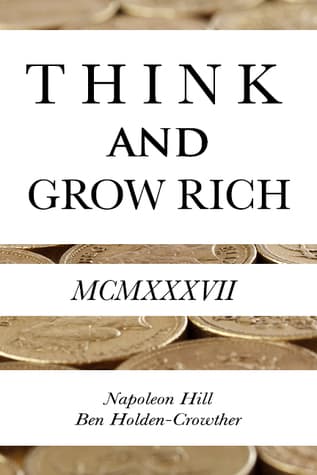
- Think and Grow Rich
Napoleon Hill
4.2 (218k) average on GoodreadsBusinessBoth focus on the power of positive thought, clear goals, and persistence in achieving wealth and success.
- The Power of Positive Thinking
Norman Vincent Peale
4.1 (85k) average on GoodreadsBusinessThere is significant thematic overlap, particularly in the emphasis on positive self-image and the transformative power of a positive mental attitude. Both authors are deeply influenced by Christian spirituality. However, Peale's book focuses almost exclusively on the mental aspect and faith as a means to overcome challenges, while Ziglar's See You at the Top offers a broader, more structured framework for overall life improvement, including specific strategies for goal setting, communication, and balancing life areas beyond just positive thought.
- Steve Jobs
Walter Isaacson
4.1 (957k) average on GoodreadsBusinessSteve Jobs was a visionary who fused creativity and technology to revolutionize six industries and shape our digital world.
- Freakonomics: A Rogue Economist Explores the Hidden Side of Everything
Steven D. Levitt
4.0 (709k) average on GoodreadsBusinessThis book uses economic principles to reveal the surprising incentives behind everything from drug dealing and real estate to cheating teachers and the decline of crime.
- The Tipping Point: How Little Things Can Make a Big Difference
Malcolm Gladwell
4.0 (690k) average on GoodreadsBusinessMalcolm Gladwell explains how small, targeted actions can start widespread changes in trends, behaviors, and ideas.





Enjoyed the summary?
A summary gives you the shape of the book. The book itself has the detail, the examples and the voice.
Find See You at the Top on AmazonAs an Amazon Associate, BookBrief earns from qualifying purchases. How we're funded