

Synopsis
Covers the whole plot, including the ending.
- Difficulty
- Medium
- Pacing
- Moderate
- Mood
- Thought-provoking, Melancholic, Cultural, Dramatic
- Read it if
- You enjoy plays that explore cultural clashes, family dynamics, and the immigrant experience with a focus on duty versus desire.
- Skip it if
- You prefer fast-paced thrillers or lighthearted comedies, or find family dramas too heavy.
Sons Must Die and Other Plays Plot Summary
Covers the whole plot, including the ending.
The First Encounter
Nalini, a bright and independent young woman, navigates family and community pressures in a conservative Indian village. Her parents, especially her mother, want to arrange a suitable marriage for her, stressing tradition and family honor. Nalini, however, dreams of more than domestic life and feels increasingly confined. She secretly studies and hopes for an independent future, often disagreeing with her mother's expectations. This beginning establishes Nalini's internal conflict and the societal background, setting the stage for her eventual rebellion against expected roles.
The Shadow of Duty
Ravi, Nalini's older brother, is a dutiful son who knows his family's honor and responsibilities. He cares deeply for Nalini but is also influenced by his parents' traditional views, especially his father's authority. Ravi is torn between supporting Nalini's aspirations and upholding the family's conservative values. His internal struggle highlights the generational conflict and the pressure to conform. He tries to mediate between Nalini and their parents, often to his own detriment, as he understands Nalini's desire for freedom but is also bound by his own sense of obligation.
A Glimmer of Hope
Nalini meets Ashok, a young man from a more modern background who shares her intellectual curiosity and independent spirit. Their talks spark hope and possibility within Nalini. Ashok admires her intelligence and encourages her studies and dreams, a clear contrast to her family's traditional mindset. Their growing connection, though initially platonic, becomes an inspiration and a potential path to freedom for Nalini. This relationship introduces a new dynamic, challenging the established order and offering Nalini a glimpse of a different future beyond her village.
The Arranged Alliance
Despite Nalini's unspoken desires and growing bond with Ashok, her parents arrange her marriage to a man they chose. The prospective groom, a wealthy but traditional man named Suresh, represents everything Nalini fears about her future: a life without intellectual stimulation and personal autonomy. News of the arranged marriage shatters Nalini's hopes and increases her feelings of entrapment. She tries to object, but her parents dismiss her pleas, seeing the match as beneficial and honorable for the family. This event is a major turning point, pushing Nalini to the edge of rebellion.
The Weight of Expectation
As wedding preparations increase, Ravi feels immense pressure from his parents to ensure Nalini's compliance. His father, in particular, stresses family honor and the shame if Nalini were to refuse. Ravi tries to reason with Nalini, making her understand the consequences of defying their parents. He is torn between his love for his sister and his ingrained sense of duty and loyalty to his family. This internal conflict highlights the complex relationships and sacrifices expected of individuals within a traditional family structure, especially for the male heir.
A Desperate Plea
In a confrontation, Nalini faces her parents and Ravi, pleading with them to understand her desire for an independent life and to reconsider the arranged marriage. She explains her dreams of education and self-fulfillment, arguing she cannot be happy in a marriage that stifles her spirit. Her words, however, are ignored, as her parents remain firm in their traditional views, seeing her desires as rebellious and disrespectful. Ravi, though sympathetic, cannot sway their parents, leaving Nalini feeling alone and misunderstood. This scene shows the gap between generations and traditional versus modern values.
The Fateful Decision
Feeling trapped and seeing no other choice, Nalini decides to run away from home on the eve of her wedding. She leaves a letter explaining her reasons, expressing love for her family but asserting her right to choose her own destiny. Her escape is a bold and dangerous act, defying centuries of tradition and risking her family's honor. This decision marks a break from her past and a courageous step towards an uncertain but self-determined future. The act itself is a powerful statement about individual freedom against societal constraints.
The Aftermath and Shame
Nalini's disappearance throws her family into chaos and brings great shame upon them in the village. Her parents are devastated, dealing with anger, sorrow, and public humiliation. Ravi feels a deep sense of failure and responsibility, believing he could have done more to prevent her escape. The community's whispers and judgment further isolate the family. This section explores the impact of Nalini's act on her family's reputation and the emotional toll it takes on each member, showing the unforgiving nature of a conservative society when traditions are broken.
A Brother's Search
Despite his initial anger and the family's shame, Ravi, driven by deep love for his sister and a sense of responsibility, decides to search for Nalini. His journey is challenging and takes him to cities, a contrast to their rural upbringing. During his search, Ravi encounters different perspectives and experiences, slowly beginning to understand modern life's complexities and the pressures Nalini must have felt. His quest is not just to bring her back, but also to understand her choices, showing a shift in his own perspective and a deepening of his character.
The Reunion and Reconciliation
Ravi eventually finds Nalini, who has started a new life, pursuing her education and working independently. Their reunion is emotional, filled with both relief and unresolved tension. Nalini explains her reasons for leaving, asserting her newfound independence and happiness. Ravi, having seen her growth and the world outside their village, begins to understand her perspective. While full reconciliation with their parents remains uncertain, the reunion between siblings is a moment of mutual understanding and the potential for a new kind of relationship, one built on respect for individual choices.
Sons Must Die and Other Plays Characters
Nalini
Protagonist
A bright and independent young woman striving for self-determination against societal constraints.
Nalini is the central figure, a spirited and intelligent woman who yearns for an education and a life beyond the traditional roles prescribed for women in her conservative Indian village. She is introspective, courageous, and deeply sensitive, yet possesses an unyielding resolve when it comes to her personal freedom. Her internal conflict between filial duty and personal aspiration drives much of the narrative. She represents the emerging voice of women seeking autonomy in a patriarchal society, valuing intellectual growth and personal happiness over conventional expectations.
Relationships: Ravi (Younger sister, initially seeking his understanding and later finding a more equal, respectful bond.); Ashok (Intellectual companion and source of encouragement, representing a modern perspective.); Parents (Daughter, feeling stifled by their traditional expectations and arranged marriage plans.)
Ravi
Supporting
Nalini's older brother, torn between family honor and his sister's happiness.
Ravi is Nalini's older brother, a dutiful son who is acutely aware of his family's honor and the responsibilities placed upon him as the male heir. He loves his sister but is deeply ingrained with traditional values, often finding himself caught between his parents' expectations and Nalini's burgeoning independence. His character embodies the internal struggle faced by many individuals in transitional societies, grappling with loyalty to tradition versus empathy for modern aspirations. He is initially a mediator but eventually embarks on his own journey of understanding.
Relationships: Nalini (Older brother, initially trying to guide her, later seeking to understand and support her.); Parents (Dutiful son, striving to uphold their honor and expectations.)
Ashok
Supporting
A progressive young man who inspires Nalini's pursuit of independence.
Ashok is a well-educated and forward-thinking young man who represents a more modern and liberal perspective. He serves as a catalyst for Nalini's self-discovery, encouraging her intellectual pursuits and independent thought. He respects her intelligence and aspirations, offering a stark contrast to the traditional mindset of her family. Ashok provides Nalini with emotional support and a glimpse into a world where women can pursue their dreams, acting as an external force that validates her internal desires. His presence highlights the societal changes occurring beyond the village's confines.
Relationships: Nalini (Friend and intellectual confidant, inspiring her independence.)
Nalini's Mother
Supporting
A traditional matriarch who upholds societal norms and family honor.
Nalini's mother is a deeply traditional woman who firmly believes in the established social order and the importance of arranged marriages for a woman's security and family honor. She loves Nalini but expresses it through the lens of societal expectations, often clashing with her daughter's independent spirit. She is a product of her own upbringing, embodying the generational cycle of traditional values. Her actions are driven by what she perceives as Nalini's best interest within the framework of her culture, making her an antagonist to Nalini's aspirations, though not out of malice.
Relationships: Nalini (Mother, pushing her to conform to traditional marriage and societal roles.); Nalini's Father (Wife, upholding the patriarchal family structure.)
Nalini's Father
Supporting
The patriarchal head of the family, focused on honor and tradition.
Nalini's father is the stern and authoritative patriarch of the family, whose primary concern is maintaining family honor and adhering to traditional customs. He views Nalini's desire for independence as a challenge to his authority and the family's reputation. His decisions are rooted in a deep-seated belief in the social hierarchy and the importance of upholding traditional values, particularly regarding his daughter's marriage. He embodies the rigid aspects of the patriarchal system, expecting unquestioning obedience from his children and interpreting any defiance as a grave insult to the family.
Relationships: Nalini (Father, demanding obedience and adherence to traditional marriage.); Ravi (Father, expecting him to uphold family honor and control his sister.); Nalini's Mother (Husband, sharing traditional views and maintaining family order.)
Suresh
Mentioned
Nalini's prospective husband, representing the traditional arranged marriage.
Suresh is the wealthy, traditional man chosen by Nalini's parents for her arranged marriage. He is presented as a suitable match in terms of societal standing and financial stability, but he embodies the very traditional values that Nalini seeks to escape. Though not deeply explored as a character, he represents the conventional path that Nalini rejects, symbolizing a life of domesticity and limited personal freedom. His role is primarily symbolic, highlighting the stark contrast between Nalini's aspirations and the expectations of her family.
Relationships: Nalini (Prospective husband, representing a traditional arranged marriage.)
Sons Must Die and Other Plays Themes
Individual Freedom vs. Societal Expectation
This is the main theme, exploring Nalini's struggle to assert her autonomy and desires against rigid societal norms and family expectations in a traditional Indian community. Nalini's wish for education and self-determination directly clashes with her parents' insistence on an arranged marriage and tradition. Her decision to run away (Scene 7) is the ultimate expression of this conflict, highlighting the immense pressure to conform versus the deep human need for personal liberty. The play questions the cost of tradition on individual happiness.
“How can I live a life that isn't mine? My heart, my mind, they yearn for more than what you've planned.”
The Burden of Tradition and Family Honor
The play deeply examines how tradition and family honor can become a burden, especially for women. Nalini's parents worry about 'what people will say' and the perceived shame of a daughter defying an arranged marriage. Ravi, too, is influenced by family honor, initially prioritizing it over his sister's happiness (Scene 5). The play shows how these cultural constructs can dictate individual lives, leading to unhappiness and conflict when personal desires differ from customs. The aftermath of Nalini's escape shows the devastating impact of 'shame' on the family.
“Our honor is everything, Nalini. More precious than any fleeting dream.”
Generational Divide and Changing Values
The narrative shows the gap between the older generation, Nalini's parents, who are rooted in traditional values, and the younger generation, Nalini and Ashok, who embrace modern ideas of individualism and education. This divide is clear in their differing views on marriage, women's roles, and personal fulfillment. Ravi's character bridges this gap, initially siding with tradition but gradually understanding Nalini's perspective through his own experiences (Scene 9). The play suggests cultural evolution is inevitable and highlights the challenges faced by societies in transition.
“The world is changing, Mother. We cannot live as our grandmothers did.”
The Role of Women in Society
A significant theme is the limited role of women in traditional patriarchal societies. Nalini's struggle represents many women who are expected to prioritize marriage and family over personal ambition and education. Her journey highlights the limited choices available to them and the courage needed to defy these expectations. The play implicitly critiques systems that deny women agency and voice, showing Nalini's fight for her right to choose her own destiny and define her own worth beyond her marital status or domestic duties.
“A woman's greatest strength is her patience, her obedience.”
Plot Devices & Literary Techniques
The Arranged Marriage
A central conflict and catalyst for Nalini's rebellion.
The arranged marriage serves as the primary external conflict and the catalyst for Nalini's drastic actions. It symbolizes the societal expectations and traditional constraints that threaten to stifle her individuality. By presenting a 'suitable' match that is antithetical to Nalini's desires, the device heightens the tension and forces her to make a profound choice between duty and freedom. It's not merely a plot point, but a representation of the larger cultural system she is fighting against, making her decision to flee incredibly impactful.
The Escape Letter
A textual representation of Nalini's voice and declaration of independence.
Nalini's letter left upon her escape is a crucial plot device. It allows her to articulate her motivations, feelings, and aspirations directly to her family, even though she cannot do so in person. This letter serves as her final plea for understanding and her definitive declaration of independence. It provides exposition for her actions and creates a powerful moment of reflection for the family left behind, forcing them to confront her perspective in her absence. It's a symbolic act of taking control of her narrative.
Ravi's Journey
A character's physical and emotional journey that facilitates a shift in perspective.
Ravi's journey to find Nalini after her disappearance is a significant plot device. It allows for a change in setting from the restrictive village to more modern, urban environments, exposing Ravi to different ways of life and thought. This physical journey mirrors his emotional and intellectual journey, as he grapples with his ingrained beliefs and slowly begins to understand Nalini's motivations. His search is not just about finding her, but about his own personal growth and the bridging of the generational and cultural divide within the family.
Sons Must Die and Other Plays Quotes
“Sons must die, so that nations may live.”
“The past is a stubborn ghost, always lingering, always whispering.”
“What is freedom, if not the right to choose your own chains?”
“Silence can be a weapon, sharper than any sword.”
“Truth is a mirror with many fragments, and each sees only their own reflection.”
“The greatest battles are fought not on fields of war, but within the chambers of the heart.”
“To forget is to betray, not just the dead, but the living who remember them.”
“We build walls, not to keep others out, but to keep ourselves in.”
“Hope is a fragile bird, easily crushed, yet it always finds a way to sing again.”
“Justice is a blindfolded woman, but sometimes, she peeks.”
“Every goodbye is a small death, every meeting a tiny rebirth.”
“The stage is a world, and the world is a stage. We are all merely players.”
“Love, like a river, can carve canyons or nurture fertile lands. Its nature depends on the banks that hold it.”
“To be human is to yearn for what is lost, and to fear what is yet to come.”
Quiz
10 questions on the plot and the characters. Each answer comes with a short explanation.
Question 1
In the play 'Sons Must Die', what is the primary reason the Queen initially wants to send her sons to war?
- To expand their kingdom's territory.
- To fulfill an ancient prophecy.
- To prevent them from being seen as weak or cowardly.
- To secure trade routes with neighboring states.
Show answer
C. To prevent them from being seen as weak or cowardly. The Queen is deeply concerned with the perception of her sons' masculinity and courage, believing that participating in war is essential to prove their worth and avoid being seen as weak, especially in the eyes of their father and the kingdom.
Question 2
Which character in 'Sons Must Die' most strongly advocates for peace and questions the necessity of war?
- The King
- The Eldest Son
- The Youngest Son
- The General
Show answer
C. The Youngest Son The Youngest Son is consistently portrayed as the most philosophical and peace-loving of the brothers, expressing strong doubts about the glory and necessity of war.
Question 3
In 'The Ring', what is the central conflict surrounding the titular ring?
- Its magical powers are causing chaos in the kingdom.
- It is a symbol of a broken promise or an unfulfilled vow.
- Two rival families are fighting over its ownership.
- It is needed to cure a mysterious illness afflicting the royal family.
Show answer
B. It is a symbol of a broken promise or an unfulfilled vow. 'The Ring' often explores themes of commitment, memory, and the weight of past actions, with the ring symbolizing a significant, often painful, unkept promise or vow.
Question 4
What common theme connects many of the plays in 'Sons Must Die and Other Plays'?
- The celebration of ancient myths and legends.
- The exploration of gender roles and societal expectations.
- Critiques of political corruption in modern society.
- The triumph of good over evil in fantastical settings.
Show answer
B. The exploration of gender roles and societal expectations. Uma Parameswaran frequently delves into the pressures and expectations placed upon individuals, particularly women and men within traditional societal structures, examining how these roles dictate their choices and destinies.
Question 5
In 'Sons Must Die', what is the King's initial stance regarding his sons going to war?
- He is eager for them to prove themselves in battle.
- He is hesitant and expresses reservations about the necessity of conflict.
- He demands they stay home to manage the kingdom's affairs.
- He leaves the decision entirely up to his sons.
Show answer
B. He is hesitant and expresses reservations about the necessity of conflict. The King, unlike the Queen, initially shows more wisdom and reluctance concerning war, questioning its benefits and the cost of human lives, though he is eventually swayed by societal pressures and the Queen's insistence.
Question 6
Which of the following literary devices is frequently employed by Uma Parameswaran in her plays to convey inner turmoil or societal commentary?
- Extensive use of slapstick comedy.
- Frequent breaking of the fourth wall by characters.
- Symbolism and allegorical elements.
- Detailed stage directions for elaborate physical stunts.
Show answer
C. Symbolism and allegorical elements. Parameswaran often uses objects, characters, or situations symbolically to represent larger ideas, societal pressures, or internal struggles, adding layers of meaning to her narratives.
Question 7
How does the playwright generally portray the consequences of adherence to rigid societal expectations in her works?
- As leading to ultimate happiness and fulfillment.
- As often resulting in tragedy, loss, or profound disillusionment.
- As a necessary evil that strengthens community bonds.
- As promoting individual freedom and self-expression.
Show answer
B. As often resulting in tragedy, loss, or profound disillusionment. A recurring theme in Parameswaran's plays is the detrimental impact of uncritical adherence to traditional or rigid societal norms, often leading to tragic outcomes or deep personal suffering for her characters.
Question 8
Considering the overall tone and subject matter across the collection, what philosophical stance does 'Sons Must Die and Other Plays' most frequently challenge?
- Existentialism and the meaninglessness of life.
- The unquestioning glorification of war and traditional notions of honor.
- The pursuit of individual wealth and power.
- The importance of scientific progress over spiritual belief.
Show answer
B. The unquestioning glorification of war and traditional notions of honor. The title play itself, 'Sons Must Die', directly confronts the romanticized view of war and the societal pressures that compel individuals, particularly men, to sacrifice themselves for abstract concepts of honor and duty.
Question 9
In the context of the collection, what does the recurring motif of 'duty' often represent?
- An opportunity for personal growth and self-discovery.
- A burden imposed by external expectations, often leading to internal conflict.
- The inherent moral compass guiding characters to do good.
- A simple task that must be completed for the common good.
Show answer
B. A burden imposed by external expectations, often leading to internal conflict. Duty in these plays is rarely presented as a straightforward, positive force. Instead, it is frequently depicted as a heavy obligation, often at odds with a character's true desires or moral compass, leading to internal struggle and difficult choices.
Question 10
How does Parameswaran typically use dialogue to develop her characters and advance the plot?
- Through lengthy, descriptive monologues detailing past events.
- With sharp, often philosophical exchanges that reveal motivations and societal pressures.
- Using informal, colloquial language to create a sense of realism.
- Primarily through characters narrating their actions directly to the audience.
Show answer
B. With sharp, often philosophical exchanges that reveal motivations and societal pressures. Parameswaran's dialogue is often characterized by its intellectual depth and philosophical undertones, allowing characters to articulate their inner conflicts, debate moral dilemmas, and expose the societal forces at play.
Sons Must Die and Other Plays FAQ
What is the overarching theme connecting the plays in 'Sons Must Die and Other Plays'?
The collection explores the profound and often devastating impact of war, conflict, and political upheaval on individuals and families, particularly focusing on the roles and suffering of women and mothers. It delves into themes of sacrifice, loss, resilience, and the difficult choices people make under extreme duress, often with a focus on South Asian historical and mythological contexts.
Which historical event serves as a backdrop for the play 'Sons Must Die'?
'Sons Must Die' is set against the backdrop of the Mahabharata war, specifically focusing on the aftermath and the grief of Gandhari, the mother of the Kauravas. The play re-examines the moral complexities and human cost of the epic conflict through her eyes, highlighting her curse on Krishna and the cycle of violence.
Who is the central protagonist in 'Rani of Jhansi' and what is her primary struggle?
The central protagonist is Lakshmibai, the Rani of Jhansi, who is depicted as a fierce and intelligent queen fighting against British colonial rule during the Indian Rebellion of 1857. Her primary struggle involves balancing her duties as a ruler, her love for her adopted son, and her unwavering commitment to freedom and justice for her people, even in the face of insurmountable odds.
What kind of relationship does the play 'The Serpent and the Rope' explore?
This play, while sharing a title with Raja Rao's novel, focuses on a different narrative, exploring the complex and often strained relationship between an Indian mother living abroad and her children, who are navigating their bicultural identities. It delves into generational gaps, cultural assimilation, and the struggle to maintain traditional values in a modern, Westernized world.
What is the significance of the recurring motif of a 'son's death' across multiple plays?
The motif of a son's death is central to the collection, symbolizing the ultimate sacrifice and the devastating impact of war and conflict on maternal figures. In 'Sons Must Die,' it's Gandhari's hundred sons; in other plays, it represents the loss of future generations, the shattering of lineage, and the profound grief that transcends political or historical divides, emphasizing the universal pain of mothers.
How does the play 'Sons Must Die' subtly connect Gandhari's curse to later historical events?
While not explicitly stated as a direct causal link, Gandhari's curse on Krishna, born from her profound grief and sense of betrayal, subtly foreshadows the eventual destruction of the Yadava clan. This connection implies a cyclical nature of violence and divine retribution, suggesting that even justified actions can lead to unforeseen and tragic consequences, echoing in later conflicts.
Are there any subtle allusions to contemporary political conflicts within the historical settings of the plays?
Yes, while set in historical or mythological periods, the plays often contain subtle allusions to contemporary political conflicts, particularly those involving ethnic strife, partition, and the struggles of displaced populations in South Asia. The timeless themes of oppression, resistance, and the human cost of power struggles resonate with modern geopolitical realities, inviting readers to draw parallels.
What is the symbolic significance of Lakshmibai's son in 'Rani of Jhansi'?
Lakshmibai's adopted son, Damodar Rao, symbolizes not just her personal lineage but also the future of Jhansi and the hope for an independent India. His vulnerability and her fierce protection of him underscore the stakes of her rebellion, representing the innocence threatened by colonial aggression and serving as a powerful emotional anchor for her fight.
How does Gandhari's decision to blindfold herself contribute to her psychological state and the play's themes?
Gandhari's self-imposed blindness is a profound act of marital devotion and empathy, but it also traps her in a unique psychological state of self-inflicted isolation. It amplifies her internal suffering, making her a witness to her sons' destruction through sound and intuition rather than sight, and emphasizes the theme of shared sacrifice and the heavy burden of her choices.
Analyze the psychological impact of repeated loss on the female characters, particularly mothers, in the collection.
The repeated loss of sons and loved ones inflicts deep psychological trauma on the female characters, leading to profound grief, despair, and sometimes a radical shift in perspective or action, like Gandhari's curse. It often pushes them to the brink, forcing them to confront the futility of war and the limits of their own endurance, showcasing their immense emotional resilience.
How does Lakshmibai's leadership in 'Rani of Jhansi' showcase both strength and vulnerability?
Lakshmibai's leadership is characterized by immense strength in battle, strategic acumen, and unwavering resolve, but also by profound vulnerability. Her moments of doubt, her fear for her son, and her isolation as a female ruler in a patriarchal society reveal her human side, making her a more complex and relatable figure who carries the burden of her people's fate.
What psychological complexities are explored in 'The Serpent and the Rope' regarding cultural identity?
'The Serpent and the Rope' delves into the psychological complexities of bicultural identity, particularly the internal conflict experienced by characters caught between traditional Indian values and modern Western influences. It explores feelings of alienation, the struggle for belonging, and the psychological toll of navigating two distinct cultural worlds, often leading to identity crises and intergenerational misunderstandings.
Is Gandhari's curse on Krishna in 'Sons Must Die' justified, or is it an act of profound despair?
This is open to interpretation. Some argue her curse is justified, born from the unimaginable grief of losing all her hundred sons and a perception of Krishna's partiality in the war. Others view it as an act of profound despair, a mother's lashing out at fate and even the divine, highlighting the human inability to comprehend or accept such immense loss, regardless of dharma.
How does the collection challenge traditional portrayals of female characters in historical/mythological narratives?
The collection challenges traditional portrayals by giving voice and agency to female characters often relegated to secondary roles or seen merely as victims. It re-centers narratives around their perspectives, highlighting their strength, leadership, and emotional depth, transforming them from passive observers into active participants whose decisions and suffering drive the plot and moral questions.
What is the playwright's stance on the concept of 'duty' versus 'personal desire' as depicted in the plays?
The playwright appears to suggest that 'duty,' especially when tied to family, nation, or dharma, often overrides 'personal desire,' leading to immense personal sacrifice and suffering. However, the plays also explore the heavy toll this takes, subtly questioning whether such absolute adherence to duty is always sustainable or leads to greater good, particularly for female characters.
Do the plays offer a definitive resolution to the cycle of violence they depict, or do they suggest its perpetuation?
The plays largely suggest the perpetuation of the cycle of violence, often ending with a sense of unresolved grief or the seeds of future conflict. While individual characters may find personal peace or make powerful statements, the broader societal or cosmic forces at play often indicate that one conflict merely gives way to another, leaving the audience to ponder the enduring nature of human strife.
How does the play 'Rani of Jhansi' encourage a re-evaluation of historical narratives from a colonized perspective?
'Rani of Jhansi' actively encourages a re-evaluation by presenting the Indian Rebellion of 1857 not as a 'mutiny' but as a legitimate struggle for freedom and sovereignty. It frames Lakshmibai as a heroic resistance figure against an oppressive colonial power, thereby challenging the Eurocentric historical accounts and foregrounding the perspectives and motivations of the colonized people.
What is the significance of the 'other plays' beyond the titular 'Sons Must Die' in understanding the collection's full scope?
The 'other plays' are crucial for understanding the collection's full thematic scope, as they expand the exploration of war, identity, and female agency beyond the mythological setting into historical and contemporary contexts. They demonstrate the universality of these struggles, showing how the core themes of loss, resilience, and the cost of conflict resonate across different eras and cultural landscapes, enriching the collection's impact.
Similar books
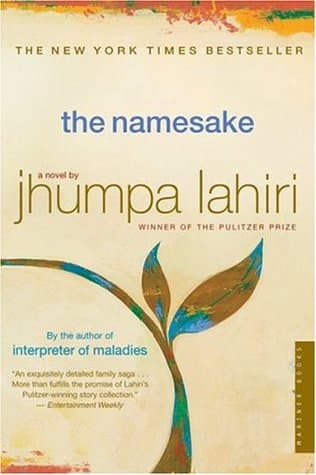
- The Namesake
Jhumpa Lahiri
4.0 (234k) average on GoodreadsLiterary FictionDeals with immigrant experiences, cultural identity, and family expectations.
- Fences
August Wilson
3.9 (18k) average on GoodreadsHistorical FictionA play that examines complex family dynamics and the weight of duty across generations.
- Interpreter of Maladies
Jhumpa Lahiri
4.2 (160k) average on GoodreadsLiterary FictionParameswaran's plays offer a more direct, theatrical confrontation with cultural identity and conflict, using immediate, high-stakes dialogues. Lahiri's work is more internal, reflective, and focuses on subtle nuances of alienation through prose, offering a richer psychological landscape.
- The Buddha of Suburbia
Hanif Kureishi
3.7 (15k) average on GoodreadsFictionParameswaran's approach is generally more earnest and empathetic, focusing on the pathos of cultural clashes. Kureishi explores similar themes of identity with a sharper, often satirical edge, critiquing the hypocrisy of both traditional and modern societies, and is less overtly sympathetic to characters' plights.
- Harry Potter and the Sorcerer's Stone
J.K. Rowling
4.5 (7M) average on GoodreadsFantasyRescued from a miserable life under the stairs, an orphaned boy discovers he's a wizard destined for a magical school, where he uncovers a dangerous secret tied to the dark wizard who murdered his parents.
- The Hunger Games
Suzanne Collins
4.3 (6.4M) average on GoodreadsFantasyIn a future where children fight to the death on live television, Katniss Everdeen volunteers for the arena, turning a death sentence into a fight for survival and a spark of rebellion.





Enjoyed the summary?
A summary gives you the shape of the book. The book itself has the detail, the examples and the voice.
Find Sons Must Die and Other Plays on AmazonAs an Amazon Associate, BookBrief earns from qualifying purchases. How we're funded