
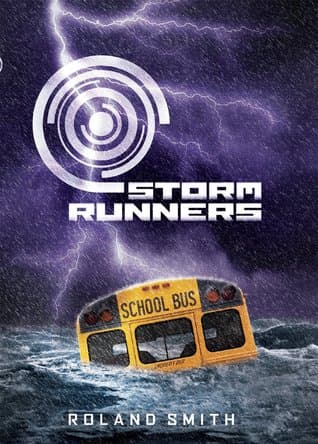
Synopsis
Covers the whole plot, including the ending.
- Difficulty
- Easy
- Pacing
- Fast
- Mood
- Suspenseful, Adventurous, Thrilling, Intense
- Read it if
- You enjoy fast-paced adventure stories with elements of survival, natural disasters, and a young protagonist facing extraordinary challenges.
- Skip it if
- You prefer character-driven narratives over plot-driven action, or are sensitive to descriptions of intense natural disasters.
Storm Runners Plot Summary
Covers the whole plot, including the ending.
A New Storm Runner's Journey Begins
Twelve-year-old Chase Masters begins an adventure with his father, John Masters, a storm runner. Instead of attending school, Chase is now part of the 'Storm Runners' team, traveling in their custom-built RV, the 'Storm Chaser,' to document severe weather. Their current target is Hurricane Emily, a powerful storm brewing in the Atlantic and heading towards the Florida coast. Chase is excited but also a little worried about the dangers. His father, a meticulous planner, explains the science behind hurricanes and the safety protocols they follow, stressing preparation and observation. This trip is Chase's first real immersion into his father's world, far from his normal life.
Preparations in Paradise
Upon reaching Florida, specifically the area around the Everglades, Chase and John begin their preparations. They stock up on supplies, secure their equipment, and find a safe spot to weather the storm. While gathering supplies at a local store, Chase encounters a man, Tomas, who seems overly interested in their storm-chasing activities and asks too many questions about their equipment and intentions. Tomas's shifty demeanor and the way he eyes their expensive gear make Chase uneasy. John dismisses it as typical curiosity, but Chase's intuition tells him something is off about Tomas, adding suspense to their mission.
Hurricane Emily Makes Landfall
Hurricane Emily makes landfall, unleashing its full force upon the Florida coast. Chase and John are positioned to observe and record the storm's intensity. The 'Storm Chaser' RV, despite its robust design, is buffeted by the winds and rain. The experience is terrifying for Chase, who sees the destructive power of nature. They collect data and capture footage, but the situation quickly gets worse. The storm surge begins to rise dramatically, threatening to engulf their location. John, realizing the danger, decides they need to move to higher ground immediately, but the escalating conditions make evacuation incredibly difficult and perilous.
Stranded in the Storm
As John attempts to move the 'Storm Chaser' to a safer location, disaster strikes. A large tree, uprooted by the hurricane's winds, falls directly onto their RV, disabling it and trapping them. Miraculously, Chase and John are unharmed, but their vehicle is broken, and their communication systems are down. They are now stranded in the heart of the hurricane, cut off from the outside world. The realization of their predicament dawns on Chase, increasing his fear. They must now rely on their survival skills and each other to endure the remainder of the storm and find a way to safety once it passes. Their planned mission has turned into a desperate fight for survival.
A Treacherous Escape
With the RV damaged and the storm showing no signs of letting up, John makes the difficult decision to abandon the 'Storm Chaser.' They gather essential survival gear, including a small inflatable raft, and set out on foot through the flooded, wind-battered landscape. The environment is dangerous; debris flies through the air, water levels are rising rapidly, and visibility is severely limited. Chase, despite his fear, tries to remain brave, following his father's lead. Their immediate goal is to find higher ground and shelter from the relentless storm, but every step is dangerous, testing their physical and mental endurance.
The Everglades Encounter
As they navigate the flooded terrain of the Everglades, Chase and John stumble upon a small, isolated cabin and a docked airboat. To their surprise, the owner of the airboat is Tomas, the suspicious man they met earlier at the store. Tomas, initially wary, reveals he is a local resident who uses the airboat for his work, hinting at illegal activities like smuggling. He grudgingly offers them temporary shelter in his cabin, but his demeanor remains unsettling. Chase's earlier suspicions about Tomas are reignited, making him question the man's true intentions and adding a new layer of danger to their already precarious situation. They are now dependent on a man they barely trust.
Uncovering Tomas's Secret
While sheltering in Tomas's cabin, Chase, observant, notices several inconsistencies and suspicious items. He overhears hushed phone conversations and sees crates that don't seem to fit with a typical resident's belongings. His curiosity leads him to investigate further when Tomas is distracted. Chase discovers evidence suggesting Tomas is involved in a smuggling operation, likely using the remote Everglades and the cover of the hurricane to transport illegal goods. This revelation puts Chase and John in an even more dangerous position, as they know about Tomas's criminal activities, making them potential liabilities he might want to silence.
A Desperate Escape from Tomas
The realization of Tomas's criminal enterprise forces John and Chase to act. They understand that staying with Tomas is no longer an option, as their knowledge makes them a threat to him. As the hurricane begins to subside, providing a small window of opportunity, they discreetly plan their escape. Tomas, however, is cunning and observant. He senses their intentions and becomes more aggressive, revealing his true, menacing nature. A tense confrontation ensues, forcing Chase and John to make a desperate dash for freedom, knowing that Tomas will not let them go easily. Their escape becomes a race against time, with Tomas in pursuit.
The Airboat Chase
In a daring move, Chase and John manage to commandeer Tomas's airboat. With John at the controls, they speed away through the still-flooded, debris-strewn Everglades. Tomas, enraged, quickly gives chase in a second, smaller boat he had hidden. The pursuit is wild and dangerous, with both parties navigating the treacherous waters and submerged obstacles. Chase, despite his fear, assists his father by pointing out hazards and helping to keep their balance. The airboat chase is a high-stakes struggle for survival, with the unique environment of the Everglades adding to the intensity and danger of their escape from the determined smuggler.
Outsmarting the Smuggler
During the high-speed chase, John uses his knowledge of the Everglades and the storm's aftermath to his advantage. He navigates through narrow passages and utilizes the changing water levels and hidden channels to try and lose Tomas. Chase contributes by observing their surroundings and alerting his father to upcoming obstacles. Eventually, they manage to create a diversion or find a clever way to outmaneuver Tomas, shaking off his relentless pursuit. Exhausted but relieved, they finally escape the smuggler's clutches, leaving him behind in the vast, storm-ravaged wilderness of the Everglades. Their ordeal with Tomas is over, but they still need to find their way to safety.
Rescue and Reflection
After successfully evading Tomas, Chase and John continue their journey through the Everglades until they are spotted by rescue teams who are surveying the damage in the hurricane's aftermath. They are brought to safety, battered but alive. Once safe, they recount their terrifying experience, including their encounter with Tomas, to the authorities. The ordeal leaves a great impact on Chase. He thinks about the power of nature, the importance of quick thinking and survival skills, and the bond he shares with his father. Despite the danger, Chase feels a new sense of accomplishment and a deeper understanding of what it means to be a 'storm runner,' solidifying his place by his father's side.
Storm Runners Characters
Chase Masters
Protagonist
A twelve-year-old boy embarking on his first hurricane chase with his father.
Chase is an observant and intelligent twelve-year-old who suddenly finds himself thrust into the thrilling and dangerous world of storm chasing. Initially a bit apprehensive and out of his element, he quickly adapts to the challenges, demonstrating resilience, quick thinking, and bravery. He is curious about his father's work and eager to learn, but also possesses a strong moral compass, leading him to uncover Tomas's illicit activities. His journey throughout the book is one of growth, as he confronts fear and develops essential survival skills.
Relationships: John Masters (Father-son, mentor-mentee); Tomas (Adversary, initially a stranger)
John Masters
Supporting
Chase's father and a seasoned, professional storm runner.
John Masters is a highly experienced and meticulous storm runner, dedicated to his work of documenting extreme weather. He is a responsible and protective father, constantly prioritizing Chase's safety while also teaching him valuable survival skills and the science behind storms. John is calm under pressure, resourceful, and possesses extensive knowledge of the natural world, particularly the Everglades. He embodies the qualities of a good mentor, guiding Chase through their perilous adventure and making tough decisions when necessary to ensure their survival.
Relationships: Chase Masters (Father-son, mentor-mentee); Tomas (Adversary, target of Tomas's suspicious interest)
Tomas
Antagonist
A suspicious local involved in illegal smuggling in the Everglades.
Tomas is a shifty and menacing local resident of the Everglades whom Chase and John encounter. He initially appears as a curious, albeit odd, individual, but quickly reveals himself to be involved in illegal smuggling operations, using the remoteness of the Everglades and the chaos of the hurricane as cover. He is cunning, territorial, and becomes a dangerous adversary when he realizes Chase and John have uncovered his secrets. Tomas's greed and willingness to resort to threats make him a formidable threat to their survival.
Relationships: Chase Masters (Adversary); John Masters (Adversary)
The Storm Chaser (RV)
Supporting
The custom-built RV used by Chase and John for storm chasing.
The 'Storm Chaser' is more than just a vehicle; it's a mobile command center and a home for Chase and John. It's custom-built with reinforced features and specialized equipment for navigating and enduring extreme weather. It represents their livelihood, their passion, and initially, their safety. Its eventual destruction by the hurricane signifies their loss of security and forces them into a more primitive and dangerous survival situation, highlighting their vulnerability to the forces of nature. The RV is a symbol of their preparedness and professionalism.
Storm Runners Themes
Survival and Resilience
The central theme is Chase and John's ability to survive against overwhelming odds. After their RV is destroyed and they are stranded in Hurricane Emily, they must rely on their wits, strength, and mutual support to navigate the flooded Everglades. This is clear when John makes the difficult decision to abandon the damaged 'Storm Chaser' and they begin a perilous journey on foot, facing both natural dangers and the threat of Tomas. Their resilience is tested as they adapt to a rapidly changing, dangerous environment.
“We're alive, Chase. That's all that matters now. We'll figure out the rest.”
Man vs. Nature
A theme is the raw, untamed power of nature versus humanity's attempts to understand and survive it. Hurricane Emily is an unstoppable force, capable of immense destruction, humbling even experienced storm runners like John Masters. The book describes the hurricane's impact, from the violent winds and rising floodwaters to the uprooted trees. This theme is highlighted when the 'Storm Chaser,' a highly engineered vehicle designed to withstand storms, is easily disabled by a falling tree, showing nature's ultimate supremacy over human technology and planning.
“This isn't just a storm, Chase. This is Emily. And she's angry.”
Trust and Betrayal
The theme of trust and betrayal emerges through the character of Tomas. Initially, he appears to be a local resident offering shelter, but Chase's intuition and observations soon reveal his true, sinister nature as a smuggler. The uneasy alliance formed during the storm quickly dissolves into a desperate escape when Chase and John realize Tomas views them as a threat to his illicit operations. This betrayal forces Chase and John to not only battle the storm but also a human adversary, adding moral complexity to their fight for survival.
“He was helping us, but he wasn't on our side.”
Father-Son Bond and Mentorship
The relationship between Chase and John is central to the narrative, showing a strong father-son bond forged and strengthened through shared adversity. John acts as a mentor, teaching Chase about meteorology, survival skills, and the importance of preparedness, even in extreme danger. Chase, in turn, learns to trust his father's judgment and develops his own courage and resourcefulness. Their reliance on each other for survival deepens their connection, transforming Chase from an observer into an active participant in his father's world. This theme highlights the growth that occurs through shared, challenging experiences.
“Your job, Chase, is to watch, learn, and stay safe. Mine is to get us through this.”
Plot Devices & Literary Techniques
The 'Storm Chaser' RV
A symbolic mobile command center and initial sanctuary.
The 'Storm Chaser' RV serves as both a practical plot device and a symbol. Practically, it's their base of operations, equipped with advanced weather monitoring gear, providing a sense of security and professionalism. Symbolically, it represents human ingenuity and preparedness against nature. Its destruction by the hurricane is a pivotal plot point, stripping the protagonists of their technological advantage and forcing them into a more primitive struggle for survival, thereby accelerating Chase's growth and emphasizing the sheer power of the storm.
The Everglades Setting
A dangerous and unique natural environment that acts as both refuge and trap.
The Everglades is more than just a backdrop; it's an active plot device. Its unique, labyrinthine landscape of swamps, mangroves, and hidden channels, especially when flooded by a hurricane, creates immense physical challenges for Chase and John. It provides cover for Tomas's smuggling operations and becomes the arena for their desperate escape. The treacherous environment, with its hidden dangers and difficult navigation, amplifies the stakes and forces the characters to use their wits and knowledge of the terrain for survival, making it an integral part of the narrative's tension.
The Smuggler (Tomas)
A human antagonist introduced amidst the natural disaster, escalating the conflict.
Tomas serves as a crucial plot device by introducing a secondary, human antagonist into a story primarily focused on natural disaster. His presence complicates Chase and John's survival, transforming their struggle from 'man vs. nature' to 'man vs. nature AND man vs. man.' His illegal activities provide a motive for conflict and pursuit, forcing the protagonists to not only survive the hurricane but also outwit a dangerous criminal. This adds layers of suspense, moral dilemmas, and accelerates the pace of the narrative, providing a tangible threat beyond the storm itself.
Storm Runners Quotes
“Sometimes you have to run toward the storm to get out of it.”
“The only thing predictable about a hurricane is its unpredictability.”
“You don't have to be a hero to do the right thing.”
“Storms don't just change the landscape; they change people.”
“When everything is falling apart, that's when you find out what you're made of.”
“Fear is just a storm in your mind. You can learn to weather it.”
“In the eye of the hurricane, there is calm, but it's only temporary.”
“Running away from a problem only makes it chase you faster.”
“The strongest trees are the ones that have weathered the most storms.”
“Sometimes the bravest thing you can do is ask for help.”
“A storm runner doesn't just survive the storm; they learn from it.”
“The wind howls loudest right before it breaks.”
“You can't control the storm, but you can control how you face it.”
“Every storm leaves a story behind.”
Quiz
10 questions on the plot and the characters. Each answer comes with a short explanation.
Question 1
What is the primary occupation of Chase Masters and his father in 'Storm Runners'?
- Meteorologists working for a TV station
- Storm chasers who pursue extreme weather events
- Emergency rescue workers
- Scientists studying climate change
Show answer
B. Storm chasers who pursue extreme weather events Chase and his father are described as 'storm runners' who race across the country chasing hurricanes, tornadoes, and floods, making them storm chasers rather than traditional meteorologists or rescue workers.
Question 2
How does Chase's education differ from traditional schooling in the book?
- He attends online classes while traveling
- He learns more on the road than in a classroom
- He has a private tutor who travels with them
- He doesn't receive any formal education
Show answer
B. He learns more on the road than in a classroom The book states that 'Chase is learning more on the road than he ever would just sitting in a classroom,' highlighting his unconventional, hands-on education through storm chasing.
Question 3
What major weather event serves as the climax of 'Storm Runners'?
- A massive tornado outbreak
- The hurricane of the century
- A catastrophic flood
- A blizzard in the mountains
Show answer
B. The hurricane of the century The book's description specifically mentions that 'when the hurricane of the century hits,' Chase faces his ultimate test, making this the central catastrophic event of the story.
Question 4
Why is Chase particularly tested during the hurricane of the century?
- He must rescue his father who is trapped
- He faces challenges beyond his previous storm-chasing experiences
- He has to operate complex weather equipment alone
- He must navigate without any technology
Show answer
B. He faces challenges beyond his previous storm-chasing experiences The book states Chase 'will be tested in ways he never could have imagined,' implying the hurricane presents unprecedented dangers and situations compared to his usual storm-chasing adventures.
Question 5
What aspect of storm chasing does the book suggest provides valuable life lessons for Chase?
- The financial rewards from selling storm footage
- The thrill and adrenaline of dangerous pursuits
- Practical, real-world learning from extreme weather
- Meeting famous meteorologists
Show answer
C. Practical, real-world learning from extreme weather The educational theme is emphasized through Chase learning more on the road than in a classroom, suggesting storm chasing teaches him practical skills and resilience through direct experience with nature's forces.
Question 6
Which of the following best describes the setting of 'Storm Runners'?
- A single town repeatedly hit by storms
- Various locations across the country where storms occur
- A research station in the Arctic
- A coastal city preparing for one big storm
Show answer
B. Various locations across the country where storms occur Chase and his father 'race across the country in pursuit' of storms, indicating a mobile, nationwide setting rather than a fixed location, with the climax occurring during a major hurricane.
Question 7
What does the term 'storm runners' imply about Chase and his father's approach to weather events?
- They avoid storms by running away from them
- They actively chase storms as they move across regions
- They only study storms from a safe distance
- They help evacuate people before storms hit
Show answer
B. They actively chase storms as they move across regions The phrase 'storm runners' suggests movement and pursuit, aligning with their description as chasing hurricanes, tornadoes, and floods across the country rather than passively observing or fleeing.
Question 8
How might Chase's character development be influenced by the 'hurricane of the century'?
- It forces him to abandon storm chasing forever
- It proves his classroom education was more valuable
- It challenges his skills and resilience in extreme conditions
- It shows him that storms are not worth the risk
Show answer
C. It challenges his skills and resilience in extreme conditions Given that Chase is 'tested in ways he never could have imagined,' the hurricane likely pushes him to grow through adversity, testing his storm-chasing abilities and personal fortitude beyond previous experiences.
Question 9
What underlying theme does the contrast between 'learning on the road' and 'sitting in a classroom' highlight?
- The superiority of hands-on, experiential learning over traditional education
- The need for better weather science in schools
- The dangers of missing school for travel
- The importance of theoretical knowledge in storm chasing
Show answer
A. The superiority of hands-on, experiential learning over traditional education The book emphasizes Chase's road education as more valuable, suggesting a theme that real-world experience, especially in high-stakes environments like storm chasing, can teach lessons beyond conventional schooling.
Question 10
In what way does the book's premise challenge typical middle-grade adventure narratives?
- By focusing on supernatural elements rather than real-world dangers
- By setting the adventure in mundane, everyday locations
- By centering on a protagonist who actively seeks out natural disasters
- By avoiding any physical risks for the main character
Show answer
C. By centering on a protagonist who actively seeks out natural disasters Unlike many adventures where characters stumble into danger, Chase and his father deliberately chase storms, presenting a unique twist where the protagonist's lifestyle inherently involves confronting extreme weather, blending education with high-risk pursuit.
Storm Runners FAQ
What is 'Storm Runners' about?
'Storm Runners' follows Chase Masters and his father, John, who travel across the United States chasing extreme weather events like hurricanes and tornadoes. When Hurricane Emily, dubbed 'the hurricane of the century,' strikes Florida, Chase is separated from his father and must use his survival skills to navigate the chaos, rescue others, and reunite with his family amidst the devastation.
Why should I read 'Storm Runners'?
This book offers fast-paced, action-packed adventure with educational elements about meteorology and survival, making it engaging for middle-grade readers. Chase's journey of resilience and teamwork during a catastrophic hurricane provides thrilling scenarios and relatable themes of family and courage.
What is the background/setting of 'Storm Runners'?
The story is set in contemporary America, primarily in Florida during Hurricane Emily. Chase and his father are nomadic 'storm runners,' living in a customized RV and moving to disaster zones, which contrasts sharply with the static, chaotic environment of the hurricane-stricken areas they encounter.
What are the most memorable quotes?
Key quotes include Chase's father saying, 'In a storm, you don't fight nature, you work with it,' highlighting their philosophy. Another is Chase reflecting, 'Sometimes the biggest storms aren't in the sky, but inside you,' emphasizing the internal challenges he faces beyond the weather.
What writing style does the author use?
Roland Smith employs a straightforward, suspenseful narrative with short chapters and vivid descriptions of weather phenomena. The prose is accessible for young readers, blending action sequences with moments of character development to keep the pace engaging.
What minor details add significant meaning?
Chase's emergency kit, which his father meticulously prepared, becomes crucial for survival, symbolizing preparedness and paternal care. The RV's modifications, like reinforced windows, subtly foreshadow the severity of the storms they chase and the dangers ahead.
What are some subtle foreshadowing moments?
Early mentions of Hurricane Emily's unprecedented strength hint at the catastrophic events to come. Chase's practice drills with his father, such as evacuation procedures, foreshadow the real-life application of these skills when he gets separated during the hurricane.
What unexpected character connections exist?
Chase forms an alliance with Nicole, a local girl he meets during the hurricane, whose family runs a farm that becomes a refuge. Their shared struggle creates a bond that extends beyond the storm, highlighting how disasters can bring strangers together.
What are unspoken character motivations?
Chase's father, John, is driven by a past trauma related to weather disasters, which he rarely discusses, motivating his storm-chasing lifestyle as a way to confront and control his fears. Chase himself seeks approval and connection with his often-distant father through their shared adventures.
What psychological complexities do characters exhibit?
Chase grapples with fear and independence as he navigates the hurricane alone, showing resilience under pressure. Nicole demonstrates resourcefulness and loyalty, balancing her own fears with the need to help others, reflecting the psychological toll of survival situations.
What are the major emotional turning points?
A key turning point is when Chase realizes he must rescue Nicole and others trapped by flooding, shifting from self-preservation to heroism. Another is the emotional reunion with his father, which resolves the tension of their separation and reinforces their bond.
How do relationship dynamics evolve?
Chase's relationship with his father evolves from one of dependence to mutual respect as Chase proves his capability during the crisis. His friendship with Nicole grows from initial distrust to deep trust, showcasing how shared adversity can strengthen connections.
Which parts remain ambiguous or open-ended?
The exact fate of some minor characters caught in the hurricane is left ambiguous, allowing readers to imagine their outcomes. The long-term impact of the storm on Chase's family and their storm-running lifestyle is not fully resolved, hinting at future developments in the series.
What are controversial scenes or decisions?
Chase's decision to venture into dangerous floodwaters to rescue others could be seen as reckless, sparking debate about risk-taking versus heroism. Some readers might question his father's choice to involve a child in such perilous storm-chasing activities.
'Storm Runners' ending explained: how it ends & what it means
The story ends with Chase reuniting with his father after surviving Hurricane Emily, having saved Nicole and others. This conclusion emphasizes themes of family, resilience, and the unpredictability of nature, setting the stage for future adventures as they continue their storm-running journey.
About the author

Roland Smith is an American author known for his works of fiction, particularly in the adventure and young adult genres. His notable books include "Peak," which follows a young climber's journey, "Elephant Run," set in World War II Burma, and "Cryptid Hunters," which explores the search for mythical creatures. Other works in his catalog include "The White House," "Storm Runners," and "Jaguar."
Similar books
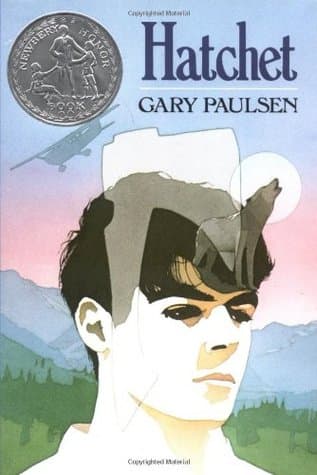
- Hatchet
Gary Paulsen
3.7 (309k) average on GoodreadsChildren'sFeatures a young protagonist in a survival situation against nature's forces.
- Island of the Blue Dolphins
Scott O'Dell
3.8 (292k) average on GoodreadsChildren'sExplores themes of survival and resilience in a natural, isolated setting.
- Angels & Demons
Dan Brown
3.9 (2.7M) average on GoodreadsThrillerA Harvard symbologist races through Rome's ancient sites, deciphering cryptic clues to unmask the Illuminati and stop a vengeful plot to destroy the Vatican with a stolen antimatter weapon.
- Gone Girl
Gillian Flynn
4.1 (2.3M) average on GoodreadsThrillerA wife's sudden disappearance on her fifth anniversary reveals a web of lies and psychological warfare, exposing the secrets within a seemingly perfect marriage.
- The Girl on the Train
Paula Hawkins
3.9 (2.1M) average on GoodreadsThrillerA woman’s fascination with a seemingly perfect couple she watches from her daily train commute leads her into a dark investigation when she witnesses something that shatters their idyllic image.
- The Da Vinci Code
Dan Brown
3.9 (1.9M) average on GoodreadsThrillerA symbologist and a cryptologist race through European landmarks, deciphering ancient codes and uncovering a conspiracy that could rewrite the foundations of Christianity.





Enjoyed the summary?
A summary gives you the shape of the book. The book itself has the detail, the examples and the voice.
Find Storm Runners on AmazonAs an Amazon Associate, BookBrief earns from qualifying purchases. How we're funded