

Synopsis
Covers the whole plot, including the ending.
- Difficulty
- Easy
- Pacing
- Slow
- Mood
- Atmospheric, Reflective, Nostalgic, Gentle
- Read it if
- You enjoy character-driven, atmospheric stories with a strong sense of place and quiet observation of rural life.
- Skip it if
- You prefer fast-paced plots, dramatic conflict, or a clear narrative arc with a definitive resolution.
The Country of the Pointed Firs Plot Summary
Covers the whole plot, including the ending.
The Arrival and Mrs. Todd's Dwelling
The unnamed narrator, a writer looking for a quiet summer retreat, arrives by steamboat in the remote coastal village of Dunnet Landing, Maine. She finds lodging with Mrs. Almira Todd, an independent woman who gathers and sells herbs. Mrs. Todd's deep knowledge of local plants and her connection to nature define her work. Her house, near the sea and surrounded by an herb garden, appeals to the narrator with its simplicity and rustic charm. The narrator first plans to use an old schoolhouse as her writing studio, but soon finds village life and Mrs. Todd's company more interesting than strict solitude. She observes Mrs. Todd's routines and begins to join the quiet life of the community.
The Schoolhouse and the Old Sailor
After some time, the narrator moves her writing desk to the empty schoolhouse, which offers more solitude and a different view of the village. She enjoys the quiet and the sense of history in the old building. Here, she meets Captain Littlepage, an elderly retired sea captain who lives nearby. Captain Littlepage has traveled the world and has a sharp mind and a philosophical outlook. He visits the narrator at the schoolhouse and shares stories of his voyages, especially his interest in a legendary 'country of the pointed firs' he once heard about, a place of mystery and old wisdom. Their talks reveal his thoughts on life, memory, and a changing world.
William's Silent Presence
The narrator learns about Mrs. Todd's younger brother, William, who lives in a small house next to their mother's, away from the main village. William is a quiet, gentle, and somewhat reclusive man, known for his shyness and devotion to his mother. He rarely speaks and seems happy with a solitary life of fishing and simple tasks. Mrs. Todd often speaks of him with affection and concern, hinting at his long-standing unrequited love for a woman named Esther. The narrator observes William from a distance, noting his calm manner and his deep connection to the land and sea, a contrast to the more outgoing villagers. His presence adds a quiet sadness to the household.
The Herbalist's Rounds
The narrator often goes with Mrs. Todd on her daily trips to gather herbs from the fields and woods around Dunnet Landing. These trips are not just for collecting plants; they are chances for Mrs. Todd to share her extensive knowledge of local botany, folk remedies, and the hidden stories of the landscape. As they walk, Mrs. Todd points out various plants, explaining their medicinal properties and traditional uses, often adding stories about the people who once used them. The narrator gains a deeper appreciation for Mrs. Todd's connection to nature and her role as a healer and caretaker of the community's well-being. These trips also allow Mrs. Todd to share her thoughts on life, death, and the lasting power of nature.
A Journey to Green Island
Mrs. Todd invites the narrator to join her on a boat trip to Green Island, a small, isolated island where Mrs. Todd's elderly mother, Mrs. Blackett, lives with William. The journey across the water is an important event, and the narrator experiences the beauty and solitude of the Maine coast. Upon arriving, they are warmly greeted by Mrs. Blackett, a remarkable woman in her nineties who has a sharp mind and a gentle spirit. The narrator is deeply impressed by Mrs. Blackett's resilience and her deep connection to her island home. William is also there, continuing his quiet devotion to his mother. The visit offers a look into the close-knit family life and the lasting strength of these island dwellers, living simply and in harmony with nature.
The Bowden Family Reunion
Mrs. Todd invites the narrator to the annual Bowden family reunion, a major social event held on a remote point of land. This gathering brings together many of Mrs. Todd's relatives and friends, some traveling long distances. The reunion is a lively display of community spirit, with plenty of food, conversation, and shared memories. The narrator observes the complex relationships and the strong tradition that ties the community together. She is struck by the genuine warmth and hospitality of the Bowden family, and how they honor their past while celebrating their current connections. This event shows the importance of family and community in the lives of the Dunnet Landing residents.
Poor Joanna's Story
During one of their talks, Mrs. Todd shares the sad story of Joanna, a young woman from a nearby island who, after being left by her lover, withdrew completely from society. Joanna moved to a small, isolated island and lived alone for many years, refusing all contact with the outside world. She eventually died there, a solitary figure whose story became a local legend. Mrs. Todd tells Joanna's tale with sympathy and understanding, recognizing the depth of her pain and her fierce independence. Joanna's story is a reminder of the harsh realities of love and loss in a secluded community, and the impact of individual choices.
The Grave of the Unknown Sailor
While exploring the countryside, the narrator finds a solitary, unmarked grave overlooking the sea. Mrs. Todd tells her it belongs to an unknown sailor who washed ashore years ago and was buried by the local community. The grave is a strong symbol of life's fleeting nature and the sea's constant presence in the villagers' lives. The narrator thinks about how short human life is and how the community silently honors its dead, known or unknown. This quiet discovery highlights themes of isolation, memory, and the deep connection between the people of Dunnet Landing and the natural world, especially the ocean.
A Wedding on Green Island
To the community's surprise and delight, William, Mrs. Todd's shy brother, finally finds happiness. His long-awaited marriage to Esther, the woman he had loved for so long, takes place on Green Island. The wedding is a simple but meaningful event, attended by close family and friends. The narrator observes William's quiet joy and Esther's gentle affection, seeing the fulfillment of a long-held hope. This event brings a sense of closure and contentment, especially for Mrs. Todd and Mrs. Blackett, who had long wished for William's happiness. The wedding symbolizes the lasting power of love and the possibility of late-life happiness even in a quiet, secluded world.
Departure from Dunnet Landing
As summer ends, the narrator gets ready to leave Dunnet Landing. She reflects on her time in the village, the friendships she made, and the impact the quiet lives and wisdom of its people have had on her. She visits Mrs. Todd one last time, thanking her for the hospitality and the unique insights she gained. Their parting is bittersweet, marked by quiet understanding and a promise to remember. The narrator leaves feeling refreshed and with a deeper appreciation for the simple, lasting values of community, nature, and the human spirit she found in the 'country of the pointed firs.' The landscape and its people have left a lasting mark on her.
The Country of the Pointed Firs Characters
The Narrator
Protagonist
An unnamed female writer seeking inspiration and solitude.
The narrator is a sensitive and observant writer who comes to Dunnet Landing for a summer retreat. She is initially seeking quiet to work on her writing but quickly becomes drawn into the lives of the villagers. She is an empathetic listener, a keen observer of human nature and the natural world, and serves as the reader's guide through this unique community. Her intelligence and open-mindedness allow her to appreciate the wisdom and resilience of the local people. She is reflective and often muses on the deeper meanings of the events and characters she encounters.
Relationships: Mrs. Almira Todd (Landlady and mentor-like friend); Captain Littlepage (Intellectual companion and storyteller); William Blackett (Quiet acquaintance)
Mrs. Almira Todd
Supporting
The wise and independent herbalist and the narrator's landlady.
Mrs. Almira Todd is the narrator's landlady and a central figure in Dunnet Landing. She is a robust, independent woman with a deep knowledge of herbs and folk medicine, reflecting her profound connection to the natural world. She is a keen observer of human nature, a repository of local lore and history, and possesses a strong, yet often gentle, personality. Her wisdom is practical and rooted in experience, and she shares her insights freely, often through stories and anecdotes. She embodies the resilience and self-sufficiency of the coastal Maine women.
Relationships: The Narrator (Landlady and mentor-like friend); Mrs. Blackett (Devoted daughter); William Blackett (Caring older sister)
William Blackett
Supporting
Mrs. Todd's quiet, reclusive brother and devoted son.
William is Mrs. Todd's younger brother, a shy, gentle, and largely silent man who lives on Green Island with his mother. He is deeply connected to the sea and the land, finding contentment in a simple, solitary life of fishing. His quiet nature masks a deep capacity for love and loyalty, particularly towards his mother. He is known for his long-standing, unrequited love for Esther, which adds a touch of poignant romance to his character. His presence highlights the themes of quiet endurance and the power of unspoken affection in the community.
Relationships: Mrs. Almira Todd (Younger brother); Mrs. Blackett (Devoted son); Esther (Long-standing love interest and eventual wife)
Mrs. Blackett
Supporting
Mrs. Todd's elderly, sharp-witted mother living on Green Island.
Mrs. Blackett is Mrs. Todd's mother, a remarkable woman in her nineties who lives independently on Green Island with her son, William. Despite her age, she possesses a keen mind, a gentle spirit, and a deep, intuitive understanding of life. She is a testament to resilience and the enduring human spirit, embodying the wisdom that comes from a lifetime lived in harmony with nature and community. Her presence on the isolated island symbolizes a rootedness and purity of spirit that contrasts with the changing world.
Relationships: Mrs. Almira Todd (Mother); William Blackett (Beloved son)
Captain Littlepage
Supporting
An elderly, philosophical retired sea captain.
Captain Littlepage is a retired sea captain, an elderly man who lives near the schoolhouse. He is a man of vast experience, having traveled the world in his youth, and possesses a philosophical mind. He enjoys intellectual conversation and shares his reflections on life, memory, and the mysteries of the sea with the narrator. His stories, particularly his tales of an unknown 'country of the pointed firs,' add an element of the fantastical and the contemplative to the narrative, representing the broader world beyond Dunnet Landing.
Relationships: The Narrator (Intellectual companion and storyteller)
Joanna
Mentioned
A tragic figure who became a recluse on an isolated island.
Joanna is a character whose story is recounted by Mrs. Todd. She was a young woman from a nearby island who, after being jilted by her lover, chose to retreat entirely from society. She moved to a solitary island and lived there alone for many years, refusing all contact. Her story is a poignant tale of heartbreak, isolation, and fierce independence, serving as a cautionary tale and a symbol of profound grief within the community's memory. She represents the potential for extreme solitude and resilience in the face of emotional pain.
Esther
Supporting
William Blackett's long-time love interest and eventual wife.
Esther is the woman William Blackett has loved for many years. She is depicted as a gentle and kind woman, patient and understanding of William's shy nature. Her eventual marriage to William brings a joyful resolution to a long-standing quiet romance in the community. Her presence symbolizes hope and the eventual fulfillment of quiet desires, bringing happiness to William and the entire Blackett family. She is a grounding and loving presence.
Relationships: William Blackett (Long-time love interest and eventual wife)
The Country of the Pointed Firs Themes
The Enduring Power of Community and Connection
The novel explores the strength of a close-knit community in a remote place. Despite isolation, the people of Dunnet Landing maintain strong family bonds, friendships, and shared history. The Bowden family reunion shows this, bringing together many relatives to celebrate their heritage and strengthen their connections. Mrs. Todd's role as an herb gatherer and storyteller also shows how individuals contribute to the community's well-being and memory. Simple acts of visiting, sharing meals, and telling tales create a rich system of mutual support and belonging, showing that true wealth lies in human relationships.
“I had been a stranger, and they had taken me in; I had been a lonely, self-perplexed woman, and they had given me a clue to the simple life.”
Harmony with Nature and the Sea
Nature, especially the rugged Maine coast and the sea, is always present and shapes the lives and characters of Dunnet Landing's people. Mrs. Todd's knowledge of herbs and her daily trips in the fields show a deep, almost spiritual, connection to the land. The sea is also a source of livelihood, memory, and sometimes tragedy, as seen in the story of the unknown sailor's grave. The isolation of Green Island, where Mrs. Blackett and William live, further highlights a life lived directly with the elements. This theme suggests that living in harmony with nature builds resilience, wisdom, and a strong sense of place.
“The sea-coast and the sea are always at a struggle with the land. The one is always trying to encroach upon the other.”
The Beauty and Wisdom of Simple Lives
The novel values the dignity and wisdom found in simple lives, often away from complex city society. The characters of Dunnet Landing, despite lacking formal education or material wealth, understand life, death, and human nature. Mrs. Todd's practical wisdom, Mrs. Blackett's calm resilience, and William's quiet contentment all show this theme. The narrator, initially an observer, learns that true insight often comes from experience, connection to the land, and an unpretentious approach to life. The story celebrates the richness found in daily routines and real human interaction.
“I often found myself laughing aloud in the schoolhouse, thinking of the world and its great affairs, and then of the simple, unhurried, genuine concerns of Dunnet Landing.”
Memory, Storytelling, and the Preservation of the Past
Storytelling is an important part of life in Dunnet Landing. It is the main way history, values, and individual lives are remembered and passed down. Mrs. Todd is a skilled storyteller, weaving personal anecdotes, local legends (like Joanna's story), and practical wisdom into her conversations. Captain Littlepage's tales of his voyages and the 'country of the pointed firs' also show the power of memory and imagination. Through these shared stories, the community keeps its identity and connects generations. The narrator, as a writer, carries these stories, ensuring that the unique spirit of Dunnet Landing is not lost but remembered through her observations.
“There was a little air of that great world, the world of ships and sea, in Captain Littlepage's talk, which was like a refreshing breeze from the outer ocean.”
Plot Devices & Literary Techniques
Frame Narrative
The story is told through the perspective of an unnamed summer visitor.
The novel employs a frame narrative, with an unnamed female writer serving as the primary observer and narrator. This device allows for an outsider's perspective on the unique community of Dunnet Landing. The narrator's initial detachment and later immersion into village life provide a gradual reveal of the characters and their stories. Her role as a writer also justifies her keen observations and reflections, inviting the reader to experience the setting and its inhabitants through her sensitive and analytical lens, making the exotic familiar and the familiar profound.
Episodic Structure
The narrative unfolds through a series of interconnected vignettes and character sketches.
Instead of a single overarching plot, the novel is structured as a series of loosely connected episodes, character sketches, and observations. Each chapter or section often focuses on a particular character, a shared event (like the reunion), or a specific conversation, revealing different facets of Dunnet Landing life. This episodic nature mirrors the unhurried pace of the village and allows the reader to gradually build a comprehensive picture of the community and its inhabitants, much like the narrator herself pieces together her understanding through daily interactions and shared stories.
Symbolism of Nature
Natural elements like the sea, firs, and herbs represent deeper meanings.
Nature in 'The Country of the Pointed Firs' is deeply symbolic. The pointed firs themselves represent the enduring, rugged spirit of Maine and its people, reaching towards the sky yet firmly rooted. The sea symbolizes both connection and isolation, livelihood and danger, the vastness of the world and the limits of human control. Herbs, gathered by Mrs. Todd, symbolize healing, traditional wisdom, and a profound connection to the earth. These natural elements are not merely setting but active participants in the characters' lives, reflecting their inner states and the enduring truths of existence.
The Country of the Pointed Firs Quotes
“The coast of Maine is a long, irregular line, like the profile of a man's face, with its chin to the eastward.”
“I had not been long in Dunnet Landing before I became well acquainted with the people.”
“It was a day of sweet, sunny weather, with a light wind blowing from the sea.”
“There was a dignity in this old woman's look that was not to be gainsaid.”
“She was a woman of excellent sense, with a power of observation and a fund of shrewd, humorous wisdom.”
“There was a constant sound of the sea, a deep, continuous murmur, that never ceased.”
“It was a world of women, a world of grandmothers and aunts and cousins, and of their daughters and granddaughters.”
“The best of life is always to be found in the common things.”
“People that are always lookin' for somethin' new, they miss a great deal.”
“The sea was like a great pasture, where the ships went grazing.”
“There was a great feeling of peace and quiet, as if the world had come to an end, and only this little corner of it was left.”
“It was a world of their own, where the great currents of life ran deep and strong, but without much outward show.”
“Some things must be true, whether we believe 'em or not.”
“The little island seemed to lie like a great green ship at anchor.”
“There was a certain shyness and reserve about these country people, which made their friendliness all the more touching.”
Quiz
10 questions on the plot and the characters. Each answer comes with a short explanation.
Question 1
What is the narrator's primary reason for returning to Dunnet Landing?
- To visit her childhood home.
- To write and escape the city.
- To care for an ailing relative.
- To conduct research for a scientific study.
Show answer
B. To write and escape the city. The narrator explicitly states her intention to find a quiet place to write during the summer, escaping the demands of city life.
Question 2
What is Mrs. Todd's profession?
- Schoolteacher
- Lighthouse keeper
- Herbalist and landlady
- Fisherwoman
Show answer
C. Herbalist and landlady Mrs. Todd is known for her knowledge of herbs and remedies, and she serves as the narrator's landlady.
Question 3
Which specific event brings together many of the community members at the Green Island?
- A town hall meeting.
- William Blackett's wedding.
- The annual Bowden family reunion.
- A religious revival.
Show answer
C. The annual Bowden family reunion. The Bowden family reunion is a central event where the narrator observes a large gathering of the local community, including many of Mrs. Todd's relatives.
Question 4
What is the relationship between Mrs. Todd and Captain Littlepage?
- They are siblings.
- They are distant cousins.
- They are old acquaintances who share stories.
- He is her former employer.
Show answer
C. They are old acquaintances who share stories. Captain Littlepage is an elderly retired sea captain who shares his philosophical reflections and sea stories with the narrator and Mrs. Todd.
Question 5
What symbolic role do the pointed firs play in the title and the overall atmosphere of the book?
- They represent the harsh, unyielding nature of the environment.
- They symbolize the enduring presence of nature and the quiet strength of the community.
- They are a literal landmark guiding ships into the harbor.
- They signify the wealth and prosperity of the local timber industry.
Show answer
B. They symbolize the enduring presence of nature and the quiet strength of the community. The firs, constantly present in the landscape, evoke a sense of permanence, resilience, and the quiet, deep-rooted lives of the people in Dunnet Landing.
Question 6
Who is Elijah Tilley, and what is his significance to Mrs. Todd?
- He is Mrs. Todd's current fishing partner.
- He is the local storekeeper who often gossips with Mrs. Todd.
- He is Mrs. Todd's elderly, somewhat reclusive brother who lives on Green Island.
- He is a former suitor of Mrs. Todd's who still lives in Dunnet Landing.
Show answer
C. He is Mrs. Todd's elderly, somewhat reclusive brother who lives on Green Island. Elijah Tilley is Mrs. Todd's brother, a quiet fisherman living alone on Green Island, whose solitary life is contrasted with the more social aspects of Dunnet Landing.
Question 7
What is the primary characteristic of Joanna's story, as told by Mrs. Todd?
- It is a tale of great adventure and travel abroad.
- It is a tragic story of isolation and spiritual exile after being jilted.
- It describes her successful career as a businesswoman.
- It recounts her discovery of a hidden treasure.
Show answer
B. It is a tragic story of isolation and spiritual exile after being jilted. Joanna's story is one of profound sorrow and self-imposed isolation on Shell-heap Island after her fiancé left her, making her a figure of local legend and pity.
Question 8
How does the narrator's perspective on the people of Dunnet Landing evolve throughout the book?
- She becomes increasingly critical of their provincial ways.
- She maintains a detached, purely observational stance.
- She develops a deep appreciation for their simple lives, resilience, and interconnectedness.
- She finds their lives boring and uninspiring.
Show answer
C. She develops a deep appreciation for their simple lives, resilience, and interconnectedness. Initially a detached observer, the narrator gradually becomes immersed in the community, developing empathy and admiration for the characters and their way of life.
Question 9
What is the significance of the old woman, Mrs. Fosdick, visiting Mrs. Todd?
- She brings news of a scandal from a neighboring town.
- She provides a fresh perspective on the local gossip and shares stories of the past.
- She is a potential buyer for Mrs. Todd's house.
- She is a traveling merchant selling rare goods.
Show answer
B. She provides a fresh perspective on the local gossip and shares stories of the past. Mrs. Fosdick's visit is a delightful interlude where she and Mrs. Todd share memories, stories, and insights into the lives of various community members, enriching the narrator's understanding.
Question 10
What does the narrator mean when she observes that the people of Dunnet Landing 'belonged to the high tides and the great winds, to the sea-mist and the sunshine, and to the eternal human struggle'?
- They are literally weather forecasters and sailors.
- They are deeply connected to their natural environment and possess a resilient spirit shaped by it.
- They are constantly battling against the elements in a futile struggle.
- They are superstitious and believe in the power of nature to control their destiny.
Show answer
B. They are deeply connected to their natural environment and possess a resilient spirit shaped by it. This quote highlights the theme of the deep connection between the people and their natural surroundings, suggesting their lives are intrinsically shaped by the sea, weather, and the enduring human condition.
The Country of the Pointed Firs FAQ
What is the basic premise of 'The Country of the Pointed Firs'?
The novel follows an unnamed female writer who returns to the coastal town of Dunnet Landing, Maine, for the summer to work on her writing. She rents a small schoolhouse and becomes deeply embedded in the lives of the local residents, particularly Mrs. Almira Todd, her landlady, a wise and compassionate herbalist who serves as her guide to the community's traditions and stories. The book is largely episodic, focusing on character sketches and the rhythms of rural life.
Who are the central characters the narrator encounters?
The most significant character is Mrs. Almira Todd, the narrator's landlady, an herbalist and a repository of local lore, whose wisdom and warmth draw the narrator in. Other key figures include Captain Littlepage, a retired sea captain who shares philosophical tales of his voyages, and William Blackett, Mrs. Todd's reclusive brother who lives on Green Island. Esther and Elijah Tilley, an elderly couple who embody enduring love and loss, also play a prominent role.
What is the significance of Dunnet Landing as a setting?
Dunnet Landing is more than just a backdrop; it's a character in itself, embodying a fading maritime culture and a strong sense of community rooted in tradition and self-sufficiency. Its isolation fosters a unique social fabric where personal histories are intertwined and oral storytelling is a vital form of connection. The landscape of pointed firs, rocky shores, and islands reinforces the characters' resilience and their deep connection to nature.
How does the narrator's role evolve throughout the book?
Initially, the narrator is an observer, a 'summer visitor' seeking solitude for her writing, but she gradually transforms into an active participant in the community. Through her empathetic listening and genuine interest, she becomes a trusted confidante, allowing her to gather the rich stories and insights that form the heart of the narrative. Her journey is one of integration and profound understanding, moving from an outsider to an honorary member of Dunnet Landing.
What is the purpose of the narrator's 'schoolhouse' retreat?
The schoolhouse serves as both a literal and symbolic space for the narrator. Literally, it's her rented dwelling and workspace, offering the quiet she seeks for her writing. Symbolically, it represents a place of learning and reflection, where she 'studies' the lives and wisdom of the Dunnet Landing residents, absorbing their lessons and insights. It's a liminal space between her former life and her immersive experience in the village.
What is the implied fate of Dunnet Landing's way of life?
The novel subtly suggests that Dunnet Landing's traditional way of life, deeply rooted in maritime heritage and close-knit community, is slowly fading. The younger generation often leaves for larger towns, and the older inhabitants, like Captain Littlepage and Mrs. Todd, represent a vanishing era. The narrator's role can be seen as an effort to preserve and record this unique culture before it disappears entirely, highlighting its inherent beauty and wisdom.
What is the significance of the Bowden family reunion?
The Bowden reunion is a pivotal event that showcases the enduring strength and unity of the community and its extended family networks. It symbolizes the deep-rooted connections that bind the residents, transcending individual hardships and geographical distances. It also allows the narrator to observe the collective memory and shared heritage that define Dunnet Landing, giving her a deeper understanding of its social fabric.
What is the unspoken tragedy in Mrs. Todd's past?
While never explicitly detailed, it is strongly implied that Mrs. Todd experienced a profound loss early in her life, likely the death of her fiancé, which prevented her from marrying. Her deep empathy and quiet strength are partly a result of this unfulfilled romantic life, channeling her affections and wisdom into caring for others and preserving the community's knowledge, particularly through her herbal remedies.
How does the author use nature imagery to reflect character states?
Jewett frequently uses the stark beauty and resilience of the Maine coast to mirror the characters' inner lives. The pointed firs, for instance, symbolize endurance and quiet strength, much like Mrs. Todd. The vastness of the sea reflects the profound solitude and the expansive memories of characters like Captain Littlepage and William Blackett, while the harshness of the landscape underscores their tenacity and self-reliance.
How does Mrs. Todd embody the archetype of the 'wise woman'?
Mrs. Todd is the quintessential wise woman, possessing deep knowledge of herbal remedies and human nature, gained through experience and keen observation. She dispenses advice and comfort with a gentle authority, acting as a spiritual and practical guide for both the narrator and the community. Her connection to the land and its healing properties underscores her role as a custodian of ancient wisdom and tradition.
Analyze the psychological impact of isolation on characters like William Blackett.
William Blackett, living alone on Green Island, exemplifies the complex psychological effects of deep isolation. While he finds a quiet contentment and self-sufficiency, his reclusive nature also highlights a profound loneliness and a life lived largely in memory. His deep connection with his mother, Mrs. Todd, is a crucial lifeline, suggesting that even in extreme solitude, human connection remains vital for psychological well-being.
What psychological need does storytelling fulfill for the residents of Dunnet Landing?
Storytelling serves as a vital psychological function, allowing the residents to process their past, preserve their collective memory, and maintain their identity in a changing world. It fosters a sense of belonging and continuity, transforming personal experiences into shared heritage. For characters like Captain Littlepage, recounting tales of the sea helps them grapple with loss, meaning, and the vastness of human experience, providing a form of catharsis and connection.
How does the narrator's empathetic listening contribute to her own psychological growth?
The narrator's active and empathetic listening allows her to transcend her initial role as a detached observer, fostering a deeper understanding of human nature and community. By truly hearing the stories and experiences of others, she develops a profound sense of connection and belonging, enriching her own emotional and intellectual life. This process of immersion and empathy leads to her personal and artistic transformation.
Is the narrator a reliable voice, or is her perspective idealized?
While the narrator's perspective is deeply empathetic and appreciative, some argue it leans towards an idealized portrayal of Dunnet Landing. She often focuses on the beauty, resilience, and wisdom of the inhabitants, potentially downplaying the harsher realities or monotonous aspects of rural life. However, her admiration is genuine, and her 'idealization' can also be seen as a conscious choice to celebrate the virtues she finds in this fading world, making her a 'reliable' recorder of emotional truth rather than objective fact.
What is the book's stance on progress versus tradition?
The book doesn't explicitly condemn progress but implicitly champions the value of tradition and the wisdom embedded in older ways of life. While the modern world encroaches, Jewett highlights the richness, authenticity, and human connection found in Dunnet Landing's traditional, community-oriented existence. It suggests that while change is inevitable, there is profound loss when valuable traditions and the deep understanding they foster are abandoned for the sake of modernity.
How does Jewett use dialect and local speech patterns?
Jewett masterfully incorporates local dialect and speech patterns to enhance the authenticity of her characters and setting. This isn't just for realism; it subtly reveals personality, social standing, and emotional depth. The specific rhythms and vocabulary of the Dunnet Landing residents emphasize their unique cultural identity and their deep connection to their environment, making their voices distinct and memorable.
Can the book be considered a feminist text?
While not overtly political, 'The Country of the Pointed Firs' can be interpreted as a proto-feminist text. It centers on strong, self-sufficient women like Mrs. Todd and the narrator, who thrive independently and form powerful bonds with other women. It celebrates female wisdom, resilience, and community, often placing women at the heart of the narrative and as moral anchors, subtly challenging patriarchal norms by showcasing their inherent strength and agency.
What is the enduring legacy or message of the novel?
The novel's enduring legacy lies in its celebration of the quiet dignity of ordinary lives, the profound beauty of human connection, and the wisdom found in nature and tradition. It reminds readers of the importance of empathy, listening, and cherishing the unique cultures that define us. Its message is one of finding meaning and richness in simplicity, and the enduring power of community in a rapidly changing world.
About the author
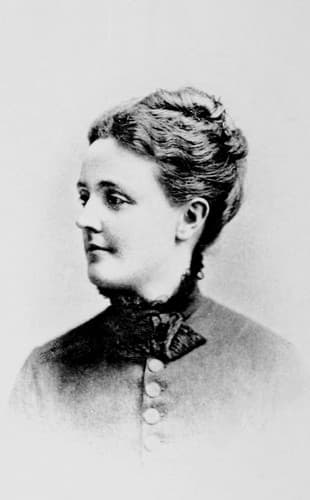
Theodora Sarah Orne Jewett was an American novelist, short story writer and poet, best known for her local color works set along or near the southern coast of Maine. Jewett is recognized as an important practitioner of American literary regionalism.
Similar books
- Stoner
John Williams
4.3 (103k) average on GoodreadsLiterary FictionExplores a quiet life with deep introspection and a focus on the inner world and observations of the protagonist.
- Nineteen Eighty-Four
George Orwell
4.2 (5.5M) average on GoodreadsFictionWinston Smith dreams of truth and rebellion in a world where Big Brother watches all, but he confronts the terrifying power of a regime that controls not just actions, but thoughts.
- The Frozen River
Ariel Lawhon
4.4 (600k) average on GoodreadsFictionIn 1789 Maine, a heroic midwife's diary helps her expose a murder and get justice in a town that wants to silence her.
- A Man Called Ove
Fredrik Backman
4.4 (569k) average on GoodreadsFictionA stubborn widower, who lives by strict rules, finds his quiet world changed by a lively new family next door, making him face his past and find happiness in human connection.
- The Art of Racing in the Rain
Garth Stein
4.2 (452k) average on GoodreadsFictionThrough the eyes of Enzo, a wise and observant dog, a race car driver's family navigates a journey of love, loss, and resilience, learning that life's most important lessons often come in the curves, not just on the straightaways.
- The Colour of Magic
Terry Pratchett
4.0 (425k) average on GoodreadsFictionOn a discworld hurtling through space on the back of a giant turtle, an inept wizard and his naive, walking-luggage-toting tourist embark on a chaotic, belief-fueled journey to the very edge of their flat planet, encountering dragons that only exist if you believe in them.






Enjoyed the summary?
A summary gives you the shape of the book. The book itself has the detail, the examples and the voice.
Find The Country of the Pointed Firs on AmazonAs an Amazon Associate, BookBrief earns from qualifying purchases. How we're funded