

Synopsis
Covers the whole plot, including the ending.
- Difficulty
- Medium
- Pacing
- Fast
- Mood
- Suspenseful, Adventurous, Conspiratorial, Historical
- Read it if
- You enjoy fast-paced historical thrillers with a focus on American history, secret societies, and intricate puzzles.
- Skip it if
- You prefer character-driven narratives over plot-heavy action, or find historical revisionism and conspiracy theories unappealing.
The Jefferson Key Plot Summary
Covers the whole plot, including the ending.
Assassination Attempt in Manhattan
Cotton Malone, a former Justice Department agent, is in New York City with his son, Gary, when President Danny Daniels' motorcade is attacked. A sniper targets the President from a nearby building. Malone acts on instinct, drawing the sniper's fire and saving President Daniels' life. The sniper escapes. This heroic act puts Malone into the investigation, where he learns the assassination attempt is linked to the Commonwealth, a secret society from the American Revolution. The Secret Service, led by Director Stephanie Nelle, is confused by the attack's precision. Malone quickly realizes this is not ordinary terrorism but a carefully planned operation with historical motives.
The Commonwealth's Demands and the Jefferson Cipher
After the failed assassination, the Commonwealth reveals itself, sending President Daniels a series of demands about a specific clause in the U.S. Constitution. They communicate through cryptic messages, hinting at a long-held complaint and a desire to correct past wrongs. Malone, working with Stephanie Nelle, starts to investigate the Commonwealth's history. Their research leads them to Thomas Jefferson and a lost cipher he created, believed to hold clues to the society's motives and the constitutional clause they want to use. Malone understands that decoding this cipher is key to understanding the Commonwealth's ultimate goal and stopping more attacks.
Cassiopeia Vitt's Involvement and a Historical Link
Cassiopeia Vitt, a former agent and Malone's associate, joins the investigation. Her unique skills and historical knowledge are valuable as they look deeper into the Commonwealth's past. Together, they find a shocking pattern: the assassinations of Presidents Lincoln, Garfield, McKinley, and Kennedy were all planned by the Commonwealth for the same reason. This discovery raises the stakes, turning the current crisis into a centuries-old conspiracy. They realize the Commonwealth is not just a modern threat but a force that has influenced American history for generations, carefully planning and carrying out its agenda.
Unraveling Andrew Jackson's Mystery
The investigation leads Malone and Vitt to Andrew Jackson's era. Jackson, unknown to many, had his own dealings with the Commonwealth. They discover that Jackson, aware of the society's dangerous ambitions, left behind clues and a complex mystery meant to stop their future plans. These clues, hidden in historical documents and architectural details, guide Malone and Vitt on a dangerous treasure hunt across various historical sites. Their journey uncovers a hidden document from the Founding Fathers, a document that could either empower or dismantle the Commonwealth, depending on how it's understood. This document is the key to understanding the constitutional clause.
The Constitutional Clause and the Commonwealth's Goal
Through their search, Malone and Vitt finally decode the Jefferson cipher and solve Jackson's mystery. They discover the specific constitutional clause the Commonwealth wants to use: Article 1, Section 8, Clause 17, which gives Congress exclusive power over the District of Columbia and other federal properties. The Commonwealth, a society of pirates and privateers from the Revolution, believes they were unfairly denied their promised share of prize money and land. They intend to use this clause to claim Washington D.C. as their own, effectively dismantling the federal government and establishing a new order based on their historical complaints. This reveals the huge scale of their ambition.
Race to Prevent the Coup
With the Commonwealth's plan clear, Malone, Vitt, and Stephanie Nelle realize they are in a desperate race against time. The Commonwealth is ready to carry out its coup, using its interpretation of the constitutional clause to justify its takeover. They have gathered significant resources and influence over centuries, positioning themselves to act. Malone and Vitt must not only understand the historical context but also predict the Commonwealth's next moves. Their journey takes them through historical archives, hidden passages, and high-stakes confrontations, all while being pursued by the Commonwealth's ruthless agents, who want to eliminate anyone who stands in their way.
High Seas Chase and Confrontation
The climax of the chase takes Malone and Vitt to the high seas. The Commonwealth, true to its pirate origins, tries a daring naval maneuver to assert its claim. They engage in a thrilling pursuit, involving modern naval assets and historical maritime strategies. Malone, using his training and instincts, must outsmart the Commonwealth's experienced agents in a series of intense confrontations. The stakes are very high, as the Commonwealth's success on the water would give them the leverage they need to enforce their demands and potentially destabilize the entire United States government. This sea battle becomes a symbolic clash between past and present.
The Founding Fathers' Hidden Intent
At a critical moment, Malone and Vitt finally uncover the true meaning behind the Founding Fathers' inclusion of Article 1, Section 8, Clause 17, and the hidden document's meaning. They discover that the clause was not meant to be a loophole for a disgruntled society but a safeguard, a complex legal mechanism to ensure the new republic's stability. The document, once fully decoded, reveals a counter-measure to the Commonwealth's interpretation, a legal and historical argument that effectively negates their claims. This discovery is a turning point, giving Malone the legal tools needed to expose and dismantle the Commonwealth's century-long scheme.
Showdown and Resolution
Armed with the truth, Cotton Malone confronts the Commonwealth's leaders in a final, dramatic showdown. The confrontation happens in a historically significant location, adding to the tension of the moment. Malone presents the evidence he and Vitt have gathered, exposing the flaws in the Commonwealth's historical story and their misinterpretation of the Constitution. The revelation of the Founding Fathers' true intent undermines the very foundation of the Commonwealth's claims, leading to their downfall. President Daniels, informed by Malone's discoveries, can publicly refute the Commonwealth's demands and reassert federal authority, preserving the United States' integrity.
Aftermath and Lingering Questions
Afterward, the Commonwealth is broken up, its leaders arrested, and its century-long conspiracy revealed. While the immediate threat is gone, the events leave a lasting impact. President Daniels faces the challenge of addressing the historical complaints and constitutional interpretations that fueled the Commonwealth, ensuring such a threat cannot rise again. Cotton Malone, having again helped safeguard the nation, considers the connection between history, power, and the American republic's lasting principles. The experience deepens his understanding that the past continually shapes the present.
Principal Figures
Cotton Malone
Protagonist
Former Justice Department operative with a knack for historical mysteries.
Cotton Malone is a retired Justice Department operative, now a rare book dealer in Copenhagen. He possesses a keen intellect, exceptional combat skills, and an encyclopedic knowledge of history, particularly American history. He is driven by a strong sense of duty and a desire to protect the integrity of the United States, often finding himself reluctantly drawn into conspiracies. Malone is fiercely independent but deeply loyal to his friends and family. He often relies on his intuition and vast network of contacts to solve complex puzzles, demonstrating a relentless pursuit of truth.
Relationships: Cassiopeia Vitt (close friend and occasional partner); Stephanie Nelle (former boss and trusted colleague); Gary Malone (son, a source of personal connection and motivation)
Cassiopeia Vitt
Supporting
Wealthy, independent, and highly skilled former operative.
Cassiopeia Vitt is a sophisticated, multilingual, and exceptionally resourceful woman with a mysterious past. She has a vast network of international contacts and an unparalleled ability to acquire information and navigate dangerous situations. Her wealth and independence allow her to pursue her own interests, which often align with Malone's investigations. She is fiercely intelligent, pragmatic, and possesses a sharp wit. Vitt provides crucial support, historical insight, and practical assistance to Malone, often acting as a catalyst for new discoveries. She values freedom and justice above all else.
Relationships: Cotton Malone (close friend and occasional partner)
President Danny Daniels
Supporting
The current U.S. President targeted by the Commonwealth.
President Danny Daniels is the sitting President of the United States, an earnest and dedicated leader facing an unprecedented threat. He is initially unaware of the deep historical conspiracy orchestrated by the Commonwealth but is quick to recognize the gravity of the situation once informed. Daniels relies heavily on his intelligence agencies and, eventually, Cotton Malone, to navigate the crisis. He embodies the weight of presidential responsibility and the challenge of upholding constitutional principles in the face of historical grievances and modern threats. He strives to maintain public trust and national stability.
Relationships: Cotton Malone (relies on him for covert operations and historical insights); Stephanie Nelle (Director of Secret Service, his primary intelligence contact)
Stephanie Nelle
Supporting
Director of the Secret Service and Malone's former boss.
Stephanie Nelle is the Director of the Secret Service, a highly competent and authoritative figure. She is pragmatic, detail-oriented, and deeply committed to her duty of protecting the President and the nation. Nelle has a long-standing professional relationship with Cotton Malone, often calling upon his unique expertise when conventional methods fail. She is initially skeptical of the historical conspiracy theories but becomes a crucial ally as the evidence mounts. Her role involves coordinating intelligence, managing security, and navigating the political implications of the unfolding crisis.
Relationships: Cotton Malone (former boss and trusted colleague); President Danny Daniels (her primary protectee and superior)
The Commonwealth (Leaders)
Antagonist
A secret society of pirates and privateers seeking to reclaim their historical due.
The Commonwealth is a clandestine organization with roots tracing back to the American Revolution. Composed of descendants of privateers and pirates, they believe they were unjustly denied their promised share of prize money and land by the nascent United States government. They have operated in the shadows for centuries, influencing historical events, including presidential assassinations, to further their agenda. Their ultimate goal is to exploit a specific constitutional clause to claim Washington D.C. and establish a new order. They are intelligent, ruthless, and possess vast resources and a deep understanding of history and law, twisting it to their advantage.
Relationships: Cotton Malone (primary adversary); President Danny Daniels (their target and political opponent)
Gary Malone
Mentioned
Cotton Malone's teenage son.
Gary Malone is Cotton Malone's son. He serves as a personal anchor for Cotton, reminding him of his responsibilities outside of his dangerous profession. Though not directly involved in the main plot, his presence during the initial assassination attempt highlights the personal stakes for Cotton and reinforces his protective instincts. Gary represents the future that Cotton is fighting to protect, and his safety is a constant concern for his father. He is a typical teenager, often providing a touch of normalcy amidst the extraordinary circumstances.
Relationships: Cotton Malone (son)
Thomas Jefferson
Mentioned
Third U.S. President, whose cipher holds key clues.
Thomas Jefferson, though long deceased, plays a crucial role through his historical legacy. He created a complex cipher, which becomes central to unlocking the Commonwealth's secrets. His genius and foresight are highlighted as Malone deciphers his clues, revealing Jefferson's awareness of potential threats to the republic. The novel suggests Jefferson understood the fragile nature of the new nation and left behind safeguards, intentionally or not, that become vital centuries later. His historical actions and documents are not just background but active plot devices, guiding the protagonists.
Andrew Jackson
Mentioned
Seventh U.S. President, who left clues to thwart the Commonwealth.
Andrew Jackson, another deceased president, also plays a significant historical role. The novel portrays him as having had direct dealings with the Commonwealth, understanding their threat, and leaving behind a series of intricate clues and a mystery designed to counter their future ambitions. Jackson's strong will and determination are reflected in the complexity of the puzzles he left for future generations. His historical actions, much like Jefferson's, are instrumental in providing Malone and Vitt with the necessary information to understand and ultimately defeat the Commonwealth.
Themes & Insights
The Enduring Power of History
The novel shows how historical events, complaints, and documents continue to shape the present. The Commonwealth's motivation comes from perceived injustices from the American Revolution, leading them to centuries of manipulation and assassination. Malone and Vitt succeed by looking into historical archives, decoding ciphers from Thomas Jefferson, and solving mysteries left by Andrew Jackson. The past is an active force, always threatening to change the future, as seen in the Commonwealth's attempts to use an obscure constitutional clause.
“History is not dead. It's merely sleeping, waiting for someone to wake it up.”
Constitutional Interpretation and its Dangers
A main theme is the danger of constitutional interpretation. The Commonwealth bases its entire claim on a specific, obscure clause in Article 1, Section 8, Clause 17, twisting its original meaning to justify their revolutionary agenda. The story explores how legal texts, even fundamental ones like the Constitution, can be used as weapons when interpreted selectively or out of context. Malone's ultimate victory depends on uncovering the true, original intent of the Founding Fathers for this clause, showing the importance of thorough historical and legal understanding to protect democratic principles from those who would subvert them through clever interpretations.
“The Constitution is not a static document. It's a living, breathing entity, constantly subject to interpretation. And that's where the danger lies.”
Justice vs. Vengeance
The conflict between justice and vengeance is a driving force. The Commonwealth believes they seek justice for historical wrongs—the unpaid prize money and land promised to their ancestors. However, their methods (assassination, coup attempts) are clearly vengeance, showing a desire to punish the modern government for past perceived slights. The novel contrasts their destructive quest with Cotton Malone's pursuit of truth and preservation of the existing system. It explores whether historical grievances, no matter how legitimate, can justify such extreme and violent actions, ultimately arguing for the rule of law and constitutional process over blood-feuds.
“They called it justice. But it was nothing more than revenge, dressed up in a powdered wig and a three-cornered hat.”
The Fragility of Democracy
The book shows how fragile democratic institutions are, even one as established as the United States. The ease with which a secret society, through centuries of careful planning, can almost dismantle the federal government highlights this vulnerability. The plot reveals that the nation's stability relies not just on its physical defenses but on the integrity of its founding documents and the vigilance of its citizens. The assassination attempts against presidents and the attempt to seize Washington D.C. show how easily a powerful group can use obscure laws and historical stories to threaten a republic's foundation.
“A republic, if you can keep it. Franklin knew. He knew how easily it could all unravel.”
Plot Devices & Literary Techniques
The Jefferson Cipher
A complex code created by Thomas Jefferson, crucial for unlocking the Commonwealth's secrets.
This is a historical cipher, a cryptographic puzzle devised by Thomas Jefferson, that serves as a central MacGuffin and plot driver. Its existence and the challenge of deciphering it propel Malone and Vitt's investigation. The cipher is not just a code; it's a representation of Jefferson's foresight and his potential hidden knowledge about the Commonwealth or similar threats. Unlocking it reveals crucial information about the society's motives, their historical connections, and the specific constitutional clause they intend to exploit, making it an indispensable tool in understanding and combating the antagonist's plans.
Andrew Jackson's Mystery/Clues
A series of historical puzzles and hidden messages left by President Jackson to thwart the Commonwealth.
This plot device involves a trail of clues, riddles, and hidden documents deliberately left behind by Andrew Jackson. These clues are dispersed across various historical locations and embedded within historical artifacts or architectural designs. They serve as a historical treasure hunt, guiding Malone and Vitt on their journey. The mystery reflects Jackson's cunning and his awareness of the Commonwealth's long-term threat. Solving these puzzles leads the protagonists to the vital 'Founding Fathers' document, which ultimately provides the legal counter-argument to the Commonwealth's claims, turning the tide of the conflict.
The Constitutional Clause (Article 1, Section 8, Clause 17)
An obscure clause in the U.S. Constitution, central to the Commonwealth's plan.
This specific clause in the U.S. Constitution (Article 1, Section 8, Clause 17, granting Congress exclusive legislative authority over the District of Columbia and other federal properties) is the primary motivation and legal justification for the Commonwealth's actions. It functions as the central point of contention and the ultimate prize for the antagonists. The Commonwealth's entire conspiracy revolves around their interpretation and exploitation of this clause. For the protagonists, understanding its true historical intent and legal implications becomes paramount to discrediting and defeating the Commonwealth, making it a critical legal and historical fulcrum of the entire plot.
Presidential Assassinations (Historical)
A series of past assassinations linked to the Commonwealth, revealing their long-standing agenda.
The historical assassinations of Presidents Lincoln, Garfield, McKinley, and Kennedy serve as a crucial revelation and a chilling testament to the Commonwealth's enduring power and ruthless commitment to their cause. This device establishes the deep historical roots of the conspiracy, demonstrating that the current threat against President Daniels is not an isolated incident but part of a centuries-old pattern. It elevates the stakes and provides a profound sense of urgency, showing the protagonists that they are dealing with an organization capable of immense historical impact and willing to go to extreme lengths to achieve its goals.
The Jefferson Key Quotes
“History is not a seamless narrative, but a collection of fragments, often contradictory, that must be pieced together like a mosaic.”
“The past is a foreign country; they do things differently there.”
“Power is never given; it is always taken.”
“Sometimes the greatest secrets are hidden in plain sight, dismissed as too obvious to be true.”
“The line between patriot and traitor is often drawn by the victor.”
“Documents can be forged, but the truth, once discovered, has a way of asserting itself.”
“Fear is a powerful motivator, capable of making people do things they never thought possible.”
“Every secret has a cost, and the longer it's kept, the higher the price.”
“The past doesn't just inform the present; it actively shapes it, often in ways we don't fully comprehend.”
“Some truths are too dangerous to be widely known, for they can unravel the very fabric of society.”
“The greatest weapon in any conflict is information, and the ability to control its flow.”
“History is written by the survivors, and their version is rarely the complete one.”
“Sometimes, doing the right thing means breaking all the rules.”
“The future is always uncertain, but understanding the past can provide the best guidance.”
Quiz
10 questions on the plot and the characters. Each answer comes with a short explanation.
Question 1
What is the primary motivation behind the assassinations of U.S. presidents in 'The Jefferson Key'?
- Revenge for past political decisions.
- To prevent the revelation of a secret clause in Article 1, Section 8 of the U.S. Constitution.
- To destabilize the American government for foreign powers.
- To acquire a hidden treasure linked to the presidency.
Show answer
B. To prevent the revelation of a secret clause in Article 1, Section 8 of the U.S. Constitution. The core mystery of the book revolves around the idea that the presidential assassinations are connected to a secret clause within Article 1, Section 8 of the Constitution.
Question 2
Who is the main protagonist of 'The Jefferson Key'?
- President Danny Daniels
- Cassiopeia Vitt
- Cotton Malone
- Thomas Jefferson
Show answer
C. Cotton Malone The summary clearly states that 'former Justice Department operative Cotton Malone' is the character facing the challenge.
Question 3
Which secret society does Cotton Malone find himself at odds with after foiling the assassination attempt on President Daniels?
- The Illuminati
- The Knights Templar
- The Commonwealth
- The Sons of Liberty
Show answer
C. The Commonwealth The summary explicitly mentions that Malone finds himself 'at dangerous odds with the Commonwealth, a secret society of pirates first assembled during the American Revolution'.
Question 4
What specific historical figures are mentioned as having roles in the mysteries Malone and Vitt unravel?
- George Washington and Benjamin Franklin
- Thomas Jefferson and Andrew Jackson
- Abraham Lincoln and John F. Kennedy
- Alexander Hamilton and James Madison
Show answer
B. Thomas Jefferson and Andrew Jackson The text states that Malone and Vitt 'break a secret cipher originally possessed by Thomas Jefferson, [and] unravel a mystery concocted by Andrew Jackson'.
Question 5
Where does the initial assassination attempt on President Danny Daniels occur?
- Washington D.C.
- Philadelphia
- The heart of Manhattan
- Aboard Air Force One
Show answer
C. The heart of Manhattan The summary states, 'When a bold assassination attempt is made against President Danny Daniels in the heart of Manhattan'.
Question 6
The Commonwealth is described as a secret society of pirates. When were they first assembled?
- During the Civil War
- During the War of 1812
- During the American Revolution
- During the Cold War
Show answer
C. During the American Revolution The text explicitly states the Commonwealth was 'a secret society of pirates first assembled during the American Revolution'.
Question 7
What type of document do Malone and Vitt unearth that was forged by the Founding Fathers?
- A new amendment to the Constitution.
- A secret treaty with a foreign nation.
- A centuries-old document powerful enough to make the Commonwealth unstoppable.
- The original draft of the Declaration of Independence.
Show answer
C. A centuries-old document powerful enough to make the Commonwealth unstoppable. The summary mentions they 'unearth a centuries-old document forged by the Founding Fathers themselves, one powerful enough -- thanks to that clause in the Constitution -- to make the Commonwealth unstoppable'.
Question 8
The book hints at a pattern of presidential assassinations. Which four presidents are specifically mentioned as having been assassinated?
- Abraham Lincoln, James Garfield, William McKinley, John F. Kennedy
- Abraham Lincoln, Andrew Jackson, Theodore Roosevelt, John F. Kennedy
- James Garfield, William McKinley, Franklin D. Roosevelt, Ronald Reagan
- George Washington, Thomas Jefferson, Andrew Jackson, Abraham Lincoln
Show answer
A. Abraham Lincoln, James Garfield, William McKinley, John F. Kennedy The opening paragraph lists the years of the assassinations: 1865 (Lincoln), 1881 (Garfield), 1901 (McKinley), and 1963 (JFK).
Question 9
What is the key thematic concept that drives the entire plot of 'The Jefferson Key'?
- The enduring legacy of the American Revolution on modern politics.
- The hidden power and potential vulnerabilities within the U.S. Constitution.
- The struggle between government transparency and classified information.
- The personal redemption of a former government operative.
Show answer
B. The hidden power and potential vulnerabilities within the U.S. Constitution. The central premise is 'a clause in the United States Constitution -- contained within Article 1, Section 8 -- that would shock Americans,' which is the focus of the assassinations and the Commonwealth's power.
Question 10
What is the ultimate goal of the Commonwealth, facilitated by the secret constitutional clause and the unearthed document?
- To establish a new global economic order.
- To gain absolute, unstoppable power through a constitutional loophole.
- To expose corruption within the U.S. government.
- To return the United States to its original form of governance.
Show answer
B. To gain absolute, unstoppable power through a constitutional loophole. The summary states the unearthed document is 'one powerful enough -- thanks to that clause in the Constitution -- to make the Commonwealth unstoppable,' indicating their goal is ultimate power facilitated by this loophole.
The Jefferson Key FAQ
What is the central historical mystery that Cotton Malone investigates in 'The Jefferson Key'?
Cotton Malone investigates a conspiracy linking the assassinations of four U.S. presidents – Lincoln, Garfield, McKinley, and Kennedy – to a single, explosive clause in Article 1, Section 8 of the United States Constitution. This clause, if revealed, would grant immense power to a shadowy organization and fundamentally alter American governance.
Who are the primary antagonists Cotton Malone faces, and what is their motivation?
The primary antagonists are the Commonwealth, a secret society of pirates originating from the American Revolution. They believe the clause in the Constitution grants them legitimate authority to operate outside the law and seek to leverage it to establish a new order, believing it's their birthright and destiny.
How does the assassination attempt on President Danny Daniels kick off Cotton Malone's involvement?
The book begins with a bold assassination attempt on President Danny Daniels in Manhattan, which Cotton Malone heroically thwarts. This act of intervention immediately draws Malone into the Commonwealth's crosshairs, making him a target and compelling him to uncover their motives and grand scheme.
What role does Thomas Jefferson play in the historical puzzle Malone must solve?
Thomas Jefferson plays a crucial role as Malone must break a secret cipher originally possessed by him. This cipher is key to unlocking the centuries-old mystery and understanding the true nature of the document forged by the Founding Fathers, providing vital clues to the Commonwealth's objectives.
What is the significance of Andrew Jackson in the book's historical narrative?
Andrew Jackson is significant because Cotton Malone must unravel a mystery concocted by him, which further complicates the historical puzzle. Jackson's involvement points to a deeper, more intricate layer of the conspiracy, suggesting he either protected or manipulated the secret related to the constitutional clause.
What is the 'Jefferson Key' itself, and how does it relate to the plot?
The 'Jefferson Key' refers to the cipher or code devised by Thomas Jefferson, which is essential for deciphering the hidden meanings and true intent behind the constitutional clause and the associated documents. It's the literal key to unlocking the Commonwealth's power and stopping their plans.
How does the book connect the seemingly disparate assassinations of four presidents?
The book connects the assassinations by proposing they were all orchestrated by the Commonwealth to prevent the revelation or misuse of the constitutional clause. Each president, unknowingly or knowingly, either came too close to discovering the truth or posed a threat to the Commonwealth's long-term plan.
What is the specific, shocking clause in Article 1, Section 8 of the Constitution that the book centers on?
The book posits a hypothetical, shocking clause within Article 1, Section 8 that grants extraordinary, almost absolute authority to a designated group, effectively allowing them to operate as a sovereign entity outside federal law. This clause is the ultimate prize the Commonwealth seeks to exploit.
How does Cassiopeia Vitt contribute to Cotton Malone's investigation?
Cassiopeia Vitt provides critical support and expertise, often using her vast network and linguistic skills to help Cotton Malone decipher clues, navigate dangerous situations, and gain access to restricted information. Her resourcefulness and intelligence are indispensable to their success.
How does Cotton Malone's past as a Justice Department operative influence his actions and decisions?
Malone's past instills in him a deep sense of duty and a commitment to upholding the law, even when faced with powerful, clandestine organizations. His training and experience allow him to think strategically, anticipate threats, and engage in high-stakes confrontations with the Commonwealth.
What psychological motivations drive the Commonwealth leaders to pursue such extreme measures?
The Commonwealth leaders are driven by a sense of historical entitlement and a belief that they are the true inheritors of the Founding Fathers' vision, as expressed through the hidden constitutional clause. They feel a deep-seated right to power and view themselves as superior, justified in their morally ambiguous actions.
How does President Danny Daniels react to the assassination attempt and the subsequent revelations?
President Daniels is initially shaken but quickly demonstrates resilience and a strong commitment to protecting the integrity of the presidency and the nation. He is forced to confront uncomfortable truths about American history and trust Malone to uncover the full extent of the conspiracy.
In what ways does the book explore the concept of 'historical truth' versus 'convenient narrative'?
The book profoundly explores this by revealing a hidden, darker truth about the Founding Fathers' intentions and the Constitution, challenging the commonly accepted historical narrative. It forces characters and readers to question what they've been taught and whether certain truths are deliberately suppressed for societal stability.
To what extent does 'The Jefferson Key' suggest a potential flaw or vulnerability in the U.S. Constitution itself?
The novel suggests a significant potential flaw by positing a clause that could be exploited to undermine democratic principles and concentrate power in a secret society. It highlights how even a foundational document can have hidden vulnerabilities, open to dangerous interpretations and manipulations.
How does the book balance its historical fiction elements with its thriller aspects?
The book expertly weaves historical documents, figures, and events into a fast-paced, high-stakes thriller narrative. The historical mysteries provide the intellectual puzzle and motivation, while the constant danger, chases, and confrontations with the Commonwealth deliver the suspense and action expected of a thriller.
What is the ultimate message or warning about power that the book conveys?
The book conveys a powerful warning about the corrupting nature of unchecked power and the dangers of secret societies operating outside democratic oversight. It suggests that even the noblest intentions can be twisted over centuries, leading to profound threats to national sovereignty and individual liberties.
Does the book offer a definitive resolution to the historical conspiracy, or does it leave room for continued debate?
While Cotton Malone successfully thwarts the immediate threat, the book offers a definitive resolution to the specific historical conspiracy regarding the clause and the Commonwealth's plans. However, it implicitly leaves room for debate on the broader implications of such historical secrets and their potential to resurface.
How does the setting, moving from Manhattan to high seas and across the nation, enhance the story?
The varied settings enhance the story by providing a dynamic backdrop for the chase and discovery. From urban centers to historical landmarks and the open ocean, each location offers unique challenges, clues, and opportunities for action, reflecting the vast scope of the conspiracy and the Commonwealth's reach.
About the author

Steve Berry is an American author known for his historical thrillers. His notable works include The Templar Legacy, The Charlemagne Pursuit, The Jefferson Key, and The Patriot Threat, which often blend real historical events with fiction. Berry's writing typically features intricate plots and a focus on historical mysteries.
Similar books
- The Da Vinci Code
Dan Brown
3.9 (1.9M) average on GoodreadsThrillerFeatures a protagonist solving historical puzzles to uncover a major conspiracy, with a mix of history and suspense.
- Angels & Demons
Dan Brown
3.9 (2.7M) average on GoodreadsThrillerA Harvard symbologist races through Rome's ancient sites, deciphering cryptic clues to unmask the Illuminati and stop a vengeful plot to destroy the Vatican with a stolen antimatter weapon.
- Gone Girl
Gillian Flynn
4.1 (2.3M) average on GoodreadsThrillerA wife's sudden disappearance on her fifth anniversary reveals a web of lies and psychological warfare, exposing the secrets within a seemingly perfect marriage.
- The Girl on the Train
Paula Hawkins
3.9 (2.1M) average on GoodreadsThrillerA woman’s fascination with a seemingly perfect couple she watches from her daily train commute leads her into a dark investigation when she witnesses something that shatters their idyllic image.
- The Guest List
Lucy Foley
3.8 (1.3M) average on GoodreadsThrillerOn a remote Irish island, a glamorous wedding descends into a deadly whodunnit when a guest is found murdered, trapping everyone with their secrets as a storm rages.
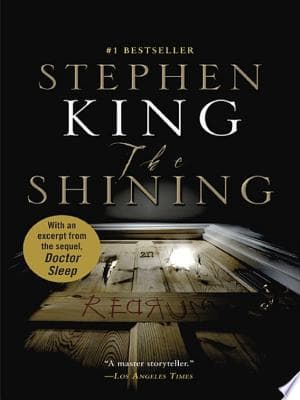
- The Shining
Stephen King
4.2 (1.1M) average on GoodreadsThrillerA recovering alcoholic accepts a caretaking job at a snow-bound, haunted hotel, where his son's psychic abilities reveal the sinister forces that drive him to madness and terrorize his family.





Enjoyed the summary?
A summary gives you the shape of the book. The book itself has the detail, the examples and the voice.
Find The Jefferson Key on AmazonAs an Amazon Associate, BookBrief earns from qualifying purchases. How we're funded