
Synopsis
Covers the whole plot, including the ending.
- Difficulty
- Medium
- Pacing
- Fast
- Mood
- Suspenseful, Intense, Gritty, Vengeful
- Read it if
- You enjoy classic espionage thrillers with a deeply personal vendetta, high stakes, and complex political conspiracies.
- Skip it if
- You prefer lighthearted stories or are averse to detailed descriptions of violence and political machinations.
The Mark of the Assassin Plot Summary
Covers the whole plot, including the ending.
Flight 002 Disaster and the Assassin's Mark
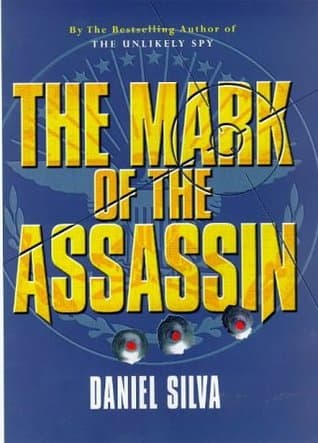
Flight 002, a commercial airliner, is bombed off the coast of Long Island, killing all 212 people on board. While initial investigations suggest a terrorist attack, a body found near the crash site has a horrifying mark: three bullets to the face. This signature is known only to a few in intelligence. This discovery immediately points to Jean-Luc Martel, a legendary assassin. Michael Osbourne, a CIA officer with a personal history with Martel, is reluctantly pulled into the investigation by his superior, Walter Ross, because of his unique knowledge of Martel's methods.
Osbourne's Personal History with Martel
The story flashes back to Michael Osbourne's previous encounter with Jean-Luc Martel. Years earlier, during a mission in Beirut, Osbourne saw Martel's brutal efficiency when the assassin killed an asset Osbourne was protecting, leaving the three bullet wounds. This event deeply affected Osbourne, leading to his unofficial pursuit of Martel over the years. This history now makes Osbourne the most qualified, but also the most conflicted, agent to lead the hunt for Martel. His personal vendetta threatens to cloud his judgment, worrying his wife, Elizabeth.
Initial Investigation and Political Intrigue
As Osbourne investigates Flight 002, he quickly realizes the bombing is more complex than a simple terrorist act. The victim with Martel's mark is identified as David Miller, a former high-ranking CIA officer. Miller was traveling to Washington D.C. to expose a major conspiracy. Osbourne suspects Miller was silenced before he could reveal information, and that Martel was hired to make his death look like part of a larger terrorist plot. This leads Osbourne to question the official story and suspect a cover-up involving powerful figures in the U.S. government and intelligence agencies.
Meeting with Ari Shamron
Realizing the depth of the conspiracy and his agency's limitations, Osbourne travels to Israel to consult with Ari Shamron, a retired Mossad spymaster and his former mentor. Shamron, known for his knowledge of the intelligence world, gives Osbourne insights into Martel's background, methods, and potential patrons. Shamron also warns Osbourne about the extreme danger he faces, stressing that those who employ Martel are ruthless and will stop at nothing to protect their secrets, including targeting Osbourne and his family.
Martel's Background and Network
With Shamron's guidance and his own investigations, Osbourne begins to piece together Jean-Luc Martel's past. Martel, a former French intelligence operative, was disavowed and became a freelance assassin, known for his skill and ruthlessness. Osbourne learns that Martel is not just a killer for hire but is connected to a network, code-named 'October.' This group consists of former intelligence officers and powerful individuals who manipulate global events for their own benefit. This revelation raises the stakes, showing that Osbourne is not just hunting an assassin, but confronting a formidable organization.
Targeting Osbourne's Family
As Osbourne gets closer to the truth, the conspirators target his family. Martel orchestrates threats and an attempted kidnapping of Osbourne's young daughter, Lily, and his wife, Elizabeth. This direct attack on his loved ones shatters Osbourne's professional distance and intensifies his personal vendetta against Martel. The incident forces Osbourne to send Elizabeth and Lily into hiding, isolating him but also strengthening his resolve to bring down Martel and his organization, no matter the personal cost.
Unmasking the Conspirators
Osbourne's pursuit uncovers the true masterminds behind the Flight 002 bombing and Martel's actions. He discovers that the conspiracy involves high-ranking U.S. government officials, including a senator and a former CIA director. They were trying to destabilize a Middle Eastern peace initiative for their own political and financial gain. David Miller, the victim on Flight 002, had discovered their scheme and was about to expose them, leading them to hire Martel to kill him and create a diversionary terrorist attack.
The Confrontation in London
Following clues and using his contacts, Osbourne tracks Martel to London. He believes Martel is preparing for another assassination, likely to eliminate loose ends for his employers. Osbourne, operating outside official channels and with minimal support, prepares for a direct confrontation. The tension builds as Osbourne closes in on Martel, knowing this encounter is the culmination of years of obsession and a chance for justice and personal closure. He understands this is likely a fight to the death.
The Final Showdown with Martel
Osbourne finally corners Jean-Luc Martel in a tense and brutal confrontation in London. The two men, familiar with each other's capabilities, engage in a cat-and-mouse game through the city. The battle is both physical and psychological. Osbourne, driven by his vendetta, and Martel, by his ruthlessness. Osbourne, though not as efficient a killer, uses his knowledge of Martel's psychology and his training to gain an advantage. The fight ends in a violent struggle where Osbourne narrowly defeats Martel, ending the assassin's reign.
Exposing the Conspiracy
With Martel defeated, Osbourne focuses on exposing the powerful conspirators behind the Flight 002 bombing and the assassin. He gathers evidence, including Martel's operational files and the information David Miller was trying to expose. Osbourne faces resistance within the intelligence community as the conspirators try to discredit him and hide the truth. However, with help from trusted allies and his evidence, Osbourne brings the truth to light, leading to a public reckoning for those involved.
Aftermath and Resolution
The exposure of the conspiracy leads to a major political scandal and criminal investigations. The high-ranking officials are arrested and charged for their roles in the Flight 002 bombing and cover-up. While justice is served, the events leave a lasting impact on Michael Osbourne. He reunites with his wife, Elizabeth, and daughter, Lily, but the experience has changed him. Osbourne grapples with the emotional toll of his pursuit and the sacrifices he made, wondering if he can return to a normal life or if he is destined to remain in the shadows, forever marked by his encounter with the assassin.
Principal Figures
Michael Osbourne
Protagonist
A CIA officer haunted by a past encounter with a deadly assassin.
Michael Osbourne is a seasoned CIA officer, intelligent and highly skilled, but deeply scarred by a traumatic past encounter with Jean-Luc Martel. He carries a personal vendetta against Martel, which both fuels his determination and threatens to consume him. Osbourne is a family man, devoted to his wife Elizabeth and daughter Lily, and their safety becomes a primary motivator in his pursuit. He is often at odds with the bureaucratic constraints of the CIA, preferring to follow his own instincts, which frequently puts him in dangerous situations.
Relationships: Jean-Luc Martel (Nemesis; Osbourne is obsessed with bringing him to justice.); Elizabeth Osbourne (Wife; his anchor and a source of both strength and vulnerability.); Lily Osbourne (Daughter; her safety becomes a critical motivation.); Walter Ross (Superior; initially skeptical but eventually supportive.); Ari Shamron (Mentor; provides crucial guidance and insights.)
Jean-Luc Martel
Antagonist
An elusive and highly skilled assassin, known for his unique calling card.
Jean-Luc Martel, known simply as 'the Assassin,' is a former French intelligence operative turned freelance killer. He is a ghost, operating with chilling efficiency, precision, and an almost supernatural ability to disappear. Martel is characterized by his signature three bullets to the face, a mark of his cold, professional ruthlessness. He is driven by financial gain and a detached sense of professionalism, devoid of personal remorse. His past is shrouded in mystery, making him an almost mythical figure in the world of espionage. Martel represents the ultimate threat, a force of chaos and death.
Relationships: Michael Osbourne (Prey and Hunter; their fates are intertwined by past and present conflicts.); The Conspirators (Employer; he works for them, but holds no loyalty beyond payment.)
Elizabeth Osbourne
Supporting
Michael Osbourne's supportive wife, who endures the dangers of his profession.
Elizabeth Osbourne is Michael's loving and resilient wife. She is deeply aware of the dangers inherent in Michael's CIA career and the toll it takes on their family. Despite her fears and frustrations, she remains supportive of Michael, though she constantly worries about his obsession with Martel and the risks he takes. Her character provides a grounding influence for Michael, representing the normal life and family he is fighting to protect. When she and Lily are targeted, her vulnerability highlights the personal stakes for Michael.
Relationships: Michael Osbourne (Husband; deeply devoted, but often strained by his work.); Lily Osbourne (Daughter; fiercely protective.)
Ari Shamron
Supporting
A legendary, retired Mossad spymaster and Michael's former mentor.
Ari Shamron is a highly respected, retired Mossad spymaster with a vast network of contacts and unparalleled knowledge of the intelligence world. He serves as a mentor figure to Michael Osbourne, offering him crucial advice, historical context, and insights into Martel's methods and the shadowy organizations that might employ him. Shamron is wise, cynical, and pragmatic, often speaking in riddles but always guiding Osbourne towards the truth. His presence provides a sense of gravitas and connection to a deeper, more experienced world of espionage.
Relationships: Michael Osbourne (Mentor; a trusted advisor and friend.)
Walter Ross
Supporting
Michael Osbourne's superior at the CIA.
Walter Ross is Michael Osbourne's direct superior at the CIA. He is a career intelligence officer, often constrained by bureaucracy and political considerations. Initially, Ross is skeptical of Osbourne's personal vendetta and his unconventional methods, preferring to follow official protocols. However, as the conspiracy unfolds and Osbourne's theories prove accurate, Ross becomes a cautious ally, providing some institutional support, albeit with reservations. He represents the internal struggle within the CIA between rigid procedure and necessary, albeit risky, independent action.
Relationships: Michael Osbourne (Superior; professional relationship, evolving into cautious trust.)
David Miller
Mentioned
The former CIA officer whose murder on Flight 002 triggers the investigation.
David Miller is a former high-ranking CIA officer whose body, bearing Martel's signature, is found near the Flight 002 crash site. Though deceased early in the narrative, his actions and the information he possessed are central to the plot. Miller was attempting to expose a major conspiracy involving powerful figures within the U.S. government when he was targeted by Martel. His death serves as the primary catalyst for Osbourne's investigation, and uncovering what Miller knew becomes the key to unraveling the entire plot.
Relationships: Michael Osbourne (Indirect connection; Osbourne seeks to avenge his death and uncover his secrets.); The Conspirators (Victim; he was targeted for exposing their plans.)
Lily Osbourne
Supporting
Michael and Elizabeth's young daughter.
Lily Osbourne is the young daughter of Michael and Elizabeth. She is a symbol of innocence and the normal life Michael yearns for. Her attempted kidnapping by Martel serves as a crucial turning point, intensifying Michael's personal stakes and revealing the ruthless nature of the conspirators. Her vulnerability underscores the immense personal cost of Michael's work and the constant threat hanging over his family.
Relationships: Michael Osbourne (Father; his primary motivation for protection.); Elizabeth Osbourne (Mother; fiercely protected by her.)
Themes & Insights
Obsession and Vengeance
The novel explores obsession, specifically Michael Osbourne's focus on Jean-Luc Martel. His past encounter with Martel, where an asset was murdered, fuels a personal vendetta beyond his professional duties. This obsession is a double-edged sword: it helps him hunt Martel but also blinds him to dangers and strains his personal life. The pursuit of vengeance threatens to consume Osbourne, pushing him to the brink and endangering his family. This theme is clear in Osbourne's relentless tracking of Martel, even when told to stop, as seen in his early interactions with Walter Ross and his consultations with Ari Shamron.
“He knew Martel. He knew his methods. He knew the cold, hollow place where the assassin lived. And in that place, Osbourne had nursed a hatred for years.”
The Corrupting Nature of Power
The story shows how power, especially in government and intelligence agencies, can be corrupted for personal gain, leading to terrible outcomes. The Flight 002 bombing is not a random terrorist act but a planned event by high-ranking officials to cover up their illegal dealings and manipulate international politics. This theme highlights the dangers of unchecked authority and the moral compromises made by those at the top. The conspirators' willingness to murder hundreds of innocent people and silence whistleblowers like David Miller shows how far they will go to protect their secrets and influence.
“The truth was not a weapon. It was a disease. And those who carried it often died from it.”
The Price of Duty and Sacrifice
The book examines the personal and professional cost for those in intelligence work. Michael Osbourne's commitment to his duty and mission strains his marriage and endangers his family. He makes sacrifices, risking his career, his life, and his loved ones' safety, to pursue justice. This theme highlights the isolation and moral ambiguity in espionage, where agents operate in shadows, making difficult choices with far-reaching consequences. His separation from his family and the constant threat they face show these sacrifices.
“He was a man caught between two worlds: the brutal, unforgiving one he inhabited for work, and the fragile, beautiful one he called home.”
Truth vs. Deception
A central theme is the struggle to find truth in a world full of deception, lies, and cover-ups. From the initial lie that the Flight 002 bombing was a simple terrorist act, to the layers of political intrigue and betrayal, Osbourne must navigate misinformation. The story emphasizes the difficulty of telling allies from enemies and the need to question official stories. This theme is clear in Osbourne's efforts to piece together clues and challenge the convenient narratives presented by powerful institutions, ultimately revealing a deeper, more sinister reality.
“In this game, the truth was rarely what it appeared to be. It was always buried under layers of lies, like a body under concrete.”
Plot Devices & Literary Techniques
The Assassin's Mark
Three bullets to the face, a signature calling card.
The 'three bullets to the face' is the distinctive signature of Jean-Luc Martel. This plot device is crucial as it immediately identifies the assassin and sets the entire plot in motion. It also serves as a personal trigger for Michael Osbourne, connecting the current crisis to his traumatic past. The mark is not just a detail; it's a symbol of Martel's ruthless efficiency and the personal nature of Osbourne's vendetta, making the antagonist instantly recognizable and terrifying.
The Whistleblower's Information
The critical intelligence David Miller was carrying.
The information David Miller was attempting to expose about the conspiracy is a key plot device. Though Miller is killed early on, the content of his intended revelation drives Osbourne's investigation. It provides the motive for the bombing and Martel's involvement, slowly revealing the scope and nature of the powerful conspirators. Uncovering this information becomes Osbourne's primary goal, leading him through a complex web of lies and betrayal, and ultimately providing the evidence needed to expose the truth.
Personal Vendetta
Osbourne's long-standing obsession with Martel.
Osbourne's personal vendetta against Martel is a powerful plot device that drives his character and the narrative forward. It provides a deep emotional core to the thriller, making Osbourne's pursuit more than just a professional duty. This personal connection allows for a more intense and focused conflict between protagonist and antagonist, giving Osbourne unique insight into Martel's methods while also making him vulnerable. It justifies his unconventional actions and the extreme risks he takes, elevating the stakes beyond a simple spy hunt.
The Shadowy Organization ('October')
A clandestine network of powerful, corrupt individuals.
The existence of 'October,' a clandestine network of former intelligence officers and powerful figures, serves as a significant plot device. It expands the scope of the conspiracy beyond a single assassin, revealing a deeply entrenched and dangerous organization. This device elevates the threat level, showing that Osbourne is fighting not just an individual but a systemic corruption. It provides a larger, more formidable antagonist, explaining the resources Martel has and the difficulty Osbourne faces in exposing the truth, adding layers of intrigue and danger.
The Mark of the Assassin Quotes
“There are no accidents in our business, Mr. Shamron. Only varying degrees of intent.”
“The past is never truly buried. It merely waits for the right moment to resurface.”
“In this game, the truth is often more dangerous than any lie.”
“Every man has his price, Mr. Shamron. The trick is knowing what it is.”
“Assassins don't retire. They just become targets.”
“He knew the smell of fear. It was the same in every language, every culture.”
“The greatest weapon in the arsenal of an intelligence officer is patience.”
“Sometimes, the only way to find the truth is to create your own lie.”
“Revenge is a dish best served cold, but sometimes, it's better served with a bullet.”
“The world is full of shadows, and sometimes, the deepest ones are found in the brightest places.”
“Trust is a luxury few in our profession can afford.”
“He had seen enough death to know that it always left a mark, even on those who merely witnessed it.”
“The game was never about good versus evil, but rather about who was more ruthless.”
Quiz
10 questions on the plot and the characters. Each answer comes with a short explanation.
Question 1
What is the initial event that sets Michael Osbourne on the assassin's trail?
- A bomb attack on the CIA headquarters.
- The assassination of a high-ranking government official.
- The downing of Flight 002 off the East coast.
- A hostage situation in a European embassy.
Show answer
C. The downing of Flight 002 off the East coast. The story begins with the terrorist bombing of Flight 002, and a body found near the crash site bearing the assassin's unique mark.
Question 2
What is the 'deadly calling card' left by the assassin on his victims?
- A single bullet to the heart.
- A distinctive tattoo on the victim's wrist.
- Three bullets to the face.
- A specific type of poison.
Show answer
C. Three bullets to the face. The assassin's signature is described as 'three bullets to the face,' a detail that Michael Osbourne recognizes personally.
Question 3
Which organization does Michael Osbourne work for?
- FBI
- MI6
- Mossad
- CIA
Show answer
D. CIA The book description explicitly states that Michael Osbourne is 'of the CIA'.
Question 4
What personal connection does Osbourne have to the assassin's calling card?
- The assassin previously targeted a close colleague of his.
- Osbourne himself was a former victim who survived the attack.
- The assassin killed someone very close to Osbourne in the past.
- He recognized the method from a historical case he studied.
Show answer
C. The assassin killed someone very close to Osbourne in the past. The description states Osbourne knows the markings 'Personally,' implying a direct, painful past experience with the assassin.
Question 5
How does Osbourne's pursuit of the assassin affect his personal life?
- It strengthens his relationship with his family, who assist in his investigation.
- It leads him to neglect his career and focus solely on the assassin.
- His obsession threatens to consume his career, family, and life.
- It makes him a national hero, bringing him public acclaim.
Show answer
C. His obsession threatens to consume his career, family, and life. The synopsis highlights that Osbourne's 'obsession that threatens to consume his career, his family, his life,' indicating a significant negative impact.
Question 6
What kind of environment does Osbourne operate in during his investigation, as described in the summary?
- A world of clear facts and direct confrontation.
- A world of shadows and lies, intrigue and cover-up.
- A transparent world where information is readily available.
- A strictly bureaucratic and rule-bound environment.
Show answer
B. A world of shadows and lies, intrigue and cover-up. The summary describes the setting as 'a world of shadows and lies, intrigue and cover-up,' emphasizing the complex and deceptive nature of his mission.
Question 7
What is the primary motivation driving Michael Osbourne's pursuit of the assassin?
- To gain a promotion within the CIA.
- To prevent future terrorist attacks in general.
- A deep, personal obsession stemming from the assassin's past actions.
- To recover stolen classified documents.
Show answer
C. A deep, personal obsession stemming from the assassin's past actions. The summary explicitly states he is 'Propelled by an obsession' due to knowing the markings 'Personally,' indicating a strong personal vendetta.
Question 8
What is the ultimate risk Osbourne faces by pursuing the assassin?
- Losing his pension benefits.
- Being demoted within the CIA.
- Putting himself and his loved ones in the assassin's sights.
- Being assigned to a desk job indefinitely.
Show answer
C. Putting himself and his loved ones in the assassin's sights. The text states that Osbourne 'puts himself and his loved ones in the sights of the most ruthless, diabolical assassin on earth…' highlighting the extreme danger.
Question 9
What specific characteristic is attributed to the assassin by the end of the summary?
- Highly intellectual and philosophical.
- Known for leaving cryptic messages.
- The most ruthless, diabolical assassin on earth.
- An amateur who makes many mistakes.
Show answer
C. The most ruthless, diabolical assassin on earth. The assassin is described as 'the most ruthless, diabolical assassin on earth,' underscoring his extreme danger and capability.
Question 10
What overarching theme is suggested by Osbourne's struggle between his obsession and his personal life?
- The importance of teamwork in intelligence operations.
- The conflict between personal vengeance and professional duty.
- The inevitability of fate and destiny.
- The benefits of a balanced work-life approach.
Show answer
B. The conflict between personal vengeance and professional duty. Osbourne's 'obsession' threatening his 'career, his family, his life' while pursuing a personal vendetta against the assassin clearly illustrates the conflict between personal desire for revenge and his professional responsibilities and personal well-being.
The Mark of the Assassin FAQ
What is the primary inciting incident that kicks off the plot of 'The Mark of the Assassin'?
The story begins with the catastrophic downing of Flight 002 off the East Coast by a terrorist bomb. This event immediately sets the stage for a high-stakes investigation, as the wreckage and a body found nearby reveal a chilling clue linking the attack to a notorious assassin, propelling Michael Osbourne into action.
Who is Michael Osbourne and what is his role in the CIA?
Michael Osbourne is a CIA operative who becomes central to the investigation. He possesses a unique and deeply personal understanding of the assassin's methods, having encountered his deadly calling card before. His role quickly evolves from investigator to a driven hunter, fueled by past trauma and a relentless obsession.
What is the 'deadly calling card' of the assassin, and why is it significant?
The assassin's signature calling card is three bullets to the face of his victims. This distinctive and brutal method is crucial because it immediately identifies the perpetrator to Michael Osbourne, who recognizes it from a previous, traumatic encounter. It serves as a personal challenge and a direct link to Osbourne's past, making the hunt deeply personal.
Who is the elusive assassin Michael Osbourne is hunting?
The assassin is an incredibly lethal and enigmatic figure, known only by his deadly methods. He is portrayed as ruthless and diabolical, making him a formidable antagonist for Osbourne. His identity and motives are initially shrouded in mystery, intensifying the suspense and Osbourne's personal quest.
How does Michael Osbourne's personal history connect him to the assassin?
Osbourne's personal history is deeply intertwined with the assassin's calling card, implying a past encounter that left a lasting scar. This connection transforms the professional hunt into a personal vendetta, as Osbourne is driven not just by duty but by an obsession rooted in past trauma and a desire for closure or revenge.
Are there any subtle clues early in the book that hint at the assassin's true identity or motivations?
While the assassin's identity is initially mysterious, subtle narrative choices and the specific nature of the targets or methods might offer early, almost imperceptible hints. The precision and ruthlessness of the attack on Flight 002, combined with the specific 'calling card,' could suggest a professional with a specific agenda beyond simple terrorism, perhaps linking to state-sponsored operations or a deeply personal vendetta that mirrors Osbourne's own.
How does the author use the 'world of shadows and lies, intrigue and cover-up' to deepen the mystery?
The author uses this shadowy world to create a labyrinthine plot where nothing is as it seems, making it difficult for Osbourne to trust anyone or anything. This environment of deception and hidden agendas means that even within the CIA, Osbourne faces internal resistance or misdirection, constantly questioning motives and allegiances. This deepens the mystery by obscuring the true puppet masters and the assassin's ultimate employer.
What unexpected alliances or betrayals does Osbourne encounter that complicate his pursuit?
As Osbourne delves deeper, he likely encounters unexpected alliances from unlikely sources, perhaps individuals with their own scores to settle or moral compasses that align with his. Conversely, he faces betrayals from within his own organization or from seemingly trustworthy contacts, highlighting the pervasive nature of the 'intrigue and cover-up' and forcing him to rely solely on his instincts.
Is there a specific historical or political event that subtly influences the backdrop of the story?
Given the nature of international thrillers, there might be subtle references or parallels to real-world geopolitical tensions or historical conflicts that provide a foundation for the terrorist acts and the assassin's motives. These might not be explicitly stated but could inform the political landscape and the stakes of the mission, adding a layer of realism and depth to the 'intrigue and cover-up' elements.
How does Michael Osbourne's obsession impact his psychological state throughout the novel?
Osbourne's obsession with the assassin profoundly affects his psychological state, pushing him to the brink. He likely experiences insomnia, paranoia, and a single-minded focus that blurs his professional judgment and personal life. This obsession makes him reckless and isolated, constantly battling internal demons while pursuing an external threat, manifesting as a severe psychological burden.
What is the psychological toll on Osbourne's family due to his dangerous mission?
Osbourne's family endures immense psychological stress, living in constant fear for his safety and their own. His preoccupation and the inherent danger of his mission create distance and anxiety, potentially leading to marital strain and fear for his children. They become unwitting targets, adding to their psychological burden and Osbourne's guilt.
How does the assassin's 'diabolical' nature psychologically manipulate Osbourne?
The assassin's 'diabolical' nature likely involves psychological warfare, using the personal connection to Osbourne to taunt and manipulate him. This could involve leaving specific clues, targeting individuals close to Osbourne, or creating situations designed to exploit Osbourne's past trauma and obsession, pushing him towards irrational decisions and emotional breakdown.
What internal conflicts does Osbourne face as he blurs the lines between duty and personal vendetta?
Osbourne grapples with significant internal conflicts as his mission transforms into a personal vendetta. He struggles with the ethical implications of using CIA resources for personal revenge, the potential for professional ruin, and the moral compromises he might make. This internal battle highlights the tension between his professional obligations and his overwhelming desire for justice or closure.
Can the assassin be viewed as a mirror image or dark reflection of Osbourne in some ways?
There's a strong argument that the assassin acts as a dark reflection of Osbourne, particularly if their pasts are linked by a shared event or if they both operate outside conventional rules. Both are highly skilled, driven individuals, but the assassin channels his intensity into destructive, amoral acts, while Osbourne, despite his obsession, still operates within a framework of justice, however blurred.
What is the ultimate message about justice and vengeance that the book conveys?
The book likely explores the complex interplay between justice and vengeance, suggesting that while the pursuit of justice is noble, personal vengeance can be a consuming and destructive force. It might convey that true justice often requires sacrifice and navigating morally ambiguous territories, and that the line between the two is often dangerously thin, with high personal costs.
Is the novel suggesting a critique of government agencies or intelligence operations?
Given the 'world of shadows and lies, intrigue and cover-up,' the novel could be interpreted as a critique of government agencies and intelligence operations. It might highlight their inherent flaws, bureaucratic inefficiencies, ethical compromises, and the potential for corruption or self-serving agendas within powerful organizations, leading to a lack of transparency and accountability.
How does the ending challenge or reinforce the reader's initial perception of the characters?
The ending likely challenges initial perceptions by revealing unexpected truths about characters' motives or allegiances, forcing readers to re-evaluate who they thought was good or evil. It might reinforce perceptions by solidifying a character's inherent nature, but usually, a good thriller ending provides a twist that makes the reader question everything they previously believed, especially regarding the assassin or Osbourne's superiors.
What broader themes, beyond a simple thriller, does 'The Mark of the Assassin' explore?
Beyond a simple thriller, the book explores profound themes such as the nature of obsession and its destructive power, the personal cost of duty, the blurred lines between good and evil in a morally ambiguous world, and the elusive quest for truth and justice in the face of widespread deception. It delves into the psychological scars of past trauma and the lengths one will go for closure.
About the author

Daniel Silva is a globally acclaimed author celebrated for his thrilling espionage novels. He is best known for his Gabriel Allon series, which includes international bestsellers like "Portrait of a Spy," "The English Assassin," and "The Unlikely Spy." Silva's meticulous research and complex plots have cemented his reputation as a master of the spy thriller genre.
Similar books
- The Day of the Jackal
Frederick Forsyth
4.3 (118k) average on GoodreadsThrillerFeatures a meticulous, elusive assassin and a relentless pursuit by law enforcement.
- Patriot Games
Tom Clancy
4.1 (188k) average on GoodreadsThrillerInvolves a former analyst whose family is targeted by terrorists, leading to a personal vendetta.
- The Bourne Identity
Robert Ludlum
4.0 (397k) average on GoodreadsThrillerDeals with a protagonist unraveling a conspiracy while being hunted by powerful organizations.
- Angels & Demons
Dan Brown
3.9 (2.7M) average on GoodreadsThrillerA Harvard symbologist races through Rome's ancient sites, deciphering cryptic clues to unmask the Illuminati and stop a vengeful plot to destroy the Vatican with a stolen antimatter weapon.
- Gone Girl
Gillian Flynn
4.1 (2.3M) average on GoodreadsThrillerA wife's sudden disappearance on her fifth anniversary reveals a web of lies and psychological warfare, exposing the secrets within a seemingly perfect marriage.
- The Girl on the Train
Paula Hawkins
3.9 (2.1M) average on GoodreadsThrillerA woman’s fascination with a seemingly perfect couple she watches from her daily train commute leads her into a dark investigation when she witnesses something that shatters their idyllic image.




Enjoyed the summary?
A summary gives you the shape of the book. The book itself has the detail, the examples and the voice.
Find The Mark of the Assassin on AmazonAs an Amazon Associate, BookBrief earns from qualifying purchases. How we're funded