

Synopsis
Covers the whole plot, including the ending.
- Difficulty
- Medium
- Pacing
- Slow
- Mood
- Atmospheric, Melancholic, Ethereal, Mysterious, Romantic
- Read it if
- You enjoy atmospheric, melancholic fairy tales with a touch of mystery, a slow-burn romance, and unique world-building.
- Skip it if
- You prefer fast-paced plots, clear-cut resolutions, or don't enjoy ambiguous, poetic storytelling.
The Near Witch Plot Summary
Covers the whole plot, including the ending.
A Stranger on the Moor
Lexi Harris lives in the isolated village of Near, accustomed to its unchanging ways and the old stories about the Near Witch and the lonely wind. One night, while with her horses on the moor, she meets a strange boy who seems to shimmer like smoke. He wears old-fashioned clothes and carries an antique pocket watch. This encounter breaks Near's most basic rule: there are no strangers in Near. The boy, who won't give his name, says he is looking for something but is vague about it. Lexi is both cautious and interested in him, as his presence challenges everything she knows about her secluded world.
Children Disappear and Suspicion Falls
The night after Lexi meets the stranger, children in Near begin to disappear from their beds. First, the twins, Pip and Poppy, vanish, leaving their parents distraught. Panic spreads through the small community. The villagers, unused to anything unusual, immediately suspect the only unfamiliar person: the strange boy. Lexi's grandfather, the village elder, reluctantly leads the search parties, but the focus stays on the 'outsider.' Lexi, despite her initial worry, feels a connection to the boy and struggles with the villagers' quick judgment, sensing there is more to the story.
Lexi's Alliance with the Nameless Boy
Despite the growing fear and the villagers' accusations, Lexi feels drawn to the nameless boy. She confronts him, and he insists he is innocent, claiming he wants to help find the children. He reveals he can sense the missing children, though he cannot explain how. Lexi, trusting her intuition that he is not responsible, decides to defy her community and work with him. Together, they begin their own secret investigation, searching the moor and the village edges, following the boy's strange senses and Lexi's knowledge of Near's hidden paths, hoping to find the real culprit before more children disappear.
Whispers of the Near Witch
As Lexi and the boy search, they learn more about Near's history, revisiting the old stories and superstitions Lexi grew up with. Lexi remembers her grandmother's tales of the Near Witch, a figure said to lure children with the lonely wind, and the warnings to never listen when the wind calls. The boy, in turn, shares glimpses of his own mysterious past, hinting at a connection to the wind and the land. They discover that the disappearing children are not being taken by force, but seem to be drawn away willingly. This makes the old legends feel real, suggesting a supernatural element is at play rather than a human abductor.
The Boy's True Nature Revealed
The nameless boy eventually says his name is Cole, and that he is not human in the usual sense. He is a spirit, or a being of the wind, who has existed for centuries, tied to the land and the calling of a specific song. He explains he was drawn to Near by a melody he has heard for a long time, a song that seems to come from the village itself. This revelation further complicates Lexi's understanding of her world and her feelings for him. Cole's ethereal nature and his connection to the wind make him both a suspect and a possible key to understanding the disappearances, as he can perceive things others cannot.
The Origin of the Near Witch
Lexi and Cole piece together clues and forgotten lore, uncovering the true, tragic history of the Near Witch. They learn the 'witch' was not a malevolent entity, but a young woman named Clara, who lived centuries ago. Clara had a child taken from her by the lonely wind. In her grief, she tried to call it back using a powerful, forbidden song. This song, filled with her sorrow, accidentally created a magical resonance that bound her to the land and eventually began to call other children away, seeking the companionship her own child could no longer provide. The legend had become distorted over generations, making a heartbroken mother seem evil.
The Wind's Song and the Children's Lure
As more children vanish, Lexi and Cole confirm their theory: the children are not being kidnapped, but are being lured by a magical song carried on the wind. This song, the legacy of Clara's grief, is irresistible to children, drawing them away from their homes and towards a specific, hidden place. Cole, a creature of the wind, can hear and understand the song's nuances. Lexi, with her deep connection to Near, begins to feel its pull too. They realize that to save the children, they must not only find them but also break the enchantment of the song, which has become a self-sustaining force over centuries, born from Clara's lasting sorrow.
Confronting the Source of the Song
Guided by Cole's senses and Lexi's knowledge of the moor, they follow the increasingly strong pull of the song. It leads them to a hidden glade on the moor where an ancient, gnarled tree stands, resonating with the magical melody. There, they find the missing children, safe but in a trance-like state, captivated by the song from the tree, which is sustained by Clara's lingering spirit. The children are not harmed but are lost in a dream-like enchantment, unable to return on their own. Lexi and Cole realize they must sever the source of the song, which is tied to Clara's enduring presence and the powerful magic she invoked.
A Sacrifice and a Choice
To break the spell and free the children, a sacrifice must be made to sever Clara's connection to the tree and the song. Cole, being part of the wind and connected to the magic, understands this. He chooses to sacrifice himself, using his own essence to unravel the enchantment, knowing it means he will disappear. As he fades, the children awaken, confused but safe. Lexi is heartbroken but knows it was necessary. She is left with a sense of loss and the knowledge that her world has changed. The villagers, relieved, never fully understand the truth, attributing the children's return to Lexi's bravery and Cole's mysterious 'departure'.
The Wind's Whisper and Lingering Hope
After the children are safely returned, life in Near slowly returns to its quiet rhythm, though marked by the memory of the strange events. Lexi is a hero, but carries the secret of Cole and the true nature of the Near Witch. She often visits the glade on the moor, listening to the wind, hoping for a sign of Cole. While he is gone, she sometimes hears whispers on the wind that sound like his voice, a lingering presence that suggests he may not be entirely lost. Lexi stays in Near, forever changed by her encounter with magic and love, now seeing her village and the world with new, knowing eyes, holding onto the hope that the wind might one day bring him back.
Principal Figures
Lexi Harris
Protagonist
A strong-willed young woman from Near, who defies tradition to uncover the truth.
Lexi is fiercely independent, observant, and possesses a deep connection to her isolated village of Near and its surrounding moor. Unlike most villagers, she questions the old stories and possesses a brave curiosity that drives her to seek answers when the children disappear. She is loyal and intuitive, trusting her instincts about the mysterious stranger despite the entire village's suspicion. Her journey forces her to confront long-held beliefs, challenge authority, and ultimately, make profound sacrifices. She is defined by her courage and her capacity for unconventional love.
Relationships: Cole (Love interest, mysterious spirit); Grandfather (Caretaker, village elder, authority figure); Mother (deceased) (Inspiration, source of stories)
Cole
Love Interest/Mysterious Stranger
An ethereal, nameless boy tied to the wind, who helps Lexi solve the mystery.
Cole is an enigmatic and ancient spirit, or 'boy of the wind,' who has existed for centuries, drawn to Near by a haunting melody. He is ethereal, often fading from sight, and possesses senses beyond human comprehension, able to hear the 'calling' that draws the children. He is gentle, wise, and lonely, carrying the burden of his unique existence. Despite his mysterious nature, he is kind and genuinely wants to help Lexi, forming a deep bond with her. His sacrifice is central to the resolution of the plot.
Relationships: Lexi Harris (Love interest, partner in investigation); Clara (Connected to her song/magic)
Grandfather (Elder Harris)
Supporting
Lexi's grandfather and the pragmatic, tradition-bound elder of Near.
Lexi's grandfather is a stern but loving figure who serves as the de facto leader of Near. He is deeply rooted in the village's traditions and superstitions, initially quick to suspect Cole and resistant to anything that disrupts the established order. He cares deeply for Lexi and the community but struggles to understand the supernatural events unfolding. He represents the voice of tradition and the fear of the unknown, providing a contrast to Lexi's open-mindedness.
Relationships: Lexi Harris (Granddaughter, care-taker); Villagers (Leader, protector)
Clara (The Near Witch)
Antagonist/Tragic Figure (Historical)
The heartbroken woman whose grief inadvertently created the magical lure.
Clara is the historical figure behind the legend of the Near Witch. She was a young woman from centuries past who lost her child to the lonely wind. In her overwhelming grief and desperate attempt to call her child back, she inadvertently wove a powerful, sorrowful song into the land. This song, imbued with her longing, became the 'calling' that draws children away, seeking companionship for the child she lost. She is not malevolent but tragic, her enduring pain manifesting as a powerful, unintentional magic that traps the current children.
Relationships: Her lost child (Source of her grief and magic); Cole (Connected to her song/magic)
The Children of Near
Supporting
The missing children whose disappearances drive the plot.
The children of Near, specifically the twins Pip and Poppy, are the victims of the 'calling' that draws them away. They are innocent and vulnerable, representing the stakes of the mystery. Their disappearances create the central conflict and instigate Lexi's investigation. They are depicted as being in a trance-like state when found, unharmed but captivated by the song, highlighting the non-violent but insidious nature of the magic.
Relationships: Lexi Harris (Rescuer); Clara (Victims of her magic)
The Wind
Antagonist/Plot Device
A sentient, lonely force that is intrinsically linked to the magic of Near.
The Wind in Near is not merely a weather phenomenon; it is a sentient, lonely force, integral to the village's lore and the central mystery. It 'calls' to people, especially children, and is directly connected to Cole's existence and Clara's magic. It represents the ancient, untamed magic of the moor and acts as both a source of danger and a means of communication for Cole. Its whispers are a constant presence, influencing the mood and events of the story.
Relationships: Cole (His essence, his connection); Clara (The vessel for her song)
Mother (Lexi's)
Mentioned
Lexi's deceased mother, who passed down the village stories.
Lexi's mother is deceased but her presence is felt through the stories she told Lexi about the Near Witch and the wind. She instilled in Lexi a sense of wonder and perhaps a subtle questioning of the established narratives, influencing Lexi's independent spirit. Her memory serves as a connection to the past and the lore that Lexi later unravels.
Relationships: Lexi Harris (Daughter, source of stories)
Abigail
Supporting
A village girl who serves as a minor antagonistic foil to Lexi.
Abigail is a village girl who represents the narrow-mindedness and fear of the community. She is quick to condemn Cole and spread rumors, embodying the villagers' resistance to outsiders and change. Her character highlights the societal pressure Lexi faces for trusting Cole, providing a minor antagonistic force within the community itself.
Relationships: Lexi Harris (Minor antagonist, fellow villager)
Themes & Insights
Identity and Belonging
Identity is a central theme for Lexi and Cole. Lexi struggles with her identity as a 'Near girl' and her desire to question the village's rigid truths, eventually finding a new identity as a courageous truth-seeker. Cole struggles with his ethereal, timeless nature and his longing for a place to belong, finding a temporary home and purpose with Lexi. Belonging is also seen in Clara's story, whose grief led to her tragic connection to the land, forever seeking her lost child.
“There are no strangers in Near. It was the first truth Lexi had ever learned, and the only one she had never questioned.”
The Power of Stories and Legends
The novel explores how stories shape perception. The legend of the Near Witch, initially a children's tale, is a distorted version of a real tragedy. Lexi's journey involves uncovering the truth behind folklore, showing how narratives can change, conceal, and protect. The villagers use these stories to define their world, but Lexi learns that understanding the origins of legends helps solve the present mystery. The wind itself carries whispers of these ancient tales.
“Stories were not meant to be kept for the telling. They were meant to be brought to life.”
Love and Sacrifice
Love, in its various forms, drives much of the story. Lexi's growing love for Cole makes her defy her village and risk everything. Cole's growing love for Lexi and his desire to protect the children lead him to make the ultimate sacrifice, fading away to break the enchantment. Clara's story is rooted in a mother's overwhelming love and grief, which accidentally created the magic that entrapped the children. The book illustrates the profound and sometimes tragic effects of love and the sacrifices it demands.
“Some things are worth fading for.”
Isolation Versus Connection
Near is a village defined by its isolation, geographically and culturally. Its inhabitants are wary of outsiders, and the lack of connection to the wider world creates a rigid adherence to tradition and a fear of the unknown. Lexi, however, wants a deeper connection, finding it in her bond with Cole, a true 'stranger.' The story shows the dangers of isolation (ignorance, fear) and the power of genuine connection, even with those who are different. The lonely wind embodies this theme, constantly seeking companionship.
“Near was a place where nothing changed, and that was its comfort, and its curse.”
Nature and the Supernatural
The natural world of the moor and the wind is deeply connected to the story's supernatural elements. The wind is not just an element but a sentient force, and Cole is literally a 'boy of the wind.' The ancient tree on the moor becomes the focal point of Clara's lingering magic. The book blurs the lines between the natural and the magical, suggesting that the land itself holds ancient powers and memories, influencing the lives of those who live there. The supernatural is an intrinsic part of Near's landscape.
“The wind was lonely, and always looking for company.”
Plot Devices & Literary Techniques
The Lonely Wind
A sentient, supernatural force that drives the plot and connects characters.
The Wind in "The Near Witch" is more than just a weather element; it is a recurring motif and a central plot device. It is described as lonely and seeking company, directly linked to the Near Witch legend and Cole's existence. The wind carries the 'calling' that lures the children and serves as a medium for Cole's ethereal nature and communication. Its whispers and presence create an atmospheric, eerie tone, constantly reminding the reader of the supernatural forces at play and the ancient magic embedded in the land of Near.
The Near Witch Legend
A foundational myth that provides both a red herring and the key to the mystery.
The legend of the Near Witch is a classic example of a plot device that is initially presented as a frightening children's story, acting as a red herring for the true nature of the disappearances. As the plot unfolds, Lexi and Cole unravel the legend, revealing its tragic origins and the true identity of Clara. This device allows for exploration of themes like truth versus folklore and the power of stories, while also providing the historical context and magical explanation for the events in the present.
The Calling/Song
A magical, irresistible melody that lures the children away.
The 'calling' or 'song' is the central magical mechanism behind the children's disappearances. It is an irresistible melody carried on the wind, born from Clara's grief-stricken magic. This device creates a sense of dread and mystery, as the children are not physically abducted but drawn away by an unseen force. It also highlights Cole's unique abilities, as he is the only one who can truly hear and understand its nuances, making him essential to finding the children and breaking the spell.
The Isolated Village of Near
The setting itself acts as a character, shaping the narrative and characters.
The village of Near is not just a backdrop; its extreme isolation is a crucial plot device. This isolation fosters a deep-seated fear of outsiders, a reliance on old traditions, and a lack of exposure to the outside world, which directly contributes to the villagers' suspicion of Cole. It also makes the magical events more potent and believable within the story's context, as there are no external forces to interfere or offer rational explanations. The village's insularity drives Lexi's internal conflict and her desire to protect her community while challenging its rigid beliefs.
The Near Witch Quotes
“The wind was a living thing in Near, and it had a voice.”
“Every town has its secrets, but Near's were etched into its very bones, whispered by the wind, and sung by the river.”
“There were two kinds of people in Near: those who believed in witches, and those who were afraid they did.”
“Stories were not just things to be told; they were things to be lived.”
“Some things are better left undisturbed, like sleeping dragons or forgotten curses.”
“He was a ghost, a whisper, a song without a singer.”
“The world was full of magic, if you only knew where to look.”
“Fear was a powerful thing, a poison that seeped into the ground and tainted everything it touched.”
“She was a weaver of tales, and he was a ghost of one.”
“Home was not just a place, but a feeling, a memory, a story that lived in your heart.”
“The night held its breath, waiting for something to break, or to begin.”
“Sometimes, the strongest magic was simply believing.”
“He was the storm, and she was the calm that drew him in.”
“Near was a town of echoes, where the past was never truly past.”
Quiz
10 questions on the plot and the characters. Each answer comes with a short explanation.
Question 1
What is the primary characteristic of the town of Near that Lexi has always been taught?
- It is a town of constant change and new faces.
- There are no strangers in Near.
- The wind always brings good fortune.
- Children are never allowed to go out after dark.
Show answer
B. There are no strangers in Near. One of the core truths Lexi grew up with was that 'there are no strangers in the town of Near,' making the appearance of the boy particularly unsettling and significant.
Question 2
What event immediately follows the appearance of the mysterious stranger in Near?
- A great storm sweeps through the moor.
- The town elders call for a special meeting.
- Children begin disappearing from their beds.
- Lexi's family home is vandalized.
Show answer
C. Children begin disappearing from their beds. The very next night after the stranger, Cole, appears, the children of Near start disappearing, immediately linking him to the escalating mystery and suspicion.
Question 3
Who is the 'Near Witch' referred to in the town's folklore?
- A benevolent spirit protecting the town.
- An old woman who lives on the outskirts of town.
- A mythical figure associated with the wind and lost children.
- The founder of the town, known for her wisdom.
Show answer
C. A mythical figure associated with the wind and lost children. The Near Witch is a central piece of local folklore, a cautionary tale about the wind and its lonely search for company, often linked to the disappearance of children.
Question 4
What unique characteristic does the stranger boy, Cole, possess?
- He can control the weather.
- He seems to fade and shimmer like smoke.
- He can speak to animals.
- He has an unusual birthmark on his face.
Show answer
B. He seems to fade and shimmer like smoke. From Lexi's first encounter, she notes that the boy 'seems to fade like smoke,' indicating his ethereal and not-quite-real nature, a key part of his mystery.
Question 5
What is Lexi's primary motivation for investigating the disappearances?
- To prove the stranger boy's innocence to the town.
- She feels a personal connection to the missing children.
- She wants to gain recognition from the town elders.
- She is bored with the quiet life in Near.
Show answer
B. She feels a personal connection to the missing children. Lexi feels a deep responsibility and empathy for the missing children, driving her relentless search and putting her at odds with the town's stagnant traditions.
Question 6
What is the significance of the 'wind calling' in the context of Near's folklore?
- It signals a change in season and good harvest.
- It is a sign of approaching danger or a bad omen.
- The wind is lonely and seeks company, specifically children.
- It carries messages from distant lands.
Show answer
C. The wind is lonely and seeks company, specifically children. The folklore explicitly states, 'The wind is lonely, and always looking for company,' implying it tries to lure people, particularly children, away, linking it directly to the disappearances.
Question 7
What is the true nature of the stranger boy, Cole?
- He is a lost traveler from another village.
- He is a spirit or ghost, tied to the history of Near.
- He is a runaway from a nearby orphanage.
- He is an illusion created by the Near Witch.
Show answer
B. He is a spirit or ghost, tied to the history of Near. Cole is revealed to be a ghost, a boy who disappeared long ago and became part of the 'Near Witch' legend, returning when the wind calls again.
Question 8
What is the ultimate fate of the missing children?
- They are found unharmed in a hidden cave.
- They are taken by the wind to become part of the Near Witch's 'company'.
- They are rescued and returned to their families by the townspeople.
- They escape Near and start new lives elsewhere.
Show answer
B. They are taken by the wind to become part of the Near Witch's 'company'. The children are drawn away by the lonely wind, destined to become spectral companions to the Near Witch, echoing the fate of Cole and other lost souls.
Question 9
How does Lexi's perception of her home, Near, change throughout the story?
- She grows to despise Near and plans to leave as soon as possible.
- She realizes Near is not as safe and unchanging as she believed, but still loves its essence.
- She finds Near to be even more comforting and predictable after the events.
- She becomes indifferent to Near, focusing only on her future with Cole.
Show answer
B. She realizes Near is not as safe and unchanging as she believed, but still loves its essence. Lexi learns that the 'truths' of Near are fragile and that darkness exists beneath the surface, but her deep connection to the moor and its unique spirit endures, albeit with a new understanding.
Question 10
What sacrifice does Lexi ultimately make in her efforts to understand and confront the Near Witch?
- She leaves Near forever to protect her family.
- She gives up her own memories to save the children.
- She accepts a future intertwined with the mystery of Near and Cole.
- She publicly denounces the town elders for their inaction.
Show answer
C. She accepts a future intertwined with the mystery of Near and Cole. Lexi's journey culminates in her acceptance of the supernatural elements of Near and her connection to Cole, choosing to remain in a place now forever changed and bound by its unique magic and history.
The Near Witch FAQ
What is 'The Near Witch' about?
'The Near Witch' is a gothic fantasy mystery set in the isolated village of Near, where strangers are unheard of and children are disappearing. Lexi, a strong-willed young woman, finds herself drawn to a mysterious, nameless boy who appears on the moor, even as he becomes the prime suspect in the disappearances. She must uncover the truth behind the town's legends, the Near Witch, and the whispering wind to save the missing children and protect the boy she's come to care for.
Why should I read 'The Near Witch'?
You should read 'The Near Witch' for its unique blend of haunting atmosphere, poetic prose, and a compelling mystery rooted in folklore. It offers a captivating love story alongside a suspenseful search for missing children, all set against a backdrop of an isolated village steeped in its own strange traditions and a touch of the supernatural. The book excels at building a sense of unease and wonder.
What is the background/setting of 'The Near Witch'?
The story is set in the isolated, timeless village of Near, a place where the wind is a constant presence and the outside world is a distant rumor. Surrounded by a vast, empty moor, Near is governed by old wives' tales and a deep-seated fear of the 'Near Witch' and the 'wind that calls.' Its inhabitants are wary of change and fiercely protective of their traditions, making the appearance of a stranger a monumental event.
What are the most memorable quotes?
Memorable quotes include, 'If the wind calls at night, you must not listen. The wind is lonely, and always looking for company.' and 'There are no strangers in the town of Near.' These lines encapsulate the eerie atmosphere and the core mystery, setting the stage for the disruption of Lexi's familiar world.
What writing style does the author use?
Victoria Schwab employs a lyrical, atmospheric, and often poetic writing style, rich with sensory details that evoke the desolate beauty of the moor and the haunting nature of the village. Her prose is evocative, creating a strong sense of place and mood, blending fairy tale elements with a grounded, character-driven narrative. The language itself contributes significantly to the book's gothic feel.
What minor details add significant meaning?
The constant presence and personification of the wind, often described as 'calling' or 'lonely,' is more than just a background element; it's intricately linked to the magic of Near and the origins of the Near Witch. Also, the fact that the stranger has no name, and Lexi struggles to give him one, emphasizes his otherworldly nature and his separation from the defined world of Near.
What are some subtle foreshadowing moments?
The repeated warnings about the 'wind that calls' and its search for company subtly foreshadow the true nature of the Near Witch and how she interacts with the children. Additionally, the villagers' intense fear of strangers and their unwavering belief in the old stories hint at a deeper, more dangerous truth behind their isolation and the legends.
What unexpected character connections exist?
The most significant unexpected connection is between the nameless boy and the Near Witch herself. He is revealed to be a 'shadow' or a 'reflection' of her magic, a being tied to her existence and created from the same sorrow that fuels her. This link complicates his identity and his role in the disappearances, making him both victim and unwitting accomplice.
What are unspoken character motivations?
The nameless boy's unspoken motivation is a deep-seated longing for connection and understanding, stemming from his unique and isolated existence. While he helps Lexi, he also seeks to comprehend his own origins and purpose, driven by a quiet desperation to escape his fate. Lexi's unspoken motivation is a desire to break free from the stifling traditions of Near and to find a truth beyond the stories she's been fed.
What psychological complexities do characters exhibit?
Lexi grapples with the psychological complexity of loyalty versus truth, torn between her devotion to her community and her growing belief in the mysterious boy. The nameless boy exhibits a poignant struggle with identity and belonging, as he is a being without a past or a name, constantly battling the perception of him as a monster versus his inherent desire to do good.
What are the major emotional turning points?
A major emotional turning point occurs when Lexi chooses to protect the nameless boy despite the entire village's suspicion, solidifying her trust in him over the community's ingrained fears. Another is Lexi's realization of the true nature of the Near Witch and her connection to the missing children, transforming her fear into a desperate need to understand and resolve the ancient curse.
How do relationship dynamics evolve?
Lexi's relationship with the nameless boy evolves from initial suspicion and curiosity to deep trust, understanding, and eventually, a profound, almost fated, love. Her relationship with her community, particularly her grandmother, shifts from unquestioning acceptance to a challenging of their rigid beliefs as she seeks her own answers, creating tension and a sense of growing independence.
Which parts remain ambiguous or open-ended?
The exact nature of the nameless boy's existence and future, even after the resolution of the immediate crisis, remains somewhat ambiguous. While his connection to the Near Witch is explained, the full implications of his 'shadow' existence and what it means for his life with Lexi are left to the reader's interpretation. The long-term impact on Near and its traditions is also not fully detailed.
What are controversial scenes or decisions?
Lexi's decision to actively defy her entire village and protect a suspected child-snatcher is a controversial choice within the narrative, challenging the deeply ingrained fears and traditions of Near. Her willingness to trust a stranger over her own kin, based on intuition and a developing emotional bond, is a significant point of contention both for the characters and potentially for readers.
'The Near Witch' ending explained: how it ends & what it means
The ending reveals that the Near Witch isn't evil but a lonely girl who, after being rejected and left to die on the moor, became intertwined with the wind, calling children to keep her company. Lexi breaks the cycle by confronting the witch not with violence, but with understanding and a promise of companionship from the nameless boy, who is a reflection of the witch's own loneliness. The children are returned, and Lexi chooses to stay in Near with the nameless boy, accepting their unique connection and the quiet magic of their home, signifying a new era where love and understanding overcome fear and tradition.
About the author

Victoria Schwab is a contemporary author known for her work in fiction, particularly in the fantasy genre. Her notable books include "Our Dark Duet," a sequel exploring themes of darkness and redemption; "The Near Witch," a tale of witchcraft and folklore; and "Tunnel of Bones," which continues the adventures from her previous works.
Similar books
- Uprooted
Naomi Novik
4.1 (167k) average on GoodreadsFantasyFeatures a mysterious magical being, a unique fairy tale atmosphere, and a strong female protagonist in a magical forest.
- Wintersong
S. Jae-Jones
3.5 (26k) average on GoodreadsFantasyA dark, atmospheric fairy tale retelling with a focus on music, an otherworldly love interest, and a journey into an underground realm.
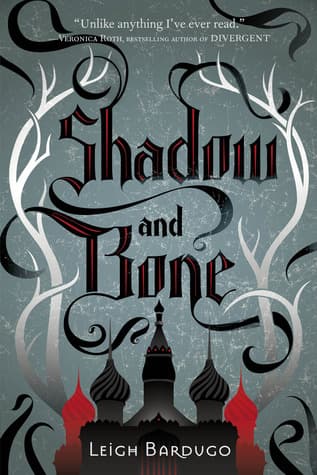
- Shadow and Bone
Leigh Bardugo
4.0 (307k) average on GoodreadsFantasyWhile Bardugo's novel offers a sprawling, action-packed fantasy world with a complex magical system and a large cast, 'The Near Witch' focuses on an intimate, contained mystery with localized stakes and a more atmospheric, character-driven approach. Schwab prioritizes mood and personal introspection over grand magical battles.
- The Raven Boys
Maggie Stiefvater
4.0 (270k) average on GoodreadsFantasyBoth novels feature a small town with supernatural elements. However, 'The Near Witch' leans more heavily into eerie, melancholic gothic tones and a quiet intensity, focusing on a specific local legend. Stiefvater's series, while also atmospheric, delves into a more expansive and complex magical system with a larger ensemble cast and more overt adventure elements.
- Harry Potter and the Sorcerer's Stone
J.K. Rowling
4.5 (7M) average on GoodreadsFantasyRescued from a miserable life under the stairs, an orphaned boy discovers he's a wizard destined for a magical school, where he uncovers a dangerous secret tied to the dark wizard who murdered his parents.
- The Hunger Games
Suzanne Collins
4.3 (6.4M) average on GoodreadsFantasyIn a future where children fight to the death on live television, Katniss Everdeen volunteers for the arena, turning a death sentence into a fight for survival and a spark of rebellion.





Enjoyed the summary?
A summary gives you the shape of the book. The book itself has the detail, the examples and the voice.
Find The Near Witch on AmazonAs an Amazon Associate, BookBrief earns from qualifying purchases. How we're funded