
Estimated read time: 5 min read
One Sentence Summary
A British agent goes undercover in East Germany during the Cold War in a tense and morally complex espionage thriller.
Table of Contents
Introduction
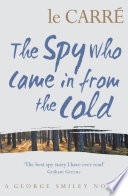
"The Spy Who Came in from the Cold" by John le Carré is a gripping Cold War espionage novel that delves deep into the world of international espionage, deception, and moral ambiguity. Set against the backdrop of the Cold War, the novel takes the reader on a tense and thrilling journey through the intricacies of espionage and the human cost of betrayal.
Brief Synopsis
Plot Overview and Setting
"The Spy Who Came in from the Cold" is set in the early 1960s, during the height of the Cold War, and primarily takes place in both East and West Berlin. The story follows Alec Leamas, a British intelligence officer, who is disillusioned with the espionage game and is sent on a dangerous mission to East Germany. The novel explores the moral dilemmas faced by spies on both sides of the Iron Curtain and the blurry line between good and evil in the world of espionage.
Main Characters
The novel features several key characters, each with their own complex motivations and allegiances.
| Character | Description |
|---|---|
| Alec Leamas | A jaded British intelligence officer who becomes embroiled in a complex and dangerous mission in East Germany. |
| Liz Gold | A compassionate and idealistic woman who becomes romantically involved with Leamas, adding an emotional layer to the story. |
| Mundt | A high-ranking East German intelligence officer who becomes a central figure in the web of betrayal and deception. |
| Control | The enigmatic and manipulative head of the British intelligence agency who orchestrates the mission that drives the novel's plot. |
| Fiedler | An intelligent and perceptive East German intelligence officer who becomes entangled in the intricate web of espionage and betrayal. |
Chapters Summary
Chapter 1-5:
Alec Leamas, a British agent, is stationed in West Berlin and is overseeing a network of spies in East Germany. However, a series of betrayals and the loss of his network lead to his recall to London, where he is deemed a liability. Control, the head of British Intelligence, offers Leamas a chance at redemption by carrying out a mission in East Germany.
Chapter 6-10:
Leamas travels to the Netherlands and meets with a disreputable former associate, who helps him establish a false criminal background. He then deliberately gets himself arrested for assault, in order to lend credibility to his new cover.
Chapter 11-15:
In prison, Leamas meets a German operative named Karl Riemeck, who is later released and returns to East Germany. Leamas is also released and is eventually recruited by the East German intelligence service.
Chapter 16-20:
Leamas, now apparently a disillusioned and embittered ex-spy, is introduced to Liz Gold, a young woman who works at a shelter for the destitute. The two develop a romantic relationship, and Leamas begins to feed carefully constructed misinformation to his East German handlers.
Chapter 21-25:
As Leamas's mission progresses, the web of deception and betrayal tightens around him. The truth about the mission and the intelligence agencies involved begins to unravel, leading to a dramatic and unexpected conclusion.
Main Events
The main events in "The Spy Who Came in from the Cold" revolve around Leamas's infiltration of the East German intelligence service, his complex relationship with Liz Gold, and the elaborate web of deception and betrayal that ultimately drives the narrative to its shocking conclusion. Betrayal, manipulation, and the moral complexities of espionage are at the heart of the novel's main events.
Themes and Insights
Themes
- Betrayal: The novel explores the theme of betrayal, both on a personal and political level, as characters grapple with conflicting loyalties and moral choices.
- Moral Ambiguity: The murky world of espionage blurs the lines between right and wrong, and the novel delves into the moral ambiguity faced by intelligence officers on both sides of the Cold War.
- Deception and Manipulation: The intricate web of deception and manipulation woven by the characters drives the plot and underscores the pervasive nature of deceit in the world of espionage.
Insights
"The Spy Who Came in from the Cold" offers insights into the psychological toll of espionage, the human cost of ideological conflicts, and the personal sacrifices made in service to national interests. The novel also provides a stark portrayal of the moral compromises and ethical dilemmas faced by individuals involved in the covert world of intelligence operations.
Reader's Takeaway
Readers will be captivated by the intense and intricately plotted narrative of "The Spy Who Came in from the Cold," as well as the thought-provoking exploration of moral ambiguity and the human impact of espionage. The novel's complex characters and riveting storyline make for a compelling and immersive reading experience, providing a nuanced understanding of the shadowy world of Cold War espionage.
Conclusion
In conclusion, "The Spy Who Came in from the Cold" is a masterful work of espionage fiction that continues to captivate readers with its gripping narrative, morally complex characters, and profound exploration of the human cost of espionage. John le Carré's meticulous attention to detail and his ability to convey the psychological depth of his characters make this novel a timeless and engrossing read that offers valuable insights into the intricate world of Cold War espionage.
The Spy Who Came in from the Cold FAQ
What is 'The Spy Who Came in from the Cold' about?
The book follows the story of Alec Leamas, a British intelligence officer, who is sent on a mission to East Germany during the Cold War. The plot revolves around espionage, betrayal, and moral ambiguity.
Is 'The Spy Who Came in from the Cold' based on a true story?
No, the book is a work of fiction, but it is known for its realistic portrayal of the world of espionage during the Cold War.
What genre does 'The Spy Who Came in from the Cold' belong to?
The book is a spy thriller and falls under the genre of espionage fiction.
Is 'The Spy Who Came in from the Cold' suitable for young readers?
The book contains mature themes and is more suitable for adult readers due to its depiction of espionage, violence, and complex moral dilemmas.
What is the writing style of 'The Spy Who Came in from the Cold'?
The writing style is characterized by its taut and suspenseful prose, creating a sense of tension and intrigue throughout the narrative.