

Synopsis
Covers the whole plot, including the ending.
- Difficulty
- Medium
- Pacing
- Moderate
- Mood
- Witty, Sophisticated, Cynical, Mysterious
- Read it if
- You enjoy classic, witty detective stories with charming, sophisticated protagonists and a strong sense of place.
- Skip it if
- You prefer fast-paced, action-driven thrillers or dislike cynical, hard-boiled dialogue.
The Thin Man Plot Summary
Covers the whole plot, including the ending.
A Christmas Reunion and a Missing Man
Nick and Nora Charles, a wealthy, hard-drinking, and witty couple, arrive in New York City for the Christmas holidays with their dog, Asta. Nick, a retired detective, prefers to enjoy his leisure with Nora, avoiding detective work. However, their plans are quickly interrupted when Dorothy Wynant, the daughter of Nick's former client and acquaintance, Clyde Wynant, an eccentric inventor, approaches Nick. She asks for his help in finding her father, Clyde, who has mysteriously disappeared. Dorothy explains that Clyde was supposed to meet his ex-wife, Mimi Jorgensen, and her current husband, Chris Jorgensen, for a reconciliation attempt, but he never showed up. Nick initially tries to avoid involvement, but Nora, intrigued by the mystery, encourages him to help Dorothy, hinting at the excitement it might bring to their otherwise indulgent vacation.
The Wynant Family Web
Nick and Nora begin to navigate the complex and often hostile world of the Wynant family. They meet Mimi Jorgensen, Clyde's glamorous and manipulative ex-wife, and her younger, shifty second husband, Chris Jorgensen. Mimi claims to have no knowledge of Clyde's whereabouts and expresses more concern for her own financial security than her ex-husband's well-being. Nick observes the strained relationships within the family, including Dorothy's loyalty to her father and her disdain for Mimi. The initial inquiries reveal Clyde was a man with many secrets, multiple mistresses, and a history of disappearing, though never for this long. The couple's casual inquiries uncover deceit and self-interest among those closest to Clyde, suggesting that his disappearance might be more sinister than a mere flight of fancy.
Julia Wolf's Murder
The investigation takes a dark turn with the discovery of Julia Wolf, Clyde Wynant's former secretary and mistress, shot dead in her apartment. Julia had been a key figure in Clyde's life, and her murder immediately casts suspicion on Clyde, who is now the prime suspect. The police, led by Lieutenant Guild, are convinced that Clyde is responsible for Julia's death and has gone into hiding. Nick, however, is not so sure. He finds it too convenient, too obvious. The circumstances surrounding Julia's death, including the lack of a forced entry and the specific type of weapon used, lead Nick to believe there's more to the story than the police are seeing. This development firmly pulls Nick out of his retirement, as he can't resist the challenge of a real murder mystery.
Unraveling Clyde's Affairs
Nick and Nora continue their investigation, focusing on Clyde Wynant's complicated personal and financial life. They learn that Clyde had a string of mistresses, including Julia Wolf and a woman named Sheila Wynant (though not legally married to him, she used his name). They also discover Clyde's erratic business practices and the various people who might have had a motive to see him gone, either for financial gain or personal vendetta. Nick's interactions with these characters, often over numerous cocktails, reveal their individual quirks and their potential connections to Clyde's disappearance and Julia's murder. The couple's social circle becomes intertwined with the investigation, as they host parties where potential suspects mingle, allowing Nick to observe them more closely.
The Body in the Workshop
The case takes another significant turn when a decomposed body is discovered in Clyde Wynant's remote workshop. The body, bearing some of Clyde's clothing and personal effects, is identified by the police as Clyde Wynant, seemingly confirming their theory that he killed Julia Wolf and then committed suicide or was murdered himself. However, Nick remains skeptical. He notices inconsistencies and details that don't quite add up, particularly regarding the body's dental records. He suspects a carefully orchestrated deception, a frame-up, rather than a straightforward resolution. Nora, ever the keen observer, supports his instincts, encouraging him to look beyond the obvious conclusions presented by the authorities. The discovery, while seemingly closing the case for the police, only deepens the mystery for the Charleses.
The Dental Discrepancy
Driven by his skepticism, Nick meticulously investigates the details surrounding the body found in Clyde's workshop. He focuses on the dental records, knowing Clyde had a unique dental history. Through his connections and persistent questioning, Nick uncovers a critical discrepancy: the dental work on the discovered body does not match Clyde Wynant's known dental records. This revelation confirms Nick's earlier suspicions – the body is not Clyde Wynant. This discovery blows the police's case wide open and proves that Clyde is still missing, or perhaps was never the victim. The real killer, and the true identity of the body, remain a mystery, reigniting the urgency of the investigation and challenging the official narrative.
A Web of Lies and Alibis
With the identity of the workshop body disproven, Nick redoubles his efforts, scrutinizing the alibis and statements of everyone involved. He revisits Mimi, Chris, Dorothy, and other peripheral characters, finding holes and inconsistencies in their stories. He realizes that many of them had motives to either harm Clyde or cover up the truth. The intricate web of relationships, financial entanglements, and hidden resentments within the Wynant family and their associates becomes clearer. Nick's method involves a lot of casual conversation, observation, and, of course, drinks, as he slowly chips away at the carefully constructed facades of the suspects, revealing their true intentions and connections to the missing Clyde and the murdered Julia.
Gathering the Suspects
In a classic detective move, Nick decides to gather all the main suspects for a dinner party at his apartment. He believes that by bringing them all together, he can provoke the killer into revealing themselves or create an environment where the truth will surface. The guest list includes Mimi, Chris, Dorothy, Lieutenant Guild, and other key figures involved in the case. The atmosphere is tense, charged with unspoken accusations and suspicion, yet overlaid with a veneer of polite society, fueled by copious amounts of alcohol. Nora, always at Nick's side, plays a crucial role in observing the reactions and subtle tells of their guests, her wit and charm helping to maintain the delicate balance of the unusual gathering.
The Revelation
During the tense dinner party, Nick, with his characteristic blend of charm and sharp intellect, systematically dismantles the lies and alibis. He reveals that Clyde Wynant was indeed murdered, and the body in the workshop was a different man, a former employee named Arthur Nunheim, who was used as a decoy. He then exposes the killer: Chris Jorgensen. Nick explains that Chris, driven by greed and a desire to secure Mimi's inheritance and control over Clyde's assets, murdered Clyde and Julia Wolf. Chris had a history of violence and a motive to eliminate Clyde and anyone who could expose his scheme. The revelation sends shockwaves through the room, as the carefully constructed facade of the Wynant family crumbles, exposing the dark truths beneath.
A Final Confrontation and Resolution
Upon being exposed, Chris Jorgensen, cornered and desperate, attempts to escape. A chaotic chase ensues through the apartment and into the streets of New York. Nick, with the help of Lieutenant Guild and the arriving police, manages to apprehend Chris. The case is finally closed, with justice served for Clyde Wynant and Julia Wolf. The Wynant family is left to grapple with the aftermath of the revelations, their lives irrevocably altered by the murder and exposure. Nick and Nora, having successfully solved the complex mystery, can finally return to their holiday, albeit a more eventful one than they initially planned, solidifying their reputation as an unbeatable detective duo, even in retirement.
The Thin Man Characters
Nick Charles
Protagonist
A charming, retired detective with a penchant for cocktails and clever deductions.
Nick Charles is a former private detective who has married into wealth and now enjoys a life of leisure, marked by heavy drinking and witty banter with his wife, Nora. Despite his retirement, he possesses an incredibly sharp mind, an eye for detail, and an intuitive understanding of human nature. He is initially reluctant to get involved in the Wynant case, but his innate curiosity and Nora's encouragement eventually draw him in. He uses a casual, almost nonchalant approach to investigation, often appearing more interested in his next drink than the case, which allows suspects to underestimate him.
Relationships: Nora Charles (Wife, partner in crime-solving, intellectual equal); Clyde Wynant (Former client, the missing man); Dorothy Wynant (Clyde's daughter, who brings him the case); Lieutenant Guild (Police contact, initially skeptical but eventually respectful)
Nora Charles
Protagonist/Supporting
Nick's wealthy, witty, and equally hard-drinking wife, who encourages his detective work.
Nora Charles is a wealthy socialite, Nick's devoted and equally sharp-witted wife. She is intelligent, independent, and possesses a dry sense of humor that perfectly complements Nick's. Far from being a passive spouse, Nora actively participates in the investigation, offering insights, questioning suspects, and often egging Nick on when he seems hesitant. She enjoys the thrill of the chase and the intellectual stimulation of solving a mystery, seeing it as an exciting diversion from their otherwise indulgent life. Her love for Nick is evident in their playful banter and mutual respect.
Relationships: Nick Charles (Husband, partner in crime-solving, intellectual equal); Asta (Beloved pet dog)
Clyde Wynant
Central Figure (Missing Person/Victim)
An eccentric, reclusive inventor whose disappearance sparks the entire mystery.
Clyde Wynant is the 'thin man' of the title, an eccentric and brilliant inventor whose disappearance sets the entire plot in motion. He is known for his reclusiveness, his unconventional lifestyle, his multiple mistresses, and his often-strained relationships with his family. Despite his brilliance, he is a deeply flawed character, often selfish and manipulative, which creates a myriad of potential suspects and motives when he goes missing. He is initially presumed dead, then alive, then eventually revealed to be a murder victim. His complex personality and secrets are gradually revealed through the investigation.
Relationships: Dorothy Wynant (Daughter); Mimi Jorgensen (Ex-wife); Julia Wolf (Former secretary, mistress); Sheila Wynant (Mistress)
Dorothy Wynant
Supporting
Clyde's loyal and earnest daughter, who hires Nick to find her father.
Dorothy Wynant is Clyde Wynant's daughter, a young woman who deeply loves her father despite his eccentricities and flaws. She is the one who initially seeks Nick's help, desperate to find her missing father. Dorothy is earnest, somewhat naive, and fiercely protective of Clyde, often clashing with her mother, Mimi, and stepfather, Chris. She serves as a catalyst for Nick's involvement and represents the more sympathetic, if sometimes misguided, side of the Wynant family.
Relationships: Clyde Wynant (Father); Mimi Jorgensen (Mother); Chris Jorgensen (Stepfather)
Mimi Jorgensen
Supporting
Clyde Wynant's glamorous and manipulative ex-wife.
Mimi Jorgensen is Clyde Wynant's ex-wife, a beautiful but often self-centered and manipulative woman. She is primarily concerned with her social standing and financial security, often seeming indifferent to Clyde's fate. She is married to Chris Jorgensen, a man much younger than her, and their relationship is fraught with tension. Mimi's past with Clyde is complicated, marked by infidelity and resentment, making her a key suspect due to her potential motives and dubious alibis. She embodies the superficiality and moral ambiguity that Nick and Nora navigate.
Relationships: Clyde Wynant (Ex-husband); Chris Jorgensen (Husband); Dorothy Wynant (Daughter)
Chris Jorgensen
Antagonist
Mimi's shifty and opportunistic second husband, revealed to be the killer.
Chris Jorgensen is Mimi's current husband, a younger man with a shady past and a clear opportunistic streak. He is initially presented as a somewhat weak and easily manipulated character, but Nick quickly discerns a more sinister intelligence beneath his facade. Chris is driven by greed and a desire for control over the Wynant family's wealth. His alibis are flimsy, and his behavior often raises Nick's suspicions. He is ultimately revealed to be the calculating and ruthless killer responsible for both Clyde Wynant's and Julia Wolf's murders, orchestrated to secure his financial future.
Relationships: Mimi Jorgensen (Wife); Clyde Wynant (Victim, Mimi's ex-husband); Julia Wolf (Victim)
Julia Wolf
Victim
Clyde Wynant's former secretary and mistress, whose murder escalates the case.
Julia Wolf is Clyde Wynant's former secretary and mistress. Her murder is the event that transforms Clyde's disappearance from a missing persons case into a full-blown murder investigation. Julia is portrayed as a woman with her own secrets and connections to Clyde's complicated life. Her death initially points to Clyde as the killer, but Nick's investigation reveals her as a secondary victim, silenced because she knew too much about Clyde's true fate and the killer's plans. Her role is crucial in escalating the stakes of the mystery and providing a second, undeniable crime.
Relationships: Clyde Wynant (Employer, lover); Chris Jorgensen (Murderer)
Lieutenant Guild
Supporting
The police detective in charge of the Wynant case, initially at odds with Nick.
Lieutenant Guild is the official police detective assigned to the Wynant case. He is a competent but somewhat conventional law enforcement officer who initially believes Clyde Wynant is the murderer and later the victim of suicide. He is initially skeptical of Nick's involvement and his unconventional methods, often clashing with him. However, as Nick's deductions prove more accurate and insightful than the official police theories, Guild gradually develops a grudging respect for Nick's abilities, eventually cooperating with him to solve the case. He represents the official, structured approach to crime-solving.
Relationships: Nick Charles (Professional rival, eventual collaborator)
Asta
Supporting
Nick and Nora's beloved Wire Fox Terrier.
Asta is Nick and Nora's loyal and charming Wire Fox Terrier. While not a speaking character, Asta is a constant presence, often providing comic relief and a touch of normalcy amidst the drinking and murder. Asta is more than just a pet; the dog is an integral part of the Charles's domestic life and reflects their playful, affectionate relationship. Asta even plays a minor role in the investigation, such as sniffing out clues or reacting to suspects, subtly adding to the atmosphere and character dynamics.
Relationships: Nick Charles (Owner, companion); Nora Charles (Owner, companion)
The Thin Man Themes
The Decadence of the Upper Class
The novel portrays the extravagant and often morally ambiguous lifestyle of the wealthy elite in 1930s New York. Nick and Nora themselves are central to this theme, with their endless rounds of cocktails, lavish parties, and seemingly carefree existence. The Wynant family, with its internal feuds, multiple affairs, and obsession with inheritance, further shows this decadence. Hammett uses their excessive drinking and casual attitude towards life and death to highlight a society on the edge, where privilege often masks corruption and unhappiness. The contrast between their superficial grandeur and the grim reality of murder is stark, as seen in the backdrop of their luxurious apartment and the dark secrets it hides.
“The only difference between a good gin and a bad gin is that a bad gin is bad.”
Appearance vs. Reality
A core theme is the deceptive nature of appearances, both in individuals and in the unfolding mystery. Characters like Mimi Jorgensen present a glamorous facade that hides self-interest and manipulation. The initial 'solution' to Clyde Wynant's disappearance and Julia Wolf's murder (that Clyde killed Julia and then himself) is a carefully constructed illusion that Nick must dismantle. The body in the workshop is visually identified as Clyde, but Nick's deeper investigation reveals it to be someone else, showing how easily superficial evidence can mislead. This theme shows the importance of critical thinking and looking beyond the obvious, a skill Nick Charles masterfully employs.
“It was a good trick, but I’ve seen better.”
Love and Partnership
In stark contrast to the dysfunctional relationships of the Wynant family, the enduring and affectionate partnership between Nick and Nora Charles stands out. Their love is characterized by mutual respect, intellectual equality, witty banter, and shared indulgences, particularly their legendary drinking. Nora is not just a supportive wife but an active participant in Nick's detective work, often providing insights and encouragement. Their relationship provides a warm, human core to the otherwise cynical and violent world of the mystery, suggesting that even amidst chaos and corruption, genuine connection can thrive. Their playful dynamic and deep understanding of each other make them a formidable team.
“I like an honest drink, and honest people.”
The Nature of Detection
The novel explores different approaches to detective work. Lieutenant Guild represents the methodical, official police procedure, often relying on obvious clues and quick conclusions. Nick Charles, however, embodies a more intuitive, psychological, and observational style of detection. He blends into the social scene, gathers information through casual conversation and observation, and trusts his instincts, often seeing through the lies that fool others. His 'retired' status allows him to operate outside conventional rules, emphasizing that true insight often comes from unconventional sources. The theme highlights that solving a mystery requires more than just facts; it demands an understanding of human motivation and deception.
“The simpler the case, the tougher it is to solve.”
Plot Devices & Literary Techniques
Red Herring
Misleading clues or suspects designed to divert the reader and characters from the true solution.
Hammett masterfully employs red herrings throughout 'The Thin Man.' The most prominent example is the discovery of the decomposed body in Clyde Wynant's workshop, initially identified as Clyde. This misdirection leads the police and the reader to believe Clyde is either the murderer who then committed suicide or was killed, effectively closing the case prematurely. Various Wynant family members and their associates, with their suspicious behaviors and motives, also serve as red herrings, drawing suspicion away from the true killer, Chris Jorgensen. These diversions heighten the mystery and challenge Nick's deductive skills.
The Unreliable Narrator (Implicit)
While not a first-person narrator, the information presented often reflects the biases and limited perspectives of the characters, creating an unreliable reality.
Although the novel is told in a third-person limited perspective, primarily following Nick and Nora, the information they receive from other characters is often unreliable. Suspects lie, exaggerate, or omit crucial details, forcing Nick to constantly question and verify every piece of information. This implicit unreliability of the 'sources' of information means the reader, like Nick, must sift through conflicting accounts and deliberate deceptions to discern the truth. This device immerses the reader in the investigative process, mirroring Nick's challenge in separating fact from fiction presented by the characters.
The Dinner Party Revelation
A classic detective trope where all suspects are gathered, and the detective dramatically exposes the killer.
Nick Charles employs the iconic 'dinner party revelation' device to bring the mystery to its climax. By inviting all the main suspects to his apartment for a seemingly casual gathering, Nick creates a pressure-cooker environment. This setup allows him to observe their reactions, provoke them with pointed questions, and ultimately, in a dramatic flourish, reveal the true murderer and their motive. This device not only provides a theatrical conclusion but also allows Nick to systematically dismantle the suspects' alibis and expose their lies in front of each other, leading to the killer's desperate attempt to escape.
The Witty Banter
Sharp, humorous dialogue that serves multiple functions beyond mere conversation.
The witty banter between Nick and Nora Charles is more than just entertainment; it's a crucial plot device. It establishes their unique relationship, showcasing their intelligence and mutual respect. This dialogue also serves to disarm suspects, allowing Nick to gather information while appearing less threatening. The lighthearted, often sarcastic exchanges provide comic relief, balancing the dark themes of murder and deceit, and making the characters more endearing. Furthermore, their banter often contains subtle observations or deductions that, while seemingly casual, contribute directly to the advancement of the plot and Nick's understanding of the case.
The Thin Man Quotes
“The only difference between a good man and a bad one is that the bad man gets found out.”
“I don't mind a little alcohol, but I don't like to be drunk.”
“That's the trouble with you, darling. You're always trying to make things make sense.”
“He looked like a man who had been playing solitaire with a deck of marked cards.”
“It's all right, darling. It's all right. We're together.”
“I like to talk. It keeps my mind off my troubles.”
“The best way to get rid of a body is to keep it moving.”
“She was a woman who could make a man forget his name, and then make him remember it just to spite him.”
“I'm a detective. I detect.”
“It's a good thing I'm rich, or I'd be a terrible drunk.”
“There's nothing like a good murder to liven things up.”
“He had a face that looked as if it had been lived in by several people.”
“I don't like mysteries. I like facts.”
“We're not going to solve anything by being sober.”
Quiz
10 questions on the plot and the characters. Each answer comes with a short explanation.
Question 1
What is the name of the detective protagonist in 'The Thin Man'?
- Sam Spade
- Nick Charles
- Ned Beaumont
- Miles Archer
Show answer
B. Nick Charles Nick Charles is the retired detective who gets drawn back into a case in 'The Thin Man'.
Question 2
What is the name of Nick Charles's wife?
- Nora Charles
- Brigid O'Shaughnessy
- Effie Perine
- Dinah Brand
Show answer
A. Nora Charles Nora Charles is Nick's wealthy and witty wife, who often assists him (or eggs him on) in his investigations.
Question 3
What kind of animal is Asta, the Charles's beloved pet?
- A cat
- A terrier
- A bulldog
- A poodle
Show answer
B. A terrier Asta is their Wire Fox Terrier, a significant and often humorous presence in the story.
Question 4
Who is the 'thin man' referred to in the title, and whose disappearance kicks off the main mystery?
- Nick Charles
- Clyde Wynant
- Mimi Jorgensen
- Dorothy Wynant
Show answer
B. Clyde Wynant Clyde Wynant, a eccentric inventor, is the 'thin man' whose disappearance and suspected murder drive the plot.
Question 5
Where do Nick and Nora Charles primarily reside during the events of the novel?
- San Francisco
- New York City
- Los Angeles
- Miami
Show answer
B. New York City The story largely takes place in New York City, particularly during the holiday season.
Question 6
What is Nick Charles's former profession before his marriage to Nora?
- A lawyer
- A private detective
- A journalist
- A stockbroker
Show answer
B. A private detective Nick was a successful private detective, a past he frequently tries to downplay but is drawn back into.
Question 7
What is the primary motive behind the murder(s) in 'The Thin Man'?
- Revenge
- Love triangle
- Financial gain
- Political conspiracy
Show answer
C. Financial gain The murders and disappearances are ultimately motivated by financial gain and control over Clyde Wynant's assets.
Question 8
Which character is initially suspected of Clyde Wynant's murder due to their erratic behavior and past relationship?
- Dorothy Wynant
- Mimi Jorgensen
- Herbert Macaulay
- Christian Jorgensen
Show answer
B. Mimi Jorgensen Mimi Jorgensen, Clyde's ex-wife, is a highly volatile character whose actions make her an early suspect.
Question 9
How does Nick Charles typically approach solving the mystery, distinguishing him from other detectives?
- Through meticulous forensic analysis
- By carefully interviewing suspects in a formal setting
- By drinking heavily and observing people's reactions at social gatherings
- Via elaborate stakeouts and undercover work
Show answer
C. By drinking heavily and observing people's reactions at social gatherings Nick's method involves copious drinking, engaging in witty banter, and subtly drawing information out of people in social settings, rather than traditional detective work.
Question 10
What significant event occurs at the end of the novel that brings all the suspects together and leads to the final revelation?
- A police raid on a hidden laboratory
- A formal dinner party hosted by Nick and Nora
- A dramatic chase through the city streets
- A court trial for one of the suspects
Show answer
B. A formal dinner party hosted by Nick and Nora Nick gathers all the key players at a dinner party at his apartment, where he dramatically reveals the killer and the motive.
The Thin Man FAQ
What is the central mystery that pulls Nick and Nora Charles into the plot?
The central mystery revolves around the disappearance of Clyde Wynant, a eccentric inventor. Nick and Nora are drawn in when Dorothy Wynant, Clyde's daughter and Nick's former client, asks him to help find her father, who is suspected of murdering his secretary, Julia Wolf, and later his former mistress, Mimi Jorgensen's new husband, Chris Jorgensen.
Who are Nick and Nora Charles, and what is their dynamic like?
Nick Charles is a retired detective, now managing his wealthy wife Nora's finances, while Nora is a socialite heiress. Their dynamic is characterized by witty banter, heavy drinking, mutual affection, and a shared love for solving mysteries, often involving their dog Asta.
What role does Asta, the Charles's dog, play in the story?
Asta, a wire-haired terrier, serves as both a beloved pet and a comedic foil. He participates in several scenes, including a memorable moment where he helps locate a crucial piece of evidence, and his presence often provides a grounding, humorous element amidst the chaos.
How does Nick Charles initially react to being pulled back into detective work?
Nick is initially reluctant and dismissive of the idea, repeatedly stating he is retired and uninterested in solving crimes. However, Nora's persistent encouragement and his own inherent curiosity, coupled with the allure of a challenging puzzle, gradually draw him back into the investigation.
Who is Mimi Jorgensen, and what is her connection to the Wynant family?
Mimi Jorgensen is Clyde Wynant's dramatic and financially opportunistic ex-wife. She is the mother of Dorothy and Macaulay 'Mac' Wynant, and her erratic behavior and shifting loyalties frequently complicate the investigation, as she is often more concerned with money than truth.
What is the significance of the 'thin man' in the title, and who does it refer to?
The 'thin man' refers to Clyde Wynant, the missing inventor, who is described as being unusually thin. The title initially misleads characters, and even readers, into thinking it might refer to Nick Charles, but it ultimately points to the central figure whose disappearance sets the plot in motion.
Are there any subtle clues early in the narrative that foreshadow the eventual killer's identity?
While Hammett masterfully keeps the killer's identity obscured, subtle clues exist in the characters' reactions and relationships. For instance, Gilbert Wynant's nervous demeanor and his intense, almost obsessive, concern for Dorothy, when viewed in retrospect, hint at his deeper psychological issues and involvement.
How does the author use dialogue to reveal character and advance the plot?
Hammett uses sharp, witty, and often terse dialogue to reveal character, particularly Nick and Nora's playful dynamic, and to advance the plot by delivering crucial information or red herrings. The rapid-fire exchanges often mask deeper anxieties or intentions, requiring careful reading.
What is the underlying psychological motivation behind the killer's actions?
The killer's actions are driven by a deep-seated desire to protect Dorothy Wynant and to eliminate anyone perceived as a threat or an obstacle to her happiness and reputation. This possessive love, bordering on obsession, leads to extreme violence and elaborate cover-ups.
How does alcohol consumption influence Nick and Nora's detective process and their relationship?
Alcohol, particularly martinis, is a constant presence, seemingly fueling Nick and Nora's wit and confidence. While it contributes to their relaxed and unconventional approach to detection, it also blurs the lines between work and leisure, highlighting their unique, hedonistic lifestyle.
Discuss the theme of dysfunctional families as portrayed through the Wynant family.
The Wynant family is a prime example of dysfunction, characterized by Clyde's eccentricity, Mimi's greed and instability, Dorothy's emotional fragility, and Gilbert's hidden pathology. Their interactions are fraught with tension, mistrust, and unresolved conflicts, which are central to the mystery.
How does Nick's past as a detective, particularly his connection to the Wynant family, affect his approach to the case?
Nick's past connection to the Wynant family, having previously worked for Clyde, gives him unique insights into their personalities and dynamics. This familiarity, while initially a hindrance due to his reluctance, ultimately allows him to navigate their complex relationships and uncover hidden truths more effectively.
Is Nick Charles truly retired, or does he secretly enjoy the thrill of solving mysteries?
While Nick repeatedly claims to be retired and expresses disinterest, his actions suggest a deeper enjoyment and aptitude for detective work. His keen observations, logical deductions, and willingness to engage in the chase indicate that the thrill of the puzzle still appeals to him, even if he won't admit it.
How does the novel challenge traditional gender roles through the characters of Nick and Nora?
The novel subverts traditional gender roles by presenting Nora as a wealthy, assertive woman who takes the lead in their social life and often instigates Nick's involvement in the case. Nick, in turn, is comfortable with her independence and wealth, creating a dynamic of mutual respect and equality that was progressive for its time.
What societal commentary, if any, does 'The Thin Man' offer about the wealthy class during the Prohibition era?
'The Thin Man' subtly critiques the wealthy class by portraying them as often idle, self-absorbed, and morally ambiguous. Their lives are characterized by excessive drinking, casual affairs, and a detachment from conventional responsibilities, highlighting the superficiality and potential corruption within this social stratum during Prohibition.
To what extent is Nick Charles's 'retirement' a commentary on the detective genre itself?
Nick's 'retirement' can be interpreted as Hammett's meta-commentary on the detective genre, suggesting a weariness with its conventions while simultaneously embracing them with a fresh, less-jaded perspective through Nick's reluctant re-entry. It allows for a more relaxed, character-driven narrative rather than a purely plot-driven one.
How does the ending of the novel resolve the various plot threads and character arcs?
The ending brings a definitive resolution to the murder mystery, revealing Gilbert Wynant as the killer and explaining his motives. While the central crime is solved, the ongoing, witty banter between Nick and Nora suggests their character arcs continue, implying their unique partnership will endure, leaving a sense of their enduring dynamic rather than a strict conclusion to their personal journeys.
Compare and contrast the portrayal of detectives in 'The Thin Man' with Hammett's earlier works like 'The Maltese Falcon.'
In 'The Thin Man,' Nick Charles is a retired, world-weary but charming detective, operating from a position of financial comfort and wit, in contrast to Sam Spade of 'The Maltese Falcon,' who is a cynical, hard-boiled, and morally ambiguous professional actively seeking payment. Nick's involvement is more a leisurely pursuit than a gritty necessity.
About the author
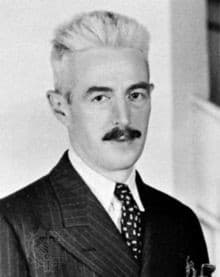
Samuel Dashiell Hammett was an American writer of hard-boiled detective novels and short stories. He was also a screenwriter and political activist. Among the characters he created are Sam Spade, Nick and Nora Charles, The Continental Op and the comic strip character Secret Agent X-9.
Similar books
- The Maltese Falcon
Dashiell Hammett
3.9 (89k) average on GoodreadsThrillerFeatures another iconic Hammett detective and a classic hard-boiled mystery.
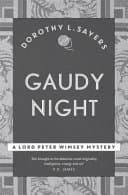
- Gaudy Night
Dorothy L. Sayers
4.2 (23k) average on GoodreadsHistorical FictionShowcases a clever, articulate detective duo solving a complex mystery within a specific social setting.
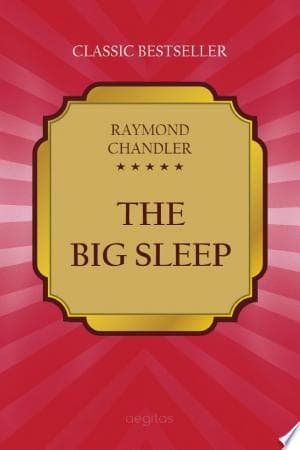
- The Big Sleep
Raymond Chandler
4.0 (126k) average on GoodreadsThrillerA quintessential hard-boiled detective novel with intricate plotting and memorable characters.
- Angels & Demons
Dan Brown
3.9 (2.7M) average on GoodreadsThrillerA Harvard symbologist races through Rome's ancient sites, deciphering cryptic clues to unmask the Illuminati and stop a vengeful plot to destroy the Vatican with a stolen antimatter weapon.
- Gone Girl
Gillian Flynn
4.1 (2.3M) average on GoodreadsThrillerA wife's sudden disappearance on her fifth anniversary reveals a web of lies and psychological warfare, exposing the secrets within a seemingly perfect marriage.
- The Girl on the Train
Paula Hawkins
3.9 (2.1M) average on GoodreadsThrillerA woman’s fascination with a seemingly perfect couple she watches from her daily train commute leads her into a dark investigation when she witnesses something that shatters their idyllic image.




Enjoyed the summary?
A summary gives you the shape of the book. The book itself has the detail, the examples and the voice.
Find The Thin Man on AmazonAs an Amazon Associate, BookBrief earns from qualifying purchases. How we're funded