

Synopsis
Covers the whole plot, including the ending.
- Difficulty
- Easy
- Pacing
- Moderate
- Mood
- Intense, angsty, romantic, suspenseful, emotionally charged
Thief Plot Summary
Covers the whole plot, including the ending.
The Reunion
Caleb Drake, a successful architect, attends a friend's wedding. There, he sees Olivia Kaspen, his first love, the woman who broke his heart years ago. Seeing her brings back many memories and feelings he thought were gone. Olivia, also married now, looks as beautiful and mysterious as ever. Their first meeting is tense, full of unspoken history and hesitant curiosity. Despite the awkwardness, the spark between them is clear. This leaves Caleb unsettled and determined to learn why she left him and what her return means for his life. This chance meeting starts a dangerous obsession in Caleb, leading to a dramatic reveal of their past and present.
The Haunting Past
Through flashbacks, Caleb remembers his intense relationship with Olivia during college. They were inseparable, deeply in love, and believed they would marry. Olivia, however, was always a mystery, often disappearing suddenly and keeping to herself. Caleb remembers her love for art, her weaknesses, and their deep connection. These memories bring both nostalgia and the pain of her sudden, unexplained departure, which left him devastated and searching for answers. The past, clearly remembered, fuels Caleb's current obsession to understand what happened and why she left.
The Obsession Takes Root
Unable to forget Olivia, Caleb begins to subtly re-enter her life. He finds out where she works and lives, arranging 'accidental' meetings. He pursues her relentlessly, almost stalking her, as he struggles with a strong desire to restart their past. Olivia, at first resistant and careful, is slowly drawn to him, her own buried feelings resurfacing. Caleb's wife, Leah, notices his growing preoccupation and emotional distance, causing tension in their marriage. Despite clearly crossing moral lines, Caleb feels an unstoppable pull toward Olivia, convinced they belong together, no matter what.
Unveiling Secrets
As Caleb's persistence breaks down Olivia's defenses, she slowly, reluctantly, begins to explain why she disappeared years ago. She speaks in riddles and hints, suggesting a dangerous past and circumstances beyond her control that forced her to leave him. Olivia reveals she was involved with a controlling and abusive man named Dean, who had power over her and threatened her life and the lives of those she cared about. Caleb is horrified by this, his anger and protective instincts rising. He realizes the depth of pain and trauma Olivia suffered, which affected her ability to trust and commit.
The Confrontation with Dean
Determined to protect Olivia and understand her past, Caleb finds Dean. The confrontation is tense and violent; Dean is menacing and unrepentant. Dean reveals his manipulative nature, confirming Olivia's stories of abuse and threats. He brags about his power over Olivia, making it clear he still considers her his property. Caleb is shocked by Dean's cruelty and the psychological torture Olivia endured. This meeting strengthens Caleb's resolve to free Olivia from Dean's influence, even if it means putting himself in danger and risking everything.
Leah's Discovery
While Caleb pursues Olivia and uncovers her past, his marriage to Leah quickly falls apart. Leah notices Caleb's emotional distance, late nights, and secret behavior. She eventually learns the truth about his renewed relationship with Olivia. She confronts Caleb, heartbroken and betrayed. Caleb, torn between his love for Leah and his obsessive need for Olivia, struggles to explain his feelings. The confrontation is painful, leading to the irreparable breakdown of their marriage. Leah's discovery forces Caleb to face the devastating impact of his actions on his family and the moral compromises he made.
The Plan to Escape
With Leah gone, Caleb and Olivia fully commit to each other. They realize that to be truly free, they must escape Dean's influence. They plan to disappear, creating new identities and cutting all ties to their past lives. This involves careful financial planning, getting fake documents, and arranging to leave the country. The plan is dangerous and uncertain, as they know Dean will relentlessly pursue Olivia. Their shared vulnerability and determination to build a new life together strengthen their bond, even as the risks become very high.
The Escape Attempt
Caleb and Olivia execute their escape plan, cutting off contact with everyone they know and traveling under false names. The journey is tense, filled with paranoia and constant fear of Dean finding them. They have moments of hope and joy, imagining a future where they can finally be together without fear. However, their escape has difficulties. They have close calls and unexpected problems, testing their resolve and trust. Leaving everything behind weighs heavily on them, but their desire for freedom and their love for each other drives them forward.
The Betrayal and the Reveal
Just as Caleb believes they have escaped and are about to start their new life, the ultimate betrayal is revealed. Olivia confesses that her stories about Dean were mostly made up or exaggerated. She admits to planning their reunion and manipulating Caleb into leaving his wife and life. Her true motive was revenge against Caleb for a perceived past wrong, or perhaps a deep desire to control him. Caleb is devastated, his world collapsing as he realizes he was a pawn in her scheme. The woman he risked everything for is not who he thought she was; her deception runs much deeper than he imagined.
The Aftermath
After Olivia's confession, Caleb is broken and alone. He has lost his wife, his career, his home, and his sense of self, all for a woman who manipulated him. He struggles with the deep emotional and psychological impact of her betrayal, questioning his judgment and the reality of their entire relationship. The ending leaves Caleb in despair, reflecting on the destructive power of obsessive love and the high price he paid for chasing a fantasy. He must face the truth: sometimes, the person you believe is your soulmate can be your greatest tormentor.
Principal Figures
Caleb Drake
Protagonist
An architect consumed by his first love.
Caleb is a successful architect, seemingly settled in a comfortable life with his wife, Leah. He is initially portrayed as a decent, albeit somewhat unfulfilled, man. His defining characteristic is his unwavering, almost obsessive, love for Olivia Kaspen, which has haunted him since their separation years ago. He is prone to idealizing Olivia and is easily swayed by his emotions, leading him to make increasingly reckless and morally questionable decisions. Caleb is driven by a deep longing for a past he believes was stolen from him, and a desire to protect Olivia, even if it means destroying his own life.
Relationships: Olivia Kaspen (Obsessive love interest, manipulated); Leah Drake (Wife, betrayed); Dean (Antagonistic rival for Olivia's affection/control)
Olivia Kaspen
Antagonist
The enigmatic and manipulative first love.
Olivia is a beautiful, mysterious, and highly intelligent woman who possesses a captivating allure. She is an artist, often depicted as guarded and emotionally distant, yet capable of inspiring intense devotion. Her past is shrouded in secrecy, which she expertly uses to manipulate Caleb. Olivia is the ultimate femme fatale, a master of deception who can project vulnerability and love while harboring a hidden agenda. Her true motivations are rooted in a desire for revenge and control, making her a complex and ultimately destructive force in Caleb's life. She is cold, calculating, and ruthless in achieving her goals.
Relationships: Caleb Drake (Obsessive love interest, target of manipulation); Dean (Alleged abusive ex, accomplice in deception)
Leah Drake
Supporting
Caleb's devoted but ultimately betrayed wife.
Leah is Caleb's kind, stable, and loving wife. She represents the 'normal' life that Caleb abandons in his pursuit of Olivia. She is observant and intelligent, quickly sensing Caleb's emotional withdrawal and eventual infidelity. Leah is deeply hurt and betrayed by Caleb's actions, but she confronts him with a dignified sadness rather than explosive anger. Her character highlights the devastating collateral damage of Caleb's obsession and Olivia's machinations. She is a victim of circumstances, losing her marriage and trust due to forces beyond her control.
Relationships: Caleb Drake (Wife, betrayed by his infidelity)
Dean
Supporting
Olivia's alleged abusive ex-boyfriend.
Dean is initially introduced as Olivia's abusive and controlling ex-boyfriend, a menacing figure who supposedly forced her to leave Caleb and kept her in a dangerous situation. He is portrayed as violent, manipulative, and possessive. Caleb's interactions with Dean serve to solidify Olivia's fabricated backstory and fuel Caleb's protective instincts. However, Dean's true role is later revealed to be more complex, possibly even a complicit part of Olivia's larger scheme, rather than purely an antagonist to Olivia. He is a pawn in Olivia's game, used to convince Caleb of her victimhood.
Relationships: Olivia Kaspen (Alleged abusive ex-boyfriend; later revealed as accomplice/pawn); Caleb Drake (Rival for Olivia's affection/control, deceived)
Themes & Insights
Obsessive Love vs. Healthy Love
The novel sharply contrasts Caleb's obsessive love for Olivia with the stable love he shares with Leah. Caleb's love for Olivia is a destructive force, causing him to abandon responsibilities, betray his wife, and destroy his life. It shows how idealizing someone and holding onto a past fantasy leads to disaster. Love, unchecked by reason, can become a dangerous addiction rather than a source of happiness. The story warns against love that demands total sacrifice and ignores warning signs.
“Love trusts, hopes, and endures no matter what. Love will never become obsolete. I'll fight for her.”
Deception and Manipulation
Deception is central to the story, mainly through Olivia's long-term manipulation of Caleb. She creates a complex web of lies, using her past trauma and vulnerability as both a shield and a weapon. The theme explores how easily one can be deceived when blinded by love and longing, and how a manipulator exploits deep desires and protective instincts. It examines the psychological battle in such a relationship, where reality is constantly twisted and trust is systematically broken, leaving the victim disoriented and broken. The story reveals the devastating impact of deep betrayal.
“Sometimes the person you'd take a bullet for is the one behind the trigger.”
The Weight of the Past
The novel shows how past relationships and unresolved issues strongly affect the present. Caleb's inability to move on from Olivia, despite years apart and a new marriage, demonstrates the lasting power of first love and unanswered questions. The past is not just background; it actively shapes current choices and actions. Olivia's fabricated past is also key, showing how a constructed history can be used for manipulation. The story suggests that until the past is truly understood, it will continue to haunt and shape one's destiny, often destructively.
“Some loves are like that. They don't die. They don't fade. They just... wait.”
Consequences of Choice
Every major decision Caleb makes, especially his choice to pursue Olivia and leave his marriage, has severe and permanent consequences. The theme highlights the ripple effect of individual choices, showing how one person's actions can devastate many lives. Caleb loses his wife, home, career, and sanity, all because of his obsession-driven decisions. The story is a warning: while love might feel all-consuming, ignoring moral boundaries leads to an unbearably high cost. Actions always have repercussions.
“But for every action in life there is a consequence, and soon Caleb finds out that sometimes love comes at an unbearably high price.”
Plot Devices & Literary Techniques
Unreliable Narrator
Caleb's perspective is biased by his obsession.
The story is primarily told from Caleb's first-person perspective, making him an unreliable narrator. His intense obsession with Olivia, coupled with his deep emotional investment, colors his perception of events and of Olivia herself. He idealizes her, overlooks red flags, and interprets her actions through a lens of desperate love, rather than objective reality. This device is crucial for the shocking twist, as the reader experiences Olivia's manipulation through Caleb's blinded eyes, only realizing the true extent of her deception when he does. It creates suspense and allows for the impactful reveal of the truth.
Flashbacks
Interspersed memories reveal the history of Caleb and Olivia's relationship.
The narrative frequently employs flashbacks to depict Caleb and Olivia's initial, passionate relationship during their college years. These flashbacks provide crucial context for Caleb's current obsession, establishing the depth of their past connection and the pain of their separation. They build a foundation for the reader to understand Caleb's motivations and the powerful hold Olivia has over him. By gradually revealing snippets of their history, the flashbacks also serve to deepen the mystery surrounding Olivia's sudden departure, setting up the eventual revelations and the ultimate twist about her true nature.
Red Herrings
Misleading clues and characters divert attention from Olivia's true intentions.
The novel masterfully uses red herrings, particularly the character of Dean and Olivia's fabricated stories of abuse and danger. These elements are designed to mislead both Caleb and the reader, creating a plausible explanation for Olivia's past actions and current guardedness. By focusing attention on Dean as the primary antagonist and Olivia as a victim in need of rescue, the true manipulator, Olivia herself, remains hidden until the climactic reveal. This device enhances the mystery and makes the final twist more impactful, as the reader is genuinely surprised by the extent of Olivia's deception.
Quiz
10 questions on the plot and the characters. Each answer comes with a short explanation.
Question 1
What is the genre of the book 'Thief'?
- Science Fiction
- Mystery, Young Adult, Romance
- Fantasy
- Historical Fiction
Show answer
B. Mystery, Young Adult, Romance The provided text explicitly states the genre as Mystery, Young Adult, Romance.
Question 2
Who is the main protagonist trying to win back?
- His wife
- Olivia Kaspen
- A new love interest
- His childhood sweetheart
Show answer
B. Olivia Kaspen The summary states, 'Caleb must decide how far he is willing to go to get the aloof and alluring Olivia Kaspen back.'
Question 3
What is the name of the male protagonist?
- Olivia Kaspen
- Caleb Drake
- Tarryn Fisher
- The narrator
Show answer
B. Caleb Drake The text introduces the character as 'Caleb Drake'.
Question 4
The quote about love at the beginning of the excerpt is most closely related to which biblical passage?
- The Ten Commandments
- The Sermon on the Mount
- 1 Corinthians 13
- The Parable of the Good Samaritan
Show answer
C. 1 Corinthians 13 The description of love being patient, kind, not boasting, not proud, not rude, not self-seeking, not easily angered, and not keeping a record of wrongs is a direct paraphrase of 1 Corinthians 13:4-7.
Question 5
What internal conflict does Caleb Drake face?
- Deciding whether to pursue his career or his passion.
- Choosing between his current marriage and his first love.
- Whether to reveal a secret that could harm Olivia.
- Balancing his loyalty to his family and his own desires.
Show answer
B. Choosing between his current marriage and his first love. The summary states, 'Not when he got married. Not when she got married. When life suddenly comes full circle Caleb must decide how far he is willing to go to get the aloof and alluring Olivia Kaspen back.' This implies a conflict with his marital status.
Question 6
What does the phrase 'life suddenly comes full circle' suggest about Caleb and Olivia's situation?
- They have both achieved their life goals.
- They are both facing financial ruin.
- Circumstances have brought them back into each other's lives after a period of separation.
- They are both experiencing a major career change.
Show answer
C. Circumstances have brought them back into each other's lives after a period of separation. 'Coming full circle' implies a return to a previous state or situation, suggesting they are reunited or have the opportunity to be after some time apart.
Question 7
What is the potential consequence of Caleb's actions?
- He will achieve his dream of being with Olivia.
- He will lose his job.
- Love might come at an unbearably high price.
- He will get divorced.
Show answer
C. Love might come at an unbearably high price. The text explicitly states, 'and soon Caleb finds out that sometimes love comes at an unbearably high price.'
Question 8
The description of Olivia as 'aloof and alluring' suggests she is:
- Easily approachable and friendly.
- Distant but captivating.
- Uninterested and plain.
- Aggressive and demanding.
Show answer
B. Distant but captivating. 'Aloof' means distant or reserved, while 'alluring' means powerfully attractive or tempting. Together, they describe someone who is hard to get close to but still highly desirable.
Question 9
The phrase 'Love will never become obsolete' implies:
- Love is a fleeting emotion that fades over time.
- The concept and power of love are timeless and enduring.
- Modern society no longer values love.
- Love can be replaced by material possessions.
Show answer
B. The concept and power of love are timeless and enduring. 'Obsolete' means no longer produced or used; out of date. Therefore, 'never become obsolete' signifies that love is eternal and always relevant.
Question 10
Considering the themes of first love, past relationships, and high prices, what underlying message might the author be exploring?
- The importance of prioritizing financial security over love.
- The destructive nature of obsession and the potential sacrifices made for it.
- The ease with which people can move on from past relationships.
- The idea that true love always conquers all obstacles without consequence.
Show answer
B. The destructive nature of obsession and the potential sacrifices made for it. The narrative focuses on Caleb's inability to forget his first love despite being married, the potential for 'unbearably high price,' and the conflict arising from his pursuit. This suggests an exploration of obsession and the severe costs associated with it, rather than a simple fairy tale where love always wins easily.
Thief FAQ
What is the central conflict in Tarryn Fisher's "Thief"?
The central conflict revolves around Caleb Drake, who is determined to win back his first love, Olivia Kaspen, even after both have married other people. Their past connection resurfaces, forcing Caleb to confront the consequences of his pursuit.
Is "Thief" a love triangle story?
While there are elements of past love and present relationships, the core of "Thief" focuses on Caleb's obsessive pursuit of Olivia, rather than a traditional love triangle where two people are equally vying for the same person's affection.
What kind of romance can I expect in "Thief"?
The romance in "Thief" is intense and often fraught with complicated emotions, obsession, and difficult choices. It explores the idea of a love that defies conventional boundaries and the potential dark side of such devotion.
Who are the main characters in "Thief"?
The primary characters are Caleb Drake, the protagonist driven by his past love for Olivia, and Olivia Kaspen, the object of his intense affection. Their intertwined history and present circumstances drive the narrative.
Does "Thief" have a happy ending?
Tarryn Fisher's novels often explore complex and sometimes bittersweet outcomes. The ending of "Thief" involves significant consequences, and whether it's considered 'happy' depends on the reader's interpretation of love and sacrifice.
Is "Thief" suitable for young adults?
Yes, "Thief" is categorized as Young Adult fiction. However, it deals with mature themes of love, obsession, and difficult moral choices, so reader discretion is advised.
What are the themes explored in "Thief"?
Key themes include the enduring nature of first love, obsession, the consequences of actions, sacrifice, and the idea that love can come at a high price. The book also touches on loyalty and difficult decisions.
How does "Thief" compare to other Tarryn Fisher books?
Like many of Tarryn Fisher's works, "Thief" is known for its emotional intensity, plot twists, and exploration of complex relationships. It often delves into the darker aspects of love and human nature.
What is the role of consequence in "Thief"?
Consequence is a major driving force in the narrative. Caleb's actions to reclaim Olivia have significant repercussions for himself and those around him, highlighting that choices in love and life have a price.
Is "Thief" a standalone novel?
Yes, "Thief" is a standalone novel. While it features compelling characters and a distinct storyline, it does not require reading other books in a series to understand or enjoy.
About the author

Tarryn Fisher is an author known for her contributions to contemporary fiction. Her works include "I Can Be a Better You," which explores themes of personal growth, and "Thief," a story that delves into complex relationships and moral dilemmas. Fisher's writing often features intricate characters and emotional depth.
Similar books
- Gone Girl
Gillian Flynn
4.1 (2.3M) average on GoodreadsThrillerWhile both "Thief" and "Gone Girl" explore themes of deception, manipulation, and unreliable narrators within a marital context, Flynn's novel excels in its psychological depth and intricate plotting. "Gone Girl" maintains a thrilling sense of dread and surprise throughout, with truly shocking twists that feel earned. "Thief," in contrast, often telegraphs its reveals and struggles to maintain the same level of sophisticated psychological insight, leaning more on melodramatic twists than genuine character study.
- The Girl on the Train
Paula Hawkins
3.9 (2.1M) average on GoodreadsThrillerBoth books feature protagonists grappling with memory loss and unreliable perceptions in the midst of a mystery. However, Hawkins' "The Girl on the Train" crafts a more believable and empathetic unreliable narrator in Rachel, whose alcoholism directly impacts her ability to recall events, making her struggle feel authentic. Olivia's amnesia in "Thief" often feels like a convenient plot device that is resolved with less psychological nuance, and her subsequent choices are harder to justify or understand from a reader's perspective.
- Angels & Demons
Dan Brown
3.9 (2.7M) average on GoodreadsThrillerA Harvard symbologist races through Rome's ancient sites, deciphering cryptic clues to unmask the Illuminati and stop a vengeful plot to destroy the Vatican with a stolen antimatter weapon.
- The Lovely Bones
Alice Sebold
3.8 (2M) average on GoodreadsFantasyA murdered teenage girl watches from the afterlife as her family struggles with grief and her killer remains free, wanting to bridge the gap between worlds to bring him to justice.
- The Da Vinci Code
Dan Brown
3.9 (1.9M) average on GoodreadsThrillerA symbologist and a cryptologist race through European landmarks, deciphering ancient codes and uncovering a conspiracy that could rewrite the foundations of Christianity.
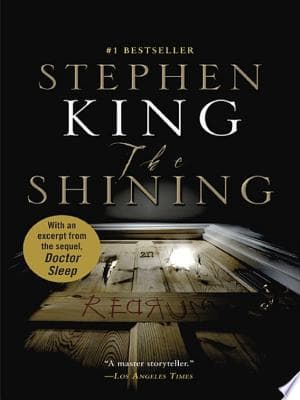
- The Shining
Stephen King
4.2 (1.1M) average on GoodreadsThrillerA recovering alcoholic accepts a caretaking job at a snow-bound, haunted hotel, where his son's psychic abilities reveal the sinister forces that drive him to madness and terrorize his family.





Enjoyed the summary?
A summary gives you the shape of the book. The book itself has the detail, the examples and the voice.
Find Thief on AmazonAs an Amazon Associate, BookBrief earns from qualifying purchases. How we're funded