
Synopsis
Covers the whole plot, including the ending.
- Difficulty
- Easy
- Pacing
- Moderate
- Mood
- Heartwarming, Witty, Humorous, Southern Gothic Lite
- Read it if
- You enjoy heartwarming stories about unlikely friendships, Southern charm, and characters who find family in unexpected places.
- Skip it if
- You prefer fast-paced thrillers or stories with complex, dark themes.
Walking Across Egypt Plot Summary
Covers the whole plot, including the ending.
A Chance Encounter at the Welfare Office
Mattie Rigsbee, a spirited and independent seventy-eight-year-old widow, volunteers at the local welfare office in a small North Carolina town. One afternoon, she meets Wesley Benfield, a sixteen-year-old delinquent with a history of petty crime and an unstable home life. Wesley is there with his social worker, Mrs. Tate, discussing his placement options after another incident. Mattie, watching them, feels concern for the boy, who seems lost. Despite her initial doubts about his demeanor and record, Mattie's compassionate nature stirs, leading to an unlikely connection.
The Pound Cake and the Proposal
After their first meeting, Mattie, known for her delicious baking, brings Wesley a slice of her famous pound cake. She finds him working at the county road crew, a temporary placement arranged by Mrs. Tate. Wesley, initially wary, is surprised by her kindness and the cake. During their brief conversation, Mattie, driven by Christian charity and a desire to fill a void in her own life, spontaneously offers to let Wesley live with her. This proposal, made without much thought, shocks both Wesley and, to some extent, Mattie herself, as she realizes the size of what she just suggested.
Wesley Moves In
Mattie's decision to take in Wesley is met with skepticism from her close friends, particularly her church friend Alora, and her adult children, Robert and Elaine. They worry about her safety and the trouble Wesley might bring. However, Mattie, firm in her convictions, stands by her choice. Wesley, with Mrs. Tate's cautious approval, moves into Mattie's spare room. His arrival immediately changes Mattie's quiet, routine life, adding unpredictability and youthful energy she had not experienced in years.
First Challenges and Adjustments
The first few days of Wesley living with Mattie are filled with awkwardness and small adjustments. Wesley, unaccustomed to a stable, nurturing environment, struggles with Mattie's rules and expectations, though he mostly complies. Mattie, in turn, adapts to the presence of a teenage boy, dealing with his quiet defiance and occasional poor judgment. She teaches him chores, insists on regular meals, and tries to talk with him. Despite the difficulties, a tentative routine begins, and Mattie sees glimpses of the good boy she believes is hidden beneath Wesley's tough exterior.
The Stray Dog and Growing Bonds
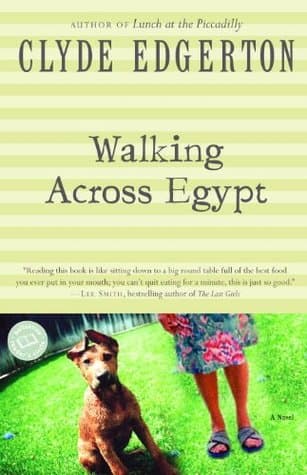
A scruffy stray dog appears on Mattie's porch. Despite her initial reluctance to take on another dependent, she and Wesley begin to care for it. Wesley, who has always felt like a stray himself, forms an immediate bond with the animal, naming it 'Dog.' This shared responsibility for the dog becomes a turning point in their relationship. It gives Wesley a sense of purpose and a connection to Mattie, as they both work together to feed and shelter the animal. The dog's presence softens Wesley, making him more open and less guarded with Mattie.
Wesley's Past Catches Up
Just as Mattie and Wesley settle into a routine, Wesley's past catches up with him. His old friends, including a bad influence named Ricky, start showing up around Mattie's house. These encounters bring back Wesley's old habits and expose him to temptations he had been trying to avoid. Mattie, aware of the risks, tries to guide Wesley away from these influences, but she also understands that he must make his own choices. This period tests Mattie's patience and faith, forcing her to confront the realities of Wesley's troubled history.
The Church Play and Community Reaction
Mattie, always community-minded, involves Wesley in her church's annual Christmas play. Wesley, initially resistant, eventually finds a small role. This participation, though minor, helps him feel more connected to the community and provides a positive outlet. However, his presence in church and at Mattie's house remains a topic of gossip among the townspeople. Some express admiration for Mattie's charity, while others voice concerns about her judgment. This highlights the small-town dynamics and the community's watchful eye on Mattie's unusual household.
A Moment of Crisis and Trust
A critical incident occurs where Wesley is tempted to return to his old ways, possibly involving Ricky and a minor criminal act. Mattie, sensing his struggle, gives him space but also makes her stance clear. This moment of crisis forces Wesley to choose between his past life and the stable, loving environment Mattie offers. He ultimately chooses to stay, showing a growing sense of responsibility and trust in Mattie. This event strengthens their bond, showing Mattie that her efforts are not in vain, and that Wesley can change.
The Road Trip and Revelation
Mattie decides to take Wesley on a road trip, ostensibly to visit a relative but also to spend more time together and experience something new. During the journey, they share personal stories. Mattie shares details about her late husband and her own past, while Wesley opens up more about his difficult childhood and feelings of abandonment. This trip becomes a journey of emotional discovery, strengthening their connection and allowing them to see each other in a new, more vulnerable light. The shared experience deepens their mutual respect and affection.
Wesley's Future and Mattie's Legacy
As Wesley approaches his eighteenth birthday, he seriously considers his future. With Mattie's encouragement, he begins to look into vocational training and employment opportunities, showing newfound ambition and a desire for independence. Mattie, observing his growth, feels satisfaction. She realizes that her kindness has not only transformed Wesley's life but has also given her own later years a renewed sense of purpose. The story concludes with a hopeful outlook for Wesley and quiet contentment for Mattie, who has truly walked across her own emotional 'Egypt' to help another.
Walking Across Egypt Characters
Mattie Rigsbee
Protagonist
A spirited, independent, and compassionate seventy-eight-year-old widow.
Mattie is a strong-willed, devout Christian woman living in a small North Carolina town. At 78, she maintains a fierce independence, driving her own car, volunteering, and baking her famous pound cakes. She is guided by a deep sense of compassion and a desire to do good, often acting on instinct rather than conventional wisdom. While she loves her adult children, she also values her autonomy. She is practical, resilient, and possesses a sharp wit, often using humor to navigate difficult situations. Mattie is driven by a need for purpose and connection in her later years, which she finds through her unexpected mentorship of Wesley.
Relationships: Wesley Benfield (mentor/mentee, surrogate grandmother/grandson); Alora (close church friend and confidante); Robert (adult son, concerned about her decisions); Elaine (adult daughter, also concerned about her decisions)
Wesley Benfield
Supporting/Co-Protagonist
A sixteen-year-old delinquent with a troubled past, taken in by Mattie.
Wesley is a quiet, often sullen teenager with a history of petty crime and instability. He comes from a broken home, has experienced neglect, and is wary of authority and kindness, having learned to trust few people. Beneath his tough exterior, however, he is vulnerable, craving stability and affection. He is initially resistant to Mattie's help but gradually opens up, revealing a capacity for loyalty and a desire for a better life. His interests are simple, and he finds solace in the presence of animals, particularly the stray dog.
Relationships: Mattie Rigsbee (mentee/surrogate grandson, deeply influenced by her); Mrs. Tate (social worker, attempts to guide him through the system); Ricky (old friend, negative influence from his past)
Alora
Supporting
Mattie's close church friend and confidante.
Alora is Mattie's best friend and fellow church member. She is a kind, well-meaning woman who often acts as a sounding board for Mattie. While she is loyal and supportive, she also expresses concerns about Mattie's unconventional decisions, particularly taking in Wesley. Alora represents a more traditional, cautious perspective, but her friendship with Mattie is unwavering. She provides Mattie with companionship and a sense of community, often joining her for church activities and social events.
Relationships: Mattie Rigsbee (close friend)
Mrs. Tate
Supporting
Wesley's social worker.
Mrs. Tate is a dedicated but often overwhelmed social worker responsible for Wesley's case. She is professional and tries her best to navigate the complexities of the welfare system to help troubled youth like Wesley. While initially skeptical of Mattie's offer to take Wesley in, she recognizes the potential for a stable environment and cautiously approves. She monitors Wesley's progress and provides professional oversight, representing the institutional side of support for the boy.
Relationships: Wesley Benfield (social worker/client); Mattie Rigsbee (professional contact, initially skeptical but eventually supportive)
Robert
Supporting
Mattie's adult son.
Robert is one of Mattie's adult children. He is well-intentioned and loves his mother, but he is also overly protective and somewhat conventional in his thinking. He worries constantly about Mattie's safety and well-being, especially after she takes in Wesley. Robert often tries to intervene or express his disapproval of Mattie's independent decisions, which sometimes leads to friction between them. He represents the voice of familial concern and societal norms.
Relationships: Mattie Rigsbee (son/mother); Elaine (sibling)
Elaine
Supporting
Mattie's adult daughter.
Elaine is Mattie's other adult child. Like her brother Robert, she is concerned about her mother's welfare and initially disapproves of Mattie taking in Wesley. She is perhaps slightly less vocal than Robert but shares similar anxieties about Mattie's safety and the potential for trouble. Elaine, too, struggles with her mother's fierce independence and her willingness to defy family expectations. She represents another facet of familial concern and the challenges of adult children accepting their parents' autonomy.
Relationships: Mattie Rigsbee (daughter/mother); Robert (sibling)
Ricky
Mentioned/Minor Antagonist
Wesley's old friend and a negative influence.
Ricky represents Wesley's past life of delinquency and trouble. He is a minor character who occasionally appears, tempting Wesley back into his old habits. Ricky is a symbol of the dangerous path Wesley is trying to leave behind, and his presence creates tension and conflict in Wesley's journey towards rehabilitation. He serves as a reminder of the challenges Wesley faces in breaking free from his former environment.
Relationships: Wesley Benfield (old friend, negative influence)
Dog
Supporting
A stray dog adopted by Mattie and Wesley.
Dog is a scruffy, unnamed stray that appears at Mattie's house. It quickly forms a strong bond with Wesley, becoming his constant companion. The dog symbolizes unconditional love, loyalty, and the need for belonging. Its presence helps to soften Wesley, giving him a sense of responsibility and companionship he desperately needs. The dog also acts as a catalyst for Mattie and Wesley's relationship, providing a shared focus and a common ground for interaction.
Relationships: Wesley Benfield (companion, strong bond); Mattie Rigsbee (pet, shared responsibility)
Walking Across Egypt Themes
Unconventional Charity and Compassion
The novel explores the idea that true charity often goes beyond conventional methods and societal expectations. Mattie Rigsbee, driven by deep compassion, takes in a troubled teenager, Wesley, despite concerns from her family and friends. Her actions challenge welfare systems and show that personal connection and unconditional love can be more effective than institutional solutions. This theme is clear in Mattie's spontaneous offer to Wesley, her belief in his potential, and her willingness to navigate the difficulties of their unique living arrangement, embodying a radical form of grace.
“She had as much business keeping a stray dog as she would walking across Egypt.”
The Search for Purpose and Belonging
Both Mattie and Wesley, in different ways, seek purpose and belonging. Mattie, a widow in her late seventies, feels a void in her life despite her independence and community involvement. Taking in Wesley revitalizes her, giving her a new mission and renewed maternal purpose. Wesley, an orphaned and neglected teenager, yearns for a stable home and acceptance. His bond with Mattie and the stray dog fulfills this need, providing him with the family and stability he has always lacked. Their relationship mutually satisfies these fundamental human desires.
“She wanted to give him a home, a place to belong, a place where he could feel safe.”
Breaking Cycles of Neglect and Delinquency
The novel highlights the impact one person's intervention can have on breaking cycles of neglect and delinquency. Wesley's life before Mattie was a predictable path of petty crime, unstable living, and a lack of positive role models. Mattie's consistent love, structure, and belief in him provide the stability he needs to break free from this pattern. Her home becomes a sanctuary where he can learn responsibility, experience genuine care, and begin to imagine a future beyond his troubled past. This theme shows the transformative power of human connection in overcoming systemic disadvantages.
“He didn't know what it felt like to have somebody care if he ate or not, or if he slept in a bed or on the ground.”
Aging, Independence, and Intergenerational Connections
The book explores the complexities of aging, especially for independent women like Mattie. It challenges stereotypes about older adults, showing Mattie's vitality, sharp mind, and capacity for new experiences. Her decision to take in Wesley asserts her autonomy against the well-meaning but often condescending concerns of her adult children. The novel celebrates intergenerational connections, showing how wisdom and youthful energy can benefit each other. Mattie provides guidance and stability, while Wesley brings a new dynamic and renewed purpose to her life, proving that age is no barrier to forming strong bonds.
“Seventy-eight years old, and she was still surprising herself.”
Plot Devices & Literary Techniques
The Pound Cake
A symbol of Mattie's nurturing nature and an initial bridge between characters.
Mattie's famous pound cake serves as more than just a dessert; it's a potent symbol of her nurturing spirit, her domesticity, and her unique way of expressing care. The offering of the cake to Wesley is the first concrete act of kindness that breaks through his guarded exterior, establishing an initial, albeit tentative, connection. It represents hospitality, comfort, and the simple, homemade goodness that Mattie embodies, contrasting sharply with Wesley's often harsh and deprived background. The cake becomes a recurring motif, signifying the warmth and stability Mattie offers.
The Stray Dog ('Dog')
A parallel to Wesley's situation and a catalyst for bonding.
The stray dog that Mattie and Wesley take in serves as a powerful symbol for Wesley himself—lost, unwanted, and in need of a home. Its presence provides a shared responsibility that deepens the bond between Mattie and Wesley. Wesley, feeling a kinship with the neglected animal, forms an immediate and strong connection, which in turn helps him open up to Mattie. The dog's unconditional affection and need for care mirror Wesley's own unarticulated desires for love and belonging, making it a crucial element in his emotional development and in strengthening the unconventional family unit.
The Hymn 'Walking Across Egypt'
A metaphor for life's difficult journeys and acts of faith.
The title hymn, Mattie's favorite, acts as a central metaphor for the arduous, faith-driven journeys that characters undertake, particularly Mattie's decision to take in Wesley. 'Walking Across Egypt' evokes a sense of a long, challenging, and perhaps improbable journey, requiring immense faith and perseverance, much like Mattie's commitment to transforming Wesley's life. It represents stepping into the unknown with trust and the belief that divine guidance will see one through. The hymn underscores the spiritual and moral dimensions of Mattie's actions, framing her unconventional charity as a profound act of faith.
Small-Town Setting
A backdrop for community scrutiny and interconnected lives.
The unnamed small North Carolina town functions as a character in itself, providing a close-knit community where everyone knows everyone else's business. This setting amplifies the impact of Mattie's unconventional decision to take in Wesley, as her actions are subject to constant observation, gossip, and judgment from neighbors and church members. It highlights the tension between individual autonomy and community expectations. The small-town environment also offers a sense of shared history and interconnectedness, where personal stories intertwine, and support can come from unexpected places, even amidst the scrutiny.
Walking Across Egypt Quotes
“Lord, I ain't no angel, and I ain't no saint, but I'm trying to do Your will.”
“You can't save everybody, Mattie, but you can feed 'em.”
“The Lord works in mysterious ways, and sometimes he just plain works you to death.”
“Some folks just ain't got the sense God gave a goose.”
“It's a sin to let a good boy go to waste.”
“You got to keep your mind on the Lord and your hand on the wheel.”
“Lord, sometimes I think I'm just walking across Egypt, looking for a place to sit down.”
“He ain't bad, Mattie. He's just... lost.”
“A good laugh is like a prayer, sometimes.”
“It's a good thing to have somebody to worry about, even if they ain't worth worrying about.”
“The devil's always trying to get in your ear, but you just got to tell him to hush.”
“You can't teach an old dog new tricks, but you can teach a young one to fetch.”
“Sometimes you just gotta do what's right, even if it ain't what's easy.”
“Lord, give me strength, and a little bit of patience.”
Quiz
10 questions on the plot and the characters. Each answer comes with a short explanation.
Question 1
What is the name of the main character, the senior citizen?
- Martha Rigsbee
- Mattie Rigsbee
- Mary Beth Rigsbee
- Mildred Rigsbee
Show answer
B. Mattie Rigsbee The main character is Mattie Rigsbee, a strong-minded senior citizen.
Question 2
What is the title of Mattie's favorite hymn, which also gives the book its title?
- Journey Through the Desert
- Walking Across Egypt
- Crossing the Nile
- The Sands of Time
Show answer
B. Walking Across Egypt The book's title, 'Walking Across Egypt,' is also the title of Mattie's favorite hymn.
Question 3
Who is the teenage delinquent that drops into Mattie Rigsbee's life?
- William Benfield
- Walter Benfield
- Wesley Benfield
- Winston Benfield
Show answer
C. Wesley Benfield Wesley Benfield is the teenage delinquent who becomes an unlikely companion to Mattie.
Question 4
What specific baked good does Mattie make that is mentioned as being particularly delicious?
- Apple Pie
- Chocolate Cake
- Pound Cake
- Banana Bread
Show answer
C. Pound Cake The stray dog never tasted her mouth-watering pound cake, implying its deliciousness and significance in the story.
Question 5
What initial comparison does the description make regarding Mattie's unlikelihood of keeping the stray dog?
- As much business as a cat in a dog park
- As much business as she would walking across Egypt
- As much business as a fish out of water
- As much business as a pig with wings
Show answer
B. As much business as she would walking across Egypt The description explicitly states she has 'as much business keeping a stray dog as she would walking across Egypt.'
Question 6
At what age is Mattie Rigsbee described as being in the book's synopsis?
- Sixty-eight
- Seventy-eight
- Eighty-eight
- Sixty-five
Show answer
B. Seventy-eight The synopsis states Mattie Rigsbee is 'at seventy-eight' and might be slowing down.
Question 7
What characteristic is NOT used to describe Mattie Rigsbee in the book's summary?
- Independent
- Strong-minded
- Shy
- Senior citizen
Show answer
C. Shy Mattie is described as independent and strong-minded, but not shy. In fact, her strong will suggests the opposite.
Question 8
What is the central theme suggested by the unlikely companionship between Mattie and Wesley?
- The importance of strict discipline for teenagers
- The unexpected connections and relationships that can enrich life
- The dangers of trusting strangers
- The decline of traditional family values
Show answer
B. The unexpected connections and relationships that can enrich life The synopsis highlights Wesley as an 'even less likely a companion than the stray dog,' implying that the story explores how these unexpected relationships develop and enrich the characters' lives.
Question 9
The phrase 'might be slowing down just a bit' regarding Mattie at seventy-eight implies what about her usual demeanor or character?
- She was generally very slow and inactive.
- She was typically very energetic and active for her age.
- She had always relied on others for help.
- She was prone to exaggerating her physical capabilities.
Show answer
B. She was typically very energetic and active for her age. The phrase 'might be slowing down just a bit' suggests that her baseline is a high level of activity and independence, making any slowing down noteworthy.
Question 10
What literary device is primarily used in the opening sentence, 'She has as much business keeping a stray dog as she would walking across Egypt'?
- Metaphor
- Hyperbole
- Alliteration
- Personification
Show answer
B. Hyperbole The statement is an exaggeration used for emphasis to convey the extreme unlikelihood of her keeping a dog, which is the definition of hyperbole.
Walking Across Egypt FAQ
What is the central premise of 'Walking Across Egypt'?
The novel centers on Mattie Rigsbee, a 78-year-old independent woman in a small Southern town, whose structured life is disrupted by the unexpected arrival of Wesley Benfield, a teenage delinquent from the local reformatory. Their unlikely relationship forms the core of the story, exploring themes of unconventional family and societal expectations. Mattie's favorite hymn, 'Walking Across Egypt,' serves as a symbolic backdrop.
Who is Mattie Rigsbee and what are her defining characteristics?
Mattie Rigsbee is the protagonist, a feisty and strong-willed 78-year-old widow living in a rural North Carolina town. She is known for her independence, her love for her pound cake, and her deep faith. Despite her age, she possesses a sharp mind and a surprising capacity for compassion, often clashing with her more conventional family members.
How does Wesley Benfield come into Mattie's life?
Wesley Benfield is a troubled teenager from the local reformatory who is assigned to Mattie's care for community service after being caught stealing. He initially views the arrangement as a chore and a way to get out of more serious trouble, but his interactions with Mattie gradually begin to change his perspective and behavior.
What role does the stray dog play in the narrative?
The stray dog, initially taken in by Mattie, symbolizes the unexpected and often messy intrusions into her carefully ordered life. It parallels Wesley's arrival, representing an additional responsibility and a challenge to Mattie's routine, but ultimately becoming a source of companionship and a catalyst for her evolving compassion. The dog's presence highlights Mattie's capacity for nurturing.
What is the significance of the title, 'Walking Across Egypt'?
The title refers to Mattie's favorite hymn, which she often sings, and serves as a metaphor for the seemingly impossible or arduous journey of life, particularly when faced with unexpected challenges. It reflects Mattie's unwavering faith and resilience in navigating the 'wilderness' of her later years and her unconventional relationship with Wesley. It underscores her spiritual strength.
Are there any subtle indications of Mattie's past that influence her present actions?
While not explicitly detailed, Mattie's strong independence and resilience suggest a past where she had to be self-reliant, perhaps hinting at earlier hardships or a need to maintain control. Her deep-seated faith also implies that she has leaned on it through various life stages, which now allows her to extend grace to Wesley. Her past experiences have forged her strong character.
What is the underlying connection between Mattie's pound cake and her character?
Mattie's pound cake is more than just a recipe; it's a symbol of her Southern hospitality, her desire to nurture, and a tangible expression of her love and care. The fact that Wesley is drawn to it, and that Mattie uses it as a means of connection, subtly suggests her longing for a family to care for and her ability to provide comfort through simple, heartfelt gestures. It's her way of communicating affection.
How do the minor characters, like Mattie's family, serve to highlight her unique qualities?
Mattie's adult children and other relatives often represent conventional societal expectations and anxieties, particularly regarding her age and her association with Wesley. Their disapproval or worry serves to underscore Mattie's independence, her unconventional wisdom, and her willingness to defy norms for what she believes is right, making her character shine brighter in contrast. They highlight her rebellious spirit.
Is there a specific moment where Mattie fully accepts Wesley, or is it a gradual process?
Mattie's acceptance of Wesley is a gradual, nuanced process rather than a single epiphany. While she initially views him with a mix of suspicion and duty, small acts of kindness, shared meals, and glimpses into Wesley's vulnerability slowly erode her reservations. Her decision to genuinely care for him solidifies over time, reflecting her deep capacity for empathy and her evolving understanding of his needs. It's a slow burn of affection.
How does Wesley's behavior evolve throughout the story, and what psychological factors contribute to this change?
Wesley's behavior transforms from initial defiance, suspicion, and a lack of respect to a growing sense of trust, gratitude, and even affection for Mattie. This change is psychologically driven by Mattie's consistent, unconditional care, her firm but gentle guidance, and the stable environment she provides. For a boy likely lacking positive adult figures, Mattie offers a sense of belonging and worth, which fosters his emotional growth. He learns to trust through her consistency.
What does Mattie's willingness to take risks (like keeping Wesley) reveal about her personality at this stage of her life?
Mattie's willingness to take risks, despite her age and her family's concerns, reveals a profound sense of purpose and a refusal to be confined by societal expectations of elderly women. It suggests that she is still growing and evolving, open to new experiences, and possesses a deep-seated desire to make a difference. This defiance indicates a vibrant, independent spirit that refuses to diminish with age. She is not content to simply fade away.
How does the author use humor to explore deeper emotional themes?
Clyde Edgerton uses a gentle, observational humor, often stemming from Mattie's dry wit, her interactions with her family, and the absurdities of small-town life. This humor serves as a counterpoint to the more poignant themes of loneliness, aging, and the challenges of rehabilitation, making the emotional impact more accessible and relatable. It prevents the story from becoming overly sentimental, allowing deeper truths to emerge. The humor makes the emotional truths more palatable.
Is the ending of the novel meant to be entirely hopeful, or does it leave room for ambiguity regarding Wesley's future?
The ending offers a strong sense of hope regarding the positive impact Mattie has had on Wesley, suggesting a path towards redemption and a more stable future for him. However, it implicitly acknowledges the complexities of life and the challenges Wesley still faces, leaving a subtle undercurrent of ambiguity. It's a hopeful ending, but grounded in the reality that personal growth is an ongoing journey, not a fixed destination. It's a hopeful beginning, not a definitive resolution.
What is the novel's stance on the nature of 'family'?
The novel strongly argues for an expansive definition of 'family,' moving beyond traditional blood ties to encompass chosen relationships based on love, care, and mutual respect. Mattie and Wesley's bond, despite their age difference and lack of biological connection, becomes a powerful example of an unconventional yet deeply meaningful family unit. It suggests that true family is forged through shared experience and genuine affection. It champions the idea of 'found family.'
Does the book critique or celebrate Southern culture, or both?
The book both critiques and celebrates Southern culture. It celebrates its sense of community, hospitality (like Mattie's pound cake), and the resilience of its people, particularly Mattie's unwavering faith. However, it subtly critiques its occasional narrow-mindedness, gossip, and resistance to change, particularly through the reactions of Mattie's more conventional family members. It offers an authentic, balanced portrayal of the region. It presents a nuanced view of the South.
How does Mattie's spiritual belief influence her actions and the overall tone of the book?
Mattie's deep spiritual belief is a foundational aspect of her character, guiding her compassion, resilience, and willingness to extend grace to Wesley. Her faith, particularly her favorite hymn, imbues the book with an underlying tone of hope and perseverance, suggesting that even in difficult circumstances, there is a path forward. It underpins her ability to see the good in others and act with kindness. Her faith provides her moral compass.
Could Mattie be seen as a modern-day saint, or is she more of a relatable, flawed character?
Mattie is presented as a deeply relatable and wonderfully flawed character rather than a saint. While she possesses immense compassion and wisdom, she also exhibits stubbornness, a dry wit that can be sharp, and moments of exasperation. Her humanity and imperfections make her more believable and endearing, highlighting that profound goodness can arise from ordinary, complex individuals. Her flaws make her more authentically heroic.
What message does the novel convey about aging and the elderly?
The novel challenges stereotypes about aging by portraying Mattie as vibrant, independent, and capable of significant personal growth and impact, even at 78. It suggests that old age is not a time for withdrawal but can be a period of continued purpose, connection, and even risk-taking. It celebrates the wisdom and resilience that come with age, advocating for the elderly to be seen as valuable and active members of society. It rejects the notion of diminishing returns in later life.
About the author

Clyde Edgerton is a celebrated American author known for his distinctive Southern voice and humorous, yet poignant, portrayals of life in the Carolinas. His debut novel, 'Walking Across Egypt,' published in 1987, established his reputation for crafting memorable characters and vivid settings. Edgerton's work often explores themes of faith, family, and the complexities of rural Southern life.
Similar books
- Fried Green Tomatoes at the Whistle Stop Cafe
Fannie Flagg
4.3 (266k) average on GoodreadsHistorical FictionFeatures strong Southern female characters, intergenerational friendships, and a blend of humor and poignancy.
- A Man Called Ove
Fredrik Backman
4.4 (569k) average on GoodreadsFictionExplores the transformation of a curmudgeonly senior through an unexpected relationship with younger people.
- The Secret Life of Bees
Sue Monk Kidd
4.1 (1.1M) average on GoodreadsHistorical FictionWhile both novels feature Southern settings and themes of chosen family, Kidd's work delves more deeply into trauma, racism, and the complexities of female relationships within a historical context. 'Walking Across Egypt' is less ambitious in its exploration of social issues and psychological depth, opting for a lighter, more optimistic tone.
- Nineteen Eighty-Four
George Orwell
4.2 (5.5M) average on GoodreadsFictionWinston Smith dreams of truth and rebellion in a world where Big Brother watches all, but he confronts the terrifying power of a regime that controls not just actions, but thoughts.
- The Frozen River
Ariel Lawhon
4.4 (600k) average on GoodreadsFictionIn 1789 Maine, a heroic midwife's diary helps her expose a murder and get justice in a town that wants to silence her.
- The Art of Racing in the Rain
Garth Stein
4.2 (452k) average on GoodreadsFictionThrough the eyes of Enzo, a wise and observant dog, a race car driver's family navigates a journey of love, loss, and resilience, learning that life's most important lessons often come in the curves, not just on the straightaways.






Enjoyed the summary?
A summary gives you the shape of the book. The book itself has the detail, the examples and the voice.
Find Walking Across Egypt on AmazonAs an Amazon Associate, BookBrief earns from qualifying purchases. How we're funded