

Synopsis
Covers the whole plot, including the ending.
- Difficulty
- Medium
- Pacing
- Slow
- Mood
- Introspective, Melancholy, Intense, Erotic, Unsettling
- Read it if
- You appreciate intense, introspective character studies exploring desire, power dynamics, and the complexities of human connection against a vivid foreign backdrop.
- Skip it if
- You prefer fast-paced plots, clear resolutions, or shy away from explicit sexual content and morally ambiguous characters.
What Belongs to You Plot Summary
Covers the whole plot, including the ending.
The First Encounter
The unnamed American narrator, a teacher in Sofia, Bulgaria, looks for anonymous sex in a public restroom. He meets Mitko, a young, charismatic hustler. Despite the narrator's initial hesitation and awareness of the transactional nature of their meeting, he is drawn to Mitko's beauty and vulnerability. Their first interaction is brief and intense, setting up a dynamic of desire, power imbalance, and a new, unsettling intimacy. The narrator pays Mitko, but the encounter leaves him with a lasting feeling of both satisfaction and unease, suggesting a connection that goes beyond a simple transaction and will become important in his life in Sofia.
A Series of Meetings
Over several months, the narrator continues to seek out Mitko in the same public restroom. Their meetings become more frequent, and the narrator's obsession grows. He often pays Mitko for sex, but also for conversation and company, trying to understand the young man's life and reasons. Mitko, in turn, is unpredictable, sometimes affectionate, sometimes distant or demanding. These encounters involve a mix of desire, tenderness, frustration, and the narrator's growing awareness of the large socio-economic and cultural gap between them. The narrator becomes more involved in Mitko's world, despite his own internal warnings and the moral complexities of their arrangement.
Mitko's Stories and Vulnerability
During their meetings, Mitko sometimes shares details about his poor life, his family problems, and the harsh realities of hustling in Sofia. He talks about his mother, his debts, and his dreams of a better life, often using these stories to get more money or sympathy from the narrator. The narrator feels conflicted; he sees Mitko's vulnerability and real hardship, but also recognizes a manipulative side. These revelations deepen the narrator's emotional investment, making it harder for him to disengage. He feels a desire to help Mitko but also growing resentment at being used, further complicating their already difficult relationship.
The Narrator's Childhood and Past
Mixed with the present-day story are flashbacks to the narrator's childhood in Kentucky, focusing on his traumatic experiences with his abusive father and his struggles with his emerging homosexuality. These memories show a deep sense of shame, isolation, and a desperate longing for connection that was often met with violence or rejection. The narrator recalls a specific incident where his father severely beat him after discovering a sexual encounter, leaving lasting psychological scars. These past experiences shape his present relationships, especially his attraction to Mitko, as he deals with themes of control, submission, and the search for love in dangerous situations.
A Walk Through Sofia
In a notable change from their usual encounters, the narrator and Mitko spend an afternoon together outside the public restroom, walking through Sofia. This public outing feels different, almost like a date, and the narrator experiences a brief sense of normalcy and intimacy with Mitko. They visit shops, and the narrator buys Mitko clothes, further blurring the transactional lines of their relationship. However, even in this more relaxed setting, the underlying tensions and power dynamics remain. Mitko's unpredictable moods and the narrator's internal worries about their arrangement continue, preventing a true, unburdened connection, and showing the inherent difficulties of their bond.
The Visit to Mitko's Home
Mitko invites the narrator to his apartment, a small, dirty space he shares with other young men. This visit gives the narrator a clear look into Mitko's terrible living conditions and the poverty that defines his existence. The apartment is cold, sparsely furnished, and reflects a life of constant struggle. The narrator feels a deep sense of pity and responsibility, which quickly mixes with feelings of discomfort and unease. This experience further confirms the narrator's understanding of the large socio-economic difference between them, reinforcing the transactional nature of their bond even as he wishes for something more real.
The Argument and Escalation
During one of their meetings, a heated argument breaks out between the narrator and Mitko. The narrator, feeling used and frustrated by Mitko's demands and evasiveness, confronts him. Mitko, in turn, becomes defensive and aggressive, accusing the narrator of judgment and hypocrisy. The confrontation is emotionally charged, exposing the raw nerves of their complex relationship – the narrator's desire for genuine connection versus Mitko's need for survival, and the resentments that simmer below the surface. This argument marks a turning point, increasing the emotional stakes and making it clear that their dynamic cannot continue as it is.
The Incident at the Bar
The narrator sees Mitko at a bar with an older, wealthy-looking man, suggesting Mitko is hustling others. Overwhelmed by jealousy and a feeling of betrayal, the narrator confronts Mitko publicly. The scene is tense and humiliating for both, exposing the hidden nature of their relationship to an outside world. Mitko reacts with anger and defiance, pushing the narrator further away. This incident highlights the narrator's possessiveness and his inability to reconcile Mitko's life as a hustler with his own idealized ideas of their connection, leading to a deep sense of disappointment and shame.
A Period of Absence
After the public confrontation, the narrator tries to distance himself from Mitko. He avoids the public restroom and tries to move on with his life in Sofia. However, the separation is difficult. He often thinks of Mitko, haunted by their past encounters and the unresolved complexities of their relationship. The narrator struggles with feelings of loss, regret, and a continued longing for the intense connection they shared. This period of absence shows Mitko's deep emotional hold on the narrator, revealing the extent of his obsession and the difficulty of breaking free from the cycle of desire and dependency.
The Final Encounter
The narrator eventually sees Mitko one last time, an encounter that is brief and full of unspoken emotions. There is no grand reconciliation or dramatic ending. Mitko appears different, perhaps more hardened or simply moved on. The narrator observes him from a distance, recognizing that it is impossible to truly know or save him. This final sighting is a moment of poignant resignation, as the narrator accepts the unresolved nature of their relationship and the limits of his ability to impact Mitko's life. He acknowledges that some things, and some people, ultimately remain unknowable and beyond his reach, concluding the main story of their interaction.
What Belongs to You Characters
The Narrator (unnamed)
Protagonist
An American teacher in Sofia grappling with his past and a complex relationship.
The unnamed narrator is an American teacher living in Sofia, Bulgaria. Highly educated and introspective, he is deeply scarred by a traumatic, abusive childhood and a complicated relationship with his sexuality. He seeks connection and understanding, but often in destructive or self-sabotaging ways. His intellectualism provides a lens through which he analyzes his desires and actions, yet he often succumbs to primal urges. He is driven by a profound loneliness and a search for intimacy, which he finds, however problematically, in Mitko.
Relationships: Mitko (Obsessive, transactional, emotionally volatile, and deeply intimate.); His Father (Abusive, traumatic, source of deep emotional scars and shame.)
Mitko
Antagonist/Supporting
A young, charismatic Bulgarian hustler who captivates the narrator.
Mitko is a young Bulgarian hustler, beautiful and charismatic but also unpredictable and often manipulative. He lives a life of poverty and desperation, using his charm and body to survive. He is a survivor, street-smart and hardened by his circumstances, yet capable of moments of surprising tenderness and vulnerability. Mitko represents both a source of intense desire and a mirror for the narrator's own unresolved issues. He is ultimately unknowable, a symbol of the foreign and the 'other' that the narrator attempts, and fails, to fully comprehend.
Relationships: The Narrator (Transactional, dependent, at times affectionate, and often frustrating.); His Mother (A source of concern and debt, motivating his hustling.)
The Narrator's Father
Mentioned
An abusive figure from the narrator's past, casting a long shadow.
The narrator's father is a largely unseen but profoundly influential figure, appearing only in the narrator's traumatic childhood flashbacks. He is depicted as physically and emotionally abusive, particularly in response to the narrator's emerging sexuality. His violence instilled deep shame and fear in the narrator, shaping his understanding of desire, punishment, and the dangerous allure of certain power dynamics. His presence in the narrative serves to explain the narrator's complex psychological landscape and his often self-destructive patterns in adult relationships.
Relationships: The Narrator (Abusive, traumatic, repressive, and deeply scarring.)
What Belongs to You Themes
Desire and Shame
The novel explores how desire, especially homosexual desire, intertwines with deep shame. The narrator's sexual encounters with Mitko are driven by intense longing but are constantly clouded by his internalized shame from traumatic childhood experiences with his abusive father. This theme shows in the narrator's self-blame after each encounter, his attempts to intellectualize his desires, and his inability to fully reconcile his sexual self with his moral conscience. The shame is not just personal; it is also societal, reflecting the lingering stigma around homosexuality and transactional sex. The public restroom setting itself embodies this theme, a place for hidden desires and secret acts.
“What belongs to you. The phrase was a question, an accusation, a promise. What belongs to you when you are nothing but a body, a body that has been used, that has been given away?”
Power and Vulnerability
The dynamic between the narrator and Mitko is a constant negotiation of power and vulnerability. The narrator has economic power, giving money to Mitko, who is economically vulnerable. However, Mitko holds a different kind of power: his beauty, youth, and unpredictability, which captivates and often manipulates the narrator. The narrator, despite his education and financial stability, is emotionally vulnerable, seeking connection and validation. Mitko, despite his outward toughness, is deeply vulnerable due to his poverty and unstable existence. This theme is clear in their transactional encounters, the narrator's attempts to 'save' Mitko, and Mitko's occasional exploitation of the narrator's affections. Their relationship is a small example of broader societal power imbalances.
“I was paying him, yes, but he was also giving me something. Something I had been starved for.”
The Unknowable Other
A central theme is the impossibility of truly knowing another person, especially across significant cultural, class, and personal differences. The narrator constantly tries to understand Mitko – his reasons, his past, his inner life – but repeatedly finds himself facing a mystery. Mitko's stories are often inconsistent, his emotions volatile, and his true self remains hidden. This unknowability extends to Bulgaria itself, a country with a complex past that the narrator, as an outsider, can only partly grasp. The narrator's intellectual attempts to categorize and understand Mitko ultimately fail, highlighting the inherent limits of empathy and the lasting mystery of individual experience. This theme is reinforced by the narrator's own struggles to understand his past self.
“He was a country to me, a country I had entered without a visa, without a language, without a map.”
Memory and Trauma
The novel looks closely at how past trauma, especially from childhood, shapes a person's present behavior and emotional state. The narrator's childhood experiences of abuse and the suppression of his sexuality are not just background details; they are active forces that dictate his current desires and anxieties. His relationship with Mitko is heavily influenced by his unresolved past, as he unconsciously seeks out dynamics that echo his early experiences of submission and yearning for connection in dangerous situations. The story often moves between present-day Sofia and the narrator's memories, illustrating how the past is not truly past, but continually informs and complicates the present. The narrator's introspection reveals the lasting scars of violence and emotional neglect.
“The past was not a country I had left, but a country I inhabited still.”
Plot Devices & Literary Techniques
First-Person Introspective Narration
The story is told entirely from the protagonist's subjective, analytical viewpoint.
The novel is narrated in the first person, providing deep access to the protagonist's thoughts, feelings, and analytical processes. This device allows for extensive introspection, where the narrator constantly examines his own desires, motivations, and moral conflicts. It creates an intimate, confessional tone, drawing the reader into the narrator's complex psychological world. However, it also means the reader's understanding of other characters, particularly Mitko, is filtered solely through the narrator's often biased or incomplete perception, emphasizing the theme of the 'unknowable other' and the subjective nature of truth.
Flashbacks
Interspersed memories of the narrator's childhood trauma.
Flashbacks to the narrator's childhood in Kentucky are strategically woven into the main narrative. These serve to illuminate the origins of the narrator's present-day psychological complexities, particularly his struggles with sexuality, shame, and his understanding of power dynamics. They provide crucial context for his attraction to Mitko and his often self-destructive patterns, demonstrating how past trauma continues to influence his adult life. This device effectively connects the narrator's personal history to his current experiences, enriching the thematic exploration of memory and its lasting impact.
Symbolism of Sofia and the Public Restroom
The setting reflects themes of hidden desires, cultural divides, and liminal spaces.
Sofia, Bulgaria, and specifically the public restroom beneath the National Palace of Culture, function as powerful symbols. Sofia represents the 'foreign' and the 'other,' a place where the narrator is an outsider, mirroring his own sense of alienation. The public restroom is a liminal, clandestine space for hidden desires and transactions, symbolizing the shame and secrecy surrounding the narrator's sexual encounters. It is a place of anonymity and vulnerability, reflecting the narrator's internal state and the nature of his relationship with Mitko, which thrives in the shadows away from societal judgment and conventional intimacy.
Ambiguity and Unreliability
The narrator's perspective and Mitko's character remain elusive and open to interpretation.
The novel employs ambiguity both in the narrator's self-perception and in the portrayal of Mitko. The narrator often questions his own motivations and the morality of his actions, making him a somewhat unreliable guide, though intensely honest about his internal conflicts. Mitko, through the narrator's lens, remains an enigmatic figure whose true intentions and feelings are never fully clarified. This ambiguity reflects the theme of the 'unknowable other' and forces the reader to grapple with the complexities of human relationships, where complete understanding is often impossible, and subjective interpretation reigns.
What Belongs to You Quotes
“I had left America because I had wanted to be someone else, and I had succeeded. But the person I had become was not someone I liked.”
“I had always thought that love was a force that could make you better, but I was beginning to see that it could also be a force that could make you worse.”
“The past, I was beginning to understand, was not something that you could escape, but something that you carried with you, like a disease.”
“Desire was not a choice, but a compulsion, a force that acted upon you, whether you wanted it to or not.”
“I had always been drawn to beauty, but I had also always been afraid of it, afraid of its power to transform, to destroy.”
“There was a kind of freedom in being unknown, in being able to invent yourself anew each day, but there was also a kind of loneliness.”
“Shame, I had learned, was not a feeling that you could simply shake off, but a part of you, like a limb that had been amputated but still ached.”
“To love someone, I was beginning to understand, was to give them the power to hurt you, and to accept that power, to welcome it.”
“The body, I had always believed, was a temple, but I was beginning to see that it was also a prison, a cage that held you captive.”
“Art, I had always thought, was a way of escaping reality, but I was beginning to see that it was also a way of confronting it, of making sense of it.”
“Forgiveness, I had always believed, was something that you gave to others, but I was beginning to see that it was also something that you gave to yourself.”
“The world, I had always thought, was a place of order and reason, but I was beginning to see that it was also a place of chaos and irrationality.”
“Language, I was learning, was not just a tool for communication, but a way of shaping reality, of creating the world as you spoke it.”
“There was a kind of tenderness in violence, I was beginning to see, a way of expressing a love that was too raw, too intense for words.”
Quiz
10 questions on the plot and the characters. Each answer comes with a short explanation.
Question 1
In what city does the American teacher first encounter Mitko?
- Plovdiv
- Varna
- Sofia
- Burgas
Show answer
C. Sofia The narrative explicitly states the teacher walks down a staircase beneath Sofia's National Palace of Culture, where he encounters Mitko.
Question 2
What is the American teacher's profession in Bulgaria?
- Journalist
- Diplomat
- Teacher
- Businessman
Show answer
C. Teacher The book description clearly identifies the protagonist as 'an American teacher'.
Question 3
Where does the teacher initially find Mitko?
- A nightclub
- A public bathroom
- A park bench
- A café
Show answer
B. A public bathroom The summary states, 'Among the stalls of a public bathroom he encounters Mitko'.
Question 4
Which of the following best describes the nature of the teacher's relationship with Mitko?
- A casual friendship
- A professional mentorship
- An increasingly intimate and unnerving series of sexual encounters
- A long-term romantic partnership
Show answer
C. An increasingly intimate and unnerving series of sexual encounters The description highlights that their 'trysts grow increasingly intimate and unnerving' and involve sex, indicating a complex and often troubled connection beyond simple friendship.
Question 5
What country is depicted as having a 'difficult past and an uncertain future' in the novel?
- Serbia
- Bulgaria
- Romania
- Greece
Show answer
B. Bulgaria The summary explicitly states, 'the enigma of this young man becomes inseparable from that of his homeland, Bulgaria, a country with a difficult past and an uncertain future.'
Question 6
The protagonist is described as struggling with his 'own complicated inheritance'. What does this theme primarily refer to?
- A large sum of money he expects to receive
- Family secrets and a difficult personal past that impacts his present
- The cultural legacy of American literature
- Property disputes back in his home country
Show answer
B. Family secrets and a difficult personal past that impacts his present The description mentions the expat 'struggling with his own complicated inheritance', which in literary context, often refers to personal history, identity, and psychological burdens rather than literal wealth.
Question 7
What is one of the central conflicts the protagonist faces regarding his desires?
- The inability to find suitable employment
- Being caught between longing and resentment
- A struggle to learn the Bulgarian language
- The desire to leave Bulgaria but being unable to
Show answer
B. Being caught between longing and resentment The summary states the book 'tells the story of a man caught between longing and resentment, unable to separate desire from danger'.
Question 8
How does the 'enigma' of Mitko relate to Bulgaria itself in the narrative?
- Mitko is a political figure representing Bulgaria's government.
- Mitko's mysterious nature becomes symbolic of Bulgaria's difficult past and uncertain future.
- Mitko serves as a tour guide explaining Bulgarian history to the teacher.
- Mitko helps the teacher understand the Bulgarian education system.
Show answer
B. Mitko's mysterious nature becomes symbolic of Bulgaria's difficult past and uncertain future. The description explicitly states, 'the enigma of this young man becomes inseparable from that of his homeland, Bulgaria, a country with a difficult past and an uncertain future.'
Question 9
The book explores the 'impossibility of understanding those he most longs to know.' What does this suggest about the protagonist's journey?
- He will eventually achieve complete understanding of Mitko and Bulgaria.
- His quest for connection is fundamentally hampered by inherent barriers to true comprehension of others.
- He is too focused on his own problems to try and understand others.
- The language barrier is the sole reason for his lack of understanding.
Show answer
B. His quest for connection is fundamentally hampered by inherent barriers to true comprehension of others. The phrase 'impossibility of understanding' implies a deep-seated thematic struggle, suggesting that despite his longing, complete understanding remains elusive, pointing to fundamental barriers in human connection and cultural integration.
Question 10
According to the Publishers Weekly quote, how was 'What Belongs to You' received upon its release?
- It was considered a controversial debut.
- It was hailed as 'the first great novel of 2016'.
- It was praised for its historical accuracy.
- It was noted for its comedic elements.
Show answer
B. It was hailed as 'the first great novel of 2016'. The provided text directly quotes Publishers Weekly calling it 'The first great novel of 2016'.
What Belongs to You FAQ
What is the central premise of 'What Belongs to You'?
The novel centers on an unnamed American teacher living in Sofia, Bulgaria, who seeks out sexual encounters with a young hustler named Mitko. Their intermittent relationship becomes a complex exploration of desire, power dynamics, and the teacher's internal struggles with his past and identity.
Who is Mitko and what role does he play in the narrative?
Mitko is a young, charismatic Bulgarian hustler whom the protagonist meets in a public bathroom. He represents both an object of desire and a mirror for the teacher's unresolved issues, embodying the allure and inscrutability of a foreign culture and a life lived on the margins.
Where is the story primarily set, and how does the setting influence the plot?
The story is primarily set in Sofia, Bulgaria, which serves as more than just a backdrop. The post-communist landscape, with its blend of old-world charm and stark modernity, reflects the protagonist's own sense of being caught between different worlds and histories, influencing his feelings of displacement and longing.
What is the nature of the relationship between the teacher and Mitko?
Their relationship is transactional, based on sex and money, but it evolves into something more complex and emotionally charged. It's marked by periods of intense intimacy, mutual frustration, and a persistent inability for either man to fully understand the other, highlighting themes of connection and alienation.
What is the significance of the title, 'What Belongs to You'?
The title is multifaceted, referencing the teacher's complicated inheritance of his family's past, his struggle with his own desires and identity, and the elusive nature of ownership in relationships and selfhood. It questions what truly belongs to an individual, emotionally and historically.
Are there any specific literary allusions or influences present in the text?
The novel frequently alludes to classical literature and poetry, particularly through the protagonist's internal monologue and his profession as a teacher. These allusions serve to deepen the psychological complexity of his character and frame his experiences within a broader cultural and historical context.
How does the author use the motif of the public bathroom or 'stalls'?
The public bathroom serves as a liminal, anonymous space where the protagonist can explore his desires away from societal judgment. It symbolizes hidden desires, vulnerability, and the clandestine nature of his encounters with Mitko, becoming a recurring setting for their fraught interactions.
What is the significance of the teacher's unseasonably warm autumn day experience?
The 'unseasonably warm autumn day' sets an initial tone of disruption and unease, hinting at a deviation from the expected. It immediately establishes a sense of abnormality and foreshadows the protagonist's journey into uncharted emotional and relational territory.
Does the teacher's past in America have a significant impact on his present in Bulgaria?
Yes, the teacher's past, particularly his relationship with his abusive father and his struggles with his sexuality, profoundly shapes his present experiences and reactions. His 'complicated inheritance' directly informs his vulnerabilities, his patterns of desire, and his difficulty forming genuine connections.
How does the novel explore themes of shame and desire?
The novel intricately intertwines shame and desire, particularly in the protagonist's internal landscape. He grapples with the shame he feels about his sexual desires and his relationship with Mitko, yet these desires are also a powerful, almost compulsive, force that he cannot escape, creating a constant internal conflict.
What psychological complexities are revealed through the teacher's internal monologues?
The teacher's extensive internal monologues reveal a highly self-aware yet deeply conflicted individual. They expose his intellectualization of his experiences, his anxieties about control and vulnerability, his profound loneliness, and his attempts to reconcile his past traumas with his present desires.
How does the protagonist's 'struggling with his own complicated inheritance' manifest?
This struggle manifests as an ongoing internal battle with the legacy of his upbringing, particularly the violence and emotional repression from his father. It shapes his self-perception, his capacity for intimacy, and his tendency to seek out relationships that echo patterns of control and submission he experienced in his youth.
Is Mitko's character fully developed, or does he remain an enigma?
Mitko largely remains an enigma, intentionally so. The narrative is filtered through the teacher's subjective perception, and Mitko's inscrutability highlights the protagonist's inability to truly know or understand him, reinforcing themes of cultural and personal barriers to genuine connection.
What is the significance of Bulgaria's 'difficult past and uncertain future' to the novel's themes?
Bulgaria's post-communist state mirrors the protagonist's own internal landscape of unresolved history and uncertain personal future. The country's struggles with identity, poverty, and corruption provide a symbolic backdrop for the teacher's personal turmoil and his encounters with Mitko, who embodies some of these societal challenges.
How does the novel address the power dynamics inherent in the teacher-hustler relationship?
The novel explores these power dynamics with nuance, acknowledging the teacher's financial advantage but also revealing his emotional vulnerability and dependence on Mitko. While the teacher holds economic power, Mitko often holds emotional and psychological power through his unpredictability and the teacher's intense longing.
Does the protagonist achieve any resolution or understanding by the end of the book?
The novel offers a nuanced, rather than definitive, resolution. While the teacher gains deeper self-awareness and a more profound, if painful, understanding of his own desires and traumas, his relationship with Mitko remains unresolved and ambiguous, reflecting the ongoing complexities of life.
How does the author use language and style to create the novel's intense atmosphere?
Garth Greenwell employs a lyrical, precise, and often recursive prose style, characterized by long, intricate sentences and a deep focus on internal monologue. This creates an intense, introspective atmosphere that mirrors the protagonist's obsessive thoughts and emotional depth, drawing the reader into his psychological state.
What is the significance of the recurring images of water or bathing in the text?
Images of water, bathing, or the lack thereof, often appear in moments of vulnerability or attempted cleansing for the protagonist. They can symbolize attempts at purification, the fluidity of identity, or the immersive nature of desire, contrasting with the grittier settings of his encounters.
Similar books
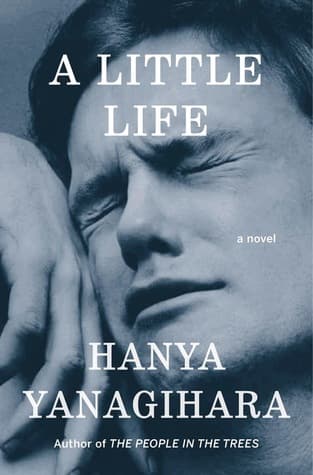
- A Little Life
Hanya Yanagihara
4.3 (212k) average on GoodreadsLiterary FictionExplores trauma, complex relationships, and the depths of human suffering and connection with intense psychological focus.
- Nineteen Eighty-Four
George Orwell
4.2 (5.5M) average on GoodreadsFictionWinston Smith dreams of truth and rebellion in a world where Big Brother watches all, but he confronts the terrifying power of a regime that controls not just actions, but thoughts.
- The Frozen River
Ariel Lawhon
4.4 (600k) average on GoodreadsFictionIn 1789 Maine, a heroic midwife's diary helps her expose a murder and get justice in a town that wants to silence her.
- A Man Called Ove
Fredrik Backman
4.4 (569k) average on GoodreadsFictionA stubborn widower, who lives by strict rules, finds his quiet world changed by a lively new family next door, making him face his past and find happiness in human connection.
- The Art of Racing in the Rain
Garth Stein
4.2 (452k) average on GoodreadsFictionThrough the eyes of Enzo, a wise and observant dog, a race car driver's family navigates a journey of love, loss, and resilience, learning that life's most important lessons often come in the curves, not just on the straightaways.
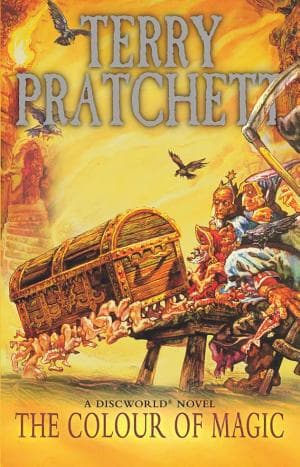
- The Colour of Magic
Terry Pratchett
4.0 (425k) average on GoodreadsFictionOn a discworld hurtling through space on the back of a giant turtle, an inept wizard and his naive, walking-luggage-toting tourist embark on a chaotic, belief-fueled journey to the very edge of their flat planet, encountering dragons that only exist if you believe in them.




Enjoyed the summary?
A summary gives you the shape of the book. The book itself has the detail, the examples and the voice.
Find What Belongs to You on AmazonAs an Amazon Associate, BookBrief earns from qualifying purchases. How we're funded