

Synopsis
Covers the whole plot, including the ending.
- Difficulty
- Easy
- Pacing
- Fast
- Mood
- Suspenseful, Intriguing, Dramatic, Inspirational
- Read it if
- You enjoy thrillers set within the highest echelons of religious power, especially if you're intrigued by the idea of a female Pope and the dramatic conflict it would ignite.
- Skip it if
- You prefer realistic portrayals of the Catholic Church or are uncomfortable with speculative religious fiction that challenges foundational traditions.
Woman of God Plot Summary
Covers the whole plot, including the ending.
A Miraculous Birth and Troubled Childhood
The story begins with Brigid Fitzgerald's birth in a poor apartment in the Bronx. Her mother, Eileen, a drug addict, tries to abort her, but Brigid survives. Father Michael, a local priest, finds the baby and ensures her care, placing her in an orphanage after Eileen is institutionalized. Brigid spends her early years in the orphanage, but her kindness and intelligence are clear. She forms a close bond with Father Michael, who guides her, supporting her growing faith and encouraging her studies, even as she deals with being abandoned and uncertain about her origins. These early experiences make Brigid strong.
Medical Calling and Sudanese Mission
Brigid does well in her studies, eventually earning a scholarship to medical school. Wanting to help others and feeling a sense of purpose, she dedicates herself to a career in medicine. After graduating, she feels a strong pull towards humanitarian work. She volunteers with Doctors Without Borders and is sent to a remote, war-damaged region of Sudan. There, she sees great suffering, disease, and violence, working hard to save lives amid constant danger. Her experiences in Sudan deepen her faith, as she sees both humanity's worst and acts of resilience and hope, strengthening her commitment to service.
Encounter with the Cardinal and a Divine Vision
While in Sudan, Brigid's dedication and healing abilities, often linked to her strong faith, get the attention of Cardinal Abasi, a respected and influential figure in the Vatican. He visits her mission, seeing her compassionate care and her impact on the local people. One difficult night, after a hard surgery, Brigid has a powerful, clear vision of Jesus, who speaks to her, giving her a unique and challenging mission within the Church. This divine encounter leaves her both shaken and determined, marking a major change in her life.
Return to Rome and Vatican Service
After her vision and at Cardinal Abasi's insistence, Brigid reluctantly leaves Sudan and travels to Rome. She is unsure of her purpose there, but Abasi believes she is meant for something special in the Church. He places her in a position where she can observe and learn, working first in a medical role within the Vatican, but also attending meetings and discussions that show her the inner workings and politics of the Holy See. Her presence, a young female doctor, is unusual and immediately draws both curiosity and suspicion from different groups within the traditional male-dominated hierarchy.
The Conclave and Unexpected Nomination
When the Pope dies, the Conclave meets to elect his successor. The mood in Rome is tense. Brigid, though in the Vatican, does not expect to be involved in such a process. However, during the first discussions, Cardinal Abasi, with a small but influential group of progressive cardinals, makes a surprising and controversial move: he nominates Brigid Fitzgerald as a candidate for Pope. This unprecedented suggestion shocks the Conclave and the wider Church, starting a fierce debate and showing deep divisions between traditionalists and reformers, all while the world watches in disbelief.
The Campaign of Opposition
Brigid's nomination immediately causes strong opposition from conservative cardinals, led by Cardinal Bellini, who see her candidacy as wrong and a direct threat to centuries of Church tradition. They start a ruthless campaign to undermine her, looking into her past, spreading rumors about her unconventional life, and questioning her faith and suitability for the papacy. Bellini and his allies manipulate information, leak damaging stories to the press, and use their influence to sway undecided cardinals, creating a hostile environment for Brigid and her supporters. They are determined to make sure a woman never becomes Pope.
Brigid's Trials and Public Scrutiny
As the Conclave continues and the world's media focuses on the situation, Brigid is subjected to intense public scrutiny. Her difficult childhood, her mother's drug addiction, and even her time in Sudan are all twisted and used against her by her opponents. She must defend her life choices, her medical career, and her understanding of faith to the cardinals and, through them, to the entire world. Despite the immense pressure and personal attacks, Brigid stays calm, finding strength in her deep spiritual convictions and the steady support of Cardinal Abasi and a few loyal allies, refusing to compromise her integrity.
The Shifting Tides of the Conclave
Despite the constant attacks, Brigid's quiet dignity, her insights into theology, and her vision for a more inclusive and compassionate Church begin to win over some undecided cardinals. Her arguments for reform, social justice, and a modern approach to faith appeal to those who believe the Church needs to change for the 21st century. The votes, at first strongly against her, slowly begin to shift. The white smoke, showing a new Pope has been chosen, is delayed, reflecting the deep split within the Conclave as the debate continues, with Brigid at its center.
A Plot Uncovered and Betrayal
As the Conclave nears its end, Cardinal Abasi and Brigid's few trusted friends uncover a plot by Cardinal Bellini and his most extreme followers. They find evidence of a plan not just to discredit Brigid, but to potentially invalidate the election or even harm her, should she get too close to winning. This shows how far traditionalists are willing to go to keep their power and prevent what they see as sacrilege. Brigid realizes the stakes are not just her future, but possibly the Church's integrity itself.
The Final Vote and a Historic Announcement
The final rounds of voting are tense. Brigid, aware of the plot against her but choosing faith over fear, gives a powerful, heartfelt speech to the cardinals, appealing to their conscience and their shared commitment to Christ's teachings. Her sincerity and courage sway the last undecided votes. After a long wait, white smoke appears from the Sistine Chapel chimney. The world watches as the announcement is made: Pope Brigid I. The election of a woman Pope shocks the globe, starting a new and uncertain era for the Catholic Church, with Brigid leading it.
Principal Figures
Brigid Fitzgerald
Protagonist
A compassionate doctor and devout woman, unexpectedly nominated as the first female Pope.
Brigid is a woman of unwavering faith, profound empathy, and remarkable resilience. Born into poverty to a drug-addicted mother, she overcomes immense adversity to become a dedicated doctor, serving in war-torn Sudan. Her experiences on the front lines of human suffering deepen her spiritual convictions and her commitment to social justice. She is intelligent, humble, and possesses an innate ability to connect with people, often performing what appear to be miraculous healings through her touch and prayer. Her journey from the Bronx to the Vatican is marked by divine intervention and a profound sense of calling, even as she grapples with self-doubt and the weight of expectation. She represents a modern, compassionate vision for the Church.
Relationships: Father Michael (Spiritual mentor and father figure); Cardinal Abasi (Key supporter, mentor, and advocate for her papacy); Cardinal Bellini (Primary antagonist, fiercely opposed to her papacy)
Cardinal Abasi
Supporting
A progressive and influential Cardinal who champions Brigid's unprecedented candidacy.
Cardinal Abasi is a wise, forward-thinking, and deeply spiritual man. He is one of the few high-ranking cardinals who recognizes Brigid's unique gifts and believes she is divinely chosen to lead the Church into a new era. He acts as her primary mentor and protector within the Vatican's complex political landscape, guiding her through the intricate processes of the Conclave and defending her against powerful traditionalist forces. Abasi is a strategic thinker, willing to challenge centuries of tradition for what he believes is the greater good of the Church and its followers. His unwavering faith in Brigid is a cornerstone of her journey.
Relationships: Brigid Fitzgerald (Mentor, advocate, and spiritual guide); Cardinal Bellini (Ideological and political adversary)
Cardinal Bellini
Antagonist
A staunch traditionalist Cardinal who vehemently opposes Brigid's nomination and seeks to undermine her.
Cardinal Bellini embodies the conservative, traditionalist faction of the Catholic Church. He is deeply committed to centuries-old doctrines and views any deviation, especially the idea of a female Pope, as an affront to God and a threat to the Church's foundational principles. Bellini is cunning, manipulative, and powerful, using his influence and connections to orchestrate a campaign of disinformation and political maneuvering against Brigid. His motivations stem from a genuine, albeit rigid, belief in the sanctity of tradition, making him a formidable and morally complex antagonist. He sees Brigid as a dangerous radical who must be stopped at all costs.
Relationships: Brigid Fitzgerald (Arch-rival and ideological opponent); Cardinal Abasi (Political adversary)
Father Michael
Supporting
A kind-hearted priest who rescues Brigid as an infant and becomes her lifelong spiritual mentor.
Father Michael is a compassionate and dedicated parish priest in the Bronx who discovers infant Brigid and ensures her survival and care. He becomes a vital early influence in her life, nurturing her faith and encouraging her education. He represents the selfless, caring aspect of the clergy and serves as Brigid's first spiritual guide and father figure. Though his direct involvement lessens as Brigid grows, his foundational love and lessons remain with her, shaping her moral compass and reinforcing her belief in God's plan. He is a constant reminder of her humble beginnings and the divine hand in her life.
Relationships: Brigid Fitzgerald (Spiritual mentor and surrogate father)
Eileen Fitzgerald
Mentioned
Brigid's birth mother, a drug addict whose struggles profoundly impact Brigid's early life.
Eileen is Brigid's biological mother, a severe drug addict who attempts to abort Brigid and later abandons her. While not a present character in most of the narrative, her actions and struggles cast a long shadow over Brigid's early life, contributing to her feelings of abandonment and her drive for self-sufficiency. Eileen represents the harsh realities Brigid overcomes and serves as a poignant reminder of the suffering Brigid witnesses and seeks to alleviate in her medical and spiritual work. Her story underscores themes of redemption and the power of love to overcome difficult beginnings.
Relationships: Brigid Fitzgerald (Biological mother)
Archbishop Marlo
Supporting
A cautious but eventually supportive cardinal who observes Brigid's integrity during the Conclave.
Archbishop Marlo is a respected but initially undecided cardinal during the Conclave. He represents the moderate faction within the Church, torn between tradition and the need for reform. He is a careful observer, initially swayed by Bellini's arguments but increasingly impressed by Brigid's sincerity, intellect, and spiritual depth. His eventual shift in allegiance is crucial to Brigid's success, demonstrating that her message can resonate even with those who are not initially radical. He acts as a barometer for the changing sentiments within the Conclave.
Relationships: Brigid Fitzgerald (Initially skeptical, then supportive colleague); Cardinal Bellini (Traditionalist colleague, whose views Marlo eventually diverges from)
Sister Agnes
Supporting
A nun working alongside Brigid in Sudan, providing practical and emotional support.
Sister Agnes is a dedicated nun who works with Brigid at the mission in Sudan. She is a compassionate and practical individual, providing invaluable assistance to Brigid in her medical work and offering emotional support in the face of constant hardship. Sister Agnes embodies the selfless service often found within religious orders and serves as a grounding presence for Brigid during her time in the field. Her unwavering faith and commitment to helping the vulnerable mirror Brigid's own values, creating a strong bond between them.
Relationships: Brigid Fitzgerald (Colleague and friend)
Dr. Ben Carter
Supporting
A fellow doctor and colleague of Brigid during her time in medical school and humanitarian missions.
Dr. Ben Carter is a contemporary and colleague of Brigid, first encountered during their medical training and later potentially in humanitarian settings. He represents a more secular perspective on medicine and humanitarian aid, initially skeptical of Brigid's profound faith but ultimately respecting her dedication and skill. He serves as a contrast to Brigid's spiritual motivations, highlighting the different paths people take to serve humanity. His presence helps ground Brigid's early career in a more conventional medical context before her unique spiritual path fully unfolds.
Relationships: Brigid Fitzgerald (Medical colleague and friend)
Themes & Insights
Faith and Divine Calling
The main theme is Brigid's strong faith and her belief in a divine calling. From her unusual birth to her visions and eventual nomination as Pope, Brigid constantly seeks and responds to God's will. Her faith is tested by personal hardship, the horrors of war in Sudan, and the political schemes of the Vatican, yet it remains her guiding force. The theme explores what it means to truly answer a spiritual call, even when it asks for great sacrifices and challenges established ways. Her ability to heal, often linked to divine intervention, also shows this theme.
“God works in mysterious ways, child. But He always works towards light.”
Tradition vs. Reform
This theme is clear in the conflict between Cardinal Bellini's traditionalist group and Brigid's new vision for the Catholic Church. The novel looks at the strong resistance to change within old institutions, contrasting adherence to centuries-old doctrines with the need for the Church to adapt to modern challenges and be more inclusive. Brigid's candidacy itself is the ultimate challenge to tradition, forcing a confrontation between those who believe in unchanging dogma and those who want more compassionate, open, and relevant spiritual leadership.
“The Church is not a museum, Your Eminence. It is a living body, and it must grow or it will die.”
Overcoming Adversity and Resilience
Brigid's life shows human resilience. Her journey starts with a difficult birth to a drug-addicted mother, followed by life in an orphanage. She overcomes these early disadvantages through determination and a strong moral sense. Her time as a doctor in war-torn Sudan further sharpens her ability to cope with extreme suffering and danger. This theme highlights her inner strength, her ability to endure hardship, and her refusal to be defined by her past or intimidated by powerful opponents, always finding strength in her faith to face difficult challenges.
“Every wound, every scar, tells a story of survival. And every story is a testament to God’s grace.”
Leadership and Service
The novel explores different kinds of leadership, from the traditional, hierarchical power structures of the Vatican to Brigid's compassionate, service-focused approach. Brigid's leadership style, shaped by humanitarian work, prioritizes empathy, direct action, and a deep commitment to the suffering. The theme questions what qualities truly define a spiritual leader in the modern world, suggesting that true authority comes not from power or tradition, but from humility, selflessness, and a genuine desire to serve humanity, even if it means challenging the institution one leads.
“Leadership is not about wielding power, but about bearing the burdens of those you serve.”
Plot Devices & Literary Techniques
The Divine Vision
A spiritual encounter that explicitly guides Brigid's path towards the papacy.
Brigid's direct vision of Jesus in Sudan serves as a crucial plot device. It provides explicit divine sanction for her extraordinary path, solidifying her conviction and giving her purpose amidst the political turmoil of the Vatican. This vision functions as both a catalyst for her journey to Rome and a source of unwavering strength when her faith is tested. It elevates her story beyond mere political ambition, suggesting a predetermined, sacred destiny that her supporters leverage and her opponents struggle to refute.
The Underdog Narrative
Brigid's journey from humble origins to a position of immense power against overwhelming odds.
The novel employs a classic underdog narrative, positioning Brigid as an unlikely candidate from a disadvantaged background, facing a powerful, entrenched establishment. This device creates inherent tension and allows readers to root for her against the formidable forces of tradition and political maneuvering. Her improbable rise from a Bronx orphanage to a global spiritual leader highlights themes of destiny, resilience, and the triumph of spirit over adversity, making her story compelling and inspiring.
Political Intrigue and Conspiracy
The Vatican's internal power struggles and secret plots against Brigid's candidacy.
The intricate political maneuvering within the Vatican, including Cardinal Bellini's covert campaign to discredit Brigid and the discovery of a plot against her, serves as a major plot device. This element adds suspense, mystery, and a thriller aspect to the narrative, shifting the focus from purely spiritual contemplation to a high-stakes battle for control. It exposes the darker, human side of institutional power, creating external conflict that Brigid must navigate in addition to her internal struggles of faith.
Miraculous Healings
Brigid's unexplained ability to alleviate suffering through touch and prayer, reinforcing her divine connection.
Throughout her time as a doctor, Brigid is shown to possess an extraordinary ability to bring comfort and sometimes inexplicable healing to the sick and suffering, often attributed to her touch and prayer. These 'miraculous healings' act as a plot device to underscore her unique spiritual connection and her divine favor. They provide tangible evidence of her special calling, convincing both characters within the story (like Cardinal Abasi) and the reader that she is indeed 'a woman of God,' further legitimizing her unprecedented path to the papacy.
Woman of God Quotes
“The greatest miracles aren't always the ones that make headlines. Sometimes, they're the quiet transformations within the human heart.”
“Fear can be a powerful motivator, but it's a terrible master.”
“Faith isn't about having all the answers. It's about trusting even when you have none.”
“Sometimes, the most dangerous lies are the ones we tell ourselves.”
“Hope is not a strategy, but without it, no strategy can succeed.”
“The past is a stubborn ghost, always lingering, always whispering.”
“Even in the darkest night, a single candle can defy the shadows.”
“True strength isn't about never falling, but about rising every time you fall.”
“The path to understanding often begins with admitting how little you truly know.”
“Miracles don't always look like parting seas. Sometimes they look like a second chance.”
“There are some wounds that time can never truly heal, only scar over.”
“The biggest battles are often fought not with swords, but within the confines of our own minds.”
“Sometimes, the greatest act of faith is simply showing up, day after day, even when you feel like giving up.”
“Secrets are heavy burdens, and they have a way of crushing those who carry them.”
Quiz
10 questions on the plot and the characters. Each answer comes with a short explanation.
Question 1
What significant event in St. Peter's Square signals the selection of a new Pope?
- The ringing of the great bell of St. Peter's Basilica
- White smoke emanating from the Sistine Chapel chimney
- A special papal address broadcast globally
- The unveiling of a new tapestry on the basilica's facade
Show answer
B. White smoke emanating from the Sistine Chapel chimney The traditional signal for a new Pope's election is white smoke from the chimney, indicating a successful vote. Black smoke means no decision has been reached yet.
Question 2
Before her potential ascent to the papacy, what was Brigid Fitzgerald's profession?
- A lawyer specializing in humanitarian law
- A nun dedicated to contemplative prayer
- A doctor working on the front lines in Sudan
- A professor of theology at a prestigious university
Show answer
C. A doctor working on the front lines in Sudan Brigid Fitzgerald had a challenging past, including a career as a doctor on the front lines in Sudan, which shaped her character and convictions.
Question 3
What is the primary concern of Brigid's 'powerful enemies' within the Church?
- Her lack of traditional theological training
- Her progressive views on economic policy
- Her challenge to established traditions and fear that the Church has lost its way
- Her controversial political endorsements
Show answer
C. Her challenge to established traditions and fear that the Church has lost its way Her adversaries fear that Brigid's unconventional path and potential leadership represent a radical departure from tradition, threatening what they believe is the Church's established order.
Question 4
Brigid Fitzgerald's childhood is described as difficult due to what circumstances?
- Extreme poverty and homelessness
- Being orphaned at a young age and raised in an institution
- Having drug-addled parents
- Growing up in a war-torn region
Show answer
C. Having drug-addled parents The book mentions Brigid's difficult childhood was marked by having drug-addled parents, contributing to her resilience and unique perspective.
Question 5
What is the central mystery or 'impossible' question posed at the beginning of the book regarding the new Pope?
- Is it possible that the new Pope is from a non-European country?
- Is it possible that the new Pope has a controversial past?
- Is it possible that the new Pope is a woman?
- Is it possible that the new Pope will implement radical reforms immediately?
Show answer
C. Is it possible that the new Pope is a woman? The core premise of the thriller and the central question that drives the plot is the unprecedented possibility of a woman being elected Pope.
Question 6
What is at stake for Brigid Fitzgerald in her battle against her adversaries?
- Her academic reputation and a prestigious teaching position
- Her financial stability and personal wealth
- Her faith and her life
- Her ability to continue her medical work in Sudan
Show answer
C. Her faith and her life The stakes are incredibly high for Brigid; the text explicitly states she must convert her enemies or risk losing her faith and her life, highlighting the intensity of the conflict.
Question 7
The book hints at Brigid undergoing 'a series of trials that test her faith at every turn.' What does this suggest about her character arc?
- She will ultimately abandon her faith due to the overwhelming pressure.
- Her faith is a constant, unwavering force that never falters.
- Her spiritual journey is central to the story, involving significant challenges and potential growth or doubt.
- These trials are merely distractions from the main plot of political maneuvering.
Show answer
C. Her spiritual journey is central to the story, involving significant challenges and potential growth or doubt. The mention of 'trials that test her faith' indicates that her spiritual journey and the resilience of her convictions are key thematic elements and will be deeply explored as part of her character's development.
Question 8
How does Brigid Fitzgerald aim to overcome her 'dangerous adversaries'?
- By exposing their corruption to the global media.
- By gathering military support to protect her position.
- By converting her enemies to her cause.
- By withdrawing from the papal race to ensure her safety.
Show answer
C. By converting her enemies to her cause. The summary states Brigid 'must convert her enemies to her cause,' implying a strategic and spiritual approach to winning over her opponents rather than direct confrontation or retreat.
Question 9
The description highlights Brigid's 'convictions and callings.' What does this duality suggest about her motivation?
- She is driven solely by a desire for personal power and influence.
- Her actions are a blend of deeply held beliefs and a sense of divine or moral purpose.
- She is primarily motivated by a need to escape her difficult past.
- Her motivations are purely intellectual, based on theological study.
Show answer
B. Her actions are a blend of deeply held beliefs and a sense of divine or moral purpose. The phrase 'convictions and callings' implies that Brigid is driven not just by personal beliefs (convictions) but also by a strong sense of a higher purpose or duty (callings), aligning with the spiritual and moral themes of the book.
Question 10
Given the 'thriller, spirituality, mystery' genres, which aspect is most likely to be central to the unfolding narrative beyond the election itself?
- A detailed historical account of papal elections.
- A series of political assassinations targeting cardinals.
- The uncovering of conspiracies and the struggle for Brigid's survival and spiritual journey.
- A philosophical debate on the role of women in modern religion.
Show answer
C. The uncovering of conspiracies and the struggle for Brigid's survival and spiritual journey. Combining 'thriller' and 'mystery' with Brigid's high stakes and dangerous adversaries strongly suggests that the plot will involve uncovering conspiracies and fighting for her life, all intertwined with her spiritual journey ('spirituality').
Woman of God FAQ
What is "Woman of God" about?
"Woman of God" by James Patterson explores the unprecedented election of a woman, Brigid Fitzgerald, as Pope. The narrative follows Brigid's challenging journey from a difficult past and her medical work in Sudan to facing powerful adversaries within the Catholic Church who vehemently oppose her groundbreaking papacy and progressive views.
Why should I read "Woman of God"?
You should read "Woman of God" for its unique premise of a female Pope, offering a thrilling blend of political intrigue, spiritual struggle, and mystery. It delves into deep questions of faith, tradition, and gender roles within one of the world's oldest institutions, all wrapped in Patterson's signature fast-paced style.
What is the background/setting of "Woman of God"?
The primary setting is modern-day Rome, specifically the Vatican and St. Peter's Square, during a papal conclave. However, the story frequently flashes back to Brigid Fitzgerald's past, including her challenging childhood in America and her impactful humanitarian work as a doctor in war-torn Sudan, which shaped her character and convictions.
What writing style does the author use?
James Patterson employs his characteristic short chapters, multiple perspectives, and rapid pacing to create a suspenseful and accessible thriller. The narrative is direct, action-oriented, and focuses on driving the plot forward, making it a quick and engaging read.
What minor details add significant meaning?
Brigid's experiences in Sudan, particularly her medical work and the profound suffering she witnessed, are not just background but deeply inform her spiritual calling and her progressive, compassionate vision for the Church. These details highlight her commitment to serving the marginalized, a stark contrast to some traditionalist views.
What are some subtle foreshadowing moments?
Early mentions of the deep-seated resistance to change within the Curia and the extreme lengths some traditionalists are willing to go provide subtle hints of the life-threatening conspiracies Brigid will face. Her initial reluctance to accept leadership roles also foreshadows the immense burden and danger her eventual papacy will bring.
What unexpected character connections exist?
The novel might reveal unexpected connections between Brigid's past and the forces opposing her, perhaps through figures from her childhood or her time in Sudan who reappear in surprising roles within the Vatican's power struggles, adding personal stakes to the political conflict.
What are unspoken character motivations?
Beyond their stated objections to a female Pope, many adversaries are driven by a fear of losing their own power, prestige, and control within the Church. For some, their defense of 'tradition' masks a deeper, personal insecurity or a desire to maintain a rigid social order that benefits them.
What psychological complexities do characters exhibit?
Brigid Fitzgerald grapples with imposter syndrome and profound doubt, despite her strong faith, showcasing the immense psychological burden of her unprecedented role. Her adversaries, while seemingly monolithic, often harbor their own internal conflicts between dogma and genuine faith, or between duty and personal ambition.
What are the major emotional turning points?
A major emotional turning point is Brigid's initial acceptance of the call to the papacy, signifying her full commitment to a path fraught with danger. Another is her confrontation with a particularly powerful enemy, where she must choose between compromising her beliefs or risking everything to uphold her vision.
How do relationship dynamics evolve?
Relationships evolve from initial skepticism or outright hostility to grudging respect or even alliance, as some characters witness Brigid's unwavering integrity and genuine faith. Conversely, some alliances might fracture under the pressure of her controversial papacy, revealing true loyalties and betrayals.
Which parts remain ambiguous or open-ended?
The full extent of the Church's future under a female Pope, and whether Brigid's reforms will fundamentally change the institution or merely spark a prolonged conflict, might be left open-ended. The long-term impact on global Catholicism is too vast to fully resolve within the narrative.
What are controversial scenes or decisions?
The most controversial aspect is, of course, the very premise of a female Pope, challenging centuries of tradition. Any scene where Brigid directly confronts and attempts to alter deeply entrenched doctrines or practices, such as priestly celibacy or the role of women in the clergy, would be highly controversial within the story.
"Woman of God" ending explained: how it ends & what it means
The ending likely sees Brigid Fitzgerald, despite immense opposition and personal risk, firmly established in her role, having weathered the initial storms and perhaps converted some key opponents to her cause. It signifies a new, uncertain but hopeful era for the Church, with Brigid's resilience and faith as its guiding light, suggesting that while the immediate battle is won, the larger struggle for reform continues.
About the author
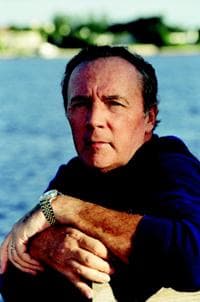
James Patterson is an American author known for his contributions to the thriller and fiction genres. His notable works include "Along Came a Spider," "Kiss the Girls," "1st to Die," "The Angel Experiment," "Suzanne's Diary for Nicholas," and "School's Out—Forever." Patterson has received multiple awards for his writing, including the Edgar Award.
Similar books
- The Da Vinci Code
Dan Brown
3.9 (1.9M) average on GoodreadsThrillerFeatures religious conspiracy, high-stakes mystery within the Catholic Church, and a race against time.
- Angels & Demons
Dan Brown
3.9 (2.7M) average on GoodreadsThrillerInvolves a papal conclave, secret societies, and a thrilling plot to influence the election of a new Pope.
- The Tenth Circle
Jodi Picoult
3.5 (119k) average on GoodreadsMysteryExplores themes of faith, family, and difficult moral choices under extreme pressure, though not in a religious thriller context.
- Gone Girl
Gillian Flynn
4.1 (2.3M) average on GoodreadsThrillerA wife's sudden disappearance on her fifth anniversary reveals a web of lies and psychological warfare, exposing the secrets within a seemingly perfect marriage.
- The Girl on the Train
Paula Hawkins
3.9 (2.1M) average on GoodreadsThrillerA woman’s fascination with a seemingly perfect couple she watches from her daily train commute leads her into a dark investigation when she witnesses something that shatters their idyllic image.
- The Guest List
Lucy Foley
3.8 (1.3M) average on GoodreadsThrillerOn a remote Irish island, a glamorous wedding descends into a deadly whodunnit when a guest is found murdered, trapping everyone with their secrets as a storm rages.






Enjoyed the summary?
A summary gives you the shape of the book. The book itself has the detail, the examples and the voice.
Find Woman of God on AmazonAs an Amazon Associate, BookBrief earns from qualifying purchases. How we're funded