

Italo Calvino
Born: 10-14-1923
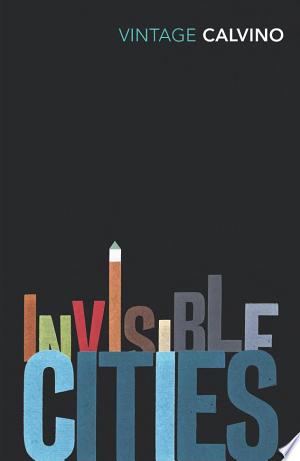
Italo Calvino was an influential Italian writer, known for his imaginative storytelling and innovative narrative techniques. Born in 1923 in Cuba and raised in Italy, Calvino's works span genres, blending fantasy, fable, and realism. His notable books, such as "Invisible Cities" and "If on a winter's night a traveler," showcase his playful yet profound exploration of literature's possibilities. Calvino's legacy endures through his profound impact on modern literature.
Book summaries for books written by Italo Calvino



Quotes
Cities, like dreams, are made of desires and fears, even if the thread of their discourse is secret, their rules are absurd, their perspectives deceitful, and everything conceals something else.
The city appears to man as a map in relief, as a diagram of his desires.
Memory’s images, once they are fixed in words, are erased.
In the idleness of his afternoons, Kublai reflected on Marco’s tale and thought that the empire of the human race might be the sickness of the world.
A city is a language, a repository of possibilities, and walking is the act of speaking that language, of selecting from those possibilities.
Cities, like dreams, are made of desires and fears.
The city, however, does not tell its past, but contains it like the lines of a hand, written in the corners of the streets, the gratings of the windows, the banisters of the steps, the antennae of the lightning rods, the poles of the flags, every segment marked in turn with scratches, indentations, scrolls.
The inferno of the living is not something that will be; if there is one, it is what is already here, the inferno where we live every day, that we form by being together. There are two ways to escape suffering it. The first is easy for many: accept the inferno and become such a part of it that you can no longer see it. The second is risky and demands constant vigilance and apprehension: seek and learn to recognize who and what, in the midst of the inferno, are not inferno, then make them endure, give them space.
Every time I describe a city I am saying something about Venice.
The city does not say its past, it contains it like the lines of a hand.
The man who can perceive manliness in mutilation and insult and is pained when his flesh is caressed has rivers, constellations, ecstasies unavailable to me.
But Venice is merely a drawing. The city itself is imaginary.