
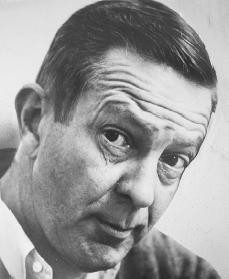
John Cheever
Born: 05-26-1912
John Cheever, an American novelist and short story writer, was known as the "Chekhov of the suburbs." Born in 1912, he captured the complexities of American life, particularly the middle class, with keen insight and wit. Cheever's works, including "The Wapshot Chronicle" and "The Stories of John Cheever," earned him numerous awards, including the Pulitzer Prize. His writing often explored themes of isolation and identity, leaving a lasting impact on American literature.
Book summaries for books written by John Cheever


Quotes
The main emotion of the adult Northeastern heartland is exhaustion.
I cannot say how first the idea entered my brain; but once conceived, it haunted me day and night.
All literary men are Red Sox fans—to be a Yankee fan in a literate society is to endanger your life.
I was drawn to all the wrong things: I liked to drink, I was lazy, I didn't have a god, politics, ideas, ideals.
The place looked like a painting by Salvador Dali, if Dali had been into neglected tennis courts and swimming pools.
A story is like something you wind out of yourself. Like a spider, it is a web you weave, and you love your story like a child.
Habit is necessary; it is the habit of having habits, of turning a trail into a rut, that must be incessantly fought against if one is to remain alive.
I'm a writer, and I expect to be allowed to write.
America is a vast conspiracy to make you happy.
The evening was as I had expected it to be—lonely, isolated, and melancholy.
To be an American was to be an optimist, to be a writer was to be a pessimist.
The city was full of lonely abandoned people.