
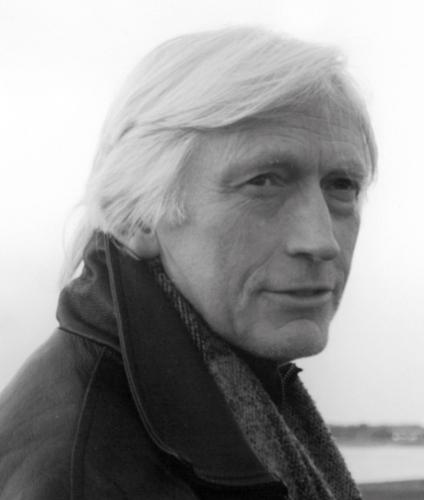
Richard Overy
Born: 12-22-1947
Richard Overy is a distinguished British historian and author, renowned for his expertise in World War II and 20th-century history. With a career spanning decades, he has penned numerous acclaimed works, including "The Bombing War" and "Why the Allies Won." Overy's meticulous research and insightful analysis have earned him several prestigious awards, solidifying his reputation as an authoritative voice in military and modern history.
Book summaries for books written by Richard Overy

Quotes
Victory in war is not the result of a single factor, but the outcome of a complex interplay of multiple factors.
The Allies' victory in World War II was the culmination of their collective efforts, strategies, and sacrifices.
The ability to mobilize and sustain a vast industrial and military machine played a crucial role in the Allies' victory.
The Allies' superior air power proved instrumental in gaining control of the skies and providing strategic advantages in the war.
The successful implementation of amphibious operations, such as the D-Day invasion, allowed the Allies to launch a decisive assault against the Axis powers.
The Allies' ability to break enemy codes and gather intelligence provided them with valuable information and helped shape their strategies.
The commitment and resilience of the Allied soldiers on the front lines played a vital role in securing victory.
The Allies' ability to form effective coalitions and maintain strong alliances contributed to their ultimate triumph.
The strategic bombing campaign carried out by the Allies weakened the enemy's infrastructure and disrupted their war efforts.
The effective use of technology, such as radar and sonar, provided the Allies with a significant advantage in naval warfare.
The Allies' ability to adapt and innovate in response to changing circumstances was key to their victory.
The contributions of women on the home front and in various support roles were crucial to the Allies' success.