

Estimated read time: 8 min read
One Sentence Summary
"5 Centimeters per Second" explores the poignant and bittersweet journey of young love and emotional distance as two childhood friends grow apart over time.
Table of Contents
Introduction
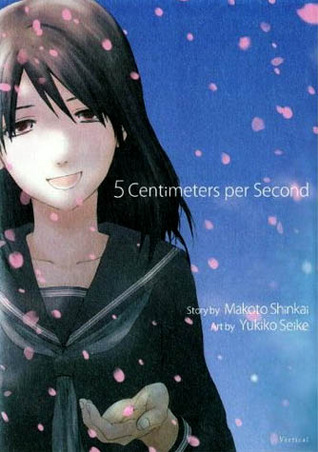
Makoto Shinkai's 5 Centimeters per Second is a poignant exploration of love, distance, and the passage of time. Known for his visually stunning anime films, Shinkai extends his storytelling prowess into this narrative, weaving a tender, bittersweet tale that resonates deeply with readers and viewers alike. The book, which parallels the cinematic work, captures the fragility of human connections and the way memories shape our present.
This summary delves into the themes, characters, and narrative techniques that make 5 Centimeters per Second an essential study in modern Japanese literature and animation storytelling. It’s a must-read for college students and lecturers interested in contemporary narratives about youth, separation, and emotional growth.
Historical Context
5 Centimeters per Second emerges from early 21st-century Japan, a period characterized by rapid technological development and evolving social dynamics. The story reflects the realities faced by young people navigating relationships in an increasingly digital yet emotionally fragmented society.
Makoto Shinkai, often dubbed the "new Miyazaki," channels the zeitgeist of post-bubble Japan—a society balancing tradition and modernity, personal dreams and societal expectations. The title itself references the speed at which cherry blossom petals fall, a metaphor deeply rooted in Japanese culture symbolizing fleeting beauty and impermanence.
Brief Synopsis
Plot Overview
The narrative is structured as a three-part story focusing on Takaki Tōno, a young man whose life is marked by emotional distance and the passage of time. The story traces Takaki’s evolving relationships, especially his childhood romance with Akari Shinohara, against the backdrop of changing seasons and physical distances.
Rather than a plot-driven thriller, 5 Centimeters per Second is a reflective, episodic meditation on isolation, longing, and the bittersweet nature of growing up.
Setting
The story traverses several locales across Japan, from the snowy landscapes of Tochigi to the urban sprawl of Tokyo and the serene beauty of Kagoshima. The shifting settings mirror the characters' emotional journey, emphasizing both physical and psychological distances.
The atmosphere is permeated with a melancholic tone, accentuated by Shinkai’s vivid descriptions of nature and weather, which serve as emotional barometers throughout the narrative.
Main Characters
| Name | Role | Key Traits | Importance to the Plot |
|---|---|---|---|
| Takaki Tōno | Protagonist | Reflective, introverted, nostalgic | Central figure whose emotional journey drives the narrative |
| Akari Shinohara | Childhood friend and love interest | Warm, gentle, optimistic | Represents lost love and the idealized past |
| Kanae Sumida | Classmate and admirer | Shy, earnest, hopeful | Embodies unrequited love and moving forward |
Plot Summary
Part One: Cherry Blossom
The story opens with Takaki and Akari as close friends in elementary school, their bond deepening during a snowy day when Akari transfers to a school far away. Their parting is heart-wrenching, symbolized by falling cherry blossoms drifting at five centimeters per second—the speed at which their connection begins to fray.
Takaki embarks on a long journey to visit Akari one last time before the distance becomes permanent. The journey is physically arduous and emotionally taxing, highlighting the theme of barriers that separate people—be they geographical, temporal, or emotional.
Part Two: Cosmonaut
Years later, Takaki is a high school student living in Tokyo, struggling with his feelings for Akari and his desire to move on. Kanae Sumida, a classmate, harbors feelings for Takaki, but he remains emotionally distant.
Kanae’s unspoken love adds a layer of complexity to the story, illustrating the pain of unreciprocated affection and the challenge of expressing one’s emotions honestly. Takaki’s internal conflict is palpable, embodying the paralysis often felt when caught between past and present.
Part Three: 5 Centimeters per Second
In the final chapter, Takaki and Akari have grown apart, their lives diverging despite their lingering feelings. They each continue with their separate lives, nostalgic but resigned to the realities of time and distance.
The story culminates in a symbolic scene where Takaki notices a girl walking by, evoking memories of Akari, but the moment passes without connection. The narrative closes on an ambiguous note, emphasizing the impermanence of relationships and the necessity of moving forward.
Themes and Motifs
Impermanence and Transience
The central motif of cherry blossom petals falling at five centimeters per second encapsulates the fleeting nature of youth and love. The narrative meditates on how relationships change with time and distance, often beyond our control.
Distance and Isolation
Physical separation mirrors emotional isolation throughout the story. Technology’s role in bridging or deepening these gaps is subtly explored, reflecting contemporary societal challenges in maintaining meaningful connections.
Nostalgia and Memory
Shinkai masterfully portrays nostalgia as both a comforting and painful force. Memories of past relationships haunt the characters, shaping their present emotional states and influencing their decisions.
Unrequited Love and Emotional Paralysis
Kanae’s silent affection highlights the theme of unexpressed emotions and the paralysis they cause. Takaki’s hesitation to confront his feelings underscores the difficulty of emotional honesty.
Nature as Emotional Landscape
Natural elements like snow, rain, and cherry blossoms are not mere backdrops but active participants in the story, reflecting characters’ moods and the passage of time.
Literary Techniques and Style
Narrative Structure
The tripartite structure allows for a layered exploration of time and perspective. Each section is self-contained yet interconnected, mirroring the fragmented nature of memory and emotion.
Symbolism
Shinkai employs rich symbolism—cherry blossoms, trains, and weather patterns—to deepen the emotional resonance. The title itself is a metaphor that recurs throughout, anchoring the story’s themes.
Realism and Detail
Despite its poetic tone, the story is grounded in realistic settings and believable character interactions. Detailed descriptions of environments and mundane experiences enhance authenticity.
Minimalistic Dialogue
Dialogue is sparse but impactful, emphasizing what remains unsaid as much as spoken words. This technique invites readers to infer emotions and motivations, engaging them actively.
Visual Imagery
Shinkai’s background as an animator informs his vivid, cinematic descriptions. The prose evokes striking images that linger, creating an immersive reading experience.
Author's Background
Makoto Shinkai, born in 1973, is a celebrated Japanese filmmaker and author known for his emotionally rich storytelling and breathtaking visuals. His works often explore themes of distance, connection, and the passage of time, reflecting his personal experiences and observations of modern life.
Before 5 Centimeters per Second, Shinkai gained recognition for short films like She and Her Cat. His unique blend of poetic narrative and visual artistry has earned him acclaim as a leading voice in contemporary anime and literature.
Shinkai’s influence extends internationally, inspiring discussions on youth, technology, and emotional complexity. His distinctive style combines melancholy with hope, making his stories universally relatable.
Key Takeaways
- 5 Centimeters per Second is a meditative exploration of love, distance, and the inevitability of change.
- The title metaphor powerfully encapsulates the story’s central themes of impermanence and emotional fragility.
- Shinkai’s use of natural imagery and minimalistic dialogue enriches the narrative’s emotional depth.
- Characters are portrayed with nuanced emotional complexity, reflecting universal experiences of longing and loss.
- The story highlights the challenges of communication and emotional honesty in contemporary relationships.
- Nostalgia serves as both a comfort and a barrier to personal growth.
- The narrative structure skillfully mirrors the fragmented nature of memory and emotional experience.
Reader's Takeaway
Readers will find 5 Centimeters per Second a profoundly moving examination of the human heart’s delicate balance between hope and resignation. The story encourages introspection on how we navigate relationships and the passage of time.
For students and lecturers, it offers rich material for analyzing narrative techniques, symbolism, and cultural context. The emotional authenticity and thematic depth make it a compelling study of modern youth’s struggles.
Emotionally, the book resonates with anyone who has experienced the bittersweet pain of separation and the quiet longing for connection. It invites readers to reflect on their own memories and the ephemeral nature of life’s most precious moments.
Conclusion
5 Centimeters per Second by Makoto Shinkai is more than a story about young love—it is a delicate tapestry of emotion, memory, and the relentless flow of time. Through its evocative imagery and poignant narrative, it captures the universal human experience of growing apart and moving forward.
This book is a treasure trove for those interested in contemporary Japanese literature, emotional storytelling, and the interplay between narrative and visual artistry. Its enduring appeal lies in its honest portrayal of the complexities of connection, making it an essential read for anyone exploring the nuances of love and loss.
For readers eager to explore the subtle beauty of fleeting moments and the profound impact of distance on the human heart, 5 Centimeters per Second offers a rich, enlightening journey that lingers long after the final page.
5 Centimeters per Second FAQ
What is '5 Centimeters per Second' about?
'5 Centimeters per Second' is a Japanese animated film and novel by Makoto Shinkai that tells a poignant story about love, distance, and the passage of time through the lives of two childhood friends, Takaki and Akari.
Who is the author of '5 Centimeters per Second'?
Makoto Shinkai is the author of '5 Centimeters per Second.' He is a renowned Japanese filmmaker, animator, and writer known for his beautifully crafted stories about human relationships and emotions.
What does the title '5 Centimeters per Second' signify?
The title refers to the speed at which cherry blossom petals fall, symbolizing the slow and inevitable distance that grows between the main characters as they drift apart over time.
Is '5 Centimeters per Second' a book or a movie?
'5 Centimeters per Second' is both an animated film and a novel. The story originated as a 2007 anime film directed by Makoto Shinkai, and it has also been adapted into a novel.
What themes are explored in '5 Centimeters per Second'?
The story explores themes of love, separation, longing, the impact of time on relationships, and the bittersweet nature of growing up.
How is the story of '5 Centimeters per Second' structured?
'5 Centimeters per Second' is divided into three interconnected segments or episodes, each depicting different stages of the protagonists' lives and their evolving relationship.
What is the significance of the cherry blossoms in the story?
Cherry blossoms symbolize fleeting beauty and the transient nature of life and relationships. They underscore the story's focus on the passage of time and change.
Where is the story of '5 Centimeters per Second' set?
The story is set in various locations in Japan, including Tochigi Prefecture, Tokyo, and the Izu Peninsula, capturing the everyday scenery and seasonal changes.
Can '5 Centimeters per Second' be considered a romance?
Yes, it is often categorized as a romantic drama focusing on the emotional and sometimes painful aspects of young love and distance.
What is the overall message of '5 Centimeters per Second'?
'5 Centimeters per Second' conveys how people grow apart despite strong feelings, emphasizing the bittersweet reality of change, memory, and moving forward in life.