

Synopsis
Covers the whole plot, including the ending.
- Difficulty
- Medium
- Pacing
- Fast
- Mood
- Epic, Intense, Romantic, Suspenseful, Emotional
- Read it if
- You love epic fantasy with high stakes, intricate political maneuvering, powerful magic, and a deeply passionate romance, especially if you're already invested in the ACOTAR series.
- Skip it if
- You prefer standalone novels, dislike extensive world-building, or are not a fan of intense romantic subplots within fantasy.
A Court of Wings and Ruin Plot Summary
Covers the whole plot, including the ending.
Feyre's Deception in the Spring Court
Feyre, High Lady of the Night Court, returns to the Spring Court pretending to be Tamlin's repentant lover, supposedly 'rescued' from the Night Court. Her real mission, planned with Rhysand and the Inner Circle, is to weaken Tamlin's court and gather information on King Hybern's plans. She creates problems among Tamlin's allies, especially Jurian and Hybern's emissaries, Brannagh and Dagdan. Feyre uses her painting skills to send secret messages to Rhysand, hiding coded information in her artwork. She also manipulates Ianthe, the High Priestess, and Lucien, slowly turning them against Tamlin's increasingly harsh behavior. Her actions, though painful, are effective, weakening the Spring Court's defenses and its alliance with Hybern, all while keeping her cover.
Escape and the War Council
After successfully damaging the Spring Court's defenses and destroying Hybern's hidden magical items, Feyre carries out her escape plan. She tells Lucien her true loyalty, and he, tired of Tamlin, helps her. They flee the Spring Court, with Tamlin's forces chasing them. Rhysand and the Inner Circle, who had been watching her progress, eventually rescue them. Back in Velaris, Feyre reunites with her family and friends. The Night Court then holds a War Council, inviting High Lords from across Prythian to discuss forming a united front against King Hybern. Many High Lords are hesitant, fearing Hybern's power and the old treaty that prevents them from interfering with each other's lands.
Forging Alliances and the Bone Carver's Prophecy
Feyre, Rhysand, and the Inner Circle go on a diplomatic mission, visiting the various High Courts to convince them to join the war against Hybern. They visit the Summer Court, negotiating with Tarquin, and the Winter Court, where Kallias and Viviane agree to an alliance. They also travel to the Hewn City, home of the Bone Carver and the Weaver, ancient and powerful beings. The Bone Carver, in exchange for a story, shares a prophecy about Hybern's weaknesses and the 'Dread Trove' – three magical objects that could change the course of the war. This information guides their search for these legendary items. The alliances are often fragile, built on old resentments and new threats, but a united front slowly begins to form.
The Search for the Dread Trove
Following the Bone Carver's clues, the Inner Circle begins the dangerous quest for the Dread Trove: the Mask of Ouroboros, the Harp of Sight, and the Circlet of Telum. Cassian and Azriel help by finding ancient texts and lore. Feyre and Rhysand lead expeditions, facing traps and old guardians. They find the Mask of Ouroboros in a forgotten temple, a powerful item that can reveal hidden truths. The search is full of danger and difficult choices, as the items hold great power and could easily corrupt anyone who uses them. Finding the first piece gives them hope but also shows the need to find the other two before Hybern can get them.
The Human Lands and the Queen's Betrayal
Feyre, with Nesta and Elain, travels to the human lands to ask for their help in the war. They meet the human queens, who at first seem willing. However, during their stay, Nesta discovers a terrible secret: two of the human queens, Thesan and Drakon, have made a deal with King Hybern. In exchange for power and land, they have agreed to betray Prythian and help Hybern invade. This news is a huge blow, meaning the human armies, instead of being allies, will be another enemy. The sisters manage to escape, bringing this information back to the Night Court, forcing them to rethink their war strategy and showing how treacherous their enemies are.
The Battle of the Bog
The allied Fae forces, led by Rhysand and the High Lords, fight Hybern's army in a brutal battle near a desolate bog. The fighting is fierce, with both sides losing many. Cassian and Azriel lead their Illyrian legions fiercely, while Mor and Amren use their powers. Despite their bravery, Hybern's forces are vast and cruel, strengthened by the power of the Cauldron. The battle is a strategic loss for the Fae, forcing them to retreat and regroup. Many warriors die, and the morale of the allied forces is shaken, showing the immense challenge they face against Hybern's overwhelming strength and the terrible cost of war.
The Dread Trove's Completion and Amren's Secret
After the defeat at the bog, the Inner Circle works harder to find the remaining Dread Trove items. They successfully find the Harp of Sight, which helps them locate the Circlet of Telum, the last piece. With all three items, the Inner Circle believes they can change the course of the war. During this time, Amren, who has always been mysterious, finally reveals her true nature. She admits she is not Fae but an ancient, powerful being from another dimension, trapped in a Fae body. Her true form is one of immense, destructive power, suggesting a desperate action they might need to take in the war's final stages. This revelation adds a new layer of complexity and potential power to their resources.
The Final Battle Begins
With the Dread Trove secured and alliances formed, the combined forces of the Fae courts and the remaining loyal human armies gather at the Wall, preparing for the final fight against King Hybern. Hybern's army, vast and destructive, approaches from the south, intending to break the Wall and conquer Prythian. Feyre, Rhysand, and the High Lords lead their armies, while Nesta, Elain, and Lucien are placed strategically. The tension is clear as the two mighty armies face each other, knowing that their world's fate is at stake. The setting is ready for a brutal, all-encompassing war that will decide the future of both Fae and human kind.
The War Rages and Rhysand's Sacrifice
The final battle is a huge clash of magic and steel. Amren uses her true form, becoming pure light and destruction, burning large parts of Hybern's army. Cassian and Azriel fight bravely, getting serious injuries. Nesta, using the Cauldron's power, breaks the spell on the human queens, turning their armies against Hybern. Elain, with her new Seer abilities, provides important information. At a critical moment, as Hybern tries to use the Cauldron to destroy the Fae, Rhysand dies, taking the full force of Hybern's attack to protect Feyre and their world. He appears to die in Feyre's arms, his death causing grief and despair among the allied forces.
Nesta's Power and the Cauldron's Price
Overwhelmed by Rhysand's death and Hybern's continued threat, Feyre almost breaks. However, Nesta, driven by her own grief and anger, fully uses the power given to her by the Cauldron. She confronts Hybern directly, using her abilities to fight him. In a desperate act, she manages to cut Hybern's connection to the Cauldron, weakening him. With Hybern's power reduced, the allied forces regroup and defeat his remaining army. To save Rhysand, who is near death, Nesta and the other High Lords make a desperate plea to the Cauldron, offering Amren's true form as a sacrifice to bring him back. The Cauldron accepts, and Rhysand is resurrected, though Amren returns to her Fae body, without her immense power.
Aftermath and New Beginnings
With Hybern defeated and the Cauldron's power balanced, the war ends. Prythian is scarred but victorious. The High Lords begin the hard work of rebuilding their lands and creating lasting peace. Tamlin, without his power and allies, is broken in the Spring Court. Lucien, having shown his loyalty, starts a new path. Nesta, Elain, and Feyre deal with the trauma and the great power they now have. The Inner Circle, though hurt, stays united. The ending hints at the long recovery ahead, the political changes within Prythian, and the personal journeys of healing and self-discovery for the characters, especially the Archeron sisters and their changing roles in the new world.
Principal Figures
Feyre Archeron
Protagonist
High Lady of the Night Court, strategist, and artist, leading the resistance against Hybern.
Feyre is the High Lady of the Night Court, a position she earned through immense sacrifice and cunning. In ACOWAR, she is a master of deception, infiltrating the Spring Court and systematically dismantling it from within. She is fiercely loyal to her mate, Rhysand, and her Inner Circle, but also capable of making incredibly difficult and morally ambiguous decisions for the greater good. Her artistic talents become a tool for espionage, and her burgeoning magical abilities are honed through intense training. Feyre's journey is one of leadership, strategic thinking, and grappling with the weight of her responsibilities, all while dealing with the trauma of her past and the horrors of war.
Relationships: Rhysand (Mate, High Lord of the Night Court, lover, co-leader); Tamlin (Former lover, enemy, object of her initial deception); Nesta Archeron (Sister, complex and often strained relationship, but ultimately protective); Elain Archeron (Sister, protective and supportive relationship); Inner Circle (Family, trusted allies, close friends)
Rhysand
Protagonist/Supporting
High Lord of the Night Court, Feyre's mate, and the strategic mastermind behind the war effort.
Rhysand is the High Lord of the Night Court, Feyre's mate, and a powerful, charismatic leader. Throughout ACOWAR, he acts as the strategic genius, coordinating the alliances, gathering intelligence, and often making the difficult decisions that Feyre cannot. He is deeply devoted to Feyre and his Inner Circle, willing to make any sacrifice for them and his people. His calm demeanor often masks immense power and inner turmoil, especially concerning the potential loss of those he loves. He is a master of political maneuvering and a formidable warrior, using his powers of darkness and illusion effectively in battle.
Relationships: Feyre Archeron (Mate, High Lady of the Night Court, lover, co-leader); Cassian (Brother-in-arms, childhood friend, trusted general); Azriel (Brother-in-arms, childhood friend, spymaster); Morrigan (Cousin, trusted friend, moral compass); Amren (Second-in-command, ancient friend, powerful ally)
Nesta Archeron
Supporting/Protagonist
Feyre's older sister, imbued with formidable power from the Cauldron, struggling with her past.
Nesta is Feyre's older sister, transformed into a High Fae against her will, and imbued with a mysterious, immense power from the Cauldron. She is initially cold, resentful, and withdrawn, struggling to cope with her new reality and the trauma she endured. Despite her prickly exterior, she possesses a fierce loyalty and a hidden strength. Her journey in ACOWAR is one of gradual awakening and acceptance of her power, particularly in the face of war. She forms a complex, often antagonistic, but ultimately deep bond with Cassian, and her actions in the final battle are pivotal, showcasing her immense, uncontrollable power.
Relationships: Feyre Archeron (Sister, strained but loving relationship); Elain Archeron (Sister, protective relationship); Cassian (Love interest, complex and intense relationship); The Cauldron (Source of her power and trauma)
Elain Archeron
Supporting
Feyre's middle sister, a gentle Seer struggling with her Fae transformation and an unwanted mating bond.
Elain is Feyre's middle sister, transformed into a High Fae alongside Nesta. She is gentle, kind, and loves gardening, but struggles deeply with her Fae transformation and her unwanted mating bond with Lucien. She also develops the rare gift of a Seer, experiencing visions that provide crucial information for the Night Court. Her journey in ACOWAR is one of quiet resilience, as she navigates her new powers and emotions. Despite her initial fragility, she demonstrates surprising strength and an unwavering moral compass, providing a gentle counterpoint to her sisters' more volatile personalities.
Relationships: Feyre Archeron (Sister, supportive and loving relationship); Nesta Archeron (Sister, caring relationship); Lucien Vanserra (Unwanted mate, source of confusion and conflict); Azriel (Developing, unspoken attraction)
Cassian
Supporting
Illyrian General, Rhysand's closest friend, and Nesta's protector and love interest.
Cassian is an Illyrian General, Rhysand's closest friend, and one of the most powerful warriors in Prythian. He is fiercely loyal, jovial, and possesses an unwavering moral code. In ACOWAR, he plays a crucial role in leading the Illyrian legions in battle and providing emotional support to the Inner Circle. He develops a deep, tumultuous relationship with Nesta, often acting as her protector and confidante, challenging her and pushing her to embrace her power. His resilience and fighting prowess are vital to the Night Court's war efforts, even as he suffers severe injuries.
Relationships: Rhysand (Brother-in-arms, best friend); Azriel (Brother-in-arms, friend); Nesta Archeron (Love interest, complex and passionate relationship)
Azriel
Supporting
Spymaster of the Night Court, Rhysand's shadow, and a master of stealth.
Azriel is the Spymaster of the Night Court, Rhysand's shadow, and a master of stealth and information gathering. He is quiet, observant, and intensely loyal, often suffering from the trauma of his past. In ACOWAR, his intelligence network is crucial to the war effort, providing vital information on Hybern's movements and weaknesses. He is a skilled warrior, leading his own cadre of Illyrian warriors. He also grapples with his unrequited feelings for Mor and a growing, unspoken attraction to Elain, adding a layer of emotional complexity to his stoic exterior.
Relationships: Rhysand (Brother-in-arms, best friend); Cassian (Brother-in-arms, friend); Morrigan (Unrequited love, close friend); Elain Archeron (Developing, unspoken attraction)
Morrigan (Mor)
Supporting
Third-in-command of the Night Court, a powerful Fae with a compassionate heart.
Morrigan, known as Mor, is the third-in-command of the Night Court, Rhysand's cousin, and a powerful Fae with a compassionate heart. She is a beacon of light and truth within the Inner Circle, often acting as a moral compass. In ACOWAR, she uses her diplomatic skills to forge alliances and her powers to aid in battle. She continues to struggle with the trauma of her past and her hidden sexuality, finding solace and strength in her chosen family. Her unwavering support and fierce loyalty are crucial to the cohesion of the Inner Circle during the war.
Relationships: Rhysand (Cousin, best friend); Feyre Archeron (Close friend); Azriel (Close friend, unaware of his feelings for her); Eris Vanserra (Former betrothed, source of past trauma)
Amren
Supporting
Rhysand's second-in-command, an ancient, powerful entity trapped in a Fae body.
Amren is Rhysand's second-in-command, a mysterious and ancient being trapped in a Fae body. She is fierce, pragmatic, and incredibly powerful, often providing a ruthless perspective to the Inner Circle's discussions. In ACOWAR, her true nature as an ancient, interdimensional entity is revealed, and her immense power becomes a crucial, albeit dangerous, weapon in the war against Hybern. Her loyalty to the Inner Circle, particularly Rhysand, is absolute, and she is willing to make the ultimate sacrifice for them. Her character provides a unique blend of ancient wisdom and raw, destructive power.
Relationships: Rhysand (High Lord, close friend); Feyre Archeron (High Lady, friend); Varian (Love interest, general of the Summer Court)
Tamlin
Antagonist/Supporting
High Lord of the Spring Court, Feyre's former lover, now a broken and isolated figure.
Tamlin is the High Lord of the Spring Court and Feyre's former lover. In ACOWAR, he is largely depicted as a broken, isolated, and increasingly tyrannical figure, manipulated by King Hybern. Feyre's initial mission is to infiltrate and sabotage his court, and his actions throughout the book reflect his descent into despair and rage. While initially an antagonist, his character becomes more tragic as he is exposed as a victim of Hybern's manipulation and his own poor choices. His ultimate fate is one of isolation and regret, a stark contrast to his former glory.
Relationships: Feyre Archeron (Former lover, object of his obsession and later, his victim); Lucien Vanserra (Former friend and emissary, now estranged); King Hybern (Manipulator, false ally)
Lucien Vanserra
Supporting
Emissary of the Spring Court, Feyre's friend, and Elain's unwanted mate.
Lucien is the Emissary of the Spring Court, a cunning and loyal friend to Feyre, and Elain's unwilling mate. He is torn between his loyalty to Tamlin and his growing disillusionment with the Spring Court's alliance with Hybern. He eventually aids Feyre in her escape, proving his underlying good nature. His journey in ACOWAR is largely one of navigating conflicting loyalties and trying to understand his unwanted mating bond with Elain, who rejects him. He becomes a valuable, albeit reluctant, ally to the Night Court, seeking his place in the new world.
Relationships: Tamlin (Former friend and High Lord); Feyre Archeron (Friend, former confidante); Elain Archeron (Unwanted mate, source of confusion and longing); Eris Vanserra (Half-brother, contentious relationship)
King Hybern
Antagonist
The tyrannical king seeking to conquer Prythian and enslave humanity.
King Hybern is the primary antagonist of ACOWAR, a ruthless and ancient Fae king intent on conquering Prythian and enslaving humanity. He wields immense power, including the ability to manipulate the Cauldron, and commands a vast, brutal army. His motivations are rooted in a desire for absolute power and to reclaim the human lands for the Fae. He is cunning and manipulative, exploiting the weaknesses of others, such as Tamlin and the human queens, to further his agenda. His presence drives the entire conflict, forcing the High Lords to unite against a common, existential threat.
Relationships: Tamlin (Manipulated ally); Brannagh and Dagdan (Emissaries, loyal lieutenants); The Cauldron (Source of his power, which he attempts to control)
Themes & Insights
Sacrifice and the Cost of War
The novel explores sacrifice, both personal and collective, and the cost of war. Feyre's undercover mission in the Spring Court is a personal sacrifice, making her endure emotional pain and betray those she once cared for. Rhysand’s apparent death in the final battle is a sacrifice for his mate and people. The destruction, loss of life (including Amren's temporary 'death'), and the physical and emotional scars on survivors (Cassian's injuries, Nesta's trauma) show the lasting impact of conflict on individuals and society.
“We had all been broken and remade, some of us more than once. And we were still here, still fighting. Still whole.”
Identity and Self-Acceptance
Many characters deal with their identities. Feyre, as High Lady, balances her past self with her new responsibilities and powers. Nesta's journey centers on this theme, as she resists and then accepts the immense power from the Cauldron, finding her place in her family and the war. Elain, too, deals with her unwanted Fae transformation and mating bond, finding her own quiet strength. Amren's revelation of her true, ancient identity shows that identity can be fluid and multi-layered, often hidden.
“I am a weapon, and I will not be used by them. I will use myself.”
The Nature of Love and Family
The bond between Feyre and Rhysand, their mating bond, is central, showing a deep, unconditional love. Beyond romance, the book stresses the importance of chosen family, especially the Night Court's Inner Circle, who show loyalty and support. The strained but strong sisterly bond between Feyre, Nesta, and Elain also develops from resentment to fierce protection. This theme suggests that love, in its various forms, motivates and strengthens against great challenges.
“To the stars who listen—and the dreams that are answered.”
Power and Its Corruption
The corrupting nature of power is clear in King Hybern's desire for dominance and Tamlin's isolation and irrationality. Both characters, in seeking or keeping power, make choices that cause destruction and suffering. Conversely, the book explores using power responsibly, as Feyre and Rhysand, despite their abilities, use their power for protection and justice. Nesta's struggle with her Cauldron-given power highlights this theme, showing the potential for both good and bad that raw power holds.
“Power can be a weapon, or it can be a tool. The choice is yours.”
Diplomacy and Alliance Building
Much of the plot involves forming alliances between the Fae courts and humans. Feyre and Rhysand spend time traveling and negotiating, often overcoming centuries of distrust and old grudges. The hesitation of some High Lords to join the war, and the betrayal by others (the human queens), show the complexities and fragility of diplomatic efforts. This theme highlights that military strength alone is not enough; good leadership requires careful negotiation, trust-building, and understanding different views to unite against an enemy.
“We are only as strong as we are united, as weak as we are divided.”
Plot Devices & Literary Techniques
Undercover Infiltration
Feyre's strategic deception within the Spring Court.
Feyre's mission to infiltrate the Spring Court under the guise of Tamlin's repentant lover is a central plot device. It allows the narrative to explore the internal workings of the enemy, gather crucial intelligence, and create internal conflict and sabotage. This device builds suspense, as Feyre constantly risks exposure, and showcases her cunning and strategic mind. It also provides a unique perspective on Tamlin's downfall and the political machinations of Hybern's allies, directly impacting the war's progression by weakening the enemy from within.
The Dread Trove
Three ancient magical artifacts crucial to winning the war.
The Dread Trove—comprising the Mask of Ouroboros, the Harp of Sight, and the Circlet of Telum—serves as a classic MacGuffin, driving a significant portion of the plot. These powerful, ancient artifacts are sought by both the Fae alliance and King Hybern, providing a clear objective and a race against time. The quest for these items leads characters to various locations, introduces new lore, and reveals ancient secrets. Their immense power also raises ethical questions about their use, adding a layer of moral complexity to the narrative.
Seer Abilities
Elain's prophetic visions providing crucial war intelligence.
Elain's unexpected development of Seer abilities acts as a significant plot device, providing critical, albeit often cryptic, information to the Night Court. Her visions offer glimpses into future events, enemy movements, and potential dangers, influencing strategic decisions. This device adds an element of supernatural foresight and mystery to the narrative, raising stakes and creating moments of tension as the characters try to interpret and act upon her prophecies. It also highlights Elain's evolving role and power within the family and the war effort.
The Cauldron's Power
Source of ancient magic, transformation, and a weapon.
The Cauldron, an ancient and immensely powerful artifact, functions as both a source of magical transformation and a potent weapon. It is responsible for transforming the Archeron sisters into Fae and imbuing Nesta with extraordinary, raw power. King Hybern seeks to control its power for conquest, making it a central object of contention. In the climax, the Cauldron's power is directly wielded and manipulated, leading to critical turning points, including Rhysand's resurrection and Amren's transformation, demonstrating its ultimate control over life and death, and its pervasive influence on the world's magic.
Mating Bonds
Pre-destined magical connections influencing relationships.
Mating bonds, a concept established earlier in the series, continue to be a powerful plot device. They represent a pre-destined, unbreakable magical connection between Fae, profoundly influencing character relationships and decisions. Feyre and Rhysand's bond is a source of strength, while Elain's unwanted bond with Lucien creates significant emotional conflict and narrative tension. The concept of mates also plays a role in political alliances and personal loyalties, shaping individual character arcs and the overarching romantic and familial dynamics within the story.
A Court of Wings and Ruin Quotes
“To the stars who listen—and the dreams that are answered.”
“I would have waited five hundred more years for you. A thousand years. And if this was all the time we were allowed to have... the wait was worth it.”
“Only you can decide what breaks you, Cursebreaker. Only you.”
“We're all a broken, in our own ways—In places no one might see.”
“I am the rock against which the surf crashes.”
“You do not fear. You do not falter. You do not yield.”
“The great joy and honor of my life has been to know you. To call you my family.”
“I would have come for you. And if I couldn't walk, I'd crawl to you, and no matter how broken we were, we'd fight our way out together.”
“There are good days and hard days for me—even now. Don't let the hard days win.”
“I was not a pet, not a doll, not an animal. I was a survivor, and I was strong. I would not be weak, or helpless again. I would not, could not be broken. Tamed.”
“He locked you up because he knew—the very moment you were freed, nothing would ever be the same.”
“We need hope, or else we cannot endure.”
“You belong to all of us, and we belong to you.”
“I would have waited five hundred more years for you. A thousand years. And if this was all the time we were allowed to have... the wait was worth it.”
Quiz
10 questions on the plot and the characters. Each answer comes with a short explanation.
Question 1
What is Feyre's primary mission when she returns to the Spring Court at the beginning of the book?
- To reconcile with Tamlin and resume her role as Lady of the Spring Court
- To gather intelligence on Tamlin's alliances and the invading king's plans
- To retrieve her personal belongings left behind when she fled
- To sabotage the Spring Court's defenses in preparation for an attack
Show answer
B. To gather intelligence on Tamlin's alliances and the invading king's plans Feyre returns to the Spring Court under the pretense of reconciliation, but her true purpose is to spy on Tamlin and gather information about his dealings with the invading King of Hybern, as part of her role in the Night Court's resistance.
Question 2
Which character sacrifices themselves by using the Cauldron to repair the wall between the human and Fae realms?
- Amren
- Rhysand
- Nesta Archeron
- Lucien
Show answer
C. Nesta Archeron Nesta Archeron, Feyre's sister, uses her connection to the Cauldron to repair the wall, an act that nearly kills her but is crucial for protecting the human realm from further invasion by Hybern.
Question 3
What is the name of the invading king who threatens Prythian throughout the book?
- King of Adarlan
- King of Hybern
- King of the Mortal Lands
- King of the Autumn Court
Show answer
B. King of Hybern The King of Hybern is the primary antagonist, seeking to conquer Prythian and subjugate both Fae and humans, using the Cauldron as a weapon of mass destruction.
Question 4
How does Feyre ultimately defeat the King of Hybern during the final battle?
- By using the power of all seven High Lords combined
- By stabbing him with Truth-Teller, Azriel's dagger
- By convincing Tamlin to betray him at the last moment
- By unleashing Amren's true form to destroy him
Show answer
B. By stabbing him with Truth-Teller, Azriel's dagger In the climactic battle, Feyre kills the King of Hybern by stabbing him with Truth-Teller, a dagger given to her by Azriel, while he is distracted by other events.
Question 5
Which theme is most prominently explored through Feyre's deception in the Spring Court?
- The importance of family loyalty above all else
- The moral complexities of war and sacrifice
- The inevitability of fate and destiny
- The corrupting influence of power on leaders
Show answer
B. The moral complexities of war and sacrifice Feyre's espionage highlights the theme of moral ambiguity in war, as she must lie, manipulate, and cause intentional harm to achieve a greater good, questioning the costs of victory.
Question 6
What unexpected ally does Feyre and Rhysand's court gain from the human realm?
- A fleet of ships led by a human queen
- The Mortal Queens' armies
- A legion of human soldiers led by Jurian
- A coven of human witches with magical powers
Show answer
C. A legion of human soldiers led by Jurian Jurian, a once-human warrior resurrected by the King of Hybern, ultimately betrays Hybern and leads a human army to aid Feyre's side, becoming an unlikely ally.
Question 7
What critical role does the Suriel play in the story?
- It serves as a neutral advisor to all High Lords
- It provides Feyre with vital prophecies and information
- It guards the Cauldron from unauthorized use
- It leads the rebel forces against Hybern
Show answer
B. It provides Feyre with vital prophecies and information The Suriel, a mythical creature, gives Feyre key prophecies and truths throughout the series, including in this book where its insights help guide her decisions in the war.
Question 8
Why is the Cauldron such a pivotal object in the conflict?
- It is the source of all magic in Prythian
- It can create and unmake life, making it a weapon of mass destruction
- It holds the souls of deceased High Lords
- It is the only way to travel between courts
Show answer
B. It can create and unmake life, making it a weapon of mass destruction The Cauldron, an ancient artifact, has the power to create and destroy life. The King of Hybern seeks to use it to crush his enemies, while Feyre's side must prevent this to save Prythian.
Question 9
Which High Lord initially refuses to join Feyre and Rhysand's alliance but later contributes to their cause?
- The High Lord of the Dawn Court
- The High Lord of the Summer Court
- The High Lord of the Autumn Court
- The High Lord of the Day Court
Show answer
C. The High Lord of the Autumn Court Beron, the High Lord of the Autumn Court, is reluctant to join the alliance due to his own political ambitions and conflicts with other courts, but his forces eventually participate in the war.
Question 10
What significant change occurs in the political structure of Prythian by the end of the book?
- All courts are dissolved into a single unified government
- A new High Queen is crowned to rule over all
- A formal alliance and peace treaty is established among the courts
- The human realm is permanently separated from Prythian
Show answer
C. A formal alliance and peace treaty is established among the courts After the war, the High Lords come together to sign a treaty of alliance and peace, marking a shift towards cooperation rather than the isolation and conflict that previously characterized their relationships.
A Court of Wings and Ruin FAQ
What is 'A Court of Wings and Ruin' about?
The book follows Feyre Archeron as she returns to the Spring Court under false pretenses to spy on Tamlin and gather intelligence about the invading King of Hybern's plans to conquer Prythian. As war looms, Feyre must navigate political intrigue, forge unlikely alliances among the High Lords, and ultimately lead her allies in a massive battle to prevent the destruction of their world.
Why should I read 'A Court of Wings and Ruin'?
This book delivers epic fantasy warfare, complex political maneuvering, and significant character development as Feyre transforms from survivor to leader. It features major battles, surprising alliances, and emotional payoffs for relationships established in previous books, particularly between Feyre and Rhysand, while expanding the series' mythology and stakes.
What is the background/setting of 'A Court of Wings and Ruin'?
The story unfolds across multiple courts of Prythian, primarily the Spring Court where Feyre begins her deception, the Night Court where she returns to her true allies, and the battlefield where the final confrontation occurs. The setting expands to include the human lands and the ancient prison holding the deadly creatures called the Bone Carver, Suriel, and Weaver.
What are the most memorable quotes?
Key quotes include Rhysand's declaration 'To the stars who listen—and the dreams that are answered' which becomes a motif of hope, and Feyre's realization 'I was not a pet, not a doll, not an animal. I was a survivor, and I was strong. I would not be weak, or helpless again. I would not, could not be broken. Tamed.' These capture the book's themes of resilience and agency.
What writing style does Sarah J. Maas use?
Maas employs vivid, descriptive prose with intense emotional depth, balancing intimate character moments with large-scale action sequences. The narrative shifts between Feyre's first-person perspective and third-person viewpoints of other characters during battle scenes, creating both personal connection and epic scope.
What minor details add significant meaning?
The inclusion of the Suriel's final warning to Feyre—'the answer is already there'—hints at the solution to defeating Hybern lying in Prythian's existing magic. Additionally, the Bone Carver's fascination with Feyre's future child foreshadows later series developments, while the Weaver's thread-cutting represents the severing of old alliances.
What are some subtle foreshadowing moments?
Early scenes of Feyre painting the Night Court's mountain home subtly foreshadow her using artistic magic in battle. Lucien's unexplained magical surges hint at his true heritage, while Tamlin's increasing isolation in the Spring Court predicts its eventual collapse. The Cauldron's sentient malice is hinted at through its selective targeting during attacks.
What unexpected character connections exist?
Lucien is revealed to be the son of Helion, High Lord of the Day Court, explaining his unique fire magic. The Bone Carver, Weaver, and Koschei are disclosed as brothers, ancient death-gods whose lore becomes crucial. Most surprisingly, the human queens' betrayal connects to Hybern through centuries-old grievances against the Fae.
What are unspoken character motivations?
Tamlin's actions stem from deep-seated fear of loss and control issues rather than pure malice, driving his alliance with Hybern. Nesta's coldness masks trauma from the Cauldron and self-loathing for failing to protect Elain. The King of Hybern's conquest is motivated by a twisted desire to restore what he sees as Fae supremacy over humans.
What psychological complexities do characters exhibit?
Feyre grapples with guilt over her deceptive role in the Spring Court's downfall while embracing her ruthless side as a strategist. Rhysand balances his morally gray reputation with profound vulnerability about his court's safety. Morrigan's secret bisexuality and unrequited love for Azriel create layers of hidden pain beneath her confident exterior.
What are the major emotional turning points?
Feyre's confrontation with Tamlin where she fully rejects him and embraces her Night Court identity marks a pivotal emotional shift. The death of the Suriel devastates Feyre, representing the cost of war. The moment all High Lords unite their power to resurrect Rhysand creates a profound emotional climax about sacrifice and unity.
How do relationship dynamics evolve?
Feyre and Rhysand's relationship deepens into a true partnership as equals in leadership and power. The Inner Circle's bonds are tested but strengthened through shared trauma. Lucien gradually shifts loyalty from Tamlin to Feyre and Elain, while the alliance between former enemy courts (like Winter and Night) transforms through necessity and mutual respect.
Which parts remain ambiguous or open-ended?
The true nature of the Cauldron's sentience and origins remains mysterious, as does Koschei's full power and plans. The fate of the human queens after their betrayal is unresolved, and Tamlin's future after losing his court is left uncertain. The book also leaves open whether Prythian can achieve lasting peace with the human realms.
What are controversial scenes or decisions?
Feyre's deliberate destruction of the Spring Court through psychological manipulation divides readers on whether it was justified warfare or cruel excess. Rhysand's secret about the mating bond's potential fatal consequences sparks debate about paternalism versus protection. The graphic violence of the final battle, including dismemberment and mass death, pushes the series' young adult boundaries.
'A Court of Wings and Ruin' ending explained: how it ends & what it means
The book ends with the allied forces defeating Hybern's army at great cost, Feyre and Rhysand marrying and becoming High Lady and Lord of the Night Court, and a fragile peace established. The ending signifies Prythian's transformation through unity rather than division, with Feyre's journey completing her evolution from human to powerful leader who has reshaped the political landscape.
What symbolism is present in the title 'Wings and Ruin'?
The 'wings' represent freedom, the Night Court's Illyrian heritage, and Feyre's soaring power, while 'ruin' signifies both the destruction of war (the Spring Court's collapse, battlefield devastation) and the breaking of old systems (the High Lords' traditional isolation). Together, they symbolize rebirth through destruction—new beginnings emerging from catastrophic change.
How does the book handle themes of trauma and recovery?
Characters process trauma differently: Feyre uses her experiences to fuel strategic ruthlessness, Nesta withdraws into anger, and Elain retreats into passivity. The narrative shows recovery as nonlinear, with setbacks like Feyre's panic attacks during battles. Healing comes through community support in the Night Court rather than isolation, emphasizing connection over individual suffering.
What role do the ancient creatures (Bone Carver, Weaver, etc.) play?
These death-gods serve as mythological anchors, providing crucial information about the Cauldron and Hybern's weaknesses. Their assistance comes at great cost (the Bone Carver's death, the Weaver's service), representing the dangerous bargains required in war. They also symbolize Prythian's ancient, often forgotten magic that becomes key to victory.
How does the book expand the series' magic system?
Magic is revealed as more interconnected than previously shown—High Lords can share power (as when resurrecting Rhysand), and objects like the Cauldron have sentient will. Feyre's unique ability to wield multiple courts' magics (from all seven High Lords) establishes her as a unifying force, while the limitations of magic (exhaustion, cost) are emphasized during prolonged battles.
About the author

Sarah J. Maas is an American author known for her fantasy novels. Her notable works include the "Throne of Glass" series and the "A Court of Thorns and Roses" series, both of which have gained significant popularity. Maas's writing often features strong female protagonists and intricate world-building.
Similar books
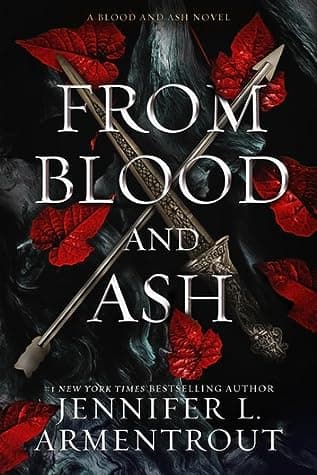
- From Blood and Ash
Jennifer L. Armentrout
4.4 (27k) average on GoodreadsFantasyFeatures a strong female protagonist, a powerful male lead, and a sweeping fantasy romance with high stakes.
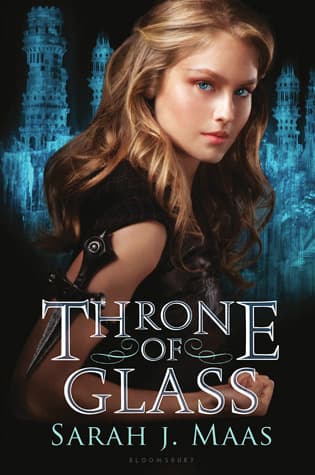
- Throne of Glass
Sarah J. Maas
4.2 (596k) average on GoodreadsFantasyAnother series by the same author with similar themes of war, magic, intricate plots, and strong character development.
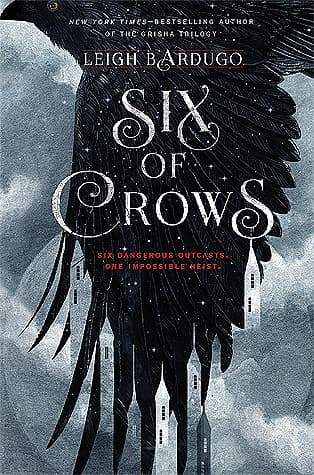
- Six of Crows
Leigh Bardugo
4.4 (316k) average on GoodreadsFantasyBardugo's duology offers tighter plotting, more complex character motivations, and less reliance on romantic melodrama. Its ensemble cast feels more fully realized, with each character having distinct arcs and moral ambiguities, in contrast to some of Maas's secondary characters who can feel underdeveloped.
- Harry Potter and the Sorcerer's Stone
J.K. Rowling
4.5 (7M) average on GoodreadsFantasyRescued from a miserable life under the stairs, an orphaned boy discovers he's a wizard destined for a magical school, where he uncovers a dangerous secret tied to the dark wizard who murdered his parents.
- The Hunger Games
Suzanne Collins
4.3 (6.4M) average on GoodreadsFantasyIn a future where children fight to the death on live television, Katniss Everdeen volunteers for the arena, turning a death sentence into a fight for survival and a spark of rebellion.
- 1984
George Orwell
4.2 (3.1M) average on GoodreadsPoliticsIn a future where surveillance and thought control are absolute, a man's search for truth clashes with the Party, showing that hope can be a form of rebellion.



Enjoyed the summary?
A summary gives you the shape of the book. The book itself has the detail, the examples and the voice.
Find A Court of Wings and Ruin on AmazonAs an Amazon Associate, BookBrief earns from qualifying purchases. How we're funded