

Synopsis
Covers the whole plot, including the ending.
- Difficulty
- Medium
- Pacing
- Slow
- Mood
- Observational, Reflective, Wry, Melancholy, Satirical
- Read it if
- You enjoy vast, character-driven sagas that subtly comment on human nature and British society through a keen observational lens.
- Skip it if
- You prefer fast-paced plots with clear, strong narrative arcs and immediate gratification.
A Dance to the Music of Time Plot Summary
Covers the whole plot, including the ending.
Joining the Regiment
In 'The Valley of Bones,' Nicholas Jenkins, now an officer, joins the 28th Light Division, a Welsh infantry regiment in Northern Ireland. He enters an unfamiliar world of military rank, discipline, and army camaraderie. Jenkins observes the different personalities in his company, including Captain Gwatkin, the often-frustrated Lieutenant Bithel, and the practical RSM Scobell. He deals with the routine yet often strange aspects of training, the constant threat of inspection, and the underlying tension of wartime. His first experiences are marked by feeling out of place and struggling to adapt to the army's rigid structure, a sharp contrast to his pre-war intellectual life.
The Gwatkin Saga
Captain Gwatkin, Jenkins's company commander, is a well-meaning but incompetent officer whose mistakes cause constant problems. His inability to understand basic military procedures, his misplaced enthusiasm, and his poor judgment lead to many funny and frustrating situations. Jenkins, often an unwilling observer, watches Gwatkin struggle with drills, paperwork, and managing his men. Eventually, Gwatkin's repeated failures, including a bad inspection and his misuse of funds, lead to his removal from command. This event shows the arbitrary nature of military authority and the sometimes-harsh realities of wartime efficiency, as Gwatkin's personal flaws are exposed and he is dismissed.
Bithel's Frustrations
Lieutenant Bithel, another officer in Jenkins's company, is driven by ambition and a sense of being wronged. He constantly feels overlooked and undervalued, believing his talents are not recognized. Bithel tries to gain favor with superior officers, especially Major Brecon, and often complains about Gwatkin's leadership. His attempts to promote himself often fail, leading to more humiliation and frustration. Jenkins observes Bithel's desperate actions and his underlying insecurity, which often appears as petty jealousy and resentment toward his peers. Bithel's story comments on the damaging effects of unfulfilled ambition within a rigid system.
The Move to Divisional HQ
As 'The Valley of Bones' ends and 'The Soldier's Art' begins, Jenkins transfers from his infantry regiment to a staff position at Divisional Headquarters. This move changes his wartime experience significantly, taking him from the direct, often chaotic, life of a line officer to the more administrative and political world of staff work. At HQ, he meets new characters and a different kind of military bureaucracy, focused on strategic planning, intelligence gathering, and rivalries between departments. This shift allows Jenkins to see the war from a broader perspective, dealing with the logistical and intellectual challenges of command rather than just tactical ones.
Widmerpool's Ascent
Kenneth Widmerpool, a character seen throughout the series, reappears and continues his rise through the military ranks. Now a staff officer, Widmerpool's ambition, ruthlessness, and ability to navigate bureaucratic systems are more apparent than ever. He is skilled at self-promotion, always siding with those in power and using any chance for advancement. Jenkins observes Widmerpool's growing influence and his cold, calculating approach to wartime service, which differs greatly from the more human failings of characters like Gwatkin. Widmerpool's success, despite his often unlikable personality, comments on the nature of power and survival in wartime.
The London Interlude
During his time at Divisional Headquarters, Jenkins sometimes travels to London on leave or for work. These trips offer a temporary break from military routine and a chance to reconnect with parts of his pre-war life. He meets familiar faces from his past, including X. Trapnel, a struggling writer, and members of the upper class. These meetings often highlight the contrast between the civilian world, still dealing with the war's impact but keeping some sense of normalcy, and the all-consuming reality of military service. These breaks also allow Jenkins to think about the changes the war brought and the lasting nature of certain social groups.
The Intelligence World
As 'The Soldier's Art' leads into 'The Military Philosophers,' Jenkins's role at Divisional Headquarters changes, putting him more into the world of military intelligence and strategic planning. He becomes more involved in gathering information, analyzing enemy movements, and contributing to high-level operational decisions. This period shows him the intellectual challenges and moral complexities in wartime strategy. Jenkins interacts with a variety of officers, some smart, others less so, as they handle the complexities of the global conflict. He observes how personalities, politics, and data combine to shape the war effort, gaining a fuller understanding of the 'big picture.'
General Liddament and the Higher Command
At Divisional Headquarters, Jenkins learns about how higher command works, especially through his observations of General Liddament. Liddament represents the more intellectual and philosophical side of military leadership, concerned not only with immediate victories but also with the broader historical and political meanings of the war. Jenkins sees the pressures and responsibilities senior officers face as they make decisions with far-reaching consequences. This exposure to the 'military philosophers' of the title offers a look into the minds that shape the war, showing their strengths, weaknesses, and often their deep isolation under the immense burden of command. Jenkins reflects on different leadership styles and how personality affects strategic outcomes.
The Decline of Trapnel
The character of X. Trapnel, a writer Jenkins has known for some time, declines significantly during this period. Trapnel, a bohemian and somewhat reckless figure, finds his life falling apart amid the wartime chaos and his own problems. His writing ambitions are stopped, his relationships become strained, and he struggles with poverty and self-destruction. Jenkins, watching Trapnel's path, thinks about how fragile artistic life is during wartime and how hard it is to keep one's identity and creative spirit in the face of societal upheaval. Trapnel's story contrasts with the more structured military narratives, showing the different ways individuals are affected by the war.
The End of the War in Europe
As 'The Military Philosophers' continues, the story moves toward the end of the war in Europe. Jenkins and his colleagues at Headquarters are deeply involved in the final strategic moves and the growing awareness of the coming Allied victory. The atmosphere is filled with a mix of exhaustion, anticipation, and a growing sense of reflection on the war's immense human cost. The eventual announcement of VE Day brings a deep sense of relief, but also a quiet thought about what has been lost and what the future holds. Jenkins observes the reactions of those around him, from joy to somber acceptance, as the conflict that has defined so many years of their lives finally ends on the European front.
Principal Figures
Nicholas Jenkins
Protagonist
The reflective narrator, an officer in the British Army during WWII.
Nicholas Jenkins serves as the observant and introspective narrator, chronicling his experiences in the British Army during World War II. Initially a junior officer in an infantry regiment, he later transitions to a staff role at Divisional Headquarters. Jenkins is characterized by his intellectual curiosity, his keen eye for human behavior, and his often detached yet empathetic perspective. He navigates the complexities of military life, observing the absurdities, triumphs, and tragedies of those around him, while also reflecting on the broader historical and philosophical implications of the war. He is a witness rather than a central actor in many events, making him an ideal lens through which to view the diverse cast of characters.
Relationships: Captain Gwatkin (subordinate officer observing a superior's incompetence); Lieutenant Bithel (colleague, observed with a mix of pity and amusement); Kenneth Widmerpool (long-standing acquaintance, observed with fascination and mild disdain); X. Trapnel (friend and literary acquaintance, observed with concern)
Captain Gwatkin
Supporting
A well-meaning but utterly incompetent company commander.
Captain Gwatkin is Jenkins's company commander in 'The Valley of Bones,' a figure of tragicomic incompetence. Despite his earnestness and desire to do well, Gwatkin is fundamentally unsuited for military leadership. He struggles with basic procedures, makes poor decisions, and lacks the authority to command respect effectively. His character embodies the sometimes-absurd realities of wartime appointments and the human cost of placing unsuitable individuals in positions of power. Gwatkin's downfall is both pathetic and inevitable, highlighting the unforgiving nature of the military machine during wartime.
Relationships: Nicholas Jenkins (commanding officer, observed by Jenkins); Lieutenant Bithel (subordinate officer, subject of Bithel's complaints)
Lieutenant Bithel
Supporting
An ambitious and resentful junior officer.
Lieutenant Bithel is a junior officer in Jenkins's company, characterized by his intense ambition, his pervasive sense of grievance, and his constant efforts to advance his career. He sees himself as overlooked and undervalued, leading to bitterness and petty rivalries with his colleagues. Bithel is a master of sycophancy when it suits him, but also quick to criticize those he perceives as beneath him. His desperation for recognition often leads to embarrassing failures, making him a figure of both irritation and occasional pity for Jenkins. Bithel represents the less admirable aspects of human ambition within a hierarchical system.
Relationships: Nicholas Jenkins (colleague, observed by Jenkins); Captain Gwatkin (superior officer, frequently complained about by Bithel)
Kenneth Widmerpool
Supporting
A ruthlessly ambitious and ever-ascending military officer.
Kenneth Widmerpool is a recurring character from earlier volumes who continues his relentless rise through the military ranks. By the time Jenkins encounters him in these volumes, Widmerpool is a staff officer, displaying an almost inhuman drive, an uncanny ability to navigate bureaucracy, and a complete lack of sentimentality. He is a master of self-promotion and political maneuvering, always ensuring he is in the right place at the right time. Widmerpool's success, despite his often unlikable and mechanical personality, serves as a powerful commentary on the nature of power, ambition, and survival, particularly in the unforgiving environment of wartime. He represents a kind of practical, unfeeling efficiency.
Relationships: Nicholas Jenkins (long-standing acquaintance, observed by Jenkins with a mix of fascination and apprehension)
X. Trapnel
Supporting
A bohemian and struggling writer whose life unravels during the war.
X. Trapnel is a writer, known to Jenkins from earlier volumes, whose life takes a tragic downturn during the war. He is a bohemian figure, somewhat dissolute and often financially precarious, but possessing a genuine, if unfulfilled, literary talent. Trapnel struggles to maintain his artistic integrity and personal stability amidst the chaos of wartime London. His character highlights the vulnerability of the artistic temperament in a world consumed by conflict and the difficulties of sustaining a creative life outside the structures of conventional society. His decline is a poignant illustration of the war's impact on those outside the direct military sphere.
Relationships: Nicholas Jenkins (friend and literary acquaintance, observed with concern and sympathy)
General Liddament
Supporting
A thoughtful and philosophical figure in higher command.
General Liddament is a senior officer at Divisional Headquarters, representing the more intellectual and reflective side of military leadership. Unlike some of the more purely pragmatic or ambitious characters, Liddament possesses a broader understanding of history, strategy, and the philosophical implications of the war. He is a 'military philosopher' in the truest sense, grappling with the immense responsibilities of command and the moral complexities of conflict. Jenkins observes Liddament with respect, seeing in him a figure who attempts to bring wisdom and foresight to the brutal realities of war. His presence adds a layer of intellectual depth to the portrayal of the military establishment.
Relationships: Nicholas Jenkins (superior officer, observed with respect and intellectual curiosity)
RSM Scobell
Supporting
A pragmatic and experienced Regimental Sergeant Major.
RSM Scobell is the Regimental Sergeant Major in Jenkins's initial infantry company. He is a seasoned, no-nonsense soldier who embodies the practical, often gruff, efficiency of the non-commissioned officer corps. Scobell is dedicated to maintaining discipline and order, often serving as a foil to Captain Gwatkin's incompetence. He is a figure of authority and experience, representing the backbone of the army, focused on the day-to-day realities of training and command. Jenkins observes Scobell's unwavering commitment to duty and his ability to navigate the complexities of military life with stoicism and pragmatic leadership.
Relationships: Nicholas Jenkins (superior NCO, observed by Jenkins); Captain Gwatkin (superior officer, whose shortcomings Scobell often has to manage)
Major Brecon
Supporting
A severe and imposing senior officer.
Major Brecon is a formidable and somewhat intimidating figure in Jenkins's early military career. He is a strict disciplinarian, focused on efficiency and adherence to military protocol. Brecon often serves as a source of anxiety for junior officers like Gwatkin and Bithel, who constantly try to impress him or avoid his wrath. He represents the unyielding, demanding aspect of military authority, and his presence often precipitates crises or inspections that expose the weaknesses of those under his command. Brecon is a character who embodies the harsh realities of wartime command and the pressure to perform.
Relationships: Nicholas Jenkins (superior officer); Captain Gwatkin (subordinate officer, subject to Brecon's scrutiny); Lieutenant Bithel (subordinate officer, whom Bithel tries to impress)
Themes & Insights
The Absurdity and Bureaucracy of War
The novels detail the often-strange and bureaucratic nature of military life during wartime. Through Jenkins's observations, the reader sees the inefficiency, petty rivalries, and illogical decisions in the army, even during a global conflict. From Captain Gwatkin's mistakes in 'The Valley of Bones' to the complex workings of Divisional Headquarters, the story shows how human flaws and institutional slowness can complicate even the most serious efforts. This theme highlights the gap between the idealized idea of military heroism and the routine, often frustrating, reality of service.
“War, if it was to be anything more than a chaotic shambles, had to be run by the book. But the book was often written by fools.”
The Nature of Power and Ambition
A main theme is how individuals seek, use, and are affected by power, especially within the military's strict hierarchy. Characters like Kenneth Widmerpool show ruthless ambition, demonstrating an ability to navigate and use the system for personal gain, regardless of warmth or ethics. In contrast, characters like Captain Gwatkin fail because they cannot command authority, while Lieutenant Bithel's frustrated ambition leads to his downfall. The novels suggest that power is often gained not by merit alone, but by a mix of cunning, timing, and a certain detachment from common morality, especially in times of crisis.
“Widmerpool, in his element, seemed to be almost generating the war himself, harnessing its chaos to his own inexorable advance.”
The Impact of War on Society and Individuals
While mainly focused on military life, the novels also explore World War II's broader impact on English society and individual lives. Through Jenkins's occasional leaves in London and meetings with civilians, the reader sees how the war affects all aspects of existence, changing social norms, personal relationships, and artistic efforts. The decline of X. Trapnel, a struggling writer, is an example of how individuals outside the military also suffer and struggle. The war acts as a catalyst, speeding up social change and revealing underlying character traits, forcing everyone to face a new reality.
“The war, like some immense, irresistible force, was reshaping everything, even the very air we breathed.”
Memory and the Passage of Time
As with the entire 'A Dance to the Music of Time' series, memory and the passage of time are core themes. Jenkins, as the narrator, often reflects on past events and characters, connecting his wartime experiences with his earlier life. The story often moves between present observations and past memories, creating a rich picture of interconnected lives and historical moments. This reflective approach emphasizes how the past shapes the present and how individual destinies are formed by a continuous, unfolding history. The war itself becomes a huge marker in this long sweep of time.
“How many dances had already been trodden out since those early, almost innocent days? The music played on, relentless.”
Plot Devices & Literary Techniques
First-Person Retrospective Narration
The story is told from the perspective of Nicholas Jenkins, looking back on his experiences.
The entire sequence is narrated by Nicholas Jenkins in the first person, but crucially, it is a retrospective narration. Jenkins recounts events from a point in the future, allowing him to infuse his observations with the wisdom of hindsight and to draw connections between seemingly disparate events and characters over a long period. This device enables a deeper thematic exploration of memory, change, and the interconnectedness of lives. It also lends an elegiac and philosophical tone to the narrative, as Jenkins reflects on the 'dance' of life and the patterns he perceives.
The Observer-Narrator
Jenkins often acts as a detached, yet insightful, observer of others' lives.
Nicholas Jenkins primarily functions as an observer-narrator. While he participates in events, his role is frequently that of a witness to the actions and interactions of others, particularly more flamboyant or dynamic characters like Widmerpool or Gwatkin. This allows for a broad cast of characters to be introduced and explored through his keen, often ironic, gaze, without requiring Jenkins himself to be the central mover of the plot. This device emphasizes the idea of life as a 'dance' where individuals play their parts, and Jenkins is there to record the choreography.
Recurring Characters
Key characters reappear and evolve across the entire twelve-novel sequence.
A fundamental device is the consistent reappearance and development of a large cast of characters across the entire 'A Dance to the Music of Time' sequence. This allows for a detailed, long-term exploration of character arcs, social mobility, and the enduring nature of certain personality types. Characters like Widmerpool, who appears in various stages of his life and career, provide a sense of continuity and demonstrate the profound impact of time and circumstance on individual destinies. This device creates a rich, interconnected social tapestry against the backdrop of twentieth-century England.
Social Microcosm (Military Setting)
The army serves as a concentrated environment reflecting broader societal structures.
The military setting of these three volumes functions as a social microcosm. The rigid hierarchy, diverse personalities, and pressures of wartime service create a concentrated environment that mirrors and exaggerates broader societal structures and human behaviors. Within the army, issues of class, ambition, competence, and leadership are thrown into sharp relief, allowing Powell to explore universal themes of power dynamics, social maneuvering, and individual struggles against institutional forces. The regiment and headquarters become stages where human nature is revealed under extreme conditions.
A Dance to the Music of Time Quotes
“Books do not offer a 'good life', but only a good time, and that is not the same thing.”
“The past is a foreign country; they do things differently there.”
“It is not easy to make a person unhappy if they do not know it.”
“Growing old is like being increasingly penalized for a crime you haven't committed.”
“What one knows is, in the end, less important than what one feels.”
“One finds oneself in a new world, a new way of life, and one's past seems to belong to someone else.”
“The human heart is an ocean of secrets.”
“Life, in short, is a dance to the music of time.”
“Memory is not a document but a process.”
“People sometimes talk about the 'good old days.' I don't believe in them. I believe in the good new days.”
“The essential nature of a human being is not to be found in what he says or does, but in what he is.”
“One must remember that even the most trivial encounter can have unforeseen consequences.”
“There are some people who can't stand the truth, and others who can't stand anything else.”
“The feeling of loneliness is the most terrible of all.”
“To be adult is to be alone.”
Quiz
10 questions on the plot and the characters. Each answer comes with a short explanation.
Question 1
In 'The Valley of Bones', what is the name of the unit Nicholas Jenkins is initially assigned to as a junior officer?
- The Grenadier Guards
- The Royal Tank Regiment
- The 234th (Welsh) Field Regiment, Royal Artillery
- The 8th Battalion, Welsh Regiment
Show answer
D. The 8th Battalion, Welsh Regiment Nicholas Jenkins is initially posted to the 8th Battalion, Welsh Regiment, where he experiences the mundane and often absurd aspects of wartime training in 'The Valley of Bones'.
Question 2
Which character, known for his Bohemian past and later his military career, does Nicholas Jenkins encounter frequently in Volume 3, especially during his time in intelligence?
- X. Trapnel
- Kenneth Widmerpool
- Charles Stringham
- Mark Members
Show answer
B. Kenneth Widmerpool Kenneth Widmerpool, a recurring character throughout the sequence, rises through the ranks during the war and frequently crosses paths with Jenkins, particularly when Jenkins moves into intelligence work.
Question 3
In 'The Soldier's Art', what is the primary role Nicholas Jenkins takes on after leaving his infantry unit?
- A war correspondent
- A staff officer in intelligence
- A tank commander
- A company commander in a front-line unit
Show answer
B. A staff officer in intelligence After his infantry experience, Jenkins is transferred to a staff position in intelligence, which provides him with a new perspective on the war and allows him to observe a different set of characters.
Question 4
What significant personal event occurs for Nicholas Jenkins towards the end of Volume 3, specifically in 'The Military Philosophers'?
- He is promoted to Brigadier.
- He gets married.
- He publishes his first novel.
- He is sent on a secret mission abroad.
Show answer
B. He gets married. In 'The Military Philosophers', Nicholas Jenkins marries Isobel Tolland, a significant development in his personal life that occurs amidst the ongoing war.
Question 5
Which recurring female character, previously involved with Peter Templer and later married to someone else, does Jenkins encounter again in Volume 3, often in unexpected circumstances related to military life?
- Jean Duport
- Lady Molly Jeavons
- Pamela Flitton
- Matilda Wilson
Show answer
A. Jean Duport Jean Duport, a character from earlier volumes, reappears in Volume 3, often entangled in complex personal and military situations, continuing to exemplify the cyclical nature of Jenkins's social encounters.
Question 6
A key theme explored in Volume 3, particularly through Jenkins's diverse military experiences, is the contrast between the perceived glory of war and its actual reality. Which of these best represents this contrast?
- The constant threat of enemy attack versus the boredom of training.
- The heroic narratives in propaganda versus the bureaucratic inefficiency and personal pettiness of military life.
- The camaraderie among soldiers versus the loneliness of command.
- The strategic importance of battles versus the individual soldier's lack of agency.
Show answer
B. The heroic narratives in propaganda versus the bureaucratic inefficiency and personal pettiness of military life. Volume 3 extensively details the bureaucratic absurdities, the social machinations, and the personal dramas within the military, often contrasting sharply with any idealized notion of wartime heroism or efficiency.
Question 7
In 'The Military Philosophers', what specific task or conference is Nicholas Jenkins involved with that brings together various Allied representatives?
- The planning of the D-Day landings.
- A conference on inter-Allied military philosophy and cultural exchange.
- The development of new secret weapons.
- The negotiation of a prisoner exchange.
Show answer
B. A conference on inter-Allied military philosophy and cultural exchange. Jenkins's role involves facilitating and observing an inter-Allied conference focusing on the philosophical and cultural aspects of the war effort, allowing Powell to satirize bureaucratic international relations.
Question 8
Which character, known for his literary ambitions and often financial struggles in earlier volumes, makes a brief but memorable appearance in Volume 3, further highlighting the impact of the war on artists and intellectuals?
- J.G. Quiggin
- G.F. Hadji-Mihalis
- X. Trapnel
- Leonard Brecon
Show answer
C. X. Trapnel X. Trapnel, the eccentric writer from 'The Kindly Ones', makes a significant if brief reappearance in 'The Soldier's Art', showing how even peripheral literary figures are drawn into the war's orbit, often with tragic results.
Question 9
The title 'The Valley of Bones' is an allusion to a biblical passage. Which book of the Bible is it primarily referencing, and what does this allusion suggest about the novel's themes?
- Genesis; the creation of life from nothing, symbolizing new beginnings in war.
- Revelation; the end of times, suggesting the apocalyptic nature of modern warfare.
- Ezekiel; the resurrection of dry bones, symbolizing the reanimation of a dormant military or a return to life after decay.
- Job; suffering and endurance, reflecting the hardships faced by soldiers.
Show answer
C. Ezekiel; the resurrection of dry bones, symbolizing the reanimation of a dormant military or a return to life after decay. 'The Valley of Bones' alludes to Ezekiel 37, where dry bones are brought back to life. This symbolizes the raising of a new army from civilian life, the often-lifeless routine of military training, and the potential for rebirth amidst destruction.
Question 10
Throughout Volume 3, the concept of 'the dance' — the overarching metaphor of the series — is subtly woven into Jenkins's wartime experiences. How does the military context specifically reinforce or alter this metaphor?
- The rigid hierarchy and formalized movements of military life create a more structured and predictable 'dance'.
- The chaos and randomness of war emphasize that 'the dance' is entirely without pattern or meaning.
- The military environment, despite its apparent order, reveals a heightened intensity of human foibles, power struggles, and unexpected connections, making 'the dance' both more constrained and more absurdly dramatic.
- The sense of national unity in wartime temporarily halts the individual 'dance' in favor of a collective, synchronized movement.
Show answer
C. The military environment, despite its apparent order, reveals a heightened intensity of human foibles, power struggles, and unexpected connections, making 'the dance' both more constrained and more absurdly dramatic. The military setting, with its enforced routines and high stakes, paradoxically amplifies the individual quirks, ambitions, and interrelationships of the characters, showing 'the dance' continuing with greater intensity and often more ludicrous steps beneath the surface of wartime discipline.
A Dance to the Music of Time FAQ
What is the overarching setting and focus of 'The Valley of Bones'?
'The Valley of Bones' primarily takes place at a training camp in Northern Ireland during World War II, focusing on Nicholas Jenkins's experiences as an infantry officer in a Welsh regiment. The novel details the mundane yet often absurd realities of military life, training exercises, and the diverse personalities within his company before they are deployed.
Who are some of the key new characters introduced in 'The Valley of Bones'?
Key new characters include Captain G. T. S. Biggs, a highly eccentric and somewhat incompetent company commander, and Lieutenant Gareth Le Bas, a sensitive and artistically inclined young officer. Other notable figures are Private Dai Davies, a formidable Welsh soldier, and Corporal Gwylt, who struggles with the hierarchy.
What significant event marks the climax or turning point in 'The Valley of Bones'?
The climax involves the regiment's preparation for overseas deployment and the subsequent unexpected disbandment of Nicholas's company due to reorganization. This event shatters the camaraderie and sense of purpose built during their training, leading to officers and men being reassigned to various other units.
How does 'The Soldier's Art' shift Nicholas Jenkins's military experience?
'The Soldier's Art' sees Nicholas transferred to a different unit, a headquarters staff dealing with military intelligence and liaison, primarily in London. This shift moves him from the direct, physical realities of infantry training to a more bureaucratic, intellectual, and often clandestine aspect of wartime service, allowing for encounters with a different social milieu.
Which recurring characters from earlier volumes reappear prominently in 'The Soldier's Art'?
Characters like Widmerpool, now a major and rapidly rising through the ranks, and Kenneth Widmerpool's former fiancée, Pamela Flitton, make significant reappearances. Also present are figures such as Stringham, now in a non-combatant role, and Bithel, providing continuity and showing their wartime transformations.
What is the central focus of 'The Military Philosophers'?
'The Military Philosophers' continues Nicholas's wartime career, placing him in a role involved with Allied liaison and psychological warfare, often attending international conferences. The novel explores the broader geopolitical and intellectual currents of the war, as well as the personal dramas unfolding against this backdrop, leading up to the war's end.
What is the significance of the title 'The Valley of Bones' in relation to the biblical reference?
The title 'The Valley of Bones' directly references Ezekiel's vision of the dry bones, symbolizing the regiment's fragmented and seemingly lifeless state before and during its formation and subsequent dispersal. It suggests a potential for resurrection or reorganization, but also the inherent fragility and impermanence of military units and individual lives during wartime.
How does the character of Widmerpool evolve through these three novels, particularly in his social standing?
Widmerpool's social standing dramatically improves, reflecting his relentless ambition and adaptability during wartime. In 'The Soldier's Art' and 'The Military Philosophers', he is a rising star, a Major and later a Lieutenant-Colonel, accumulating influence and power. His rise contrasts sharply with Nicholas's more passive observation, highlighting the opportunities the war presents for certain personalities.
What subtle connections are drawn between the military world and the civilian world Nicholas previously inhabited?
Subtle connections are drawn through character reappearances and shared social circles. For example, the eccentricities and power dynamics observed in the civilian artistic and literary world are mirrored in the military hierarchy, often in more exaggerated forms. Nicholas's observations of human nature transcend both spheres, revealing underlying patterns.
How does Pamela Flitton's character serve as a catalyst or disruptor in 'The Soldier's Art'?
Pamela Flitton acts as a highly disruptive force, primarily through her chaotic personal life and her affair with Stringham, Widmerpool's former commanding officer. Her volatile presence and sexual escapades create scandal and tension, impacting the reputations and emotional states of several characters, including Widmerpool and Stringham, exposing vulnerabilities.
How does Nicholas Jenkins's role as an observer influence the narrative tone and character development in these volumes?
Nicholas's role as a detached observer lends a contemplative and often ironic tone to the narrative. His analytical perspective allows for deep psychological insight into other characters without overt judgment, shaping their development through his detailed descriptions of their idiosyncrasies, ambitions, and vulnerabilities rather than through direct action.
Analyze the psychological impact of military hierarchy and bureaucracy on individual characters like Biggs or Le Bas.
Military hierarchy and bureaucracy have varied psychological impacts. Biggs thrives on the superficial authority it grants him, despite his incompetence, revealing a need for control. Le Bas, however, is stifled by its rigidity, struggling with the loss of individuality and artistic expression, leading to a sense of disillusionment and potential breakdown, highlighting the strain on sensitive natures.
What psychological traits allow characters like Widmerpool to flourish in the wartime environment?
Widmerpool's success in wartime stems from his ruthless ambition, lack of empathy, and meticulous attention to detail and procedure. His ability to navigate bureaucracy, exploit opportunities, and project an image of unwavering competence, combined with a profound social awkwardness that paradoxically makes him seem unassailable, allows him to rise where others falter.
How do these novels explore the psychological effects of prolonged war on the collective and individual psyche?
The novels explore the psychological effects of war by showing both the resilience and the erosion of individual psyches. Characters exhibit a range of responses, from the fatalism of some soldiers to the opportunism of others. The collective psyche shows a blend of duty, boredom, fear, and a gradual desensitization to the absurdities and tragedies of the conflict, leading to a pervasive sense of detachment.
Is the military presented as a meritocracy or a system driven by chance and connections?
The military is presented as a complex system driven by a combination of chance, connections, and, to a lesser extent, merit. While some genuinely capable individuals rise, the narrative frequently highlights instances where personal connections, social background, or sheer luck play a more significant role in promotions and postings, as exemplified by Widmerpool's ascent despite his social awkwardness.
How do the recurring themes of time and change manifest specifically in the wartime setting of these volumes?
In these wartime volumes, time and change manifest intensely through the rapid shifts in careers, relationships, and social structures. The war accelerates the flow of time, bringing sudden promotions, unexpected deaths, and the dissolution of old social hierarchies. Nicholas observes how individuals are transformed, often irrevocably, by the pressures and opportunities of conflict, altering their personal trajectories.
To what extent do these novels offer a critique of the British class system, even within the military context?
These novels offer a subtle but persistent critique of the British class system, even within the supposedly egalitarian military. While the war ostensibly levels some distinctions, underlying class biases still influence opportunities, social interactions, and perceptions of competence. Nicholas's observations frequently highlight how old school ties and social standing continue to play a role in military advancement and social acceptance.
What is the author's stance on the futility or necessity of war, as conveyed through Nicholas's perspective?
Through Nicholas's perspective, the author conveys a nuanced view, acknowledging the necessity of fighting the war while simultaneously highlighting its inherent futility and absurdity. Nicholas observes the immense waste of human potential, the often arbitrary nature of military decisions, and the personal tragedies, suggesting a profound skepticism about the grand narratives of war, focusing instead on its human cost.
About the author
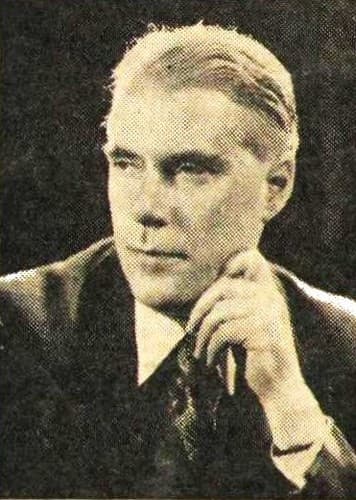
Anthony Dymoke Powell was an English novelist best known for his 12-volume work A Dance to the Music of Time, published between 1951 and 1975. It is on the list of longest novels in English.
Similar books
- Brideshead Revisited
Evelyn Waugh
4.0 (93k) average on GoodreadsLiterary FictionExplores English society, class, and memory with a reflective, often melancholic tone, though more focused.
- Nineteen Eighty-Four
George Orwell
4.2 (5.5M) average on GoodreadsFictionWinston Smith dreams of truth and rebellion in a world where Big Brother watches all, but he confronts the terrifying power of a regime that controls not just actions, but thoughts.
- The Frozen River
Ariel Lawhon
4.4 (600k) average on GoodreadsFictionIn 1789 Maine, a heroic midwife's diary helps her expose a murder and get justice in a town that wants to silence her.
- A Man Called Ove
Fredrik Backman
4.4 (569k) average on GoodreadsFictionA stubborn widower, who lives by strict rules, finds his quiet world changed by a lively new family next door, making him face his past and find happiness in human connection.
- The Art of Racing in the Rain
Garth Stein
4.2 (452k) average on GoodreadsFictionThrough the eyes of Enzo, a wise and observant dog, a race car driver's family navigates a journey of love, loss, and resilience, learning that life's most important lessons often come in the curves, not just on the straightaways.
- The Colour of Magic
Terry Pratchett
4.0 (425k) average on GoodreadsFictionOn a discworld hurtling through space on the back of a giant turtle, an inept wizard and his naive, walking-luggage-toting tourist embark on a chaotic, belief-fueled journey to the very edge of their flat planet, encountering dragons that only exist if you believe in them.






Enjoyed the summary?
A summary gives you the shape of the book. The book itself has the detail, the examples and the voice.
Find A Dance to the Music of Time on AmazonAs an Amazon Associate, BookBrief earns from qualifying purchases. How we're funded