

Synopsis
Covers the whole plot, including the ending.
- Difficulty
- Medium
- Pacing
- Moderate
- Mood
- Suspenseful, Ambitious, Dramatic, Intriguing
- Read it if
- You enjoy sweeping historical thrillers with intricate plots, financial intrigue, and a strong sense of justice prevailing against corruption.
- Skip it if
- You prefer fast-paced action over detailed historical context and financial machinations, or are sensitive to themes of deep-seated betrayal and manipulation.
A Dangerous Fortune Plot Summary
Covers the whole plot, including the ending.
The Windfield Tragedy and Its Immediate Aftermath
In 1866, at the Windfield School, a student named Hugh Pilaster drowns. The incident happens during a forbidden late-night swim with Micky Miranda, Edward Pilaster (Hugh's cousin), Peter Middleton, and Hugh's younger brother, Billy Pilaster. Though called an accident, Billy and Peter suspect Micky Miranda pushed Hugh. Micky's powerful father, Samuel Miranda, covers it up with the headmaster and Edward's father, Joseph Pilaster, to protect his son and the school's name. Billy is sent to a boarding school in Scotland, Peter is silenced, and Edward prepares for a future in the Pilaster family bank.
The Seeds of Ambition and Betrayal
Twenty years later, in 1886, Billy Pilaster returns to London, having made his fortune in America. He wants to prove he can run the Pilaster bank, despite being an outsider, and find the truth about his brother Hugh's death. Edward Pilaster, now a senior partner in the bank, is married to Augusta, a manipulative woman who is Samuel Miranda's daughter. Peter Middleton, a bank clerk, is still affected by the Windfield incident and remains loyal to Billy. Micky Miranda, a financier, has great power and wealth, often clashing with Billy and the Pilaster bank.
A Web of Financial Intrigue and Personal Rivalries
Billy quickly becomes a shrewd financier, earning the respect of senior partners at Pilaster bank, which annoys Edward. Edward, relying more on his father-in-law Samuel Miranda and his wife Augusta, starts making bad financial decisions, often driven by greed and a desire to beat Billy. The rivalry between Billy and Edward grows, reflecting the unspoken tensions from Windfield. Billy finds an ally in Maisie Robinson, a spirited and intelligent woman from a less privileged background, who becomes his secretary and love interest. Their relationship is complicated by class differences and the power struggle within the bank.
The Collapse of Barings Bank and Pilaster's Vulnerability
The Baring Crisis, caused by Argentina's inability to pay debts, shakes the global financial market. Pilaster bank, with heavy investments in Argentine bonds due to Edward's aggressive strategies, is in trouble. Samuel Miranda, seeing a chance, subtly pushes Edward into more risky ventures, aiming to destabilize the bank and possibly take control. Billy, seeing the crisis, tries to warn the other partners, but Edward, blinded by arrogance and his wife's influence, ignores him. The bank faces ruin, and partners question Edward's leadership and his involvement with Samuel Miranda.
Maisie's Discovery and the Threat of Exposure
Maisie, working for Billy, finds old letters and documents about the Windfield School. Her intelligence leads her to question the official story of Hugh Pilaster's death. She finds evidence of a cover-up, a letter from the headmaster to Joseph Pilaster hinting at Micky Miranda's direct involvement. Realizing what she found, Maisie tells Billy, renewing his desire to find the full truth. Their investigation starts to threaten the powerful people who covered up the original incident, especially Samuel Miranda and Micky.
Blackmail and Manipulation
As the Pilaster bank nears collapse, Samuel Miranda shows his true intentions. He blackmails Edward with evidence of his financial mismanagement and possibly illegal dealings related to the Argentine investments. Samuel offers to 'save' the bank, but only if Edward agrees to his terms, which include giving Samuel a controlling interest and removing Billy. Edward, desperate to avoid public disgrace and financial ruin, has to agree, solidifying Samuel's power. Augusta, aware of her father's plans, quietly encourages Edward's downfall to benefit her family's wealth and status.
Billy's Fight for Justice and the Bank
Billy, with Maisie and Peter Middleton, investigates Hugh's death more deeply, believing it holds the key to Samuel Miranda's long-term plans. They discover that Samuel Miranda had a financial reason for Hugh Pilaster's death, as Hugh was to inherit a large part of the bank, and his death allowed Edward (Samuel's son-in-law) to gain power. Billy also works to get support from other bankers and the Bank of England to stop Samuel Miranda from taking over Pilaster bank. He believes that only by exposing the historical crime can he stop Samuel's current power grab.
The Confrontation and the Truth Revealed
Billy, with Maisie's findings and Peter's memories, confronts Micky Miranda. Under pressure and the threat of public exposure, Micky confesses the truth about Hugh's death: he pushed Hugh into the water, knowing Hugh couldn't swim well, and held him under. This was not an accident but a malicious act. Micky's confession involves Samuel Miranda in the cover-up, showing their depravity. This confession gives Billy the leverage he needs to get justice for Hugh and challenge Samuel Miranda's control over the bank.
The Downfall of the Mirandas and Edward
With Micky's confession, Billy presents the evidence to the other Pilaster partners and the authorities. The scandal shocks London's financial and social elite. Samuel Miranda's reputation is ruined, and his attempts to take over Pilaster bank are stopped. Edward Pilaster, involved in the cover-up and his own financial misdeeds, faces ruin. Augusta, her schemes exposed, loses her standing. The Miranda family's empire starts to crumble. Justice for Hugh Pilaster, though long delayed, is finally served, and the Pilaster bank's integrity is restored after great turmoil.
A New Beginning for Billy and Pilaster Bank
Afterward, Billy Pilaster becomes the leader of Pilaster bank. His integrity, courage, and financial skill are recognized, and he rebuilds the bank's reputation and stability. Edward is forced out, and the Mirandas are disgraced. Billy, having achieved justice for his brother and control of the bank, is free to pursue his happiness. He marries Maisie Robinson, who proved to be an invaluable partner in his professional and personal life. Together, they look to a future where the Pilaster bank is run with honesty and foresight, free from the past's shadows.
A Dangerous Fortune Characters
Billy Pilaster
Protagonist
Ambitious and principled financier seeking justice for his brother and control of his family's bank.
Billy Pilaster is the younger brother of Hugh and cousin to Edward. Orphaned and sent away after Hugh's death, he returns to London years later, having made his own fortune in America. He is intelligent, driven, and possesses a strong moral compass. His primary motivations are to uncover the truth behind his brother's suspicious drowning and to prove his worth in the cutthroat world of finance, ultimately aiming to lead the Pilaster bank with integrity. He is a keen observer and a shrewd businessman, often clashing with his cousin Edward and the powerful Samuel Miranda.
Relationships: Hugh Pilaster (Older brother, whose death drives Billy's quest for justice); Edward Pilaster (Cousin and rival for control of Pilaster bank); Maisie Robinson (Secretary, confidante, and later wife); Peter Middleton (Childhood friend and loyal ally); Samuel Miranda (Arch-nemesis and orchestrator of the cover-up)
Edward Pilaster
Antagonist/Major Supporting
Billy's ambitious but incompetent cousin, manipulated by the Mirandas.
Edward Pilaster is Hugh's cousin and Billy's rival. Initially groomed for leadership in the Pilaster bank, he is vain, arrogant, and easily influenced, particularly by his wife Augusta and father-in-law Samuel Miranda. He lacks Billy's financial acumen and moral integrity, often making risky and self-serving decisions that endanger the bank. His complicity in the Windfield cover-up and his subsequent financial misjudgments make him a pawn in Samuel Miranda's larger scheme. He represents the corrupt and entitled side of the London financial establishment.
Relationships: Billy Pilaster (Cousin and bitter rival); Augusta Miranda Pilaster (Wife, who subtly controls and manipulates him); Samuel Miranda (Father-in-law and ultimate manipulator); Hugh Pilaster (Cousin, whose death he was involved in covering up)
Samuel Miranda
Antagonist
Ruthless and powerful financier, orchestrator of the Windfield cover-up and schemes against Pilaster bank.
Samuel Miranda is the patriarch of the Miranda family, Micky's father, and Augusta's father. He is a formidable and utterly ruthless financier, driven by a boundless thirst for wealth and power. He masterminds the cover-up of Hugh Pilaster's death to protect his son Micky and strategically positions his family to gain control of the Pilaster bank. He is cunning, patient, and morally bankrupt, capable of manipulating entire markets and individuals to achieve his goals. His influence extends across London's financial and political circles, making him a dangerous adversary.
Relationships: Micky Miranda (Son, whom he protects and uses); Augusta Miranda Pilaster (Daughter, who is his accomplice in manipulation); Edward Pilaster (Son-in-law, whom he ruthlessly exploits); Billy Pilaster (Primary antagonist and ultimate undoing)
Maisie Robinson
Supporting/Love Interest
Intelligent and spirited secretary who becomes Billy's invaluable ally and wife.
Maisie Robinson is a bright, independent, and resourceful young woman from a working-class background. She initially works as Billy Pilaster's secretary, quickly proving her intelligence and capability. She is drawn to Billy's integrity and ambition, and their professional relationship deepens into a romantic one. Maisie is crucial to the plot, as her keen eye for detail and investigative skills lead her to uncover vital clues regarding Hugh Pilaster's death. She represents a new kind of woman, breaking free from societal constraints and proving her worth in a male-dominated world.
Relationships: Billy Pilaster (Employer, love interest, and later wife); Edward Pilaster (Colleague, whom she distrusts)
Micky Miranda
Antagonist
Samuel Miranda's cruel son, responsible for Hugh Pilaster's death.
Micky Miranda is Samuel Miranda's son and Augusta's brother. From a young age, he exhibits a cruel and reckless nature, culminating in his deliberate drowning of Hugh Pilaster at Windfield School. Protected by his powerful father, he grows into a ruthless and arrogant financier, operating with impunity. He is a constant source of trouble and a direct threat to Billy Pilaster. His past crime hangs over the narrative, driving much of the mystery and conflict. He is impulsive and violent, a stark contrast to his father's calculating nature.
Relationships: Samuel Miranda (Father, who protects him from consequences); Augusta Miranda Pilaster (Sister, who benefits from his actions); Hugh Pilaster (Victim of his murder); Billy Pilaster (Avenger of his crime)
Augusta Miranda Pilaster
Supporting Antagonist
Edward's manipulative wife and Samuel Miranda's equally ambitious daughter.
Augusta is Samuel Miranda's daughter and Micky's sister, married to Edward Pilaster. She is as cold, calculating, and ambitious as her father, often subtly manipulating Edward to serve her family's interests and consolidate their power within the Pilaster bank. She values wealth and social standing above all else and is completely devoid of genuine affection for Edward. She is a master of social maneuvering and plays a key role in isolating Edward from the bank's true interests, pushing him towards ruin for her family's gain.
Relationships: Edward Pilaster (Husband, whom she manipulates); Samuel Miranda (Father, with whom she conspires); Micky Miranda (Brother, whose crime she benefits from); Billy Pilaster (Rival for control of the bank)
Peter Middleton
Supporting
Childhood friend of Billy and Hugh, haunted by the Windfield tragedy.
Peter Middleton was a schoolmate of Hugh, Billy, Edward, and Micky at Windfield. He witnessed Hugh's drowning and suspected Micky of foul play but was intimidated into silence by powerful figures. As an adult, he works as a clerk at Pilaster bank, a position far below his potential. He is quiet, loyal, and still deeply affected by the past. He becomes a crucial ally to Billy, providing suppressed memories and insights that help uncover the truth, despite his own fears of retribution.
Relationships: Billy Pilaster (Childhood friend and ally); Hugh Pilaster (Childhood friend, whose death he witnessed); Micky Miranda (Tormentor from childhood, whose crime he exposed)
Hugh Pilaster
Mentioned/Catalyst
The student whose mysterious drowning at Windfield School sets the entire plot in motion.
Hugh Pilaster is Billy's older brother and Edward's cousin. His death at Windfield School in 1866 is the inciting incident of the entire novel. Though he appears only in the opening scene, his memory and the mystery surrounding his drowning drive Billy's actions throughout the story. He represents lost innocence and the initial injustice that permeates the narrative, revealing the corrupt underbelly of the elite. His death, initially ruled an accident, is later revealed to be murder, orchestrated by Micky Miranda and covered up by Samuel Miranda and Joseph Pilaster.
Relationships: Billy Pilaster (Younger brother, who seeks justice for him); Edward Pilaster (Cousin, involved in the cover-up); Micky Miranda (Murderer)
Joseph Pilaster
Supporting
Edward's father and senior partner at Pilaster bank, complicit in the cover-up.
Joseph Pilaster is Edward's father and a senior partner at Pilaster bank. He is one of the key figures who participated in the initial cover-up of Hugh Pilaster's death, succumbing to pressure from Samuel Miranda and the headmaster to protect the family's reputation and his son Edward. He prioritizes social standing and the bank's image over justice, a decision that has long-lasting, detrimental consequences for the family and the bank. He represents the older generation's willingness to sacrifice truth for convenience and status.
Relationships: Edward Pilaster (Son, whom he protects); Hugh Pilaster (Nephew, whose death he helped cover up); Samuel Miranda (Co-conspirator in the cover-up)
A Dangerous Fortune Themes
Justice and Retribution
The main theme is Billy Pilaster's search for justice for his brother Hugh's murder, which powerful people covered up. This theme shows in Billy's drive to expose the truth, even decades later, and hold those responsible accountable. It shows that truth, no matter how hidden, will come out, and that the consequences of one's actions, especially a grave injustice, cannot be avoided. The downfall of the Mirandas and Edward shows justice winning.
“The truth was a slippery thing, but it had a way of surfacing when you least expected it.”
Greed and Corruption
The novel shows how greed harms the high-stakes world of London finance and upper society. Samuel Miranda and his children, Micky and Augusta, want wealth and power, leading them to murder, financial manipulation, and blackmail. Edward Pilaster's own greed and ambition make him vulnerable to their plans, putting the Pilaster bank at risk. The story shows how unchecked greed can corrupt individuals and institutions, leading to moral decay and ruin.
“Money was power, and power was the ultimate aphrodisiac for men like Samuel Miranda.”
Class and Social Mobility
The story looks at Victorian England's strict class structures and the difficulties of social mobility. Billy Pilaster, despite his family name, starts as an outsider after being sent away. He has to build his own fortune to gain respect among the financial elite. Maisie Robinson, from a working-class background, shows intelligence and skill beyond her social standing, proving her worth in a world run by privileged men. Their relationship shows the societal barriers they face, but also how individuals can rise above their birthright through merit.
“In London, birth and breeding were everything, but a sharp mind and a determined spirit could carve out a path, however difficult.”
Family Loyalty and Betrayal
The Pilaster family shows loyalty and betrayal. Billy's devotion to his deceased brother Hugh drives his quest. In contrast, Edward's betrayal of his family's values, his part in the cover-up, and his susceptibility to his in-laws' manipulations show a lack of loyalty. The Miranda family, united in their schemes, has a darker, more opportunistic loyalty based on self-preservation and shared secrets. The theme examines family dynamics, where love and duty can clash with ambition and deceit.
“A family could be a fortress or a prison, depending on the secrets it kept.”
The Weight of the Past
The past, specifically the Windfield tragedy, affects the lives of all characters, shaping their decisions and destinies for decades. Billy is troubled by his brother's death, driving his search for truth. Peter Middleton carries the weight of his silenced testimony. Edward and the Mirandas constantly fear exposure. The novel shows how unresolved historical events and unaddressed injustices can influence the present, creating a sense of inescapable destiny until the truth is confronted.
“The past was never truly buried; it merely waited for the right moment to claw its way back to the surface.”
Plot Devices & Literary Techniques
The Unsolved Mystery (Hugh's Drowning)
The central enigma that drives the entire narrative.
The mysterious drowning of Hugh Pilaster at Windfield School serves as the inciting incident and the core mystery that propels the plot. Initially dismissed as an accident, the lingering suspicion of foul play and the subsequent cover-up create a long-term quest for truth. This device establishes the central conflict and motivates Billy Pilaster's actions throughout the novel, providing a constant undercurrent of tension and intrigue as the reader, along with Billy, seeks to uncover the decades-old secret.
Rivalry and Parallel Journeys
The contrasting paths of Billy and Edward Pilaster highlight themes of integrity versus corruption.
The narrative frequently juxtaposes the parallel yet fundamentally opposing journeys of Billy and Edward Pilaster. Both are members of the same family and aspirants to leadership in the Pilaster bank, but their methods, motivations, and moral compasses diverge sharply. Billy's path is one of hard work, integrity, and a quest for justice, while Edward's is marked by arrogance, greed, and susceptibility to manipulation. This device allows for a clear exploration of good versus evil within a single family and institution, culminating in a dramatic clash for control and moral authority.
Historical Context (Baring Crisis)
A real-world financial crisis that mirrors and amplifies the fictional plot's stakes.
Ken Follett expertly weaves in the real-life Baring Crisis of 1890, a significant financial panic triggered by Argentina's debt default. This historical event serves as more than just background; it becomes an integral plot device. It provides a credible external pressure that exacerbates the internal conflicts within the Pilaster bank, exposing Edward's poor judgment and creating opportunities for Samuel Miranda's manipulative schemes. By rooting the fictional plot in a real historical crisis, Follett adds realism, gravitas, and higher stakes to the narrative, demonstrating how individual greed can have national and international repercussions.
The Informant/Witness (Peter Middleton)
A character who holds crucial, suppressed information from the past.
Peter Middleton functions as the reluctant witness and eventual informant. Present at the Windfield drowning, he carries the burden of suppressed truth and fear. His character embodies the long-term psychological impact of a cover-up. As the narrative progresses, his gradual recollection and willingness to share his testimony become a critical turning point for Billy's investigation. This device is essential for slowly unraveling the central mystery, providing the missing pieces of the puzzle that ultimately expose Micky Miranda's crime and Samuel Miranda's conspiracy.
Symbolic Setting (Windfield School)
A seemingly innocent setting where innocence is lost and corruption begins.
Windfield School, an exclusive institution for the sons of the elite, is a symbolic setting. It represents a place where innocence should be nurtured but instead becomes the site of a brutal murder and a subsequent cover-up orchestrated by the very pillars of society. The 'dangerous fortune' itself begins here, not just in terms of money, but in the moral compromises made. The school's initial portrayal as a place of privilege contrasts sharply with the dark events that unfold, highlighting the corruption that can exist even within the most esteemed institutions.
A Dangerous Fortune Quotes
“In a room where people unanimously maintain a conspiracy of silence, one word of truth sounds like a pistol shot.”
“The only thing more dangerous than a secret is the person who knows it.”
“Wealth is not about having money, but about having power over those who do not.”
“In the world of finance, there are no friends, only allies of convenience.”
“Love is the most dangerous gamble of all, for it stakes not just money, but the heart.”
“The past is a ghost that haunts the present, and only the brave can lay it to rest.”
“A man's character is not judged by his successes, but by how he handles his failures.”
“In the pursuit of fortune, many lose their souls and call it business.”
“Fear is a weapon sharper than any sword, and it requires no steel to wield.”
“The river of time flows only forward, but its currents are shaped by the stones of our choices.”
“A family's legacy is built not on gold, but on the integrity of its name.”
“In the shadows of great houses, the whispers of scandal are louder than the shouts of triumph.”
“To trust is to give another the power to destroy you, and that is the essence of love.”
“The world is a chessboard, and those who do not play are merely pawns.”
Quiz
10 questions on the plot and the characters. Each answer comes with a short explanation.
Question 1
What event at Windfield School in 1866 sets the plot of 'A Dangerous Fortune' in motion?
- A fire destroys the school library
- A student drowns in a mysterious accident
- A teacher is caught embezzling funds
- A secret society is discovered among the boys
Show answer
B. A student drowns in a mysterious accident The drowning of a young student at Windfield School in 1866 is the pivotal event that initiates the decades-long spiral of treachery, secrets, and consequences that drive the novel's plot.
Question 2
Over how many decades does the main storyline of 'A Dangerous Fortune' span?
- One decade
- Two decades
- Three decades
- Four decades
Show answer
C. Three decades The novel follows the consequences of the drowning incident across three decades, showing how the initial tragedy continues to affect the characters' lives and the financial world they inhabit.
Question 3
Which of these settings is NOT prominently featured in 'A Dangerous Fortune'?
- Exclusive London men's clubs
- Mahogany-paneled banking suites
- Coal mines in northern England
- Brothels catering to upper-class desires
Show answer
C. Coal mines in northern England While the novel features London's financial districts, exclusive clubs, and brothels, coal mines are not a primary setting. The story focuses more on banking, high society, and the dark underbelly of Victorian London.
Question 4
What is the primary driving force behind the escalating conflicts in the novel?
- Political ambition
- Religious differences
- Greed and financial manipulation
- Artistic rivalry
Show answer
C. Greed and financial manipulation Greed and the manipulation of wealth drive much of the conflict, as characters scheme for control of financial institutions and personal fortunes, with the truth about the boy's death fueling these ambitions.
Question 5
How does the drowning at Windfield School continue to affect the characters years later?
- It becomes a forgotten childhood memory
- It provides blackmail material and fuels secrets
- It leads to educational reforms at the school
- It causes all witnesses to leave England
Show answer
B. It provides blackmail material and fuels secrets The truth about what really happened during the drowning becomes a source of power, blackmail, and manipulation that characters use against each other throughout their adult lives in London's financial world.
Question 6
What type of family dynamic does the novel primarily portray?
- A united family working together in business
- A family splintered by lust and conflicting ambitions
- A poor family rising to wealth through hard work
- A royal family navigating political intrigue
Show answer
B. A family splintered by lust and conflicting ambitions The novel focuses on a wealthy family torn apart by sexual desires, greed, and competing ambitions, with members manipulating and betraying each other while being bound by their shared history and legacy.
Question 7
Which aspect of Victorian London society does Follett particularly contrast in the novel?
- Rural vs. urban lifestyles
- Public respectability vs. private depravity
- Technological progress vs. traditional crafts
- Monarchical power vs. democratic ideals
Show answer
B. Public respectability vs. private depravity Follett contrasts the dazzling ballrooms and respectable banking establishments with the brothels and dark desires hidden beneath London's upper-class society, showing the hypocrisy of Victorian morality.
Question 8
What broader consequence is threatened if the greed fueled by the drowning truth isn't stopped?
- The collapse of the British monarchy
- The destruction of Windfield School
- The failure of England's industrial revolution
- The death of a nation's dreams and economic stability
Show answer
D. The death of a nation's dreams and economic stability The novel suggests that unchecked greed and financial manipulation threaten not just individual characters' dreams, but the economic stability and aspirations of the entire nation, raising the stakes beyond personal consequences.
Question 9
How does the 'small circle of boys' involved in the drowning incident function in the narrative?
- As comic relief throughout the story
- As a symbol of innocent childhood friendship
- As the core group whose lives remain intertwined through shared guilt and secrets
- As minor characters who disappear after the opening chapter
Show answer
C. As the core group whose lives remain intertwined through shared guilt and secrets The boys present during the drowning form the central network of characters whose adult lives remain connected through their shared secret, with the incident creating bonds of guilt, obligation, and manipulation that persist for decades.
Question 10
What narrative purpose does the setting of 'manipulators of the world's wealth' serve in the novel?
- To provide historical background about Victorian economics
- To show how personal moral failings can scale up to systemic financial corruption
- To contrast British bankers with European counterparts
- To demonstrate technological advances in banking
Show answer
B. To show how personal moral failings can scale up to systemic financial corruption By placing characters in positions where they control vast wealth, Follett shows how personal weaknesses like greed, lust, and the need to hide secrets can corrupt not just individuals but entire financial systems, making private moral failures into public economic threats.
A Dangerous Fortune FAQ
What is 'A Dangerous Fortune' about?
The novel follows the Pilaster banking family over three decades, beginning with the mysterious drowning of a student at Windfield School in 1866. This tragedy sets off a chain of blackmail, financial manipulation, and personal betrayals that threaten to destroy both the family and their banking empire, with the truth about the drowning serving as the central secret that drives the plot.
Why should I read 'A Dangerous Fortune'?
It's a gripping historical thriller that masterfully blends financial intrigue with personal drama across Victorian England's high society. Follett creates compelling characters whose fates are intertwined through secrets from the drowning incident, making for a suspenseful exploration of greed, loyalty, and the consequences of hidden truths.
What is the background/setting of 'A Dangerous Fortune'?
The story spans from 1866 to the 1890s, primarily set in London's upper-class world, including exclusive men's clubs, opulent ballrooms, and the Pilaster family's banking offices. It also touches on broader Victorian society, from brothels to country estates, against the backdrop of financial crises and social upheaval.
What are the most memorable quotes?
Key quotes include Hugh Pilaster's reflection, 'A banker's reputation is his most valuable asset,' highlighting the theme of trust, and Augusta Pilaster's manipulative line, 'We must protect the family at all costs,' which underscores her ruthless ambition. These encapsulate the novel's focus on finance and familial duty.
What writing style does the author use?
Follett employs a fast-paced, multi-perspective narrative that shifts between characters like Hugh Pilaster, Augusta, and Edward, blending historical detail with thriller elements. His prose is accessible yet rich in period atmosphere, driving the plot through suspense and emotional depth.
What minor details add significant meaning?
The locket that Hugh gives to Maisie Robinson symbolizes their forbidden love and social barriers, while the recurring imagery of water and drowning subtly echoes the school tragedy. Small acts, like Edward's careless spending, foreshadow the family's financial ruin tied to deeper moral decay.
What are some subtle foreshadowing moments?
Early scenes of Edward Pilaster's bullying at school hint at his later corruption and role in the drowning cover-up. Mentions of the bank's overextension in risky investments subtly predict the financial crashes that threaten the Pilaster empire, linking personal flaws to broader consequences.
What unexpected character connections exist?
Maisie Robinson, a dancer from a lower class, becomes romantically involved with Hugh Pilaster, crossing social divides. Micky Miranda, initially a school friend, emerges as a blackmailer connected to the drowning, tying the past to present threats against the family.
What are unspoken character motivations?
Augusta Pilaster's drive for power stems from insecurity about her social status, leading her to manipulate relatives like Edward. Hugh's loyalty to the bank masks a desire for redemption over his guilt about the drowning, while Edward's greed is fueled by a need to prove himself beyond his mother's shadow.
What psychological complexities do characters exhibit?
Hugh Pilaster grapples with conscience versus duty, torn between exposing the truth and protecting his family. Edward shows narcissistic traits, using charm to hide his incompetence, and Augusta displays Machiavellian cunning, masking her vulnerabilities with ruthless control over others.
What are the major emotional turning points?
Hugh's discovery of Edward's involvement in the drowning cover-up shatters his trust, while his romance with Maisie challenges his loyalty to family traditions. The bank's near-collapse forces characters to confront their secrets, culminating in a climax where truths are revealed, leading to personal reckonings.
How do relationship dynamics evolve?
Hugh and Edward's friendship deteriorates into rivalry as Edward's corruption emerges, while Hugh and Maisie's love grows despite class barriers. Augusta's maternal control over Edward weakens as his failures mount, and alliances shift as characters like Micky Miranda exploit past connections for blackmail.
Which parts remain ambiguous or open-ended?
The exact circumstances of the drowning at Windfield School are partially obscured, leaving room for interpretation about responsibility. The novel's conclusion hints at ongoing challenges for the Pilaster bank, suggesting that while some truths are revealed, the family's future remains uncertain in a changing world.
What are controversial scenes or decisions?
Augusta's manipulation of Edward into covering up the drowning raises ethical questions about familial loyalty versus justice. Hugh's decision to prioritize the bank's survival over immediate exposure of the truth sparks debate on moral compromise, and the class-based obstacles to his relationship with Maisie critique Victorian social norms.
'A Dangerous Fortune' ending explained: how it ends & what it means
The climax reveals the full truth about the drowning, implicating Edward and others, leading to his downfall and Augusta's loss of power. Hugh emerges as a reformed leader, saving the bank but at personal cost, symbolizing a shift from corruption to integrity. The ending suggests that confronting past secrets is necessary for redemption, though it comes with sacrifice.
About the author

Kenneth Martin Follett, is a British author of thrillers and historical novels who has sold more than 160 million copies of his works.
Similar books
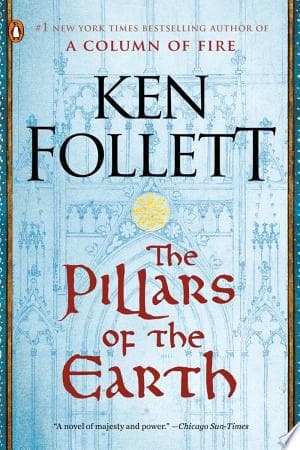
- The Pillars of the Earth
Ken Follett
4.3 (649k) average on GoodreadsFantasyEpic historical scope, multi-generational story, and detailed world-building with a focus on human ambition and conflict.
- Money
Martin Amis
3.7 (23k) average on GoodreadsThrillerExploration of wealth, power, and moral decay within a complex narrative, though 'A Dangerous Fortune' is more plot-driven.
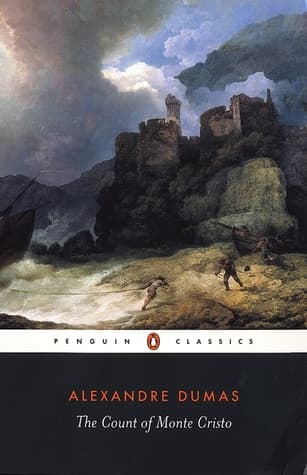
- The Count of Monte Cristo
Alexandre Dumas
4.3 (746k) average on GoodreadsHistorical FictionThemes of injustice, long-term revenge, and a protagonist's meticulous rise to power against powerful adversaries.
- The Day of the Jackal
Frederick Forsyth
4.3 (118k) average on GoodreadsThrillerUnlike Forsyth's contemporary political thriller focused on a singular assassination, Follett's novel is a historical thriller with a broader scope, spanning years and involving complex financial conspiracies rather than immediate political violence. Both are meticulously researched, but Follett's scope in 'A Dangerous Fortune' encompasses societal changes and financial institution evolution, while Forsyth's precision is applied to the mechanics of a singular, immediate plot.
- The Name of the Rose
Umberto Eco
4.1 (301k) average on GoodreadsHistorical FictionWhile both are historical mysteries, Eco's novel is a far more intellectual and philosophical work, using the mystery as a vehicle for exploring semiotics and theology. Follett's 'A Dangerous Fortune' is primarily an entertainment and suspense-driven narrative, offering a more accessible and direct plot within its historical setting, prioritizing narrative drive over deep intellectual or allegorical exploration.
- Angels & Demons
Dan Brown
3.9 (2.7M) average on GoodreadsThrillerA Harvard symbologist races through Rome's ancient sites, deciphering cryptic clues to unmask the Illuminati and stop a vengeful plot to destroy the Vatican with a stolen antimatter weapon.




Enjoyed the summary?
A summary gives you the shape of the book. The book itself has the detail, the examples and the voice.
Find A Dangerous Fortune on AmazonAs an Amazon Associate, BookBrief earns from qualifying purchases. How we're funded