
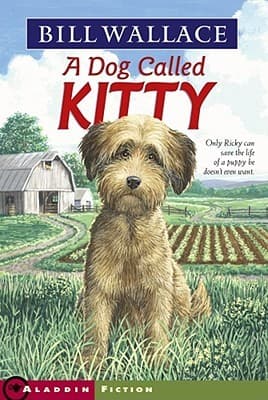
Synopsis
Covers the whole plot, including the ending.
- Difficulty
- Easy
- Pacing
- Moderate
- Mood
- Heartwarming, Hopeful, Gentle
- Read it if
- You enjoy heartwarming stories about overcoming fears, the special bond between children and animals, and gentle narratives perfect for young readers.
- Skip it if
- You prefer complex plots, dark themes, or stories without a clear, feel-good resolution.
A Dog Called Kitty Plot Summary
Covers the whole plot, including the ending.
A Frightening Encounter and a Persistent Pup
Ten-year-old Ricky lives on a farm with his family. He has a deep fear of dogs from an attack when he was a baby. One afternoon, a small, scruffy stray puppy appears on their property. Ricky is scared and tries to scare the dog away, throwing rocks and yelling. But the puppy, unfazed and persistent, keeps returning. It wags its tail and tries to approach Ricky, who reacts with increasing panic. Ricky's mother sees the commotion and tries to reassure him, but Ricky's fear is too strong. The puppy, clearly hungry, stays around the barn, drawn by the smell of food, especially when Ricky's mother feeds their barn cats.
A Name and a Secret Feeding
The stray puppy, despite Ricky's attempts to drive it away, stays on the farm, getting weaker from lack of food. Ricky's mother notices the pup's condition and suggests they feed it, but Ricky refuses, citing his fear. However, Ricky starts to feel guilty and pity for the puppy as he watches it try, unsuccessfully, to eat with the cats. One evening, moved by compassion, Ricky sneaks out with a bowl of milk and some scraps to feed the starving pup. He names the dog 'Kitty,' partly to make fun of it and partly so his strict father, who dislikes stray animals, would not suspect it was a dog. This secret feeding becomes a nightly routine.
Kitty's Growing Bond and Ricky's Internal Conflict
As Ricky continues to secretly feed Kitty, the puppy grows stronger and more attached to him. Kitty starts following Ricky, wagging its tail and showing affection. Ricky, despite his fear, feels more drawn to the dog. He even starts playing with Kitty, cautiously, throwing sticks and watching the puppy chase them. However, his fear returns whenever Kitty gets too close or tries to lick his hand. Ricky's internal struggle intensifies; he wants to love Kitty, but the memory of the dog attack is a strong deterrent. He continues to keep Kitty's presence a secret from his father, fearing his disapproval and what he might do to the dog.
A Near Discovery and a Moment of Trust
One afternoon, Ricky's father almost discovers Kitty. The puppy, excited, barks when Mr. Miller approaches the barn. Ricky quickly distracts his father, keeping Kitty hidden. This close call makes Ricky feel a stronger need to protect Kitty. Later, Ricky has a bad dream about the dog attack, waking up in a cold sweat. Kitty, sensing his distress, whimpers and pushes its head into Ricky's hand. In a breakthrough moment, Ricky, still shaken, lets Kitty comfort him, stroking its head. This small act of trust is a significant step in overcoming his fear, as he realizes Kitty's gentle nature is different from the dog in his nightmare.
The Truth Revealed and a Test of Trust
Ricky's mother eventually discovers Kitty and the secret feeding. She is understanding and concerned for the dog's well-being, seeing Ricky's growing attachment. However, the bigger challenge is Ricky's father. Mr. Miller does not want stray animals on the farm. Ricky finally finds the courage to tell his father about Kitty. He explains how he has been feeding the dog and how Kitty has become his friend. Mr. Miller, at first stern, listens carefully. Ricky fears his father will tell him to get rid of Kitty, but he hopes his father will understand his change of heart and the bond he has formed.
Acceptance and a New Beginning
After hearing Ricky's plea, Mr. Miller, still reserved, observes Kitty's gentle nature and the clear affection the dog has for Ricky. He sees how much the dog means to his son and, after some thought, agrees to let Kitty stay. This decision brings Ricky immense relief and joy. With his father's acceptance, Ricky's last bits of fear disappear. He is now able to fully embrace Kitty as his pet and best friend. The story ends with Ricky and Kitty playing happily together, a symbol of Ricky's triumph over his fear and the strength of their companionship. Kitty, once a feared stray, has found a loving home and helped Ricky heal a deep emotional wound.
A Dog Called Kitty Characters
Ricky
Protagonist
A ten-year-old boy struggling to overcome a debilitating fear of dogs.
Ricky is a sensitive and introverted ten-year-old boy who lives on a farm. He carries a deep-seated trauma from a dog attack he experienced as a baby, which manifests as an intense, almost paralyzing fear of all dogs. Initially, he is hostile and aggressive towards the stray puppy, Kitty, pushing it away. However, underneath his fear, Ricky possesses a compassionate heart, which compels him to secretly feed the starving puppy. He struggles with internal conflict, battling his ingrained fear against his growing affection for Kitty. His journey is one of self-discovery, courage, and healing.
Relationships: Kitty (Initially fearful, then secretly nurturing, evolving into a loving friendship.); Mom (Supportive and understanding, encouraging him to confront his fear.); Dad (Initially strict and reserved, later accepting and understanding of Ricky's bond with Kitty.)
Kitty
Supporting
A persistent and gentle stray puppy who helps Ricky overcome his fear.
Kitty is a small, scruffy stray puppy whose breed is not specified, but it's described as fuzzy and friendly. Despite Ricky's initial hostility and attempts to scare it away, Kitty remains remarkably persistent and gentle, constantly trying to approach Ricky with a wagging tail. It is intelligent and intuitive, sensing Ricky's distress and offering comfort. Kitty's primary motivation is survival and seeking affection. Its unwavering loyalty and gentle nature are instrumental in breaking down Ricky's fear, proving that not all dogs are dangerous. Kitty becomes a symbol of unconditional love and companionship.
Relationships: Ricky (Unwaveringly loyal and affectionate, eventually becoming his best friend.); Mom (Receives kindness and food, accepted by her.); Dad (Initially a potential threat, later gains his acceptance.)
Mom (Mrs. Miller)
Supporting
Ricky's understanding and supportive mother.
Ricky's mother is a kind and empathetic woman who is aware of Ricky's deep-seated fear of dogs. She tries to encourage him gently to overcome it but respects his boundaries. She notices the stray puppy's poor condition and expresses concern, indirectly prompting Ricky to take action. She is observant, eventually discovering Ricky's secret feedings of Kitty. Her reaction is one of understanding and encouragement rather than anger, providing a safe space for Ricky to explore his feelings and eventually confess to his father. She acts as a bridge between Ricky and his father, advocating for her son's emotional well-being.
Relationships: Ricky (Loving, supportive, and understanding.); Dad (Partner in parenting, shares concern for Ricky.)
Dad (Mr. Miller)
Supporting
Ricky's initially stern father who eventually accepts Kitty.
Ricky's father is portrayed as a practical and somewhat stern man, typical of a farmer. He initially has a no-nonsense attitude towards stray animals, which makes Ricky fear his reaction to Kitty. He is not initially aware of Ricky's deep-seated trauma regarding dogs. However, he is ultimately a fair and caring father. When confronted with Ricky's confession and the obvious bond between his son and Kitty, he takes time to observe and consider. His decision to allow Kitty to stay demonstrates his love for Ricky and his ability to prioritize his son's happiness over his initial reservations about strays.
Relationships: Ricky (Initially somewhat distant due to Ricky's fear, but ultimately loving and accepting.); Mom (Partner in parenting, respects her insights.)
A Dog Called Kitty Themes
Overcoming Fear and Trauma
The main theme of the book is Ricky's journey to conquer his fear of dogs, which comes from a childhood trauma. His first reactions to Kitty are panic and hostility, showing how deeply his past affects him. The gradual process of secretly feeding and interacting with Kitty makes Ricky face his fear in small steps. The turning point is when Kitty comforts Ricky after a nightmare, showing him that not all dogs are a threat. This theme shows the power of empathy and the slow, steady process of healing from psychological wounds.
“The puppy whined and pushed its head into his hand. Ricky didn't pull away. He just lay there, stroking the soft fur, letting the warmth of the small body seep into him.”
Compassion and Empathy
Despite his fear, Ricky's compassion for the starving puppy makes him act. He cannot stand to see Kitty suffer, which leads him to secretly feed the dog. This act of empathy helps his personal growth, making him look beyond his own fear to another living creature's needs. His mother also shows this theme by understanding Ricky's struggle and supporting Kitty. The book suggests that compassion, even when it is personally uncomfortable, can lead to positive change, creating connections that heal.
“He just couldn't stand to see the little dog starve. He knew what it felt like to be hungry, but he couldn't imagine being that hungry.”
The Power of Friendship and Unconditional Love
The bond between Ricky and Kitty shows the power of friendship and unconditional love. Kitty's loyalty and gentle affection, despite Ricky's initial rejection, slowly lessen his fear. The puppy offers Ricky comfort, companionship, and a sense of responsibility. This friendship gives Ricky a safe space to re-evaluate his ideas about dogs and helps him heal from his trauma. The story emphasizes how a loving connection with an animal can provide emotional support and teach lessons about trust and acceptance.
“Kitty had become more than just a dog. He was a friend. The best friend Ricky had ever had.”
Plot Devices & Literary Techniques
Internal Conflict
Ricky's ongoing struggle between his fear of dogs and his burgeoning compassion for Kitty.
Ricky experiences significant internal conflict throughout the story. His deep-seated fear of dogs, stemming from a childhood attack, constantly battles against his innate empathy and growing affection for the stray puppy. This conflict is evident in his initial attempts to scare Kitty away, followed by his secret feedings and cautious interactions. The internal struggle is not just about the dog, but about Ricky confronting his own trauma and deciding whether to remain imprisoned by fear or to embrace the possibility of connection and healing. This device drives much of Ricky's character development and the emotional tension of the narrative.
Symbolism of 'Kitty'
The name 'Kitty' symbolizes Ricky's attempt to deny the dog's true nature and his own fear.
Ricky names the stray puppy 'Kitty' for several reasons. Primarily, it's a way for him to keep the dog's presence a secret from his father, who might disapprove of a stray dog. More profoundly, 'Kitty' symbolizes Ricky's initial denial of the animal being a dog, and thus, a threat. By calling it a cat, he subconsciously tries to reduce his own fear. As his bond with the animal grows and his fear diminishes, the name 'Kitty' paradoxically comes to represent the unique and gentle nature of this particular dog, transcending its species and becoming a term of endearment that marks his acceptance.
The Dream Sequence
A vivid nightmare that brings Ricky's trauma to the surface, leading to a breakthrough in his relationship with Kitty.
The dream sequence where Ricky relives the traumatic dog attack serves as a crucial plot device. It vividly portrays the depth of his fear and the lingering impact of his past. However, its significance lies in what immediately follows: Kitty's presence and comforting actions. The stark contrast between the menacing dog in his dream and Kitty's gentle, reassuring presence in reality allows Ricky to experience a moment of profound realization. This device acts as a catalyst, enabling Ricky to finally distinguish between his past trauma and the reality of Kitty's loving nature, paving the way for complete trust and healing.
A Dog Called Kitty Quotes
“I was afraid of dogs. All dogs. Big ones, little ones, fat ones, skinny ones. I was afraid of them all.”
“He wasn't a dog. He was a friend.”
“Sometimes you have to face your fears to find your best friend.”
“I didn't know a dog could be so gentle.”
“It's not the size of the dog in the fight, but the size of the fight in the dog.”
“Love doesn't care if you're scared. It just is.”
“A name is just a name. What matters is what's in the heart.”
“He saved me more than I saved him.”
“Fear is a wall you build yourself. Friendship is the door.”
“Sometimes the bravest thing you can do is let someone in.”
“A dog's love is unconditional. It doesn't judge your fears.”
“I thought I was rescuing him, but he was rescuing me all along.”
“The smallest paw prints leave the biggest marks on your heart.”
“Courage isn't the absence of fear. It's facing it with a friend by your side.”
Quiz
10 questions on the plot and the characters. Each answer comes with a short explanation.
Question 1
What is the main reason Ricky is initially afraid of the puppy?
- The puppy barks too loudly
- He was attacked by a dog as a baby
- The puppy belongs to a neighbor he dislikes
- He is allergic to dogs
Show answer
B. He was attacked by a dog as a baby Ricky's fear stems from a traumatic childhood experience where he was attacked by a dog, which makes him initially hostile toward the stray puppy despite its friendly nature.
Question 2
Why does the puppy keep coming to Ricky's farm?
- It is looking for a place to sleep
- It wants to play with the cats
- It is trying to get food from the cats' feeding area
- It is lost and searching for its owner
Show answer
C. It is trying to get food from the cats' feeding area The puppy is starving and comes to the farm when Ricky's mom feeds the cats, hoping to scavenge food, but the cats refuse to share, putting the puppy's life at risk.
Question 3
What does Ricky name the puppy?
- Spot
- Kitty
- Buddy
- Rover
Show answer
B. Kitty Ricky names the puppy 'Kitty' because it initially behaves like the cats on the farm, coming around for food and showing persistence despite rejection.
Question 4
How does Ricky first attempt to help the puppy without getting too close?
- He leaves food out at night
- He throws food to it from a distance
- He asks his mom to feed it separately
- He builds a shelter for it
Show answer
B. He throws food to it from a distance To overcome his fear gradually, Ricky starts by throwing food to the puppy from afar, allowing it to eat without requiring direct contact.
Question 5
What event finally convinces Ricky to fully overcome his fear and care for the puppy?
- The puppy saves him from a falling tree
- He sees the puppy is sick and weak from starvation
- His mom threatens to give the puppy away
- The puppy brings him a gift
Show answer
B. He sees the puppy is sick and weak from starvation Ricky realizes the puppy is seriously ill and starving, which pushes him to confront his fear directly to save its life, marking a turning point in their relationship.
Question 6
Which of the following awards did 'A Dog Called Kitty' NOT win?
- Texas Bluebonnet Award
- Newbery Medal
- Oklahoma Sequoyah Award
- Nebraska Golden Sower Award
Show answer
B. Newbery Medal The book won the Texas Bluebonnet, Oklahoma Sequoyah, and Nebraska Golden Sower Awards, but it did not win the Newbery Medal, which is a distinct children's literature award.
Question 7
What role do the cats on the farm play in the story?
- They befriend the puppy and share their food
- They ignore the puppy completely
- They compete with the puppy for food and resources
- They protect the puppy from other animals
Show answer
C. They compete with the puppy for food and resources The cats are fed by Ricky's mom but do not share with the hungry puppy, highlighting the puppy's desperation and the conflict Ricky must resolve by intervening.
Question 8
What is a central theme of 'A Dog Called Kitty'?
- The importance of winning awards
- Overcoming fear through compassion and responsibility
- The dangers of living on a farm
- How to train dogs effectively
Show answer
B. Overcoming fear through compassion and responsibility The story explores how Ricky learns to face his deep-seated fear of dogs by developing compassion for the starving puppy, taking responsibility, and ultimately gaining a loyal friend.
Question 9
How does Ricky's relationship with the puppy change by the end of the book?
- He remains afraid but tolerates the puppy
- He gives the puppy to a neighbor
- He considers the puppy his best friend
- He forgets about the puppy after it recovers
Show answer
C. He considers the puppy his best friend Through caring for the puppy and saving its life, Ricky not only overcomes his fear but also forms a deep bond, with the puppy becoming his closest companion.
Question 10
What does the puppy's persistence in trying to play with Ricky symbolize in the story?
- The unpredictability of stray animals
- The innocence and unconditional love that can heal past trauma
- The need for animals to be trained properly
- The dangers of approaching unfamiliar dogs
Show answer
B. The innocence and unconditional love that can heal past trauma The puppy's friendly and persistent attempts to engage Ricky represent how genuine, innocent affection can help overcome deep-seated fears and lead to emotional healing and friendship.
A Dog Called Kitty FAQ
What is 'A Dog Called Kitty' about?
The story follows Ricky, a boy who was attacked by a dog as a baby and now fears all dogs. When a stray puppy appears on his family's farm, Ricky initially rejects it, but the persistent puppy slowly starves because the farm cats won't share their food. Ricky must overcome his deep-seated fear to save the puppy's life, potentially gaining his first true friend in the process.
Why should I read 'A Dog Called Kitty'?
This award-winning children's novel offers a heartfelt exploration of overcoming fear and trauma through compassion. Bill Wallace creates an emotionally resonant story about the bond between a boy and a dog that teaches valuable lessons about empathy, responsibility, and personal growth in an accessible way for young readers.
What is the background/setting of 'A Dog Called Kitty'?
The story takes place on Ricky's family farm, where daily routines like feeding the cats provide the backdrop for the puppy's struggle. The rural setting emphasizes the puppy's isolation as a stray and Ricky's responsibility as the only one who can help, creating a contained environment where their relationship must develop.
What are the most memorable quotes?
While specific quotes vary by edition, key moments include Ricky's internal struggle ('I was afraid, but the puppy was starving') and his realization about overcoming fear ('Maybe some dogs were different'). The title itself becomes meaningful when Ricky names the puppy 'Kitty' as an ironic reflection of his initial fear associating dogs with danger.
What writing style does the author use?
Bill Wallace employs straightforward, accessible prose suitable for young readers while effectively conveying emotional depth. He uses Ricky's first-person perspective to intimately explore the boy's fear and gradual transformation, balancing tense moments with tender observations of the puppy's behavior.
What minor details add significant meaning?
The cats' refusal to share food highlights the puppy's complete vulnerability and Ricky's unique position as its only potential savior. The puppy's persistent attempts to play despite rejection show its innocent nature, contrasting with Ricky's fear-based assumptions about all dogs being dangerous.
What are some subtle foreshadowing moments?
Early descriptions of the puppy as 'small and fuzzy' with a 'friendly, wagging tail' establish its harmless nature before Ricky's fear is explained. The puppy's gradual weakening from starvation creates increasing urgency that foreshadows Ricky's inevitable choice between maintaining his fear or taking action.
What unexpected character connections exist?
The puppy becomes symbolically connected to the cats it tries to eat with - hence Ricky naming it 'Kitty.' This ironic connection represents Ricky's attempt to reconcile his fear by associating the dog with safer animals, while also highlighting how the puppy doesn't fit into existing farm hierarchies.
What are unspoken character motivations?
Ricky's mother continues feeding the cats normally, subtly encouraging Ricky to take responsibility rather than solving the problem for him. Ricky himself is motivated not just by pity but by a growing recognition that his fear might be misplaced, though he struggles to admit this even to himself.
What psychological complexities do characters exhibit?
Ricky experiences trauma-based fear that manifests as both avoidance and internal conflict when faced with the puppy's suffering. The puppy displays remarkable persistence and trust despite repeated rejection, suggesting an instinctual understanding that Ricky represents its best chance for survival.
What are the major emotional turning points?
Key moments include Ricky first noticing the puppy's starvation, his internal debate about intervening, his initial tentative approach with food, and the breakthrough when he finally touches or feeds the puppy directly. Each step represents Ricky overcoming a layer of his deeply ingrained fear.
How do relationship dynamics evolve?
The relationship progresses from complete avoidance to cautious observation, then to indirect feeding, and finally to direct contact and naming. Each stage requires Ricky to confront a new aspect of his fear while the puppy responds with increasing trust, transforming their dynamic from one of fear to mutual dependence.
Which parts remain ambiguous or open-ended?
The story doesn't specify what ultimately happens to the puppy after Ricky begins caring for it - whether it becomes a permanent farm dog or if Ricky's family officially adopts it. The exact nature of Ricky's childhood dog attack is also left somewhat vague, emphasizing the present trauma over past details.
What are controversial scenes or decisions?
Some readers might question why Ricky's parents don't intervene more directly with the starving puppy, though this can be interpreted as them allowing Ricky to work through his fear independently. The prolonged starvation of the puppy before Ricky acts could be seen as distressing for sensitive readers.
'A Dog Called Kitty' ending explained: how it ends & what it means
The story concludes with Ricky overcoming his fear enough to help the puppy, suggesting the beginning of a friendship rather than providing a definitive resolution. This open ending emphasizes that overcoming deep fear is a process, and the true reward is the potential for connection rather than immediate perfection.
About the author

Bill Wallace was a prolific author of children's adventure novels, often featuring horses and dogs. His most popular works include "A Dog Called Kitty" and "Danger in Quicksand Swamp," which resonated with young readers for their engaging plots and relatable characters. Wallace's accessible writing style made him a beloved figure in children's literature.
Similar books
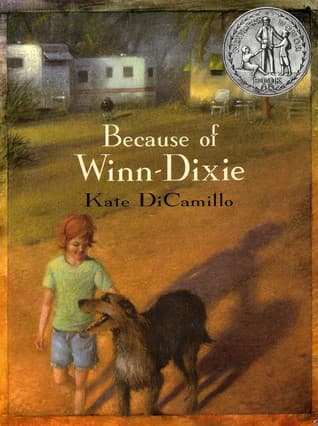
- Because of Winn-Dixie
Kate DiCamillo
4.0 (206k) average on GoodreadsChildren'sFeatures a lonely child finding friendship and overcoming challenges with the help of a stray dog.
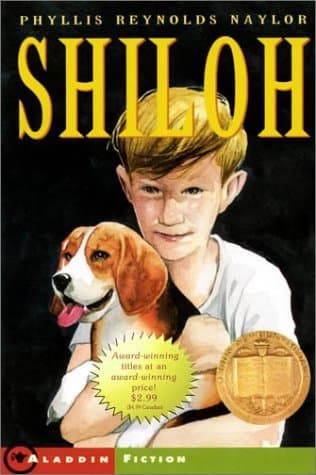
- Shiloh
Phyllis Reynolds Naylor
3.9 (75k) average on GoodreadsChildren'sExplores a child's secret care for a dog, moral dilemmas, and the fight to protect an animal.
- Ribsy
Beverly Cleary
3.9 (7k) average on GoodreadsChildren'sA story about a boy and his dog, focusing on their bond and adventures.
- Harry Potter and the Sorcerer's Stone
J.K. Rowling
4.5 (7M) average on GoodreadsFantasyRescued from a miserable life under the stairs, an orphaned boy discovers he's a wizard destined for a magical school, where he uncovers a dangerous secret tied to the dark wizard who murdered his parents.
- The Hobbit, or There and Back Again
J.R.R. Tolkien
4.3 (2.9M) average on GoodreadsFantasyA comfort-loving hobbit named Bilbo Baggins is whisked away by a mischievous wizard and a band of dwarves on an unexpected journey to reclaim stolen treasure from a fearsome dragon, discovering courage and a magical ring along the way.
- Harry Potter and the Goblet of Fire
J.K. Rowling
4.6 (2.6M) average on GoodreadsFantasyA bewildered Harry Potter, underage and thrust into a deadly Triwizard Tournament, must brave dragons, mermaids, and a resurgent dark magic to survive a year that will forever alter the wizarding world.




Enjoyed the summary?
A summary gives you the shape of the book. The book itself has the detail, the examples and the voice.
Find A Dog Called Kitty on AmazonAs an Amazon Associate, BookBrief earns from qualifying purchases. How we're funded