

Synopsis
Covers the whole plot, including the ending.
- Difficulty
- Easy
- Pacing
- Moderate
- Mood
- Whimsical, Adventurous, Heroic, Comforting
- Read it if
- You love classic fantasy adventures, charming characters, and a journey of self-discovery, or if you're looking for an accessible entry point into J.R.R. Tolkien's Middle-earth.
- Skip it if
- You prefer grimdark fantasy, complex political intrigue, or stories without a clear hero's journey arc.
The Hobbit, or There and Back Again Plot Summary
Covers the whole plot, including the ending.
An Unexpected Party and an Unlikely Quest
Bilbo Baggins, a hobbit who loves peace in the Shire, is happy with his easy life at Bag End. One morning, the wizard Gandalf arrives and marks his door. Soon after, thirteen dwarves—Thorin Oakenshield and his group—come for an unexpected party. They explain their plan to travel to the Lonely Mountain to get back their family treasure, stolen long ago by the dragon Smaug. Gandalf, having secretly offered Bilbo as their 'burglar,' convinces a hesitant Bilbo to join. He says they need a fourteenth member for good luck. Despite wanting to stay home, Bilbo is drawn into the adventure and leaves the Shire the next morning with the group.
Trolls, Goblins, and the Discovery of Sting
The journey quickly becomes dangerous. The group meets three unintelligent trolls—William, Bert, and Tom—who capture them. Gandalf tricks the trolls into arguing until morning, turning them to stone. They search the trolls' cave and find swords, including Glamdring and Orcrist for Gandalf and Thorin, and a small elvish dagger for Bilbo, which he names Sting. Later, while hiding in a cave during a thunderstorm in the Misty Mountains, goblins attack them. Bilbo gets separated from the group while escaping. Lost in the dark tunnels, he finds a strange, pale creature named Gollum and a magical ring.
Riddles in the Dark and the Magic Ring
Deep under the Misty Mountains, Bilbo meets Gollum. Gollum, obsessed with his 'Precious' (the Ring), suggests a game of riddles: if Bilbo wins, Gollum will show him the way out; if Gollum wins, he will eat Bilbo. Bilbo, by chance, asks 'What have I got in my pocket?' which Gollum cannot answer. Angry, Gollum goes to get his Ring, but it is gone. Bilbo had picked it up earlier without Gollum knowing. Bilbo realizes the Ring makes him invisible and uses it to follow Gollum to an exit, escaping the goblin tunnels and rejoining the dwarves and Gandalf.
Wargs, Eagles, and Beorn's Hospitality
After escaping the goblins, Wargs (evil wolves) and goblins chase the group near the Wilderland. They hide in trees but are trapped. Gandalf calls the Great Eagles, who save them from danger and carry them to safety near Beorn's home. Beorn, a skin-changer who can turn into a bear, is careful at first. After Gandalf tells him their story (introducing the dwarves in small groups), Beorn offers them a place to stay, supplies, and ponies for their trip through Mirkwood Forest. He warns them not to leave the path.
Lost in Mirkwood and the Spiders' Web
Gandalf leaves the group at Mirkwood's entrance, reminding them of Beorn's warning to stay on the path and avoid the enchanted stream. The journey through the dark, heavy forest is long and hard. Hungry and curious, and ignoring Beorn's and Gandalf's warnings, Bombur falls into the enchanted stream and goes into a deep sleep. Later, they see lights far away, leave the path many times to look, and are caught by giant spiders. Bilbo, using Sting and the Ring's invisibility, bravely fights off the spiders, saving the dwarves and showing his skill as a burglar and a hero.
Elvenking's Dungeon and Barrel Escape
Soon after escaping the spiders, Wood-elves, led by the Elvenking, capture the dwarves. Thorin, refusing to tell his quest, is jailed, and the other dwarves are also locked up. Bilbo, invisible with the Ring, stays free and unseen, exploring the Elvenking's palace for weeks. He learns of a plan to send barrels of wine down the Forest River to Lake-town. Bilbo uses this chance to free the dwarves from their cells and puts each of them into empty wine barrels. He then jumps on the last barrel himself as they are sent into the river, floating toward Lake-town.
Lake-town's Welcome and the Lonely Mountain
The dwarves, bruised but free, arrive in Lake-town, a settlement on the Long Lake, near the Lonely Mountain. The people, descendants of Dale, remember the prophecy of the King Under the Mountain's return and welcome Thorin and his group with great excitement, hoping for the dragon's defeat and renewed prosperity. After resting and celebrating, the group, with supplies and a boat, travels across the lake toward the Lonely Mountain. They eventually find the secret door on the mountain's west side, guided by the moon-letters on Thorin's map.
Smaug's Awakening and the Arkenstone
Following the map's instructions, Bilbo finds the keyhole for the secret door on Durin's Day. The door opens, showing a long passage into the mountain's center. Bilbo, as the chosen burglar, bravely goes inside alone. He finds Smaug sleeping on his large treasure pile. Bilbo successfully steals a big two-handled cup, but Smaug wakes up and immediately notices it is gone. Bilbo makes a second trip, talking with the dragon and looking for weaknesses. He finds a bare spot on Smaug's underside. Angry about the intrusion and Bilbo's disrespect, Smaug bursts from the mountain and flies to destroy Lake-town.
The Death of Smaug and the Battle of Five Armies
Smaug attacks Lake-town, bringing fire and destruction. The people fight back bravely, led by Bard, a serious archer and descendant of Girion, Lord of Dale. A thrush, having heard Bilbo's talk with Smaug, tells Bard about the dragon's weak spot. Bard, using his family's black arrow, shoots Smaug directly in the unarmored spot, killing the dragon as it falls into the Long Lake. With Smaug dead, the dwarves reclaim the mountain. However, news of the treasure attracts the Men of Lake-town and the Elves of Mirkwood, who demand a share. Thorin, consumed by dragon-sickness, refuses. This leads to a standoff and the Battle of Five Armies against invading goblins and Wargs.
The Arkenstone's Role and Thorin's Redemption
Before Smaug's death, Bilbo had found the Arkenstone, the greatest treasure of Thorin's family, and kept it hidden. To stop war between the dwarves, men, and elves, Bilbo secretly gives the Arkenstone to Bard and the Elvenking, hoping to use it to get Thorin to talk. Thorin is very angry when he learns of Bilbo's 'betrayal' and offers to trade Bilbo's share of the treasure for the Arkenstone. Just as war seems sure, Gandalf reveals that Goblins and Wargs are coming, uniting the different groups against a common enemy in the Battle of Five Armies. Thorin, despite his earlier greed, fights well but is badly wounded.
Aftermath and the Journey Home
The Battle of Five Armies is won, but with many losses. Thorin Oakenshield, fatally wounded, makes peace with Bilbo before he dies, recognizing Bilbo's courage and wisdom. Fili and Kili also die. Dain Ironfoot becomes the new King Under the Mountain. The treasure is divided, with some going to the Men of Lake-town and the Elves. Bilbo gets his share, though he gives up most of it. He travels back to the Shire with Gandalf and Beorn, a much wealthier, wiser, and more experienced hobbit. He arrives home to find his belongings being auctioned, as he was presumed dead, but he reclaims his hobbit-hole and settles into a life that is forever changed.
The Hobbit, or There and Back Again Characters
Bilbo Baggins
Protagonist
A respectable, comfort-loving hobbit who becomes an unlikely hero.
Bilbo is a hobbit from a well-to-do family, known for his love of comfort, good food, and the quiet life of the Shire. Initially timid and reluctant, he is swept into an adventure by Gandalf. Throughout the journey, Bilbo demonstrates growing courage, cunning, and resourcefulness, particularly in his encounters with Gollum and Smaug. He develops a strong moral compass, often acting as a mediator and displaying compassion, even risking his own safety for the greater good. His 'Tookish' side, a reference to his adventurous maternal ancestors, gradually emerges, challenging his 'Baggins' side, which prefers predictability.
Relationships: Gandalf (mentor and instigator of adventure); Thorin Oakenshield (leader of the dwarves, initially dismissive, later respectful friend); Gollum (adversary in a riddle game, source of the Ring); Smaug (dragon antagonist, Bilbo's primary 'burglar' target)
Gandalf
Supporting
A powerful wizard who orchestrates the quest and guides the company.
Gandalf is a wise and ancient wizard, a member of the Istari, with a deep understanding of Middle-earth's history and its dangers. He is the catalyst for Bilbo's adventure, recognizing a hidden potential in the hobbit. Gandalf frequently appears and disappears, providing crucial aid at critical junctures, such as saving the company from trolls and goblins, and arranging their rescue by the Eagles. He possesses magical abilities, strategic thinking, and a commanding presence, driving the narrative forward and ensuring the quest's progression, often through subtle manipulation and encouragement.
Relationships: Bilbo Baggins (mentor and friend); Thorin Oakenshield (advisor and occasional critic of Thorin's leadership); Elrond (fellow wise figure, ally)
Thorin Oakenshield
Supporting
The proud, exiled leader of the dwarf company, driven to reclaim his ancestral home.
Thorin is the proud and determined leader of the company of dwarves, rightful heir to the Kingdom Under the Mountain. He is a skilled warrior and a respected figure among his people, but also prone to stubbornness, pride, and greed, particularly as he approaches his ancestral treasure. His primary motivation is to reclaim the gold and the Arkenstone from Smaug, and restore his family's honor. Despite his initial disdain for Bilbo, he eventually comes to respect the hobbit's courage and ingenuity. His character arc is defined by his struggle with 'dragon-sickness' and his eventual redemption.
Relationships: Bilbo Baggins (initial employer, later friend and object of Thorin's anger/respect); Gandalf (reluctant ally and advisor); Dain Ironfoot (cousin and eventual successor)
Smaug
Antagonist
The fearsome dragon guarding the treasure of the Lonely Mountain.
Smaug is a magnificent and ancient fire-drake, the primary antagonist of the story. He is immensely powerful, intelligent, cunning, and exceptionally greedy, having driven the dwarves from the Lonely Mountain and claimed their vast treasure hoard for himself. He enjoys his own cleverness and the terror he inspires. Smaug's arrogance and pride are his ultimate undoing, as Bilbo's probing questions reveal a vulnerable spot on his underbelly. His destruction of Lake-town underscores his devastating power and malice, making his defeat a pivotal moment for all the peoples of the region.
Relationships: Bilbo Baggins (antagonist, Bilbo's primary 'burglar' target); Thorin Oakenshield (usurper of Thorin's kingdom)
Bard the Bowman
Supporting
A grim archer of Lake-town and descendant of the Lords of Dale.
Bard is a grim, prophetic archer of Lake-town, known for his skill and foresight. He is a direct descendant of Girion, the last Lord of Dale, and thus has a hereditary claim to a portion of the treasure and a personal vendetta against Smaug. Bard is instrumental in the dragon's defeat, using his ancestral black arrow to strike Smaug's vulnerable spot. He later becomes a key leader for the Men of Lake-town, advocating for fair division of the treasure and ultimately becoming the King of Dale, symbolizing hope and rebuilding after the dragon's demise.
Relationships: Smaug (slayer of the dragon); Thorin Oakenshield (negotiator and brief adversary over the treasure); Elvenking (ally in the Battle of Five Armies)
Gollum
Supporting
A wretched, corrupted creature living beneath the Misty Mountains, obsessed with a magic ring.
Gollum is a small, slimy, and utterly corrupted creature who lives in the dark caves beneath the Misty Mountains. He was once a hobbit-like being named Sméagol, but was twisted and withered by the power of the One Ring, which he possessed for centuries. Gollum is obsessed with his 'Precious' and speaks to himself in a distinctive sibilant manner. He plays a crucial role in Bilbo's journey by inadvertently losing the Ring, which Bilbo finds, and by engaging Bilbo in a game of riddles. His encounter with Bilbo is a pivotal moment for both characters and the future of Middle-earth.
Relationships: Bilbo Baggins (unwittingly loses the Ring to Bilbo)
Elvenking (Thranduil)
Supporting
The regal, wary king of the Wood-elves in Mirkwood.
The Elvenking, though not named Thranduil in *The Hobbit*, is the king of the Woodland Realm in Mirkwood. He is a powerful and ancient elf, somewhat proud and isolationist, preferring to keep his kingdom safe from the evils of the outside world. He values treasure, particularly white gems, but also acts with a sense of justice, imprisoning the dwarves for trespassing and refusing to state their purpose. He leads his elves in the Battle of Five Armies, initially against the dwarves for a share of the treasure, but ultimately against the goblins and Wargs.
Relationships: Thorin Oakenshield (captor and adversary over the treasure); Bard the Bowman (ally in the Battle of Five Armies)
Beorn
Supporting
A powerful skin-changer who can transform into a great bear.
Beorn is a formidable and mysterious character who lives in a house between the Misty Mountains and Mirkwood. He is a skin-changer, capable of transforming into a giant bear. Beorn is generally solitary and distrustful of strangers, particularly goblins and Wargs, whom he despises. He is a vegetarian and has a deep love for animals. Gandalf cleverly introduces the dwarves to him in small groups to avoid alarming him. Beorn provides the company with much-needed hospitality, provisions, and ponies, and later plays a crucial role in the Battle of Five Armies, turning the tide with his bear-form.
Relationships: Gandalf (trusted by Gandalf); Bilbo Baggins (host and ally)
Fili and Kili
Supporting
Thorin's youngest nephews, loyal and often scouting ahead.
Fili and Kili are the youngest of Thorin's company of dwarves, and his nephews. They are often depicted as more agile and with sharper eyesight than the older dwarves, frequently acting as scouts. They are loyal to Thorin and are generally more cheerful and less set in their ways than some of their older companions. Their youth and vigor make them valuable members of the company, but they ultimately share Thorin's tragic fate, dying defending him in the Battle of Five Armies, underscoring the high cost of the quest.
Relationships: Thorin Oakenshield (nephews and loyal companions)
The Hobbit, or There and Back Again Themes
Heroism and Self-Discovery
The main theme is Bilbo Baggins's change from a shy, comfort-loving hobbit to a brave and clever hero. At first, Bilbo fears adventure and wants his familiar hobbit-hole. But by facing dangers like trolls, goblins, spiders, and Smaug, he finds a strength and cleverness he did not know he had. His choice to face Smaug alone and giving the Arkenstone to Bard show his growing moral courage and selflessness. This proves that heroism can come from unexpected people.
“There is more in you of good than you know, child of the kindly West. Some courage and some wisdom, blended in measure. If more of us valued food and cheer and song above hoarded gold, it would be a merrier world.”
Greed and Its Corrupting Influence
The theme of greed, called 'dragon-sickness,' is clear throughout the story. Smaug represents pure, destructive greed, hoarding vast amounts of gold without purpose. More sadly, Thorin Oakenshield, a noble dwarf, slowly falls to this sickness after getting back his family treasure. His refusal to share the gold, his distrust of allies, and his obsession with the Arkenstone lead to conflict and near-war. This theme shows how wanting wealth can corrupt good intentions and cause irrational, destructive behavior, which contrasts with Bilbo's eventual lack of interest in material wealth.
“He was a changed dwarf. He would not listen to the counsel of the Elvenking or of Bard, and he said that he would not yield a single coin to anyone, not even to save his life.”
The Call to Adventure and the Comfort of Home
The story regularly compares the appeal of adventure with the safety and comfort of home. Bilbo's initial hesitation to leave the Shire, his frequent desire for his armchair and pantry, and his final return to Bag End show how strong the pull of home is. Yet, his 'Tookish' side, woken by Gandalf, draws him into the unknown. The journey itself has danger and discomfort, but it also brings growth, friendship, and excitement. The theme suggests that while home offers comfort, real self-discovery often means leaving one's comfort zone and embracing the unexpected.
“Adventures are nasty, disturbing, uncomfortable things. They make you late for dinner!”
Good vs. Evil
The basic struggle between good and evil forms the story's foundation. Good is shown by characters like Gandalf, Bilbo, the dwarves (despite their faults), the Elves, and the Men of Lake-town. They face various evils, from the simple but dangerous trolls, to the clever and mean goblins, the hunting Wargs, the sinister spiders of Mirkwood, and Smaug, the ultimate symbol of ancient evil. The Battle of Five Armies clearly pits the united good forces against the large numbers of goblins and Wargs. This reinforces the idea that working together is needed to overcome evil threats.
“The world is not in your books and maps. It is out there.”
Friendship and Loyalty
The bonds that form between characters, especially between Bilbo and the dwarves, and later with Gandalf and Beorn, are a repeated theme. Despite initial doubts and occasional disagreements, the group learns to depend on each other. Bilbo's loyalty to the dwarves, even when he disagrees with Thorin's choices, is clear in his attempt to stop war with the Arkenstone. The sacrifices of Fili and Kili for Thorin, and Thorin's dying reconciliation with Bilbo, highlight the importance of loyalty and friendship built through shared difficulties. Even the unusual alliance of different races against the goblins shows the power of unity.
“If more of us valued food and cheer and song above hoarded gold, it would be a merrier world. But, sad or merry, I must leave it now. Farewell!”
Plot Devices & Literary Techniques
The One Ring
A magical ring that grants invisibility, found by Bilbo.
The One Ring is a plain gold band that Bilbo stumbles upon in the goblin tunnels. Its primary known power is rendering the wearer invisible. Bilbo uses it repeatedly to escape danger, outwit enemies like Gollum and the spiders of Mirkwood, and navigate unseen through the Elvenking's halls and Smaug's lair. While Bilbo perceives it as merely a useful tool, the Ring's subtle influence is hinted at through Gollum's obsession and Bilbo's secrecy about its powers. It serves as a crucial plot device for Bilbo's 'burglar' role and foreshadows its greater significance in later stories, establishing its unique magical properties and its dark allure.
Moon-letters
Secret runes on Thorin's map, visible only under a specific moon.
Moon-letters are a form of runic script written in invisible ink that only appears when the correct moon shines upon them. Discovered on Thorin's map by Elrond in Rivendell, they reveal the crucial instruction: 'Stand by the grey stone when the thrush knocks, and the setting sun with the last light of Durin's Day will shine upon the key-hole.' This device provides a magical mystery that the characters must solve, guiding them to the secret entrance of the Lonely Mountain and building suspense as they race against time to find the correct day and conditions. It serves as a magical clue that is essential for the plot's progression.
Ancestral Weapons
Magical swords that glow in the presence of goblins, found in the trolls' hoard.
Gandalf and Thorin acquire the ancient Elvish swords Glamdring (Foe-hammer) and Orcrist (Goblin-cleaver) from the trolls' hoard. Bilbo also finds a small dagger, which he later names Sting. These swords possess the magical property of glowing blue when goblins or orcs are nearby, serving as an early warning system for the company. This device not only provides practical protection but also connects the present quest to the ancient history of Middle-earth, reminding readers of past battles between elves, dwarves, and goblins. Sting's transformation from a mere knife to a named, trusty weapon for Bilbo symbolizes his own growth.
The Arkenstone
The heart of the mountain, a magnificent gem coveted by Thorin.
The Arkenstone is a legendary, immense white gem, described as the 'heart of the Mountain,' and the most prized treasure of Thorin's lineage. Bilbo discovers it within Smaug's hoard and secretly keeps it, hoping to use it as a bargaining chip to prevent war between the dwarves, men, and elves. This device becomes a symbol of Thorin's 'dragon-sickness' and greed, as his obsession with it drives him to irrationality and nearly leads to a devastating conflict. Bilbo's decision to use it for peace, despite the risk to himself, highlights his moral growth and selflessness, contrasting with Thorin's avarice.
Prophecy and Foreshadowing
Hints and predictions that guide the narrative and build anticipation.
Throughout the story, various elements serve as prophecy or foreshadowing, building anticipation and providing narrative direction. Examples include the ancient songs and tales of the King Under the Mountain's return that stir hope in Lake-town, Gandalf's mysterious knowledge of Bilbo's 'Tookish' side, and Bard's lineage as a descendant of Girion, which foreshadows his role in Smaug's demise. The thrush, a recurring motif, also plays a role in carrying information and fulfilling an ancient omen. These devices lend a sense of destiny and a deeper historical context to the adventure, suggesting that events are unfolding according to a larger, ancient plan.
The Hobbit, or There and Back Again Quotes
“In a hole in the ground there lived a hobbit. Not a nasty, dirty, wet hole, filled with the ends of worms and an oozy smell, nor yet a dry, bare, sandy hole with nothing in it to sit down on or to eat: it was a hobbit-hole, and that means comfort.”
“We are plain quiet folk and have no use for adventures. Nasty disturbing uncomfortable things! Make you late for dinner!”
“May the hair on your toes never fall out!”
“Go back? No good at all! Go sideways? Impossible! Go forwards? Only thing to do! On we go!”
“A good many times I have been warm and well fed, and it has been a very great comfort to me to think that it would not last for ever. Even the best of friends and the most delicious of meals must come to an end.”
“Every great story has a beginning, and this one begins with a hobbit.”
“Where there's a will there's a way, and where there's a way there's usually someone to point it out.”
“Never laugh at live dragons, you fools!”
“There is more in you of good than you know, child of the kindly West. Some courage and some wisdom, blended in measure. If more of us valued food and cheer and song above hoarded gold, it would be a merrier world.”
“If you don't mind my saying so, I don't think much of your manners.”
“It's a dangerous business, Frodo, going out your door. You step onto the road, and if you don't keep your feet, there's no knowing where you might be swept off to.”
“So comes snow after fire, and even dragons have their ending.”
“Truly songs and tales fall utterly short of the truth, O Smaug the Chiefest and Greatest of Calamities.”
“Roads go ever ever on, Over rock and under tree, By caves where never sun has shone, By rivers where the fishes flee.”
Quiz
10 questions on the plot and the characters. Each answer comes with a short explanation.
Question 1
What unexpected visitors arrive at Bilbo Baggins' hobbit-hole at the beginning of the story?
- Elves from Mirkwood
- Men from Lake-town
- Dwarves led by Thorin Oakenshield
- Goblins from the Misty Mountains
Show answer
C. Dwarves led by Thorin Oakenshield Gandalf brings thirteen dwarves, led by Thorin Oakenshield, to Bilbo's house to begin their unexpected journey to reclaim the Lonely Mountain.
Question 2
What is the name of the sword Bilbo acquires in the troll's hoard?
- Orcrist
- Glamdring
- Sting
- Andúril
Show answer
C. Sting Bilbo finds a small elven blade in the trolls' hoard which he later names 'Sting' after using it to fight giant spiders in Mirkwood.
Question 3
Who is the 'cruel dragon Smaug the Magnificent' that occupies the Lonely Mountain?
- The leader of the Goblins
- The guardian of Rivendell
- The chief antagonist guarding the dwarves' treasure
- An ancient Ent living in Fangorn Forest
Show answer
C. The chief antagonist guarding the dwarves' treasure Smaug is the powerful dragon who drove the dwarves from the Lonely Mountain years ago and now hoards their vast treasure.
Question 4
What significant magical item does Bilbo acquire after his encounter with Gollum?
- A map to the Lonely Mountain
- A magical key
- A ring that grants invisibility
- A speaking sword
Show answer
C. A ring that grants invisibility Bilbo finds Gollum's magical ring, which turns the wearer invisible, during their riddle game in the goblin tunnels.
Question 5
What is the primary reason the dwarves undertake the quest to the Lonely Mountain?
- To conquer new lands for their kingdom
- To retrieve their ancestral treasure from Smaug
- To destroy the One Ring
- To rescue captured family members
Show answer
B. To retrieve their ancestral treasure from Smaug The dwarves, led by Thorin Oakenshield, embark on the quest to reclaim their stolen gold, jewels, and the Arkenstone from the dragon Smaug.
Question 6
How does Bilbo discover the secret entrance to the Lonely Mountain?
- Gandalf uses magic to open it
- He follows a secret passage on the map
- He deciphers a riddle on the map about the setting sun on Durin's Day
- The Elves of Mirkwood show him the way
Show answer
C. He deciphers a riddle on the map about the setting sun on Durin's Day Bilbo remembers the moon-letters on the map which state the door will be revealed when the thrush knocks and the last light of Durin's Day shines upon the key-hole.
Question 7
What object does Bilbo steal from Smaug's hoard, enraging the dragon?
- The Arkenstone
- A golden cup
- Thorin's ancestral shield
- A magical sword
Show answer
B. A golden cup Bilbo, acting as the 'burglar', takes a single golden cup from Smaug's treasure pile on his first venture into the dragon's lair, which immediately alerts and angers Smaug.
Question 8
Who ultimately slays Smaug?
- Bilbo Baggins with Sting
- Bard the Bowman of Lake-town
- Gandalf with a powerful spell
- Thorin Oakenshield with Orcrist
Show answer
B. Bard the Bowman of Lake-town Bard, a skilled archer from Lake-town, uses his Black Arrow to strike Smaug in the unarmored spot on his chest, a detail Bilbo had discovered, killing the dragon.
Question 9
What is the significance of the Arkenstone to Thorin Oakenshield?
- It is a powerful magical artifact he wishes to destroy
- It is the ancient heirloom and heart of the mountain, symbolizing his kingship
- It is a rare gem he intends to trade for an army
- It is a key to unlock a secret dwarven vault
Show answer
B. It is the ancient heirloom and heart of the mountain, symbolizing his kingship The Arkenstone is a magnificent white gem, considered the 'Heart of the Mountain' and a symbol of Thorin's royal lineage and authority as King Under the Mountain.
Question 10
What is the name of the great battle fought at the end of the book involving dwarves, elves, men, and goblins/wargs?
- The Battle of Helm's Deep
- The Battle of the Pelennor Fields
- The Battle of the Five Armies
- The Battle of Dale
Show answer
C. The Battle of the Five Armies After Smaug's death, various factions (Dwarves, Elves, Men, Goblins, and Wargs) converge on the Lonely Mountain, leading to a massive conflict known as the Battle of the Five Armies.
The Hobbit, or There and Back Again FAQ
What is The Hobbit about?
The Hobbit follows Bilbo Baggins, a comfort-loving hobbit, who is reluctantly swept away on an unexpected adventure by the wizard Gandalf and a company of thirteen dwarves led by Thorin Oakenshield. Their quest is to reclaim the dwarves' ancestral treasure and homeland, the Lonely Mountain, from the fearsome dragon Smaug.
Why should I read The Hobbit?
You should read The Hobbit for its enchanting introduction to the rich world of Middle-earth, its blend of adventure, humor, and peril, and its timeless themes of courage, friendship, and self-discovery. It's a foundational work of fantasy that appeals to both children and adults, showcasing the transformation of a timid hobbit into a resourceful hero.
What is the background/setting of The Hobbit?
The story is set in Middle-earth, a fictional world created by J.R.R. Tolkien, primarily focusing on the northwestern regions. Bilbo's journey takes him from the peaceful Shire, through the treacherous Misty Mountains inhabited by goblins and trolls, the ancient Mirkwood Forest, and finally to the desolate lands surrounding the Lonely Mountain.
What are the most memorable quotes?
Some memorable quotes include "In a hole in the ground there lived a hobbit," which opens the book, and "Not all those who wander are lost" from Bilbo's later poem. Also iconic is Bilbo's desperate plea to Gollum, "What have I got in my pocket?" which leads to his acquisition of the One Ring.
What writing style does the author use?
Tolkien employs a warm, conversational, and often whimsical narrative style, directly addressing the reader at times. The language is rich with descriptive detail, often employing alliteration and a slightly archaic tone, yet it remains accessible and engaging, particularly suited for its origins as a story told to children.
What minor details add significant meaning?
The seemingly minor detail of Bilbo's 'Tookish' side, referencing his adventurous maternal ancestors, subtly foreshadows his capacity for bravery and willingness to leave his comfortable hobbit-hole. Also, the discovery of the elvish blades Sting and Glamdring, which glow in the presence of goblins, proves crucial for survival in the Misty Mountains and Mirkwood.
What are some subtle foreshadowing moments?
The finding of the Arkenstone, described as the 'heart of the Mountain,' subtly foreshadows its central role in the conflict between Thorin, the Men of Dale, and the Elves. Additionally, Bilbo's initial encounter with Gollum and the Ring hints at the Ring's unique power and its corrupting influence, which becomes a major theme in later works.
What unexpected character connections exist?
An unexpected connection is between Bard the Bowman, who ultimately slays Smaug, and Girion, the last Lord of Dale. Bard is revealed to be a direct descendant of Girion, giving him an ancestral right and purpose in the confrontation with the dragon, fulfilling an ancient prophecy.
What are unspoken character motivations?
Thorin Oakenshield's unspoken motivation is not just to reclaim gold, but to restore his family's honor and kingship, deeply rooted in the dwarves' pride and their ancient grievance against Smaug. His desire for the Arkenstone also stems from its symbolic value as the heart of his kingdom, more than just its material worth.
What psychological complexities do characters exhibit?
Bilbo exhibits significant psychological complexity through his internal conflict between his love for comfort and his burgeoning courage. He constantly battles his own fears and doubts, yet repeatedly rises to the occasion, showcasing a profound journey of self-discovery and the development of inner strength.
What are the major emotional turning points?
A major emotional turning point is Bilbo's decision to actively join the dwarves after the troll encounter, solidifying his commitment to the quest despite his fears. Another is his selfless act of giving the Arkenstone to Bard and the Elvenking to prevent war, demonstrating his moral growth and prioritizing peace over loyalty to Thorin's increasingly possessive demands.
How do relationship dynamics evolve?
The relationship between Bilbo and Thorin Oakenshield undergoes a significant evolution, shifting from initial disdain and skepticism on Thorin's part to grudging respect, then deep admiration, and finally a tragic estrangement due to Thorin's 'dragon-sickness.' Their final reconciliation on Thorin's deathbed is deeply poignant.
Which parts remain ambiguous or open-ended?
The full extent of Gandalf's involvement and knowledge regarding the broader threats to Middle-earth remains somewhat ambiguous, hinted at but not fully explained within this story. While his role as a guide is clear, his deeper political and magical machinations are only briefly touched upon, leaving much for later exploration.
What are controversial scenes or decisions?
Bilbo's decision to secretly give the Arkenstone to Bard and the Elvenking to use as a bargaining chip against Thorin is a controversial moment. While it ultimately helps avert a larger war, it is seen as an act of betrayal by Thorin, leading to a profound rift in their relationship and highlighting the moral ambiguities of the quest.
The Hobbit ending explained: how it ends & what it means
The Hobbit concludes with the Battle of Five Armies, where dwarves, elves, men, goblins, and wargs clash. Smaug is slain by Bard, and Thorin dies heroically, reconciling with Bilbo. Bilbo returns to the Shire a changed hobbit, wealthier and wiser, though initially dismissed by his neighbors. The ending signifies Bilbo's transformation from a provincial homebody to a true hero, having found courage and a broader perspective on the world, forever altered by his adventure and the burden of the Ring.
About the author
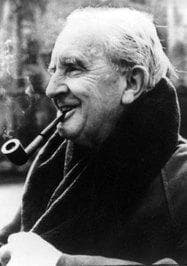
J.R.R. Tolkien was an English writer and philologist, best known for his high-fantasy works. His notable books include "The Hobbit, or There and Back Again," "The Fellowship of the Ring," and "The Return of the King," which are foundational texts in the fantasy genre. He also authored "The Silmarillion" and a boxed set featuring "The Hobbit" and "The Lord of the Rings."
Similar books
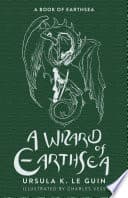
- A Wizard of Earthsea
Ursula K. Le Guin
4.0 (241k) average on GoodreadsFantasyA young wizard embarks on a journey of self-discovery and confronts a shadow creature, exploring themes of balance and responsibility.
- Jonathan Strange & Mr Norrell
Susanna Clarke
3.8 (198k) average on GoodreadsFantasyExplores the return of magic to England with a rich, detailed world and a sense of old-world wonder and danger, though for an older audience.
- Harry Potter and the Sorcerer's Stone
J.K. Rowling
4.5 (7M) average on GoodreadsFantasyRescued from a miserable life under the stairs, an orphaned boy discovers he's a wizard destined for a magical school, where he uncovers a dangerous secret tied to the dark wizard who murdered his parents.
- The Hunger Games
Suzanne Collins
4.3 (6.4M) average on GoodreadsFantasyIn a future where children fight to the death on live television, Katniss Everdeen volunteers for the arena, turning a death sentence into a fight for survival and a spark of rebellion.
- 1984
George Orwell
4.2 (3.1M) average on GoodreadsPoliticsIn a future where surveillance and thought control are absolute, a man's search for truth clashes with the Party, showing that hope can be a form of rebellion.
- Divergent
Veronica Roth
4.2 (2.9M) average on GoodreadsFantasyIn a society divided by virtues, a sixteen-year-old's difference from the norm starts a rebellion that threatens her world.





Enjoyed the summary?
A summary gives you the shape of the book. The book itself has the detail, the examples and the voice.
Find The Hobbit, or There and Back Again on AmazonAs an Amazon Associate, BookBrief earns from qualifying purchases. How we're funded