
Estimated read time: 7 min read
One Sentence Summary
"A Time to Dance" by Karen Kingsbury is a poignant story of a young girl's journey through loss, faith, and the transformative power of dance.
Table of Contents
Introduction
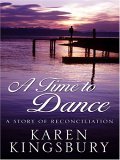
Karen Kingsbury’s A Time to Dance is a poignant novel that delicately explores the intersecting themes of hope, resilience, and the transformative power of faith. Known for her heartfelt storytelling, Kingsbury invites readers into the life of a young dancer whose dreams face unexpected challenges. This novel holds a special place in contemporary Christian fiction, offering both emotional depth and spiritual encouragement. For college students and lecturers studying modern inspirational literature, A Time to Dance provides a compelling case study on character development, thematic exploration, and narrative structure within faith-based fiction.
Historical Context
While A Time to Dance is a contemporary novel, understanding its place within the genre of Christian fiction is essential. In the early 21st century, Christian fiction has grown significantly, becoming more accessible and mainstream. Authors like Karen Kingsbury have played a pivotal role in bringing faith-centered stories to a broader audience. The book reflects modern societal challenges, especially those faced by young adults, and addresses universal themes through a Christian worldview.
Brief Synopsis
Plot Overview
The story revolves around Fallon Taylor, a gifted young dancer whose life takes a tragic turn after a devastating accident. Once full of promise and dreams of a professional dance career, Fallon must confront the possibility that her future in dance might be over. The novel follows her emotional journey as she grapples with loss, identity, and faith, while also exploring relationships with family and friends who support her through this difficult time. The narrative is a testament to the human spirit’s ability to find hope and purpose amid adversity.
Setting
Set in a contemporary American town, the atmosphere is both familiar and intimate, focusing primarily on Fallon’s personal world – her dance studio, home, and hospital environments. The settings emphasize the contrast between the vibrancy of her former life and the challenges she faces post-accident, creating an immersive emotional backdrop.
Main Characters
| Name | Role | Key Traits | Importance to the Plot |
|---|---|---|---|
| Fallon Taylor | Protagonist | Passionate, resilient, vulnerable | Central character whose journey drives the story |
| Clay | Love Interest/Friend | Supportive, kind, steadfast | Provides emotional support and companionship |
| Fallon’s Parents | Support System | Loving, concerned, faith-driven | Represent family dynamics and faith grounding |
| Dance Instructor | Mentor | Encouraging, dedicated | Symbolizes Fallon’s dreams and professional aspirations |
Plot Summary
Part 1: Dreams and Devastation
Fallon Taylor’s life is defined by dance – her passion and identity. Early chapters vividly depict her dedication, her rigorous practice sessions, and her aspirations for a dance career. A tragic car accident changes everything, leaving Fallon physically and emotionally shattered. This section captures the shock and despair that accompany such a life-altering event.
Part 2: Struggle and Acceptance
As Fallon confronts her new reality, the narrative delves deep into themes of loss and identity crisis. Her struggles with physical therapy, emotional breakdowns, and moments of doubt are portrayed with raw honesty. Family tensions surface, and relationships are tested. This segment highlights the complexities of coping with trauma and the slow, painful journey toward acceptance.
Part 3: Faith and Renewal
The final part of the novel centers on Fallon’s spiritual growth and renewed sense of purpose. Through prayer, community support, and inner reflection, she begins to embrace a new definition of success and fulfillment. The story culminates in a powerful message about the redemptive power of faith and the importance of hope, even when life’s plans change drastically.
Themes and Motifs
Resilience and Overcoming Adversity
At its core, A Time to Dance is about resilience. Fallon’s journey from despair to hope exemplifies the human capacity to overcome personal tragedy. This theme resonates widely, especially with young readers facing their own challenges.
Faith and Spiritual Growth
Faith is intricately woven throughout the narrative. Fallon’s evolving relationship with God offers a lens through which readers can explore spiritual renewal and the comfort faith can provide during hardship.
Identity and Purpose
The novel probes deep questions of identity beyond career and physical ability. Fallon’s story encourages readers to consider what defines them and how purpose can be redefined after life-altering events.
Family and Community Support
The importance of a supportive community is a recurring motif. Fallon’s parents, friends, and mentors symbolize the vital role that relationships play in healing and growth.
Literary Techniques and Style
Karen Kingsbury’s writing style is clear, emotive, and accessible, making complex emotional experiences relatable. She employs a linear narrative structure that allows readers to follow Fallon’s journey closely. Symbolism is used subtly, with dance representing not only Fallon’s passion but also the rhythm of life itself – its ups and downs, and the need for balance.
The dialogue is natural and serves to develop characters effectively, while descriptive passages vividly capture the physicality of dance and the emotional landscape of the protagonist. Kingsbury balances moments of heartbreak with humor and hope, maintaining reader engagement throughout.
Author's Background
Karen Kingsbury is a prolific author known for her inspirational fiction and devotion-themed novels. With a career spanning over two decades, she has authored numerous bestsellers and is widely respected in Christian literary circles. Her works often focus on themes of redemption, faith, and family, drawing on her own experiences and deep Christian beliefs.
Kingsbury’s writing style is characterized by its emotional depth and accessibility, appealing to a broad readership. Her ability to craft relatable characters facing relatable challenges has cemented her legacy as a leading voice in contemporary Christian fiction.
Key Takeaways
- Resilience is crucial: Life’s unexpected challenges can be overcome with determination and support.
- Faith offers solace and strength: Spiritual growth can provide a foundation during difficult times.
- Identity transcends circumstances: Self-worth is not defined solely by career or physical ability.
- Community matters: Family and friends are integral to healing and hope.
- Hope is transformative: Even in the darkest moments, hope can inspire new beginnings.
Reader's Takeaway
Readers of A Time to Dance can expect an emotionally impactful experience that combines personal struggle with spiritual insight. The novel offers both intellectual engagement and emotional resonance, encouraging reflection on personal values and beliefs. For students and lecturers, the book is a rich resource for discussions on character development, thematic analysis, and the role of faith in literature. Its accessible prose invites a wide audience to explore profound questions about life’s purpose and resilience.
Conclusion
Karen Kingsbury’s A Time to Dance is more than a novel about a young dancer’s tragedy—it is a moving exploration of hope, faith, and the human spirit’s capacity to rebound. Its relevance to contemporary readers, especially those interested in the intersection of literature and spirituality, cannot be overstated. By engaging with this novel, readers embark on a journey that is both heart-wrenching and uplifting, making it a valuable addition to both academic study and personal reflection. Whether for classroom discussion or personal growth, A Time to Dance encourages us all to find our rhythm in life’s unpredictable dance.
A Time to Dance FAQ
What is the main theme of 'A Time to Dance'?
'A Time to Dance' explores themes of faith, hope, healing, and the power of perseverance through the story of a young dancer facing a life-changing diagnosis.
Who is the protagonist of the book?
The protagonist is a talented young dancer named Autumn, who must navigate the challenges of her illness while holding onto her dreams.
Is 'A Time to Dance' based on a true story?
While the story is fictional, it is inspired by real-life experiences and emphasizes realistic emotional and physical struggles.
What age group is 'A Time to Dance' suitable for?
The book is suitable for young adults and adults who appreciate inspirational fiction with themes of faith and resilience.
Does the book include elements of faith or spirituality?
Yes, Karen Kingsbury incorporates Christian faith as a central element that provides comfort and strength to the characters.
Are there any sequels or related books to 'A Time to Dance'?
'A Time to Dance' is a standalone novel, but fans of Karen Kingsbury can explore her other inspirational works with similar themes.
What message does the book convey about dealing with adversity?
The book emphasizes the importance of faith, hope, and determination in overcoming life's obstacles and finding purpose despite challenges.
How does dance play a role in the story?
Dance symbolizes Autumn's passion and identity, and her journey reflects how she copes with her illness through her love for dance.
Is 'A Time to Dance' appropriate for book clubs?
Yes, it offers rich themes for discussion, including faith, coping with illness, and personal growth, making it a great choice for book clubs.


