

Synopsis
Covers the whole plot, including the ending.
- Difficulty
- Easy
- Pacing
- Moderate
- Mood
- Romantic, Dark, Sensual, Empowering
- Read it if
- You enjoy Hades and Persephone retellings with a modern, spicy twist, featuring a strong heroine discovering her power and a brooding, possessive hero.
- Skip it if
- You prefer traditional mythological retellings, low-heat romance, or stories with minimal dark themes and violence.
A Touch of Darkness Plot Summary
Covers the whole plot, including the ending.
A Chance Encounter at Nevernight
Persephone, a young spring goddess who secretly withers plants, lives in New Athens under her mother Demeter's strict control. She poses as a mortal journalism student. Against her mother's rules, she attends Nevernight, a club in the mortal world owned by Hades, God of the Dead. Hades, intrigued, approaches her. Despite her attempts to stay hidden, Hades recognizes her as a goddess. They share a charged conversation, and Hades, sensing her unique nature, offers her a drink. Persephone, overwhelmed by the encounter and her forbidden presence, flees the club, leaving her scarf.
The Unveiling and the Contract
Hades, having learned Persephone's identity after their meeting at Nevernight, finds her at her apartment. He shows her a contract she unknowingly signed when she left her scarf at his club. The terms are bold: Persephone must create life in the Underworld, specifically 20,000 plants, or forfeit her freedom and stay in the Underworld forever. This challenge reveals her deepest secret – her inability to grow anything. Initially defiant, Persephone, fearing Demeter's anger and the consequences of refusing a god, reluctantly agrees to the terms. This starts their complex relationship.
First Forays into the Underworld
Persephone makes her first trips to the Underworld with Hades. She is at first repulsed by its desolate nature but also fascinated by its beauty and its inhabitants' loyalty. Her attempts to grow plants fail; everything she touches withers. She meets Hecate, a powerful goddess who becomes a mentor. Persephone discovers the unique conditions of the Underworld soil, which needs more than just sunlight to grow. Hades, despite his stern manner, gives her resources and information, subtly guiding her and watching her resilience. She also begins to learn about the different realms within Hades's domain.
The Fae Market Incident
Persephone, seeking solutions for her planting problem, visits the Fae market with her friend Lexa. There, she meets Fae who try to exploit her. When one Fae tries to assault Lexa, Persephone's dormant powers surge, appearing as deadly vines that attack the aggressors. This raw display of power surprises Persephone and draws Hades's attention. He arrives to retrieve her. His anger is clear, but his actions are protective, quickly dealing with the Fae and showing his possessive nature. This further strengthens the unspoken connection between them.
Growing Pains and Growing Feelings
As Persephone continues to grow plants in the Underworld, she experiments with her dormant powers, realizing they are more complex than simple destruction. Her time with Hades, both in the Underworld and during their visits to the mortal world, becomes more intimate. They share meals, conversations, and a growing physical attraction. Persephone feels drawn to Hades's honesty, his protectiveness, and the hidden depths beneath his stoic outside. She struggles with the forbidden nature of their developing relationship, knowing her mother Demeter would never approve.
The Oracle's Prophecy
Seeking guidance about her powers and future, Persephone visits an Oracle. The Oracle gives a cryptic but troubling prophecy: 'The daughter of Demeter will bring ruin to the Underworld, and its King will fall.' This prediction deeply worries Persephone, making her question her identity, purpose, and relationship with Hades. The prophecy adds tension to her developing romance with Hades, as she fears she might harm him and his realm, despite her growing feelings.
A Night of Confession and Connection
After the troubling prophecy, Persephone confronts Hades, sharing her fears and the Oracle's words. In a vulnerable moment, Hades reveals more about his past, his loneliness, and his deep desire for connection. He reassures Persephone, expressing his belief in her strength and his willingness to face any challenge with her. This conversation is a turning point in their relationship, deepening their emotional intimacy and trust. They acknowledge their mutual attraction and the intensity of their feelings, moving past the initial contract toward a true partnership.
Demeter's Interference
Demeter, suspicious of Persephone's frequent absences and changes, eventually discovers her daughter's contract with Hades and her visits to the Underworld. Enraged by this forbidden link, Demeter confronts Persephone, trying to force her to break ties with Hades. She warns Persephone of Hades's supposed evil and the dangers of the Underworld. Demeter's overprotective and controlling nature conflicts sharply with Persephone's growing independence. This creates a significant problem that highlights the generational gap and the societal expectations placed on Persephone.
The Attack and Revelation of True Power
During a vulnerable moment, Persephone is attacked by an unknown person, later revealed to be Minthe, Hades's jealous ex-lover, who has been manipulating events. In a desperate act of self-preservation, fueled by her growing connection to Hades, Persephone's full powers as a goddess of spring and death finally appear. She unleashes a torrent of life and destruction, creating vibrant, deadly plants that overwhelm her attacker. This moment solidifies her identity, proving she is not just a withered goddess but a powerful force capable of both creation and destruction, fulfilling her contract with abundant life.
A New Beginning in the Underworld
Having successfully created life in the Underworld and fully accepted her powers, Persephone makes a choice. Despite Demeter's protests and societal pressures, she chooses to stay in the Underworld with Hades. She has changed the desolate landscape into a thriving garden, fulfilling her contract beyond measure. More importantly, she has found her true self and true love with Hades. Their relationship is firm, and Persephone, now confident in her identity as the Goddess of Spring and Queen of the Underworld, begins her new life, ready to face whatever challenges come next with Hades.
A Touch of Darkness Characters
Persephone
Protagonist
The Goddess of Spring who secretly withers plants, seeking independence.
Persephone is initially portrayed as a sheltered, insecure goddess, stifled by her overprotective mother, Demeter. She struggles with her perceived failure as the Goddess of Spring, as her touch withers plants instead of making them bloom. Beneath her timid exterior, she possesses a keen intellect, a rebellious spirit, and a deep longing for freedom and self-discovery. Her journey is one of self-acceptance and embracing her dual nature as a goddess of both life and death. She is compassionate but also fiercely protective of those she cares about, and surprisingly resilient.
Relationships: Hades (Love interest, contractual partner, mentor); Demeter (Overprotective mother, source of conflict); Lexa (Best friend, confidante); Hecate (Mentor, ally)
Hades
Love Interest / Deuteragonist
The enigmatic God of the Dead and King of the Underworld.
Hades is a powerful, ancient god, often misunderstood and feared. He rules the Underworld with an iron fist but also with a sense of justice and responsibility. He is stoic, reserved, and often appears emotionless, but beneath his formidable exterior lies a deep loneliness, a dry wit, and a surprisingly tender heart. He is drawn to Persephone's defiance and unique spirit, and he becomes her protector, mentor, and eventually, her lover. He values honesty and loyalty above all else and is fiercely possessive of what he considers his.
Relationships: Persephone (Love interest, contractual partner, future Queen); Hecate (Loyal advisor, friend); Minthe (Ex-lover, antagonistic figure); Thanatos (Loyal servant)
Demeter
Antagonist / Supporting
Persephone's overprotective and controlling mother, the Goddess of the Harvest.
Demeter is a powerful and revered goddess, fiercely protective of her daughter, Persephone. Her love, however, manifests as extreme control and manipulation, stifling Persephone's independence and identity. She views Hades and the Underworld with deep suspicion and disdain, making her a formidable obstacle to Persephone's blossoming romance. She embodies traditional values and expectations, fearing anything that threatens her carefully constructed world for her daughter. Her actions, though rooted in love, often cause more harm than good.
Relationships: Persephone (Daughter, object of control); Hades (Antagonistic figure, perceived enemy)
Hecate
Supporting
The Goddess of Magic, Crossroads, and Witchcraft, an ally to Hades and Persephone.
Hecate is a wise and powerful goddess, serving as a trusted advisor to Hades and a mentor to Persephone. She is pragmatic, observant, and possesses a deep understanding of magic and the Underworld. She provides Persephone with crucial guidance, information, and emotional support, helping her navigate the complexities of her powers and her new environment. Hecate is fiercely loyal to Hades but also encourages Persephone's independence and growth, seeing her potential before others do. She is a voice of reason and strength.
Relationships: Hades (Trusted advisor, friend); Persephone (Mentor, ally)
Lexa
Supporting
Persephone's loyal and spirited mortal best friend.
Lexa is Persephone's vibrant and outspoken best friend in New Athens. She is a loyal and supportive companion, often pushing Persephone out of her comfort zone and encouraging her to experience life beyond Demeter's strictures. Lexa provides comic relief and a connection to the mortal world, grounding Persephone amidst the drama of the gods. She is brave and fiercely protective of Persephone, even when facing supernatural threats. Her friendship is a constant source of strength and normalcy for Persephone.
Relationships: Persephone (Best friend)
Minthe
Antagonist
Hades's jealous ex-lover and a nymph of the Cocytus river.
Minthe is a beautiful but manipulative nymph who was formerly Hades's mistress. She is deeply possessive of Hades and resentful of Persephone's presence, seeing her as a threat to her own status and influence. Driven by jealousy and a desire to regain Hades's attention, she engages in petty schemes and eventually a direct attack on Persephone. She embodies the toxic aspects of unrequited love and serves as a direct antagonist, highlighting Hades's past and the challenges Persephone faces in the Underworld court.
Relationships: Hades (Ex-lover, object of obsession); Persephone (Rival, target of jealousy)
Thanatos
Supporting
The God of Death and Hades's loyal right-hand man.
Thanatos is a powerful and imposing figure, serving as Hades's most trusted enforcer and loyal companion. He is stoic and efficient, embodying the cold impartiality of death. While initially wary of Persephone, he eventually comes to respect her strength and her growing connection with Hades. He acts as a gatekeeper and protector of the Underworld, carrying out Hades's commands without question. His presence emphasizes Hades's authority and the gravity of the Underworld.
Relationships: Hades (Master, friend); Persephone (Initially suspicious, later respectful)
Ares
Mentioned
The God of War, Hades's brother, briefly involved with Persephone.
Ares is Hades's brother and the God of War. He is known for his aggressive and sensual nature. He briefly pursues Persephone, attempting to seduce her and create a rift between her and Hades. His involvement highlights the complex and often volatile relationships among the Olympian gods, and serves to further solidify Persephone's commitment to Hades. He represents a fleeting temptation and a challenge to the developing bond between the main characters.
Relationships: Hades (Brother); Persephone (Brief romantic interest/pursuer)
A Touch of Darkness Themes
Self-Discovery and Identity
Persephone's journey is about finding her true self, beyond her mother Demeter's expectations and limits. She starts as a goddess who feels like a failure, unable to do her duties. Her contract with Hades forces her to face her dormant powers and her dual nature as a goddess of both life and death. Through her struggles in the Underworld and her relationship with Hades, she learns to accept her unique abilities and claim her identity as a powerful goddess. This is clear when she uses her full power against Minthe, creating life and destruction at once.
“I am not weak. I am not useless. I am not just Demeter’s daughter. I am Persephone.”
Forbidden Love and Breaking Conventions
The central romance between Persephone and Hades is forbidden. Demeter's strong disapproval and society's view of Hades as dark and dangerous create big problems. Their love challenges the established rules and expectations of the Olympian gods and the mortal world. Persephone's choice to be with Hades is an act of rebellion against her mother's control and rigid social structures. It shows that true love goes beyond societal judgments and expectations, demonstrating a deep connection that defies convention. This is seen in Persephone's final decision to stay in the Underworld.
“You are the goddess of spring. I am the god of the dead. We are not meant to be.”
Freedom vs. Control
This theme is mainly explored through Persephone and Demeter's dynamic. Demeter's overprotective and controlling nature suffocates Persephone, stopping her from experiencing life and forming her own identity. Persephone's move to New Athens and her contract with Hades are acts of seeking freedom and independence. While the contract initially seems like another form of control, it becomes the reason for her liberation, forcing her to find her inner strength and make her own choices. Her final decision to stay in the Underworld shows her victory over Demeter's control and her embrace of self-determination.
“I have spent my entire life being told what to do, what to say, who to be. No more.”
The Nature of Power
The novel explores different types of power: political, physical, and self-power. Hades has immense power as King of the Underworld, but he also understands its duties and limits. Persephone, at first believing herself powerless, slowly discovers her true strength. She realizes her power is not just about creation but also destruction. The story suggests that true power is not just about what one can command, but in self-acceptance, resilience, and the ability to make choices that align with one's true self. Her power appears as both life and death, showing her dual nature.
“Power is not always about destruction, Persephone. Sometimes it is about creation. And sometimes, it is about both.”
Acceptance and Belonging
Persephone spends much of her life feeling like an outcast, unable to fulfill her role as the Goddess of Spring and stifled by her mother's expectations. In the Underworld, a realm often seen as desolate and fearsome, she finds a sense of belonging and acceptance. Hades, an outcast among the gods, understands her unique struggles. The Underworld, with its diverse inhabitants and unique ecosystem, becomes a place where Persephone can truly be herself, embrace her full powers, and finally feel at home. This is evident in her choice to make the Underworld her permanent home.
“The Underworld is not a prison, Persephone. It is a home. And you belong here.”
Plot Devices & Literary Techniques
The Contract
A magical agreement binding Persephone to Hades and the Underworld.
The contract is the primary inciting incident and a central driver of the plot. It establishes the initial conflict between Persephone and Hades, forcing them into close proximity. Initially, it represents Persephone's loss of freedom, but it paradoxically becomes the catalyst for her self-discovery and the development of her relationship with Hades. The impossible terms of growing 20,000 plants in the barren Underworld push Persephone to confront her perceived weaknesses and unlock her true powers, transforming a binding agreement into a path to liberation.
Persephone's Dormant Powers
The hidden ability to both wither and cultivate life, representing her dual nature.
Persephone's inability to grow plants initially serves as a source of her insecurity and a major plot point, making her contract with Hades seem impossible. However, this 'failure' is a misinterpretation of her true, dual nature. Her dormant powers, which can both destroy and create life, slowly awaken throughout the story. This device builds suspense as Persephone struggles to understand and control her abilities, culminating in the powerful manifestation against Minthe, revealing her true potential as a goddess of both spring and death. It symbolizes her journey of self-acceptance and embracing her full identity.
The Underworld as a Character/Setting
The realm of the dead, acting as a transformative backdrop and reflecting Hades's nature.
The Underworld is more than just a setting; it actively influences the characters and plot. Initially depicted as a desolate, feared realm, it gradually reveals its unique beauty and complex ecosystem. Its harsh conditions challenge Persephone, forcing her to adapt and innovate. The Underworld also reflects Hades's stoic yet protective nature and serves as a safe haven where Persephone can escape Demeter's control. As Persephone transforms it with her powers, the Underworld itself undergoes a metamorphosis, symbolizing her growth and her acceptance of her role as its queen.
The Oracle's Prophecy
A cryptic prediction that foreshadows future conflict and adds tension to the romance.
The Oracle's prophecy, stating Persephone will bring ruin to the Underworld and cause its King to fall, serves as a significant element of foreshadowing and dramatic irony. It creates internal conflict for Persephone, making her fear her own power and her potential impact on Hades. This device raises the stakes for the central romance, suggesting that their love might be doomed or bring about destruction. It adds a layer of tension and urgency, pushing Persephone to understand her powers and her destiny, and forcing Hades to confront his own vulnerabilities.
A Touch of Darkness Quotes
“I would rather burn than be without you.”
“You are my queen, Persephone. My darkness, my light, my everything.”
“Tell me, little goddess, what will you give me for your freedom?”
“He was a monster, but he was her monster.”
“Some gods are born, some are made. And some are forged in the fires of hell.”
“The Underworld was not a place of torment, but a place of quiet reflection, of peace.”
“There is no light without darkness, no life without death.”
“I am not a flower to be plucked, Lord Hades. I am the earth itself.”
“He tasted of smoke and sin and everything she shouldn’t want.”
“Sometimes the monster is the only one who can protect you from the other monsters.”
“Do not mistake my kindness for weakness, goddess.”
“She was a goddess of spring, and he was the king of the dead. They were chaos and order, light and darkness, and somehow, they fit.”
“My love for you is a disease, and I don’t want a cure.”
“You can run, little goddess, but you can’t hide from fate.”
Quiz
10 questions on the plot and the characters. Each answer comes with a short explanation.
Question 1
What is Persephone's true power, which she keeps hidden, that causes flowers to shrivel at her touch?
- The power of decay
- The power of ice
- The power of shadow
- The power of fire
Show answer
A. The power of decay The book establishes early on that Persephone's touch causes flowers to shrivel, indicating a power of decay rather than growth, which she tries to hide.
Question 2
What is Persephone's chosen profession in New Athens, where she attempts to lead an unassuming life?
- A barista
- A librarian
- A journalist
- A florist
Show answer
C. A journalist Persephone moves to New Athens specifically to pursue a life as a mortal journalist, hoping to blend in and avoid attention.
Question 3
What impossible task does Hades set for Persephone as part of their contract?
- To defeat a monster in Tartarus
- To restore his lost memories
- To create life in the Underworld
- To expose a corrupt god
Show answer
C. To create life in the Underworld The core of their contract is for Persephone to create life in the barren Underworld, a task made seemingly impossible by her own dormant powers.
Question 4
Which specific club does Hades own where Persephone first encounters him?
- Elysium
- Nevernight
- The Styx Lounge
- Tartarus Den
Show answer
B. Nevernight Persephone's fateful first meeting with Hades occurs at his prominent club, Nevernight, in New Athens.
Question 5
What is the primary reason Persephone's mother, Demeter, keeps her sheltered and restricts her interactions with other gods?
- To protect her from Zeus's advances
- To prevent her true powers from being discovered
- To ensure she marries a suitable god
- To keep her focused on her studies
Show answer
B. To prevent her true powers from being discovered Demeter is fiercely protective and keeps Persephone isolated largely to hide her dormant powers of decay, fearing exposure and what it might mean.
Question 6
What specific type of plant does Persephone initially struggle to grow in the Underworld as part of her contract?
- Roses
- Sunflowers
- Pomegranates
- Lilies
Show answer
C. Pomegranates The pomegranate is a significant symbol in the myth of Persephone and Hades, and it's one of the key plants she attempts to cultivate in the Underworld.
Question 7
What is the main thematic conflict Persephone faces regarding her identity as a goddess?
- Her struggle to accept her role as a war goddess
- Her inability to embrace her assigned title as Goddess of Spring due to her destructive power
- Her desire to be a goddess of the sea instead of the land
- Her conflict between being a goddess and a mortal
Show answer
B. Her inability to embrace her assigned title as Goddess of Spring due to her destructive power Persephone is titled the Goddess of Spring, but her inherent power causes decay, creating a deep internal conflict about her true identity and purpose.
Question 8
What is the primary reason the relationship between Persephone and Hades is considered 'forbidden' by other gods and society?
- Hades is already married to another goddess.
- Persephone is betrothed to another god.
- Hades is the God of the Dead, and Persephone is associated with life and spring, creating an inherent societal taboo.
- They are half-siblings, making their relationship incestuous.
Show answer
C. Hades is the God of the Dead, and Persephone is associated with life and spring, creating an inherent societal taboo. The forbidden nature of their love stems from Hades's role as the feared God of the Dead and Persephone's traditional association with life and spring, making their union scandalous to the other gods.
Question 9
Besides her journalistic pursuits, what personal reason motivates Persephone to seek independence and a life away from her mother's influence?
- She wants to explore the mortal world's culinary scene.
- She feels stifled and controlled by Demeter's overprotective nature and wants to discover her own identity.
- She is running from a prophecy that foretells her demise.
- She seeks to find a lost artifact in New Athens.
Show answer
B. She feels stifled and controlled by Demeter's overprotective nature and wants to discover her own identity. Persephone's move to New Athens is a direct act of rebellion against Demeter's suffocating control, driven by a deep desire for personal freedom and self-discovery.
Question 10
What is Hades's primary business venture in the mortal world, which provides him with significant power and influence?
- A network of underground mines
- A vast shipping empire
- A gambling empire, including clubs and casinos
- A global banking institution
Show answer
C. A gambling empire, including clubs and casinos Hades has built a formidable gambling empire in the mortal world, which is mentioned as the source of his wealth and influence outside of the Underworld.
A Touch of Darkness FAQ
What is Persephone's true divine nature at the beginning of the story, despite her title as Goddess of Spring?
At the story's outset, Persephone, despite her title, is unable to cultivate life; flowers wither under her touch, a secret she's kept for years. This inability is a significant source of insecurity and a key plot point, as it directly relates to the impossible contract Hades offers her. Her mother, Demeter, has meticulously hidden this truth and Persephone's existence from the wider Olympian world.
Why does Persephone move to New Athens and what is she trying to achieve there?
Persephone moves to New Athens to escape her mother Demeter's overprotective grip and live a more independent life. She attempts to disguise herself as a mortal journalist, hoping to blend in and lead an unassuming existence away from the scrutiny of the gods and her own divine failures. This move is a crucial step in her journey toward self-discovery and breaking free from her mother's influence.
What is the nature of Hades's gambling empire in the mortal world, and what kind of bets does he favor?
Hades has established a vast and successful gambling empire in the mortal world, operating under the guise of various high-stakes casinos and clubs. He is known for favoring 'impossible' bets, challenges that seem insurmountable, which reflects his own powerful and unyielding nature. This penchant for impossible bets is what leads to his fateful contract with Persephone.
What are the specific terms of the contract Hades offers Persephone, and what are the stakes?
Hades offers Persephone a contract requiring her to create life in the Underworld within a specified timeframe. If she succeeds, she gains her freedom and the debt is cleared; if she fails, she will be bound to the Underworld forever, effectively losing her autonomy and becoming his consort. This contract directly challenges her greatest insecurity and forces her to confront her true powers.
How does Persephone's inability to create life impact her self-perception and relationship with her mother, Demeter?
Persephone's inability to create life deeply erodes her self-worth and fuels a profound sense of inadequacy, making her feel like a failure as a goddess. This secret also strains her relationship with Demeter, who has gone to extreme lengths to conceal it, often stifling Persephone in the process. Demeter's protectiveness, though well-intentioned, ultimately hinders Persephone's growth and understanding of her own powers.
Beyond the literal contract, what deeper 'impossible bet' does Hades make with Persephone regarding her nature?
Beyond the literal contract to create life, Hades implicitly bets on Persephone's hidden potential and her capacity for growth and power, seeing past her perceived failures. He challenges her to embrace her true self, including her darker aspects, and defy the expectations placed upon her by Demeter and society. He believes she is capable of far more than she, or anyone else, realizes.
What role do the Fates play in the background of the story, and are there any subtle hints about their influence?
While not explicitly front and center, the Fates' influence can be subtly felt through the seemingly 'chance' encounters and the unfolding of Persephone's destiny, particularly in Hades's prescience about her potential. There are often mentions of inevitability or 'what is meant to be,' hinting at a larger cosmic design guiding the characters toward their intertwined destinies. Hades himself is keenly aware of destiny and prophecy.
How does Hades's reputation as the God of the Dead influence Persephone's initial perception of him, and how does it evolve?
Persephone initially perceives Hades with fear and trepidation, viewing him through the lens of myths and his dark reputation as the God of the Dead, a figure associated with darkness and punishment. Her perception gradually evolves as she spends more time with him, witnessing his nuanced personality, his protectiveness, and his often-misunderstood nature, realizing there's more to him than the legends suggest.
What specific details about the Underworld environment surprise Persephone and challenge her preconceived notions?
Persephone is surprised by the unexpected beauty and order within the Underworld, which is far from the desolate wasteland she imagined. She encounters vibrant cities, loyal subjects, and a complex society, challenging her preconceived notions of Hades's realm as merely a place of torment. The presence of life and governance within death's domain is a significant revelation for her.
How does Persephone's journey in the Underworld mirror or contrast with her life in New Athens?
Persephone's journey in the Underworld contrasts sharply with her life in New Athens. In New Athens, she sought anonymity and tried to suppress her true nature, while in the Underworld, she is forced to confront and embrace her powers and identity. The Underworld, ironically, becomes a place of greater freedom and self-discovery than the mortal world she tried to hide in.
What is the significance of the 'forbidden' aspect of Persephone and Hades's love, both socially and mythologically?
The 'forbidden' aspect of their love is significant both socially and mythologically. Socially, Demeter vehemently opposes it due to Hades's reputation and her desire to protect Persephone from perceived dangers. Mythologically, it challenges the established order of the gods and ancient narratives, representing a defiance of expectations and a reinterpretation of their classic story. This forbidden nature amplifies the stakes and their passion.
How does Hades's past, particularly his relationship with Zeus and other Olympians, inform his character and actions?
Hades's past, marked by his exile to the Underworld by Zeus and the Olympians, deeply informs his character, making him guarded, solitary, and wary of others. This history fuels his desire for independence and control, shaping his decision to build his own empire and his cautious approach to relationships. He carries the weight of past betrayals and misunderstandings.
Are there any subtle foreshadowing elements regarding Persephone's true power or lineage beyond her 'spring goddess' title?
Yes, there are subtle foreshadowing elements, such as the destructive nature of her touch (withering flowers) rather than purely nurturing, hinting at a power that is not solely life-giving but also capable of taking life or transformation. Hades often remarks on her 'darkness' or 'potential,' suggesting a dual nature that extends beyond simple spring divinity, aligning her more with the Underworld than she initially realizes.
How does Persephone's initial fear of Hades transform into trust and eventually love?
Persephone's initial fear gradually transforms as Hades consistently demonstrates respect, honesty, and a surprising tenderness beneath his formidable exterior. She observes his integrity, his care for his subjects, and his unwavering belief in her potential, which slowly erodes her preconceived notions. His actions, rather than just his words, build a foundation of trust that blossoms into love.
What themes of self-discovery and breaking free from parental expectations are central to Persephone's arc?
Central to Persephone's arc are themes of self-discovery and breaking free from Demeter's suffocating parental expectations. She must confront her own insecurities, embrace her full power (including its darker aspects), and define her own identity separate from her mother's influence and the societal roles prescribed for her. Her journey is about finding her own voice and agency.
How does Hades's perception of love and relationships differ from the typical Olympian gods?
Hades's perception of love and relationships differs significantly from the often-fickle and self-serving nature of the Olympian gods. He values loyalty, honesty, and deep connection, seeking a true partnership rather than fleeting conquest or power plays. His experiences of isolation have made him appreciate genuine companionship and emotional depth far more than his Olympian counterparts.
What is the metaphorical significance of Persephone needing to 'create life in the Underworld'?
Metaphorically, Persephone needing to 'create life in the Underworld' signifies her journey of embracing her full power, including her connection to death and transformation, rather than just life. It represents her ability to find beauty and vitality in unexpected places, and to integrate her 'darker' aspects, ultimately leading to her own rebirth and the flourishing of her true self within Hades's realm.
How do supporting characters like Hecate or Thanatos contribute to Persephone's understanding of Hades and the Underworld?
Supporting characters like Hecate, Hades's loyal confidante, and Thanatos, his trusted assistant, provide Persephone with crucial insights into Hades's true character and the intricacies of the Underworld. Hecate often acts as a mentor and offers a more balanced perspective on Hades, while Thanatos, despite his grim nature, showcases the loyalty and order within Hades's domain, helping Persephone see beyond initial prejudices.
About the author

Scarlett St. Clair is a contemporary author known for her fiction, particularly in the fantasy genre. She is best known for her novel "A Touch of Darkness," which explores themes of love and mythology. St. Clair's works often blend romance with elements of the supernatural.
Similar books
- From Blood and Ash
Jennifer L. Armentrout
4.4 (27k) average on GoodreadsFantasyFeatures a hidden-power heroine, a powerful immortal love interest, and a blend of fantasy and romance with explicit scenes.
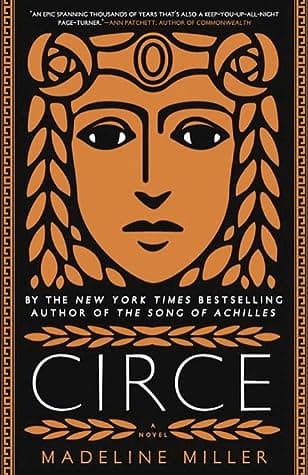
- Circe
Madeline Miller
4.3 (343k) average on GoodreadsFantasyMiller's Circe offers a significantly more nuanced and psychologically rich exploration of a mythological female figure. It delves into themes of isolation, power, and self-discovery with profound depth and exquisite prose, showcasing meticulous world-building and organic character transformation over centuries, contrasting with St. Clair's more direct and romance-centric approach.
- A Court of Thorns and Roses
Sarah J. Maas
4.2 (476k) average on GoodreadsFantasyWhile also fantasy romance, Maas's series provides a more expansive and intricate world-building, a larger cast of supporting characters with their own arcs, and a protagonist (Feyre) whose journey of self-actualization feels more earned and less solely dependent on her romantic partner. Maas balances romance with broader epic fantasy elements more effectively than St. Clair.
- Harry Potter and the Sorcerer's Stone
J.K. Rowling
4.5 (7M) average on GoodreadsFantasyRescued from a miserable life under the stairs, an orphaned boy discovers he's a wizard destined for a magical school, where he uncovers a dangerous secret tied to the dark wizard who murdered his parents.
- The Hunger Games
Suzanne Collins
4.3 (6.4M) average on GoodreadsFantasyIn a future where children fight to the death on live television, Katniss Everdeen volunteers for the arena, turning a death sentence into a fight for survival and a spark of rebellion.
- 1984
George Orwell
4.2 (3.1M) average on GoodreadsPoliticsIn a future where surveillance and thought control are absolute, a man's search for truth clashes with the Party, showing that hope can be a form of rebellion.





Enjoyed the summary?
A summary gives you the shape of the book. The book itself has the detail, the examples and the voice.
Find A Touch of Darkness on AmazonAs an Amazon Associate, BookBrief earns from qualifying purchases. How we're funded