

Synopsis
Covers the whole plot, including the ending.
- Difficulty
- Easy
- Pacing
- Moderate
- Mood
- Heartwarming, Reflective, Poignant, Hopeful
- Read it if
- You enjoy heartfelt coming-of-age stories about resilience, family bonds, and the impact of wartime on those left behind, with a focus on emotional depth and character development.
- Skip it if
- You prefer fast-paced plots with high stakes or explicit wartime action, as this book focuses more on the internal and domestic experiences.
Alice Bliss Plot Summary
Covers the whole plot, including the ending.
Matt's Deployment and Alice's Devastation
Alice Bliss, a thirteen-year-old in a small town, has a very close relationship with her father, Matt. They spend many hours together, gardening, working on roofs, or playing baseball. Matt is Alice's main support, and his upcoming deployment to Iraq breaks her sense of security and happiness. The news affects their family, including her mother, Angie, and younger sister, Ellie. Alice struggles to understand life without her father around. She finds comfort only in the familiar smell of his blue work shirt, which she starts wearing daily, holding onto the last physical piece of him before he leaves.
Adjusting to Life Without Matt
With Matt gone, the Bliss home feels very quiet. Alice tries to fill the empty space by taking on more tasks, helping her mother with chores and looking after Ellie. However, she deeply feels the lack of her father's guidance and company. She keeps wearing his shirt, finding comfort in its fading smell, a quiet sign of her lasting love and longing. The townspeople offer help, but Alice often feels alone in her grief, finding it hard to explain how sad she is to anyone, even her mother, who is also dealing with Matt's absence.
New Interests and Budding Independence
As the school year goes on, Alice finds something unexpected in the track team. At first unsure, she discovers she is good at running, especially the mile. The physical activity and being with her teammates, including her friend Sarah, give her a needed distraction and a feeling of success. This new interest helps Alice use her energy and grief, letting her develop some independence separate from her father's influence. It is a big step in her growing up, as she starts to find her own way and identity during a hard time.
First Love and Growing Up
While dealing with her father's absence, Alice starts to like Jake, the boy next door. Their friendship slowly turns into a new romance. They spend time together, sharing quiet moments and innocent signs of affection. Jake's presence gives Alice another form of comfort and distraction, a new connection that helps fill some of the emotional space left by her father. This first love is a big event in her adolescence, teaching her about closeness, vulnerability, and the mixed feelings of growing up during uncertainty.
The Weight of Responsibility and Family Dynamics
With Matt deployed, Alice feels more responsible for her family, especially for her younger sister, Ellie, who shows more openly that she misses their father. Alice often takes on a parent-like role, comforting Ellie and trying to keep things normal. Her relationship with her mother, Angie, sometimes becomes more tense, as both deal with their own grief and the pressures of running the house. Alice wants her mother's emotional support but often feels she has to be the strong one, leading to moments of unspoken tension and misunderstanding between them.
Driving Lessons and Symbolic Milestones
As Alice gets close to her sixteenth birthday, she starts taking driving lessons. This event shows her growing independence and her journey into adulthood. Driving, taking control of a car, reflects her wish to control her own life despite outside events. It is a mixed experience, as she wishes her father were there to teach her, as they had always planned. The lessons are a clear sign of her progress, a step forward in a world that feels stopped by Matt's absence.
The School Dance and Shifting Friendships
Alice goes to her first school dance with Jake, a big social event that shows her moving into a more typical teenage experience. The dance is a mix of excitement and awkwardness, reflecting her self-discovery. She handles the social situations with her friends, including her changing friendship with Sarah, who is also having her own teenage problems. The dance, though seemingly ordinary, is a powerful moment for Alice, letting her briefly escape the worries of her father's deployment and enjoy the fun and difficulties of being a teenager.
The Fading Scent and Growing Distance
Over time, the comforting smell of Matt's blue shirt, which Alice wears almost constantly, starts to fade. This mirrors the growing emotional distance caused by his long absence. Phone calls happen less often and feel more strained, filled with surface updates rather than deep connection. Alice struggles with the fact that her father is missing important parts of her life, and she worries about how much he is changing, and how much she is changing without him. This fading connection makes her feel more lonely and unsure about their future relationship.
A Difficult Conversation and Unspoken Fears
Alice's worries about her father's safety grow, leading to a hard and emotional talk with her mother, Angie. Alice wants to know if Matt is truly safe, asking her mother for honest answers about war. Angie, trying to protect her daughters, struggles to give comfort while dealing with her own fears. This talk shows the unspoken worries in their home and makes both Alice and Angie face the harsh possibilities of Matt's deployment, further solidifying their shared, though often unspoken, burden.
The Community's Support and Enduring Hope
During Matt's deployment, the small town community helps the Bliss family. Neighbors bring food, help with house repairs, and offer emotional comfort. This collective care shows how strong a community can be and how important it is to help each other during hard times. While Alice often feels her grief is unique, the support reminds her that she is not alone and that many people care deeply for her family. This community strength helps Alice and her family through the long period of uncertainty.
Anticipation of Return and Lingering Doubts
As Matt's deployment ends, Alice feels a mix of excitement and worry. She wants him to come back, imagining their reunion and their family being whole again. However, a part of her also fears how much they have all changed. She has grown into a young woman, experiencing first love and new independence, while he has gone through the trauma of war. She wonders if they can go back to how things were, or if the gap created by his absence will be too wide to close. The anticipation is clear, but so are the doubts about the future.
Matt's Return and The New Normal
Matt finally comes home from Iraq. The reunion is emotional, but also marked by the unspoken changes in everyone. Alice is very happy to have her father back, but soon realizes that he is not entirely the same man who left. He carries the invisible scars of war, and their once easy bond needs careful rebuilding. The family must learn to live with this 'new normal,' adapting to Matt's presence and the ways each of them has changed during his absence. It is a journey of rediscovery and healing for the entire Bliss family.
Principal Figures
Alice Bliss
Protagonist
A thirteen-year-old girl navigating adolescence and her father's wartime deployment.
Alice is a deeply sensitive and observant young girl, initially defined by her profound bond with her father, Matt. She is a tomboy who loves gardening, baseball, and roofing with him. His deployment forces her into a premature journey of self-discovery, where she grapples with grief, responsibility, and the complexities of growing up without her primary anchor. She finds solace in running track and experiences her first love with Jake, all while trying to hold her family together. Alice embodies the quiet strength and resilience of those left behind during wartime.
Relationships: Matt Bliss (Beloved father, her closest confidant); Angie Bliss (Mother, with whom she has a complex, sometimes strained relationship); Ellie Bliss (Younger sister, whom she cares for and protects); Jake (Boyfriend, her first love and source of comfort); Sarah (Friend, teammate)
Matt Bliss
Supporting
Alice's loving father, deployed to Iraq, whose absence drives much of the narrative.
Matt is a kind, hands-on father who shares a special bond with Alice, teaching her practical skills and instilling in her a love for the outdoors. His deployment is the central catalyst for the novel's events, and his absence creates a deep void in Alice's life. Though physically absent for most of the story, his presence is felt through Alice's memories, his fading shirt, and the family's longing. His eventual return brings its own set of challenges, as he grapples with the invisible wounds of war and the changes within his family.
Relationships: Alice Bliss (Daughter, his closest bond); Angie Bliss (Wife, partner in raising their daughters); Ellie Bliss (Younger daughter)
Angie Bliss
Supporting
Alice's mother, struggling to keep her family afloat during her husband's deployment.
Angie is a resilient mother who takes on the immense burden of managing the household and raising her daughters alone during Matt's deployment. She often projects a strong front for her children, but beneath the surface, she battles her own fears and anxieties about her husband's safety. Her relationship with Alice becomes more complex, marked by moments of both tension and unspoken understanding as they each navigate their grief and new responsibilities. She represents the quiet strength and sacrifice of military spouses.
Relationships: Matt Bliss (Husband, partner); Alice Bliss (Daughter, with whom she shares a evolving relationship); Ellie Bliss (Younger daughter)
Ellie Bliss
Supporting
Alice's precocious younger sister, more openly affected by their father's absence.
Ellie is Alice's younger sister, characterized by her precocious nature and more overt expressions of missing her father. She often asks direct questions about Matt, forcing Alice and Angie to confront their own feelings. Ellie's innocence and vulnerability highlight the impact of war on younger children and provide a contrast to Alice's more internalized struggles. She relies heavily on Alice for comfort and companionship in Matt's absence, further solidifying Alice's sense of responsibility.
Relationships: Alice Bliss (Older sister, a source of comfort and care); Matt Bliss (Father); Angie Bliss (Mother)
Jake
Supporting
The boy next door who becomes Alice's first love and emotional support.
Jake is a kind and understanding boy who lives next door to Alice. He develops a quiet affection for her, offering a much-needed source of comfort and normalcy during her father's deployment. Their burgeoning romance is innocent and tentative, providing Alice with a sense of connection and the experience of first love. He doesn't fully understand the depth of her grief but offers a steady presence and a distraction from her anxieties, representing a crucial aspect of her coming-of-age journey.
Relationships: Alice Bliss (Girlfriend, her first love)
Sarah
Supporting
Alice's friend and track teammate, navigating her own adolescent challenges.
Sarah is Alice's friend and a fellow member of the track team. She provides companionship and a sense of normalcy for Alice, sharing the typical experiences of teenage life, such as school dances and sports. While not deeply involved in Alice's family struggles, Sarah's presence highlights the importance of peer relationships during adolescence and offers Alice a connection to the world outside her immediate family's concerns. Their friendship evolves as they both navigate the challenges of growing up.
Relationships: Alice Bliss (Friend, teammate)
Coach Davies
Supporting
Alice's track coach, who recognizes her potential and provides guidance.
Coach Davies is the track coach who encourages Alice to join the team and helps her discover her talent for running. He provides a structured environment and a sense of discipline that helps Alice channel her restless energy and grief. His belief in her abilities gives Alice a much-needed sense of purpose and accomplishment outside of her family's struggles, contributing to her growing independence and self-confidence.
Relationships: Alice Bliss (Coach/mentor)
Mr. Henderson
Mentioned
A kind neighbor who offers support to the Bliss family.
Mr. Henderson is a neighbor who, along with other community members, offers practical and emotional support to the Bliss family during Matt's deployment. He represents the supportive small-town community, bringing meals and checking in on Angie and the girls. His presence underscores the theme of community care and solidarity in times of hardship, providing a sense of security for the family.
Relationships: Bliss Family (Supportive neighbor)
Themes & Insights
Identity and Self-Discovery
Alice's journey is about finding out who she is without her father. His deployment makes her create her own path, developing new interests like running track and experiencing first love. She learns to rely on her own strength and handle adolescence and grief at the same time. The fading smell of her father's shirt shows her letting go of an old identity and taking on a new, independent self.
“The smell of Matt was starting to fade from his blue shirt that Alice wears everyday...”
Love and Its Many Forms
The novel explores different kinds of love: the strong bond between a father and daughter, the complex love between a teenage girl and her mother, the innocent joy of first romantic love, and the lasting love and support of a small-town community. Each kind of love gives Alice strength, comfort, or challenges, shaping how she understands human connection during a very uncertain time. Her love for her absent father stays a constant, driving force.
“Alice idolizes her father, loves working beside him in their garden, accompanying him on the occasional roofing job, playing baseball.”
Absence and Loss
The main theme is the big effect of absence, specifically Matt's deployment, on Alice and her family. The story looks at not just the emotional grief of his physical absence but also the loss of shared experiences, future plans, and a feeling of safety. Alice constantly deals with the empty space left behind, learning to live with a constant feeling of longing and the fear of permanent loss. The fading smell of his shirt is a clear sign of this ongoing process of loss.
“When he ships out, Alice is faced with finding a way to fill the emptiness he has left behind.”
Resilience and Coming of Age in Wartime
Alice's story shows the strength of people and communities facing wartime worries. She grows from a dependent child into a brave young woman, handling typical teenage events like learning to drive, joining the track team, and going to her first dance, all while carrying the emotional weight of her father's deployment. The novel shows how children in military families have to grow up fast and find strength in unexpected places, proving they can adapt and endure.
“Alice Bliss is a transforming story about those who are left at home during wartime, and a teenage girl bravely facing the future.”
Family Dynamics and Change
Matt's deployment greatly changes the Bliss family. Alice takes on more responsibility, especially for Ellie, and her relationship with her mother, Angie, becomes more complicated as they both deal with their own grief and shared problems. The family learns to function in a new way, and Matt's eventual return requires another period of adjustment, as they all deal with how they have changed and how to rebuild their connections in a 'new normal.'
“Alice will learn to drive, join the track team, go to her first dance, and fall in love, all while trying to be strong for her mother, Angie, and take care of her precocious little sister, Ellie.”
Plot Devices & Literary Techniques
The Blue Work Shirt
A tangible symbol of Matt's presence and Alice's grief.
Matt's blue work shirt serves as a powerful symbol throughout the novel. Initially, it is a tangible connection to her father, worn by Alice for comfort and to preserve his scent. As the scent fades, the shirt symbolizes the growing distance and the gradual, painful process of Alice having to let go and adapt to his absence. It represents her longing, her memory, and her slow transition from dependence to independence. The shirt is a constant, silent reminder of what she has lost and what she is waiting to regain.
Running Track
A metaphor for Alice's internal journey and a means of coping.
Alice's involvement in the track team, particularly her running the mile, functions as a powerful metaphor for her emotional and personal journey. The physical exertion and discipline of running provide an outlet for her grief and anxiety, allowing her to channel her restless energy. It also symbolizes her forward momentum, her ability to keep moving despite the challenges, and her burgeoning independence. Running becomes a way for her to find strength and a sense of self outside of her family's struggles.
First Love (Jake)
A symbol of normalcy and a catalyst for Alice's coming-of-age.
Alice's first romantic relationship with Jake serves as a significant plot device, providing a contrast to the heavy themes of war and absence. It symbolizes the normal rites of passage during adolescence that Alice experiences despite the extraordinary circumstances. Jake offers Alice a source of comfort, distraction, and a new kind of emotional connection, marking a crucial step in her journey of self-discovery and helping her navigate the complexities of growing up.
Small-Town Community
A collective character providing support and embodying resilience.
The small-town community acts as a crucial plot device, almost a collective character, that provides a vital support system for the Bliss family. Through acts of kindness like bringing meals, helping with repairs, and offering emotional solace, the community demonstrates the power of solidarity and mutual care in times of crisis. This network of support underscores the theme of collective resilience and helps to sustain Alice and her family through the prolonged uncertainty of Matt's deployment, preventing them from feeling isolated.
Alice Bliss Quotes
“You can't just sit around waiting for your life to happen.”
“Sometimes the bravest thing you can do is just keep breathing.”
“I miss him in my bones.”
“Gardening is a kind of faith.”
“You don't get to choose what happens to you, but you do get to choose how you respond.”
“Home isn't a place, it's the people who love you.”
“The silence between us is so loud it hurts.”
“I keep expecting him to walk through the door, even though I know he won't.”
“We're all just doing the best we can with what we've got.”
“Sometimes you have to let people help you, even when you don't want to.”
“The garden is my father's love letter to us.”
“I'm not the same person I was before he left.”
“Waiting is its own kind of torture.”
“We carry the people we love with us, even when they're gone.”
Quiz
10 questions on the plot and the characters. Each answer comes with a short explanation.
Question 1
What is Alice's father's name and where is he deployed?
- Mike, deployed to Afghanistan
- Matt, deployed to Iraq
- Mark, deployed to Syria
- Matthew, deployed to Kuwait
Show answer
B. Matt, deployed to Iraq Alice's father is named Matt, and he is deployed to Iraq, which is central to the plot as Alice struggles with his absence during her coming-of-age experiences.
Question 2
What item of her father's does Alice wear every day to feel close to him?
- His old baseball cap
- His blue shirt
- His military dog tags
- His gardening gloves
Show answer
B. His blue shirt Alice wears her father's blue shirt daily, but as the story progresses, she notices the smell of Matt fading from it, symbolizing his growing absence and her struggle to hold onto his memory.
Question 3
What is the name of Alice's little sister?
- Ellie
- Emily
- Ella
- Emma
Show answer
A. Ellie Alice's precocious little sister is named Ellie, and Alice takes on a caretaking role for her while trying to support their mother, Angie, during Matt's deployment.
Question 4
Which activity does Alice take up after her father leaves, as part of her coming-of-age journey?
- Joining the track team
- Learning to play the piano
- Starting a garden club
- Volunteering at a hospital
Show answer
A. Joining the track team Alice joins the track team, one of several new experiences she navigates in her father's absence, along with learning to drive, going to her first dance, and falling in love.
Question 5
What is a key theme explored in 'Alice Bliss' regarding relationships?
- The rivalry between siblings in times of crisis
- The complicated love between an adolescent girl and her mother
- The betrayal of friends during wartime
- The isolation of soldiers in combat zones
Show answer
B. The complicated love between an adolescent girl and her mother The novel delves into the complex and often strained relationship between Alice and her mother, Angie, as they both cope with Matt's deployment and Alice's teenage years.
Question 6
How does the small town community contribute to the story's themes?
- By organizing protests against the war
- By providing financial support to the Bliss family
- By looking after its own during uncertain times
- By encouraging Alice to move away for opportunities
Show answer
C. By looking after its own during uncertain times The support of the small town, which looks after its own, is a key theme that highlights communal love and resilience, echoing the broader message of how communities rally around military families.
Question 7
What does Alice learn to do as part of her transition into adulthood while her father is away?
- Cook elaborate meals for her family
- Drive a car
- Manage the family finances
- Start a small business
Show answer
B. Drive a car Learning to drive is one of the milestones Alice achieves in her father's absence, symbolizing her growing independence and the bittersweet nature of maturing without him present.
Question 8
What symbolizes the fading connection between Alice and her father as the story progresses?
- The dying plants in their garden
- The decreasing frequency of letters from Matt
- The smell fading from his blue shirt
- The silence on the phone during calls
Show answer
C. The smell fading from his blue shirt The gradual loss of Matt's scent from his blue shirt that Alice wears daily poignantly represents how physical and emotional distance erodes tangible connections, intensifying her sense of loss.
Question 9
How does the novel portray the impact of wartime on those left at home?
- By focusing solely on Alice's romantic relationships
- By depicting the Bliss family's financial struggles in detail
- Through Alice's journey of bravely facing the future amidst uncertainty
- By highlighting political debates within the community
Show answer
C. Through Alice's journey of bravely facing the future amidst uncertainty The novel emphasizes the emotional and psychological toll on military families, using Alice's personal growth and resilience as a lens to explore the broader theme of coping with absence and uncertainty during wartime.
Question 10
What role does the boy-next-door play in Alice's life during her father's deployment?
- He becomes a substitute father figure for Alice
- He helps Alice with her track training exclusively
- He represents an exploration of new love and emotional support
- He conflicts with Alice over her family responsibilities
Show answer
C. He represents an exploration of new love and emotional support The boy-next-door introduces Alice to new love, providing emotional support and companionship that contrasts with her familial bonds, highlighting the novel's theme of love in its many forms during difficult times.
Alice Bliss FAQ
What is 'Alice Bliss' about?
'Alice Bliss' follows 15-year-old Alice as she navigates adolescence while her father Matt is deployed to Iraq. The novel chronicles her coming-of-age through milestones like learning to drive, joining the track team, and experiencing first love, all while coping with her father's absence and supporting her mother Angie and younger sister Ellie.
Why should I read 'Alice Bliss'?
This novel offers a poignant, intimate look at the emotional impact of military deployment on families left behind. Through Alice's authentic teenage perspective, it explores universal themes of love, loss, resilience, and growing up during uncertain times, making it both emotionally resonant and socially relevant.
What is the background/setting of 'Alice Bliss'?
The story is set in a contemporary small American town during the Iraq War era. The primary settings include the Bliss family home (particularly the garden Alice tended with her father), Alice's high school, and the local community that rallies around military families.
What are the most memorable quotes?
Key quotes include Matt telling Alice 'You can do anything' before leaving, Alice reflecting that 'The smell of Matt is starting to fade from his blue shirt,' and descriptions of love as having 'many variations' - capturing the novel's themes of memory, absence, and different forms of connection.
What writing style does the author use?
Laura Harrington employs an intimate, emotionally precise third-person perspective that stays closely aligned with Alice's consciousness. The prose is lyrical yet grounded, with vivid sensory details (like the fading scent on Matt's shirt) that convey emotional states through physical experience.
What minor details add significant meaning?
Matt's blue shirt that Alice wears daily becomes a powerful symbol of connection and loss as his scent fades. The garden they tended together represents their bond and Alice's attempts to maintain it. Ellie's precocious behavior subtly reveals how even young children process parental absence.
What are some subtle foreshadowing moments?
Early descriptions of the garden's cycles (growth, harvest, dormancy) parallel the family's emotional journey. Alice's initial difficulty mastering driving hints at her struggle to navigate life without her father's guidance. The limited phone calls establish the communication barriers that will define their separation.
What unexpected character connections exist?
The boy-next-door Henry becomes Alice's love interest, representing new connections amid loss. The small town's collective support shows how communities form unexpected bonds around shared experiences. Alice's evolving relationship with her mother Angie reveals how grief can both distance and ultimately unite family members.
What are unspoken character motivations?
Alice's determination to excel at track and master driving stems from wanting to make her father proud despite his absence. Angie's sometimes strained interactions with Alice mask her own fear and loneliness. Matt's detailed letters home conceal the dangers he faces to protect his family from worry.
What psychological complexities do characters exhibit?
Alice displays conflicting desires for independence and childlike connection to her father. Angie balances maternal strength with private vulnerability. Ellie uses precociousness as a coping mechanism. Matt grapples with missing his daughter's transformation while fulfilling duty. Henry navigates loving someone experiencing profound grief.
What are the major emotional turning points?
Key moments include Matt's departure, Alice wearing his fading-scent shirt, her first dance without him, learning to drive (a milestone he misses), joining track (channeling energy into achievement), developing feelings for Henry, and ultimately finding new ways to connect with both her father and herself.
How do relationship dynamics evolve?
Alice and Angie's relationship shifts from tension to deeper understanding as they navigate grief together. Alice and Henry's connection grows from friendship to romance as he supports her emotionally. Alice's bond with Matt transforms from physical presence to maintained connection through memory and letters. Alice becomes more protective of Ellie while recognizing her own need for support.
Which parts remain ambiguous or open-ended?
The novel leaves Matt's exact experiences in Iraq largely unexplored, focusing instead on the home front. The long-term outcome of Alice and Henry's relationship isn't definitively resolved. How each character fully processes their grief remains ongoing, reflecting real-life emotional journeys without neat conclusions.
What are controversial scenes or decisions?
Some readers might debate Alice's rapid emotional involvement with Henry while grieving her father's absence. Angie's occasional emotional distance from her daughters could be seen as either realistic coping or parental failure. The novel's focus on domestic experience rather than war politics might provoke discussion about perspectives on military service.
'Alice Bliss' ending explained: how it ends & what it means
The novel concludes with Alice achieving greater emotional resilience while maintaining connection to her father. She doesn't 'get over' his absence but learns to carry it while embracing life's new experiences. The ending suggests that love persists through separation, growth happens amid loss, and family bonds adapt rather than break. It's ultimately hopeful without being simplistic about wartime realities.
About the author

Laura Harrington is an author known for her fiction, including the novel "Alice Bliss." Her work often explores themes of family and personal growth. Harrington's writing has garnered attention for its emotional depth and relatable characters.
Similar books
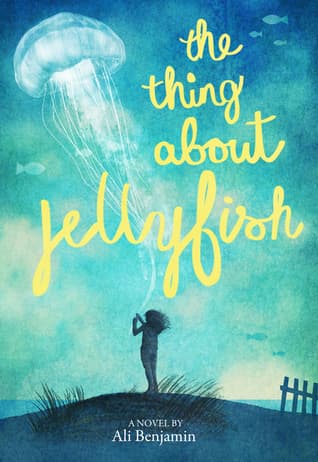
- The Thing About Jellyfish
Ali Benjamin
4.1 (27k) average on GoodreadsChildren'sExplores grief and coming-of-age through a young girl's unique perspective.
- Walk Two Moons
Sharon Creech
4.0 (151k) average on GoodreadsChildren'sFeatures a young girl on a journey, dealing with family changes and self-discovery.
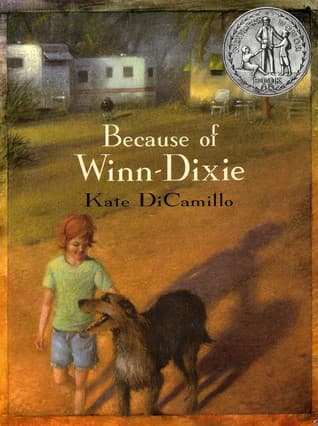
- Because of Winn-Dixie
Kate DiCamillo
4.0 (206k) average on GoodreadsChildren'sFocuses on a young girl finding her place and building connections in a new town, with themes of loneliness and belonging.
- The Fault in Our Stars
John Green
4.2 (3.6M) average on GoodreadsYoung AdultWhile both novels deal with profound loss, 'The Fault in Our Stars' focuses on the terminal illness and death of a peer, leading to a different kind of grief with a more definitive endpoint. 'Alice Bliss' specifically explores ambiguous loss and the prolonged uncertainty of a missing parent, a distinct emotional burden.
- A Monster Calls
Patrick Ness
4.3 (208k) average on GoodreadsFantasy'A Monster Calls' also explores a child's processing of a parent's illness and impending death, but it employs magical realism to externalize and confront grief. 'Alice Bliss,' in contrast, grounds its narrative firmly in realistic, everyday experiences and the internal emotional landscape of the protagonist without supernatural elements.
- Harry Potter and the Sorcerer's Stone
J.K. Rowling
4.5 (7M) average on GoodreadsFantasyRescued from a miserable life under the stairs, an orphaned boy discovers he's a wizard destined for a magical school, where he uncovers a dangerous secret tied to the dark wizard who murdered his parents.




Enjoyed the summary?
A summary gives you the shape of the book. The book itself has the detail, the examples and the voice.
Find Alice Bliss on AmazonAs an Amazon Associate, BookBrief earns from qualifying purchases. How we're funded