Estimated read time: 6 min read
One Sentence Summary
"Angry Housewives Eating Bon Bons" is a humorous and heartfelt novel about a group of Midwestern women who form a close-knit book club to navigate life's challenges and celebrate friendship.
Table of Contents
Introduction
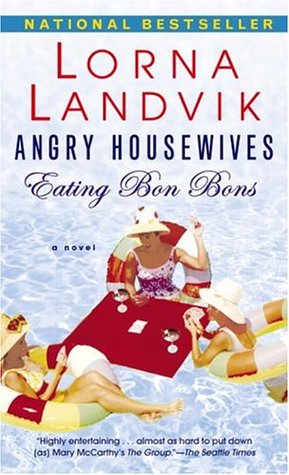
Imagine a small-town book club where laughter, tears, and candid confessions mix with the aroma of coffee and freshly baked treats. Angry Housewives Eating Bon Bons by Lorna Landvik invites readers into such a world—a heartwarming, humorous, and deeply human tale about friendship, resilience, and the messy beauty of life. Published in 1995, this novel quickly found its place in the hearts of readers for its vibrant characters and relatable struggles. Perfect for college students and lecturers exploring contemporary fiction, women's literature, or the dynamics of community, this book is a treasure trove of insights wrapped in wit and warmth.
Historical Context
Set in the 1990s, Angry Housewives Eating Bon Bons reflects the social and cultural dynamics of small-town America during a time when women increasingly sought personal empowerment and community connection. The novel captures the essence of the era’s shifting gender roles, the rise of book clubs as social hubs, and the nuanced challenges women faced balancing personal desires with societal expectations. While not directly tied to major historical events, the story resonates with the broader feminist movements and cultural changes of the late 20th century.
Brief Synopsis
Plot Overview
At its core, the novel centers around the lives of three women—Dorothy, Vivian, and Jean—who form a book club in a Minnesota suburb. Their weekly meetings become more than just literary discussions; they evolve into a support system where secrets are shared, relationships are tested, and personal growth unfolds. Through humor and heartfelt moments, the narrative explores themes of friendship, love, aging, and self-discovery without delving into heavy-handed drama.
Setting
The story unfolds in a fictional Minnesota suburb, characterized by its close-knit community, seasonal changes, and the everyday backdrop of American middle-class life. The setting is crucial—it grounds the narrative in a realistic world where the characters’ lives and interactions feel authentic and relatable. The cold winters and warm summers mirror the emotional highs and lows experienced by the characters.
Main Characters
| Name | Role | Key Traits | Importance to the Plot |
|---|---|---|---|
| Dorothy | Protagonist | Witty, resilient, introspective | Narrator and emotional center; her experiences drive the story. |
| Vivian | Friend, book club member | Outgoing, humorous, straightforward | Provides comic relief and candid perspectives. |
| Jean | Friend, book club member | Caring, practical, nurturing | Acts as a grounding force and mediator among friends. |
Plot Summary
Formation of the Book Club
The novel begins with Dorothy feeling isolated and dissatisfied with her life. Seeking connection, she joins a book club with Vivian and Jean. Their initial meetings focus on literature but quickly reveal deeper emotional undercurrents, as each woman brings her personal struggles to the table.
Navigating Personal Challenges
Each character faces unique challenges—marital issues, aging, loneliness, and self-doubt. The book club becomes a sanctuary where they confront these issues candidly, offering support and advice. Their interactions highlight the complexities of female friendship and the importance of community in overcoming adversity.
Moments of Humor and Heartache
Landvik masterfully balances humor with poignant moments. Whether it's a hilarious misunderstanding during a meeting or a tearful revelation about a past trauma, the narrative keeps readers engaged and emotionally invested.
Growth and Resolution
By the novel’s end, the women have grown individually and collectively. They embrace their imperfections, find strength in their bond, and look toward the future with renewed hope. The story concludes on an uplifting note, emphasizing the transformative power of friendship.
Themes and Motifs
Friendship and Community
The novel celebrates female friendship as a source of strength and healing. It challenges stereotypes of women as rivals by showcasing solidarity and mutual support.
Aging and Self-Acceptance
Through the characters’ journeys, Landvik explores the realities of aging, encouraging readers to embrace life's changes with grace and humor.
The Power of Storytelling
The book club itself symbolizes the power of stories—both fictional and personal—to connect people and foster understanding.
Humor as Coping Mechanism
Humor permeates the novel, serving as a tool for the characters to navigate life's hardships and maintain resilience.
Literary Techniques and Style
Landvik employs a conversational narrative style, making the novel accessible and engaging. The first-person perspective from Dorothy’s point of view adds intimacy and authenticity. Her witty observations and candid reflections draw readers into the emotional landscape of the story.
Symbolism appears subtly, with the bon bons representing indulgence and comfort, contrasting with the characters’ struggles. The changing seasons parallel the characters' emotional transformations.
The dialogue is sharp and realistic, capturing the nuances of female friendship. Landvik’s prose balances simplicity with emotional depth, avoiding overwrought sentimentality.
Author's Background
Lorna Landvik is an American author known for her humor and heartfelt storytelling. Drawing from her Midwestern roots, she infuses her narratives with authentic regional flavor and relatable characters. Besides Angry Housewives Eating Bon Bons, her works often explore themes of family, friendship, and resilience, resonating with a broad audience.
Landvik’s writing style is characterized by warmth, wit, and a keen understanding of human nature. Her impact lies in her ability to portray ordinary lives with extraordinary empathy, making her works a valuable study for readers interested in contemporary women’s fiction.
Key Takeaways
- Female friendship can be a powerful source of healing and empowerment.
- Embracing aging and life's imperfections leads to greater self-acceptance.
- Humor helps navigate life's challenges without diminishing their seriousness.
- Storytelling fosters connection and personal growth.
- Community support is essential in overcoming isolation and adversity.
Reader's Takeaway
Readers will find Angry Housewives Eating Bon Bons both entertaining and emotionally enriching. The novel offers intellectual insights into the dynamics of friendship and personal growth while providing emotional resonance through its humor and sincerity. It encourages reflection on one’s own relationships and the importance of community.
The book’s accessible style and relatable themes make it a perfect choice for college students exploring gender studies, contemporary fiction, or social dynamics. Lecturers can use it as a case study in narrative voice, character development, or cultural representation.
Conclusion
Angry Housewives Eating Bon Bons is more than a novel about a book club—it is a celebration of life’s complexities seen through the lens of friendship and humor. Lorna Landvik crafts a narrative that is both academically insightful and deeply human, making it a must-read for anyone interested in the rich tapestry of women’s experiences. Dive into this book and discover the warmth, laughter, and wisdom that come with sharing one’s story over bon bons and books.
Angry Housewives Eating Bon Bons FAQ
What is 'Angry Housewives Eating Bon Bons' about?
'Angry Housewives Eating Bon Bons' is a novel by Lorna Landvik that tells the story of a group of women in a Minnesota suburb who form a support group to cope with their personal struggles and find strength through friendship.
Who is the main character in the book?
The main character is Judy, a housewife who, along with her friends, navigates the challenges of marriage, family, and self-discovery.
What themes are explored in the novel?
The novel explores themes such as friendship, empowerment, resilience, self-identity, and the complexities of suburban life.
Is the book humorous or serious?
The book blends humor and heartfelt moments, offering a witty and compassionate look at the lives of its characters.
What genre does 'Angry Housewives Eating Bon Bons' belong to?
It is a contemporary women's fiction novel with elements of humor and drama.
When was the book published?
'Angry Housewives Eating Bon Bons' was first published in 1997.
Is the book part of a series?
No, 'Angry Housewives Eating Bon Bons' is a standalone novel.
What is the significance of the title?
The title refers to the support group formed by the women, where they share their frustrations and bond over eating bon bons, symbolizing their camaraderie and defiance.
Has the book received any notable recognition?
The novel was well-received for its relatable characters and engaging storytelling, gaining a dedicated readership and positive reviews.
Would you recommend this book to readers who enjoy women's fiction?
Yes, it is highly recommended for readers who appreciate stories about friendship, personal growth, and the challenges of everyday life with a humorous touch.