
Estimated read time: 7 min read
One Sentence Summary
"As Meat Loves Salt" by Maria McCann explores a passionate and forbidden love between two women in 17th-century England against the backdrop of social upheaval and political turmoil.
Table of Contents
Introduction
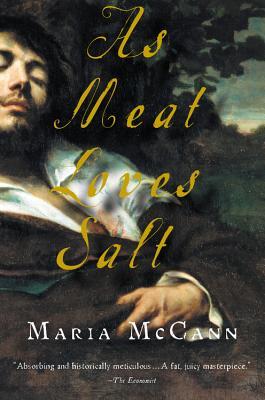
As Meat Loves Salt by Maria McCann is a gripping historical novel that plunges readers deep into the turbulent 17th century England—a time of civil war, religious upheaval, and shifting social orders. This evocative tale combines raw human emotion with the harsh realities of its era, exploring themes of love, loyalty, and survival. The novel stands out for its vivid portrayal of a forbidden romance set against a backdrop of political chaos, making it a compelling read for both history buffs and literary enthusiasts.
Historical Context
The story unfolds during the English Civil War (1642–1651), a pivotal conflict between Royalists supporting King Charles I and Parliamentarians championing parliamentary sovereignty. This period saw not only brutal battles but also intense religious and social turmoil. The war’s impact reverberated through the lives of ordinary people, altering traditional power structures and social norms.
The novel captures the essence of this era, reflecting the stark divisions between Catholics and Protestants, the tension between loyalty to the crown versus emerging democratic ideals, and the everyday struggles of those caught in the crossfire. Historical figures like King Charles I loom in the background, influencing the unfolding personal dramas.
Brief Synopsis
Plot Overview
As Meat Loves Salt centers on the intense and forbidden love between Thomas and Cat. Thomas is a Royalist soldier, loyal to the king and steeped in the old order. Cat is a strong-willed woman whose life is shaped by the war’s upheaval and personal loss. Their relationship defies societal expectations and religious boundaries, depicting a passionate bond that challenges the era’s rigid conventions.
The plot follows their journey through love, betrayal, and survival, interweaving personal dilemmas with the broader conflict raging across England. The narrative balances moments of tenderness with brutal depictions of war’s impact, illuminating the resilience of the human spirit.
Setting
The novel is set primarily in rural England amid the English Civil War, with scenes shifting between war-torn villages, military camps, and domestic spaces. The atmosphere is tense and charged, reflecting the era’s uncertainty and violence. McCann’s detailed descriptions immerse readers in a world where survival often means navigating dangerous political and social currents.
Main Characters
| Name | Role | Key Traits | Importance to Plot |
|---|---|---|---|
| Thomas | Royalist soldier | Loyal, passionate, conflicted | Central protagonist; his love and choices drive the story |
| Cat | Female protagonist | Strong-willed, resilient, compassionate | Thomas’s lover; represents defiance of social norms |
| Father | Thomas’s father | Stern, traditional | Embodies old societal values and pressures |
| Captain | Military figure | Authoritative, pragmatic | Influences Thomas’s military and personal decisions |
Plot Summary
Part One: War and Meeting
The novel opens in a world torn apart by war. Thomas, a young Royalist soldier, is deeply committed to his cause but burdened by the violence surrounding him. Cat, living in a nearby village, endures the hardships of the conflict from a civilian perspective. Their paths cross unexpectedly, igniting a passionate relationship. Their love is marked by secrecy and danger, as their backgrounds and beliefs clash with the world’s harsh realities.
Part Two: Conflict and Consequences
As the war intensifies, so do the challenges facing Thomas and Cat. Their relationship is tested by external threats—military duties, family expectations, and religious divides. Both characters confront difficult choices that force them to reconcile personal desires with loyalty and honor. The narrative explores how war fractures not only nations but intimate relationships.
Part Three: Survival and Resolution
The concluding sections focus on survival amid chaos. Thomas and Cat must navigate betrayals, loss, and shifting allegiances. The novel does not offer a conventional happy ending but instead presents a nuanced portrayal of endurance and hope. Their story encapsulates the struggle to find meaning and connection in a fractured world.
Themes and Motifs
Forbidden Love and Loyalty
At its heart, As Meat Loves Salt is a love story constrained by the rigid social and religious codes of its time. The novel examines how loyalty—to family, faith, and country—can both bind and divide individuals. Thomas and Cat’s relationship symbolizes resistance against imposed boundaries.
War and Its Human Cost
McCann vividly portrays the brutal reality of civil war, emphasizing its devastating effects on individuals and communities. The novel highlights the gap between political ideals and the personal suffering they often entail.
Faith and Doubt
The period’s religious conflicts are central to the narrative, reflecting characters’ internal and external struggles. The tension between Catholicism and Protestantism serves as a backdrop to explore themes of faith, doubt, and moral ambiguity.
Survival and Resilience
Throughout the story, characters demonstrate remarkable resilience. The motif of salt—symbolizing preservation and essential nourishment—is woven through the narrative, underscoring themes of survival and enduring love.
Literary Techniques and Style
Maria McCann employs a rich, immersive narrative style characterized by meticulous historical detail and lyrical prose. Her use of symbolism, particularly the recurring motif of salt, adds depth to the emotional landscape. The novel’s structure alternates between intimate personal moments and broader historical events, creating a balanced and compelling narrative rhythm.
The author’s realistic portrayal avoids romanticizing the past, instead presenting flawed characters in a harsh world. Dialogue and inner monologues reveal psychological complexity, while vivid descriptions enhance sensory engagement.
Author's Background
Maria McCann is a British author known for her expertise in historical fiction. With a background in English literature and history, McCann brings scholarly rigor to her work while maintaining narrative accessibility. As Meat Loves Salt reflects her interest in exploring marginalized voices and complex emotional terrains within historical settings.
Her writing style is noted for blending academic insight with compelling storytelling. McCann’s work contributes to the resurgence of historical fiction that addresses social and personal dimensions of past conflicts.
Key Takeaways
- The novel offers a nuanced depiction of love constrained by war and societal expectations.
- It illuminates the human cost of the English Civil War beyond battles and politics.
- Themes of faith, loyalty, and survival are intricately explored through complex characters.
- McCann’s detailed historical research enriches the narrative’s authenticity.
- The story challenges idealized notions of romance and heroism in historical fiction.
Reader’s Takeaway
Readers are invited to reflect on the enduring tensions between personal desire and social obligation. The emotional intensity of Thomas and Cat’s relationship encourages empathy with historical figures often reduced to statistics. The novel’s portrayal of resilience amid chaos resonates with contemporary readers facing turbulent times.
The narrative’s blend of historical fact and emotional truth makes it both an educational and moving experience, appealing to students and lecturers interested in history, literature, and human psychology.
Conclusion
As Meat Loves Salt is a powerful exploration of forbidden love set against the backdrop of one of England’s most turbulent eras. Maria McCann’s vivid storytelling, combined with rich historical context and profound themes, offers readers a deeply engaging journey into the complexities of war, faith, and human connection. This novel is a valuable addition to historical fiction, inviting readers to reconsider the past through the lens of intimate human experience and to appreciate the resilience of love amid adversity. Whether for academic study or personal enrichment, As Meat Loves Salt is a compelling read that rewards close attention and reflection.
As Meat Loves Salt FAQ
What is the main theme of 'As Meat Loves Salt'?
'As Meat Loves Salt' explores themes of love, loyalty, betrayal, and the complexities of human relationships set against the backdrop of 17th-century England.
Who are the central characters in the novel?
The central characters include Thomas and Ann, whose passionate and tumultuous relationship drives much of the story, along with other characters who influence their lives during the English Civil War.
What historical period does the book cover?
The novel is set during the English Civil War in the 1640s, providing rich historical context and detail about that era.
Is 'As Meat Loves Salt' based on a true story?
While the novel is a work of historical fiction, it draws on real historical events and settings to create an authentic atmosphere, but the characters and plot are fictional.
How does Maria McCann portray the English Civil War in the novel?
McCann portrays the English Civil War with vivid detail, highlighting its impact on ordinary people and weaving the conflict into the personal lives of the characters.
What genre does 'As Meat Loves Salt' belong to?
The book is primarily historical fiction with strong elements of romance and drama.
Are there any notable literary devices used in the book?
Maria McCann uses rich, evocative language and symbolism, such as the metaphor of salt and meat, to deepen the emotional resonance of the story.
Is 'As Meat Loves Salt' suitable for readers new to historical fiction?
Yes, the book is accessible to readers new to historical fiction, offering a compelling narrative that balances historical detail with engaging storytelling.
What is the significance of the title 'As Meat Loves Salt'?
The title symbolizes the essential, sometimes painful, bonds between the characters, much like how meat needs salt to be preserved and flavorful, reflecting themes of dependency and passion.


