

Estimated read time: 10 min read
One Sentence Summary
A German gladiator and a Christian woman journey across ancient Rome seeking freedom, faith, and a place to belong.
Table of Contents
Introduction
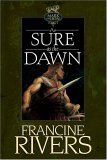
Imagine ancient Rome—a city of glitter and grime, power and peril. Now, picture a battle-hardened gladiator, haunted by his violent past, clashing with a determined young woman whose faith could change everything. Welcome to "As Sure as the Dawn" by Francine Rivers, a gripping historical novel that sweeps readers into the heart of the Roman Empire and the earliest days of Christianity.
Whether you’re a college student exploring world literature or a lecturer seeking a compelling case study in historical fiction, this book offers drama, suspense, and profound questions about identity, faith, and forgiveness. Rivers’ storytelling is both rich in historical detail and deeply human, making "As Sure as the Dawn" a standout in both literary and spiritual circles.
Historical Context
Francine Rivers sets her story in the 1st century AD, a time of immense transition in the Roman Empire. Julius Caesar’s shadow still looms, and the Pax Romana (Roman Peace) brings stability—but also oppression. Gladiatorial games are at their peak, symbolizing both Rome’s might and its moral decay.
Christianity is still a fledgling faith, often persecuted and misunderstood. Early Christians live in constant tension—caught between the grandeur of Rome and their revolutionary beliefs. Rivers draws from real historical events and daily life in the provinces to create a backdrop that’s both authentic and immersive.
Notable Historical Influences
- Roman Gladiators: Gladiatorial combat was not just sport but a tool of political power and social control.
- Early Christianity: Christians were a marginalized group, frequently facing ridicule, suspicion, and violence.
- Tribal Europe: The novel explores the cultures beyond Rome’s borders, especially Germanic tribes—often depicted as “barbarians” by Romans but rich in their own traditions and values.
Brief Synopsis
Plot Overview
"As Sure as the Dawn" is the third installment in Francine Rivers’ beloved Mark of the Lion series, but stands powerfully on its own. The story follows Atretes, a Germanic gladiator who wins his freedom from the Roman arena, only to discover that his long-lost son is alive. Determined to reclaim his child, Atretes embarks on a perilous journey from Rome back to his tribal homeland.
Accompanying him is Rizpah, a Christian widow charged with caring for Atretes’ son. What follows is a tale of love, faith, and transformation as their paths—and beliefs—collide in unexpected ways.
Setting
- Ancient Rome: The bustling, decadent city where gladiators become legends and Christians hide in the shadows.
- Roman Roads & Countryside: The journey from Rome to Germania traverses dangerous roads, wild forests, and unfamiliar cultures.
- Germania (Modern-day Germany): Atretes’ homeland, filled with tribal politics, ancient customs, and the looming threat of Roman invasion.
Atmosphere
Rivers crafts an atmosphere of constant tension—physical, emotional, and spiritual. The contrast between Roman civilization and tribal life sets the stage for a story about outsiders, belonging, and the search for home.
Main Characters
| Name | Role | Key Traits | Importance to Plot |
|---|---|---|---|
| Atretes | Protagonist, gladiator | Fierce, proud, loyal, conflicted | Central figure; his journey drives the plot |
| Rizpah | Christian widow, caregiver | Compassionate, resilient, courageous | Protector of Atretes’ son; her faith challenges Atretes |
| Caleb | Atretes' son | Innocent, symbolic | The catalyst for Atretes’ transformation |
| Theophilus | Christian leader | Wise, gentle, steadfast | Spiritual guide; supports Rizpah and Atretes |
| Julia | Atretes’ former lover | Manipulative, tragic, complex | Her actions shape Atretes’ past and present |
| Freki | Atretes’ childhood friend | Loyal, practical, humorous | Symbolizes Atretes’ connection to his tribe |
Plot Summary
1. Freedom Won, Freedom Lost
Atretes, once the undefeated champion of the Roman arena, finally wins his freedom. Yet, this victory is bittersweet. He learns that his son, whom he believed dead, is alive and being raised by Christians. The revelation throws Atretes into turmoil. He’s determined to reclaim his child—no matter the cost.
2. A Reluctant Alliance
Atretes confronts Rizpah, the woman caring for his son, and demands his child back. Rizpah, a young Christian widow, refuses to hand over Caleb unless Atretes can provide a safe home. An uneasy partnership forms. Atretes is suspicious of Rizpah’s faith, while she is wary of his violent reputation. Their journey is fraught with tension, misunderstandings, and moments of unexpected tenderness.
3. The Long Road Home
The journey from Rome to Germania is perilous. The trio faces road bandits, hostile Roman soldiers, and the ever-present threat of discovery. Along the way, Atretes is forced to confront his past—his slavery, his lost family, his anger. Rizpah’s unwavering faith both infuriates and intrigues him. Slowly, their relationship shifts from antagonism to respect.
4. Return to the Tribe
Arriving in Germania, Atretes is greeted as a hero. But home is not as he remembers. Tribal politics, old grudges, and new dangers threaten everything he holds dear. Atretes must navigate alliances, betrayals, and the expectations of his people. He is torn between the brutal customs of his tribe and the gentler, radical teachings Rizpah embodies.
5. The Cost of Transformation
As Atretes wrestles with his identity, Rizpah’s faith becomes both a stumbling block and a beacon. The final chapters see Atretes facing a choice: cling to the old ways or embrace a new path marked by forgiveness and love. The outcome will determine not only his fate but that of his son and Rizpah.
Themes and Motifs
1. Faith vs. Tradition
Atretes’ struggle symbolizes the clash between old beliefs and new faiths. The novel explores how Christianity challenged the cultural norms of the Roman and tribal worlds—sometimes at great personal cost.
2. Identity and Belonging
Both Atretes and Rizpah are outsiders. Atretes is a stranger in Rome and later an outcast among his own people. Rizpah’s faith marks her as suspect everywhere she goes. Their journey is as much about finding home as it is about physical travel.
3. Forgiveness and Redemption
Violence and betrayal scar nearly every character. Rivers emphasizes the possibility of redemption even for the most broken—but only through humility and grace.
4. Parenthood and Sacrifice
The bond between parent and child drives the plot. Atretes’ determination to reclaim Caleb is both noble and fraught with danger. Rizpah’s sacrificial love for a child not her own exemplifies the radical love central to early Christianity.
5. Power and Vulnerability
Gladiators and warriors are symbols of power, yet Rivers shows that real strength lies in vulnerability and compassion.
Thematic Table
| Theme | Description | Examples in Story |
|---|---|---|
| Faith vs. Tradition | Clash between Christianity & old beliefs | Atretes’ struggle with Rizpah’s faith |
| Identity and Belonging | Search for home and acceptance | Atretes’ return to Germania |
| Forgiveness and Redemption | Overcoming past violence and betrayal | Atretes’ and Rizpah’s personal journeys |
| Parenthood and Sacrifice | Parental love and selflessness | Rizpah’s care for Caleb, Atretes’ sacrifices |
| Power and Vulnerability | True strength found in compassion | Atretes’ transformation, Rizpah’s resilience |
Literary Techniques and Style
Francine Rivers is lauded for her ability to blend vivid historical detail with engaging narrative. Her prose is clear, evocative, and emotionally charged.
- Multiple Perspectives: Rivers often shifts between Atretes’ and Rizpah’s viewpoints, offering insight into both Roman and Christian worlds.
- Symbolism: Chains, swords, and the dawn itself serve as metaphors for bondage, violence, and hope.
- Realism: The gritty realities of gladiatorial life and tribal politics are depicted unflinchingly.
- Dialogue: Authentic and often tinged with humor, especially in moments of cultural misunderstanding.
- Pacing: The novel balances action-packed sequences with reflective moments, giving readers time to absorb both plot and philosophy.
Author's Background
Francine Rivers began her career writing historical romance novels before experiencing a spiritual transformation that led her to write Christian fiction. Her Mark of the Lion trilogy, of which "As Sure as the Dawn" is the third book, has become a classic in both faith-based and mainstream literary circles.
Influences and Impact
- Rivers’ writing is influenced by her Christian faith and deep historical research.
- She draws from the Bible, especially the early Christian epistles, as well as from ancient Roman and Germanic histories.
- Her works are known for their emotional depth, moral complexity, and rich characterization.
- Rivers has inspired a generation of writers and readers to explore questions of faith, forgiveness, and personal transformation.
Notable Works
- Redeeming Love (a retelling of the biblical story of Hosea)
- The Mark of the Lion series (including A Voice in the Wind and An Echo in the Darkness)
Key Takeaways
- Transformation is possible, even for those most scarred by violence and loss.
- True strength is found not in the sword, but in self-sacrifice and compassion.
- Faith can challenge, disrupt, and ultimately heal the deepest wounds.
- Belonging is not defined by blood or tribe, but by love and acceptance.
- History is not just grand events, but the lived experiences of outsiders and underdogs.
Reader's Takeaway
Readers will find themselves swept up in a story that’s both thrilling and heartfelt. The journey of Atretes and Rizpah is a reminder that no one is beyond hope, and that courage sometimes means embracing vulnerability. The novel will leave you pondering the meaning of faith, the cost of forgiveness, and the power of love to heal even the deepest wounds.
Whether you’re a history buff, a seeker of spiritual meaning, or just in need of a gripping story, "As Sure as the Dawn" offers intellectual depth, emotional resonance, and timeless relevance.
Conclusion
Francine Rivers’ "As Sure as the Dawn" is more than just a historical epic—it’s an exploration of what it means to be truly free. By weaving together the drama of ancient Rome, the raw beauty of tribal Germania, and the radical teachings of early Christianity, Rivers invites readers into a world both foreign and deeply familiar.
If you’re looking for a book that will challenge your mind, stir your emotions, and spark meaningful discussion, this novel deserves a place on your reading list. It’s a story of redemption, resilience, and the dawn of new hope—one as sure and enduring as the sunrise itself.
Ready to embark on the journey? Dive into "As Sure as the Dawn"—and discover the light that awaits.
As Sure as the Dawn FAQ
What is 'As Sure as the Dawn' about?
'As Sure as the Dawn' is a historical Christian fiction novel by Francine Rivers. It follows the story of Atretes, a former Germanic gladiator, as he seeks to reclaim his son and return to his homeland. The novel explores themes of faith, redemption, and cultural identity in the context of ancient Rome.
Is 'As Sure as the Dawn' part of a series?
Yes, 'As Sure as the Dawn' is the third book in the Mark of the Lion series by Francine Rivers. It follows 'A Voice in the Wind' and 'An Echo in the Darkness.'
Who are the main characters in the book?
The main characters are Atretes, the former gladiator from Germania, and Rizpah, a Christian widow who becomes the caretaker of Atretes' son. Other recurring characters from the series also appear.
Do I need to read the first two books in the Mark of the Lion series before this one?
While 'As Sure as the Dawn' can be read as a standalone novel, reading the first two books in the Mark of the Lion series provides deeper context and understanding of the characters and overarching storyline.
What are some major themes in 'As Sure as the Dawn'?
Major themes include faith and spiritual transformation, forgiveness, the struggle between different cultures and religions, and the search for personal identity and freedom.
Is this book appropriate for young readers?
'As Sure as the Dawn' is generally recommended for older teens and adults due to its mature themes, violence related to gladiatorial combat, and historical content.
What historical period is depicted in the novel?
The novel is set in the first century AD, during the time of the Roman Empire, and takes readers from Rome to the Germanic territories.
Is there a religious message in 'As Sure as the Dawn'?
Yes, the book has a strong Christian message, focusing on faith in Christ, transformation, and the power of forgiveness and love.
How does 'As Sure as the Dawn' connect to the other books in the series?
The book continues the story of Atretes, who was introduced in previous books. It also resolves some plotlines and provides closure for characters from earlier in the series.


