
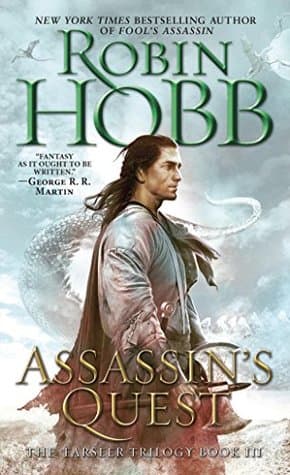
Synopsis
Covers the whole plot, including the ending.
- Difficulty
- Medium
- Pacing
- Variable
- Mood
- Epic, Melancholy, Redemptive, Intense, Magical
- Read it if
- You enjoy epic fantasy with deep character development, political intrigue, and a touch of melancholy, concluding a beloved trilogy.
- Skip it if
- You prefer fast-paced action over introspection, or dislike stories with significant character suffering and moral ambiguity.
Assassin's Quest Plot Summary
Covers the whole plot, including the ending.
The Waking and the Scars
FitzChivalry Farseer, believed dead by most, awakens in a frozen tomb beneath the dungeons of Buckkeep. He is brought back to life by Chade, Burrich, and the Fool, but the process leaves him severely disfigured, with a gaunt body, a scarred face, and a crippled left hand. His mind is also wounded, haunted by the memory of his daughter, Nettle, whom he believes was killed by Regal's men. The first weeks are a struggle for survival, both physical and mental, as he faces his new reality and the immense grief over his perceived loss, refusing to accept his identity as FitzChivalry.
A Kingdom in Disarray
As Fitz slowly recovers, he is informed about the dire state of the Six Duchies. King Regal has abandoned Buckkeep, relocating the capital to Tradeford and leaving the coastal regions vulnerable to the Red-Ship Raiders. The kingdom is in economic ruin, and the people suffer under Regal's oppressive taxes and neglect. Prince Verity remains absent on his quest to find the Elderlings, leaving Princess Kettricken alone to manage the remnants of the court and the desperate populace. Fitz's anger towards Regal grows, fueling a desire for vengeance for the wrongs against him and the kingdom.
The Quest for Vengeance
Unable to sit idly by while Regal destroys the kingdom, Fitz resolves to kill the usurper king. He believes this is the only way to restore order and avenge the wrongs committed. He sheds his identity as FitzChivalry, adopting the guise of a scarred, simple man named 'Tom Badgerlock'. The Fool, ever loyal, insists on accompanying him, believing their destinies are connected. Starling, a minstrel who had been part of Fitz's life, also joins their company, seeking to document their journey and the truth of the Farseer line. Their journey south towards Tradeford is filled with danger and hardship, facing Regal's soldiers and the realities of a war-torn land.
Encounters and Revelations
On their way to Tradeford, Fitz and his companions meet various individuals. They briefly meet Patience, who, despite her grief, shows resilience. They also meet a group of Skill-users, including the eccentric Kettle, who is searching for Verity. These encounters expose Fitz to different parts of the Skill, particularly its potential for creation and destruction, and the dangers of uncontrolled use. He also begins to understand the bond between Skill-users and the responsibility that comes with such power. The journey forces Fitz to confront his own fractured identity and the lingering trauma of his past.
The Mountain Kingdom's Plight
The group eventually reaches the Mountain Kingdom, Kettricken's homeland, only to find it devastated by the Red-Ship Raiders. The once strong people are now struggling to survive, their resources depleted and their spirit broken. Kettricken herself is a shadow of her former self, burdened by the responsibility of her people and the constant threat of Regal's actions. Fitz sees firsthand the consequences of Regal's tyranny and the vulnerability of the Six Duchies. This strengthens his resolve to find Verity and end Regal's reign, understanding that vengeance alone is not enough.
Following Verity's Trail
Realizing that killing Regal without Verity's return would only plunge the Six Duchies into further chaos, Fitz changes his focus. He joins Kettricken's desperate quest to find Verity, who is believed to be in the treacherous Skill-Roads, seeking the Elderlings. Kettle, a powerful but enigmatic Skill-user, is an invaluable guide, possessing knowledge of the ancient magic. The Fool, always present, continues to offer cryptic advice and unwavering support. Their journey takes them into increasingly dangerous and mystical territories, where the lines between reality and magic blur, and the burdens of the past weigh heavily on Fitz.
The Skill-Roads and the Stone Dragons
The journey through the Skill-Roads is difficult, both physically and mentally. The party faces illusions, traps, and the eroding effects of uncontrolled Skill. Fitz, with his connection to the Skill and the Wit, often acts as a bridge between the two magics, sensing dangers others cannot. They eventually discover the truth about the Elderlings: they are not a race of beings but immense, living stone dragons created by ancient Skill-users to protect the Six Duchies. Verity's quest is to awaken these dragons, hoping they will defend the kingdom against the Raiders. Fitz begins to understand the power and responsibility inherent in the Skill.
Verity's Sacrifice and the Awakening
The party finally locates Verity, but he is barely alive, having poured all his life force into carving his own dragon. In a heartbreaking moment, Verity makes the ultimate sacrifice, merging his consciousness and remaining life energy into the stone dragon he has almost completed. This act awakens not only his dragon but also others nearby, fulfilling his quest. Fitz witnesses this act of selflessness, which deeply affects him. He feels the weight of Verity's sacrifice and the responsibility now placed upon him and the remaining Farseer loyalists to protect the kingdom in Verity's absence.
The Attack on Tradeford and Regal's Downfall
Empowered by Verity's sacrifice and the newly awakened dragons, Fitz, along with the Fool and Kettricken, leads the charge towards Tradeford. The dragons, imbued with Verity's memories and his love for the Six Duchies, unleash their destructive power upon Regal's forces. Fitz uses his Wit and Skill to coordinate the attack, focusing their efforts on Regal's stronghold. Regal's army is overwhelmed, and the capital falls. Regal is captured, stripped of his power, and imprisoned, marking the end of his tyrannical rule and the beginning of a long road to recovery for the Six Duchies.
A New Beginning, a Lingering Scar
With Regal deposed, Kettricken is crowned Queen of the Six Duchies, bringing stability back to the war-torn land. Fitz, having fulfilled his quest for vengeance and contributed to the kingdom's salvation, chooses to retreat from court life. He learns that his daughter, Nettle, is alive and well, having been hidden by Patience and Lacey. This revelation brings him immense relief and a renewed sense of purpose. Though forever scarred by his experiences, both physically and emotionally, Fitz finds peace living a quiet life with Nighteyes, the Fool, and his few remaining loyal friends, dedicating himself to healing and rebuilding.
Assassin's Quest Characters
FitzChivalry Farseer (Tom Badgerlock)
Protagonist
A royal bastard and assassin, deeply scarred and driven by loyalty and vengeance.
Fitz is the illegitimate son of Prince Chivalry, trained as a King's Man and assassin. He possesses both the Skill (mind magic) and the Wit (animal empathy), often struggling to reconcile these two aspects of his nature. After his 'death' and resurrection, he is physically disfigured and emotionally traumatized, haunted by grief and a powerful desire for vengeance against King Regal. He is fiercely loyal to the Farseer line and the Six Duchies, willing to sacrifice himself for their well-being. His journey is one of self-discovery, healing, and accepting the profound impact of his magical abilities.
Relationships: The Fool (Deep, fated bond, co-dependent friendship and prophetic guidance.); Nighteyes (Wit-bonded wolf, loyal companion, and emotional anchor.); Burrich (Father figure, mentor, and unwavering supporter.); Chade (Mentor in assassination and spycraft, manipulative but caring.); Kettricken (Deep respect and loyalty, fellow survivor of tragedy.); King Regal (Bitter enemy, source of much of Fitz's suffering.)
The Fool
Supporting
The White Prophet, Fitz's fated companion and cryptic guide.
The Fool is a mysterious and enigmatic figure, known as the White Prophet. He possesses precognitive abilities and believes his destiny is intertwined with Fitz's, whom he calls the Catalyst. He is deeply devoted to Fitz, often sacrificing his own well-being for his friend. His appearance is striking, and he often speaks in riddles, yet his wisdom and insights are invaluable. The Fool's loyalty and unwavering belief in Fitz's purpose are a constant source of strength for the protagonist, even when his methods are unconventional and his prophecies obscure.
Relationships: FitzChivalry Farseer (Deep, fated bond, co-dependent friendship and prophetic guidance.)
Nighteyes
Supporting
Fitz's Wit-bonded wolf, offering companionship and a connection to the wild.
Nighteyes is Fitz's Wit-bonded wolf, a companion whose mind is directly linked to Fitz's. He provides unconditional loyalty, fierce protection, and a grounding presence for Fitz, especially during his darkest moments. Through Nighteyes, Fitz experiences the world with raw instinct and unvarnished truth, often finding solace and clarity in their shared consciousness. Nighteyes' presence is a constant reminder of Fitz's connection to the wild magic of the Wit, a bond that both strengthens and complicates his human identity. He is a steadfast friend, offering comfort and a sense of belonging.
Relationships: FitzChivalry Farseer (Wit-bonded companion, emotional anchor, and loyal friend.)
King Regal Farseer
Antagonist
The cruel and ambitious usurper king, driven by greed and a desire for absolute power.
Regal is the younger son of King Shrewd and the primary antagonist of the story. He is a vain, power-hungry, and cruel individual who orchestrated the deaths of his father and brother, Chivalry, and attempted to kill Fitz. He abandons Buckkeep, plunders the Six Duchies, and rules with an iron fist from Tradeford, caring only for his own wealth and comfort. His tyranny and neglect plunge the kingdom into chaos and suffering. Regal embodies corruption and self-interest, serving as a stark contrast to the selfless dedication of Verity and Fitz.
Relationships: FitzChivalry Farseer (Bitter enemy, responsible for much of Fitz's suffering.); King Shrewd (Son who murdered his father for power.); Prince Verity (Brother he betrayed and sought to undermine.)
Queen Kettricken
Supporting
The resilient queen of the Six Duchies, burdened by loss but fiercely devoted to her people.
Kettricken is the queen consort of Prince Verity and, later, the Queen of the Six Duchies. Hailing from the Mountain Kingdom, she is a strong, pragmatic, and compassionate leader. Despite enduring immense personal loss—the disappearance of her husband, the devastation of her homeland, and the constant threat of Regal—she remains dedicated to her people. She is a symbol of hope and resilience for the Six Duchies, embodying unwavering duty and a deep love for her adopted kingdom. Her quiet strength and determination are vital to the kingdom's survival.
Relationships: Prince Verity (Husband, source of her strength and hope.); FitzChivalry Farseer (Trusted ally and loyal friend.); The Fool (Respectful acquaintance, ally in the quest for Verity.)
Prince Verity Farseer
Supporting/Mentioned
The rightful heir to the Farseer throne, who sacrifices himself for his kingdom.
Verity is the elder son of King Shrewd and the rightful heir to the throne. He is a selfless, duty-bound prince who embarks on a desperate quest to find the Elderlings and protect the Six Duchies from the Red-Ship Raiders using his powerful Skill. Though absent for much of the story, his unwavering dedication to his people and his ultimate sacrifice drive many of the plot's events. He is a symbol of true kingship, putting the needs of his kingdom above his own life. His presence, even in absence, inspires loyalty and hope.
Relationships: Queen Kettricken (Wife, deep love and mutual respect.); FitzChivalry Farseer (Half-brother, trusted and respected.); King Shrewd (Son, loyal and dutiful.)
Kettle
Supporting
An eccentric but powerful ancient Skill-user, guiding the party to Verity.
Kettle is an elderly, seemingly frail woman who is revealed to be a powerful and ancient Skill-user. She has a deep, intuitive understanding of the Skill-Roads and the Elderlings, having spent much of her long life seeking them. Her knowledge proves invaluable in guiding Fitz and his companions through the treacherous Skill-Roads to find Verity. She is fiercely independent and often cryptic, but her dedication to the Farseer line and the preservation of the Six Duchies is unwavering. She acts as a mentor figure in the ways of ancient Skill magic.
Relationships: FitzChivalry Farseer (Mentor in ancient Skill, fellow traveler.); Queen Kettricken (Ally in the quest for Verity.)
Starling Birdsong
Supporting
A minstrel and chronicler, driven by a desire to record history.
Starling is a minstrel who joins Fitz and the Fool on their journey. She is a skilled musician and storyteller, but her true passion is to chronicle the events of their time, particularly the struggles of the Farseer line and the plight of the Six Duchies. She is observant and intelligent, often providing an outsider's perspective on the unfolding drama. While her motives are initially somewhat self-serving (to write a great saga), she develops a genuine loyalty to Fitz and the cause. She provides a voice for the common people and the historical record.
Relationships: FitzChivalry Farseer (Travel companion, subject of her chronicles.); The Fool (Travel companion, often annoyed by his cryptic nature.)
Burrich
Supporting
Fitz's stablemaster and surrogate father, a man of unwavering loyalty and practicality.
Burrich is Fitz's stablemaster and, more importantly, a surrogate father figure. He is a gruff but deeply caring man, fiercely loyal to Fitz and the Farseer family. He possesses a strong connection to the Wit, which he often tries to suppress. Burrich is pragmatic and grounded, providing a stark contrast to the more mystical elements of Fitz's life. He is instrumental in Fitz's recovery after his 'death' and continues to offer guidance and support, even when he doesn't fully understand Fitz's magical abilities. He represents unwavering loyalty and the strength of chosen family.
Relationships: FitzChivalry Farseer (Surrogate father, mentor, and loyal guardian.); Patience (Wife, shared grief over Fitz's perceived death.)
Chade Fallstar
Supporting
The King's Man and Fitz's assassin mentor, a shrewd and manipulative strategist.
Chade is King Shrewd's brother and Fitz's mentor in the arts of assassination, espionage, and political intrigue. He is a cunning and manipulative strategist, always working behind the scenes to protect the Farseer line. Though his methods are often morally ambiguous, his ultimate goal is the preservation of the Six Duchies. He is instrumental in Fitz's resurrection and continues to provide him with information and resources. Chade represents the darker, more practical side of Farseer loyalty, willing to do whatever is necessary for the greater good, even if it means sacrificing individuals.
Relationships: FitzChivalry Farseer (Mentor in assassination, political ally, manipulative but caring.); King Shrewd (Brother, loyal advisor.)
Assassin's Quest Themes
Identity and Self-Acceptance
Fitz struggles with his identity throughout the book. After his 'death' and resurrection, he is no longer the FitzChivalry Farseer he once was, both physically and emotionally. He adopts the name 'Tom Badgerlock' to escape his past and the pain associated with it. His journey forces him to confront his multiple identities: the royal bastard, the assassin, the Wit-user, the Skill-user, and the broken man. Ultimately, he must learn to integrate these parts of himself and accept who he has become, scars and all, to find peace. This is clear in his internal monologue about his disfigurement and his eventual acceptance of his name and past.
“I was not FitzChivalry Farseer. He was dead, and I was only a ghost of him. A new man, a new name, a new purpose.”
Sacrifice for the Greater Good
The theme of sacrifice is central to 'Assassin's Quest', especially through Prince Verity's actions. Verity dedicates his entire being to carving and awakening the stone dragons, ultimately sacrificing his life force to save the Six Duchies from the Red-Ship Raiders. Fitz, too, makes many personal sacrifices, including his identity, his body, and his emotional well-being, to protect the kingdom and avenge those he loves. This theme highlights the heavy cost of leadership and deep love for one's people, contrasting sharply with Regal's selfish rule. Verity's final moments are the epitome of this theme.
“I give my life to my people. My strength to my dragons. My love to my queen. Remember me.”
The Nature of Power and Responsibility
The book explores different facets of power – political, magical (Skill and Wit), and personal – and the responsibility that comes with it. Regal uses political power for selfish gain, leading to the kingdom's ruin. In contrast, Verity uses his Skill and royal authority to protect his people, even unto death. Fitz grapples with the power of both the Skill and the Wit, learning to control and integrate them rather than be consumed by them. The Elderlings represent an ancient, powerful magic that requires great sacrifice and understanding, emphasizing that true power is not about domination but stewardship and protection. The dangers of uncontrolled Skill are shown through various encounters on the Skill-Roads.
“Power is not a thing to be desired, but a burden to be borne. And a heavy one, at that.”
Grief, Vengeance, and Healing
Fitz's journey is rooted in grief and a desire for vengeance. He mourns the loss of his perceived daughter, Nettle, and the betrayal by Regal. This grief fuels his initial quest to assassinate Regal. However, as the story progresses, his motivation evolves beyond mere vengeance. He sees the suffering of the Six Duchies and understands that true healing for himself and the kingdom requires more than just retribution. He learns to channel his pain into purpose, contributing to the greater good and eventually finding solace in the revelation that Nettle is alive, allowing him to begin the long process of emotional healing. His disfigurement is a constant physical reminder of his trauma.
“Vengeance is a hollow meal. It fills you, but it does not nourish.”
Loyalty and Betrayal
Loyalty is a foundational theme, shown by characters like the Fool, Nighteyes, Burrich, and Kettricken, who remain devoted to Fitz and the Farseer line despite hardship and personal risk. Their unwavering support contrasts sharply with the betrayal embodied by King Regal, who betrays his family, his kingdom, and his people for personal gain. Fitz himself struggles with his loyalties, torn between his duty as a King's Man and his personal desires, but ultimately his loyalty to the Six Duchies and the Farseer legacy prevails. These enduring bonds of loyalty are what ultimately allow the kingdom to be saved.
“A man's true worth is measured by the loyalty he inspires.”
Plot Devices & Literary Techniques
The Skill-Roads
Mystical pathways of ancient magic, leading to the Elderlings.
The Skill-Roads are ancient, magically constructed pathways used by powerful Skill-users to travel vast distances and access hidden knowledge. They are not physical roads but rather mental and spiritual conduits, filled with illusions, traps, and the lingering echoes of past Skill-users. They serve as a literal and metaphorical journey into the heart of the Skill, revealing its dangers and its immense potential. Fitz and his companions must navigate these perilous roads to find Prince Verity and the Elderlings, facing challenges that test their minds and spirits, and deepening their understanding of this powerful magic.
The Stone Dragons (Elderlings)
Ancient, sentient stone creatures capable of defending the Six Duchies.
The Elderlings are revealed to be not a race of beings, but immense, sentient stone dragons, carved by ancient Skill-users and imbued with life and memory. Prince Verity's quest is to awaken these dragons, hoping they will defend the Six Duchies from the Red-Ship Raiders. The dragons represent a powerful, ancient magic tied to the land and the Farseer bloodline. Their awakening through Verity's ultimate sacrifice is the turning point in the war against Regal and the Raiders, embodying the theme of sacrifice for the greater good and the enduring power of the Farseer legacy. They are both destructive force and protectors.
Fitz's Scars and Disfigurement
Physical and emotional manifestations of Fitz's trauma and rebirth.
Fitz's severe physical disfigurement—his gaunt body, scarred face, and crippled hand—after his 'death' and resurrection is a powerful plot device. It visually represents his profound trauma, loss of identity, and the heavy price he pays for his life as a King's Man. These scars force him to adopt a new identity ('Tom Badgerlock') and serve as a constant reminder of his past suffering, fueling his initial vengeance. However, they also become a symbol of his resilience and rebirth, embodying the idea that one can be broken and yet still find strength and purpose. The scars are a physical manifestation of his internal struggle and transformation.
The Wit-bond with Nighteyes
A telepathic and empathic link providing comfort, insight, and a source of wild magic.
Fitz's Wit-bond with Nighteyes is a crucial plot device, offering him not just companionship but also a unique perspective and emotional anchor. Through Nighteyes, Fitz gains access to raw instinct, heightened senses, and an unfiltered emotional connection that often grounds him when his human mind is overwhelmed by trauma or Skill-induced chaos. The bond allows for telepathic communication and shared experiences, making Nighteyes an integral part of Fitz's decision-making and emotional support system. It also highlights the inherent power and sometimes dangerous nature of the Wit, contrasting with the more refined Skill.
Assassin's Quest Quotes
“It's a strange thing to discover that you've been leading your whole life under a delusion, and that the world isn't at all the way you'd imagined it.”
“There are no easy paths in this life. And few of them are straight.”
“A man who chooses to be a king is a man who chooses to be a target.”
“The Skill is a tool. A knife can be used to carve a beautiful statue, or to stab a man in the back.”
“Sometimes the best way to get what you want is to let people think you don't want it.”
“The wolf is always with me, even when I am alone.”
“To be truly alone, you must be alone inside your own head.”
“There is a vast difference between what is right and what is easy.”
“Love is not a thing to be earned. It is a thing to be given.”
“A man's worth is not measured by his possessions, but by his heart.”
“The past is a stubborn thing. It clings to you, no matter how hard you try to shake it off.”
“Sometimes, the greatest strength is not to fight, but to endure.”
“The world does not care what you feel. It cares what you do.”
“Hope is a dangerous thing. It can make you believe in things that aren't real.”
Quiz
10 questions on the plot and the characters. Each answer comes with a short explanation.
Question 1
After his apparent death and resurrection, where does Fitz initially go to recover and reunite with his loyal companions?
- To the Skill-Road in the Mountains
- To the Jhaampe Palace in the Mountain Kingdom
- To the Stone Dragon quarry near Forge
- To the cottage of Burrich and Molly
Show answer
D. To the cottage of Burrich and Molly Fitz is taken by Burrich, Chade, and Kettricken to Burrich and Molly's secluded cottage after his resurrection, where he begins his long and painful recovery.
Question 2
What is the primary motivation driving Fitz's personal quest at the beginning of 'Assassin's Quest'?
- To find Prince Verity and bring him back to the Six Duchies
- To gather allies and reclaim the throne for himself
- To exact revenge on Regal for his treachery and the suffering he caused
- To understand and master his newly discovered Skill abilities
Show answer
C. To exact revenge on Regal for his treachery and the suffering he caused Fitz's initial, burning desire after his recovery is to kill Regal, driven by the immense personal loss and betrayal he suffered.
Question 3
What specific magical ability does Fitz increasingly struggle to control and understand throughout his journey in 'Assassin's Quest'?
- The Skill, which allows him to communicate telepathically and influence minds
- The Wit, which allows him to bond with animals and share their senses
- Blood magic, used for healing and protection
- Elemental magic, controlling fire, water, earth, and air
Show answer
A. The Skill, which allows him to communicate telepathically and influence minds Fitz has always had the Wit, but in 'Assassin's Quest', his struggle with the misuse and uncontrolled surges of the Skill becomes a central internal conflict.
Question 4
Who accompanies Fitz for a significant portion of his journey towards the Mountains, often providing a moral compass and practical assistance?
- Burrich
- Chade
- Starling, the minstrel
- Kettricken
Show answer
C. Starling, the minstrel Starling, the minstrel, joins Fitz on his journey and becomes a close, if sometimes challenging, companion, recording his story.
Question 5
What is the ultimate goal of Prince Verity's 'mad quest' to the Mountains?
- To find ancient treasures hidden by the Elderlings
- To discover the source of the Skill and enhance his own abilities
- To awaken the legendary Stone Dragons to defend the Six Duchies from the Red-Ship Raiders
- To negotiate a peace treaty with the Mountain Kingdom
Show answer
C. To awaken the legendary Stone Dragons to defend the Six Duchies from the Red-Ship Raiders Verity's desperate quest is to find and awaken the Stone Dragons, believing they are the only force capable of truly repelling the Red-Ship Raiders.
Question 6
What significant physical transformation does Fitz undergo as a result of his near-death experience and subsequent Skill use?
- His hair turns prematurely white and he develops a permanent limp.
- He gains unnatural strength and an immunity to poisons.
- He becomes gaunt, heavily scarred, and often mistaken for a Witted one due to his appearance.
- His eyes glow with a faint blue light when he uses the Skill.
Show answer
C. He becomes gaunt, heavily scarred, and often mistaken for a Witted one due to his appearance. Fitz's 'death' and resurrection, particularly the botched Skill healing, leaves him gaunt, scarred, and physically altered, making him barely recognizable.
Question 7
What is the ultimate fate of Prince Regal at the end of 'Assassin's Quest'?
- He is publicly executed for treason by Fitz.
- He is killed in battle by the Red-Ship Raiders.
- He is left alive but mind-wiped and rendered harmless by Fitz using the Skill.
- He flees the Six Duchies and becomes a forgotten exile.
Show answer
C. He is left alive but mind-wiped and rendered harmless by Fitz using the Skill. Fitz ultimately confronts Regal and, instead of killing him, uses the Skill to strip him of his ambition and memories, leaving him a harmless, empty shell.
Question 8
What profound realization about the nature of the Skill and the Elderlings does Fitz come to understand during his time in the Mountains?
- The Skill is a parasitic magic that slowly consumes its users.
- The Skill is not merely telepathy, but a means of shaping and creating life, as seen with the dragons.
- The Elderlings were once human, transformed by a curse.
- The Skill can only be truly mastered by those of pure royal blood.
Show answer
B. The Skill is not merely telepathy, but a means of shaping and creating life, as seen with the dragons. Fitz learns that the Skill is a powerful creative force, capable of transforming flesh into stone and giving life to the Stone Dragons, revealing its true, ancient nature.
Question 9
What is the ultimate sacrifice Prince Verity makes to fulfill his quest and save the Six Duchies?
- He gives his own life to defeat the Red-Ship Raiders in a final battle.
- He uses his entire life force to awaken and Skill himself into the last remaining Stone Dragon.
- He abandons his royal duties and becomes a hermit in the Mountains.
- He surrenders his claim to the throne to ensure peace with the Mountain Kingdom.
Show answer
B. He uses his entire life force to awaken and Skill himself into the last remaining Stone Dragon. Verity sacrifices himself, pouring all his Skill and life force into the last Stone Dragon, becoming one with it to fully awaken the ancient protectors.
Question 10
What is the significance of the White Prophet, as revealed by Kettricken's journey and the ancient prophecies?
- The White Prophet is a figure who brings about the end of the world.
- The White Prophet is a legendary assassin destined to kill kings.
- The White Prophet is a designated individual whose death marks a turning point in history, influencing the future.
- The White Prophet is a powerful Skill user who can see all possible futures.
Show answer
C. The White Prophet is a designated individual whose death marks a turning point in history, influencing the future. The White Prophet is a key concept introduced by Kettricken, referring to a figure whose death is a pivotal point, shaping the future and fulfilling a prophecy. Fitz unknowingly becomes this figure.
Assassin's Quest FAQ
What is FitzChivalry Farseer's primary goal at the beginning of 'Assassin's Quest'?
Initially, Fitz's sole driving purpose is to avenge himself and the Farseer line by assassinating Prince Regal, who he believes is responsible for the death of King Shrewd and the suffering of the Six Duchies. This personal vendetta fuels his arduous journey and recovery from his near-fatal poisoning.
How does Fitz survive his apparent death and what are the immediate consequences?
Fitz survives thanks to the Skill-healing efforts of Verity and the quick thinking of Burrich and Chade, who revive him using a combination of traditional medicine and his bond with Nighteyes. He emerges from the grave deeply scarred, with a mangled hand and an altered perception of the world, struggling with his humanity and beast nature.
What is the state of the Six Duchies under Prince Regal's rule?
Under Prince Regal, the Six Duchies are in a state of disarray and suffering. He has abandoned Buckkeep, plundered its wealth, and retreated to Tradeford, leaving the coastal regions vulnerable to Red-Ship Raider attacks and the people without effective leadership or protection. His rule is marked by greed and neglect.
Who is Prince Verity and what is his 'mad quest'?
Prince Verity is the rightful heir to the Farseer throne, King Shrewd's son and Regal's elder brother. His 'mad quest' is a desperate, Skill-driven journey to the distant Mountain Kingdom to find the mythical Elderlings, hoping they will provide the ancient magic needed to repel the Red-Ship Raiders.
What is the significance of the Skill and the Wit in Fitz's journey through 'Assassin's Quest'?
The Skill and the Wit are central to Fitz's identity and progression. He grapples with the raw, untamed power of the Skill, which often overwhelms him, and relies on his Wit-bond with Nighteyes for companionship, comfort, and sometimes even survival, as he increasingly blurs the lines between man and beast.
How does Fitz's relationship with Nighteyes evolve throughout the book?
Fitz's bond with Nighteyes deepens significantly, becoming his primary source of emotional support and a constant anchor to his identity. They share thoughts, feelings, and even physical sensations, blurring the lines of their individual selves, and Nighteyes often provides a moral compass or a pragmatic perspective that Fitz lacks.
What is the true nature of the Elderlings and their connection to the Skill?
The Elderlings are revealed to be ancient, dragon-like beings who were once human, transformed by the prolonged and intense use of the Skill and the carving of Skill-pillars. They represent the ultimate potential and danger of the Skill, capable of both immense power and profound, ancient wisdom.
What role do the White Prophets play in the larger narrative, particularly Kettricken's child?
The White Prophets, like the Pale Woman, represent a force seeking to manipulate the future through visions and prophecies. Kettricken's unborn child is a significant prophesied figure, a potential Farseer heir who could unite the Six Duchies and the Mountain Kingdom, making him a pawn in the larger political and magical struggles.
How does Molly's role shift and what does her pregnancy signify for Fitz?
Molly's role shifts from Fitz's secret love to a symbol of the normal life he yearns for but cannot have, especially after she believes him dead and becomes pregnant by Burrich. Her pregnancy signifies the finality of Fitz's old life and the profound sacrifices he has made, pushing him further into his solitary, duty-bound existence.
How does Fitz's trauma from his 'death' and subsequent revival manifest psychologically?
Fitz experiences profound psychological trauma, including vivid nightmares, a deep sense of detachment from his human identity, and a struggle with his own sanity. His physical scars, particularly his mangled hand, serve as constant reminders of his ordeal, contributing to his feelings of alienation and self-loathing.
Analyze the moral ambiguity of Fitz's quest for revenge against Regal.
Fitz's quest for revenge is morally ambiguous because it is driven by intense personal hatred and a desire for retribution, rather than solely by a sense of duty to the kingdom. While Regal is undoubtedly a villain, Fitz's methods and his willingness to sacrifice everything for this vengeance raise questions about his own morality and the corrupting nature of hatred.
How does Fitz's internal conflict between his human and beast natures impact his decisions?
Fitz's internal conflict between his human identity and his Wit-bond with Nighteyes deeply impacts his decisions, often leading to impulsive, instinct-driven actions or a retreat from human society. He struggles to reconcile the two, feeling increasingly alienated from humans and more comfortable in his animalistic state, which affects his judgment and relationships.
Discuss the psychological impact of Fitz's repeated abandonment and loss throughout the trilogy.
Fitz suffers from deep-seated abandonment issues, stemming from his early childhood and compounded by the loss of Shrewd, Verity, and his perceived loss of Molly. This leads to a pervasive sense of loneliness, a reluctance to form deep bonds, and a self-sacrificing tendency, believing himself expendable in the service of others.
Is Fitz's transformation into a Skill-user truly a choice, or is he a victim of circumstance?
Fitz's transformation into a powerful Skill-user is largely a product of circumstance and inherited talent, rather than a conscious choice. He is thrust into the role by Verity's urgent needs and his own innate abilities, often feeling overwhelmed and controlled by the magic, rather than mastering it by design. His growth is more reactive than proactive.
To what extent is Fitz responsible for the suffering of those around him, particularly Molly and Burrich?
Fitz is indirectly responsible for much of the suffering of Molly and Burrich, primarily due to his secret life as a King's Man and his perceived death. His choices, though often made for the greater good or out of loyalty, inevitably lead to hardship and heartbreak for those closest to him, forcing them to adapt to his absence and the consequences of his actions.
Was Verity's quest for the Elderlings a noble sacrifice or a desperate, selfish act that endangered his kingdom?
Verity's quest can be interpreted as both a noble sacrifice and a desperate, potentially selfish act. It was noble in its intent to save the Six Duchies from the Raiders, but desperate in its abandonment of his immediate responsibilities and the immense risk it posed to the kingdom's stability and his own life, leaving a power vacuum for Regal.
How does the ending of 'Assassin's Quest' resolve Fitz's personal journey of identity and purpose?
The ending of 'Assassin's Quest' sees Fitz embracing his identity as a catalyst for change rather than a traditional hero, accepting his unique blend of human and animal, Skill and Wit. He finds a new purpose in guarding the future of the Farseer line and the kingdom, even if it means living outside the conventional bounds of society, having fulfilled his core quest for vengeance.
What is the ultimate message about power and responsibility conveyed through Regal's downfall?
Regal's downfall conveys a clear message about the corrupting nature of unchecked power and the inescapable consequences of shirking responsibility. His greed and neglect lead to the suffering of his people and his eventual defeat, illustrating that true leadership demands sacrifice and care, not just personal gain.
About the author
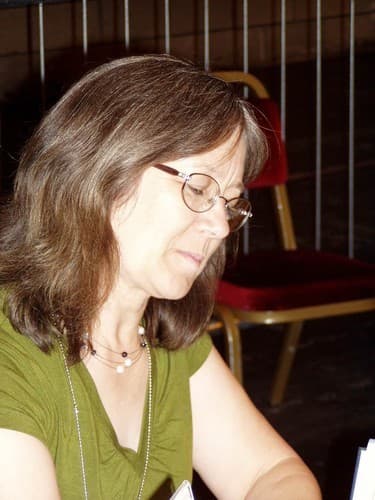
Robin Hobb is an American author known for her contributions to the fantasy genre. She is best known for her series featuring the character FitzChivalry Farseer, including the novels "Royal Assassin" and "Assassin's Quest." Hobb's works often explore themes of identity, loyalty, and the complexities of human relationships.
Similar books
- A Game of Thrones
George R.R. Martin
4.5 (2M) average on GoodreadsFantasyShares themes of political intrigue, character-driven narrative, and a gritty fantasy world.
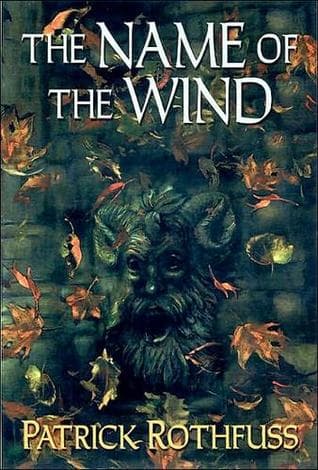
- The Name of the Wind
Patrick Rothfuss
4.5 (716k) average on GoodreadsFantasyFeatures a complex protagonist with a tragic past and a journey of self-discovery through magic.
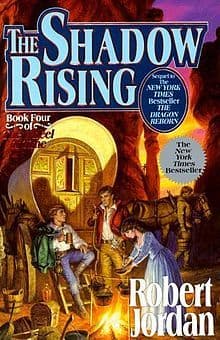
- The Shadow Rising
Robert Jordan
4.2 (172k) average on GoodreadsFantasyJordan's The Wheel of Time series, including The Shadow Rising, is known for its vast scope, large cast of characters, and intricate world-building. In contrast, Assassin's Quest maintains a tighter, more personal narrative focus on a single protagonist. While both explore epic struggles, Hobb prioritizes the internal landscape and the personal cost of heroism over Jordan's sprawling, multi-perspective epic.
- Harry Potter and the Sorcerer's Stone
J.K. Rowling
4.5 (7M) average on GoodreadsFantasyRescued from a miserable life under the stairs, an orphaned boy discovers he's a wizard destined for a magical school, where he uncovers a dangerous secret tied to the dark wizard who murdered his parents.
- The Hunger Games
Suzanne Collins
4.3 (6.4M) average on GoodreadsFantasyIn a future where children fight to the death on live television, Katniss Everdeen volunteers for the arena, turning a death sentence into a fight for survival and a spark of rebellion.
- 1984
George Orwell
4.2 (3.1M) average on GoodreadsPoliticsIn a future where surveillance and thought control are absolute, a man's search for truth clashes with the Party, showing that hope can be a form of rebellion.




Enjoyed the summary?
A summary gives you the shape of the book. The book itself has the detail, the examples and the voice.
Find Assassin's Quest on AmazonAs an Amazon Associate, BookBrief earns from qualifying purchases. How we're funded