

Estimated read time: 6 min read
One Sentence Summary
The novel "Augustus" by John Williams is a fictionalized account of the life of the Roman emperor, exploring his rise to power and the complexities of leadership.
Table of Contents
Introduction
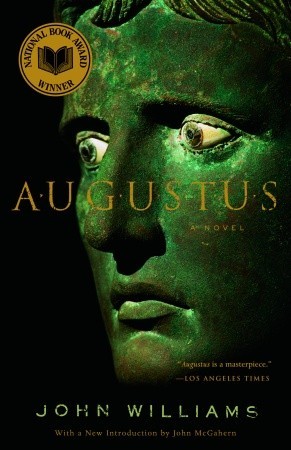
"Augustus" by John Williams is a historical fiction novel that takes readers on a journey through the life of the first Roman emperor, Gaius Octavius Thurinus, also known as Augustus. The book is an epistolary novel, written in the form of letters, diary entries, and excerpts from official documents. It provides a compelling and intimate portrayal of Augustus' rise to power, his struggles, and the complexities of his reign.
Brief Synopsis
The novel is set in ancient Rome, during a time of political turmoil and the aftermath of the assassination of Julius Caesar. It spans the years from 44 BC to 14 AD, covering the reign of Augustus and the transformation of the Roman Republic into the Roman Empire. The narrative unfolds through a series of letters and documents exchanged between various characters, offering multiple perspectives on the events and people surrounding Augustus.
Main Characters
The novel features a diverse cast of characters, each playing a significant role in shaping the events and the life of Augustus. Here are some of the main characters:
| Character | Description |
|---|---|
| Augustus | The central figure, the first Roman emperor |
| Livia | Augustus's wife and influential political figure |
| Maecenas | A trusted advisor and confidant of Augustus |
| Agrippa | A close friend and military general |
| Julia | Augustus's daughter, whose relationships shape events |
Plot Overview and Setting
The novel opens with the death of Julius Caesar and the subsequent power struggle in Rome. Through the letters and documents exchanged between the characters, the reader gains insight into the complex web of political alliances, betrayals, and personal relationships that shape the Roman Empire's fate. The narrative also delves into Augustus's personal life, his ambitions, and the challenges he faces as he navigates the treacherous world of Roman politics.
Summary of Story Points Over Chapters
Chapter 1-5: Rise to Power
In the opening chapters, the novel sets the stage for the power vacuum left by Caesar's death. Augustus, then known as Octavian, begins his political ascent, forming key alliances and building support among the Roman elite. The letters exchanged between various characters provide differing perspectives on the unfolding events, offering insights into their motivations and ambitions.
Chapter 6-10: Civil War and Triumph
As tensions escalate, the Roman Republic plunges into civil war. Augustus, alongside his loyal friend Agrippa, engages in military campaigns and political maneuvering to secure his position. The narrative captures the turmoil of the era, portraying the personal sacrifices and strategic decisions made by Augustus and those around him.
Chapter 11-15: Consolidation of Power
With the civil war resolved, Augustus consolidates his authority and undertakes sweeping reforms to stabilize the empire. The letters and documents reveal the challenges he faces in balancing his personal desires with the demands of governance, as well as the strains on his relationships with his family and allies.
Chapter 16-20: Legacy and Succession
As Augustus grows older, the narrative explores his efforts to secure the succession and ensure the continuity of his rule. The dynamics between Augustus, his wife Livia, and his daughter Julia come to the forefront, shedding light on the personal cost of maintaining power and the complexities of familial relationships in the political landscape of ancient Rome.
Main Events
- Assassination of Julius Caesar: The novel opens with the aftermath of Caesar's assassination, setting off a chain of events that shape Augustus's rise to power.
- Civil War and Triumph: The civil war between the forces of Mark Antony and Augustus culminates in the Battle of Actium, leading to Augustus's ultimate victory and the establishment of his sole rule.
- Reforms and Governance: Augustus implements far-reaching reforms, including the restructuring of the Roman Senate and the establishment of a new political order, laying the foundation for the Roman Empire's governance.
Themes and Insights
Themes
- Ambition and Power: The novel delves into the complexities of ambition and the pursuit of power, portraying the personal and political sacrifices made in the quest for dominance.
- Legacy and Succession: The theme of succession and the desire to leave a lasting legacy are central to the narrative, as Augustus grapples with the challenges of ensuring the empire's continuity beyond his reign.
- Political Intrigue: The intricate web of political alliances, betrayals, and strategic maneuvering forms a pervasive theme, offering a glimpse into the ruthless world of Roman politics.
Insights
The novel provides insights into the human dimensions of historical figures, portraying their personal struggles, desires, and vulnerabilities amid the grand backdrop of historical events. It offers a nuanced exploration of the balance between personal ambition and the responsibilities of leadership, shedding light on the enduring complexities of governance and human relationships.
Reader's Takeaway
"Augustus" offers a captivating and immersive portrayal of one of history's most influential figures, bringing to life the tumultuous era of ancient Rome and the intricate dynamics of power, ambition, and legacy. Through its epistolary format, the novel provides a multifaceted view of Augustus and the world in which he lived, inviting readers to engage with the human drama behind the grand sweep of history.
Conclusion
In "Augustus," John Williams masterfully weaves together historical accuracy and literary artistry, delivering a rich and evocative narrative that resonates with timeless themes of power, ambition, and the human experience. The novel's unique structure and compelling character portrayals offer a fresh and intimate perspective on the life and legacy of Augustus, leaving a lasting impression on readers and inviting reflection on the complexities of leadership and historical change.
Augustus FAQ
What is the book 'Augustus' about?
The book 'Augustus' by John Williams is a historical novel that follows the life of the Roman Emperor Augustus and the political intrigue, power struggles, and personal relationships that shaped his reign.
Is 'Augustus' based on true events?
Yes, 'Augustus' is based on the real-life historical figure of the Roman Emperor Augustus and the events of ancient Rome. While it is a work of fiction, it is heavily researched and draws from historical sources.
What makes 'Augustus' unique compared to other historical novels?
One unique aspect of 'Augustus' is its narrative style, which is presented through letters, diary entries, and other forms of correspondence, providing a rich and intimate portrayal of the characters and their inner thoughts.
Who would enjoy reading 'Augustus'?
Readers who are interested in ancient history, political intrigue, and character-driven narratives would likely enjoy 'Augustus'. It appeals to those who appreciate historical fiction and a deep exploration of complex characters.
What themes are explored in 'Augustus'?
Some of the themes explored in 'Augustus' include power, ambition, loyalty, friendship, and the complexities of leadership. The novel delves into the personal and political struggles of its characters within the context of ancient Rome.


