
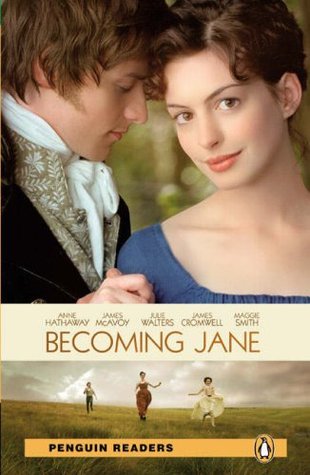
Estimated read time: 9 min read
One Sentence Summary
"Becoming Jane" by Kevin Hood is a fictionalized account of the early life and romantic struggles of the young Jane Austen, exploring her passion for writing and the societal constraints she faced.
Table of Contents
Introduction
Becoming Jane by Kevin Hood is a captivating novel that delves into the formative years of one of literature’s most beloved figures—Jane Austen. This engaging narrative explores the personal and social forces that shaped Austen’s early life, illuminating the experiences that inspired her timeless novels. Hood’s work stands as an insightful tribute to Austen’s journey from a spirited young woman to a literary icon, blending historical context with vivid storytelling to engage readers, especially college students and lecturers interested in literary history, gender studies, and early 19th-century British society.
Historical Context
Set in late 18th-century and early 19th-century England, Becoming Jane unfolds during a period of significant social and political change. The era was marked by the aftermath of the American Revolution, the ongoing Napoleonic Wars, and evolving class structures that influenced social mobility and gender roles.
Jane Austen lived during the Regency period, a time when women’s opportunities were severely limited, especially regarding education and economic independence. Marriage was often the primary means for women to secure financial stability and social status. Austen’s life and writings reflect these constraints, making her an astute observer and critic of the gender dynamics of her time.
Notably, the novel also references real historical figures and events, such as Austen’s family members and acquaintances, grounding the fictionalized account in authentic historical texture. This setting is crucial for understanding the societal pressures Austen navigated, which profoundly influenced her literary themes.
Brief Synopsis
Plot Overview
Becoming Jane traces Jane Austen’s early adulthood, focusing on her passionate and often complicated relationships, her intellectual growth, and the societal challenges she faced as a woman aspiring to write and live authentically. The novel highlights Jane’s struggle between conforming to societal expectations and pursuing her desires, particularly her romantic life and literary ambitions.
Through evocative prose, Hood portrays Jane’s encounters with love, loss, and family tensions, painting a nuanced picture of her development. The narrative does not simply recount historical facts but imagines the emotional landscape behind Austen’s experiences, providing readers with a layered understanding of the woman behind the novels.
Setting
The story is primarily set in the English countryside, specifically Hampshire, where Jane Austen lived, and occasionally in London, which represents a wider social world with different opportunities and challenges. The rural setting underscores themes of tradition, community, and the limitations imposed by small-town life, while the urban scenes introduce broader societal dynamics.
The atmosphere is richly drawn, with descriptions of social gatherings, family life, and the natural environment that Austen cherished. This setting fosters an immersive experience, allowing readers to sense the constraints and freedoms that shaped Austen’s identity and creativity.
Main Characters
Below is a table summarizing the key characters in Becoming Jane:
| Name | Role | Key Traits | Importance to the Plot |
|---|---|---|---|
| Jane Austen | Protagonist | Intelligent, witty, independent | Central figure; her growth drives the story |
| Tom Lefroy | Love Interest | Charismatic, passionate, rebellious | Represents Jane’s romantic and social challenges |
| Cassandra Austen | Jane’s Sister | Protective, loyal, pragmatic | Emotional support and confidante |
| George Austen | Jane’s Father | Affectionate, scholarly, traditional | Influences Jane’s early education and values |
| Mrs. Austen | Jane’s Mother | Socially conscious, concerned about status | Embodies societal pressures on Jane |
| Henry Austen | Jane’s Brother | Supportive, ambitious | Encourages Jane’s literary pursuits |
| Lady Gresham | Social Rival | Aristocratic, manipulative | Symbolizes societal barriers and expectations |
Plot Summary
Early Life and Family Influences
The novel opens by exploring Jane’s upbringing in a loving but socially constrained family. Her father’s scholarly interests and her mother’s preoccupation with social standing create a dual influence on Jane—encouraging intellectual curiosity while enforcing societal norms. Her close bond with her sister Cassandra is portrayed as a vital emotional anchor.
Romantic Awakening and Social Constraints
Jane’s encounter with Tom Lefroy introduces the theme of forbidden love. Their witty banter and mutual attraction highlight Jane’s spirited nature and longing for personal freedom. However, Tom’s social standing and family expectations complicate their relationship, embodying the era’s rigid class and gender hierarchies.
Literary Aspirations Amidst Adversity
Parallel to her romantic story, Jane’s passion for writing emerges as a defining element of her identity. Hood details her early attempts at storytelling and poetry, revealing her determination to express herself despite societal skepticism about women writers.
Family Challenges and Personal Growth
The narrative delves into family tensions, including financial difficulties and health issues, which force Jane to confront the precariousness of her position. These challenges deepen her resolve and maturity, shaping the themes of resilience and independence that permeate her later works.
Resolution and Forward Look
While the novel concludes without revealing Austen’s full literary success, it leaves readers with a sense of hope and anticipation. Jane’s experiences culminate in a strengthened sense of self and a commitment to her craft, suggesting the transformative journey that would lead to her enduring legacy.
Themes and Motifs
Gender and Social Class
A central theme is the tension between individual desire and societal expectations, particularly for women. The novel critiques the limited roles available to women and the economic imperatives driving marriage choices. Jane’s struggles highlight the broader constraints on female agency in Regency England.
Love and Independence
Jane’s relationship with Tom Lefroy symbolizes the conflict between romantic love and social realism. The motif of love as both a personal and societal negotiation recurs throughout, emphasizing the complexity of human relationships within rigid social frameworks.
Literary Ambition and Creativity
Hood foregrounds Jane’s emerging literary talent as a form of self-expression and defiance. Writing becomes a motif for autonomy and intellectual freedom, contrasting with the restrictive roles prescribed to women.
Family and Community
The importance of family ties and social networks is another key theme. The novel portrays both the support and pressure these relationships provide, illustrating the dual nature of community as nurturing and confining.
Literary Techniques and Style
Kevin Hood employs a narrative style that balances historical detail with emotional intimacy. His use of third-person limited perspective allows readers to closely experience Jane’s internal conflicts and aspirations.
Symbolism
Hood uses symbolic elements such as letters, manuscripts, and social gatherings to represent communication, creativity, and societal scrutiny. The English countryside itself serves as a symbol of tradition and constraint.
Dialogue and Wit
The novel captures Austen’s characteristic wit through sharp, intelligent dialogue, especially in interactions between Jane and Tom Lefroy. This technique not only brings characters to life but also echoes the humor found in Austen’s own novels.
Realism and Historical Accuracy
While the story is fictionalized, Hood integrates authentic historical details, lending credibility and depth. The realistic portrayal of Regency social customs and family dynamics enhances the immersive quality of the narrative.
Author's Background
Kevin Hood is a British writer and screenwriter known for his work in both literature and film. His expertise in crafting character-driven stories with rich historical settings is evident in Becoming Jane. Hood’s interest in literary figures and historical narratives informs his nuanced portrayal of Jane Austen.
His writing style is marked by clarity, emotional depth, and a keen sense of period detail. Hood aims to humanize historical icons, making their stories accessible and relatable to contemporary readers. Beyond Becoming Jane, his screenplays and novels often explore themes of identity, creativity, and social change.
Key Takeaways
- Becoming Jane offers a vivid exploration of Jane Austen’s early life, revealing the personal experiences behind her literary genius.
- The novel highlights the restrictive social and gender norms of Regency England and their impact on women’s lives.
- Jane’s romantic and creative struggles illustrate the universal tension between conformity and self-expression.
- Hood’s use of wit, symbolism, and historical realism enriches the narrative, making it both educational and engaging.
- The book encourages readers to appreciate Austen not only as a novelist but as a complex individual shaped by her time.
Reader's Takeaway
Readers will find Becoming Jane intellectually stimulating and emotionally resonant. The novel invites reflection on themes of gender, class, love, and creativity that remain relevant today. It provides a fresh perspective on Austen’s life, fostering deeper appreciation for her work and the historical context that influenced it.
For students and lecturers, the book serves as a valuable resource to explore early 19th-century literature, women’s history, and the interplay between biography and fiction. Its accessible style and rich detail make it suitable for both academic study and casual reading.
Conclusion
Kevin Hood’s Becoming Jane is a compelling portrayal of Jane Austen’s formative years, blending historical authenticity with imaginative storytelling. It sheds light on the personal and societal forces that shaped one of the greatest writers in English literature. This novel not only enriches our understanding of Austen’s life but also invites readers to engage with enduring questions about identity, love, and artistic ambition. Whether you are a literary scholar, a student, or a curious reader, Becoming Jane offers a meaningful and inspiring journey into the making of a literary legend.
Becoming Jane FAQ
What is the book 'Becoming Jane' by Kevin Hood about?
'Becoming Jane' by Kevin Hood is a biographical novel that explores the early life and romantic experiences of the young Jane Austen, offering insight into the influences behind her beloved novels.
Is 'Becoming Jane' by Kevin Hood a historical fiction or a biography?
'Becoming Jane' blends elements of historical fiction and biography, dramatizing Jane Austen's formative years and her relationships while staying rooted in historical context.
Does the book cover Jane Austen's entire life?
No, 'Becoming Jane' focuses primarily on Jane Austen's youth and early adulthood, highlighting the events that shaped her writing rather than her entire life story.
How accurate is the portrayal of Jane Austen in 'Becoming Jane'?
While the book is based on historical research, it includes fictionalized elements to fill gaps in Austen's early life, so some details are imaginative interpretations.
Is 'Becoming Jane' connected to the film of the same name?
Yes, Kevin Hood wrote the screenplay for the film 'Becoming Jane', and the book complements the movie by providing a deeper narrative of Jane Austen's early years.
Who would enjoy reading 'Becoming Jane'?
Fans of Jane Austen, historical fiction enthusiasts, and readers interested in literary biographies will find 'Becoming Jane' compelling and insightful.
What themes are explored in 'Becoming Jane'?
'Becoming Jane' explores themes such as love and romance, social class and expectations, personal growth, and the development of Jane Austen's literary voice.
Does the book include Jane Austen's own writings?
'Becoming Jane' does not include original writings by Jane Austen but depicts the circumstances that inspired her novels.


