
Estimated read time: 7 min read
One Sentence Summary
"Better off Friends" by Elizabeth Eulberg is a charming young adult novel about two childhood friends who navigate the complexities of their evolving relationship as they realize they might be more than just friends.
Table of Contents
Introduction
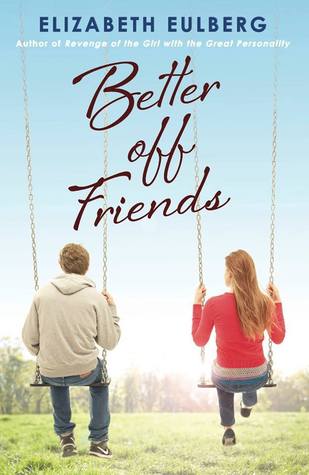
Elizabeth Eulberg’s Better Off Friends is a charming young adult novel that delves into the complexities of adolescent friendship and the blurry lines between friendship and romance. Set against the backdrop of high school life, this story captures the awkward, poignant, and often hilarious moments that define teenage relationships. With a witty narrative and relatable characters, Eulberg offers readers a heartfelt exploration of trust, communication, and the fear of risking friendship for something more.
This summary aims to provide college students, lecturers, and general readers with an in-depth, engaging overview of the book. By unpacking its themes, characters, and narrative style, readers will gain insightful perspectives without spoiling the novel’s delightful surprises.
Historical Context
Although Better Off Friends is a contemporary novel, it reflects enduring social dynamics and cultural themes relevant to modern adolescence. The story is set in the early 21st century, a time when social media and changing communication patterns influence teenage interactions. Eulberg’s portrayal resonates with the challenges young people face in balancing personal identity, social expectations, and emotional vulnerability.
The book does not hinge on historical events but rather captures a slice of contemporary youth culture. Its significance lies in its authentic depiction of friendship evolution during pivotal developmental years, making it a notable contribution to young adult literature.
Brief Synopsis
Plot Overview
The narrative centers on Sylvie, a high school junior, and her longtime friend, Ben. Their friendship is comfortable, filled with shared jokes and mutual support. However, as feelings deepen, both struggle with the possibility of crossing the line into romance. The novel explores their internal conflicts, misunderstandings, and the tension between maintaining a cherished friendship and embracing new emotional territory.
Setting
Set in a typical American suburban high school environment, the story vividly captures the atmosphere of teenage life. From bustling hallways to casual hangouts, the setting is familiar and relatable. The ambiance is enhanced by the author’s attention to everyday details—text messages, school events, and family interactions—that ground the story in realism.
Main Characters
| Name | Role | Key Traits | Importance to Plot |
|---|---|---|---|
| Sylvie | Protagonist | Witty, introspective, loyal | Narrator; her perspective drives the story and emotional depth |
| Ben | Sylvie's best friend | Kind, humorous, cautious | Central to the friendship and romantic tension |
| Other supporting characters | Peers, family members | Varied personalities | Provide context and contrast to main characters |
Plot Summary
Early Friendship Dynamics
The novel opens with Sylvie and Ben’s established friendship, showcasing their easy camaraderie and shared history. Their interactions are marked by teasing and mutual understanding, highlighting a deep bond that has weathered various adolescent challenges.
Emerging Feelings
As the story progresses, subtle shifts reveal that their relationship is evolving. Both Sylvie and Ben experience moments of jealousy, confusion, and hesitation. The narrative carefully portrays their internal dialogues, illustrating the fear of jeopardizing their friendship.
Conflict and Miscommunication
Misunderstandings add tension, as neither knows how to express their feelings openly. Scenes of awkward encounters and overheard conversations inject humor while underscoring the emotional stakes. This section is pivotal, demonstrating how communication breakdowns can complicate close relationships.
Resolution and Growth
Without giving away specific outcomes, the latter part of the book focuses on Sylvie and Ben confronting their emotions honestly. The story emphasizes personal growth and the value of vulnerability. The resolution reinforces themes of trust and the importance of clear communication in sustaining meaningful connections.
Themes and Motifs
Friendship versus Romance
At its core, Better Off Friends explores the delicate balance between platonic and romantic relationships. The novel questions whether crossing the friendship boundary enhances or endangers the bond.
Communication and Misunderstanding
The story underscores how lack of open dialogue can create confusion and hurt. Through Sylvie and Ben’s experiences, readers see the necessity of honesty and vulnerability.
Adolescence and Identity
Sylvie’s journey reflects broader themes of self-discovery. The novel portrays teenage years as a time of emotional exploration and the search for authentic connections.
Humor as a Coping Mechanism
Eulberg uses witty exchanges and humorous situations to lighten emotional tension, illustrating how laughter helps characters navigate complicated feelings.
Literary Techniques and Style
Elizabeth Eulberg employs a first-person narrative that immerses readers in Sylvie’s thoughts and emotions. This perspective fosters intimacy and immediacy, making the story’s emotional beats more impactful.
The author’s style is conversational yet polished, balancing humor and sincerity. Dialogue is sharp and realistic, enhancing character development and pacing.
Symbolism appears subtly, such as recurring motifs of music and shared memories that symbolize the characters’ connection and evolving feelings.
Eulberg’s use of pacing ensures that the plot unfolds naturally, with tension building gradually rather than through dramatic twists. This realism is a hallmark of her literary approach, appealing to readers who appreciate character-driven narratives.
Author's Background
Elizabeth Eulberg is an acclaimed author known for her contributions to young adult literature. Her writing often centers on themes of friendship, identity, and the complexities of adolescence. With a background in literature and a keen understanding of teenage psychology, Eulberg crafts stories that resonate authentically with young readers.
Her other notable works include The Lonely Hearts Club and Better Off Friends, both celebrated for their relatable characters and insightful exploration of youth culture.
Eulberg’s impact lies in her ability to blend humor with emotional depth, making her novels both entertaining and thought-provoking. She is recognized for encouraging empathy and self-reflection among her audience.
Key Takeaways
- Navigating Friendship and Romance: The novel highlights the challenges of evolving relationships during adolescence.
- Importance of Communication: Honest dialogue is essential to maintaining trust and understanding.
- Emotional Vulnerability: Opening up about feelings fosters deeper connections.
- Humor and Realism: Balancing lightheartedness with sincere moments enriches character interactions.
- Adolescent Identity: The story reflects the broader journey of self-discovery common to young adults.
Reader's Takeaway
Readers will find Better Off Friends an engaging, relatable portrayal of teenage life that blends humor with heartfelt emotion. The book invites reflection on personal relationships and encourages openness in expressing feelings. Its accessible style and authentic voice make it an enjoyable read for both young adults and educators interested in adolescent psychology and literature.
The narrative’s emotional nuances provide a meaningful experience that extends beyond typical young adult romance, offering insights into the complexities of human connection.
Conclusion
Elizabeth Eulberg’s Better Off Friends is more than just a story about high school romance; it’s a nuanced exploration of friendship, trust, and the courage to embrace change. Through witty dialogue and emotionally rich characters, the novel captures the essence of adolescence with warmth and honesty.
For students and lecturers alike, this book offers valuable perspectives on communication and relationship dynamics, making it a worthy addition to discussions on youth literature and social development. Readers are encouraged to explore the novel for its blend of humor, heart, and insightful commentary on growing up.
This summary provides a comprehensive, academically engaging overview of Better Off Friends, designed to enhance understanding and spark interest without spoiling the story’s key moments. Whether for classroom discussion or personal enrichment, Elizabeth Eulberg’s work remains a compelling study of friendship’s evolving nature.
Better off Friends FAQ
What is the main theme of "Better off Friends" by Elizabeth Eulberg?
The main theme of "Better off Friends" revolves around friendship, love, and the complexities of navigating romantic feelings within a close friendship.
Who are the main characters in "Better off Friends"?
The story centers on Sylvie and Wes, two childhood friends who have maintained a close relationship over the years and explore the boundaries between friendship and romance.
Is "Better off Friends" suitable for young adult readers?
Yes, "Better off Friends" is a young adult novel that deals with relatable themes and coming-of-age experiences suitable for teen readers.
What genre does "Better off Friends" belong to?
"Better off Friends" is a contemporary young adult romance novel with elements of friendship and personal growth.
Does the book explore the challenges of transitioning from friends to romantic partners?
Yes, a central element of the story is how Sylvie and Wes grapple with their feelings and the potential risks and rewards of changing their relationship from friendship to romance.
Is "Better off Friends" a standalone book or part of a series?
"Better off Friends" is a standalone novel.
What age group is "Better off Friends" recommended for?
The book is recommended for readers aged 14 and up, especially those interested in contemporary romance and friendship stories.
Does the story take place in a specific setting?
Yes, the story is set primarily in a small town where Sylvie and Wes have grown up together.
What is the tone or mood of "Better off Friends"?
The tone is heartfelt, light-hearted, and realistic, with moments of humor and emotional depth.


