
Estimated read time: 7 min read
One Sentence Summary
Big Nate tries to win a big contest to impress his friends and prove his skills, but faces hilarious challenges along the way.
Table of Contents
Introduction
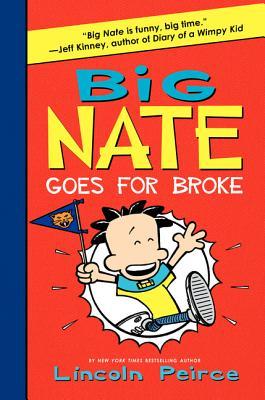
Imagine a middle schooler whose world is a whirlwind of hilarious mishaps, wild ambitions, and relentless determination. That’s Big Nate, and in Big Nate Goes for Broke, author Lincoln Peirce delivers another rollicking adventure that perfectly captures the chaotic charm of growing up. This book, part of the beloved Big Nate series, is a treasure trove of humor, relatable school shenanigans, and heartfelt moments. It’s a must-read for students, educators, and anyone who remembers the wild ride of adolescence.
Lincoln Peirce’s Big Nate series has long been celebrated for its witty storytelling and comic-strip style that appeals to reluctant and avid readers alike. Big Nate Goes for Broke continues this tradition, offering a fresh, engaging story that combines the trials of middle school life with the universal quest for acceptance and success.
Historical Context
Big Nate Goes for Broke was published in 2017, a time when graphic novels and illustrated middle-grade books were becoming central to school libraries and classrooms. The book fits perfectly within the landscape of contemporary children’s literature that emphasizes humor, visual storytelling, and the everyday challenges of school life.
Lincoln Peirce draws from his own experiences as a cartoonist and teacher, blending them into the fictional world of Nate Wright. The book reflects modern middle school culture, including the importance of friendship, extracurricular activities, and the awkwardness of growing up. Though it’s a contemporary work, the timeless themes make it relevant across generations.
Brief Synopsis
Plot Overview
In Big Nate Goes for Broke, Nate is determined to win the School Spelling Bee, a goal that seems simple but quickly spirals into a series of comic disasters. Between preparing for the competition, dealing with his unpredictable classmates, and navigating the usual middle school chaos, Nate’s journey is both funny and heartfelt.
The plot revolves around Nate’s attempts to conquer words, overcome self-doubt, and prove himself—not just to others but to himself. With his usual mix of confidence and blunders, Nate’s preparation for the spelling bee becomes a humorous rollercoaster packed with pranks, rivalries, and unexpected twists.
Setting
The story unfolds primarily at P.S. 38, Nate’s middle school, a lively and chaotic environment full of quirky teachers, competitive classmates, and familiar schoolroom antics. The setting is quintessentially American middle school, complete with lockers, classrooms, and the all-important gym where events like the spelling bee take place.
Peirce’s depiction of the school is vivid and relatable, capturing the energetic atmosphere of a place where every day promises new challenges and surprises. The suburban backdrop adds to the sense of familiarity for many readers.
Main Characters
| Name | Role | Key Traits | Importance to the Plot |
|---|---|---|---|
| Nate Wright | Protagonist | Funny, ambitious, clumsy | Central character; drives the story |
| Francis Pope | Nate’s Best Friend | Loyal, smart, supportive | Helps Nate prepare for the spelling bee |
| Gina Hemphill | Nate’s Rival | Competitive, intelligent | Provides tension and competition |
| Mrs. Godfrey | Teacher | Strict but caring | Oversees the spelling bee |
| Teddy Ortiz | Friend | Energetic, creative | Adds humor and support |
These characters create a dynamic network that pushes Nate’s story forward. Their interactions offer both conflict and camaraderie, enriching the narrative.
Plot Summary
Preparing for the Spelling Bee
Nate’s decision to enter the spelling bee sets the stage for the story. Confident in his abilities, he quickly learns that spelling is harder than it looks. His preparation is marked by hilarious misunderstandings and distractions, including his attempts to study while balancing other school responsibilities.
Rivalry with Gina
Gina emerges as Nate’s main competitor, intensifying the stakes. Their rivalry is playful but fierce, highlighting the pressures of competition and the desire to excel. This dynamic adds depth to Nate’s journey, showcasing his growth as he learns about sportsmanship and perseverance.
Unexpected Challenges
Throughout the story, Nate faces a series of obstacles—forgotten words, last-minute changes to the competition, and his own nerves. These challenges humanize him, making his triumphs and setbacks relatable and engaging.
The Big Day
The climax revolves around the spelling bee event itself, filled with suspense, humor, and surprises. Without giving away the ending, this section highlights Nate’s resilience and the support from his friends, underscoring the book’s themes of friendship and self-belief.
Themes and Motifs
Ambition vs. Reality
Nate’s dream of winning the spelling bee represents the universal tension between youthful ambition and real-world challenges. The story humorously explores how goals can be complicated by unexpected difficulties.
Friendship and Support
The loyalty and encouragement from Nate’s friends, especially Francis and Teddy, emphasize the importance of community in personal growth. Their roles highlight how collaboration often trumps solo effort.
Humor as a Coping Mechanism
The book uses humor to address the anxieties of middle school life. Nate’s jokes and comic mishaps provide a way to deal with stress, making the narrative both entertaining and emotionally resonant.
Competition and Sportsmanship
Nate’s interactions with Gina and other competitors explore the fine line between rivalry and respect. The story encourages healthy competition and learning from both wins and losses.
Literary Techniques and Style
Comic Strip Format
Peirce’s blend of prose and comic-strip illustrations offers a unique reading experience. The visuals complement the text, making complex emotions and actions immediately clear and engaging.
First-Person Narrative
Nate’s perspective invites readers directly into his thoughts, adding intimacy and immediacy. This style enhances humor and helps readers connect with his struggles.
Use of Humor and Hyperbole
The book employs exaggeration and witty dialogue to heighten comedic effect. Nate’s over-the-top reactions and vivid imagination infuse energy into everyday situations.
Realistic Dialogue
The conversations between characters feel authentic, capturing the vernacular of middle school students. This adds to the book’s relatability and charm.
Author's Background
Lincoln Peirce is a cartoonist and author with a background in art and education. Before creating Big Nate, Peirce worked as a teacher and a newspaper cartoonist, experiences that heavily influenced his portrayal of school life.
Peirce’s distinctive style combines humor, empathy, and sharp observation. His Big Nate series has garnered a devoted following and critical acclaim for making reading accessible and fun for young audiences. Beyond Big Nate, Peirce has contributed to various comic strips and children’s literature projects.
His legacy lies in his ability to capture the ups and downs of childhood with honesty and humor, encouraging a new generation to embrace reading.
Key Takeaways
- Persistence and resilience: Success often requires enduring setbacks and continuing to try.
- The value of friendship: Support systems are crucial in overcoming challenges.
- Humor enriches learning: Laughing at mistakes makes growth less intimidating.
- Healthy competition: Rivalry can motivate but should be balanced with respect.
- Self-awareness: Understanding one’s strengths and weaknesses is key to personal development.
Reader's Takeaway
Big Nate Goes for Broke offers more than laughs; it provides a mirror to middle school experiences, making readers feel seen and understood. Nate’s antics and adventures invite empathy and reflection, encouraging young readers to embrace their imperfections and keep striving. For educators, the book is a useful tool for discussing themes like perseverance, friendship, and self-confidence in the classroom.
The emotional highs and lows, combined with the accessible format, make the book a rewarding read that fosters both entertainment and learning.
Conclusion
Lincoln Peirce’s Big Nate Goes for Broke is a masterful blend of humor, heart, and middle school mayhem. It captures the spirit of adolescence with authenticity and wit, making it a standout in children’s literature. Whether you’re a student navigating your own school challenges or a teacher seeking engaging material, this book offers valuable insights wrapped in laughter.
Dive into Nate’s world to experience the chaos, camaraderie, and courage that define growing up. Big Nate Goes for Broke is more than a story—it’s an invitation to celebrate the messy, magnificent journey of youth.
Big Nate Goes for Broke FAQ
Who is the main character in Big Nate Goes for Broke?
The main character is Nate Wright, a witty and mischievous sixth grader.
What is the main plot of Big Nate Goes for Broke?
The story follows Nate as he faces challenges at school and in his social life, often getting into humorous situations while trying to navigate friendships and rivalries.
Is Big Nate Goes for Broke part of a series?
Yes, it is one of the books in the popular Big Nate series by Lincoln Peirce.
What age group is Big Nate Goes for Broke suitable for?
The book is best suited for middle-grade readers, typically ages 8 to 12.
Does Big Nate Goes for Broke include illustrations?
Yes, like other books in the series, it includes comic-style illustrations that complement the text.
What themes are explored in Big Nate Goes for Broke?
Themes include friendship, school life, humor, perseverance, and dealing with everyday challenges.
Who is the author of Big Nate Goes for Broke?
The author of the book is Lincoln Peirce.
Can Big Nate Goes for Broke be read as a standalone book?
Yes, while it is part of a series, readers can enjoy this book on its own without prior knowledge of earlier titles.
Are there any notable supporting characters in Big Nate Goes for Broke?
Yes, supporting characters like Francis, Teddy, and Gina play important roles in the story.
What is the tone or style of writing in Big Nate Goes for Broke?
The tone is humorous and lighthearted, featuring Nate's witty narration and comic strip elements.


